预约演示
更新于:2026-02-06

SiteOne Therapeutics, Inc.
更新于:2026-02-06
概览
标签
神经系统疾病
其他疾病
呼吸系统疾病
小分子化药
疾病领域得分
一眼洞穿机构专注的疾病领域

暂无数据
技术平台
公司药物应用最多的技术
暂无数据
靶点
公司最常开发的靶点
暂无数据
| 疾病领域 | 数量 |
|---|---|
| 神经系统疾病 | 5 |
| 排名前五的药物类型 | 数量 |
|---|---|
| 小分子化药 | 4 |
| 未知 | 1 |
| 排名前五的靶点 | 数量 |
|---|---|
| Nav1.7(IX型钠通道蛋白α亚基) | 4 |
| Nav1.8(X型钠通道蛋白α亚基) | 1 |
关联
5
项与 SiteOne Therapeutics, Inc. 相关的药物靶点 |
作用机制 Nav1.8阻滞剂 |
非在研适应症- |
最高研发阶段临床1期 |
首次获批国家/地区- |
首次获批日期- |
靶点 |
作用机制 Nav1.7调节剂 |
在研适应症 |
非在研适应症- |
最高研发阶段临床申请 |
首次获批国家/地区- |
首次获批日期- |
靶点 |
作用机制 Nav1.7阻滞剂 |
在研适应症 |
非在研适应症- |
最高研发阶段临床申请 |
首次获批国家/地区- |
首次获批日期- |
2
项与 SiteOne Therapeutics, Inc. 相关的临床试验ACTRN12624000642583
A Phase 1, Randomized, Double-Blind, Placebo-Controlled Single and Multiple Ascending Dose Study to Evaluate the Safety, Tolerability, Pharmacokinetics, and Pharmacodynamics of STC-004 in Healthy Adults
开始日期2024-06-11 |
申办/合作机构 |
NCT04475198
A Phase 1, Randomized, Double-Blind, Placebo-Controlled Single Ascending Dose Study to Evaluate the Safety, Tolerability, and Pharmacokinetics of ST-2427 IV Infusion in Healthy Subjects
This randomized, double-blind, placebo controlled, study will be conducted to evaluate the safety, tolerability, and pharmacokinetics of ST-2427. Subjects will be randomized to receive a single dose of ST-2427 or placebo in a Single Ascending Dose (SAD) design.
A total of 30 subjects will be enrolled. Subjects will be randomized in a 4:2 ratio of ST-2427 to placebo. Study drug will be blinded to all subjects and investigators.
A total of 30 subjects will be enrolled. Subjects will be randomized in a 4:2 ratio of ST-2427 to placebo. Study drug will be blinded to all subjects and investigators.
开始日期2021-03-04 |
申办/合作机构 |
100 项与 SiteOne Therapeutics, Inc. 相关的临床结果
登录后查看更多信息
0 项与 SiteOne Therapeutics, Inc. 相关的专利(医药)
登录后查看更多信息
93
项与 SiteOne Therapeutics, Inc. 相关的新闻(医药)2026-02-04
Eli Lilly surpassed analysts’ expectations for 2025 and fourth quarter revenues on Wednesday morning and anticipates a large increase in revenue this year, marking a sharp juxtaposition to its main rival, Novo Nordisk, which expects to shrink in 2026.
Lilly
said
it pulled in $19.29 billion in the last quarter of 2025, thanks to $11.66 billion from its tirzepatide franchise. Analysts had expected $17.8 billion for the quarter. Full-year 2025 revenues came in at $65.17 billion, well above the $63.9 billion that analysts projected and $63.5 billion that Lilly
predicted in October
.
Lilly expects major sales growth this year, as well. The company predicts $80 billion to $83 billion in revenue this year. That would be less than the 45% revenue growth it charted from 2024 to 2025, but still a meaningful bump up, and would make it one of the largest drugmakers by revenue.
The large drugmaker’s main competitor, Novo Nordisk, disappointed the market a day earlier with the news that it expects
sales to shrink
by 5% to 13% at constant exchange rates in 2026. Novo’s crushing guidance led to a 14% dip in its share price and affected other weight-loss drug developers. Lilly’s stock closed down 3.9% on Tuesday, as well.
The Indianapolis pharma giant’s Wednesday full-year 2025 report marks the first earnings clip since being crowned the first trillion-dollar healthcare company in November, entering rarefied territory amongst the ranks of mostly tech behemoths. Lilly’s stature has drastically risen in recent years as the drugmaker surpassed its Danish rival in the obesity market.
Lilly is hot on the heels of Novo on the oral GLP-1 front. Novo was once again first to market with an oral GLP-1 for obesity — with more than
170,000 Wegovy pill prescriptions
in January. Lilly CEO David Ricks
told
CNBC
last week that he expects “immediate” Medicare coverage following the potential launch of its pill, called orforglipron, next quarter.
A suite of next-generation anti-obesity medicines is in the works in Lilly’s labs to fend off the dozens of companies attempting to enter the field. One of those potential future competitors, Pfizer,
delivered data
on the long-acting GLP-1 it got in the up to $10 billion Metsera deal. Investors and analysts were a little underwhelmed by the Tuesday data drop.
Lilly has also been slinging deals to pad out its pipeline beyond obesity. It made
39 transactions
in 2025, including cancer biotech Scorpion, pain drug developer SiteOne and genetic medicines companies Verve and Adverum.
While it’s brought in multiple external assets, it has also recently dropped some programs. In the last quarter, it culled an actinium-based radiopharmaceutical for prostate cancer, a CD19 antibody for multiple sclerosis and rheumatoid arthritis and a gene therapy for frontotemporal dementia, according to its earnings
presentation
.
2026-01-28
全球10大制药公司
在当今高风险的生物制药领域,成为全球顶尖制药公司,且做到跻身全球前10的十大制药公司,不仅仅是考量制药公司的规模,同时考量制药公司进入全球市场情况,全球收入,创新管线,市场估值和治疗领域的领导力方面都得做到表现出色。全球制药贸易发布的跻身前10的制药公司,都各具特色,且是按照评估标准进行的评定。
2025年,全球制药行业正被药物开发、管线战略和治疗创新等多方面的变革力量重塑。这些核心趋势凸显了该行业的发展方向:GLP-1的崛起与肥胖药物市场扩展:礼来的Mounjaro和诺和诺迪的Wegovy推动了全球GLP-1受体激动剂的热潮,使代谢和减重疗法成为本十年的重磅药物类别。
肿瘤学管线整合与战略性制药收购:生物制药并购格局正向靶向肿瘤学转变,辉瑞、艾伯维和BMS主导的抗体药物偶联物(ADC)、放射配体疗法以及基于细胞的癌症治疗项目激增。
个性化医疗与生物标志物驱动药物开发:罗氏和阿斯利康公司通过集成伴随诊断、生物标志物分层和人工智能临床试验框架推进精准医疗,标志着个性化治疗靶向的转变。
专利悬崖风险与重磅后组合多元化:大型制药公司通过将资金重新分配到中后期管道、小分子-生物混合产品以及基于平台的许可策略,积极管理生物制剂专利到期如Humira、Keytruda、Revlimid。
生物制造和临床基础设施投资回归:受监管变化和全球风险缓解推动,阿斯利康和礼来等公司正在美国本土的药品制造、临床试验去中心化和供应链韧性方面投入数十亿美元,作为竞争差异化的因素。
这些制药行业趋势凸显了该行业向高价值、可扩展性和数据驱动创新转型的趋势,为2025年及以后奠定竞争蓝图。在一个以精准创新、平台可扩展性和全球治疗公平为标志的时代,2025年的制药领导者不仅在重新设计药物的制造方式,更在为谁制造的机制。无论是重塑代谢健康、推进生物标志物疗法,还是增强供应韧性,顶级制药公司都在前所未有的规模上将科学与战略相结合。
全球10大制药公司2025年特色概要
1. 强生,辉瑞和罗氏通过结合其高收入和在免疫学、肿瘤学及诊断领域的创新,继续保持全球制药领导地位。
2.礼来和诺和诺德正在引领GLP-1肥胖和糖尿病热潮
重塑2025年的代谢治疗市场。
3. 默克,阿斯利康和百时美施贵宝继续在肿瘤学管线中占据主导地位
其产品Keytruda、Tagrisso和Opdivo得益于大量研发投入。
4. 艾伯维和诺华正在通过并购,放射性配体疗法和RNA平台扩展,在重磅药物专利到期后重新平衡产品组合。
评定指标设定因素2025年,全球顶级制药公司排名也考量精准医疗,生物制造投资以及关键治疗领域的全球管线整合等因素。评估的内容包括收入,估值和创新如何交汇融合,制药公司所在治疗领域的领导力,等综合因素。
2025年,全球顶级制药公司排名基于财务,战略和科学系统指标,进行的评定。这些评定因素不仅有助于评估制药企业当前表现,还能衡量其未来增长潜力及在全球药物开发中的领导地位。
评定指标如下
1. 制药公司收入2024–2025年.
2. 市值。
3. 治疗领域领导力,例如肿瘤学,免疫学,肥胖症。
4. 管线强度及创新速度。
5. 研发投资占收入百分比。
6. 先进平台的采用。例如GLP-1,ADC,AI药物研发。
7. 全球市场覆盖。
8. 近期并购与战略扩张。
接下来,将从各个重要参数指标对每家公司进行分析,通过这种整体分析视角,全球顶级制药公司将不仅仅是名字,而是推动全球医疗发展的动态实体。
2025年,全球十大顶级制药公司如下
一. 强生,以免疫学和肿瘤学为主导的制药增长强生旗下生物制药部门扬森通过转化药理学,人工智能驱动靶点发现和真实证据整合的先进框架,引领全球药物开发。公司的创新流程强调免疫调节,血液肿瘤学和生物标志物引导疗法,并配合全球监管协调和加快申报策略。1. 制药收入2024年:570亿美元。
2. 市值2025年10月:4600亿美元.3. 旗舰产品:Stelara、Darzalex、Tremfya.4. 核心治疗领域:免疫学、肿瘤学、神经科学、传染病.5. 管道展望:50个活跃项目,预计到2030年将启动15个项目。
6. 平台重点:生物制剂、细胞疗法、靶向基因疗法.7. 运营覆盖范围:150个国家。
二. 辉瑞 通过疫苗和RNA疗法实现全球扩展辉瑞拥有超过175年的治疗型领导传统。它从1849年的化学制造商发展成为世界上最先进的生物制药创新引擎之一。凭借全球业务和对科学突破的不懈追求,辉瑞现已成为肿瘤学、疫苗、内科和免疫学领域的主导力量。1. 制药收入2024年估计:610亿美元。2. 市值2025年10月:约1377.6亿美元。3. 旗舰产品:2025年全球销售额超过10亿美元的5款产品。4. 核心治疗领域:疫苗、肿瘤学、内科、罕见病。5. 管道展望:管线中有108个项目。截至2025年8月5日。6. 平台重点:mRNA、抗体-药物偶联物、口服GLP-1、细胞免疫疗法运营覆盖范围:活跃于200个国家。
三. 罗氏 肿瘤学与诊断驱动的精准医疗罗氏将制药创新与诊断集成相结合,引领精准医疗和生物标志物驱动的治疗开发。公司通过紧密配合的药物与诊断结合加速治疗转化,使肿瘤学、神经学和眼科的临床应用更具针对性。通过其全球研发中心和诊断平台网络,罗氏推动分子检测开发、伴随诊断和适应性临床策略的发展。1. 2024年药品销售增长:8%,至462亿瑞士法郎。2. 研发投资2024年:约132亿瑞士法郎。3. 治疗患者2024年:2400万。4. 核心治疗领域:肿瘤学、神经学、眼科、心脏代谢学5. 诊断协同:伴随诊断、免疫分析、分子检测6. 近期收购合作:与Zealand Pharma的肥胖药品权利协议约53亿美元。
7. 平台重点:生物标志物检测、诊断与治疗融合、分子成像。8. 全球覆盖:通过制药和诊断业务覆盖100个国家。
四.默克公司Keytruda主导的肿瘤学与疫苗创新默克公司在美国和加拿大以外地区也称为MSD,凭借其尖端的研究基础设施和商业影响力,在肿瘤学和疫苗领域占据主导地位。其One Pipeline方法将内部发现、外部授权和战略合作伙伴关系整合为一个统一的开发引擎。默克在规模与专业化之间取得平衡,推动生物免疫疗法、疫苗、心脏代谢剂和传染病治疗。1. 2024年总收入:642亿美元。2. 主要产品:Keytruda蓬珠单抗,2024年约295亿美元。3. 核心治疗领域:肿瘤学、疫苗、传染病、心脏代谢。4. 管道规模:多个跨模式的活跃项目。5. 平台重点:生物制剂、免疫肿瘤学、疫苗平台、小分子6. 运营范围:全球覆盖多个国家的市场。7. 战略举措:收购Verona Pharma,扩展至COPD及呼吸治疗领域。8. 未来风险与机遇:Keytruda将于2028年专利到期,推动多元产品线发展。
五. 诺华 放射配体与RNA治疗领导力近年来,诺华将自己重新定位为一家精简、注重创新的药品公司。它专注于次世代疗法,如放射配体疗法RLT、xRNA治疗和精准生物制剂,将AI辅助药物设计和数据科学流程整合进日常研究运营。在摆脱传统仿制药和动物健康转型的过程中,诺华围绕高价值治疗创新更加明确了自身定位,使得在肿瘤学、神经科学、心肾疾病和免疫学领域实现更灵活的定位。1. 2024年净销售额持续运营:503亿美元。2. 畅销产品:Entresto、Cosentyx、Kisqali、Kesimpta、Pluvicto。3. 治疗重点:肿瘤学、免疫学、神经科学、心肾与代谢。4. 投资优先级:放射配体疗法、xRNA平台、人工智能/计算机药物设计。5. 管线规模:多个活跃管线的开发项目。6. 地理覆盖:产品销售在全球覆盖约120个国家。7. 战略举措:收购生物技术资产,如Anthos Therapeutics,以加强心血管/罕见病供应链。8. 增长指引:将2028年前销售复合年增长率目标提高至约6%。
六. 艾伯维 免疫学与神经科学艾伯维作为一个统一的全球业务运营,专注于创新药物的开发,从早期发现到商业化。其战略转型重点是通过免疫学继任者Skyrizi、Rinvoq、肿瘤资产和神经科学扩展来替代Humira流失的收入。1. 2024年全年净收入:563.3亿美元。2. 2024年研发投资:108亿美元。3. 管线规模:约90种化合物,约50种中后期阶段。4. 按地域划分的收入:约76%在美国,约24%美国外市场。5. 企业目标:至2029年实现高个位数复合年增长率,Skyrizi/Rinvoq预计到2027年将超过310亿美元。
七. 礼来公司 GLP-1驱动的肥胖和糖尿病治疗领域增长礼来将深刻的临床洞察与下一代疗法开发相结合,主导代谢、神经科学和肿瘤学领域。其研发重点是口服加速酶GLP-1/双激动剂、神经科学创新和精准肿瘤学,并依靠强大的自适应试验系统网络、数据驱动的生物标志物分层和调控灵活性。公司正在大力投资制造业务,扩大产能以满足肥胖和糖尿病治疗领域激增的需求。1. 2025年第一季度收入增长:同比增长45%,达到127.3亿美元,主要由Mounjaro和Zepbound推动。2. 研发费用率2025年第一季度:约21.5%。3. 流程:多种活性分子正在开发中,小分子、生物制剂、双重激动剂。4. 旗舰药品:Mounjaro替泽帕代、Zepbound、Verzenio、Jardiance。5. 治疗领域:代谢疾病糖尿病、肥胖、肿瘤学、神经科学、内分泌学。6. 制造业投资:印第安纳州90亿美元扩建API产能。7. 战略收购:SiteOne非阿片类止痛管线约 10亿美元交易。8. 全球范围:在100个市场布局,扩大美国国内生产以实现全球供应。
八. 诺和诺德 肥胖与糖尿病市场主导地位诺和诺德是一家总部位于丹麦的全球制药公司,专注于代谢疾病,尤其是糖尿病和肥胖,并正向心血管代谢和罕见病领域扩展。
其创新引擎结合了GLP-1和双受体激动剂治疗、口服肽和注射方式,以及不断增长的心肾代谢药物管线,实现治疗药物在各市场的快速部署。
公司强调制造规模化、灵活全球商业推广及适应性试验框架,推动体重管理和糖尿病护理的渗透。
诺和诺德拥有超过90年的糖尿病治疗领域传统,目前正大力投资于平台扩展、生态系统合作和区域布局扩展。1. 2025年上半年销售增长:按固定汇率增长18%,CER肥胖护理增长约58%。2. 领导产品:知名GLP-1疗法,包括Ozempic和Wegovy。3. 治疗领域:糖尿病护理、肥胖管理和罕见出血性疾病。4. 平台投资:口服肽项目(如杏仁素)、下一代心血管代谢管线。5. 全球布局:产品在170个国家销售,业务遍及多个地区。6. 战略指引:预计CER在肥胖/生活方式竞争演变下销售增长8-14%。
九. 阿斯利康 肿瘤学与心血管rM增长 伴随美国扩张阿斯利康是一家全球生物制药公司,秉持以科学为导向、以患者为中心的使命,强调加速改变生命药物的研发。通过整合其涵盖肿瘤学、心血管肾脏代谢、呼吸免疫学及罕见病的治疗策略,公司围绕适应性试验框架、生物标志物引导招募和真实证据循环构建研发结构。
阿斯利康最近一项具有里程碑意义的承诺是宣布到2030年将投资500亿美元建立在美国制造和研发领域,强调其平台可扩展性和全球制造布局战略重点。其研发流程涵盖数百个活跃项目,利用细胞治疗平台、T细胞结合剂、抗体-药物偶联物以及人工智能驱动的靶点发现,保持治疗创新的领先优势。(来源)1. 全年收入2024年:541亿美元。2. 研发投资:136亿美元。3. 治疗领域:肿瘤学、心血管-肾-代谢(CVRM)、呼吸免疫学、罕见病。平台重点:细胞疗法、T细胞促进剂、ADC(抗体-药物偶联物)、生物标志物驱动疗法。4. 全球覆盖范围与运营规模:活跃于全球主要市场。5. 战略转型:宣布一项美国重大投资计划,旨在到2030年提升关键地区的制造和研发能力。
十. 百时美施贵宝 肿瘤学与细胞治疗组合调整百时美施贵宝BMS通过结合免疫肿瘤学、细胞治疗平台和神经科学扩展的优势,站在下一代治疗开发的前沿。公司战略性地强调增长组合加速,在成熟产品转型挑战与生物标志物靶向治疗、适应性试验设计及全球监管简化的积极投资之间取得平衡。BMS正日益利用战略收购、放射性药物平台和精准医疗框架,推动疾病领域可持续发展,并保持其在全球顶级制药公司的地位。1. 总收入2024年:483亿美元。2. 旗舰产品:Eliquis阿匹沙班、Opdivo尼沃利单抗、Revlimid来那里度胺。3. 核心治疗领域:肿瘤学、血液学、神经科学、心血管代谢学。4. 近期战略收购:Karuna Therapeutics约140亿美元、RayzeBio放射性药物平台。5. 平台重点:细胞疗法CAR-T、放射配体疗法、生物标志物引导免疫疗法。6. 增长组合收入2024年:约226亿美元。7. 战略转型:重新平衡传统产品衰退,将资本转向高速增长的管线领域。
抗体药物偶联物并购专利到期放射疗法生物类似药
2026-01-13
·研发客
• 放弃了非核心、研发不确定性相对较高或临床失败的项目,同时强化自身优势领域,并关注前沿技术和市场驱动的热门赛道;
• 心肾代谢药物市场的供需缺口,已被MNC敏锐察觉;
• 2025年战略分化最为明显的是细胞与基因治疗领域,体内CAR-T点燃了追逐的热度;
• 针对神经退行性疾病的药物研发,正朝着疾病修饰乃至潜在治愈的方向发展。
一边是终止项目的消息频频传出,一边是并购与合作不断登上头条——这样的情景几乎每年都在跨国制药公司(MNC)上演,刚刚过去的2025年也不例外。
Nature近期发布的报告显示,随着全球研发活动增多,临床项目终止日益普遍。其中,战略或商业原因是最主要的终止因素(占36%),其次是疗效原因(占24%),其他原因还有患者招募(占18%)、临床运营(占7%)、安全性(占5%)等。这意味着MNC砍管线不仅是科学考量,更多是出于相似药物获批、竞争对手表现、商业潜力重估等因素的主动战略调整。且自2022年以来,因战略与商业原因终止的试验呈现明显上升趋势。
图片来源|Nature
“过去一年,全球TOP级MNC在管线‘换血’上并未出现大的变化。” 长期追踪MNC管线变化的濠麦科技研究小组观察到,“除了放弃一些非核心、研发不确定性相对较高或临床失败的项目,整体策略更多是在自身优势领域做进一步部署,同时也对一些前沿技术和市场驱动的热门赛道保持关注。”
“从肿瘤、自免、心肾代谢和神经科学这四大领域来看,MNC在管线调整上的总体趋势是:肿瘤仍在加强,自免相对下降,心肾代谢以进攻为主,神经科学则有进有退。” 濠麦科技联合创始人兼CEO龚元香在接受研发客采访时表示。
心肾代谢:市场驱动的又一黄金赛道
IQVIA数据显示,全球心肾代谢(CVRM)药物整体市场规模已经高于肿瘤药物,但在获批的产品及中后期的临床管线数量上,CVRM药物明显逊于肿瘤药。这一供需缺口早已被MNC敏锐察觉。
作为CVRM赛道重要参与者,诺和诺德在2025年进行了多次布局,不仅有自我复制RNA(srRNA)、生成式AI等技术平台的合作,也有长效GLP-1R/GIPR/GCGR三重激动剂、ACSL5抑制剂等创新疗法的引进,还以最高52亿美元收购Akero Therapeutics,从而获得后者处于Ⅲ期临床阶段的FGF21类似物Efruxifermin。
与此同时,诺和诺德也在这一年放弃了多个CVRM管线,包括下一代CB1受体阻断剂INV-347、GLP-1/GIP协同激动剂NNC0519-0130、治疗脂肪肝的长效FGF21类似物zalfermin、治疗代谢紊乱的血脂异常的ANGPTL3i等。该公司另一款CB1受体阻滞剂monlunabant还在糖尿病肾病的Ⅱ期试验中未能达到主要终点。
CVRM赛道的另一大玩家礼来,同样在2025年采取进攻策略。
除了收购Verve获得针对PCSK9、ANGPTL3和Lpa等靶点的一系列心血管基因治疗方案及研发平台,礼来还与Remedium Bio联合开发针对2型糖尿病和肥胖症的一次性基因疗法,与Camurus公司就长效肠促胰液素达成合作,引进OliX Pharmaceuticals的MASH治疗药物OLX75016,与锐格医药共同开发针对代谢性疾病领域的创新疗法等。
不过,礼来在CVRM管线开发上也并非一帆风顺,多个项目在2025年被终止,包括ActRII增肌减脂抗体bimagrumab与Zepbound联用治疗肥胖症的IIb期临床;小分子GLP-1受体激动剂naperiglipron治疗肥胖、肥胖合并二型糖尿病的两项II期试验;长效松弛素类似物volenrelaxin治疗心衰的II期临床;双重胰淀素/降钙素受体激动剂LY3541105用于减重的I期临床等。
CVRM是诺华四大核心治疗领域之一,2025年诺华在此领域完成了三笔收购:31亿美元收购Anthos获得靶向凝血因子FXI/FXIa的单抗abelacimab;14亿美元收购Tourmaline Bio获得IL-6单抗Pacibekitug;16亿美元收购Regulus获得针对多囊肾病的ADPKD新药Farabursen及microRNA技术平台。此外,诺华还与舶望制药、ProFound等达成合作,共同开发心血管疾病新药。
阿斯利康在2025年分别收购了珐博进中国和SixPeaks,从而获得肾性贫血药物罗沙司他在中国的独家权利,并布局增肌减脂管线。另一边,该公司也终止了Ultomiris(瑞利珠单抗)用于狼疮性肾炎的 II 期临床开发,以及抗高钾血症疗法Lokelma的两项III期研究。
勃林格殷格翰也看好肾病赛道,并在2025年底与Rectify达成一项价值达4.48亿美元的合作,以期共同开发一款临床前的慢性肾病口服药物。
辉瑞在终止最后一款GLP-1受体激动剂PF-06954522的研发后,以100亿美元成功收购了专注于开发下一代肥胖症和心血管代谢疾病疗法的Metsera,从而获得包括GLP-1、长效胰淀素类似物在内的完整产品组合。这一收购也让辉瑞重新回到减重赛道。
艾伯维不甘示弱,与Gubra公司达成22亿美元的许可协议入局减肥药市场,共同开发用于治疗肥胖症的潜在同类最佳长效胰淀素类似物。
罗氏在终止开发长效 PYY 类似物CT-173的同时,又与Zealand Pharma合作开发胰淀素类似物petrelintide,并以35亿美元收购89bio从而获得MASH候选药FGF21类似物pegozafermin。
GSK也看好FGF21通路在代谢性肝病治疗中的潜力。2025年5月,GSK以12亿美元预付款从Boston Pharmaceuticals手中收购了FGF21类似物efimosfermin alfa。
“心肾代谢的管线增加主要由巨大的市场所驱动,目前MNC的布局重点主要围绕减重和MASH。”濠麦科技研究小组预测,增肌在未来两年会持续火热,不仅有直接作用于肌肉生成受体的抗体,还有以小核酸形式调控脂肪代谢的siRNA分子;GLP-1将朝着长效和小分子口服方向发展,对于MASH的作用主要在于减少肝脏脂肪;改善肝脏纤维化将是未来MASH新药研发的关键突破口。
拓展阅读
北美疗效腰斩,FDA:加速批!
降糖、减重、代谢药物试验设计新思路
CGT:从“体外”转向“体内”
从分子类型来看,2025年战略分化最为明显的是细胞与基因治疗(CGT)领域。这里既有冷静的退出,也有火热的追逐。
在基因治疗领域,辉瑞停止血友病基因疗法Beqvez的研发和商业化进程,这一决定也意味着其全线退离基因治疗;渤健终止所有涉及腺相关病毒(AAV)衣壳技术的基因治疗项目;罗氏宣布对其基因治疗子公司Spark Therapeutics进行“根本性重组”; 福泰制药决定停止使用AAV作为基因治疗载体的研究……
在细胞治疗领域,武田全面停止细胞疗法相关业务,并将研发重点从四种疗法缩减到三种:小分子、生物制剂和ADC;诺和诺德在终止一项价值5.98亿美元的心血管细胞治疗合作协议后,又全面终止细胞治疗领域的研发工作;罗氏旗下基因泰克也终止与Adaptive已持续六年半、价值20亿美元的细胞疗法合作协议。
“第一代CGT技术普遍面临制作繁琐、价格昂贵等难题,大多数CAR-T仅对血液瘤有效,对实体瘤作用有限。”前传奇生物战略总监、前金斯瑞生物科技战略总监张思毅博士告诉研发客。
当企业不再盲目追逐CGT概念,而是审慎评估每项技术的成熟度和市场潜力时,适时止步是对一代技术局限性和投资回报的清醒认识。相比于全面而彻底的撤出,仍有一些MNC在终止项目的同时,对下一代CGT技术表现出浓厚兴趣,尤其是体内CAR-T (in vivo CAR-T)。
阿斯利康就是典型的案例。2025年,这家公司终止了包括TCR-T和CAR-T在内三个细胞治疗重点项目,另一边又以总价10亿美元收购了体内细胞疗法公司EsoBiotec,从而获得后者多个候选管线。
拓展阅读
4例中国数据撬动10亿美元收购,这家名不见经传的比利时公司如何做到的?
无独有偶,吉利德也有类似动作。该公司旗下Kite Pharma在终止与Shoreline Biosciences价值超23亿美元的现货型细胞疗法研究合作后,又以3.5亿美元收购体内CAR-T疗法公司Interius BioTherapeutics,并与普瑞金签署价值高达16.4亿美元的合作协议,以进一步加大对体内CAR-T的投入。
按捺不住的还有艾伯维和BMS。
艾伯维曾在2023年终止与Caribou开发两种通用CAR-T疗法,如今却豪掷最高21亿美元收购体内CAR-T公司Capstan。BMS在已有两款体外CAR-T(Breyanzi和Abecma)获批上市的前提下,也斥资15亿美元收购Orbital Therapeutics入局体内CAR-T赛道。
“体内治疗的突破在于,跳过繁琐的制备步骤,直接将治疗载体注入患者体内,预计可以大幅度降低治疗成本。”张思毅直言,“这非常令人兴奋。”
值得注意的是,在众多MNC中,礼来对CGT的加码既有技术上的纵向深入,也有适应症上的横向拓展。
2025年,礼来先后收购Verve Therapeutics和Adverum Biotechnologies,布局心血管基因编辑疗法和眼科基因治疗,又通过合作获得一款用于中枢神经系统(CNS)疾病基因组药物递送的衣壳权益、一款眼科罕见病基因疗法AAV-AIPL1的全球权益,并将基于Remedium的创新性可调剂量基因治疗平台开创肥胖与糖尿病基因疗法。
神经科学:越挫越勇
2025年在管线进退上引人注目的领域还有神经科学,这是一个时常遭受失败,又不断有人尝试的赛道。
在素有新药研发“死亡谷”的阿尔茨海默病(AD)领域,2025年有两家MNC栽了跟头。诺和诺德的司美格鲁肽在针对AD的两项III期试验未能达到主要疗效终点,这一度让这家公司股价跌幅接近10%。强生的tau单抗posdinemab也由于疗效欠佳,终止了治疗AD的Ⅱb期Auτonomy研究。
在另一款抗抑郁药aticaprant的III期试验也被叫停的情况下,强生对神经科学领域的前进步伐并未放缓。强生曾公开表示将继续开发其他治疗AD的tau项目,其以146亿美元收购CNS药物开发商Intra-cellular的案例,更是成为2025年全球制药并购市场金额最大的交易。这笔交易也为强生的精神疾病领域管线补充了已上市口服抗精神病产品Caplyta,以及lenrispodun、ITI-1284、ITI-333等5款在研药物。
迎难而上的还有赛诺菲。这家公司在2025年两次出手布局AD管线:先是以4.7亿美元收购Vigil Neuroscience,获得其拟用于治疗AD等神经退行性疾病的口服小分子TREM2激动剂VG-3927;后又从Adel手中获得AD候选抗体ADEL-Y01的全球独家权益。此外,赛诺菲还与Alloy达成合作共同开发新型CNS基因药物。
作为神经科学赛道资深玩家,礼来在管线中移除AD候选药OGA抑制剂ceperognastat后,又与Sangamo达成14亿美元合作以推动CNS基因疗法开发,并以最高4.15亿美元引进Alchemab靶向UNC5C抗体,用于治疗肌萎缩侧索硬化症(ALS)及其他神经退行性疾病。此外,礼来还以10亿美元收购了SiteOne,后者是一家致力于开发钠通道小分子抑制剂以治疗疼痛和其他神经元过度兴奋性疾病的初创公司。
2025年同样越挫越勇的还有渤健、GSK和艾伯维。
渤健曾宣布终止4款神经类药物的开发,包括针对糖尿病周围神经性疼痛的BIIB143、针对早期AD的BIIB113、针对早期帕金森的BIIB094以及针对多系统萎缩症的BIIB101。2025年5月,渤健又斥资超10亿美金与City Therapeutics携手开发针对CNS疾病的RNAi疗法。
GSK终止了其与Alector合作开发的试验性药物latozinemab治疗痴呆症的晚期临床,原因是该药未能在试验中延缓痴呆症进展。另一边,GSK又与ABL Bio达成 20.75亿英镑的合作,以利用后者的Grabody-B平台技术开发针对神经退行性疾病的创新药物。
艾伯维终止了与Calico Labs长达11年的合作协议,该合作的核心ALS项目fosigotifator在一项II/III期研究中并未获得理想疗效。不过2025年艾伯维还以最高12亿美元的价格收购Gilgamesh Pharmaceuticals,并获得一款用于治疗中度至重度抑郁症的5-HT2A受体激动剂兼5-HT释放剂bretisilocin。
诺华过去一年在神经学领域曾多次布局,出手阔绰:120亿美元收购RNA疗法创新企业Avidity Biosciences,并将其差异化靶向 RNA 递送平台和后期神经科学项目收入囊中;20亿美元引进Arrowhead针对帕金森病的siRNA药物;以1.75亿美元预付款获得维泰瑞隆专有“脑递送模块平台”的独家收购选择权;与BioArctic达成超8亿美元合作开发CNS新药等。
施维雅在该领域也迈出重要一步。其在2025年与Kaerus Bioscience达成合作,以最高4.5亿美元收购脆性X综合征(FXS,一种影响认知与行为的罕见遗传病)临床候选药KER-0193,这也是施维雅在神经科学领域的首个资产收购。
与众多MNC竞相追逐不同,阿斯利康在2025年4月宣布全面退出神经科学领域。这一决定也意味着其神经科学在研管线全部清零,包括与礼来合作多年的AD新药MEDI1814、治疗偏头痛的MEDI0618、针对骨关节炎疼痛和糖尿病神经痛的MEDI7352。
武田也对神经科学管线进行瘦身。其与阿斯利康联合开发的α-突触核蛋白抗体TAK-341在针对罕见神经疾病多系统萎缩(MSA)的Ⅱ期研究中未达主要及次要终点,武田已将其移出管线。另一款食欲素2受体激动剂TAK-925针对发作性睡病的适应症开发也被叫停。
“以帕金森、阿尔茨海默病为主的神经退行性疾病有一个比较大的趋势,就是从以前的对症治疗,慢慢的往疾病修饰甚至是潜在治愈方向去走。这是一个具有很大的未满足需求并且正在被解决的治疗领域,我们认为,未来可能会有更多企业把重心放在这上面,该领域也迟早会出现一个能够改变整个行业的重磅疗法,类似GLP-1之于代谢,PD-1之于肿瘤。”濠麦科技研究小组表示。
他们特别强调,神经科学领域要重点关注失败的创新,因为这些探索对于后来者尤其是中小型Biotech有非常强的借鉴意义。随着基础科学、基因分型、递送系统的进步,神经科学将来势必会朝着精准治疗的方向发展。
拓展阅读
跨国药企回归CNS的“姿势”
CNS如何用AI找精准患者?
未来5年MNC管线如何演变
濠麦科技研究小组认为,MNC布局新管线的深层次动因包括:大规模的专利集中到期所带来的业绩压力;高成本和低成功率的行业瓶颈日益凸显;新兴生物技术公司(尤其是中国Biotech)的崛起提供了丰富的外部创新资源;人工智能、基因编辑等平台技术日渐成熟,正在重塑药物研发的范式。
基于当前的管线调整趋势,如何预判未来5年内MNC管线的演变?哪些方向可能会成为下一个兵家必争必争之地?濠麦科技研究小组从不同角度展开了讨论。
从分子类型来看,他们观察到几个较明显的趋势:首先是“万物皆可偶联”,不同技术的组合是将来的趋势,如AOC、PDC、DAC等,未来5年可能会有较大的爆发和交易披露;其次是与慢性疾病控制相关的口服技术,如环肽技术,随着强生IL-23R口服环肽抑制剂上市并在市场销售中起到示范作用,预计会引发MNC在环肽技术平台上的广泛布局;第三也是慢性疾病控制相关的长效技术,如小核酸药物,正从罕见病向高血压、高血脂等慢病领域拓展,几乎对所有疾病都有成药潜力,未来也将迎来良好发展。
从治疗领域来看,随着人口老龄化加剧,退行性与抗衰老相关疾病将日益增多。基于此,他们认为未来两个方向大有可为:一是针对中枢神经系统疾病、免疫性疾病、慢性肿瘤等与衰老相关疾病的创新疗法;二是与慢病管理相关的治疗方式,例如通过提供长效或口服疗法,提高治疗便利性或预后,从而实现对慢性病的长期有效控制。
从创新来源来看,中国无疑是MNC的重要合作方。濠麦科技研究小组预测,中国创新药企与MNC的合作,正从过去以产品出海为主,转向更早期的产品、平台或技术合作,也会出现越来越多的股权融资、孵化、合作开发、并购等合作形式。双方紧密绑定、互利共生,届时彼此之间的界限也可能变得模糊。
此外,该小组还特别看好人工智能在管线开发中的作用:“AI在加速药物研发效率方面的效果已得到明确验证,在新靶点/新机制发现、分子设计、多肽优化、诊断医学等各个环节都有AI的身影。随着科技与时代发展,AI对生物医药行业的影响将愈发深刻,甚至在未来成为每家MNC、Biotech的必备技术。”
更多MNC管线调整的内容,
敬请关注研发客公众号以及2月濠麦科技深度研究报告
编辑 | 姚嘉
yao.jia@PharmaDJ.com
访问研发客网站,深度报道和每日新闻抢鲜看
临床2期细胞疗法基因疗法并购免疫疗法
100 项与 SiteOne Therapeutics, Inc. 相关的药物交易
登录后查看更多信息
100 项与 SiteOne Therapeutics, Inc. 相关的转化医学
登录后查看更多信息
组织架构
使用我们的机构树数据加速您的研究。
登录
或
管线布局
2026年10月21日管线快照
管线布局中药物为当前组织机构及其子机构作为药物机构进行统计,早期临床1期并入临床1期,临床1/2期并入临床2期,临床2/3期并入临床3期
临床前
2
2
临床申请
临床1期
1
8
其他
登录后查看更多信息
当前项目
| 药物(靶点) | 适应症 | 全球最高研发状态 |
|---|---|---|
STC-004 ( Nav1.8 ) | 疼痛 更多 | 临床1期 |
Chronic Pain (SiteOne Therapeutics) ( Nav1.7 ) | 慢性疼痛 更多 | 临床申请 |
ST-2578 ( Nav1.7 ) | 眼睛疼痛 更多 | 临床申请 |
NaV1.7 inhibitors ( SiteOne Therapeutics) ( Nav1.7 ) | 疼痛 更多 | 临床前 |
ST-2560 ( Nav1.7 ) | 疼痛 更多 | 临床前 |
登录后查看更多信息
药物交易
使用我们的药物交易数据加速您的研究。
登录
或
转化医学
使用我们的转化医学数据加速您的研究。
登录
或
营收
使用 Synapse 探索超过 36 万个组织的财务状况。
登录
或
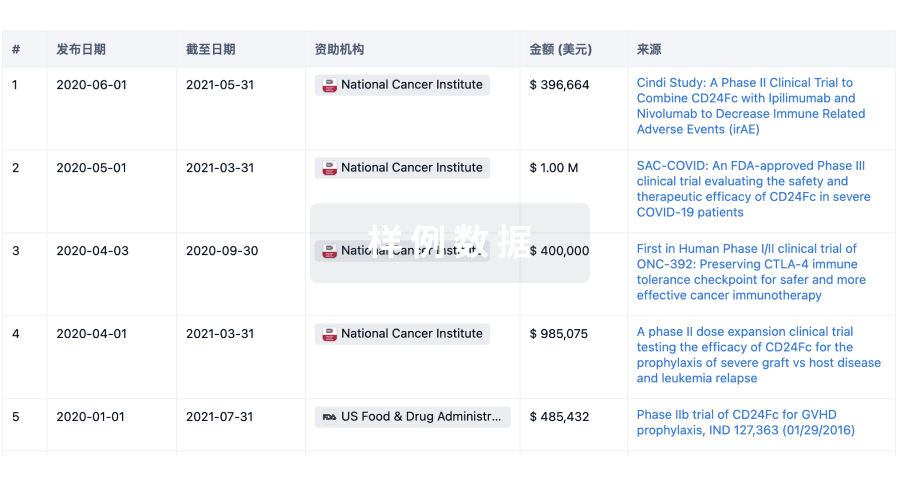
科研基金(NIH)
访问超过 200 万项资助和基金信息,以提升您的研究之旅。
登录
或
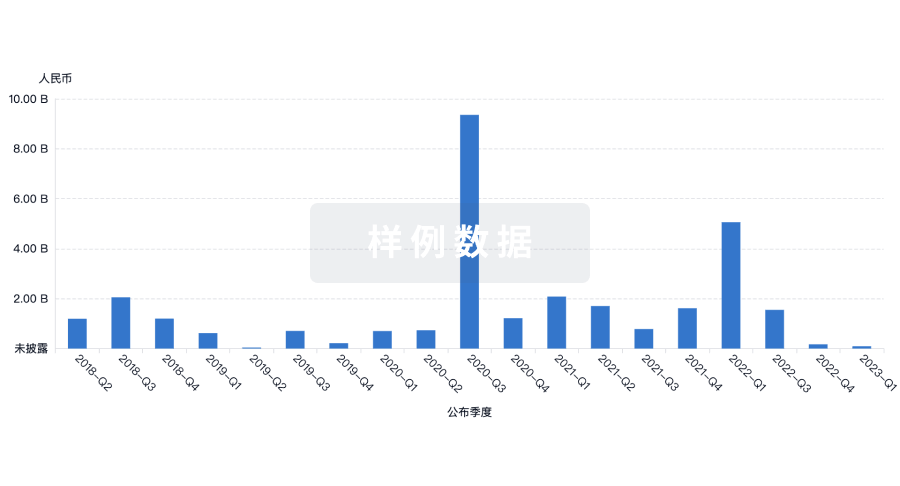
投资
深入了解从初创企业到成熟企业的最新公司投资动态。
登录
或
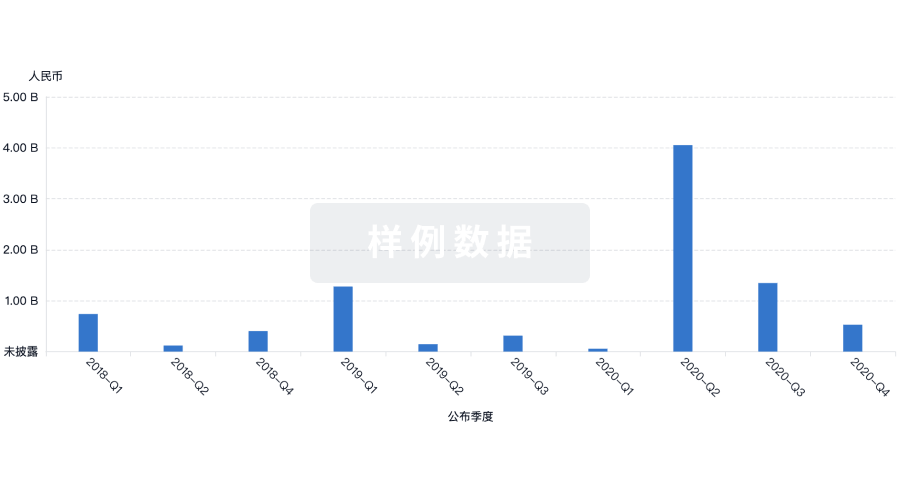
融资
发掘融资趋势以验证和推进您的投资机会。
登录
或
提出任何生物医药研究问题
让每一步生物医药决策都精准制胜
基于十亿级生物数据与全球情报的精准 AI,赋能早期药物发现
立即开始免费试用!
智慧芽新药情报库是智慧芽专为生命科学人士构建的基于AI的创新药情报平台,助您全方位提升您的研发与决策效率。
立即接入生物医药数据包
智慧芽新药库数据也通过智慧芽开放平台,以MCP或API服务形式对外开放。立即使用我们的MCP服务定制您的LLM智能体。
生物序列数据库
生物药研发创新
免费使用
化学结构数据库
小分子化药研发创新
免费使用