预约演示
更新于:2026-09-05
Rocaglamide-A
更新于:2026-09-05
概要
基本信息
非在研机构- |
权益机构- |
最高研发阶段临床前 |
首次获批日期- |
最高研发阶段(中国)- |
特殊审评- |

关联
100 项与 Rocaglamide-A 相关的临床结果
登录后查看更多信息
100 项与 Rocaglamide-A 相关的转化医学
登录后查看更多信息
100 项与 Rocaglamide-A 相关的专利(医药)
登录后查看更多信息
36
项与 Rocaglamide-A 相关的文献(医药)2026-11-01·FREE RADICAL BIOLOGY AND MEDICINE
Redox-sensitive mTOR-eIF4A signaling promotes selective P-glycoprotein translation
Article
作者: Fang, Zhiguo ; Luo, Huajun ; Ma, Xiao ; He, Jiayun ; Bai, Ruining ; Jin, Peng ; Zhang, Tengli ; Wu, Yaguang ; Yin, Yinqiao ; Jin, Ming ; Wan, Shulin ; Luo, Lei ; Hussain, Sajid ; Feng, Luqiu ; Feng, Tianyin ; Chen, Junmeng
Cells face a temporal gap in oxidative stress adaptation, in which acute insults require rapid protein synthesis before transcriptional responses are fully established. Here, we show that low-dose glucosamine (GlcN) induces a transient intracellular oxidation-sensitive response and activates redox-sensitive PI3K-AKT-mTORC1 signaling, leading to increased P-glycoprotein (P-gp) abundance without a detectable increase in total ABCB1 mRNA. GlcN enhanced 4E-BP1 phosphorylation and produced a modest increase in global polysome loading. Polysome profiling further showed preferential redistribution of ABCB1 mRNA toward actively translating polysome fractions, whereas the distribution and polysome-associated proportion of GAPDH mRNA remained largely unchanged. Pharmacological inhibition of eIF4A with rocaglamide A and genetic depletion of EIF4A1 both attenuated GlcN-induced P-gp upregulation, supporting a functional contribution of eIF4A to this translational response. Analyses of the ABCB1 5'-untranslated region identified an evolutionarily conserved, highly structured G-rich element with G4-like properties in vitro, providing a candidate structural context for the observed eIF4A sensitivity. In paraquat poisoning models, GlcN increased pulmonary P-gp expression, reduced lung paraquat accumulation, and improved survival, whereas these protective effects were markedly weakened in Abcb1a/Abcb1b knockout mice. Together, these findings support a redox-sensitive mTOR-eIF4A signaling pathway that preferentially enhances ABCB1/P-gp translation and contributes to pulmonary detoxification.
2026-05-01·ANTIVIRAL RESEARCH
Targeting dengue virus infection through a translation-modulator small-molecule screen
Article
作者: Katz, Rodolfo ; Moalem, Yarden ; Rosin-Arbesfeld, Rina ; Sklan, Ella H
Dengue virus (DENV), a mosquito-borne RNA virus, poses a significant global health concern due to the lack of effective antivirals and the limitations of current vaccines. To uncover host-targeted vulnerabilities, we performed a functional screen of small-molecule translation modulators. Elongation inhibitors consistently produced the most potent antiviral effects, markedly reducing viral RNA levels, nonstructural protein 3 (NS3) levels, and infectious virus production. Compounds targeting cap-dependent initiation were largely ineffective, except for eIF4E:eIF4G inhibitors, which exerted moderate suppression. This may likely be due to the internal ribosome entry site (IRES)-like activity reported in the DENV 5' untranslated region (UTR). Rocaglamide A strongly suppressed DENV, consistent with an eIF4A helicase-specific vulnerability. Two clinically relevant inhibitors, homoharringtonine (HHT) and bruceantin (BCT), blocked DENV propagation at low nanomolar doses in cell lines and reduced viral RNA and titers in primary human macrophages, underscoring their translational potential. Similar effects were observed with the related Zika virus (ZIKV) in cell lines. These pharmacological data suggest that translation elongation and eIF4A helicase activity are candidate host dependencies for orthoflaviviruses, motivating stage-resolved and in vivo evaluation studies.
2025-11-01·MOLECULAR IMMUNOLOGY
S1PR2-miR-212 feedback loop regulates allergic reactions
Article
作者: Jeoung, Jaewhoon ; Jo, Hyein ; Kim, Wonho ; Jeoung, Dooil
We previously reported the anti-allergic effect of rocaglamide-A (roc-A). Molecular docking analysis showed the binding of roc-A to sphingosine-1-phospahe receptor 2 (S1PR2). This led us to hypothesize that S1PR2 might play a role in allergic reactions. Antigen stimulation increased the expression of S1PR2 in rat basophilic leukemia (RBL2H3 cells). Sphingosine-1-phosphate (S1P) increased the expression of S1PR2 in an antigen-independent manner. S1PR2 was necessary for both allergic reactions in vitro and anaphylaxis. Sphingosine prevented the antigen (DNP-HSA) from increasing the expression of S1PR2 and hallmarks of allergic reactions in RBL2H3 cells. Sphingosine also prevented antigen from increasing the level of reactive oxygen species (ROS). Animal model of passive systemic anaphylaxis (PSA) showed the increased expression of CXCL1. CXCL1 was shown to mediate allergic reactions in vitro. TargetScan predicted the binding of miR-212 to the 3 ´ UTR of S1PR2. The downregulation of S1PR2 prevented antigen from increasing the expression of CXCL1 at the transcriptional level. cmiR-212 was found to decrease the expression of S1PR2 in antigen stimulated RBL2H3 cells. miR-212 mimic decreased the luciferase activity associated with 3 ´ UTR of S1PR2. The miR-212 mimic exerted a negative effect on the passive cutaneous anaphylaxis (PCA). The downregulation of S1PR2 increased the expression of miR-212 in antigen stimulated RBL2H3 cells. This suggests that miR-212 and S1PR2 form negative feedback loops to regulate allergic reactions. Our results show that S1PR2-miR-212 negative feedback loop regulates allergic reactions in vitro and in vivo.
100 项与 Rocaglamide-A 相关的药物交易
登录后查看更多信息
研发状态
10 条进展最快的记录, 后查看更多信息
登录
| 适应症 | 最高研发状态 | 国家/地区 | 公司 | 日期 |
|---|---|---|---|---|
| 过敏反应 | 临床前 | 韩国 | 2025-11-01 |
登录后查看更多信息
临床结果
临床结果
适应症
分期
评价
查看全部结果
| 研究 | 分期 | 人群特征 | 评价人数 | 分组 | 结果 | 评价 | 发布日期 |
|---|
No Data | |||||||
登录后查看更多信息
转化医学
使用我们的转化医学数据加速您的研究。
登录
或
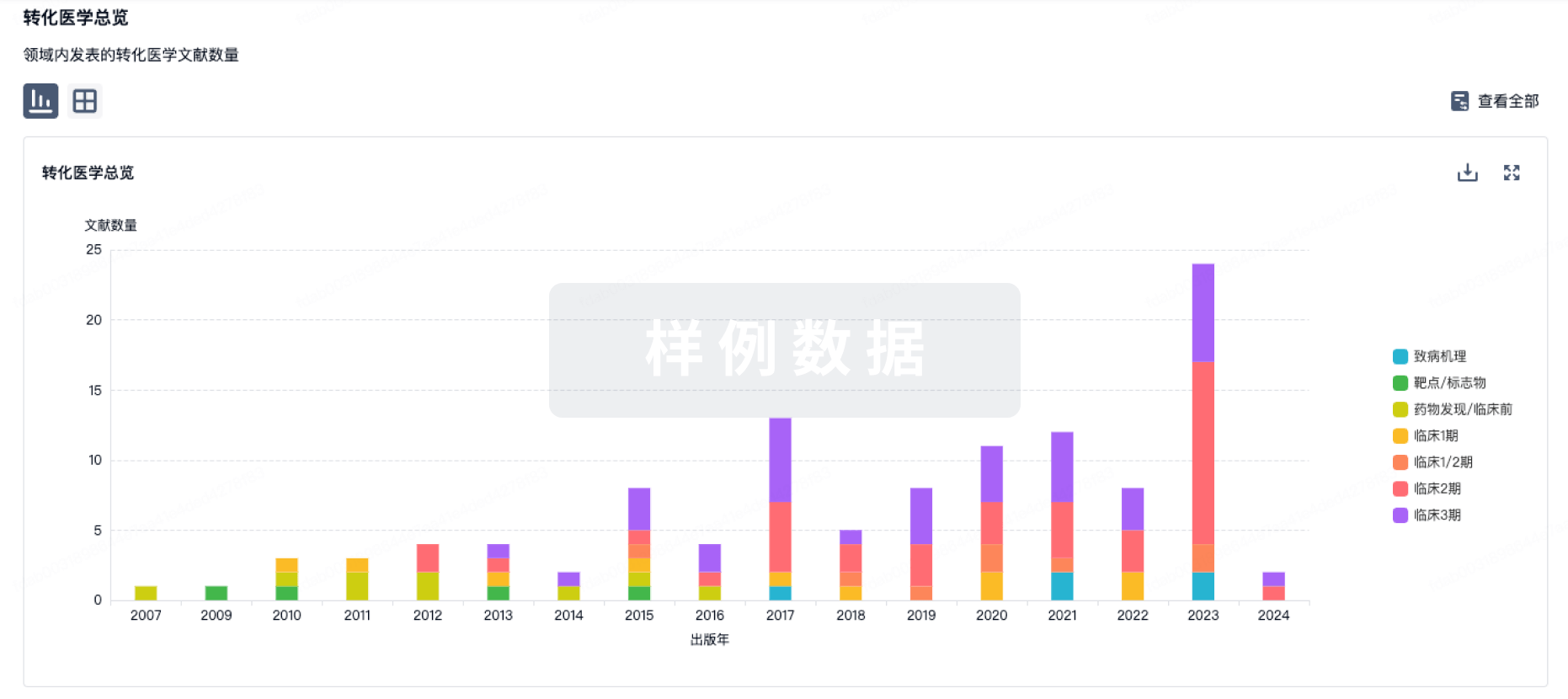
药物交易
使用我们的药物交易数据加速您的研究。
登录
或
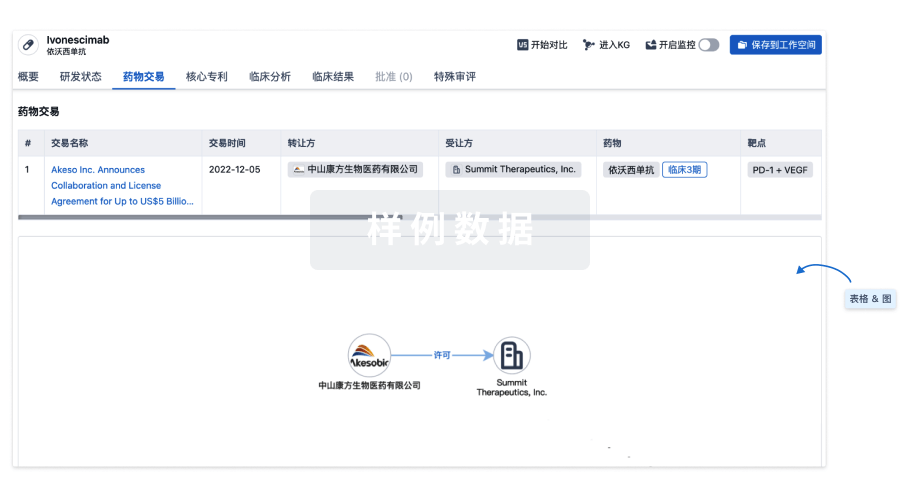
核心专利
使用我们的核心专利数据促进您的研究。
登录
或
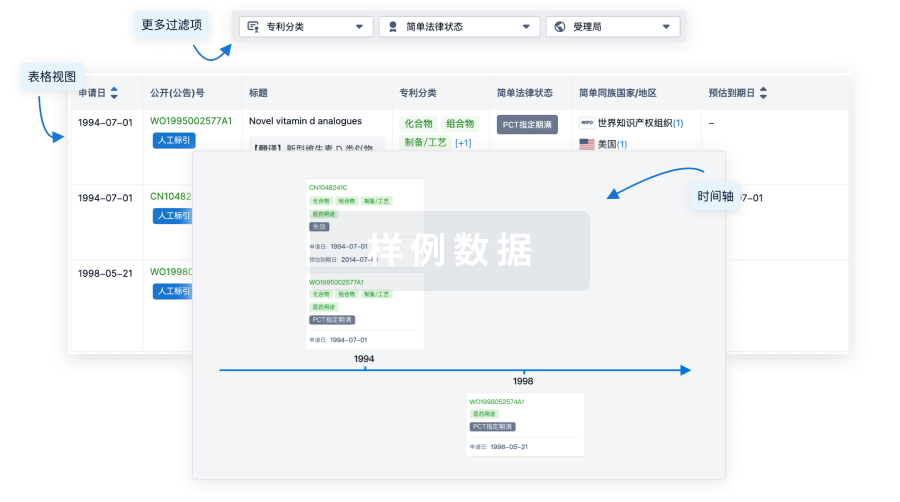
临床分析
紧跟全球注册中心的最新临床试验。
登录
或
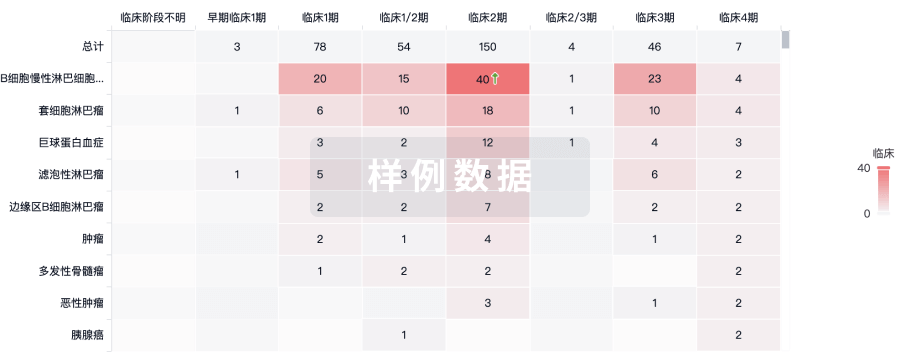
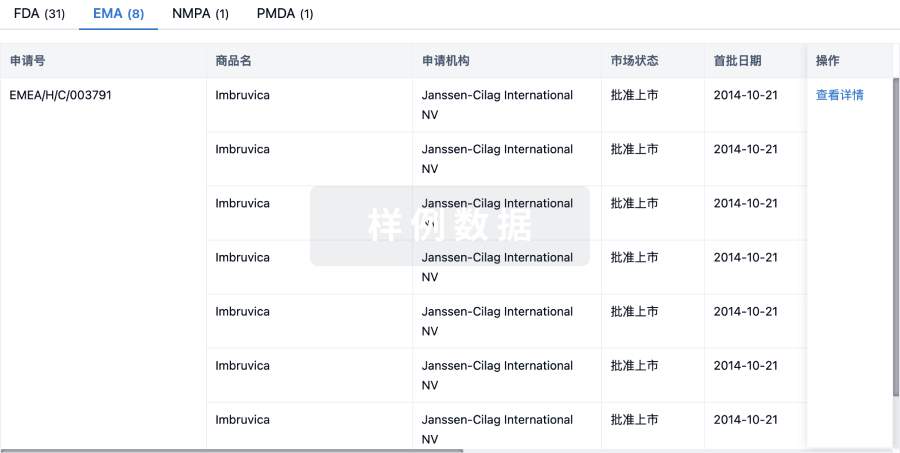
批准
利用最新的监管批准信息加速您的研究。
登录
或
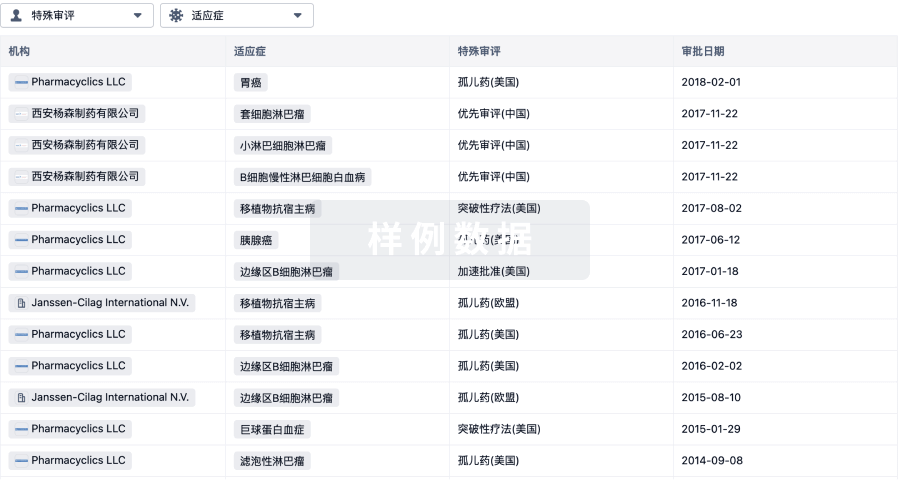
特殊审评
只需点击几下即可了解关键药物信息。
登录
或
提出任何生物医药研究问题
让每一步生物医药决策都精准制胜
基于十亿级生物数据与全球情报的精准 AI,赋能早期药物发现
立即开始免费试用!
智慧芽新药情报库是智慧芽专为生命科学人士构建的基于AI的创新药情报平台,助您全方位提升您的研发与决策效率。
立即接入生物医药数据包
智慧芽新药库数据也通过智慧芽开放平台,以MCP或API服务形式对外开放。立即使用我们的MCP服务定制您的LLM智能体。
生物序列数据库
生物药研发创新
免费使用
化学结构数据库
小分子化药研发创新
免费使用