预约演示
更新于:2025-12-05
Asiatic Acid
更新于:2025-12-05
概要
基本信息



结构/序列
分子式C30H48O5 |
InChIKeyJXSVIVRDWWRQRT-UYDOISQJSA-N |
CAS号464-92-6 |
关联
100 项与 Asiatic Acid 相关的临床结果
登录后查看更多信息
100 项与 Asiatic Acid 相关的转化医学
登录后查看更多信息
100 项与 Asiatic Acid 相关的专利(医药)
登录后查看更多信息
968
项与 Asiatic Acid 相关的文献(医药)2026-01-01·NMR IN BIOMEDICINE
Correction to ‘Multi‐Parametric MRI for Early Detection of Renal Fibrosis and Evaluation of Therapeutic Effect of Asiatic Acid in an Experimental Rat’
2025-12-31·Gut Microbes
Asiatic acid, a novel ciprofloxacin adjuvant inhibits
Shigella flexneri
infection
Article
作者: Gope, Animesh ; Basak, Surajit ; Maitra, Priyanka ; Miyoshi, Shin-Ichi ; Bhattacharya, Sushmita ; Kayet, Pratanu ; Dutta, Shanta ; Bhukta, Samhati ; Kitahara, Kei
Bacterial infection caused by intracellular pathogens such as Shigella flexneri is a rapidly increasing global health concern that requires urgent and necessary action. The dearth of licensed vaccines against shigellosis and the decline in susceptibility to conventional antibiotics has encouraged the development of new antibiotic principles and drugs. The treatment options are decreasing faster than the discovery rate of new antibacterial agents. Combinatorial approach of antibiotics with non-antibiotic adjuvants is a promising aspect to treat resistant bacterial infections. Asiatic acid, a membrane-disrupting triterpenoid with wide antimicrobial and immunomodulatory properties, can potentiate antibiotics, but the exact mechanisms remain broadly unexplored. Therefore, in this study, we screened the interaction of asiatic acid with several antibiotics. The results showed synergistic interactions of asiatic acid with antibiotics against susceptible and multidrug-resistant S. flexneri clinical isolates. Particularly important was the interaction of asiatic acid with the quinolone antibiotics ciprofloxacin and nalidixic acid. A detailed study showed that combined treatment of asiatic acid with ciprofloxacin inhibited S. flexneri biofilm formation and resistance development. An increase in membrane disruption and depolarization upon co-treatment was evident by surface electron and confocal microscopy. In addition, asiatic acid and ciprofloxacin synergism was identified to inhibit efflux activity and intracellular bacterial viability. However, asiatic acid showed no synergistic toxicity with ciprofloxacin towards mammalian cells. The antibacterial activity was further verified in a S. flexneri infected mice model. Therapeutic benefits were evident with reduced bacterial burden, recovery from intestinal tissue damage and increase in mice survivability. The results showed that this combination can target the bacterial membrane, efflux pump proteins and biofilm formation, thereby preventing resistance development. The combination treatment offers a proof of concept in targeting essential bacterial activities and might be developed into a novel and efficient treatment alternative against S. flexneri.
2025-12-31·ANNALS OF MEDICINE
A review of neuroprotective properties of
Centella asiatica
(L.) Urb. and its therapeutic effects
Review
作者: Yao, Yang ; Jiang, Jiamei ; Jiang, Wei ; Han, Ranran ; Ren, Honglei
INTRODUCTION:
Centella asiatica (L.) Urb., a traditional medicinal plant widely distributed in Southeast Asia, has been demonstrated to possess significant neuroprotective effect. However, the pharmacological and molecular mechanisms of C. asiatica (CA) in treating neurological diseases remain to be further explored. This review synthesizes evidence on CA's pharmacokinetics, antioxidant/anti-inflammatory mechanisms, and therapeutic potential in various neurological disorders.
DISCUSSION:
Evidence shows CA can mitigate oxidative stress, inflammation, mitochondrial dysfunction, and neuronal apoptosis-key mechanisms underlying these conditions. In epilepsy models, asiatic acid suppresses glutamate release, improves synaptic and mitochondrial function, and reduces neuronal damage. In neurodegenerative diseases, CA extracts enhance memory and cognitive functions by activating antioxidant response pathways and protecting hippocampal mitochondria from oxidative stress. CA extracts also display anticonvulsant effects without major toxicity. Against Bisphenol A-induced neurotoxicity, CA alleviates oxidative stress and inflammation while restoring mitochondrial function. For radiation-induced brain injury, CA improves cognition and memory via antioxidant pathways and anti-inflammatory effects. In cerebral ischemia-reperfusion injury, asiaticoside reduces oxidative stress and neuroinflammation through NOD2/MAPK/NF-κB pathway modulation and microglial regulation. Recent research suggests that CA also plays a significant role in alleviating symptoms of anxiety and depression. The plant's active components have been found to regulate neurotransmitter activity, reduce oxidative stress, and modulate the hypothalamic-pituitary-adrenal (HPA) axis.
CONCLUSIONS:
CA demonstrates broad neuroprotective potential, offering multi-target benefits with relatively low toxicity. These findings support its development as a novel therapeutic agent for neurological disorders. Further clinical research is warranted to confirm safety, optimize dosing, and translate preclinical results into effective human treatments.
100 项与 Asiatic Acid 相关的药物交易
登录后查看更多信息
研发状态
10 条进展最快的记录, 后查看更多信息
登录
| 适应症 | 最高研发状态 | 国家/地区 | 公司 | 日期 |
|---|---|---|---|---|
| 帕金森病 | 临床前 | 泰国 | 2025-10-01 | |
| 肿瘤 | 临床前 | 中国 | 2025-02-24 | |
| 肿瘤 | 临床前 | 中国 | 2025-02-24 |
登录后查看更多信息
临床结果
临床结果
适应症
分期
评价
查看全部结果
| 研究 | 分期 | 人群特征 | 评价人数 | 分组 | 结果 | 评价 | 发布日期 |
|---|
No Data | |||||||
登录后查看更多信息
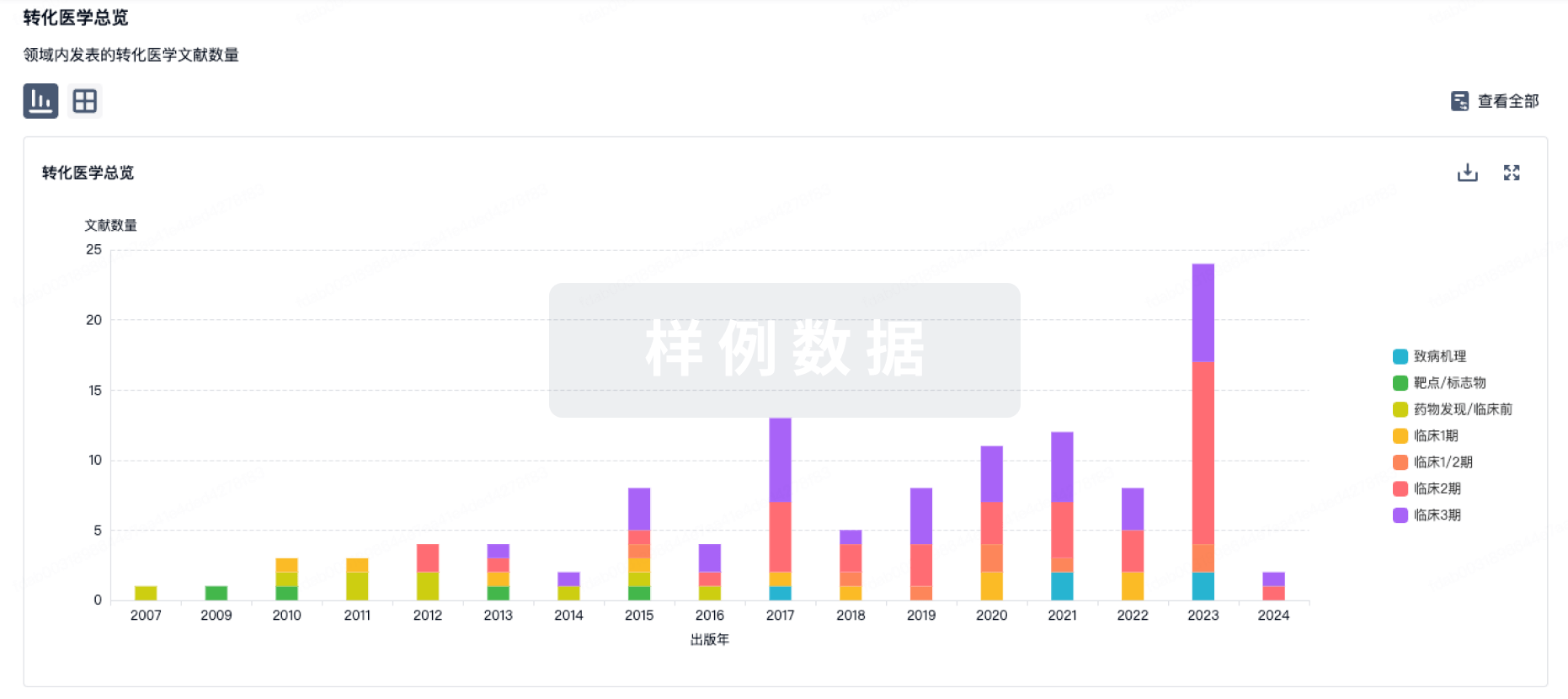
转化医学
使用我们的转化医学数据加速您的研究。
登录
或
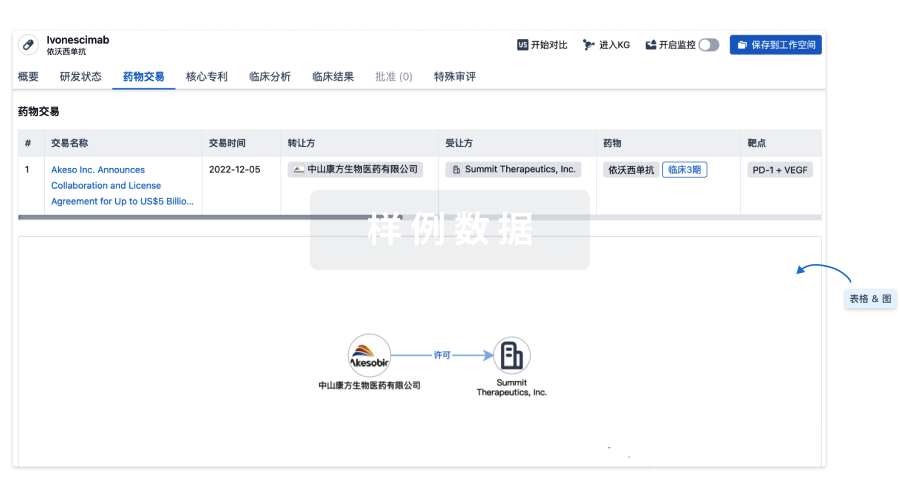
药物交易
使用我们的药物交易数据加速您的研究。
登录
或
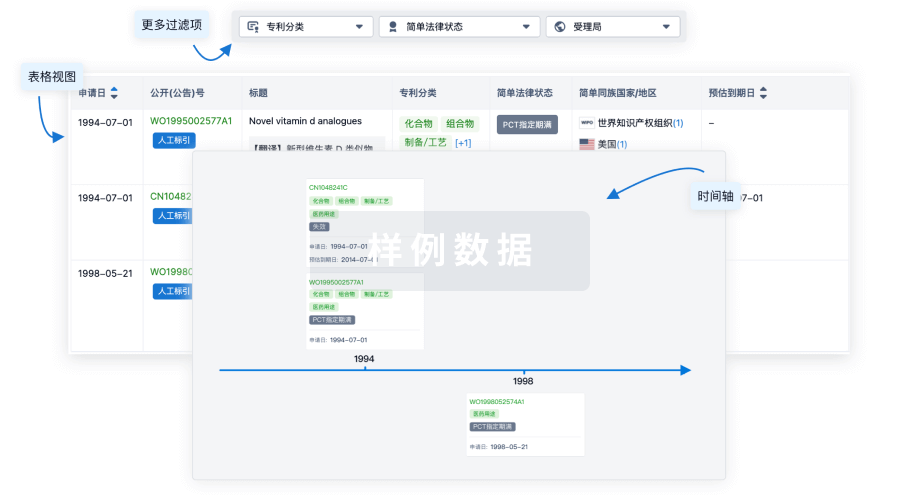
核心专利
使用我们的核心专利数据促进您的研究。
登录
或
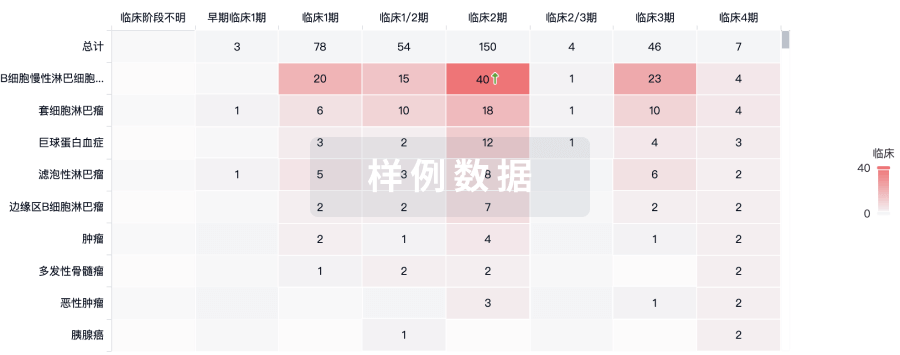
临床分析
紧跟全球注册中心的最新临床试验。
登录
或
批准
利用最新的监管批准信息加速您的研究。
登录
或
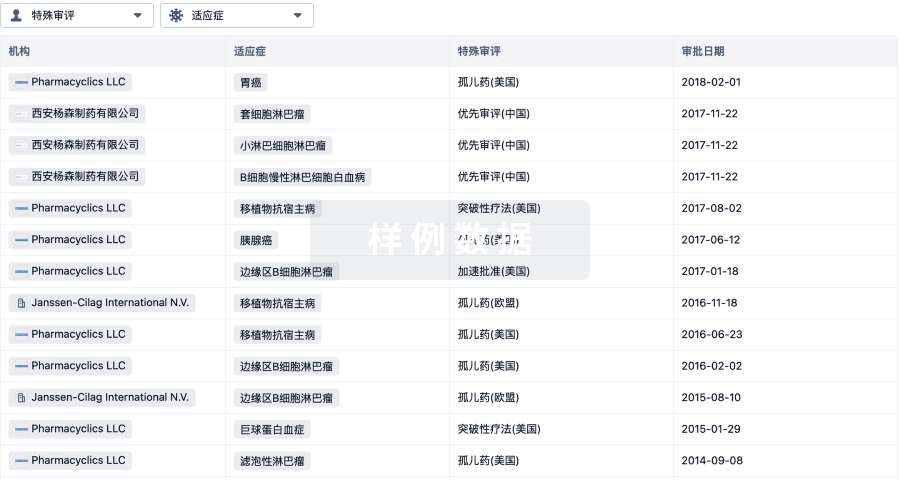
特殊审评
只需点击几下即可了解关键药物信息。
登录
或
生物医药百科问答
全新生物医药AI Agent 覆盖科研全链路,让突破性发现快人一步
立即开始免费试用!
智慧芽新药情报库是智慧芽专为生命科学人士构建的基于AI的创新药情报平台,助您全方位提升您的研发与决策效率。
立即开始数据试用!
智慧芽新药库数据也通过智慧芽数据服务平台,以API或者数据包形式对外开放,助您更加充分利用智慧芽新药情报信息。
生物序列数据库
生物药研发创新
免费使用
化学结构数据库
小分子化药研发创新
免费使用