预约演示
更新于:2025-12-16
Rupintrivir
芦平曲韦
更新于:2025-12-16
概要
基本信息
药物类型 合成多肽 |
别名 Rupintrivir (USAN/INN)、鲁平特里韦、AG-7088 |
作用方式 抑制剂 |
作用机制 HRV 3C protease抑制剂(Picornain 3C蛋白酶抑制剂) |
在研适应症- |
原研机构 |
在研机构- |
非在研机构 |
权益机构- |
最高研发阶段无进展临床2期 |
首次获批日期- |
最高研发阶段(中国)- |
特殊审评- |

登录后查看时间轴
结构/序列
分子式C31H39FN4O7 |
InChIKeyCAYJBRBGZBCZKO-BHGBQCOSSA-N |
CAS号223537-30-2 |
关联
100 项与 芦平曲韦 相关的临床结果
登录后查看更多信息
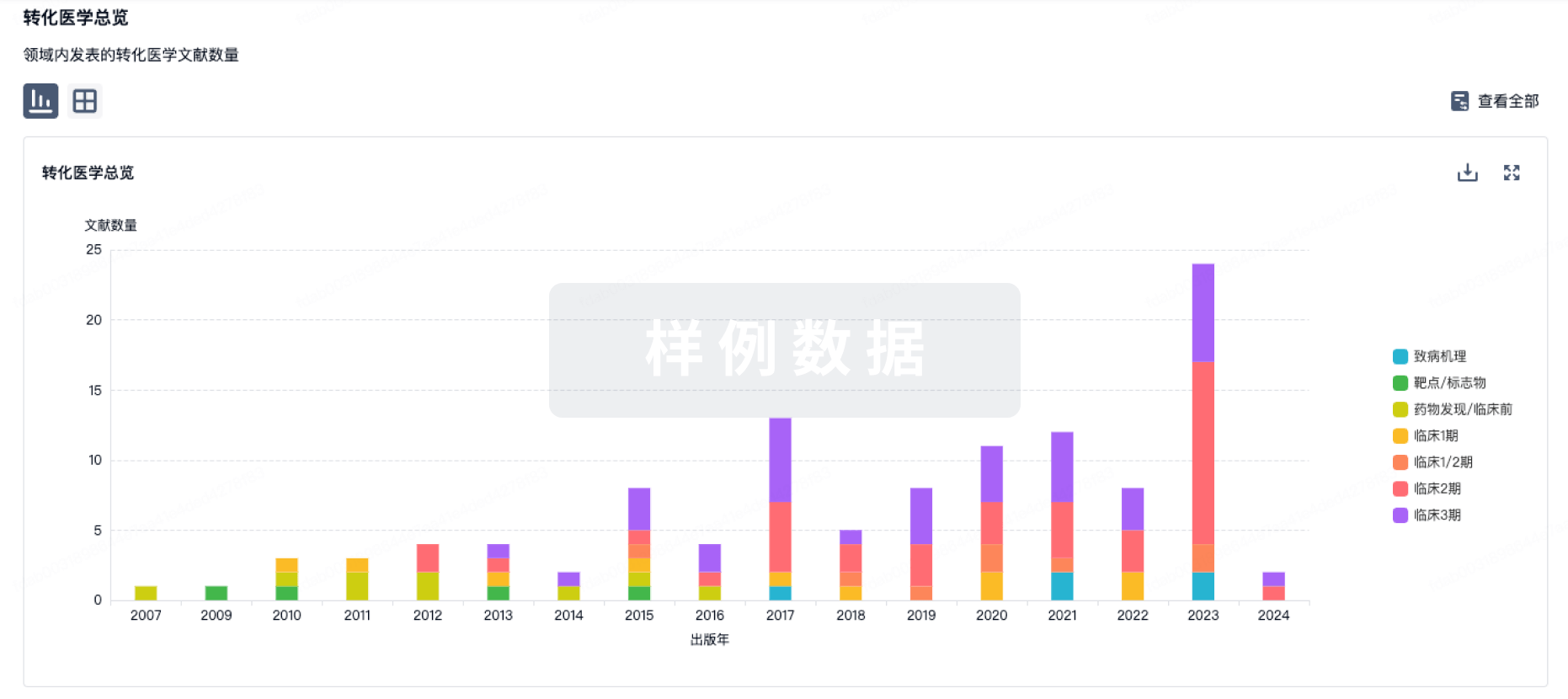
100 项与 芦平曲韦 相关的转化医学
登录后查看更多信息
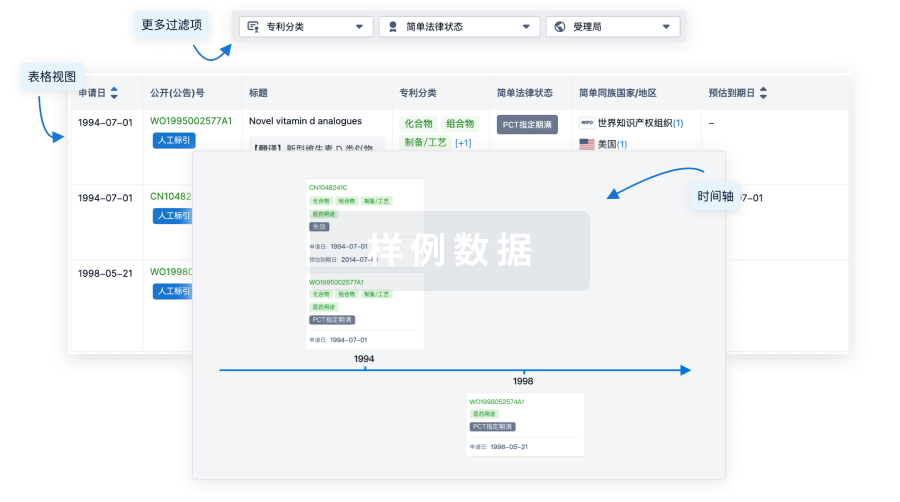
100 项与 芦平曲韦 相关的专利(医药)
登录后查看更多信息
141
项与 芦平曲韦 相关的文献(医药)2026-01-01·IUCrJ
Structural insights into the antiviral efficacy of AG7404 against human rhinovirus 3C proteases
Article
作者: Kim, Hyojin ; Jo, Inseong ; Lee, Hye Lim ; Shin, Jin Soo ; Lee, Sang Ho ; Gil, Yeji ; Jung, Young Sik ; Lee, Juyeon
Human rhinoviruses (hRVs) are major causative agents of the common cold and contribute to lower respiratory tract infections. Although extensive research efforts continue to explore potential therapeutic interventions, no clinically approved antiviral treatment currently exists for hRV infections. This study provides the structural basis of hRV 3C protease inhibition in several serotypes by AG7404, a modified rupintrivir derivative. AG7404 showed potent antiviral activity against hRV-B14, hRV-A16 and hRV-A21 with EC
50
values of 0.108, 0.191 and 0.187 µ
M
, respectively, and directly inhibited purified hRV-B14 3C protease with an IC
50
of 0.046 µ
M
. The 2.11 Å crystal structure of hRV-B14 3C protease in complex with AG7404 revealed covalent binding to the catalytic Cys146 and occupation of the substrate-binding pockets by the ligand. Comparative structural analyses incorporating ligand-free hRV-B14 3C protease structures as well as rupintrivir-bound 3C protease structures from other hRV serotypes revealed significant conformational variability of the βcII–βdII region. Molecular dynamics simulations of the structural models of hRV-A16 and hRV-A21 3C proteases showed that the binding interactions of AG7404, including critical water-mediated networks, are conserved across serotypes despite sequence variations. These findings offer structural insights into the binding mode of AG7404 and establish a foundation for the rational design of broad-spectrum antivirals targeting hRV 3C proteases.
2025-11-01·JOURNAL OF MOLECULAR GRAPHICS & MODELLING
Screening of Propolis compounds reveals potential inhibitors of rhinovirus 3C protease: A computational study
Article
作者: Kandoussi, Ilham ; Eljaoudi, Rachid ; El Hafidi, Naima ; Aherkou, Marouane ; Ibrahimi, Azeddine ; Essaadi, Hafs ; Belyamani, Lahcen ; Hakmi, Mohammed
BACKGROUND AND AIM:
Rhinoviruses are major causes of respiratory infections and often aggravate conditions such as asthma. The protein 3C protease plays a crucial role as it blocks the virus replication. This study explores the potential of natural inhibitors, specifically Propolis compounds targeting the protein 3Cpro, which is a promising and less toxic alternative compared to the standard synthetic inhibitor, Rupintrivir.
EXPERIMENTAL PROCEDURE:
A set of 60 propolis-derived molecules was selected and prepared for molecular docking simulations to evaluate their binding affinity to 3Cpro, then ligand-3Cpro protein interactions were visualized. A 200ns molecular dynamics (MD) simulation was conducted to assess the stability of the protein-ligand complexes, then the following MD parameters were analyzed: RMSD, RMSF, SASA, Rg, and hydrogen bonding. Binding free energies were further estimated using MM-PBSA, and per-residue energy decomposition was performed to identify key stabilizing interactions.
RESULTS:
The potential compounds Rutin and Retusapurpurin A displayed binding energies of -8.0 kcal/mol and -8.78 kcal/mol, respectively, outperforming the reference inhibitor Rupintrivir (-6.66 kcal/mol). MD simulations revealed that both ligands effectively stabilize 3Cpro, with RMSD scores of 1.02 ± 0.10 nm and 1,21 ± 0.22, respectively, and are also more stable in the pocket than Rupintrivir. These ligands also reduced RMSF, SASA, and Rg scores. MM-PBSA calculations showed more favorable binding energies for Rutin (-35.65 kcal/mol) and Retusapurpurin A (-31.59 kcal/mol) compared to Rupintrivir (-25.44 kcal/mol). Per-residue decomposition further revealed strong energetic contributions from catalytic site residues (His40, Glu71, and Cys147), especially in the Rutin complex.
CONCLUSION:
The potential compounds Rutin and Retusapurpurin A are promising inhibitors targeting 3Cpro, exhibiting elevated potential efficacy compared to Rupintrivir. These results pave the way for the development of natural antivirals derived from Propolis and support its use as a dietary supplement for the treatment of rhinovirus infections. The chemical diversity of Propolis could limit the emergence of viral resistance. However, in vitro and in vivo experimental validation is required to confirm these observations.
2025-09-02·PREPARATIVE BIOCHEMISTRY & BIOTECHNOLOGY
Production of a genetically encoded biosensor for evaluating enterovirus 71 3C protease inhibitors
Article
作者: Liu, Xiaoping ; Zhang, Rui ; Ye, Jiankai ; Chen, Yunyu
Enterovirus 71 (EV-71) is a major causative agent of hand, foot, and mouth disease (HFMD), which mainly affects infants and children. However, there are no effective clinical drugs for the treatment of HFMD. The 3C protease (3Cpro) is an ideal drug target for antivirals, as this enzyme plays an indispensable role in virus replication. Considering the limitations of the peptide substrates used in the fluorescence resonance energy transfer (FRET) assay, there is an urgent need to design improved 3Cpro biosensors for assay development. In this study, we developed a genetically encoded biosensor based on a dimerization-dependent red fluorescent protein (ddRFP) system for evaluating 3Cpro inhibitors. The 3Cpro biosensor has many beneficial properties, such as economical bioproduction, a simple dual-mode readout, and a high emission wavelength. Using the 3Cpro biosensor, rupintrivir was identified as a competitive 3Cpro inhibitor in vitro. Our research highlights a promising avenue for producing 3Cpro biosensors from E. coli cells. The 3Cpro biosensor provides a reliable biochemical tool for the rapid assessment of antivirals against enterovirus infections.
6
项与 芦平曲韦 相关的新闻(医药)2025-12-13
摘要:肠道病毒 71 型(EV71)是引发手足口病的主要病原体,尤其对婴幼儿威胁巨大,可导致严重神经系统并发症甚至死亡。目前尚无获批特效药,疫苗保护范围也有限。本文从 EV71 的基本特征、病毒结构与生命周期入手,详细解读了近年来针对病毒自身成分和宿主细胞的抗病毒候选药研究进展,包括靶向病毒结构蛋白、蛋白酶、聚合酶等关键靶点的药物,以及干扰病毒入侵、复制的宿主导向疗法,为大家科普这一 “儿童健康杀手” 的应对新方向。
一、EV71 病毒:手足口病背后的 “隐形威胁”
提起手足口病,家长们都不陌生,但很少有人知道,其中最危险的病原体正是肠道病毒 71 型(EV71)。这种病毒属于小 RNA 病毒科肠道病毒属,是一种无包膜的二十面体病毒,直径仅 20-30 纳米,却有着极强的传染性和致病性。
EV71 最早于 1974 年被正式描述,但其实际传播历史可追溯到 1963 年的荷兰。它主要通过粪 - 口途径传播,也可通过唾液飞沫感染,感染后症状差异极大 —— 多数人仅出现类似流感的轻微症状,或典型的手足口病皮疹,但少数婴幼儿会发展为无菌性脑膜炎、急性弛缓性麻痹甚至脑炎,死亡率最高可达 19%。
在全球范围内,EV71 已引发多次爆发流行,近 25 年来亚太地区成为重灾区。仅中国在 2008-2015 年间就报告了 1370 万例相关手足口病病例,导致 3322 人死亡,其中基因型 B 和 C 是主要致病株。更棘手的是,目前虽有三种灭活疫苗在中国获批,但无法覆盖所有 EV71 毒株,且尚无专门用于预防或治疗的特效药,开发有效抗病毒药物迫在眉睫。二、EV71的 “生命密码”:结构与生命周期解析
要打败敌人,必先了解敌人。EV71 的破坏力与其独特的结构和生命周期密切相关。1. 病毒结构:微小但精密的 “感染机器”
EV71 的基因组是一条单股正链 RNA,长度约 7500 个碱基,包含一个开放阅读框和两端的非编码区(UTR)。5’端结合着病毒基因组连接蛋白(VPg),3’端带有多聚腺苷酸尾,这些结构对病毒复制至关重要(图 1B)。
病毒颗粒的外壳由四种结构蛋白(VP1-VP4)组成,60 个相同的蛋白亚基排列成 12 个五聚体(图 1A)。其中 VP1、VP2 和 VP3 暴露在病毒表面,是主要的抗原位点,而 VP4 嵌入外壳内部,维持病毒稳定性。VP1 表面还形成一个 “峡谷” 结构,是病毒与宿主细胞受体结合的关键部位(图 1D)。
除了结构蛋白,EV71 的基因组还编码 7 种非结构蛋白(2A-2C、3A-3D),它们在病毒复制、蛋白加工和逃避宿主免疫中扮演核心角色。比如 3D 蛋白是 RNA 依赖的 RNA 聚合酶(RdRp),负责病毒基因组复制;3C 蛋白是多功能蛋白酶,调控病毒多聚蛋白的切割加工(表 1)。
表 1 EV71 结构蛋白与非结构蛋白的主要特征和功能
2. 生命周期:从入侵到扩散的 “五步走”
EV71 的生命周期精密高效,每一步都可能成为抗病毒药物的靶点(图 2):
附着与入侵:病毒通过 VP1 与宿主细胞表面受体(如 SCARB2、PSGL1 等)结合,随后被细胞内吞形成内体;
脱壳释放:内体酸化触发病毒外壳构象变化,释放基因组 RNA 进入细胞质;
翻译与加工:病毒 RNA 利用宿主核糖体合成多聚蛋白,经 2A、3C 蛋白酶切割为成熟的结构蛋白和非结构蛋白;
复制与组装:在宿主细胞膜上形成复制复合体,3D 聚合酶以病毒 RNA 为模板合成新基因组,结构蛋白组装成空衣壳,包裹新 RNA 形成成熟病毒颗粒;
释放扩散:通过细胞裂解或自噬途径释放,感染更多细胞。
三、抗病毒候选药:瞄准病毒的 “七寸” 精准打击
针对 EV71 的抗病毒策略主要分为两类:直接靶向病毒自身成分(病毒导向疗法)和干扰病毒依赖的宿主细胞功能(宿主导向疗法),目前已有多款候选药进入不同研究阶段。1. 病毒导向疗法:直接攻击病毒 “要害”
这类药物精准瞄准病毒复制必需的关键蛋白,抑制其功能从而阻断感染。(1)靶向结构蛋白(VP1-VP3)
病毒外壳是入侵的 “第一道武器”,也是药物研发的热门靶点。比如乳铁蛋白能同时结合 VP1 和宿主细胞受体,阻止病毒吸附;抗菌肽 LL-37 的衍生物(LL-18、FF-18)可结合 VP1 的峡谷区域,阻断病毒与受体结合并抑制脱壳,且不易产生耐药性。
天然产物也表现亮眼,比如中药冬青提取物中的 3,4 - 二咖啡酰奎宁酸(3,4-DCQA),能靶向 VP1 的关键位点,干扰病毒与宿主肝素 sulfate 受体的结合,对不同基因型 EV71 均有效。合成化合物坦诺司他则通过结合 VP1 的疏水口袋,阻止病毒脱壳和 RNA 复制,具有广谱抗肠道病毒活性。(2)靶向蛋白酶(2A、3C)
2A 和 3C 蛋白酶是病毒多聚蛋白加工的 “剪刀”,没有它们病毒无法成熟。尽管 2A 蛋白酶靶点研究较少,但依托泊苷已被证实能靶向其活性口袋关键残基,抑制酶活性并阻断病毒复制,且对多种 EV71 基因型有效。
3C 蛋白酶的研究更为深入,鲁平特里韦(AG-7088)是经典的肽类抑制剂,通过共价结合 3C 蛋白酶的活性位点发挥作用。新型衍生物 SG85、丙烯酰胺片段等进一步优化了活性和稳定性,天然产物中的槲皮素、木犀草苷等也能通过占据 3C 蛋白酶的底物结合口袋,抑制其切割功能。(3)靶向聚合酶(3D)
3D 聚合酶是病毒复制的 “发动机”,且在肠道病毒中高度保守,是广谱抗病毒药物的理想靶点。阿兹夫定(FNC)作为胞苷类似物,能嵌入病毒 RNA 链导致复制终止;GS-646939 则是新型腺苷三磷酸类似物,对 EV71 的 3D 聚合酶具有高度选择性,能有效阻断 RNA 合成。
此外,瑞德西韦、吉西他滨等已获批或在研药物,也被证实对 EV71 有抑制作用,为老药新用提供了可能。(4)靶向内部核糖体进入位点(IRES)
IRES 是病毒 RNA 启动翻译的关键元件,也是独特的药物靶点。抗疟药依米丁能抑制 EV71 的 IRES 介导翻译,在小鼠模型中表现出治疗效果;小分子 DMA-135 则通过诱导 RNA 构象变化,稳定抑制翻译的三元复合体,阻断病毒蛋白合成。2. 宿主导向疗法:切断病毒的 “生存依赖”
病毒的复制离不开宿主细胞的 “支持”,干扰这些关键宿主功能,就能间接抑制病毒感染,且不易产生耐药性。(1)阻断病毒入侵
针对宿主细胞受体的药物能阻止病毒 “附着”。阿卡波糖可结合 SCARB2 受体,减少 EV71 在肠道的感染;HSP90 抑制剂格尔德霉素及其衍生物能破坏病毒与宿主蛋白的相互作用,阻止病毒进入细胞。抗抑郁药舍曲林则通过中和内体酸性环境,干扰病毒脱壳,发挥广谱抗肠道病毒作用。(2)抑制病毒复制复合体形成
病毒复制需要宿主细胞提供 “场地” 和 “原料”。PI4KIIIβ 抑制剂 N373 能破坏病毒复制所需的脂质微环境,与病毒衣壳抑制剂联合使用可显著提高疗效;DHODH 抑制剂 RYL-634、ML390 等能阻断宿主嘧啶核苷酸合成,减少病毒复制的原料供应,抑制 EV71 基因组复制。(3)调控宿主免疫与代谢
EV71 会利用宿主自噬、凋亡途径促进自身复制,调控这些过程成为治疗新思路。6 - 硫鸟嘌呤通过抑制宿主 BIRC3 蛋白,阻断病毒诱导的自噬;小檗碱、和厚朴酚等天然产物则通过调节宿主氧化应激通路,减少病毒导致的细胞损伤,抑制病毒复制。
四、未来展望:攻克 EV71 的挑战与希望
尽管 EV71 抗病毒研究取得了显著进展,但要实现临床应用仍面临诸多挑战。比如肽类药物的膜通透性差、天然产物的作用机制不明确、部分药物存在细胞毒性等问题,都需要通过结构优化、纳米递送系统等技术手段解决。
同时,EV71 易侵犯中枢神经系统,如何让药物穿过血脑屏障,也是治疗严重神经系统并发症的关键。此外,婴幼儿作为主要易感人群,药物的安全性、剂量适配性等也需要专门研究。
不过,随着冷冻电镜、AI 药物设计等技术的发展,科学家们能更精准地解析病毒 - 药物相互作用,加速药物优化进程。联合疗法(如病毒导向 + 宿主导向药物组合)也被证实能提高疗效、减少耐药性,成为未来研发的重要方向。
相信在不久的将来,随着这些候选药的进一步研发和临床试验,我们终将拥有更有效的手段应对 EV71 感染,为婴幼儿的健康保驾护航。
推荐阅读:美国两款"亚单位"流感疫苗退市,一场疫苗技术暗战浮出水面
识别微信二维码,添加生物制品圈小编,符合条件者即可加入
生物制品微信群!
请注明:姓名+研究方向!
版
权
声
明
本公众号所有转载文章系出于传递更多信息之目的,且明确注明来源和作者,不希望被转载的媒体或个人可与我们联系(cbplib@163.com),我们将立即进行删除处理。所有文章仅代表作者观不本站。
疫苗临床终止临床研究
2025-12-10
·早研早聊
点击上方蓝字 关注我们
早研早知道
共价抑制剂在漫长的药物研发历史中,曾一度因潜在的脱靶毒性和不可逆作用机制而被边缘化。
然而,随着对靶点选择性理解的加深,以及新技术平台的涌现,共价药物成功逆袭!现已成为攻克癌症、病毒感染等重大疾病的关键武器。与此同时,共价药物的开发范式也已发生了根本性变革:从青霉素的偶然发现,到现如今的基于结构的理性设计。
近期(Nov. 12),来自上海药物所的柳红、李淳朴等人在 JACS Au 发文,系统地梳理了当前共价抑制剂发现的五大核心技术平台:
(1)基于活性的蛋白质谱分析(ABPP)
(2)共价捕获技术
(3)共价DNA编码文库(CoDEL)筛选技术
(4)噬菌体/mRNA 展示技术
(5)硫氟交换点击化学技术
文中探讨了这些技术的协同作用,共同推动药物研发进入“精准共价治疗”的新时代。
01
共价抑制:从边缘到主流
1.1 共价抑制剂的核心定义
共价抑制剂是一类能与靶标蛋白形成稳定共价键的药物分子。与传统可逆抑制剂不同,共价药物通常由两部分构成:
(1)非共价骨架
负责通过氢键、疏水作用等可逆相互作用识别并结合靶标,提供初始亲和力与选择性;
(2)反应性弹头
含有亲电基团,能与靶蛋白活性位点的亲核性氨基酸残基发生化学反应,形成可逆或不可逆的共价键。
这种独特的作用机制带来了多重优势:
(1)持久的作用时间:共价键的形成使药物-靶标复合物异常稳定,显著延长了药效持续时间。
(2)克服耐药性:通过不可逆地抑制靶标,可有效规避因基因突变导致的药物亲和力下降问题,这在EGFR T790M突变肺癌的治疗中已得到充分验证。
(3)靶向“不可成药”靶点:许多缺乏深结合口袋的蛋白长期以来被视为“不可成药”。
共价抑制剂可通过弹头直接捕获蛋白表面的功能性残基,实现对这类靶点的精准干预,KRAS G12C 抑制剂的成功就是最佳例证。
1.2 发展阶段
共价药物 “三大” 发展阶段:
(1)2000 年前
偶然发现阶段,如早期非甾体抗炎药,无理性设计思路;
(2)2000~2013 年
基于非共价配体的理性设计,在已知结合活性的骨架上引入弹头;
(3)2013 年至今
“亲电体优先(Electrophile-first)” 策略主导,无需预先结构信息,直接筛选亲电化合物库,突破 “不可成药靶点” 限制。
在这个三段式发展阶段,同时也伴随着发现技术平台的出现、融合、发展。
1.3 共价药物临床现状
迄今为止,全球已有超过50款共价药物获批上市,覆盖肿瘤、自身免疫病、感染等多个领域。代表性药物如:
(1)BTK 抑制剂 Ibrutinib,靶向 Cys481,治疗 B 细胞恶性肿瘤;
(2)EGFR 抑制剂 Osimertinib,靶向 Cys797,抗 T790M 突变非小细胞肺癌;
(3)KRAS G12C 抑制剂 Sotorasib,靶向 Cys12,治疗 KRAS 驱动实体瘤。
这些药物不仅展现了卓越的临床疗效,也彻底扭转了学界对共价药物的安全性质疑。
1.4 共价药物面临的挑战
当然,共价药物的开发仍面临独特挑战。
(1)脱靶毒性
始终是悬在头顶的达摩克利斯之剑,活性弹头可能与非靶标蛋白或谷胱甘肽等生物分子发生非特异性反应。
(2)不可逆结合的潜在风险
这要求更窄的治疗窗。
(3)协同优化弹头反应性、选择性与类药性质的平衡难度大
(4)开发周期长
正因如此,发展高效、精准的共价配体发现技术,已成为加速下一代共价疗法诞生的核心驱动力。
02
基于结构的共价抑制剂理性设计
当代共价药物发展依赖于基于结构的理性设计,其策略核心为通过 X-射线晶体学确定共晶结构,揭示抑制剂与靶蛋白之间的原子结合模式,集中迭代优化以提高效力,同时,最大限度低地减少脱靶缺陷。
以下是一些经典案例。
(1)基于结构开发 EGFR 二代共价抑制剂:阿法替尼
该药物是在吉非替尼(Gefitinib) 喹唑啉骨架中引入丙烯酰胺弹头,共价靶向 Cys797,不可逆抑制 T790M 突变 EGFR,是首个获批二代 EGFR TCI。
此外,针对共价弹头进行优化,采用基于丙烯酰胺的弹头,可有效抑制T790M突变型 EGFR,降低对野生型 EGFR的活性,提高安全性和有效性,即开发出第三代 EGFR 共价抑制剂——奥斯替尼。
(2)基于结构开发 FGFR 共价抑制剂
在苗头化合物 9 中引入丙烯酰胺,靶向 Cys488;优化溶解度。
(3)基于结构开发 SARS-CoV-2 共价抑制剂
以 AG7088 为骨架,引入醛基弹头靶向 Cys145。
03
五大“亲电优先”的核心技术平台
“亲电体优先” 策略无需预先获得靶蛋白高分辨率结构,通过高通量筛选突破 “不可成药” 瓶颈。现代共价药物发现已形成一个多层次、互补的技术生态系统。
以下五大平台分别从靶标发现、先导化合物筛选、选择性优化等不同维度,为共价抑制剂研发提供强大工具。
3.1 共价捕获技术
常规高通量筛选对毫摩尔级亲和力的片段束手无策。
共价捕获技术宛如捕获动态构象的“化学鱼钩”,巧妙地利用可逆共价键,将弱结合片段 “锚定” 在靶标蛋白的特定位点,为后续优化提供清晰的起点。
二硫键连接是该技术的经典形式。研究人员将含有二硫键的片段库与带有天然或工程化半胱氨酸的靶蛋白共同孵育,在还原剂存在的动态平衡中,仅在靶点附近结合的片段才能形成稳定的二硫键复合物,从而被质谱鉴定。
这项技术的里程碑应用是 KRAS G12C 抑制剂的发现。
KRAS蛋白因缺乏经典结合口袋且与GTP结合力极强,长期被视为“不可成药”。研究者发现KRAS G12C突变体在GDP结合态下,会暴露出一个瞬时的隐匿口袋。通过二硫键连接筛选,他们发现了先导化合物6H05,随后将可逆二硫键替换为不可逆的丙烯酰胺弹头,经过多轮优化最终得到了第一个进入临床的KRAS G12C共价抑制剂索托拉西布。
共价捕获技术也在不断进化。
亚胺键连接将目标拓展至天然赖氨酸残基。
例如,在稳定14-3-3/Pin1蛋白-蛋白相互作用的研究中,研究者通过醛基片段库筛选,发现了能引发Pin1构象翻转并大幅稳定复合物的片段28。这种方法将共价药物设计从 “共价抑制” 推向 “共价构建”,为开发分子胶和别构疗法开辟了新路径。
3.2 基于活性的蛋白质组分析(ABPP)
ABPP技术的核心理念是 “活性依赖的标记”。
与传统蛋白质组学仅提供静态丰度信息不同,ABPP使用设计精巧的活性探针,特异性标记处于功能构象的酶,从而直接反映其催化活性。
1999-2000年间,Cravatt团队和Bogyo团队分别开发出靶向丝氨酸水解酶的FP-生物素探针和靶向半胱氨酸蛋白酶的DCG-04探针,奠定了ABPP的技术基石。
这些探针通常包含三个部分:
反应弹头、一个柔性连接链以及一个报告标签。
ABPP在共价药物发现中扮演多重角色:
(1)在靶标发现层面
ABPP 能揭示传统方法无法检测的别构位点。例如,通过竞争性ABPP技术,研究者发现了天然产物Withaferin A特异性结合PP2A复合物调节亚基PPP2R1A上的Cys377,从而激活PP2A磷酸酶活性,抑制AKT通路。
(2)在安全性优化方面
ABPP能够全局性评估候选化合物的脱靶效应。Cravatt团队曾利用炔烃标记的色胺丙烯酰胺立体探针结合碘乙酰胺-脱硫生物素探针,系统绘制了该探针在癌细胞中的互作组谱图,证明弹头的立体化学环境对其共价修饰选择性有关键影响。
最前沿的进展是 “旁系同源跳跃”策略。
研究者首先通过ABPP在一个旁系同源蛋白上发现独特的共价敏感半胱氨酸,随后将该位点通过突变引入另一个天然缺乏该位点的旁系同源蛋白中,从而创造出可用于筛选可逆别构抑制剂的新“入口”。
这一策略在发现WRN解旋酶别构共价抑制剂VVD-133214中得到完美体现,该药物已进入I期临床。
3.3 共价DNA 编码文库(CoDEL)技术
DEL技术通过DNA条形码标记小分子,使得在单一试管中筛选万亿数量级的化合物库成为可能。然而,传统的DEL基于可逆非共价作用,而共价弹头可能与DNA标签本身反应,导致库降解。
近年来,两大关键突破推动了共价DEL的发展:
(1)通过预安装弹头库策略和DNA自组装化学库策略,解决了弹头与DNA化学兼容性的问题。
(2)在弹头化学和库设计上实现了多维突破。
基于三嗪骨架构建共价DEL,其氯原子可直接作为弹头与半胱氨酸、赖氨酸等反应。更引人注目的是,他们通过系统评估17种弹头对9种氨基酸残基的反应性,构建了包含2480万化合物的多弹头库,成功发现了靶向半胱氨酸、赖氨酸、精氨酸甚至谷氨酸的共价抑制剂。
其中,靶向精氨酸的抑制剂能够克服FGFR2的V564F耐药突变,展现了该平台解决临床耐药难题的潜力。
ABPP-CoDEL 是技术融合的典范。研究者首先用磺酰氟探针扫描整个蛋白质组,理性识别出可靶向的酪氨酸蛋白;随后,基于保守弹头表型设计共价DEL库,对预选靶标进行筛选。这种 “靶标-弹头-机制”三位一体的策略,为历史上“不可成药”靶点提供了标准化解决方案。
3.4 噬菌体展示/mRNA展示技术
这类技术的核心在于 “表型-基因型耦合”。
噬菌体展示将外源肽段与噬菌体外壳蛋白融合表达,通过“吸附-洗涤-洗脱-扩增”的循环,从库中筛选高亲和力配体。Bogyo团队率先将共价弹头整合到噬菌体展示平台,构建了含有乙烯砜或二苯基膦酸酯弹头的刚性环肽库,成功鉴定出纳摩尔级的共价肽抑制剂。
2025年,该团队进一步报告了利用磺酰氟弹头和硫氟交换化学发现共价大环抑制剂的新策略。他们通过化学交联使肽环化,并结合阳性/反筛选富集比的方法,精准鉴定出能高效标记SARS-CoV-2刺突蛋白并阻断其与ACE2相互作用的共价大环化合物。
mRNA展示则更进一步,它摒弃了细胞系统,在体外完成翻译,并通过嘌呤霉素在mRNA与其编码产物间形成永久共价连接。这允许构建超大型库,并能筛选对宿主有毒或不稳定的分子。
Bogyo团队通过遗传密码重编程,将恶二唑酮弹头作为非天然氨基酸定点插入肽链,再结合N端氯乙酰化环化策略,从mRNA展示库中筛选出了针对细菌磷酸酶FphB的高亲和力共价环肽。
Bower团队则引入了脱氢丙氨酸作为一种天然存在的亲电体,通过正交氨酰-tRNA合成酶将其嵌入新生肽链,建立了完整的共价环肽抑制剂发现流程。
3.5 硫氟交换点击化学:超越半胱氨酸的精准修饰
硫酰氟化合物作为共价弹头历史悠久,但传统分子存在合成路线复杂、选择性调控难、生物相容性不佳等问题。
2014年,Sharpless团队提出的 SuFEx点击化学 彻底改变了这一局面。S-F键能在生理条件下与胺、酚等亲核体高效、可控地交换,形成稳定的共价键。
SuFEx的核心优势在于其模块化合成、高通量筛选和可控生物共轭能力。
例如, “SuFExable弹头库” ,通过在药物分子的酚羟基或氨基上进行后期官能化,直接构建芳基氟硫酸酯库,并进行免纯化的生物活性筛选。
一体化的 “合成-筛选”高通量平台,从先导化合物出发,通过一锅法与230种胺反应,在24小时内生成460种共价化合物,并从中发现了酶抑制活性提升480倍的优化分子。
利用SuFEx化学合成了一系列芳氧基硫酰氟衍生物,并发现了对MRSA等革兰氏阳性菌具有强效抗菌活性的化合物。
为精细调控弹头反应性和氨基酸选择性,研究已从经典SuFEx发展到其衍生体 磺酰基三唑。
将SuTEx与化学蛋白质组学结合,发现了对酪氨酸具有增强选择性、并能有效靶向AKR1C3的共价探针和抑制剂。
最新的突破是 SuFEx兼容的体外筛选平台。该平台将SuFEx化学与万亿级寡核苷酸库整合,利用可逆的硫代磷酸酯取代反应,在筛选循环中动态安装或移除弹头,成功筛选出了靶向SARS-CoV-2刺突蛋白-ACE2 PPI等“不可成药”界面的共价抑制剂。
04
技术融合与展望
单一技术的力量有限,但五大平台的深度融合与协同创新,正在构建一个前所未有的共价药物发现新范式。(1)集成化平台构建高效闭环
在靶标发现端,“ABPP-连接技术-CoDEL” 可形成高效闭环:ABPP全局鉴定功能残基,连接技术筛选弱结合片段,CoDEL则通过万亿级库迭代优化出高选择性分子。
在分子构建端,“展示技术-SuFEx” 的模块化策略则能实现快速候选药物发现:mRNA展示生成共价大环肽先导,SuFEx点击化学进行后期功能化,快速构建类药分子。
(2)人工智能成为核心加速器
AI的深度介入正在重塑每个环节:
结构预测:AlphaFold2/3等高精度工具能预测蛋白质动态构象中可能暴露的可靶向残基,指导连接技术和ABPP探针的开发。
反应性预测:机器学习模型能够评估特定局部微环境中各种弹头与半胱氨酸等残基的反应性,指导选择性优化。
库设计与分子生成:AI可指导CoDEL和SuFEx化合物库的理性设计,或进行从头分子设计,加速共价抑制剂的发现与优化。(3)拓展共价靶向的疆界
目前共价药物主要针对半胱氨酸、赖氨酸和酪氨酸。
未来,新兴弹头正将其疆域拓展至更多氨基酸:
组氨酸:其高亲核性咪唑基团是潜力靶点。除芳基氟硫酸盐外,α-氰基酮弹头已成功实现对其的共价修饰。
谷氨酸/天冬氨酸:其弱亲核性是历史难点。碳二亚胺弹头 和 炔酰胺亲电体 作为新型反应基团,已展现出选择性靶向羧基残基的能力。
整合这些针对不同残基的新颖弹头到现有筛选平台,将是实现全面蛋白质组覆盖、最终攻克“不可成药”靶点的关键。(4)共价技术赋能新治疗模式
共价策略正在与新兴治疗模式结合,产生革命性效果。
共价PROTAC:传统PROTAC技术受限于E3连接酶配体和靶蛋白高亲和力结合物的缺乏。共价PROTAC通过共价键稳定三元复合物,有效延长靶标停留时间,并将应用扩展至转录因子、非酶支架蛋白等传统“不可降解”靶点。
可逆共价PROTAC 更是有望在保持催化降解能力的同时,实现精准调控。
靶向酶辅因子的共价药物:少数药物通过共价键与酶辅因子反应,这颠覆了传统的“亲核体-亲电体”动力学。例如,基于苯基环丙胺的LSD1抑制剂通过与辅因子FAD共价结合发挥作用。开发针对这类亲电性辅因子的亲核性共价探针,正在为化学蛋白质组学开辟新道路。
现代共价药物发现已不再是孤立的科学尝试,而是一场由 ABPP、共价连接、CoDEL、展示技术和SuFEx 五大平台共同驱动,并与人工智能、化学蛋白质组学、结构生物学深度融合的技术革命。
从偶然发现到理性设计,从靶向单一残基到覆盖多种氨基酸,从克服耐药到重塑治疗范式,共价抑制剂工具箱的不断丰富与整合,正将精准医疗推向一个前所未有的高度。
往期回顾
CoDEL与蛋白质组学:上海药物所披露 DEL 技术从共价抑制剂发现到蛋白质组分析的最新应用进展
2025-10-01
JACS:上海药物所陆晓杰、艾菁、谭敏佳团队联合报道通过多样性弹头的CoDEL发现靶向不同残基的选择性共价抑制剂
2025-04-29
Angew:上海药物所、复旦大学、浙大医学院联合报道一种基于活性蛋白质组分析和共价DNA编码文库的赖氨酸靶向共价抑制剂发现
2025-04-15
斯坦福大学Matthew Bogyo同期又一篇JACS,mRNA展示共价环肽
2025-03-04
JACS:美国斯坦福大学Matthew Bogyo再发新作,利用噬菌体展示发现靶向PPIs共价大环肽抑制剂
2025-02-27
利用基因编码“亲电弹头”mRNA展示发现PADI4共价环肽抑制剂
2025-01-13
斯坦福大学:利用噬菌体展示发现靶向蛋白质-蛋白质相互作用的共价环肽抑制剂
2025-01-10
一种丝氨酸靶向环肽共价分子探针发现:mRNA展示环肽共价库筛选
2024-11-29
JACS:上海药物所领衔发表“亲电优先”的共价化合物库筛选
2024-11-24
mRNA展示共价环肽再发展:J Am Soc Chem揭示最有效的TEV蛋白酶特异性大环肽共价抑制剂发现之旅
2024-08-16
它来自DEL——从DEL中发现的共价配体化合物
2024-04-12
JACS:中科院上海药物所/复旦大学等披露一种生物催化、化学蛋白质组学与DNA编码文库的新型全功能化化学标签药物发现平台
2025-11-24
参考文献:
DOI: 10.1021/jacsau.5c01134
AHA会议信使RNA
2025-05-30
关注并星标CPHI制药在线人类诺如病毒(Human norovirus,HuNoV),也被称为诺瓦克病毒,是全球急性胃肠炎的主要原因之一。HuNoV影响所有年龄组,具有高度传染性,特别是免疫系统较弱的人群,并可能导致严重的临床后果。由于 HuNoV 具有遗传变异大、进化快的特点,这给抗病毒药物的研发造成了极大挑战。在全球范围内,大多数胃肠炎病例是由大流行性 GII.4 人类诺如病毒(HuNoV)毒株引起的。据估计,诺如病毒每年导致约 6.84 亿人患病,约 21.2 万人死亡。卫生系统和社会直接成本每年超过600 亿美元。作为一种传染性极强的肠道病原体,其对全球公共卫生造成重大威胁,引起了国际上的广泛关注。目前,还没有批准的疫苗和针对 HuNoV 的特异性治疗方法。 诺如病毒(Norovirus,NoV)是无包膜的单股正链 RNA 病毒。HuNoV的RNA 基因组长约 7.7 kb,其基因组由三个开放阅读框(ORF)组成:ORF1 编码一个多聚蛋白,该蛋白被病毒蛋白酶裂解为六个非结构蛋白,其中包括 RNA 依赖的 RNA 聚合酶(RdRp),这是一种促进病毒 RNA 复制的关键酶;ORF2 编码主要衣壳蛋白 VP1,该蛋白结构上分为S和 P区两个相邻的区域,其中 S区形成内核,构成 VP1 的底座;P 区形成拱样结构突出于内核外,可进一步分为 P1和P2亚结构域;ORF3 编码次要衣壳蛋白VP2,VP2具有稳定病毒颗粒的作用。根据VP1 的氨基酸序列,NoV 被分类为至少10个基因组(GI-GX),这些基因组进一步细分为49个基因型。在可感染人类的五种基因组(GI、GII、GIV、GVIII和GIX)中,GI 和GII 突变体是导致肠胃炎病例的主要病原体。特别是 GII.4 基因型长期以来一直是全球胃肠炎暴发的主要原因,其变体每隔 2-4 年就会进化成新的变体,因其高传染性和引发大规模流行病的能力而闻名。NoV基因组测序有助于开发基于核酸的NoV 检测方法。20世纪90年代中期,第一个以 ORF1 中RNA 聚合酶基因相对保守区为靶点的 RT-PCR 被用于检测 NoV。此后,针对 NoV开发了更多实时、快速和灵敏的分子检测方法,包括 RT-qPCR、微滴数字 RT-PCR、多重 RT-PCR、巢式 PCR、高通量测序基因芯片、逆转录环介导等温扩增法等。通过靶向检测ORF1-ORF2 连接处的保守基因组区域,发现基于实时核酸的方法比抗原检测分析更灵敏、更具广泛的反应性。普通 RT-PCR 在电泳过程中易交叉污染。多重 RT-PCR 虽然具有同时检测多种目标分子的优点,但容易发生非特异性扩增。巢式 PCR 无法对病毒定量,耗时长且容易发生交叉污染。近年来,普通 RT-PCR、多重 RT-PCR 等逐步被新方法取代。诺如病毒小分子抑制剂 人类诺如病毒抗病毒药物早期研究的进展缓慢,很大程度上是由于其细胞培养系统的建立困难。直到2016 年,人类诺如病毒在源自干细胞的人肠上皮细胞(human intestinal enteroids, HIEs)中的培养系统才初步建立,但 HIEs 系统中的病毒复制量仅为670倍,其有限的病毒复制量仍是研究疫苗和药物的障碍(诺如病毒在B细胞系中的复制量更低)。此外,人类诺如病毒具有物种特异性,无法感染其他物种。此前对人类诺如病毒的认知主要基于其他杯状病毒研究,例如通过鼠诺如病毒在细胞培养和小鼠模型中筛选潜在抗病毒药物。在肠道类器官培养模型中筛选诺如病毒抑制剂成为开发慢性感染治疗的新策略,许多广谱抗病毒药物已在实验中表现出对诺如病毒的抑制活性。1RNA 聚合酶抑制剂HuNoV的RNA 依赖的 RNA 聚合酶(RNA-dependent RNA polymerase,RdRp)在病毒基因组的转录和复制中发挥至关重要的作用,成为抗病毒治疗的重要靶点。RdRp是一种用于病毒复制的酶,在RNA 病毒中高度保守,且在哺乳动物细胞中无同源蛋白,是抗病毒药物研究的重要靶点。HuNoV 的RdRp 结构类似于其他正链 RNA 病毒,具有右手型结构,包括手指、手掌和拇指子结构域,以及连接手指和拇指的 N端结构域。手指和拇指子结构域协作包围手状结构,形成单链模板 RNA 的通道。①核苷类抑制剂RNA依赖性RNA 聚合酶(RdRp)是治疗诺如病毒感染的重要靶点。核苷类抑制剂(nucleoside inhibitors, NIs)作为底物类似物,通过竞争性抑制终止 RNA 合成,通常表现出广谱抗病毒活性。目前发现,针对其他 RNA 病毒开发的核苷抑制剂也可用于诺如病毒感染治疗。法匹拉韦(favipiravir, T-705)是一种前药,在体内快速转化为法匹拉韦三磷酸,通过竞争性抑制病毒复制转录并诱发致命突变。该药物已在部分国家广泛用于流感治疗,并在埃博拉病毒、COVID-19及拉沙热的治疗中发挥作用。法匹拉韦作为嘌呤类似物,可抑制人类诺如病毒复制子。实验表明其对鼠诺如病毒具有疗效,在小鼠模型中通过抗病毒诱变降低病毒载量,并观察到突变频率增加及病毒 RNA 传染性降低。然而,法匹拉韦可能在小鼠和患者体内诱导诱变,用于慢性诺如病毒感染存在潜在风险。利巴韦林(ribavirin)是广谱抗病毒药物,对DNA和RNA病毒均有效,临床用于呼吸道合胞病毒、流感、拉沙热、肝炎及麻疹治疗。利巴韦林通过抑制RdRp发挥作用,对鼠诺如病毒抑制效果显著,是当前治疗诺如病毒感染的主要药物,尤其在原发性免疫缺陷患者的慢性感染中疗效显著。但其与硝唑尼特联用效果存在争议,部分临床数据显示疗效欠佳。2′-FdC(2′-fluoro-2′-deoxycytidine)是核苷类似物,其通过转化为 2′-FdC-三磷酸(FdCTP)并入细胞 DNA/RNA,抑制病毒复制,对HCV、拉沙病毒及克里米亚-刚果出血热病毒等均有效。研究发现,在RAW264.7小鼠巨噬细胞模型中,2′-FdC 能有效抑制鼠诺如病毒传播。能够显著降低 RAW264.7 细胞中 MNV-1 的病毒RNA和NS1/2 蛋白表达。使用 100 μmol·L-1的 2′-FdC 处理后,诺如病毒滴度降低,其抑制 MNV-1 复制的 IC50 值为 20.92 μmol·L-1,RAW264.7 细胞中 2′-FdC 的CC50 值为 1.768 mmol·L-1。为进一步验证 2′-FdC 的功效,研究人员测试了急性清除菌株 MNVCW3 和持续性菌株 MNVCR6,结果显示 2′-FdC 同样能抑制两种病毒株的 RNA 复制及蛋白表达。2′-C-甲基胞苷(2′-C-methylcytidine, 2CMC)最初作为抗 HCV 药物开发,但其前药 Valopicitabine 因胃肠道副作用终止临床研究。然而,2CMC仍被报道为潜在抗诺如病毒药物。研究表明,2CMC 可抑制鼠诺如病毒形成及RNA合成,并在小鼠模型中减少病毒脱落及传播。在人类诺如病毒 BJAB 细胞培养系统中,2CMC的EC50值为0.3 μmol·L-1。研究人员评估了2CMC衍生物,如2FCMC、N-羟基胞苷NHC的活性。在 RAW264.7 细胞中,2CMC 和2FCMC 的EC50 分别为 6.9 μmol·L-1和 12.7 μmol·L-1,而 NHC 和拉米夫定无显著抑制。在 HG23 细胞中,2CMC、NHC和2FCMC的EC50分别为1.3 μmol·L-1、1.5 μmol·L-1和3.2 μmol·L-1。目前研究聚焦于开发更安全的 2CMC 衍生物。4-氨基吡咯[2,1-f][1,2,4]三嗪核苷衍生物具有显著抗诺如病毒活性。其通过修饰糖基和碱基获得系列衍生物,其EC50为0.007~11 μmol·L-1,CC50 为0.01~23.7 μmol·L-1。尽管存在细胞毒性,但其双重抗小鼠和人类诺如病毒活性为后续优化提供了基础。NCT(5-硝基胞苷三磷酸)最初作为抗脊髓灰质炎病毒药物被发现,其抑制 RdRp活性优于利巴韦林。过X射线晶体学测定了诺如病毒聚合酶与NCT结合的高分辨率结构。该结构显示,RdRp被包裹在一个包含互补引物模板RNA和两个金属离子的三元复合物中。NCT分子占据核苷酸结合位点,通过竞争性抑制导致RNA链终止,但其抑制诺瓦克病毒复制的潜力仍需更多实验验证。②非核苷类抑制剂非核苷类抑制剂(non-nucleoside inhibitors, NNIs)通过与RdRp变构位点结合,终止复制所需的构象变化。目前NNIs主要针对HCV或HIV开发,尚无专门针对人类诺如病毒的上市药物。苏拉明(suramin)通过脂质体递送可抑制鼠诺如病毒复制,但其临床应用受限于药代动力学和毒性问题。其衍生物PPNDS最初作为P2X1受体激动剂,后证实对人诺如病毒和MNV RdRp具有强效抑制。PPNDS通过结合RdRp的NAF2位点广泛抑制转录活性。在10 μmol·L-1浓度下,PPNDS对猫诺如病毒聚合酶的IC50达2.7 μmol·L-1。然而,苏拉明及PPNDS因细胞通透性差和非特异性脱靶活性,需进一步优化以克服研发障碍。近年研究发现,HCV NNIs如JTK-109可通过结合Thumb I位点(Q414和R419)抑制杯状病毒科,如诺如病毒属、沙波病毒属和拉戈病毒属等6个RdRp的转录活性,其抑制诺如病毒RdRp的IC50为4.3~16.6 μmol·L-1。NIC02、NIC04、NIC10和NIC12化合物也是潜在的药物支架。通过GTP掺入法动力学研究发现,NIC02和NIC04可同时结合游离酶及酶-底物复合物。而NIC10和NIC12只与酶-底物复合物结合,因此可能与底物结合位点不同的变构口袋结合,所以NIC02和NIC04、NIC10和NIC12在诺如病毒RdRp中可能占据不同的结合位点。23C样蛋白酶抑制剂诺如病毒3C样蛋白酶(3CLpro)是一种半胱氨酸蛋白酶,其核心结构与胰凝乳蛋白酶类似,由N端反平行β折叠和C端β桶结构域组成。活性位点位于两结构域间裂口处,催化三联体(Cys139、His30、Glu54)特异性识别P1 Gln残基,负责病毒多蛋白裂解,生成结构与非结构蛋白。因此,3CLpro是抗诺如病毒药物设计的重要靶点。芦平曲韦(rupintrivir)最初针对人类鼻病毒3CLpro开发,近期研究显示其可抑制人类诺如病毒3CLpro,EC50为(0.3 ± 0.1)μmol·L-1,EC90为(1.5 ± 0.2)μmol·L-1。但A105V和I109V突变可降低病毒对芦平曲韦的敏感性,耐药机制尚不明确。GC376 等一系列 3CLpro 过渡态抑制剂。过渡态类似物竞争性抑制剂在分子结构上与底物相似,在酶促反应中,抑制剂和底物竞争与酶的活性中心结合。过渡态抑制剂目前可分为两类,一类是肽基化合物(如 GC376),研究人员利用诺如病毒蛋白酶在谷氨酰胺-甘氨酸肽位点裂解的特点,通过谷氨酰胺替代物发挥抑制作用。基于此结构开发的一系列变体均显示出高水平抗病毒活性。另一类是大环化合物,作为肽基抑制剂的结构修饰版本,旨在提高膜透性和口服生物利用度以增强临床适用性。尽管其效果不及肽基抑制剂,但表现出对 RNA 病毒的广谱抗病毒活性。3未知作用靶点药物硝唑尼特(nitazoxanide, NTZ)最初作为抗寄生虫药物开发,后证实具有广谱抗病毒活性,临床用于流感及诺如病毒感染治疗。硝唑尼特作为新型药物的支架参与病毒复制的宿主调节过程。硝唑尼特生物利用度高且十分安全,具有丰富的上市后经验,超过7500万成人和儿童服用过此药物。而目前有多项临床实验表明,硝唑尼特对于治疗诺如病毒感染具有显著疗效。目前,其新型制剂正在进行全球III期临床试验,可抑制轮状病毒、冠状病毒、登革热病毒等多种RNA/DNA病毒。参考资料 [1]刘阳.靶向人类诺如病毒RdRp的小分子抑制剂的发现及生物活性评价[D].浙江中医药大学,2024. [2]普春敏,陈丽丽,索玉娟,等.食品中诺如病毒的分离、富集与分子检测技术研究进展[J].上海农业学报,2024,40(05):131-141. [3]孙睿阳,刘永祥,钟武.小分子诺如病毒抑制剂的研究进展[J].沈阳药科大学学报,2023,40(12):1656-1665.作者简介:小泥沙,食品科技工作者,食品科学硕士,现就职于国内某大型药物研发公司,从事营养食品的开发与研究。END【企业推荐】扫码领取CPHI China2025展会门票来源:CPHI制药在线声明:本文仅代表作者观点,并不代表制药在线立场。本网站内容仅出于传递更多信息之目的。如需转载,请务必注明文章来源和作者。投稿邮箱:Kelly.Xiao@imsinoexpo.com▼更多制药资讯,请关注CPHI制药在线▼点击阅读原文,进入智药研习社~
疫苗
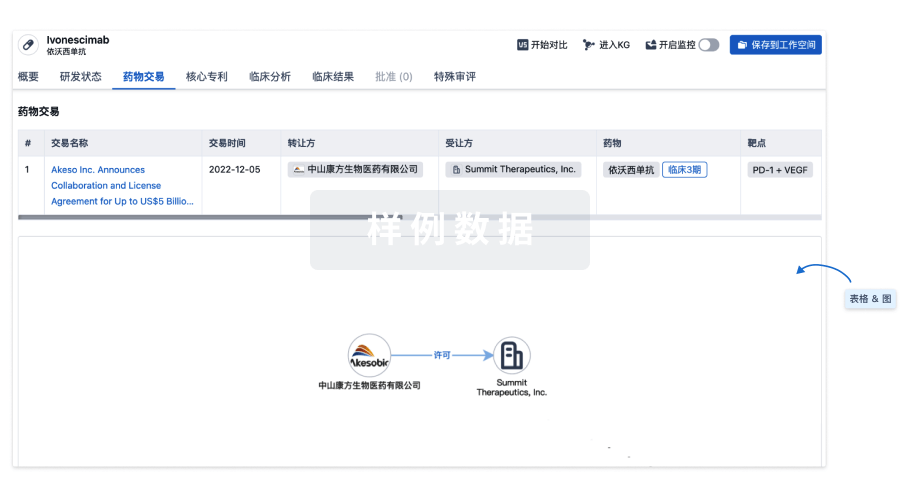
100 项与 芦平曲韦 相关的药物交易
登录后查看更多信息
研发状态
10 条进展最快的记录, 后查看更多信息
登录
| 适应症 | 最高研发状态 | 国家/地区 | 公司 | 日期 |
|---|---|---|---|---|
| 普通感冒 | 临床2期 | - | - | |
| 鼻病毒感染 | 临床2期 | - | - |
登录后查看更多信息
临床结果
临床结果
适应症
分期
评价
查看全部结果
| 研究 | 分期 | 人群特征 | 评价人数 | 分组 | 结果 | 评价 | 发布日期 |
|---|
No Data | |||||||
登录后查看更多信息
转化医学
使用我们的转化医学数据加速您的研究。
登录
或
药物交易
使用我们的药物交易数据加速您的研究。
登录
或
核心专利
使用我们的核心专利数据促进您的研究。
登录
或
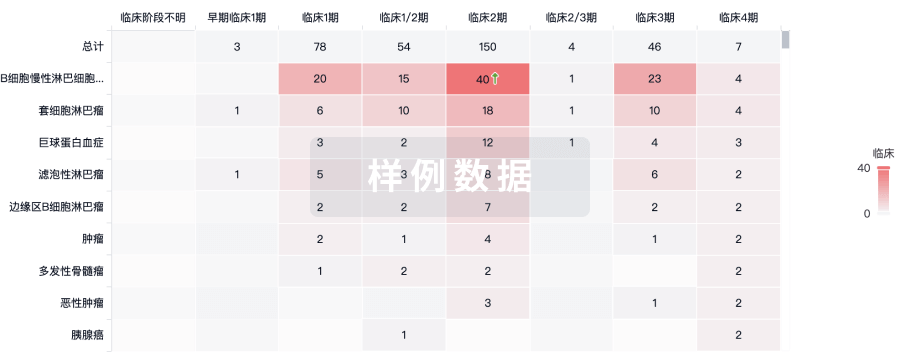
临床分析
紧跟全球注册中心的最新临床试验。
登录
或
批准
利用最新的监管批准信息加速您的研究。
登录
或
生物类似药
生物类似药在不同国家/地区的竞争态势。请注意临床1/2期并入临床2期,临床2/3期并入临床3期
登录
或
特殊审评
只需点击几下即可了解关键药物信息。
登录
或
提出任何生物医药研究问题
让每一步生物医药决策都精准制胜
基于十亿级生物数据与全球情报的精准 AI,赋能早期药物发现
立即开始免费试用!
智慧芽新药情报库是智慧芽专为生命科学人士构建的基于AI的创新药情报平台,助您全方位提升您的研发与决策效率。
立即接入生物医药数据包
智慧芽新药库数据也通过智慧芽开放平台,以MCP或API服务形式对外开放。立即使用我们的MCP服务定制您的LLM智能体。
生物序列数据库
生物药研发创新
免费使用
化学结构数据库
小分子化药研发创新
免费使用