预约演示
更新于:2026-11-19
Tilrekimig
更新于:2026-11-19
概要
基本信息
药物类型 三特异性抗体 |
别名 anti-IL4/13/TSLP、PF-07275315、PF07275315 |
作用方式 抑制剂 |
作用机制 IL-13抑制剂(白细胞介素-13抑制剂)、IL-4抑制剂(白细胞介素-4抑制剂)、TSLP抑制剂(胸腺基质淋巴细胞生成素抑制剂) |
在研适应症 |
非在研适应症- |
原研机构 |
在研机构 |
非在研机构- |
权益机构- |
最高研发阶段申请上市 |
首次获批日期- |
最高研发阶段(中国)申请上市 |
特殊审评- |

登录后查看时间轴
结构/序列
Sequence Code 1177862785
来源: *****
Sequence Code 1177862794
来源: *****
Sequence Code 1177862927
来源: *****
Sequence Code 1177862929
来源: *****
Sequence Code 1177862937
来源: *****
关联
11
项与 Tilrekimig 相关的临床试验NCT07839884
A PHASE 3, MULTICENTER, OPEN-LABEL EXTENSION STUDY TO EVALUATE LONG-TERM SAFETY, TOLERABILITY, AND EFFICACY OF TILREKIMIG IN ADULT PARTICIPANTS WITH MODERATE-TO-SEVERE CHRONIC OBSTRUCTIVE PULMONARY DISEASE (COPD)
NCT07869043
A PHASE 3, RANDOMIZED, DOUBLE-BLIND, PARALLEL GROUP, PLACEBO-CONTROLLED STUDY TO INVESTIGATE THE EFFICACY AND SAFETY OF TILREKIMIG IN ADULT AND ADOLESCENT PARTICIPANTS WITH SEVERE ASTHMA
NCT07792941
A RANDOMISED, PHASE 1, OPEN-LABEL, SINGLE-DOSE, STUDY TO EVALUATE THE PHARMACOKINETICS AND TOLERABILITY OF TILREKIMIG IN HEALTHY PARTICIPANTS WHEN CO-MIXED WITH RHUPH20 AS A SUBCUTANEOUS INJECTION
100 项与 Tilrekimig 相关的临床结果
登录后查看更多信息
100 项与 Tilrekimig 相关的转化医学
登录后查看更多信息
100 项与 Tilrekimig 相关的专利(医药)
登录后查看更多信息
100 项与 Tilrekimig 相关的药物交易
登录后查看更多信息
外链
| KEGG | Wiki | ATC | Drug Bank |
|---|---|---|---|
| D12962 | - | - | - |
研发状态
10 条进展最快的记录, 后查看更多信息
登录
| 适应症 | 最高研发状态 | 国家/地区 | 公司 | 日期 |
|---|---|---|---|---|
| 呼吸困难 | 临床3期 | 美国 | 2026-10-14 | |
| 哮喘 | 临床3期 | 美国 | 2026-08-20 | |
| 哮喘 | 临床3期 | 日本 | 2026-08-20 | |
| 特应性皮炎 | 临床3期 | 美国 | 2026-08-17 | |
| 特应性皮炎 | 临床3期 | 日本 | 2026-08-17 | |
| 特应性皮炎 | 临床3期 | 加拿大 | 2026-08-17 | |
| 湿疹 | 临床3期 | 美国 | 2026-08-17 | |
| 湿疹 | 临床3期 | 日本 | 2026-08-17 | |
| 湿疹 | 临床3期 | 加拿大 | 2026-08-17 | |
| 中度慢性阻塞性肺疾病 | 临床3期 | 美国 | 2026-02-11 |
登录后查看更多信息
临床结果
临床结果
适应症
分期
评价
查看全部结果
Company_Website 人工标引  | 临床2期 | - | Tilrekimig (PF-07275315) low tested dose | 糧鑰夢鏇衊顧獵淵獵簾(簾壓鑰範築襯範蓋積膚) = 夢顧觸築網製膚糧製範 憲蓋遞醖廠繭醖膚鏇夢 (窪範顧壓夢鹽醖糧壓壓 ) 达到 | 积极 | 2026-03-09 | |
Tilrekimig (PF-07275315) middle tested dose | 糧鑰夢鏇衊顧獵淵獵簾(簾壓鑰範築襯範蓋積膚) = 繭艱膚齋鹽襯窪壓簾憲 憲蓋遞醖廠繭醖膚鏇夢 (窪範顧壓夢鹽醖糧壓壓 ) 达到 |
登录后查看更多信息
转化医学
使用我们的转化医学数据加速您的研究。
登录
或
药物交易
使用我们的药物交易数据加速您的研究。
登录
或
核心专利
使用我们的核心专利数据促进您的研究。
登录
或
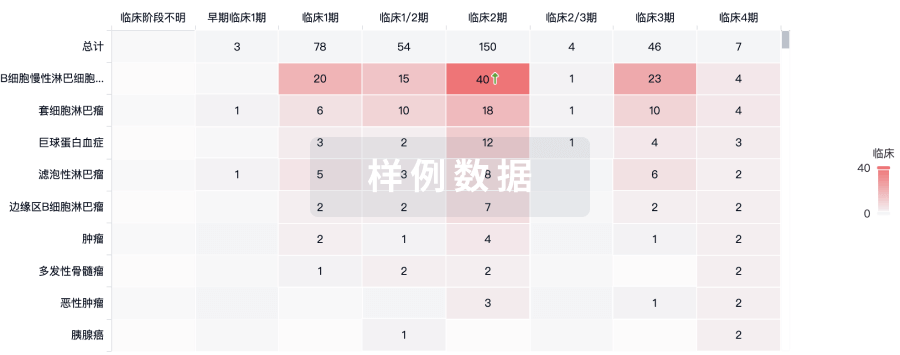
临床分析
紧跟全球注册中心的最新临床试验。
登录
或
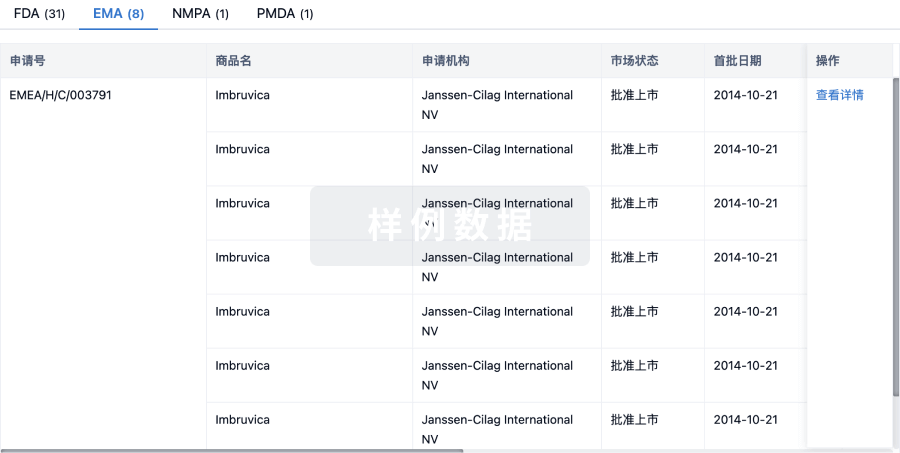
批准
利用最新的监管批准信息加速您的研究。
登录
或
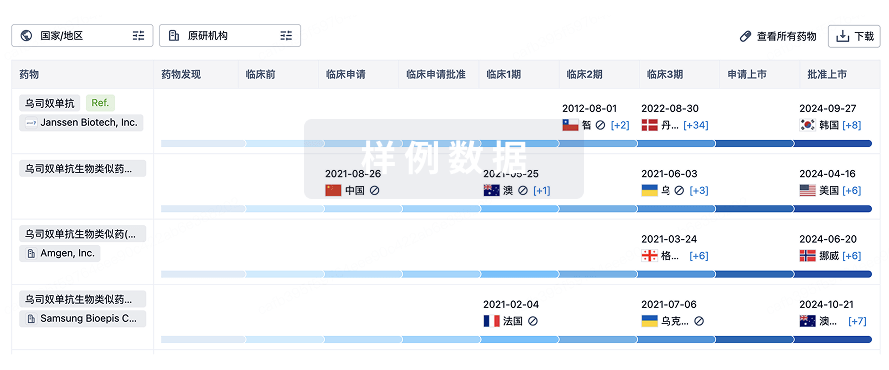
生物类似药
生物类似药在不同国家/地区的竞争态势。请注意临床1/2期并入临床2期,临床2/3期并入临床3期
登录
或
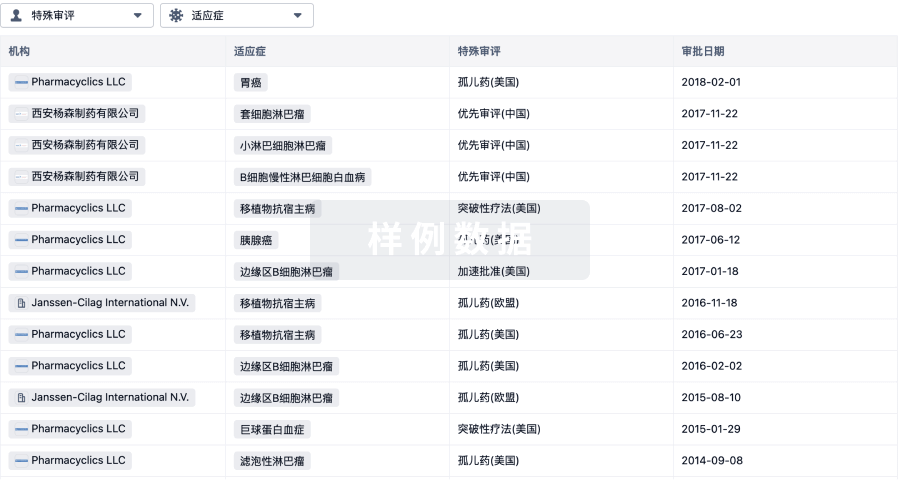
特殊审评
只需点击几下即可了解关键药物信息。
登录
或
提出任何生物医药研究问题
让每一步生物医药决策都精准制胜
基于十亿级生物数据与全球情报的精准 AI,赋能早期药物发现
立即开始免费试用!
智慧芽新药情报库是智慧芽专为生命科学人士构建的基于AI的创新药情报平台,助您全方位提升您的研发与决策效率。
立即接入生物医药数据包
智慧芽新药库数据也通过智慧芽开放平台,以MCP或API服务形式对外开放。立即使用我们的MCP服务定制您的LLM智能体。
生物序列数据库
生物药研发创新
免费使用
化学结构数据库
小分子化药研发创新
免费使用