预约演示
更新于:2026-02-07
FAP-CAR-T cells (Capstan Therapeutics)
FAP靶向的CAR-T(Capstan Therapeutics)
更新于:2026-02-07
概要
基本信息
非在研机构- |
权益机构- |
最高研发阶段临床前 |
首次获批日期- |
最高研发阶段(中国)- |
特殊审评- |

关联
100 项与 FAP靶向的CAR-T(Capstan Therapeutics) 相关的临床结果
登录后查看更多信息
100 项与 FAP靶向的CAR-T(Capstan Therapeutics) 相关的转化医学
登录后查看更多信息
100 项与 FAP靶向的CAR-T(Capstan Therapeutics) 相关的专利(医药)
登录后查看更多信息
9
项与 FAP靶向的CAR-T(Capstan Therapeutics) 相关的文献(医药)2026-01-01·INTERNATIONAL IMMUNOPHARMACOLOGY
CAR-T cells generated in vivo for the targeted treatment of myocardial fibrosis
Article
作者: Lv, Xueyu ; Liu, Xu ; Du, Zhihang ; Li, Dan ; Zhang, Yingying ; Zhang, Cuijuan
Myocardial fibrosis is an irreversible pathological consequence that occurs as various heart diseases progress to their end stages. Currently, no effective therapeutic strategies have been established in clinical practice for its management. The development of T-cell therapy offers promising and innovative opportunities for the treatment of myocardial fibrosis. In this study, we employed CD3-targeted lipid nanoparticles (LNPs) to efficiently deliver the designed chimeric antigen receptor (CAR) structure and the molecular switch HuEGFRt mRNA into T cells, thereby successfully constructing CAR-T cells targeting fibroblast activation protein (FAP). The experimental results demonstrated that FAP-CAR-T cells could specifically eliminate target cells with high FAP expression while exhibiting minimal cytotoxicity on normal cells. Furthermore, the in vivo-generated FAP-CAR-T cells significantly alleviated myocardial fibrosis and effectively improved cardiac function. Regarding safety evaluation, the introduced molecular switch HuEGFRt could selectively induce apoptosis of CAR-T cells via complement-dependent cytotoxicity (CDC) and antibody-dependent cell-mediated cytotoxicity (ADCC) in the presence of cetuximab. Blood routine and biochemistry test results confirmed that the in vivo-generated FAP-CAR-T cells did not elicit any adverse reactions in the mouse model. Therefore, the in vivo generation of FAP-CAR-T cells via LNPs targeting CD3 represents an effective and safe therapeutic strategy for treating myocardial fibrosis. This innovative method not only exhibits substantial therapeutic potential but also expands the clinical application prospects for patients with myocardial fibrosis.
2025-09-01·Molecular Therapy-Methods & Clinical Development
FAP-CAR-T cells reduce dystrophic muscle fibrosis, improving adeno-associated virus gene transfer efficacy
Article
作者: Corre, Guillaume ; Bôle-Richard, Elodie ; Galy, Anne ; Ferrand, Maxime ; Rocca, Céline J ; Buffa, Valentina ; Richard, Isabelle ; Garnache-Ottou, Francine ; Albini, Sonia ; Frin, Sophie
Tissue fibrosis is a pathological feature of many diseases including muscular dystrophies such as Duchenne muscular dystrophy (DMD). Fibrosis may limit the effectiveness of gene therapy in muscle impacting on viral dosing but direct evidence is lacking. Strategies to reduce skeletal muscle fibrosis are limited. The fibrosis Fap gene is over-expressed in the skeletal muscles of a severe mouse model of DMD, suggesting that cells expressing membrane fibroblast activation protein (FAP) could be targeted by chimeric antigen receptor (CAR)-T cells. Two consecutive administrations of FAP-specific CAR-T cells in the severe DMD model reduced collagen deposits and fibrotic biomarkers and also reduced the number of FAP-positive cells in muscle. Single cell transcriptomics revealed that FAP-CAR-T cells triggered cellular interactions with otherwise inactive muscle resident macrophages and depleted specific subsets of FAP-highly-expressing fibro-adipogenic progenitor cells, pointing to their importance in the fibrosis process. Reducing fibrosis with FAP-CAR-T cells enhanced adeno-associated virus (AAV) microdystrophin gene transfer in the model by increasing vector copies, demonstrating that fibrosis is a restriction factor for AAV gene delivery in skeletal muscle. These results provide novel insights into therapeutic strategies for DMD or other fibrotic diseases.
2022-12-15·Clinical cancer research : an official journal of the American Association for Cancer Research
Monitoring Therapeutic Response to Anti-FAP CAR T Cells Using [18F]AlF-FAPI-74
Article
作者: Xiao, Zebin ; June, Carl H. ; Noguera-Ortega, Estela ; Farwell, Michael D. ; Scholler, John ; Edwards, Kimberly J. ; Sellmyer, Mark A. ; Liousia, Maria ; Lee, Iris K. ; Puré, Ellen ; Xu, Kexiang ; Albelda, Steven M. ; Todd, Leslie ; Song, Decheng ; Lohith, Katheryn
Abstract:
Purpose::
Despite the success of chimeric antigen receptor (CAR) T-cell therapy against hematologic malignancies, successful targeting of solid tumors with CAR T cells has been limited by a lack of durable responses and reports of toxicities. Our understanding of the limited therapeutic efficacy in solid tumors could be improved with quantitative tools that allow characterization of CAR T–targeted antigens in tumors and accurate monitoring of response.
Experimental Design::
We used a radiolabeled FAP inhibitor (FAPI) [18F]AlF-FAPI-74 probe to complement ongoing efforts to develop and optimize FAP CAR T cells. The selectivity of the radiotracer for FAP was characterized in vitro, and its ability to monitor changes in FAP expression was evaluated using rodent models of lung cancer.
Results::
[18F]AlF-FAPI-74 showed selective retention in FAP+ cells in vitro, with effective blocking of the uptake in presence of unlabeled FAPI. In vivo, [18F]AlF-FAPI-74 was able to detect FAP expression on tumor cells as well as FAP+ stromal cells in the tumor microenvironment with a high target-to-background ratio. We further demonstrated the utility of the tracer to monitor changes in FAP expression following FAP CAR T-cell therapy, and the PET imaging findings showed a robust correlation with ex vivo analyses.
Conclusions::
This noninvasive imaging approach to interrogate the tumor microenvironment represents an innovative pairing of a diagnostic PET probe with solid tumor CAR T-cell therapy and has the potential to serve as a predictive and pharmacodynamic response biomarker for FAP as well as other stroma-targeted therapies. A PET imaging approach targeting FAP expressed on activated fibroblasts of the tumor stroma has the potential to predict and monitor therapeutic response to FAP-targeted CAR T-cell therapy.See related commentary by Weber et al., p. 5241
100 项与 FAP靶向的CAR-T(Capstan Therapeutics) 相关的药物交易
登录后查看更多信息
研发状态
10 条进展最快的记录, 后查看更多信息
登录
| 适应症 | 最高研发状态 | 国家/地区 | 公司 | 日期 |
|---|---|---|---|---|
| 纤维化 | 临床前 | 美国 | 2022-09-14 |
登录后查看更多信息
临床结果
临床结果
适应症
分期
评价
查看全部结果
| 研究 | 分期 | 人群特征 | 评价人数 | 分组 | 结果 | 评价 | 发布日期 |
|---|
No Data | |||||||
登录后查看更多信息
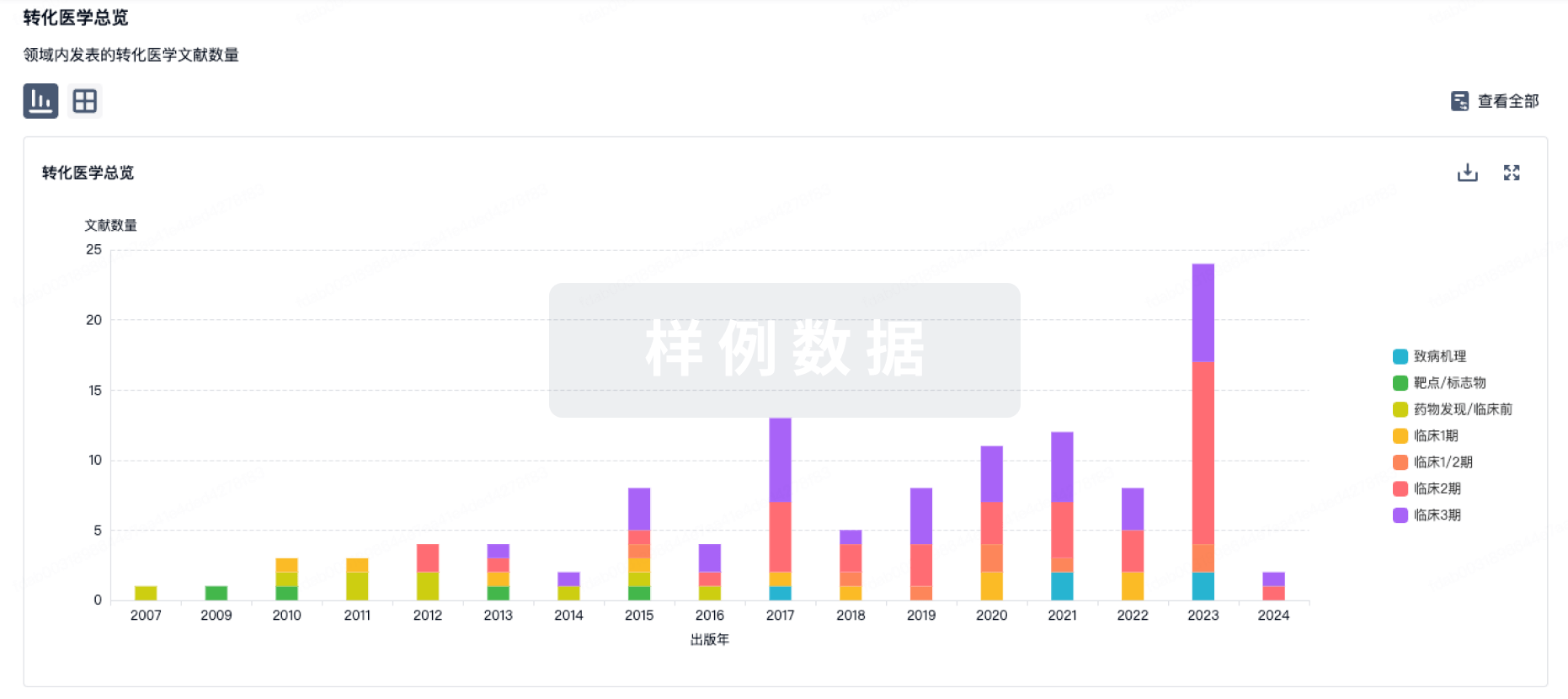
转化医学
使用我们的转化医学数据加速您的研究。
登录
或
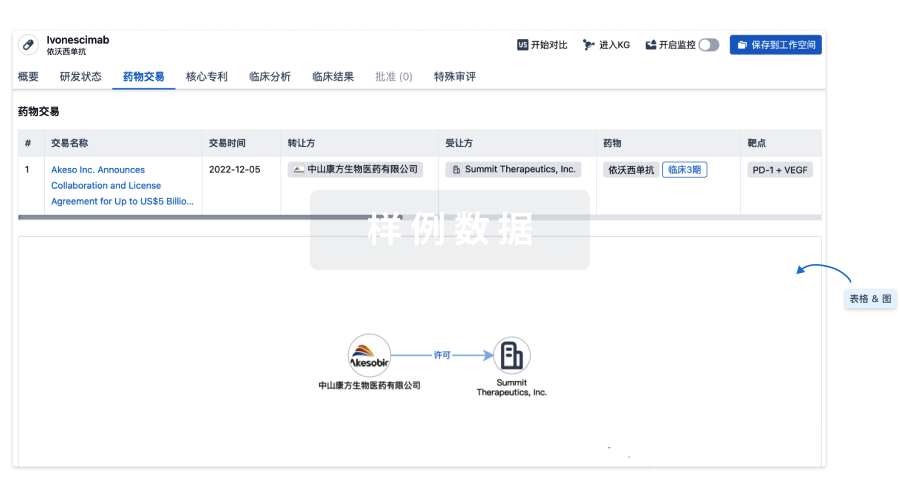
药物交易
使用我们的药物交易数据加速您的研究。
登录
或
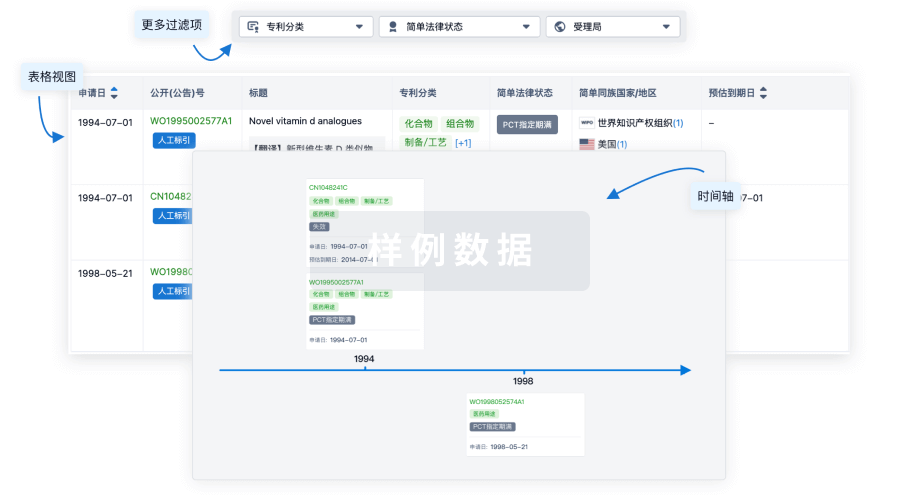
核心专利
使用我们的核心专利数据促进您的研究。
登录
或
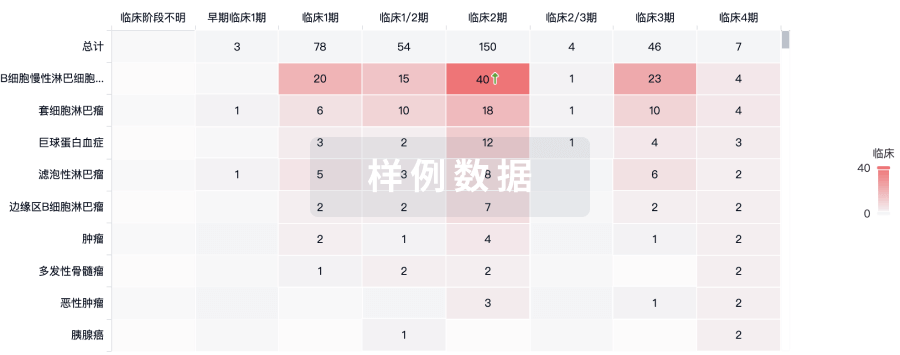
临床分析
紧跟全球注册中心的最新临床试验。
登录
或
批准
利用最新的监管批准信息加速您的研究。
登录
或
特殊审评
只需点击几下即可了解关键药物信息。
登录
或
生物医药百科问答
全新生物医药AI Agent 覆盖科研全链路,让突破性发现快人一步
立即开始免费试用!
智慧芽新药情报库是智慧芽专为生命科学人士构建的基于AI的创新药情报平台,助您全方位提升您的研发与决策效率。
立即开始数据试用!
智慧芽新药库数据也通过智慧芽数据服务平台,以API或者数据包形式对外开放,助您更加充分利用智慧芽新药情报信息。
生物序列数据库
生物药研发创新
免费使用
化学结构数据库
小分子化药研发创新
免费使用