预约演示
更新于:2026-02-07
Nefazodone Hydrochloride
盐酸奈法唑酮
更新于:2026-02-07
概要
基本信息
药物类型 小分子化药 |
别名 Dutonin、Nefadar、Nefazodone + [12] |
作用方式 拮抗剂 |
作用机制 5-HT2A receptor拮抗剂(5-羟色胺2A受体拮抗剂) |
治疗领域 |
在研适应症- |
在研机构- |
权益机构- |
最高研发阶段撤市 |
首次获批日期 美国 (1994-12-22), |
最高研发阶段(中国)- |
特殊审评- |
登录后查看时间轴
结构/序列
分子式C25H33Cl2N5O2 |
InChIKeyDYCKFEBIOUQECE-UHFFFAOYSA-N |
CAS号82752-99-6 |
关联
6
项与 盐酸奈法唑酮 相关的临床试验ISRCTN84604889
Impact of nefazodone on sleep architecture in insomnia
NCT00249509
Marijuana Pharmacotherapies: Controlled Clinical Trials With Nefazodone and Bupropion

NCT00000293
Effect of Nefazodone on Relapse in Females With Cocaine Abuse
100 项与 盐酸奈法唑酮 相关的临床结果
登录后查看更多信息
100 项与 盐酸奈法唑酮 相关的转化医学
登录后查看更多信息
100 项与 盐酸奈法唑酮 相关的专利(医药)
登录后查看更多信息
658
项与 盐酸奈法唑酮 相关的文献(医药)2025-08-15Cureus Journal of Medical Science
Management of Antidepressant-Induced Sexual Dysfunction: A Literature Review
Review
作者: Meriden, Zina ; Tran, Faith D ; Kravetz, Zachary ; Bichai, Gregory H
Although selective serotonin reuptake inhibitors (SSRIs) are the mainstay of treatment for various psychiatric conditions, including but not limited to major depressive disorder, generalized anxiety disorder, obsessive-compulsive disorder, and bulimia nervosa, sexual side effects from these medications are common. These side effects include decreased libido, difficulty with arousal and erection, and delayed or absent orgasm, which can be troubling for many patients and impact adherence to treatment and quality of life. This is an important distinction from decreased libido that can be seen in the natural course of depression; the sexual dysfunction discussed in this paper is due to an adverse effect of SSRIs. The goal of this narrative review is to explore the effectiveness of switching antidepressant therapy or adding adjunctive medications or herbal supplements in alleviating antidepressant-induced sexual dysfunction (AISD). An electronic literature search was performed on PubMed to identify full-text, English-language articles that discussed antidepressant-induced sexual dysfunction (AISD). Selected articles were published between 1996 and 2023. Replacing one antidepressant class for another with a more favorable side effect profile (e.g., mirtazapine, nefazodone, and vortioxetine) may be effective for some patients, especially if the initial antidepressive treatment was not sufficient in controlling the symptoms caused by the primary mental illness. Several adjunctive medications and supplements also show promise in the management of AISD, including bupropion and saffron (Crocus sativus). Findings surrounding other adjunctive treatments are promising, though more robust studies are needed. Evidence for switching to vilazodone to treat AISD is conflicting, as is data surrounding the effect of Ginkgo biloba on AISD. Data surrounding AISD management is increasing, but remains relatively scarce. Further studies are necessary to understand AISD's pathophysiology and current interventions. Development and use of other drugs, supplements, and nonpharmacological agents should be explored in this patient population to broaden effective management options for AISD.
2025-06-20CHINESE MEDICAL JOURNAL
Efficacy and dose–response relationships of antidepressants in the acute treatment of major depressive disorders: a systematic review and network meta-analysis
Review
作者: Lyu, Xiaozhen ; Tian, Jingwei ; Zhang, Meng ; Yu, Xin ; Sun, Feng ; Tao, Yiming ; Zhou, Shuzhe ; Zhou, Junwen ; Li, Pei ; Liu, Fengqi ; Lai, Xuefeng ; Liu, Zuoxiang
Abstract:
Background::
The optimal antidepressant dosages remain controversial. This study aimed to analyze the efficacy of antidepressants and characterize their dose–response relationships in the treatments of major depressive disorders (MDD).
Methods::
We searched multiple databases, including the Embase, Cochrane Central Register of Controlled Trials, PubMed, and Web of Science, for the studies that were conducted between January 8, 2016, and April 30, 2023. The studies are double-blinded, randomized controlled trials (RCTs) involving the adults (≥18 years) with MDD. The primary outcomes were efficacy of antidepressant and the dose–response relationships. A frequentist network meta-analysis was conducted, treating participants with various dosages of the same antidepressant as a single therapy. We also implemented the model-based meta-analysis (MBMA) using a Bayesian method to explore the dose–response relationships.
Results::
The network meta-analysis comprised 135,180 participants from 602 studies. All the antidepressants were more effective than the placebo; toludesvenlafaxine had the highest odds ratio (OR) of 4.52 (95% confidence interval [CI]: 2.65–7.72), and reboxetine had the lowest OR of 1.34 (95%CI: 1.14–1.57). Moreover, amitriptyline, clomipramine, and reboxetine showed a linear increase in effect size from low to high doses. The effect size of toludesvenlafaxine increased significantly up to 80 mg/day and subsequently maintained the maximal dose up to 160 mg/day while the predictive curves of nefazodone were fairly flat in different dosages.
Conclusions::
Although most antidepressants were more efficacious than placebo in treating MDD, no consistent dose–response relationship between any antidepressants was observed. For most antidepressants, the maximum efficacy was achieved at lower or middle prescribed doses, rather than at the upper limit.
Registration::
No. CRD42023427480; https://www.crd.york.ac.uk/prospero/display_record.php?
2025-06-16CHEMICAL RESEARCH IN TOXICOLOGY
Evaluation of the Effectiveness of l -Ergothioneine in Conjunction with Reactive Intermediates Derived from Model Pharmaceuticals
Article
作者: Wang, Jianyao ; Chen, Lu ; Mitra, Kaushik
During our investigation into a compound's disposition within our discovery portfolio, we identified an l-ergothioneine to generate reactive intermediates. These drugs included acetaminophen, diclofenac, carbamazepine, clozapine, nefazodone, raloxifene, tamoxifen, ticlopidine, troglitazone, and ethacrynic acid. The drugs were incubated with human liver microsomes supplemented with NADPH and ET, followed by analysis with liquid chromatography-mass spectrometry (LC-MS). This process led to the detection of ET conjugates in six of the ten compounds, which exhibited structural differences: for instance, acetaminophen, raloxifene, and troglitazone presented with +ET-2H, while diclofenac, nefazodone, troglitazone, and tamoxifen showed +O + ET-2H. Additionally, nefazodone yielded +ET + O-HCl. The paper discusses structure-activity relationships (SAR) and underlying mechanisms. The proposed structures indicate that ET effectively incorporates reactive intermediates featuring highly conjugated moieties, such as quinones and quinone-imines, yet is less effective with epoxides, α-β-unsaturated ketones, and nitrenium ions. To further investigate ET's detoxification capabilities, we analyzed metabolic products from acetaminophen, diclofenac, nefazodone, and raloxifene using rat, monkey, and human hepatocytes without GSH and ET supplementation. Interestingly, we detected conjugates of ET and GSH corresponding to +ET/GSH-2H and +O + ET/GSH-2H. Notably, our findings suggest that, in addition to scavenging reactive oxygen species, ET can also shield cells from reactive xenobiotic intermediates, similar to GSH. This research presents the first evidence of ET's role as a trapping agent for reactive drug intermediates.
100 项与 盐酸奈法唑酮 相关的药物交易
登录后查看更多信息
研发状态
10 条最早获批的记录, 后查看更多信息
登录
| 适应症 | 国家/地区 | 公司 | 日期 |
|---|---|---|---|
| 抑郁症 | 美国 | 1994-12-22 | |
| 重度抑郁症 | 爱尔兰 | - | - |
登录后查看更多信息
临床结果
临床结果
适应症
分期
评价
查看全部结果
登录后查看更多信息
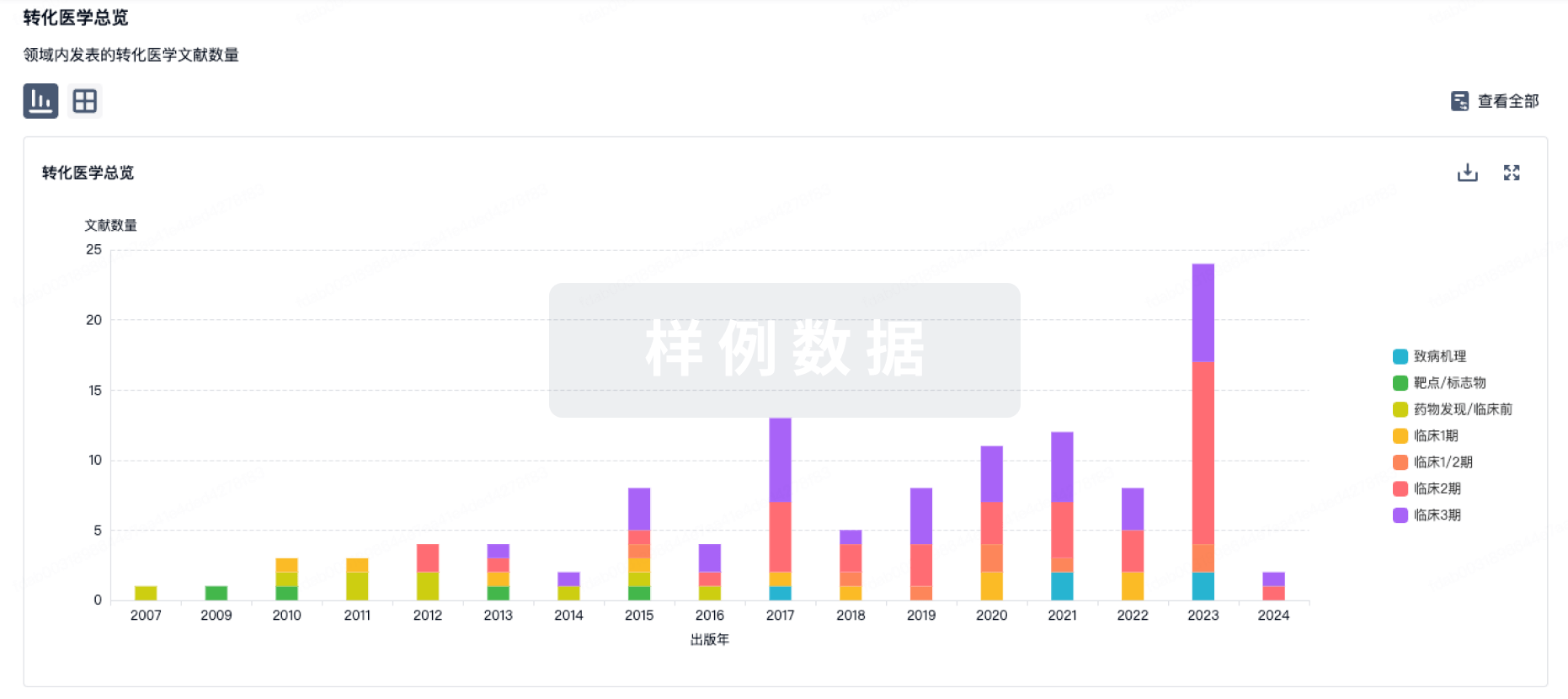
转化医学
使用我们的转化医学数据加速您的研究。
登录
或
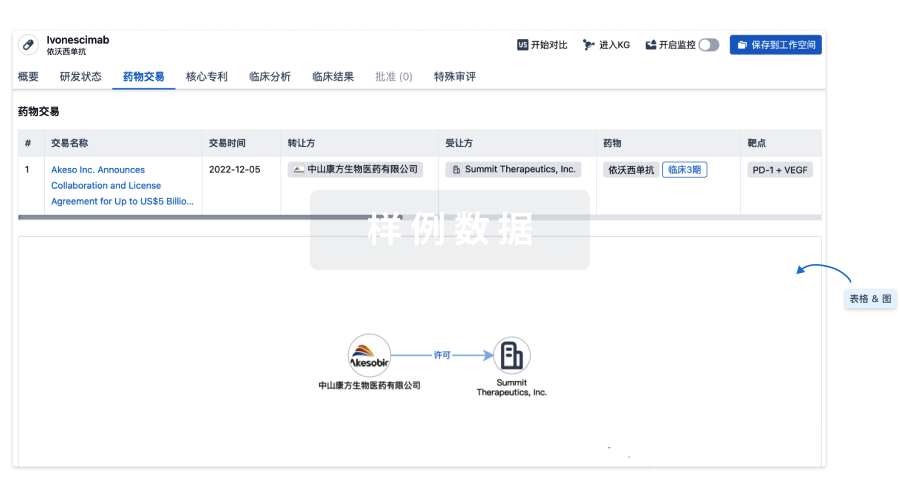
药物交易
使用我们的药物交易数据加速您的研究。
登录
或
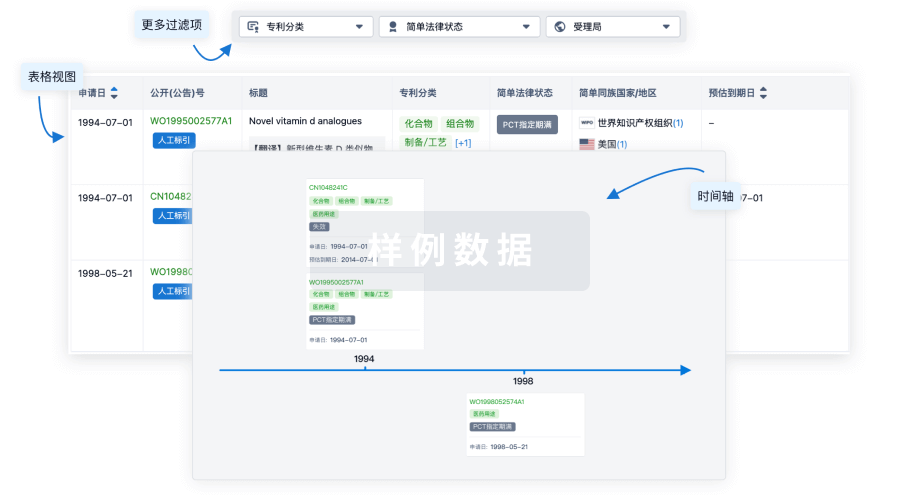
核心专利
使用我们的核心专利数据促进您的研究。
登录
或
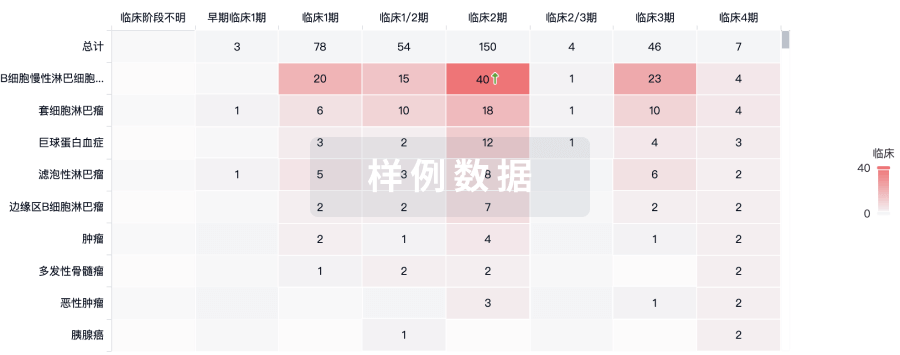
临床分析
紧跟全球注册中心的最新临床试验。
登录
或
批准
利用最新的监管批准信息加速您的研究。
登录
或
特殊审评
只需点击几下即可了解关键药物信息。
登录
或
生物医药百科问答
全新生物医药AI Agent 覆盖科研全链路,让突破性发现快人一步
立即开始免费试用!
智慧芽新药情报库是智慧芽专为生命科学人士构建的基于AI的创新药情报平台,助您全方位提升您的研发与决策效率。
立即开始数据试用!
智慧芽新药库数据也通过智慧芽数据服务平台,以API或者数据包形式对外开放,助您更加充分利用智慧芽新药情报信息。
生物序列数据库
生物药研发创新
免费使用
化学结构数据库
小分子化药研发创新
免费使用