预约演示
更新于:2025-11-14
Recombinant Herpes Zoster Vaccine (Shenzhou Cell Engineering)
重组带状疱疹疫苗(神州细胞)
更新于:2025-11-14
概要
基本信息
原研机构 |
在研机构 |
非在研机构- |
权益机构- |
最高研发阶段临床1/2期 |
首次获批日期- |
最高研发阶段(中国)临床1/2期 |
特殊审评- |


登录后查看时间轴
关联
1
项与 重组带状疱疹疫苗(神州细胞) 相关的临床试验NCT06801509
A Randomized, Double-blind, Controlled Phase I/II Clinical Trial to Evaluate the Safety, Tolerability, and Immunogenicity of the Recombinant Herpes Zoster Vaccine in Healthy Adults
100 项与 重组带状疱疹疫苗(神州细胞) 相关的临床结果
登录后查看更多信息
100 项与 重组带状疱疹疫苗(神州细胞) 相关的转化医学
登录后查看更多信息
100 项与 重组带状疱疹疫苗(神州细胞) 相关的专利(医药)
登录后查看更多信息
3
项与 重组带状疱疹疫苗(神州细胞) 相关的文献(医药)2020-12-01The Journal of heart and lung transplantation : the official publication of the International Society for Heart Transplantation1区 · 医学
Recombinant herpes zoster vaccine after heart transplantation: A single-center experience
1区 · 医学
Article
作者: Behar, Jessica ; Barghash, Maya H ; Taimur, Sarah ; Rana, Meenakshi ; Mancini, Donna M
BMC infectious diseases
Immune response to the recombinant herpes zoster vaccine in people living with HIV over 50 years of age compared to non-HIV age-/gender-matched controls (SHINGR’HIV): a multicenter, international, non-randomized clinical trial study protocol
Article
作者: Wittkop, Linda ; Stoeckle, Marcel ; Walti, Carla S ; Hentzien, Maxime ; Staehelin, Cornelia ; Schmid, Patrick ; Braun, Dominique L ; Prendki, Virginie ; Calmy, Alexandra ; Leuzinger, Karoline ; Didierlaurent, Arnaud M ; Leleux, Olivier ; Biver, Emmanuel ; Appay, Victor ; Munting, Aline ; Bernasconi, Enos ; Musardo, Stefano ; Bonnet, Fabrice
Abstract:
Background:
The burden of herpes zoster (shingles) virus and associated complications, such as post-herpetic neuralgia, is higher in older adults and has a significant impact on quality of life. The incidence of herpes zoster and post-herpetic neuralgia is increased in people living with HIV (PLWH) compared to an age-matched general population, including PLWH on long-term antiretroviral therapy (ART) with no detectable viremia and normal CD4 counts. PLWH – even on effective ART may- exhibit sustained immune dysfunction, as well as defects in cells involved in the response to vaccines. In the context of herpes zoster, it is therefore important to assess the immune response to varicella zoster virus vaccination in older PLWH and to determine whether it significantly differs to that of HIV-uninfected healthy adults or younger PLWH. We aim at bridging these knowledge gaps by conducting a multicentric, international, non-randomised clinical study (SHINGR’HIV) with prospective data collection after vaccination with an adjuvant recombinant zoster vaccine (RZV) in two distinct populations: in PLWH on long-term ART (> 10 years) over 50 years of and age/gender matched controls.
Methods:
We will recruit participants from two large established HIV cohorts in Switzerland and in France in addition to age-/gender-matched HIV-uninfected controls. Participants will receive two doses of RZV two months apart. In depth-evaluation of the humoral, cellular, and innate immune responses and safety profile of the RZV will be performed to address the combined effect of aging and potential immune deficiencies due to chronic HIV infection. The primary study outcome will compare the geometric mean titer (GMT) of gE-specific total IgG measured 1 month after the second dose of RZV between different age groups of PLWH and between PLWH and age-/gender-matched HIV-uninfected controls.
Discussion:
The SHINGR’HIV trial will provide robust data on the immunogenicity and safety profile of RZV in older PLWH to support vaccination guidelines in this population.
Trial registration:
ClinicalTrials.gov NCT05575830. Registered on 12 October 2022. Eu Clinical Trial Register (EUCT number 2023-504482-23-00).
RHEUMATOLOGY
Differences in immunogenicity to zoster recombinant vaccine in IMID patients undergoing treatment with non-selective or selective JAK-i
Article
作者: Sieiro-Santos, Cristiana ; Sahagun, Ana M ; López Robles, Alejandra ; Colindres, Ronald ; Ruiz de Morales, Jose G ; Herrero, Juan Garcia ; Martín, Estefanía Robles ; Sierra Ausin, Monica ; Ordas Martínez, Jose ; Álvarez Castro, Carolina
Abstract:
Objectives:
Patients with immune-mediated inflammatory diseases (IMIDs) treated with immunosuppressive therapies are at higher risk for infections, including those preventable by vaccines. Among these therapies, Janus kinase inhibitors (JAK-is) are increasingly used, though their association with varicella zoster virus (VZV) reactivation raises concerns. The recombinant zoster vaccine (Shingrix™) is recommended for immunocompromised individuals and has shown strong safety and efficacy; however, data on its immunogenicity in IMID patients—especially those receiving JAK-is, anti-TNF agents or MTX—remain limited. In the present study, we aimed to evaluate both humoral and cellular immune responses to the recombinant herpes zoster vaccine in IMID patients treated with different JAK inhibitors in comparison with IMID patients treated with ‘conventional’ therapies, i.e. anti-TNF and/or MTX. We also sought to assess whether immune responses differ between patients receiving pan-JAK-is vs selective JAK1 inhibitors, and to identify clinical factors associated with reduced vaccine-induced immunity.
Methods:
This study investigated both humoral (seroconversion rate, titer of VZV-specific IgG antibodies) and cellular CD4 T cell (IL-2 plus IFN-γ) and CD8 T cell (Granzyme A and/or Granzyme B) immune responses following a two-dose regimen of the recombinant inactivated vaccine in two cohorts of IMID patients treated with JAK-i or anti-TNF and/or MTX. Immune responses were compared with responses in a cohort of healthy individuals matched by age and sex. We also sought to assess whether immune responses differ between patients receiving pan-JAK-is vs selective JAK1 inhibitors, and to identify clinical factors associated with reduced vaccine-induced immunity.
Results:
A total of 176 participants (mean age 58.6 ± 9.9 years; 33% female) were included. Among them, 39 received non-selective JAK-is (14 baricitinib, 25 tofacitinib), 54 received selective JAK1 inhibitor (upadacitinib) and 46 were on anti-TNF and/or MTX; 37 healthy individuals served as controls. Seroconversion was lower in JAK-i-treated patients (74%) compared with anti-TNF/MTX (91%) and the controls (100%, P < 0.001). Median post-vaccination IgG titers were significantly lower in JAK-i-treated patients (1753 ± 1112 mIU/ml) than in the anti-TNF/MTX patients (2874 ± 1020 mIU/ml) and the controls (3185 ± 576 mIU/ml; P < 0.001). CD4 Th1 responses (IL-2 + IFN-γ) were observed in 28% of JAK-i patients, 67% of anti-TNF/MTX patients and 95% of controls (P < 0.001). CD8 T cell responses were similarly impaired: 29% (JAK-i) vs 41% (anti-TNF/MTX) vs 85% (controls) (P < 0.001). Non-selective JAK-is were associated with the poorest responses (baricitinib: 64% seroconversion; 0% CD4; 7% CD8), while upadacitinib-treated patients showed higher rates (83% seroconversion; 39% CD4; 39% CD8). Granzyme A/B, IL-2 and IL-6 levels post-vaccination were significantly higher in anti-TNF/MTX patients than in the JAK-i groups. Immunogenicity negatively correlated with cumulative glucocorticoid and MTX doses, longer JAK-i exposure and history of ≥2 DMARDs.
Conclusions:
Our study highlights impaired immune responses to the recombinant herpes zoster vaccine in IMID patients treated with JAK-is. These patients showed significantly reduced humoral and cellular responses, suggesting lower protection against VZV reactivation. While anti-TNF/MTX-treated patients had mildly reduced responses compared with controls, their immunogenicity was relatively preserved. In contrast, JAK-i-treated patients had markedly lower antibody titers and T cell responses. Notably, this impairment was more pronounced with non-selective JAK-is than with selective JAK1 inhibitors, underscoring differences within the JAK-i class.
4
项与 重组带状疱疹疫苗(神州细胞) 相关的新闻(医药)2025-08-28
2025-04-27
·药时空
财报疫苗临床3期生物类似药
2024-10-06
·药事纵横
临床申请临床1期细胞疗法基因疗法免疫疗法
100 项与 重组带状疱疹疫苗(神州细胞) 相关的药物交易
登录后查看更多信息
研发状态
10 条进展最快的记录, 后查看更多信息
登录
| 适应症 | 最高研发状态 | 国家/地区 | 公司 | 日期 |
|---|---|---|---|---|
| 带状疱疹 | 临床2期 | 中国 | 2025-02-15 |
登录后查看更多信息
临床结果
临床结果
适应症
分期
评价
查看全部结果
登录后查看更多信息
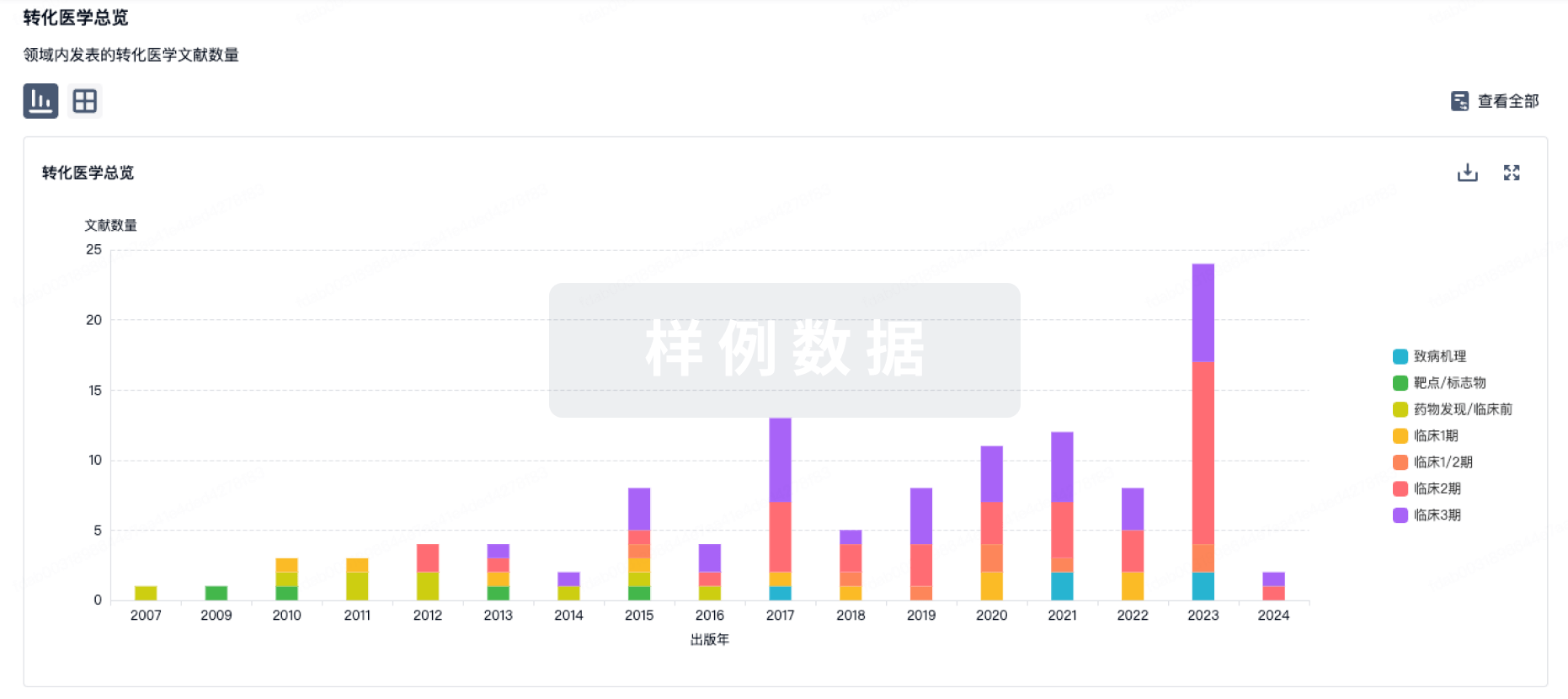
转化医学
使用我们的转化医学数据加速您的研究。
登录
或
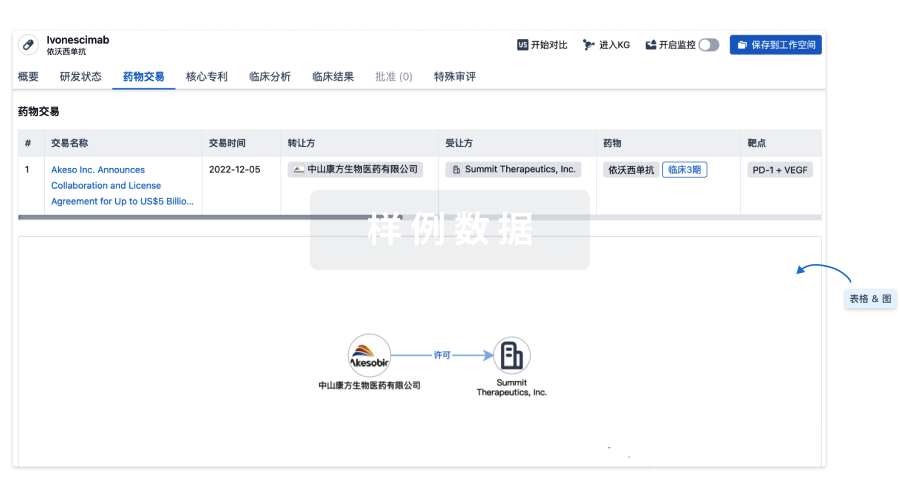
药物交易
使用我们的药物交易数据加速您的研究。
登录
或
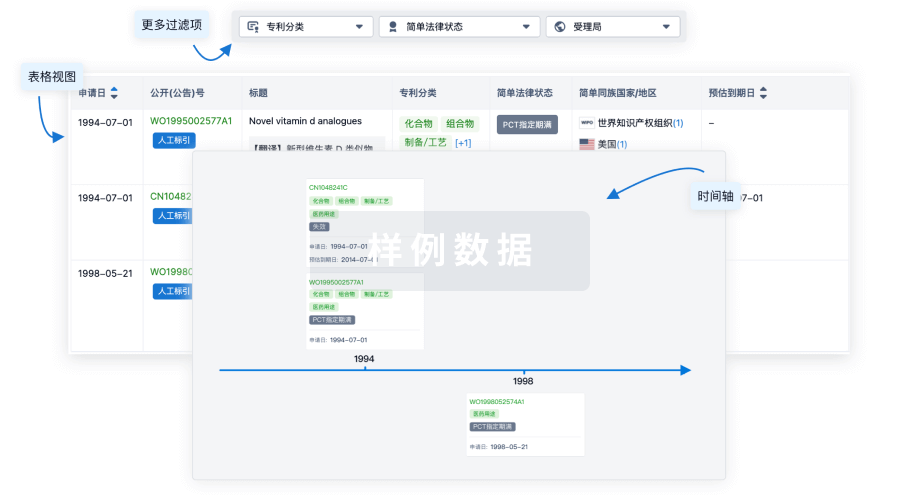
核心专利
使用我们的核心专利数据促进您的研究。
登录
或
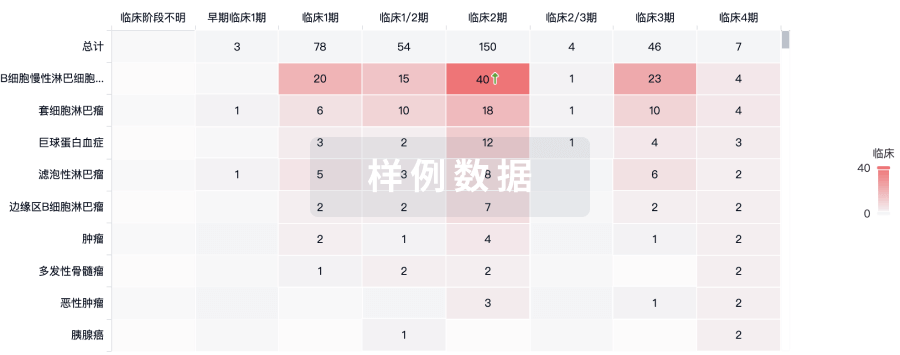
临床分析
紧跟全球注册中心的最新临床试验。
登录
或
批准
利用最新的监管批准信息加速您的研究。
登录
或
特殊审评
只需点击几下即可了解关键药物信息。
登录
或
生物医药百科问答
全新生物医药AI Agent 覆盖科研全链路,让突破性发现快人一步
立即开始免费试用!
智慧芽新药情报库是智慧芽专为生命科学人士构建的基于AI的创新药情报平台,助您全方位提升您的研发与决策效率。
立即开始数据试用!
智慧芽新药库数据也通过智慧芽数据服务平台,以API或者数据包形式对外开放,助您更加充分利用智慧芽新药情报信息。
生物序列数据库
生物药研发创新
免费使用
化学结构数据库
小分子化药研发创新
免费使用