预约演示
更新于:2026-02-07
Atipamezole
更新于:2026-02-07
概要
基本信息


结构/序列
分子式C14H16N2 |
InChIKeyHSWPZIDYAHLZDD-UHFFFAOYSA-N |
CAS号104054-27-5 |
关联
2
项与 Atipamezole 相关的临床试验NCT04942340
Turning Dexmedetomidine Into a Powerful Anesthetic That Can be Rapidly and Completely Reversed
NCT01435213
Competition With Striatal [11C]ORM-13070 Binding by Atipamezole and Endogenous Noradrenaline - a PET Study in Healthy Human Subjects

100 项与 Atipamezole 相关的临床结果
登录后查看更多信息
100 项与 Atipamezole 相关的转化医学
登录后查看更多信息
100 项与 Atipamezole 相关的专利(医药)
登录后查看更多信息
1,057
项与 Atipamezole 相关的文献(医药)2026-01-14JAVMA-JOURNAL OF THE AMERICAN VETERINARY MEDICAL ASSOCIATION
Transmucosal detomidine gel induces emesis in approximately half of cats presenting for dietary indiscretion
Article
作者: Raffe, Marc R. ; Neufeld, Melanie R. ; Hanson, Kayla R. ; Julius, Tracy ; Cai, Jiazhang ; Mochel, Jonathan P. ; Handel, Andreas
Abstract:
Objective:
To evaluate the efficacy and safety of transmucosal administration of detomidine gel to induce emesis in cats.
Methods:
Cats presenting on an emergency basis due to dietary indiscretion were eligible for enrollment at 2 emergency and specialty hospitals from January to August 2024. After baseline vital signs including heart rate, respiratory rate, and blood pressure were obtained, cats were administered 4 mg/m
2
detomidine gel (Dormosedan gel) transmucosally and monitored for emesis for 15 minutes. After 15 minutes, 100 μg/kg atipamezole was administered IM for reversal, recheck vital signs were obtained, and a sedation score was recorded.
Results:
60 cats were enrolled, and 57 cats were included in the final dataset. Emesis was induced in 28 (49.1%) of the cats presented, and emesis did not occur in 29 cats (50.9%). The median time to emesis induction was 11 minutes (range, 2 to 18 minutes). Heart rate and respiratory rate were significantly reduced (–42.6 beats/min and –11.91 breaths/min, respectively) compared to baseline. Thirty-seven cats (69.8%) had recorded sedation scores of 0 to 1/4. No cats experienced complications from transmucosal detomidine that required medical intervention.
Conclusions:
Transmucosal detomidine gel induced emesis in 49.1% of cats. Changes in heart rate, blood pressure, respiratory rate, and sedation were observed but did not result in significant complications.
Clinical Relevance:
Detomidine gel may be considered to induce emesis in cats, as it is moderately successful, is easy to administer, and appears to have manageable side effects.
2026-01-01Journal of the American Association for Laboratory Animal Science : JAALAS
Total Intravenous Anesthesia with Propofol Effectively Provides a Light Anesthesia Plane in Cynomolgus Male Monkeys (Macaca fascicularis) Undergoing Nociceptive Heat Stimulation.
Article
作者: Schwartz, Kenzie ; Huss, Monika ; Yeomans, David C ; Darian-Smith, Corinna ; Pacharinsak, Cholawat ; Franco, Benjamin ; Klukinov, Michael ; Crowley, Matthew ; Sharp, Patrick ; Fisher, Karen M ; Jampachaisri, Katechan ; Zhang, Mingyun
Limited information exists regarding propofol's use as a total intravenous anesthesia in cynomolgus monkeys. This study investigated the continuous rate infusion (CRI) of propofol to provide light anesthesia during nociceptive testing. We hypothesized that a CRI of propofol would effectively induce light anesthesia in cynomolgus macaques during repeated weeks of C-fiber nociceptive (heat) stimulation. Four male cynomolgus monkeys were anesthetized with ketamine/dexmedetomidine (4 and 0.02 mg/kg, respectively, IM). Following intravenous catheter placement, atipamezole (0.5 mg/kg SC) was administered to reverse the effect of dexmedetomidine, and a propofol CRI (8-16 mg/kg/h) was initiated. Physiologic parameters, including systolic, diastolic, and mean arterial pressure, heart rate, respiratory rate, peripheral oxygen saturation, and body temperature, were recorded continuously. Animals were maintained with 100% oxygen via a mask and an intravenous electrolyte (Normosol-R; 5-10 mL/kg/h) infusion. Two hours after ketamine/dexmedetomidine administration, propofol doses were incrementally adjusted to elicit withdrawal reflexes using argon laser nociceptive (heat) stimulation (on digital pads of the forearms) with 5- to 15-minute intervals between stimulations. Propofol doses and physiologic parameters were recorded every 15 minutes. Following the baseline testing, the animals underwent a surgical procedure between sessions 1 and 2. Anesthesia and nociceptive stimulation were conducted over 6 nonconsecutive weeks. Test results showed that over the 6-week period the propofol doses remained unchanged, with variations not reaching statistical significance, and the physiologic parameters did not exhibit significant differences. These findings suggest that a propofol CRI of 8 to 16 mg/kg/h effectively provides light anesthesia in cynomolgus macaques during repeated nociceptive (heat) stimulation.
2025-12-31JOURNAL OF WILDLIFE DISEASES
Immobilization of Free-Ranging Steller Sea Lions (Eumetopias jubatus) with Butorphanol-Midazolam-Medetomidine.
Article
作者: Beckmen, Kimberlee ; Roug, Annette ; Jenniges, Justin ; Polasek, Lori ; Haulena, Martin ; Rauchenstein, Sarah ; Rehberg, Michael
The western population segment of the Steller sea lion (Eumetopias jubatus) has experienced significant population declines. The Alaska Department of Fish and Game is studying the ecology and health of the population. We describe the use of butorphanol-midazolam-medetomidine (BMM) in the capture of free-ranging Steller sea lions. This combination is advantageous as the animals retain their breathing reflex and float at the surface if entering water after darting, and it is fully reversible. Sea lions were darted when resting on haulouts. The majority (45/55) of the adult female sea lions received 75 mg butorphanol, 75 mg midazolam, and 20 mg medetomidine, whereas 10/55 were immobilized with lower doses: 30-62.5 mg butorphanol, 45-62.5 mg midazolam, and 9-18 mg medetomidine. Time from dart to approach was a mean of 19.7 min (range 9-45 min). The mean mass of the 29/55 sea lions obtained was 292.3 (range 205.5-380.5), and the mean drug dose administered in the dart was 0.23 mg/kg (range 0.13-0.36 mg/kg) butorphanol, 0.25 mg/kg (range 0.18-0.36 mg/kg) midazolam, and 0.07 mg/kg (range 0.04-0.10 mg/kg) medetomidine. No mortalities were noted. Twenty of the 55 sea lions were administered an additional 30-100 mg butorphanol, 37-75 mg midazolam, and 3-13 mg medetomidine after approach to achieve adequate sedation for handling. Forty-two of 55 sea lions were intubated and maintained on isoflurane and oxygen, whereas 13 were maintained on injected drugs alone. Of these 13 animals, five received supplementary oxygen. Early in the immobilization, heart rates, and blood oxygenation (SpO2) were significantly lower in the sea lions that received supplementary drugs (P<0.05), and sea lions not receiving supplementary oxygen were hypoxemic. The immobilization was reversed with atipamezole, naltrexone, and flumazenil intramuscularly. The mean time from reversal to ambulatory was 11 min (range 2-42 min). In conclusion, BMM was efficacious for immobilization of free ranging Steller sea lions.
100 项与 Atipamezole 相关的药物交易
登录后查看更多信息
外链
| KEGG | Wiki | ATC | Drug Bank |
|---|---|---|---|
| D03002 | Atipamezole | - |
研发状态
10 条进展最快的记录, 后查看更多信息
登录
| 适应症 | 最高研发状态 | 国家/地区 | 公司 | 日期 |
|---|---|---|---|---|
| 重度抑郁症 | 临床2期 | 芬兰 | - | |
| 神经肌肉阻滞逆转 | 临床1期 | 美国 | 2023-05-01 | |
| 帕金森病 | 临床前 | 芬兰 | - |
登录后查看更多信息
临床结果
临床结果
适应症
分期
评价
查看全部结果
登录后查看更多信息
转化医学
使用我们的转化医学数据加速您的研究。
登录
或
药物交易
使用我们的药物交易数据加速您的研究。
登录
或
核心专利
使用我们的核心专利数据促进您的研究。
登录
或
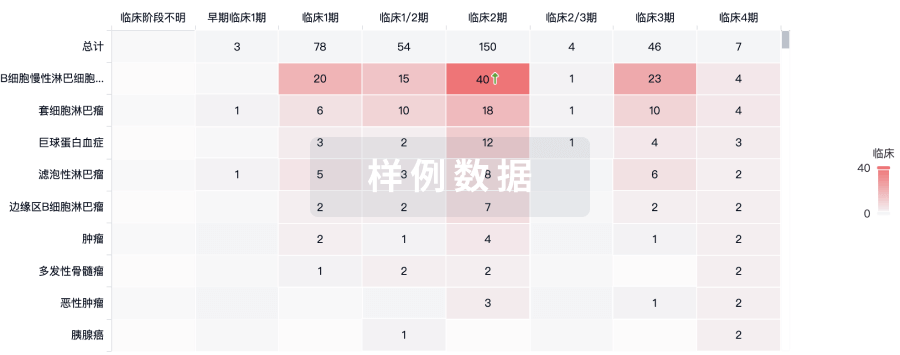
临床分析
紧跟全球注册中心的最新临床试验。
登录
或
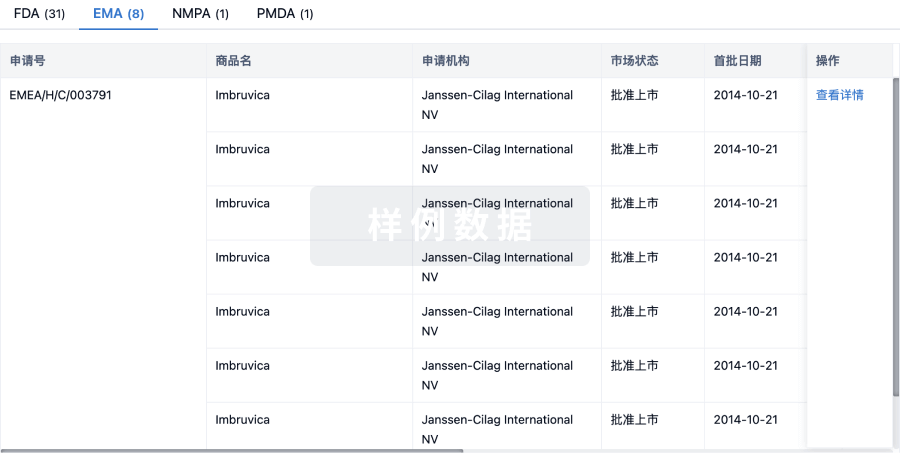
批准
利用最新的监管批准信息加速您的研究。
登录
或
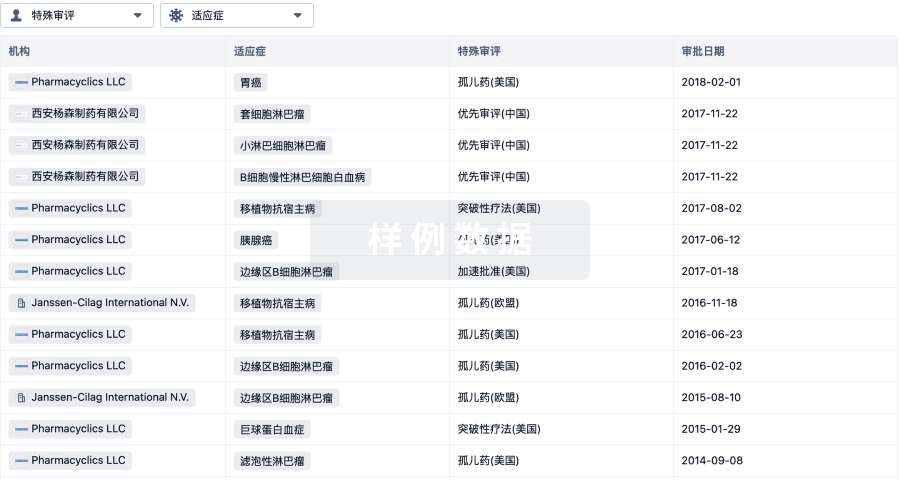
特殊审评
只需点击几下即可了解关键药物信息。
登录
或
生物医药百科问答
全新生物医药AI Agent 覆盖科研全链路,让突破性发现快人一步
立即开始免费试用!
智慧芽新药情报库是智慧芽专为生命科学人士构建的基于AI的创新药情报平台,助您全方位提升您的研发与决策效率。
立即开始数据试用!
智慧芽新药库数据也通过智慧芽数据服务平台,以API或者数据包形式对外开放,助您更加充分利用智慧芽新药情报信息。
生物序列数据库
生物药研发创新
免费使用
化学结构数据库
小分子化药研发创新
免费使用