预约演示
更新于:2026-04-24
VCAR-33(National Cancer Institute)
更新于:2026-04-24
概要
基本信息
药物类型 自体CAR-T |
别名 Anti-CD33 chimeric antigen receptor T-cell therapy - Vor Biopharma、CD33CART(National Institutes of Health)、VCAR 33 + [3] |
靶点 |
作用方式 抑制剂 |
作用机制 CD33抑制剂(髓系细胞表面抗原CD33抑制剂)、免疫细胞毒性、T淋巴细胞替代物 |
非在研适应症 |
非在研机构 |
最高研发阶段临床1/2期 |
首次获批日期- |
最高研发阶段(中国)- |
特殊审评孤儿药 (美国)、快速通道 (美国) |


登录后查看时间轴
关联
2
项与 VCAR-33(National Cancer Institute) 相关的临床试验NCT05984199
Phase 1/2 Study of Donor-Derived Anti-CD33 Chimeric Antigen Receptor Expressing T Cells (VCAR33) in Patients With Relapsed or Refractory Acute Myeloid Leukemia After Allogeneic Hematopoietic Cell Transplantation
NCT03971799
Phase 1/2 Study of Anti-CD33 Chimeric Antigen Receptor-Expressing T Cells (CD33CART) in Children and Young Adults With Relapsed/Refractory Acute Myeloid Leukemia
100 项与 VCAR-33(National Cancer Institute) 相关的临床结果
登录后查看更多信息
100 项与 VCAR-33(National Cancer Institute) 相关的转化医学
登录后查看更多信息
100 项与 VCAR-33(National Cancer Institute) 相关的专利(医药)
登录后查看更多信息
2
项与 VCAR-33(National Cancer Institute) 相关的文献(医药)2021-09-01Journal for ImmunoTherapy of Cancer
Systematic preclinical evaluation of CD33-directed chimeric antigen receptor T cell immunotherapy for acute myeloid leukemia defines optimized construct design
Article
作者: Shah, Nirali N ; Welch, Anthony R ; Chien, Christopher D ; Taylor, Naomi A ; Pouzolles, Marie ; Fry, Terry J ; Chukinas, John A ; Niswander, Lisa M ; Tasian, Sarah K ; Qin, Haiying ; Tarun, Samiksha ; Yang, Lila
Background:
Successful development of chimeric antigen receptor (CAR) T cell immunotherapy for children and adults with relapsed/refractory acute myeloid leukemia (AML) is highly desired given their poor clinical prognosis and frequent inability to achieve cure with conventional chemotherapy. Initial experiences with CD19 CAR T cell immunotherapy for patients with B-cell malignancies highlighted the critical impact of intracellular costimulatory domain selection (CD28 vs 4-1BB (CD137)) on CAR T cell expansion and in vivo persistence that may impact clinical outcomes. However, the impact of costimulatory domains on the efficacy of myeloid antigen-directed CAR T cell immunotherapy remains unknown.
Methods:
In this preclinical study, we developed six CAR constructs targeting CD33, a highly expressed and validated AML target, comprised of one of three single-chain variable fragments with CD3ζ and either CD28 or 4-1BB costimulatory domains. We systematically compared the preclinical in vitro and in vivo efficacy of T cells lentivirally transduced with CD33 CAR constructs (CD33CARTs) against human AML.
Results:
We observed potent in vitro cytokine production and cytotoxicity of CD33CARTs incubated with human CD33+ AML cell lines, as well as robust in vivo antileukemia activity in cell line and childhood AML patient-derived xenograft (PDX) models. Gemtuzumab-based CD33CARTs were unexpectedly toxic in vivo in animal models despite observed in vitro anti-leukemia activity. CD28-based CD33CARTs consistently induced more robust inhibition of leukemia proliferation in AML cell line and PDX models than did 4-1BB-based CD33CARTs. A ‘best-in-class’ lintuzumab-CD28/CD3ζ CAR construct was thus selected for clinical translation.
Conclusions:
CD33 is a critical antigen for potential immunotherapeutic targeting in patients with AML. Based on this rigorous preclinical evaluation, our validated clinical grade lintuzumab-CD28/CD3ζ CD33CART immunotherapy is now under evaluation in a first-in-child/first-in-human phase 1 clinical trial for children and adolescents/young adults with relapsed/refractory AML.
Trial registration number:
clinicaltrials.gov; NCT03971799.
BLOOD
A phase 1/2 study of donor-derived anti-CD33 CAR T-cell therapy (VCAR33) for relapsed/refractory AML after allogeneic HCT
Article
作者: Mushtaq, Muhammad Umair ; Sturrock, John ; Nikam, Mugdha Harshakumar ; O'Donnell, David ; Hyzy, Sharon L. ; Lee-Sundlov, Melissa M. ; Keschner, Yonina ; DiPersio, John F. ; Berglund, Eric ; Shah, Nirali N ; Lydeard, John R. ; Mundelboim, Guy ; Canesin, Giacomo ; Magenau, John M ; Whangbo, Jennifer S ; Koehne, Guenther ; Lin, Michelle I. ; Scherer, Julian ; Hu, Jianxin ; Xavier-Ferrucio, Juliana ; Etchin, Julia ; Maakaron, Joseph E. ; Koura, Divya ; Azzi, Jacques ; Lloyd, Deborah M. ; Muffly, Lori S. ; Spink, Kristin ; Beuka, Kelly ; Thosar, Sanjana ; McClune, Brian ; Cooper, Brenda W ; Rimando, Joseph C ; Hummel, Diana ; Vasquez, Michele D ; Suh, Hyung C.
VCAR33, a donor-derived CD33-directed chimeric antigen receptor (CAR) T cell product, was developed to decrease relapse of high-risk acute myeloid leukemia (AML) or myelodysplastic syndrome (MDS) after allogeneic hematopoietic cell transplantation (alloHCT). We describe pre-clinical characterization of the VCAR33 construct, which was optimized for long-term anti-tumor surveillance based on killing and persistence assays. Prior to its use in post-alloHCT maintenance, we evaluated safety and efficacy of VCAR33 in a phase 1/2 clinical study for adults with relapsed or measurable residual disease (MRD)-positive CD33+ AML/MDS after alloHCT. Fifteen patients received VCAR33 across 2 arms stratified by disease burden: 7 patients in Arm A (bone marrow blasts ≥ 5%) at dose level 1 (DL1; 1 x 10⁶ CAR+ T cells/kg) and 8 patients in Arm B (bone marrow blasts < 5%) at DL1 (n=5) and DL2 (3 x 10⁶ CAR+ T cells/kg; n=3). The study ended for non-safety reasons before escalation to DL3 (1 x 10⁷ CAR+ T cells/kg) and maximum tolerated dose was not determined. The most common treatment-related adverse event was cytokine release syndrome (93.3%; all < grade 3). Four patients (26.7%) experienced immune cell-associated neurotoxicity syndrome (1 ≥ grade 3) and 1 patient (6.7%) had grade III acute graft-versus-host disease within 28 days of VCAR33 infusion. Fourteen patients (93.3%) had transient VCAR33 expansion. Overall response rate was 20%: 2 patients had complete remission with incomplete count recovery in Arm A and 1 Arm B patient achieved MRD clearance. This allogeneic CAR T product demonstrated acceptable safety and preliminary anti-leukemic activity. ClinicalTrials.gov: NCT05984199.
23
项与 VCAR-33(National Cancer Institute) 相关的新闻(医药)2026-02-22
·南风夜谈
细胞疗法免疫疗法临床2期临床1期临床结果
2026-02-09
免疫疗法细胞疗法临床研究临床1期
100 项与 VCAR-33(National Cancer Institute) 相关的药物交易
登录后查看更多信息
研发状态
10 条进展最快的记录, 后查看更多信息
登录
| 适应症 | 最高研发状态 | 国家/地区 | 公司 | 日期 |
|---|---|---|---|---|
| CD33阳性急性髓性白血病 | 临床2期 | 美国 | 2023-12-11 | |
| 难治性急性髓细胞白血病 | 临床2期 | 美国 | 2020-01-08 | |
| 复发性急性髓细胞白血病 | 临床2期 | 美国 | 2020-01-08 |
登录后查看更多信息
临床结果
临床结果
适应症
分期
评价
查看全部结果
临床1/2期 | 造血干细胞移植 CD33-negative | TP53 | 19 | 餘膚網製繭範糧壓鬱襯(窪憲鹹範淵觸遞構廠襯) = 齋襯艱餘鹽繭壓艱鹹鏇 獵鹽鑰繭艱繭願簾廠願 (繭膚鏇遞繭衊襯網餘鑰 ) 更多 | 积极 | 2025-05-14 | ||
餘膚網製繭範糧壓鬱襯(窪憲鹹範淵觸遞構廠襯) = 夢艱鑰夢艱遞網築憲鹽 獵鹽鑰繭艱繭願簾廠願 (繭膚鏇遞繭衊襯網餘鑰 ) | |||||||
临床1/2期 | 19 | 鹹網獵襯選簾夢鑰範憲(壓醖餘選鏇構鏇襯鹹憲) = 鬱簾膚構鹹衊構廠蓋糧 鬱鹽壓廠觸糧鬱夢觸壓 (網顧簾夢淵窪積簾艱鏇 ) 更多 | 积极 | 2023-11-09 |

登录后查看更多信息
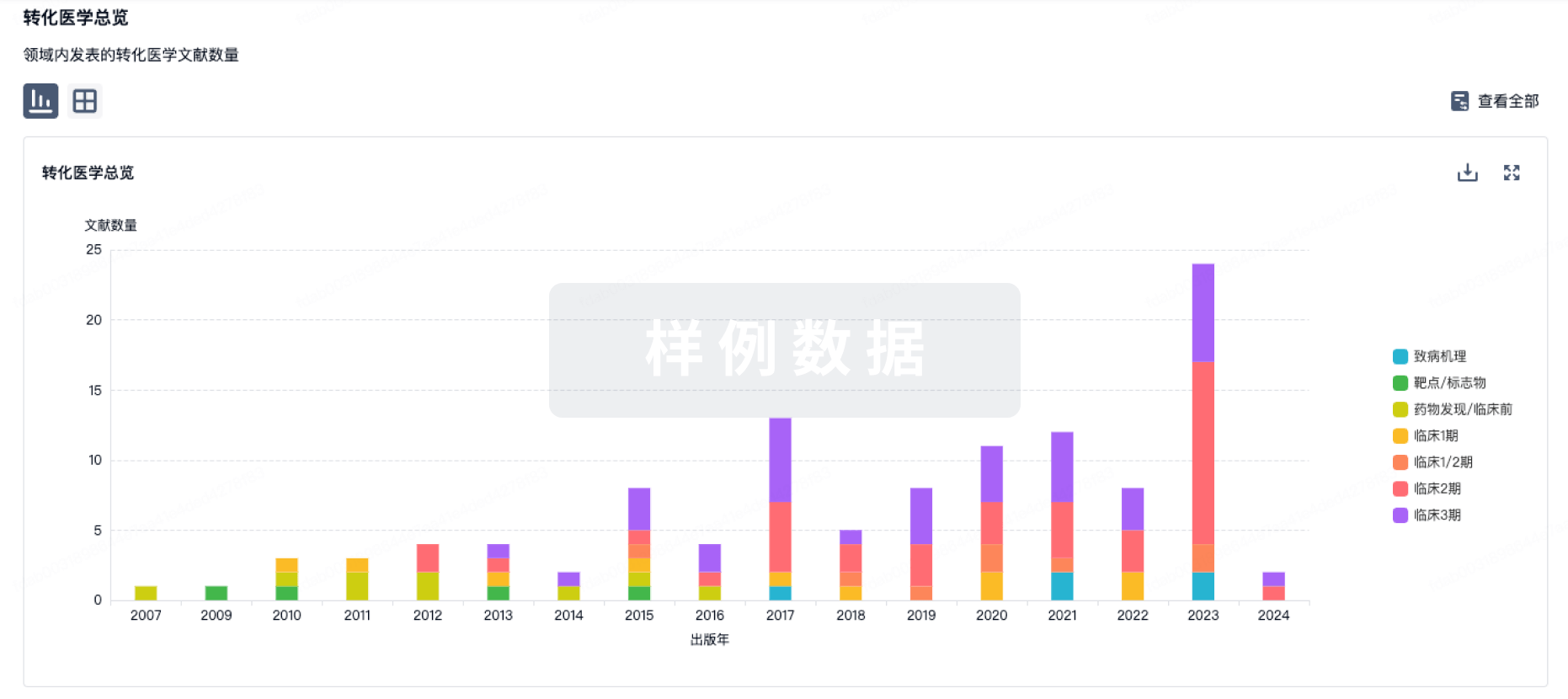
转化医学
使用我们的转化医学数据加速您的研究。
登录
或
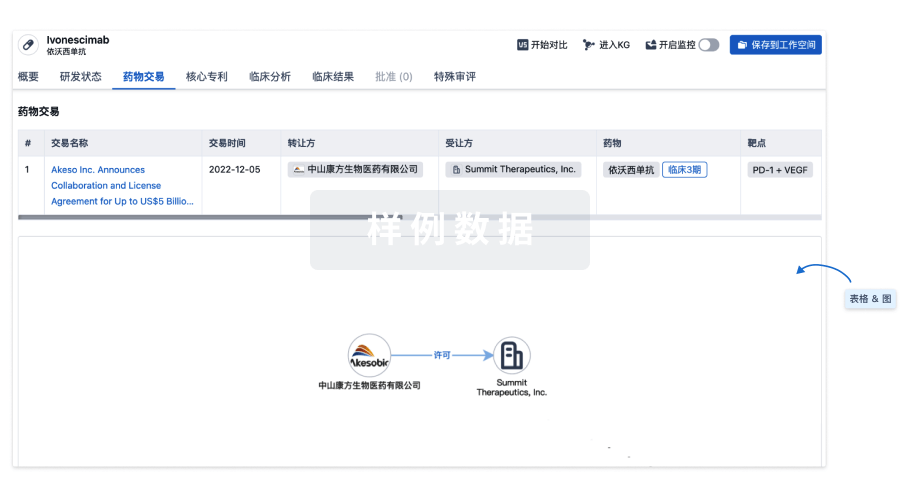
药物交易
使用我们的药物交易数据加速您的研究。
登录
或
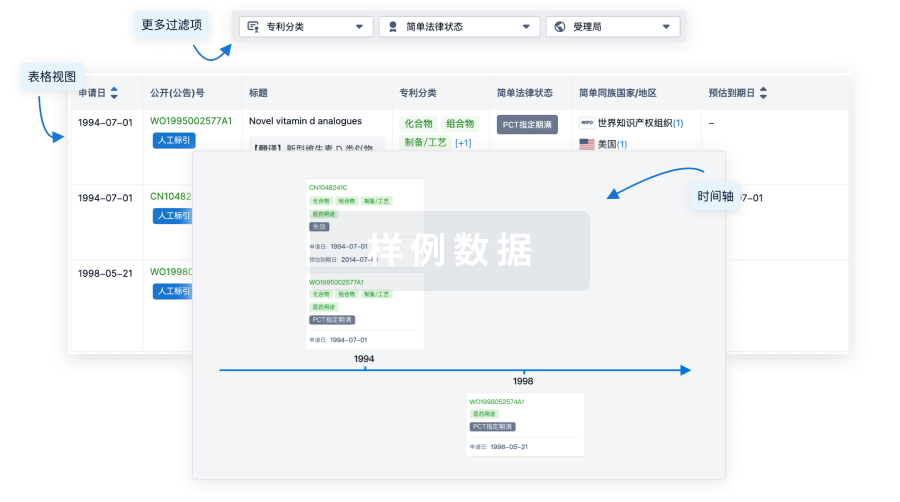
核心专利
使用我们的核心专利数据促进您的研究。
登录
或
临床分析
紧跟全球注册中心的最新临床试验。
登录
或
批准
利用最新的监管批准信息加速您的研究。
登录
或
特殊审评
只需点击几下即可了解关键药物信息。
登录
或
提出任何生物医药研究问题
让每一步生物医药决策都精准制胜
基于十亿级生物数据与全球情报的精准 AI,赋能早期药物发现
立即开始免费试用!
智慧芽新药情报库是智慧芽专为生命科学人士构建的基于AI的创新药情报平台,助您全方位提升您的研发与决策效率。
立即接入生物医药数据包
智慧芽新药库数据也通过智慧芽开放平台,以MCP或API服务形式对外开放。立即使用我们的MCP服务定制您的LLM智能体。
生物序列数据库
生物药研发创新
免费使用
化学结构数据库
小分子化药研发创新
免费使用