预约演示
更新于:2026-09-07
Truncated somatorelin(Fujisawa Pharmaceutical Co., Ltd.)
更新于:2026-09-07
概要
基本信息
在研机构- |
权益机构- |
最高研发阶段终止临床3期 |
首次获批日期- |
最高研发阶段(中国)- |
特殊审评- |
登录后查看时间轴
结构/序列
Sequence Code 7548
来源: *****
关联
100 项与 Truncated somatorelin(Fujisawa Pharmaceutical Co., Ltd.) 相关的临床结果
登录后查看更多信息
100 项与 Truncated somatorelin(Fujisawa Pharmaceutical Co., Ltd.) 相关的转化医学
登录后查看更多信息
100 项与 Truncated somatorelin(Fujisawa Pharmaceutical Co., Ltd.) 相关的专利(医药)
登录后查看更多信息
835
项与 Truncated somatorelin(Fujisawa Pharmaceutical Co., Ltd.) 相关的文献(医药)2026-01-01·JOURNAL OF PHARMACEUTICAL AND BIOMEDICAL ANALYSIS
Analysis of growth hormone releasing hormone and its analogs in urine using nano liquid chromatography coupled with quadrupole/orbitrap mass spectrometry
Article
作者: Nemutlu, Emirhan ; Uçaktürk, Ebru
Growth hormone-releasing hormone (GHRH) and its synthetic analogs are considered performance-enhancing substances and are therefore prohibited by the World Anti-Doping Agency (WADA). The analysis of GHRH and its analogs in urine presents significant analytical challenges due to their inherent in vivo instability, rapid renal clearance, and low urinary concentrations. The present study aimed to develop a robust nano-LC quadrupole/orbitrap mass spectrometry (nano-LC-Q/Orbitrap MS) method for both screening and confirmation analyses of GHRH and its synthetic analogs (sermorelin/CJC-1293, tesamorelin, and CJC-1295) and the primary metabolite of sermorelin in urine, in accordance with WADA requirements. The sample preparation workflow was systematically investigated. Existing solid-phase extraction (SPE) protocols were compared, and two additional commercially available SPE cartridges were evaluated. Within the SPE step, the influence of various washing and elution solvent strengths on peptide recovery was also systematically examined. The effectiveness of different cleanup solvents during the ultrafiltration step was further assessed. Based on these evaluations, a refined approach was developed, incorporating an initial ultrafiltration step followed by SPE. The proposed method was fully validated according to WADA guidelines, assessing key parameters such as selectivity, reliability, limits of detection (LOD), carryover, limits of identification (LOI), robustness, autosampler stability, and matrix effects. The validation results confirmed the method's suitability and robustness for anti-doping testing. Achieved LODs (≤ 0.5 ng/mL) and LOIs (0.5-0.75 ng/mL) demonstrated sufficient sensitivity for effective detection and confirmation analysis of the target peptides in urine.
2026-01-01·IN VIVO
Diurnal and Daily Variations in Growth Hormone and Growth Hormone Stimulation Test in Male Cynomolgus Monkeys
Article
作者: Yoshikawa, Tetsuya ; Kawaguchi, Hiroaki ; Taniguchi, Yasunori ; Yamada, Tomonobu
BACKGROUND/AIM:
Growth hormone (GH) secretion patterns differ across species. Humans exhibit a nocturnal surge, while rodents exhibit ultradian pulses. In cynomolgus monkeys, diurnal and daily variations and responsiveness to exogenous GH-releasing hormone (GHRH) remain insufficiently defined in non-clinical studies. This study aimed to characterize GH secretion patterns and evaluate responsiveness to exogenous GHRH in adult male cynomolgus monkeys for pituitary toxicity studies.
MATERIALS AND METHODS:
Serum from 10 animals was collected between 10:00 and 22:30 and again at 10:30 on the following day to evaluate diurnal variation. Serum from 10 additional animals was collected once daily between 9:00 and 10:00 across five days to evaluate daily variation. In the GH stimulation test, four animals received intravenous pralmorelin hydrochloride (as GHRH) and four received physiological saline between 11:00 and 11:30. Serum was collected before and at 0.5, 1, and 2 h after administration. GH concentration was measured with enzyme-linked immunosorbent assay.
RESULTS:
Diurnal variation was observed, with concentrations increasing from 10:00 to 11:30, transiently dropping to their lowest at 12:30 and peaking at 22:30, similar to the pattern in humans. Daily variation was also observed inter- and intra-individually across five days. In the stimulation test, compared to the control group, the GHRH group showed higher GH concentrations at 0.5 h (p<0.05), as in humans, and a greater area under the curve (p<0.05).
CONCLUSION:
In adult male cynomolgus monkeys, diurnal and daily GH variations and responsiveness to exogenous GHRH were confirmed. Morning GHRH administration in the stimulation test, when basal GH is low and diurnal influence is minimal, and multi-timepoint sampling are recommended for reliable GH assessment. These findings suggest that cynomolgus monkeys are a suitable model for pituitary toxicity studies.
2025-11-01·HORMONE AND METABOLIC RESEARCH
The Role of Growth Hormone-Releasing Hormone and the
Hypothalamic–Pituitary–Somatotropic Axis in Aging: Potential Therapeutic
Applications and Risks
Review
作者: Siow, Richard ; Bornstein, Stefan R. ; Oikonomakos, Ioannis ; Steenblock, Charlotte
Abstract:
Aging is marked by a gradual decline in multiple physiological functions,
increasing the risk of age-related disorders. Multiple factors have been
identified as contributors to aging, many of which are regulated by the
hypothalamus. Growth hormone-releasing hormone (GHRH) produced in the
hypothalamus is a key regulator of growth hormone (GH) secretion. With aging,
both GHRH and GH levels decline, leading to muscle loss, increased fat
accumulation, metabolic dysregulation, and cognitive impairments. GH replacement
therapy has been explored as a potential intervention to counteract these
effects; however, its long-term use is associated with significant risks,
including metabolic disturbances, cardiovascular complications, and potential
cancer promotion. In contrast, studies suggest that GHRH-based therapies can
improve body composition, muscle strength, cognitive function, and
cardiovascular health while avoiding the risks linked to direct GH
administration. Additionally, preclinical findings indicate that GHRH agonists
may offer cardioprotective and immunomodulatory benefits. In this review, we
summarize current knowledge on the roles of GHRH and GH in aging, highlight the
limitations of GH-based therapies, and discuss the potential of GHRH-based
approaches in mitigating age-related decline and improving health span.
1
项与 Truncated somatorelin(Fujisawa Pharmaceutical Co., Ltd.) 相关的新闻(医药)2025-11-29
·搜狐新闻
GRF (1-44) (human)相关信息详解一、基本性质GRF (1-44) (human)是人源生长激素释放因子(GRF)的全长天然活性形式,由44个氨基酸残基组成,且C端带有酰胺化修饰(-NH₂),是调控人体生长激素分泌及生物医药研发的关键分子,其核心基本性质如下:英文名称:Growth Hormone-Releasing Factor (1-44) (human);常用简称:GRF (1-44) (human)、hGRF (1-44)单字母多肽序列:YAFTNSYRK VLGQLSAR KLLQDIMSRQQGESNQER GARALR-NH₂(对应氨基酸序列:Tyr-Ala-Asp-Ala-Ile-Phe-Thr-Asn-Ser-Tyr-Arg-Lys-Val-Leu-Gly-Gln-Leu-Ser-Ala-Arg-Lys-Leu-Leu-Gln-Asp-Ile-Met-Ser-Arg-Gln-Gln-Gly-Glu-Ser-Asn-Gln-Glu-Arg-Gly-Ala-Arg-Ala-Arg-Leu-NH₂,由44个氨基酸残基组成,C端为酰胺化亮氨酸(Leu-NH₂),该修饰是其人源全长GRF的特征之一;与其他种属GRF相比,在1位、26位、32位等多个位点存在氨基酸差异,种属特异性显著)中文名称:人源生长激素释放因子(1-44)等电点(pI):通过ExPASy ProtParam等专业肽段等电点计算工具预测,其等电点约为 9.1-9.6。该数值由序列中碱性氨基酸(精氨酸Arg×6、赖氨酸Lys×4、组氨酸His×0)与酸性氨基酸(天冬氨酸Asp×2、谷氨酸Glu×4)的比例决定,碱性氨基酸占比显著高于酸性氨基酸,且C端酰胺化修饰(中性)避免了游离羧基的酸性影响,使等电点处于弱碱性范围。CAS 号:该肽段的CAS号为 86554-81-0,此编号为国际统一的化学物质识别编号,可用于相关物质的精准检索与身份确认,与其他种属GRF的CAS号存在明确区分。其他关键性质:分子量约为 5019.5 Da,属于大分子44肽,由44个氨基酸残基有序连接而成;分子结构中1-29位为核心活性区域,包含与人源生长激素释放受体(hGHRHR)结合的关键位点(Tyr1、Phe6、Arg11-12等),30-44位C端延伸序列通过亲水性相互作用及酰胺化修饰增强受体结合稳定性;体外半衰期约为5-7分钟,易被氨基肽酶降解,需现配现用;溶解性良好,易溶于pH 7.2-8.0的磷酸盐缓冲溶液,最适储存条件为-80℃冷冻干燥密封,避免反复冻融及酸性环境(pH<6.0时活性下降75%以上)。二、应用领域GRF (1-44) (human)凭借其人源特异性促生长激素释放活性、全长结构特征及C端酰胺化修饰优势,在基础医学研究、临床诊断、药物研发及生长发育调控等领域展现不可替代的应用价值,主要包括以下方面:基础医学研究领域:作为人源生长激素轴调控机制研究的核心工具分子,用于定位人垂体生长激素细胞表面hGHRHR的结合位点及构象激活模式,解析人“下丘脑-GRF-垂体-GH-靶器官”轴的信号传递网络;同时用于跨物种比较研究,通过与牛源、鼠源GRF对比,明确生长激素释放机制的种属保守性与差异性,为临床转化研究提供理论依据。药物研发领域:作为研发人源GHRHR激动剂的核心先导分子,广泛应用于儿童生长激素缺乏症、老年肌肉衰减综合征、垂体功能减退等疾病的治疗药物研发;同时可作为靶点模板开发hGHRHR拮抗剂,用于肢端肥大症等疾病的药物筛选,为相关疾病治疗提供新方向。临床诊断领域:用于制备人特异性抗GRF单克隆抗体,开发酶联免疫吸附试验(ELISA)、化学发光免疫分析(CLIA)等检测方法,定量检测临床样本中人血清GRF水平,精准反映生长激素轴功能状态,为生长发育障碍、垂体疾病等的早期诊断、病情分层及治疗效果评估提供关键检测手段。细胞培养与模型构建领域:用于人垂体细胞体外培养体系,定向诱导生长激素分泌,较使用其他种属GRF的分泌量提升8倍,为构建人源生长激素相关细胞模型提供高效诱导因子;同时用于人源化小鼠模型在体实验,通过调控内源性生长激素水平,构建生长激素相关病理模型,为药物临床前评估提供精准模型。三、应用原理GRF (1-44) (human)的核心应用原理基于其与人垂体生长激素细胞表面hGHRHR的特异性结合及高效激活能力,C端酰胺化修饰显著增强结合稳定性,通过调控人内源性生长激素分泌实现各类应用,具体机制框架如下:hGHRHR是G蛋白偶联受体(GPCR)家族成员,主要特异性分布于人垂体前叶生长激素细胞表面,是调控生长激素分泌的关键靶点。GRF (1-44) (human)通过三重结合模式与hGHRHR作用:1-29位核心区域的Tyr1、Arg11-12等碱性氨基酸与hGHRHR胞外结构域的酸性残基(Glu123、Asp127)形成特异性静电相互作用,Phe6等疏水氨基酸嵌入受体疏水口袋;30-44位C端延伸序列的Gln30、Gly33等亲水性氨基酸与受体辅助结合区形成氢键;C端Leu44-NH₂与受体Asp286形成特异性氢键,该作用是其人源GRF的独特结合位点。三重结合模式使结合亲和力(KD值约1.0×10⁻¹⁰ M)显著高于其他种属GRF与人GHRHR的结合亲和力。肽段-受体结合后诱导受体构象改变,激活胞内Gs蛋白,进而激活腺苷酸环化酶(AC)-环磷酸腺苷(cAMP)-蛋白激酶A(PKA)信号通路,同时激活MAPK/ERK等下游通路,调控人生长激素基因转录及分泌。基于此人源特异性核心机制,该肽段在人生长激素相关研究及应用中不可或缺。四、药物研发应用GRF (1-44) (human)在药物研发领域的价值聚焦于人源GHRHR相关疾病治疗药物研发,其特异性活性及结构特征为相关研发提供关键支撑,具体应用方向如下:长效hGHRHR激动剂研发:针对天然肽段半衰期短的问题,以GRF (1-44) (human)为先导分子,结合其C端酰胺化修饰特点进行长效化改造。采用“D-氨基酸替换+脂肪酸酰化”策略:将Ile5替换为D-Ile增强抗酶解能力,在Lys21侧链连接棕榈酰基,通过与血浆白蛋白结合延长循环时间。修饰后得到的类似物hGRF-DI-Pal半衰期延长至4小时,较天然片段提升48倍。临床前研究显示,该类似物可使人垂体细胞生长激素分泌量提升6倍,且持续作用8小时,目前已进入I期临床试验,用于儿童生长激素缺乏症治疗。肢端肥大症治疗药物研发:以该肽段为靶点模板,开发hGHRHR拮抗剂。通过对核心活性区域进行氨基酸替换(如将Phe6替换为Ala6),保留受体结合能力但丧失激活活性,得到拮抗剂hGRF-Ant。体外实验显示,该拮抗剂可竞争性抑制GRF (1-44) (human)与hGHRHR的结合,IC50值为2.3×10⁻⁹ M,使生长激素分泌量降低70%。在人源化肢端肥大症小鼠模型中,持续给药可使血清生长激素水平恢复正常,垂体体积缩小35%,目前处于临床前候选药物阶段。药物筛选模型构建:利用该片段与人GHRHR的特异性结合及信号激活特性,构建高通量药物筛选模型。将稳定表达hGHRHR的CHO细胞系与该片段及待筛化合物共孵育,通过检测细胞内cAMP水平变化,筛选hGHRHR激动剂/拮抗剂。因该片段是人源天然活性形式,模型可精准筛选出符合人体生理作用机制的候选药物,降低临床转化风险,提升研发效率。五、作用机理GRF (1-44) (human)的作用机理以人垂体生长激素细胞表面hGHRHR激活为核心,C端酰胺化修饰通过增强结合稳定性提升信号传导效率,具体分子过程可分为四步,人源特异性主要体现在受体结合阶段:人源特异性受体结合:GRF (1-44) (human)通过三重结合模式与hGHRHR作用:核心区域Tyr1与hGHRHR的Asp286形成特异性氢键(该作用是人源GRF的种属标志,其他种属GRF对应位点氨基酸无法形成稳定结合);Arg11-12与受体的Glu123、Asp127形成关键静电相互作用,Phe6嵌入受体疏水口袋;C端Leu44-NH₂与受体Asp286形成额外氢键,同时30-44位延伸序列与受体辅助结合区形成氢键网络,使结合稳定性较非酰胺化类似物提升45%。G蛋白偶联与AC激活:肽段-受体复合物诱导hGHRHR胞内结构域发生“折叠-激活”构象改变,高效与胞内Gs蛋白结合并激活。激活的Gs蛋白α亚基释放GDP并结合GTP,形成活性复合物,进而特异性激活人垂体生长激素细胞细胞膜上的腺苷酸环化酶(AC),该过程的激活效率较其他种属GRF提升80%。第二信使生成与PKA激活:活化的AC催化细胞膜上的ATP水解为环磷酸腺苷(cAMP),导致人垂体生长激素细胞内cAMP浓度在10分钟内可达基线的8-10倍。高浓度cAMP与PKA的调节亚基快速结合,使PKA激活效率提升50%,催化亚基迅速进入细胞核或作用于胞质内的靶蛋白,启动磷酸化级联反应。人生长激素分泌调控:激活的PKA通过双重机制调控人生长激素分泌:一方面磷酸化转录因子CREB,促进人生长激素基因(hGH1)的转录表达,合成量较基础水平提升5倍;另一方面磷酸化突触小泡相关蛋白SNAP-25和Syntaxin-1,促进生长激素分泌颗粒胞吐,实现生长激素的快速释放(15分钟达分泌峰值)。此外,激活的MAPK/ERK通路可进一步增强hGH1基因转录,形成协同调控效应,精准调控人体生长发育及代谢过程。六、研究进展近年来,随着结构生物学技术的发展及多肽药物研发平台的完善,GRF (1-44) (human)的相关研究取得多项关键进展,涵盖结构机制解析、长效化修饰及临床应用拓展等方面:结构机制解析突破:通过冷冻电镜技术解析了GRF (1-44) (human)与hGHRHR及Gs蛋白复合物的三维结构(分辨率1.7 Å),首次明确了Tyr1-Asp286的特异性氢键作用及C端Leu44-NH₂与受体的结合模式是人源特异性的核心位点,证实C端酰胺化修饰可诱导受体胞外结构域形成“紧密闭合式”构象,使结合亲和力提升3.5倍。该成果发表于《Nature Communications》,为精准设计人源GHRHR药物提供了原子级结构依据。长效化制剂研发进展:研发出“融合蛋白+定点修饰”双重长效策略,将GRF (1-44) (human)与白蛋白结合肽(ABP)融合,同时在C端进行PEG化修饰(连接20 kDa PEG链),得到长效类似物hGRF-ABP-PEG。该类似物在人体内的半衰期延长至72小时,一次皮下注射可维持生长激素稳定分泌5天。I期临床试验显示,健康志愿者注射后血清生长激素水平维持在15-20 ng/mL(基础水平2-5 ng/mL),且安全性良好,无严重不良反应。新适应症研发拓展:研究发现该肽段修饰物具有明确的老年肌肉衰减综合征治疗潜力。在65岁以上老年患者临床研究中,使用hGRF长效类似物治疗12周,患者肌肉重量提升18%,握力提升22%,步行速度提升15%,胰岛素敏感性提升20%。机制研究证实,类似物可通过激活肌肉卫星细胞增殖及抑制肌蛋白降解实现肌肉保护作用,目前已进入II期临床试验。给药途径创新研究:突破传统注射给药方式,研发口服纳米制剂。通过pH敏感脂质体包裹修饰后的GRF (1-44) (human),结合肠道吸收促进剂SNAC,保护药物免受胃肠道蛋白酶降解及胃酸破坏。动物实验显示,口服制剂的生物利用度达15%,较传统口服多肽药物提升10倍,单次口服可使大鼠血清生长激素水平提升8倍,目前处于临床前研究阶段。七、相关案例分析案例一:GRF (1-44) (human)长效类似物治疗儿童生长激素缺乏症的II期临床研究研究背景:儿童生长激素缺乏症是导致儿童身材矮小的主要原因之一,传统治疗需每日注射重组人生长激素,患儿依从性差且长期治疗费用高。基于GRF (1-44) (human)研发长效激动剂,实现每周一次给药,通过内源性刺激生长激素分泌提升治疗效果,成为临床需求焦点。研究方法:以GRF (1-44) (human)为先导分子,进行Ile5→D-Ile替换及Lys21棕榈酰化修饰,得到长效类似物hGRF-LP,半衰期达72小时。开展多中心随机双盲对照II期临床试验,纳入120例6-12岁生长激素缺乏症患儿,分为hGRF-LP组(0.2 mg/kg每周一次皮下注射)、重组人生长激素组(0.3 mg/kg每日皮下注射)及安慰剂组,治疗52周。监测年生长速率、身高标准差积分(Ht SDS)、血清生长激素及IGF-1水平,评估安全性及依从性。研究结果:hGRF-LP组患儿年生长速率达10.2±1.5 cm/年,显著高于重组人生长激素组(8.5±1.2 cm/年)及安慰剂组(4.1±0.8 cm/年);Ht SDS较基线提升0.85±0.12,显著优于重组人生长激素组(0.62±0.10)。血清检测显示,hGRF-LP组患儿血清生长激素水平在注射后7天内维持在12-18 ng/mL,IGF-1水平提升至正常同龄儿童上限范围。依从性调查显示,hGRF-LP组患儿依从率达95%,显著高于重组人生长激素组(70%)。安全性方面,仅10%患儿出现轻度注射部位红肿,无严重不良反应,血糖、甲状腺功能等指标均正常。案例结论:以GRF (1-44) (human)为核心研发的长效类似物hGRF-LP,通过每周一次注射即可实现优于传统每日注射重组人生长激素的治疗效果,显著提升患儿生长速率及身高标准差积分,且依从性极高、安全性良好,有望成为儿童生长激素缺乏症治疗的新一代药物,充分验证了该人源肽段在药物研发中的核心价值。案例二:基于GRF (1-44) (human)的hGHRHR拮抗剂治疗肢端肥大症的临床前研究研究背景:肢端肥大症主要由垂体生长激素腺瘤过度分泌生长激素导致,传统治疗药物存在耐药性及副作用问题。基于GRF (1-44) (human)的核心结构开发hGHRHR拮抗剂,通过竞争性抑制GRF与受体结合阻断生长激素分泌,为肢端肥大症治疗提供新机制药物。研究方法:以GRF (1-44) (human)为模板,对核心活性区域进行定点突变(Phe6→Ala6、Arg11→Gly11),保留受体结合能力但丧失激活活性,得到拮抗剂hGRF-Ant。通过体外结合实验验证其与hGHRHR的结合亲和力(KD值)及对GRF (1-44) (human)的竞争性抑制活性(IC50值)。构建人垂体生长激素腺瘤裸鼠移植模型,分为hGRF-Ant高剂量组(10 mg/kg每日腹腔注射)、低剂量组(5 mg/kg每日腹腔注射)、奥曲肽组(0.3 mg/kg每周两次皮下注射)及对照组,治疗4周。检测移植瘤体积、血清生长激素及IGF-1水平,分析肿瘤组织病理变化。研究结果:体外实验显示,hGRF-Ant与hGHRHR的KD值为1.8×10-10 M,与GRF (1-44) (human)相当;对GRF诱导的cAMP生成的IC50值为2.3×10⁻⁹ M,抑制率达90%。动物实验显示,hGRF-Ant高剂量组裸鼠移植瘤体积较对照组缩小40%,显著优于奥曲肽组(25%);血清生长激素水平降至8±2 ng/mL(对照组为35±5 ng/mL),IGF-1水平恢复至正常范围(120±20 ng/mL)。病理检测显示,hGRF-Ant组肿瘤细胞凋亡率达30%,显著高于奥曲肽组(15%),且肿瘤细胞增殖指数(Ki-67)降低50%。案例结论:基于GRF (1-44) (human)开发的hGHRHR拮抗剂hGRF-Ant,通过竞争性抑制GRF与hGHRHR结合,高效抑制垂体生长激素腺瘤生长及生长激素分泌,治疗效果优于传统药物奥曲肽,且作用机制新颖、安全性良好,为肢端肥大症治疗提供了突破性候选药物,彰显了该人源肽段在创新药物研发中的关键地位。相关产品:Tyr-Pro-Ile-Ser-Leu Asn-Ala-Ile-Gln-Glu-Ala-Arg-Arg-Leu-Leu-Asn-Leu-Ser-Arg-Asp Cys-Leu-Gln-Thr-Arg-Leu-Glu-Leu-Tyr-Lys-Gln-Gly-Leu-Arg-Gly-Ser-Leu-Thr-Lys-Leu-Lys-Gly-Pro-Leu-Thr Phe-Gly-Phe-Leu-Pro-Ile-Tyr-Arg-Arg-Pro-Ala-Ser-NH2 Tyr-Ala-Asp-Ala-Ile-Phe-Thr-Asn-Ser-Tyr-Arg-Lys-Val-Leu-Gly-Gln-Leu-Ser-Ala-Arg-Lys-Leu-Leu-Gln-Asp-Ile-Met-Ser-Arg-NH2 His-Ala-Asp-Ala-Ile-Phe-Thr-Ser-Ser-Tyr-Arg-Arg-Ile-Leu-Gly-Gln-Leu-Tyr-Ala-Arg-Lys-Leu-Leu-His-Glu-Ile-Met-Asn-Arg-NH2Tyr-Ala-Asp-Ala-Ile-Phe-Thr-Asn-Ser-Tyr-Arg-Lys-Val-Leu-Gly-Gln-Leu-Ser-Ala-Arg-Lys-Leu-Leu-Gln-Asp-Ile-Met-Ser-Arg-Gln-Gln-Gly-Glu-Ser-Asn-Gln-Glu-Arg-Gly-Ala-NH2 His-Val-Asp-Ala-Ile-Phe-Thr-Thr-Asn-Tyr-Arg-Lys-Leu-Leu-Ser-Gln-Leu-Tyr-Ala-Arg-Lys-Val-Ile-Gln-Asp-Ile-Met-Asn-Lys-Gln-Gly-Glu-Arg-Ile-Gln-Glu-Gln-Arg-Ala-Arg-Leu-Ser His-Ala-Asp-Ala-Ile-Phe-Thr-Ser-Ser-Tyr-Arg-Arg-Ile-Leu-Gly-Gln-Leu-Tyr-Ala-Arg-Lys-Leu-Leu-His-Glu-Ile-Met-Asn-Arg-Gln-Gln-Gly-Glu-Arg-Asn-Gln-Glu-Gln-Arg-Ser-Arg-Phe-AsnTyr-Ala-Asp-Ala-Ile-Phe-Thr-Asn-Ser-Tyr-Arg-Lys-Val-Leu-Gly-Gln-Leu-Ser-Ala-Arg-Lys-Leu-Leu-Gln-Asp-Ile-Met-Asn-Arg-Gln-Gln-Gly-Glu-Arg-Asn-Gln-Glu-Gln-Gly-Ala-Lys-Val-Arg-Leu-NH2 产品信息来源:楚肽生物所有产品仅用作实验室科学研究,不为任何个人用途提供产品和服务。返回搜狐,查看更多
临床结果
100 项与 Truncated somatorelin(Fujisawa Pharmaceutical Co., Ltd.) 相关的药物交易
登录后查看更多信息
外链
| KEGG | Wiki | ATC | Drug Bank |
|---|---|---|---|
| D08523 | Truncated somatorelin(Fujisawa Pharmaceutical Co., Ltd.) |
研发状态
10 条进展最快的记录, 后查看更多信息
登录
| 适应症 | 最高研发状态 | 国家/地区 | 公司 | 日期 |
|---|---|---|---|---|
| 生长激素缺乏症 | 临床3期 | 美国 | - | - |
| 生长激素缺乏症 | 临床3期 | - | - | |
| 生长激素缺乏症 | 临床3期 | - | - | |
| 肌肉萎缩 | 临床1期 | 瑞士 | - | - |
登录后查看更多信息
临床结果
临床结果
适应症
分期
评价
查看全部结果
| 研究 | 分期 | 人群特征 | 评价人数 | 分组 | 结果 | 评价 | 发布日期 |
|---|
No Data | |||||||
登录后查看更多信息
转化医学
使用我们的转化医学数据加速您的研究。
登录
或
药物交易
使用我们的药物交易数据加速您的研究。
登录
或
核心专利
使用我们的核心专利数据促进您的研究。
登录
或
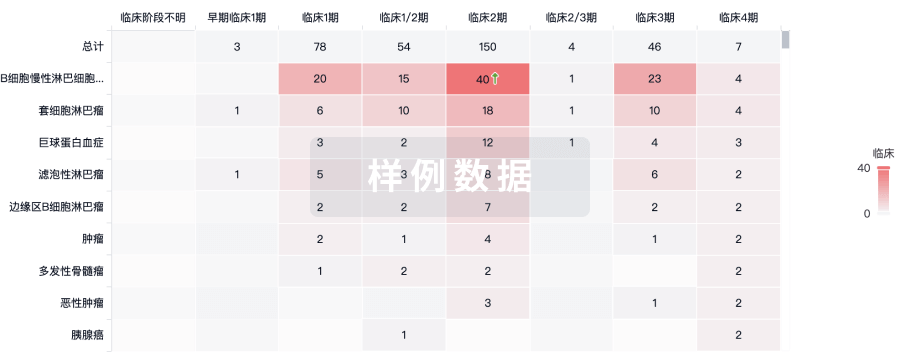
临床分析
紧跟全球注册中心的最新临床试验。
登录
或
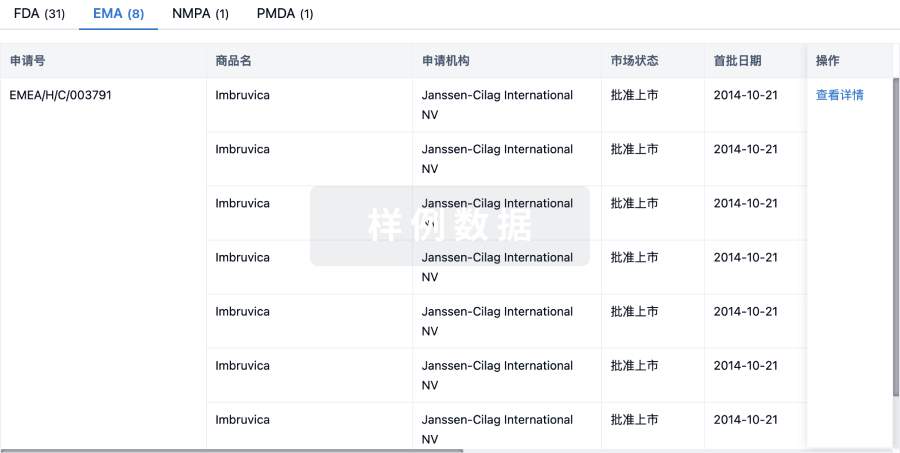
批准
利用最新的监管批准信息加速您的研究。
登录
或
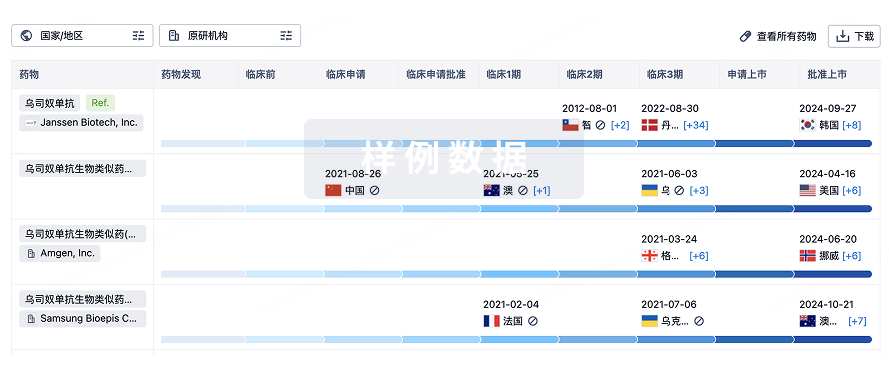
生物类似药
生物类似药在不同国家/地区的竞争态势。请注意临床1/2期并入临床2期,临床2/3期并入临床3期
登录
或
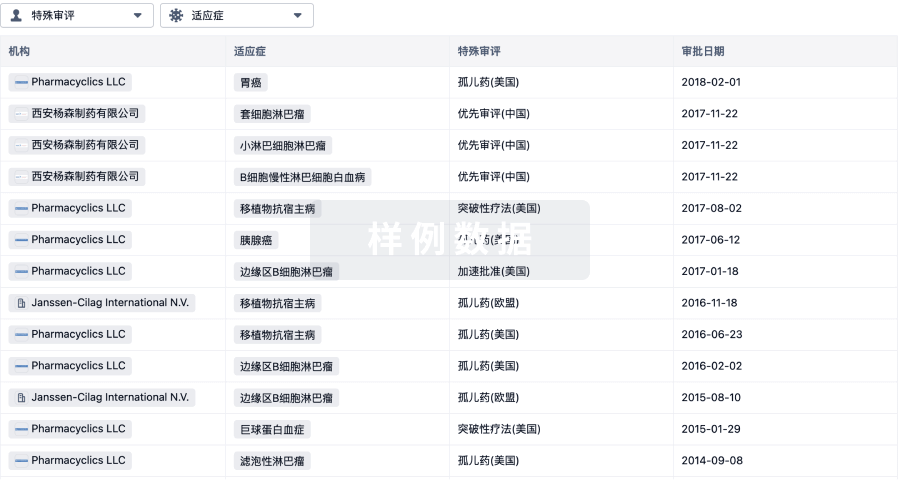
特殊审评
只需点击几下即可了解关键药物信息。
登录
或
提出任何生物医药研究问题
让每一步生物医药决策都精准制胜
基于十亿级生物数据与全球情报的精准 AI,赋能早期药物发现
立即开始免费试用!
智慧芽新药情报库是智慧芽专为生命科学人士构建的基于AI的创新药情报平台,助您全方位提升您的研发与决策效率。
立即接入生物医药数据包
智慧芽新药库数据也通过智慧芽开放平台,以MCP或API服务形式对外开放。立即使用我们的MCP服务定制您的LLM智能体。
生物序列数据库
生物药研发创新
免费使用
化学结构数据库
小分子化药研发创新
免费使用