预约演示
更新于:2026-01-27
Recombinant COVID-19 Vaccine(Wuhan BravoVax Co., Ltd.)
更新于:2026-01-27
概要
基本信息
原研机构 |
在研机构 |
非在研机构- |
权益机构- |
最高研发阶段临床1期 |
首次获批日期- |
最高研发阶段(中国)- |
特殊审评- |


登录后查看时间轴
关联
1
项与 Recombinant COVID-19 Vaccine(Wuhan BravoVax Co., Ltd.) 相关的临床试验NCT05706324
A Single-arm, Open-label Phase I Clinical Study to Evaluate the Safety, Tolerability and Immunogenicity of Recombinant COVID-19 Vaccine (Adenovirus Vector) for Inhalation in People 21 to 65 Years Old (Previously Primed With Authorized Vaccines)
100 项与 Recombinant COVID-19 Vaccine(Wuhan BravoVax Co., Ltd.) 相关的临床结果
登录后查看更多信息
100 项与 Recombinant COVID-19 Vaccine(Wuhan BravoVax Co., Ltd.) 相关的转化医学
登录后查看更多信息
100 项与 Recombinant COVID-19 Vaccine(Wuhan BravoVax Co., Ltd.) 相关的专利(医药)
登录后查看更多信息
4
项与 Recombinant COVID-19 Vaccine(Wuhan BravoVax Co., Ltd.) 相关的文献(医药)2025-12-31Human Vaccines & Immunotherapeutics
Immunogenicity of a recombinant subunit COVID-19 vaccine: A prospective, multi-centre, longitudinal study in Chinese Alzheimer’s disease patients
Article
作者: Gong, Ruoyao ; Zhang, Jiangtao ; Ling, Zongxin ; Weng, Youhong ; Lu, Shaohong ; Liao, Rongxian ; Zhao, Longyou ; Wu, Yahan ; Zhang, Zhihua ; Shao, Li ; Xu, Yu ; Litchev, Sofia ; Kong, Qingming ; Wang, Yuwei ; Huang, Yihua ; Wu, Aimee ; He, Qing ; Lv, Hao ; Wu, Ting-Ting ; Wang, Minchao
Vaccination is an essential strategy against COVID-19 in the current era of emerging variants. This study evaluates the immunogenicity of the recombinant subunit COVID-19 vaccine (Zifivax) in Alzheimer's disease (AD) patients. A total of 249 patients with Alzheimer's disease (AD) were enrolled in an eight-month, prospective study conducted across three medical centers in Hangzhou, Zhejiang Province, from May 2022 to January 2023, Zhe Jiang province, and were categorized into unvaccinated (AD-UV) and vaccinated groups (AD-V). Levels of RBD-IgG, neutralization antibody activity, and cytokines were identified to evaluate the immune responses. Clinical outcomes were assessed within one month following breakthrough infection (BTI) with the Omicron variant. Following three doses, the vaccine induced a robust immune response, elevating neutralizing antibodies and activating T-cells in AD-V cohort. AD-V patients exhibited significantly higher humoral immune responses compared to AD-UV counterparts. The anti-RBD antibodies level and pseudoviral neutralizing activity demonstrated an increase concurrent with the onset of immunity and infection, and the seroresponse rate exhibited a similar trend in AD-V cohort. RBD-IgG antibody levels against WT, DELTA, and BA.5 variants in AD-V cohort showed significantly higher compared to AD-UV cohort. Following Omicron infection, unvaccinated patients experienced higher levels of Th1/Th2-type cytokines than vaccinated individuals. Vaccination correlated with reduced severe illness, increased survival rates and extended survival times after Omicron BTI. The findings highlight the immunogenicity and suggest a certain degree of protective effectiveness of the recombinant subunit COVID-19 vaccine (Zifivax) in AD patients.
2018-06-01Journal of cardiovascular translational research3区 · 医学
Retrograde Coronary Venous Infusion as a Delivery Strategy in Regenerative Cardiac Therapy: an Overview of Preclinical and Clinical Data
3区 · 医学
Review
作者: Doevendans, Pieter A ; Gathier, Wouter A ; van der Naald, Mira ; Chamuleau, Steven A J ; van Ginkel, Dirk Jan ; van Slochteren, Frebus J
An important aspect of cell therapy in the field of cardiac disease is safe and effective delivery of cells. Commonly used delivery strategies such as intramyocardial injection and intracoronary infusion both present with advantages and disadvantages. Therefore, alternative delivery routes are explored, such as retrograde coronary venous infusion (RCVI). Our aim is to evaluate safety and efficiency of RCVI by providing a complete overview of preclinical and clinical studies applying RCVI in a broad range of disease types and experimental models. Available data on technical and safety aspects of RCVI are incomplete and insufficient. Improvement of cardiac function is seen after cell delivery via RCVI. However, cell retention in the heart after RCVI appears inferior compared to intracoronary infusion and intramyocardial injection. Adequately powered confirmatory studies on retention rates and safety are needed to proceed with RCVI in the future.
MEMORIAS DO INSTITUTO OSWALDO CRUZ
Homologous equivalence study of immunogenicity after third dose of Covid-19 vaccine (recombinant) with an interval of six months after the second dose, comparing the interval of eight and 12 weeks between the first two doses
Article
作者: de Araújo, Mia Ferreira ; Seid, Maria Vitória Hadland ; Xavier, Janaína Reis ; Dos Santos, Ewerton Alves Portela ; Ferroco, Clara Lucy de Vasconcellos ; de Almeida, Camila Dias ; Vianna, Clarice Monteiro ; da Gama, Vitor Cardoso ; Tort, Luis Fernando López ; de Castro, Thalita da Matta ; da Silva E Sá, Gloria Regina ; Maia, Maria de Lourdes de Sousa ; Caetano, Braulia Costa ; Camacho, Luiz Antonio Bastos ; Cruz, Robson Leite de Souza ; Siqueira, Marilda
BACKGROUND:
In response to the coronavirus disease 2019 (Covid-19) pandemic, Brazil authorised the Astra Zeneca/Fiocruz vaccine in January 2021. As the Delta variant emerged in May 2021, interval between vaccine doses was adjusted. By September 2021, the Brazilian National Immunisation Program recommended a booster dose for individuals over 70, and later expanded the recommendation to all adults.
OBJECTIVES:
Assess the equivalence of IgG antibody response against the Covid-19 S protein before and approximately 28 days after the third dose of a Covid-19 recombinant vaccine. Two groups received initial two doses with intervals of eight and 12 weeks.
METHODS:
This is a phase IV clinical study, uncontrolled, non-randomised. The study proposes calculating the ratio of geometric means titres (GMT) 28 days after the third dose, with a target ratio of confidence interval (CI) between 0.77 and 1.3.
FINDINGS:
In the primary endpoint, there was no equivalence between the eight- and 12-week intervals with a slight variation favouring the eight-week group. Post-third dose, both groups showed increases titres at 28 days, three months, six months and 12 months. Both groups responded similarly to Delta and Omicron BA.1, with a more significant increase for Delta.
MAIN CONCLUSIONS:
The study showed strong and consistent immune response in all age groups receiving the Covid-19 recombinant vaccine. Third dose elicited an increase in GMT by at least three times aligned with Ministry of Health strategies emphasising Bio-Manguinhos crucial role in pandemic control in the country.
100 项与 Recombinant COVID-19 Vaccine(Wuhan BravoVax Co., Ltd.) 相关的药物交易
登录后查看更多信息
研发状态
10 条进展最快的记录, 后查看更多信息
登录
| 适应症 | 最高研发状态 | 国家/地区 | 公司 | 日期 |
|---|---|---|---|---|
| 新型冠状病毒感染 | 临床1期 | 新加坡 | 2023-06-01 |
登录后查看更多信息
临床结果
临床结果
适应症
分期
评价
查看全部结果
登录后查看更多信息
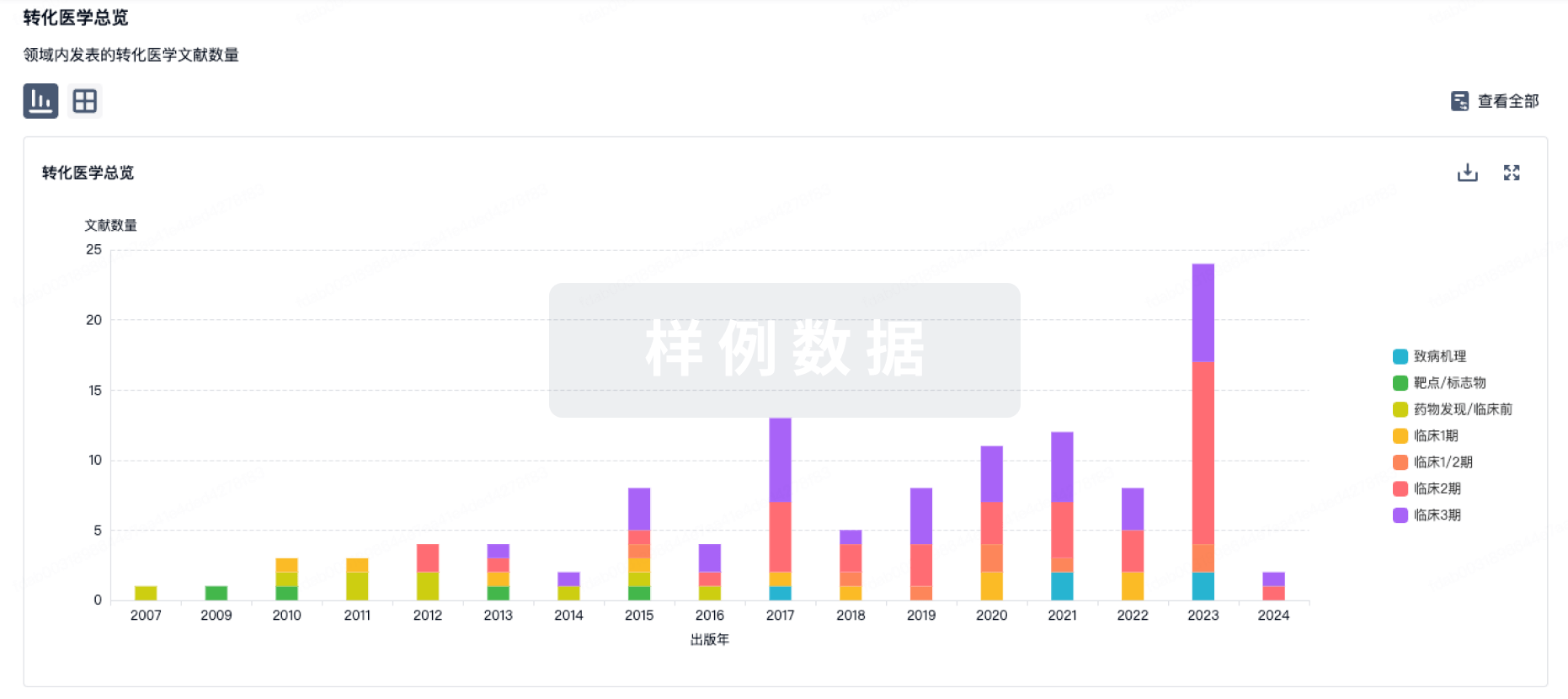
转化医学
使用我们的转化医学数据加速您的研究。
登录
或
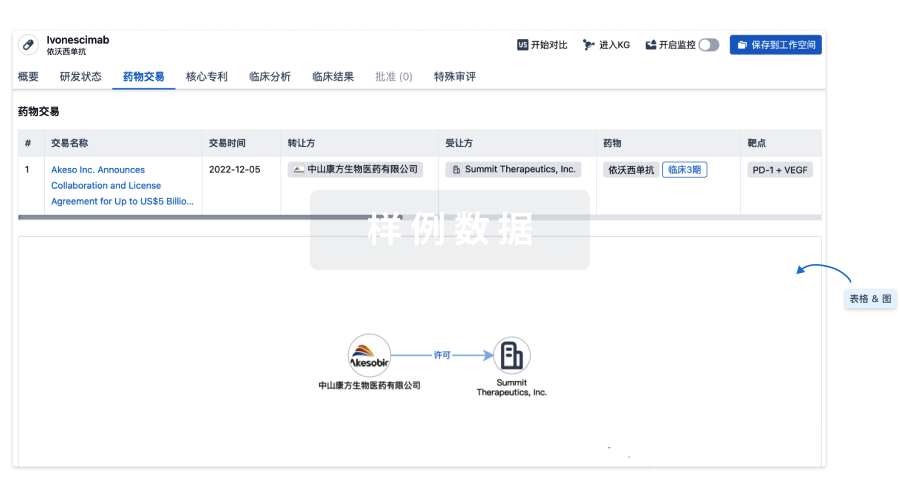
药物交易
使用我们的药物交易数据加速您的研究。
登录
或
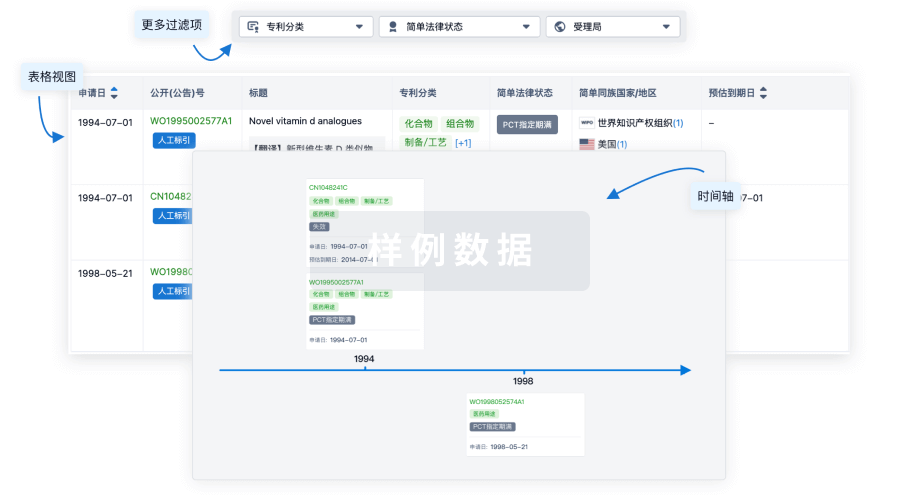
核心专利
使用我们的核心专利数据促进您的研究。
登录
或
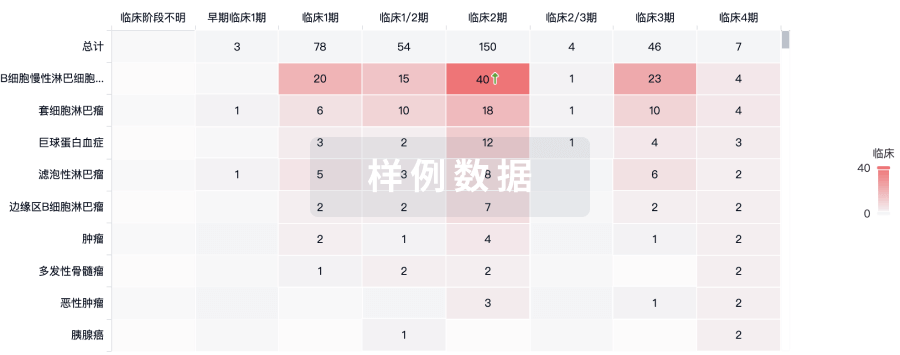
临床分析
紧跟全球注册中心的最新临床试验。
登录
或
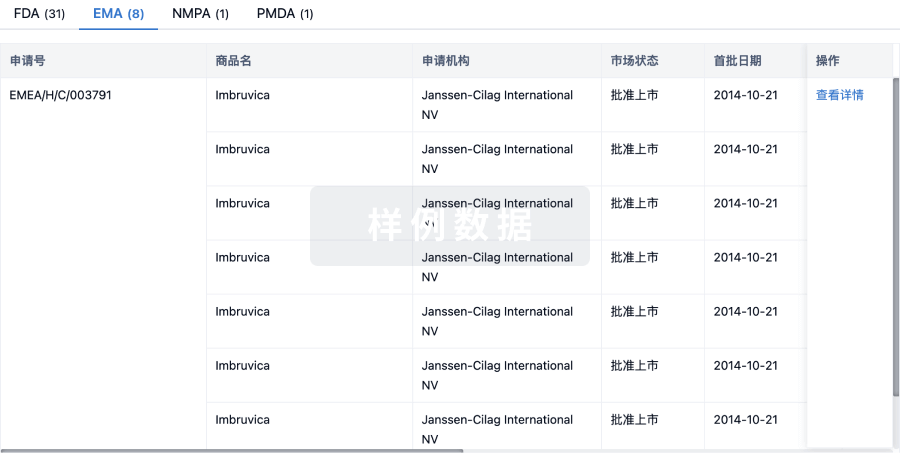
批准
利用最新的监管批准信息加速您的研究。
登录
或
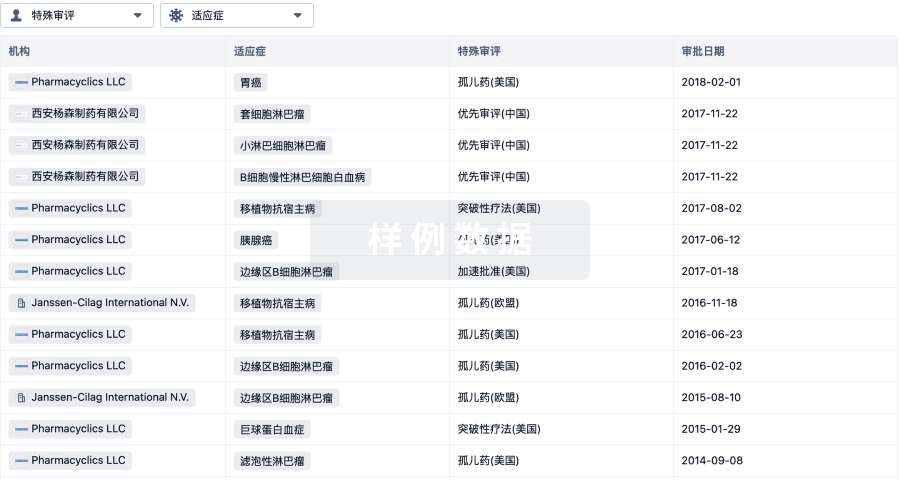
特殊审评
只需点击几下即可了解关键药物信息。
登录
或
生物医药百科问答
全新生物医药AI Agent 覆盖科研全链路,让突破性发现快人一步
立即开始免费试用!
智慧芽新药情报库是智慧芽专为生命科学人士构建的基于AI的创新药情报平台,助您全方位提升您的研发与决策效率。
立即开始数据试用!
智慧芽新药库数据也通过智慧芽数据服务平台,以API或者数据包形式对外开放,助您更加充分利用智慧芽新药情报信息。
生物序列数据库
生物药研发创新
免费使用
化学结构数据库
小分子化药研发创新
免费使用