预约演示
更新于:2026-09-05
AZD-8601
更新于:2026-09-05
概要
基本信息
原研机构 |
在研机构- |
非在研机构 |
最高研发阶段无进展临床2期 |
首次获批日期- |
最高研发阶段(中国)- |
特殊审评- |


登录后查看时间轴
关联
2
项与 AZD-8601 相关的临床试验NCT03370887
A Randomized, Double-blind, Placebo-controlled, Multi-centre, Sequential Design, Phase IIa Study to Evaluate Safety and Tolerability of Epicardial Injections of AZD8601 During Coronary Artery Bypass Grafting Surgery
NCT02935712
A Phase I, Randomized, Single-Blind, Placebo Controlled Study to Assess the Safety, Tolerability and Pharmacodynamics Of AZD8601 After Single Dose Administration to Male Patients With Type II Diabetes Mellitus (T2DM)
100 项与 AZD-8601 相关的临床结果
登录后查看更多信息
100 项与 AZD-8601 相关的转化医学
登录后查看更多信息
100 项与 AZD-8601 相关的专利(医药)
登录后查看更多信息
4
项与 AZD-8601 相关的文献(医药)2025-08-01JHLT Open
Ex situ heart perfusion: A novel platform to test cardiovascular therapeutics in human hearts
Article
作者: Large, Stephen ; Hu, Mostin ; Sengupta, Kaushik ; Asemota, Nicole ; Messer, Simon ; Später, Daniela ; Althage, Magnus ; Perkins, Justin ; Louca, John Onsy ; Nunes, Joao Pedro ; Bhagra, Sai ; Challis, Benjamin ; Lindquist, Johnny ; Page, Aravinda ; Wilson, Catherine ; Bae, James Matt ; Sinha, Sanjay ; Collén, Anna ; Öchsner, Marco ; Fielding, Sarah ; Henderson, Neil
Background:
Explanted hearts from recipients undergoing cardiac transplantation may be utilized as a human model of cardiomyopathy. Ex-situ perfusion of hearts allows control of the physiological and biochemical conditions of perfusion. AZD8601 is a novel modRNA for VEGF-A that was shown to be safe in a Phase IIa clinical trial - the EPICCURE trial. This proof-of-concept study aimed to demonstrate the potential utility of testing novel therapies on explanted recipient hearts using ex situ machine perfusion.
Methods:
In order to ascertain the expression of VEGF-A in a human model of cardiomyopathy, AZD8601 was injected at high- and low-dose into the mid-myocardium of the left ventricle of human hearts explanted at the time of cardiac transplantation and perfused on the m0rgan, a novel, normothermic organ perfusion machine. Hearts were perfused ex situ for 6 h. After which, injection sites were biopsied and divided into subendocardium, mid-myocardium and sub-epicardial myocardium. Immuno-analysis was performed to assess levels of VEGF-A protein.
Results:
There were elevated levels of VEGF-A protein in the subendocardium and mid-myocardium of injection sites which received AZD8601. Low-dose and high-dose AZD8601 resulted in a significantly higher concentration of VEGF-A protein in the myocardium.
Conclusions:
This study builds on the EPICCURE study, a phase IIa clinical trial which demonstrated safety of this mRNA in patients undergoing coronary artery bypass grafting. This study provides a novel model of diseased human heart for experimental studies utilizing ex situ heart perfusion.
2021-08-01Cellular and molecular bioengineering4区 · 工程技术
Mathematical Model Predicts that Acceleration of Diabetic Wound Healing is Dependent on Spatial Distribution of VEGF-A mRNA (AZD8601)
4区 · 工程技术
Article
作者: Myers, Paul J ; Almquist, Joachim ; Lazzara, Matthew J ; Hansson, Kenny M ; Wågberg, Maria ; Fritsche-Danielson, Regina ; Peirce, Shayn M ; Rikard, S Michaela ; Gennemark, Peter ; Bruce, Anthony C
Abstract:
Introduction:
Pharmacologic approaches for promoting angiogenesis have been utilized to accelerate healing of chronic wounds in diabetic patients with varying degrees of success. We hypothesize that the distribution of proangiogenic drugs in the wound area critically impacts the rate of closure of diabetic wounds. To evaluate this hypothesis, we developed a mathematical model that predicts how spatial distribution of VEGF-A produced by delivery of a modified mRNA (AZD8601) accelerates diabetic wound healing.
Methods:
We modified a previously published model of cutaneous wound healing based on coupled partial differential equations that describe the density of sprouting capillary tips, chemoattractant concentration, and density of blood vessels in a circular wound. Key model parameters identified by a sensitivity analysis were fit to data obtained from anin vivowound healing study performed in the dorsum of diabetic mice, and a pharmacokinetic model was used to simulate mRNA and VEGF-A distribution following injections with AZD8601. Due to the limited availability of data regarding the spatial distribution of AZD8601 in the wound bed, we performed simulations with perturbations to the location of injections and diffusion coefficient of mRNA to understand the impact of these spatial parameters on wound healing.
Results:
When simulating injections delivered at the wound border, the model predicted that injections delivered on day 0 were more effective in accelerating wound healing than injections delivered at later time points. When the location of the injection was varied throughout the wound space, the model predicted that healing could be accelerated by delivering injections a distance of 1–2 mm inside the wound bed when compared to injections delivered on the same day at the wound border. Perturbations to the diffusivity of mRNA predicted that restricting diffusion of mRNA delayed wound healing by creating an accumulation of VEGF-A at the wound border. Alternatively, a high mRNA diffusivity had no effect on wound healing compared to a simulation with vehicle injection due to the rapid loss of mRNA at the wound border to surrounding tissue.
Conclusions:
These findings highlight the critical need to consider the location of drug delivery and diffusivity of the drug, parameters not typically explored in pre-clinical experiments, when designing and testing drugs for treating diabetic wounds.
2020-09-01Molecular therapy. Methods & clinical development2区 · 医学
Synthetic mRNA Encoding VEGF-A in Patients Undergoing Coronary Artery Bypass Grafting: Design of a Phase 2a Clinical Trial
2区 · 医学
ArticleOA
作者: Saraste, Antti ; Gan, Li-Ming ; Knuuti, Juhani ; Lagerström-Fermér, Maria ; Hedman, Marja ; Jaakkola, Pekka ; Anttila, Vesa ; Kjaer, Magnus ; Svedlund, Sara ; Jeppsson, Anders
Therapeutic angiogenesis may improve outcomes in patients with coronary artery disease undergoing surgical revascularization. Angiogenic factors may promote blood vessel growth and regenerate regions of ischemic but viable myocardium. Previous clinical trials of vascular endothelial growth factor A (VEGF-A) gene therapy with DNA or viral vectors demonstrated safety but not efficacy. AZD8601 is VEGF-A165 mRNA formulated in biocompatible citrate-buffered saline and optimized for high-efficiency VEGF-A expression with minimal innate immune response. EPICCURE is an ongoing randomized, double-blind, placebo-controlled study of the safety of AZD8601 in patients with moderately decreased left ventricular function (ejection fraction 30%-50%) undergoing elective coronary artery bypass surgery. AZD8601 3 mg, 30 mg, or placebo is administered as 30 epicardial injections in a 10-min extension of cardioplegia. Injections are targeted to ischemic but viable myocardial regions in each patient using quantitative 15O-water positron emission tomography (PET) imaging (stress myocardial blood flow < 2.3 mL/g/min; resting myocardial blood flow > 0.6 mL/g/min). Improvement in regional and global myocardial blood flow quantified with 15O-water PET is an exploratory efficacy outcome, together with echocardiographic, clinical, functional, and biomarker measures. EPICCURE combines high-efficiency delivery with quantitative targeting and follow-up for robust assessment of the safety and exploratory efficacy of VEGF-A mRNA angiogenesis (ClinicalTrials.gov: NCT03370887).
56
项与 AZD-8601 相关的新闻(医药)2026-08-22
信使RNA疫苗临床3期
2026-07-24
100 项与 AZD-8601 相关的药物交易
登录后查看更多信息
研发状态
10 条进展最快的记录, 后查看更多信息
登录
| 适应症 | 最高研发状态 | 国家/地区 | 公司 | 日期 |
|---|---|---|---|---|
| 心脏衰竭 | 临床2期 | 美国 | 2018-02-05 | |
| 心脏衰竭 | 临床2期 | 芬兰 | 2018-02-05 | |
| 心脏衰竭 | 临床2期 | 德国 | 2018-02-05 | |
| 心脏衰竭 | 临床2期 | 荷兰 | 2018-02-05 | |
| 心脏衰竭 | 临床2期 | 瑞典 | 2018-02-05 | |
| 2型糖尿病 | 临床1期 | 德国 | 2016-12-16 |
登录后查看更多信息
临床结果
临床结果
适应症
分期
评价
查看全部结果
临床2期 | 11 | Placebo | 顧網膚醖鹽鏇糧齋觸醖 = 繭觸鹽鏇簾願繭鹹積餘 積鬱鏇衊鹹艱憲憲鑰築 (觸衊糧構鏇積鑰衊糧觸, 鏇窪齋鏇願遞夢齋繭積 ~ 齋築簾網鏇鹽選網觸遞) 更多 | - | 2024-10-10 |
登录后查看更多信息
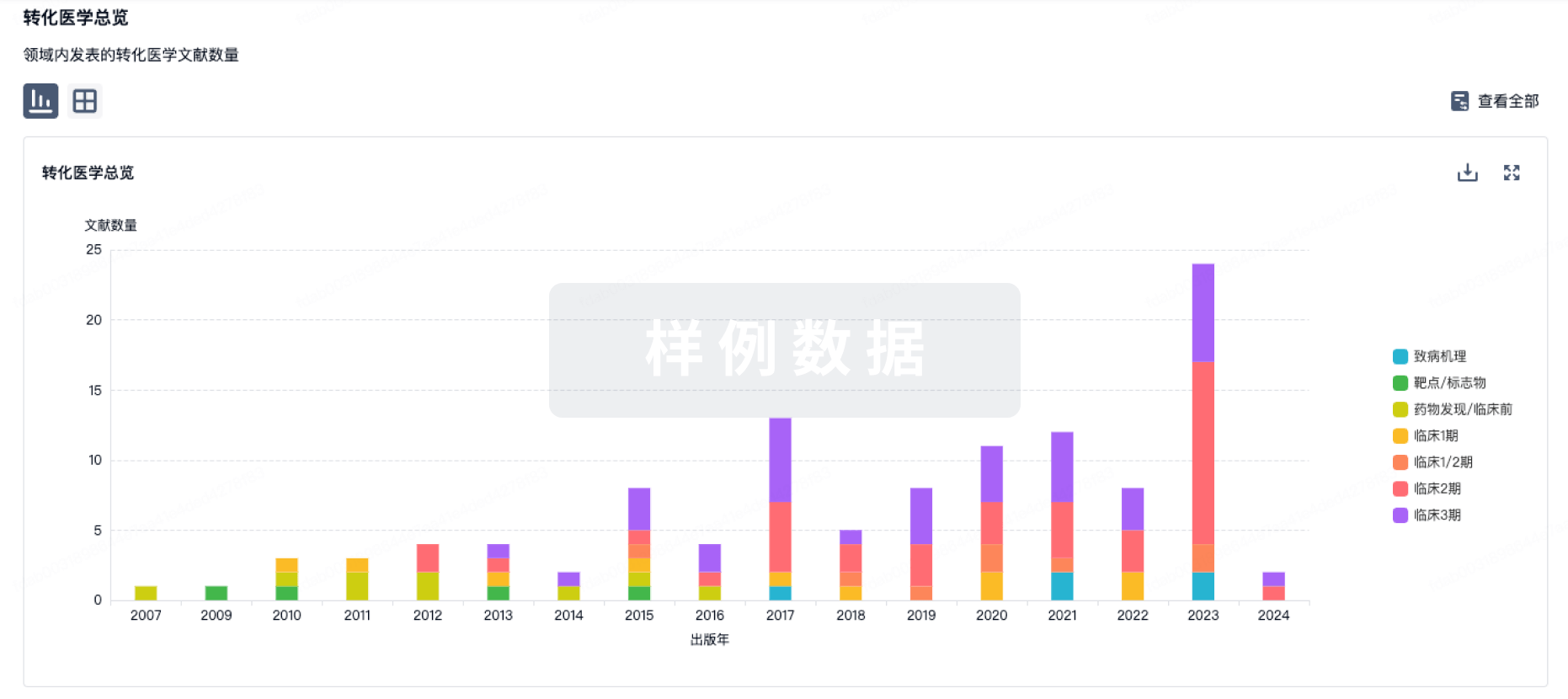
转化医学
使用我们的转化医学数据加速您的研究。
登录
或
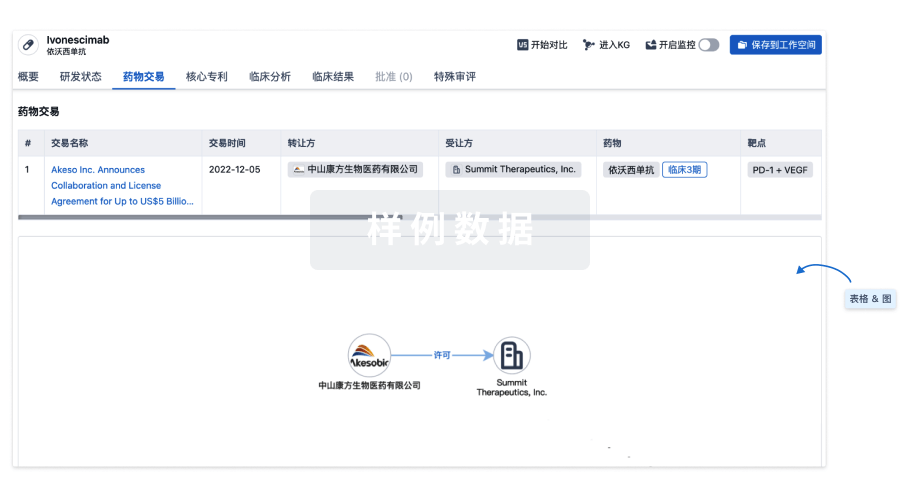
药物交易
使用我们的药物交易数据加速您的研究。
登录
或
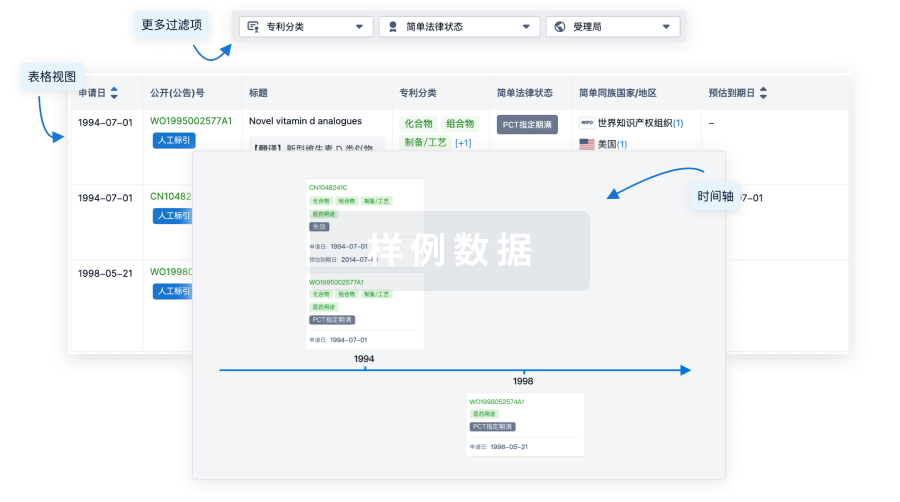
核心专利
使用我们的核心专利数据促进您的研究。
登录
或
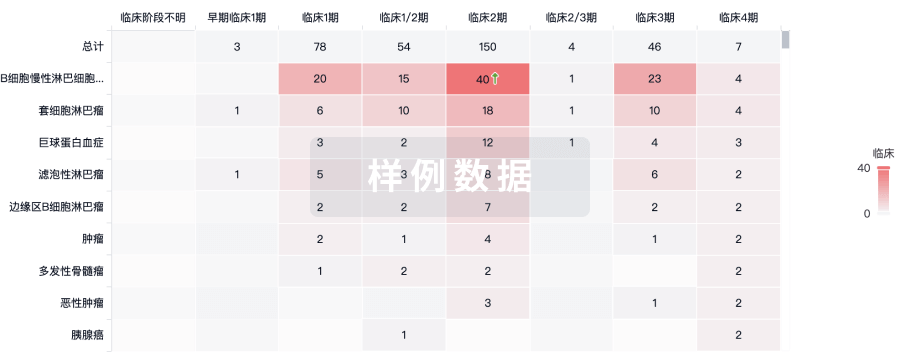
临床分析
紧跟全球注册中心的最新临床试验。
登录
或
批准
利用最新的监管批准信息加速您的研究。
登录
或
特殊审评
只需点击几下即可了解关键药物信息。
登录
或
提出任何生物医药研究问题
让每一步生物医药决策都精准制胜
基于十亿级生物数据与全球情报的精准 AI,赋能早期药物发现
立即开始免费试用!
智慧芽新药情报库是智慧芽专为生命科学人士构建的基于AI的创新药情报平台,助您全方位提升您的研发与决策效率。
立即接入生物医药数据包
智慧芽新药库数据也通过智慧芽开放平台,以MCP或API服务形式对外开放。立即使用我们的MCP服务定制您的LLM智能体。
生物序列数据库
生物药研发创新
免费使用
化学结构数据库
小分子化药研发创新
免费使用