预约演示
更新于:2026-05-23
UCLE-802
更新于:2026-05-23
概要
基本信息
原研机构 |
在研机构 |
非在研机构- |
权益机构- |
最高研发阶段临床阶段不明 |
首次获批日期- |
最高研发阶段(中国)临床阶段不明 |
特殊审评- |
关联
2
项与 UCLE-802 相关的临床试验NCT06658951
Exploratory Study to Evaluate the Safety and Preliminary Efficacy of Anti-HER2 CAR-T Cell Injection in Patients With HER2-positive Advanced Malignant Solid Tumors
ChiCTR1800014724
Clinical research of CEA and HER2 dual targets CAR - T cells treatment for advanced gastric cancer
100 项与 UCLE-802 相关的临床结果
登录后查看更多信息
100 项与 UCLE-802 相关的转化医学
登录后查看更多信息
100 项与 UCLE-802 相关的专利(医药)
登录后查看更多信息
9
项与 UCLE-802 相关的文献(医药)2026-04-01INTERNATIONAL IMMUNOPHARMACOLOGY
Antigen-induced IL-12 potentiates piggyBac-engineered HER2-CAR-T cells against gastric cancer
Article
作者: Zhang, Lichen ; Li, Lihua ; Wang, Jinli ; Tang, Hui ; Wang, Linping ; Shen, Tao ; Tu, Liying ; Cao, Xin ; Zhang, Jinping ; Zou, Yunlian
Gastric cancer (GC) often progresses asymptomatically, resulting in late-stage diagnosis and limited therapeutic options, thus underscoring the urgent need for more effective treatments. Although chimeric antigen receptor (CAR) T-cell therapy demonstrates promise, its efficacy is frequently hindered by the immunosuppressive tumor microenvironment (TME). Interleukin-12 (IL-12), a potent enhancer of T-cell immunity capable of reprogramming the TME, was leveraged in this study by engineering a single-chain recombinant human IL-12 (rhIL-12) fusion protein (p40/p35) cloned into a piggyBac transposon plasmid under either the elongation factor-1α (EF-1α) promoter (PB-IL-12) for constitutive IL-12 secretion or the NFAT-IL-2 promoter (NFAT-IL-12) for antigen-inducible secretion. These IL-12 constructs were co-transfected with a HER2-specific CAR into human T cells, and puromycin-selected HER2-CAR-T cells were subsequently evaluated for antitumor efficacy in vitro and in vivo. In vitro, PB-IL-12-CAR-T cells exhibited significantly reduced proliferation compared to NFAT-IL-12-CAR-T cells or HER2-CAR-T cells lacking IL-12, with phenotypic analysis revealing constitutive IL-12 secretion drove enrichment of CD4+T cells and CD62L+central memory T cells. Functionally, HER2-CAR-T cytotoxicity and IFN-γ correlated with target-antigen density, whereas IL-12 secretion uniformly enhanced tumor-cell killing across both high- and low-antigen tumors. In vivo, IL-12 secretion augmented HER2-CAR-T antitumor activity, with PB-IL-12-CAR-T cells producing higher and more sustained systemic IL-12 and IFN-γ levels than NFAT-IL-12-CAR-T cells while achieving equivalent tumor control. The antigen-inducible system's regulated IL-12 secretion and preserved proliferative potential position it as a promising therapeutic strategy for refractory GC.
2024-04-01Bioactive Materials
Targeted chemotherapy via HER2-based chimeric antigen receptor (CAR) engineered T-cell membrane coated polymeric nanoparticles
Article
作者: Chintapula, Uday ; Kotadia, Tanviben ; Nguyen, Kytai T ; Ramachandramoorthy, Harish ; Hannan, Raquibul ; Iyer, Priyanka ; Ghaffari, Soroush ; Yaman, Serkan ; Pop, Laurentiu M ; Weidanz, Jon A ; Sabnani, Manoj ; Nguyen, Tam
Cell membrane-derived nanoparticles (NPs) have recently gained popularity due to their desirable features in drug delivery such as mimicking properties of native cells, impeding systemic clearance, and altering foreign body responses. Besides NP technology, adoptive immunotherapy has emerged due to its promise in cancer specificity and therapeutic efficacy. In this research, we developed a biomimetic drug carrier based on chimeric antigen receptor (CAR) transduced T-cell membranes. For that purpose, anti-HER2 CAR-T cells were engineered via lentiviral transduction of anti-HER2 CAR coding lentiviral plasmids. Anti-HER2 CAR-T cells were characterized by their specific activities against the HER2 antigen and used for cell membrane extraction. Anti-cancer drug Cisplatin-loaded poly (D, l-lactide-co-glycolic acid) (PLGA) NPs were coated with anti-human epidermal growth factor receptor 2 (HER2)-specific CAR engineered T-cell membranes. Anti-HER2 CAR-T-cell membrane-coated PLGA NPs (CAR-T-MNPs) were characterized and confirmed via fluorescent microscopy and flow cytometry. Membrane-coated NPs showed a sustained drug release over the course of 21 days in physiological conditions. Cisplatin-loaded CAR-T-MNPs also inhibited the growth of multiple HER2+ cancer cells in vitro. In addition, in vitro uptake studies revealed that CAR-T-MNPs showed an increased uptake by A549 cells. These results were also confirmed via in vivo biodistribution and therapeutic studies using a subcutaneous lung cancer model in nude mice. CAR-T-MNPs localized preferentially at tumor areas compared to those of other studied groups and consisted of a significant reduction in tumor growth in tumor-bearing mice. In Conclusion, the new CAR modified cell membrane-coated NP drug-delivery platform has demonstrated its efficacy both in vitro and in vivo. Therefore, CAR engineered membrane-coated NP system could be a promising cell-mimicking drug carrier that could improve therapeutic outcomes of lung cancer treatments.
2023-05-01Gene therapy
Distinct functions of CAR-T cells possessing a dectin-1 intracellular signaling domain
Article
作者: Chen, Nianyong ; Wang, Wei ; Li, Dan ; Liang, Xiao ; Su, Jinhua ; Zhou, Weilin ; Huang, Yong ; Jiang, Lin ; Yang, Xiao
Chimeric antigen receptor T (CAR-T) cell therapy has demonstrated remarkable efficacies in treating hematopoietic malignancies, but not in the solid tumors. Incorporating costimulatory signaling domains, such as ICOS or 4-1BB, can positively influence CAR-T cell functions and then the immune responses. These CAR-engineered T cells have showed their enhanced persistence and effector functions with improved antitumor activities, and provided a new approach for the treatment of solid tumors. Here, we designed novel 2nd generation CARs with a costimulatory signaling molecule, dectin-1. The impacts of dectin-1 signaling domain on CAR-T cells were evaluated in vitro and in vivo. Our data show that in vitro cytokine secretions by HER2 or CD19 specific CAR-T cells increase significantly via incorporating this dectin-1 signaling domain. Additional properties of these novel CAR-T cells are affected by this costimulatory domain. Compared with a popular reference (i.e., anti-HER2 CAR-T cells with 4-1BB), in vitro T cell functions and in vivo antitumor activity of the dectin-1 engineered CAR-T cells are similar to the 4-1BB based, and both are discrete to the mock T cells. Furthermore, we found that the CAR-T cells with dectin-1 show distinct phenotype and exhaustion marker expression. These collective results suggest that the incorporation of this new signaling domain, dectin-1, into the CARs may provide the clinical potential of the CAR-T cells through this signaling domain in treating solid tumors.
100 项与 UCLE-802 相关的药物交易
登录后查看更多信息
研发状态
10 条进展最快的记录, 后查看更多信息
登录
| 适应症 | 最高研发状态 | 国家/地区 | 公司 | 日期 |
|---|---|---|---|---|
| HER2阳性实体瘤 | 临床阶段不明 | 中国 | 2025-04-03 |
登录后查看更多信息
临床结果
临床结果
适应症
分期
评价
查看全部结果
登录后查看更多信息
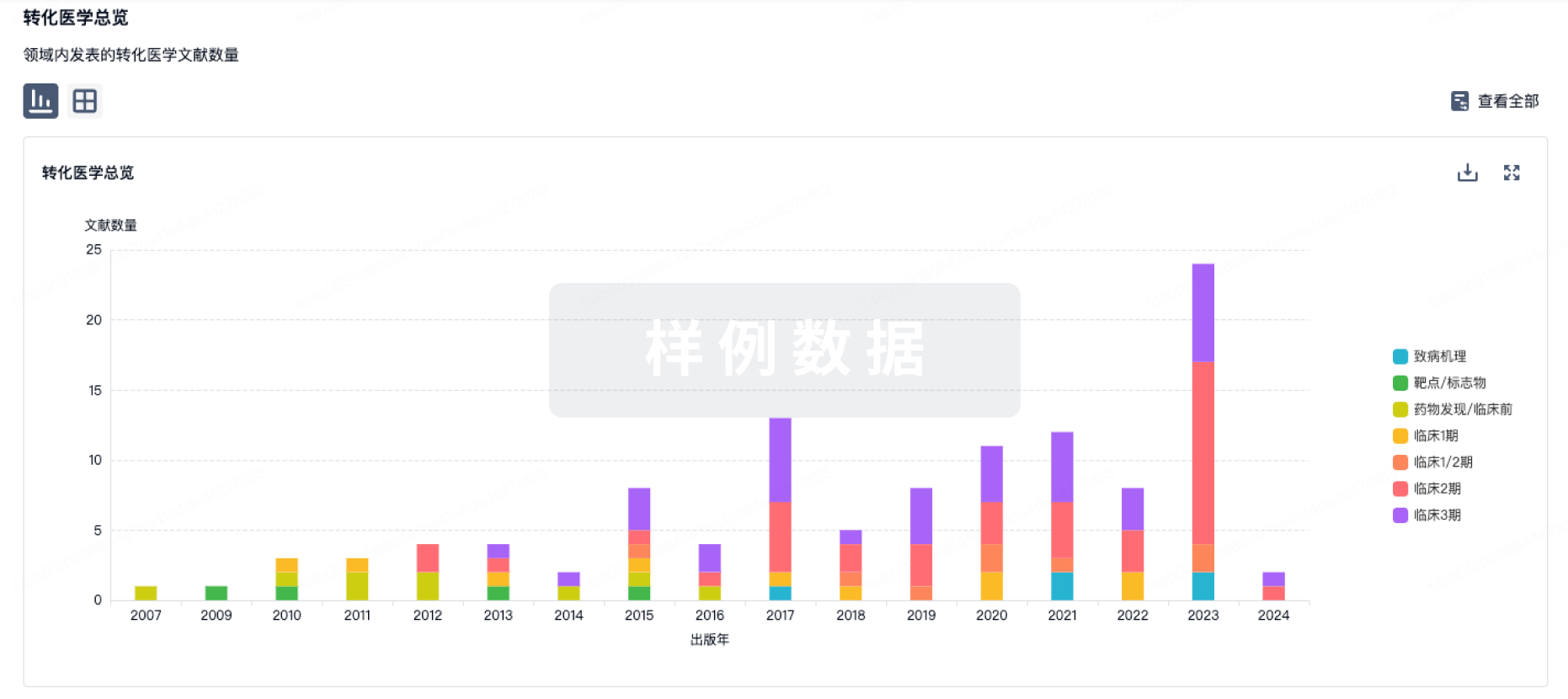
转化医学
使用我们的转化医学数据加速您的研究。
登录
或
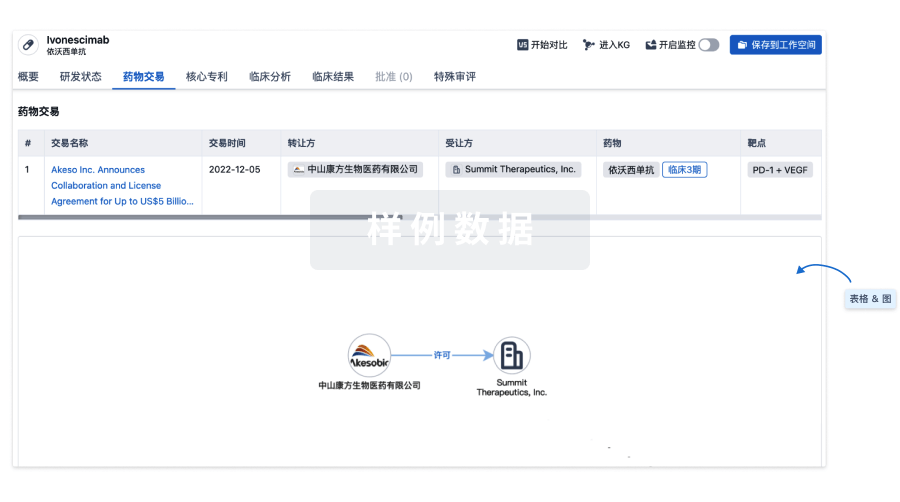
药物交易
使用我们的药物交易数据加速您的研究。
登录
或
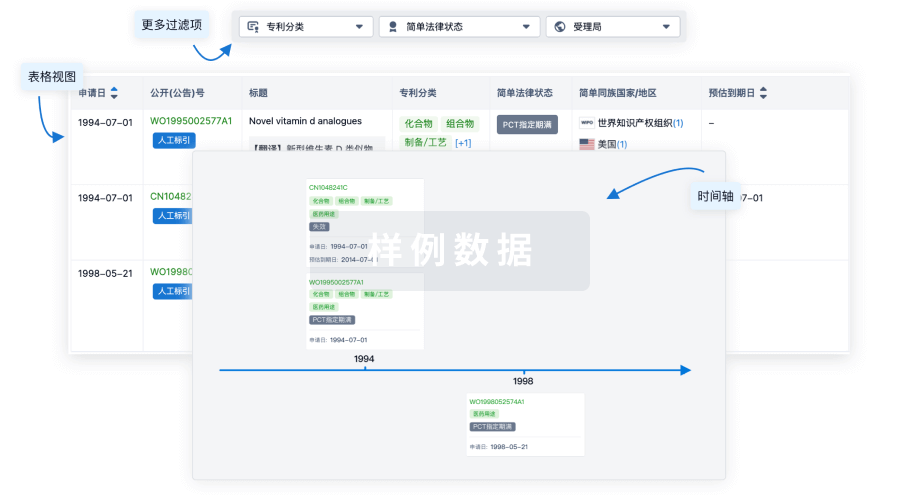
核心专利
使用我们的核心专利数据促进您的研究。
登录
或
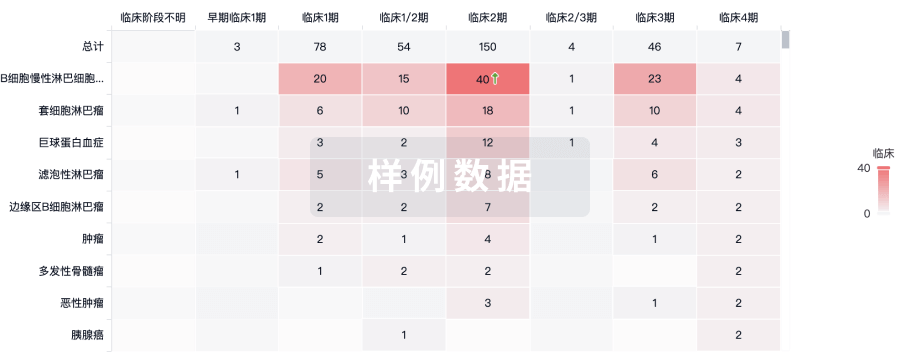
临床分析
紧跟全球注册中心的最新临床试验。
登录
或
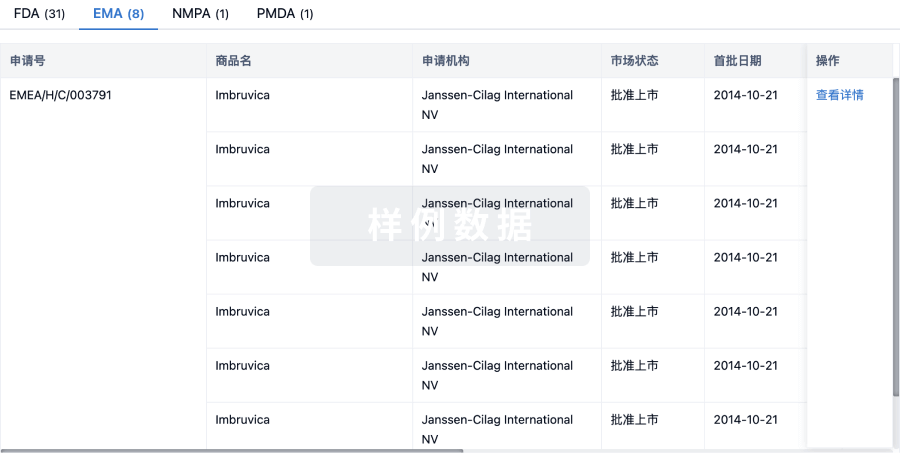
批准
利用最新的监管批准信息加速您的研究。
登录
或
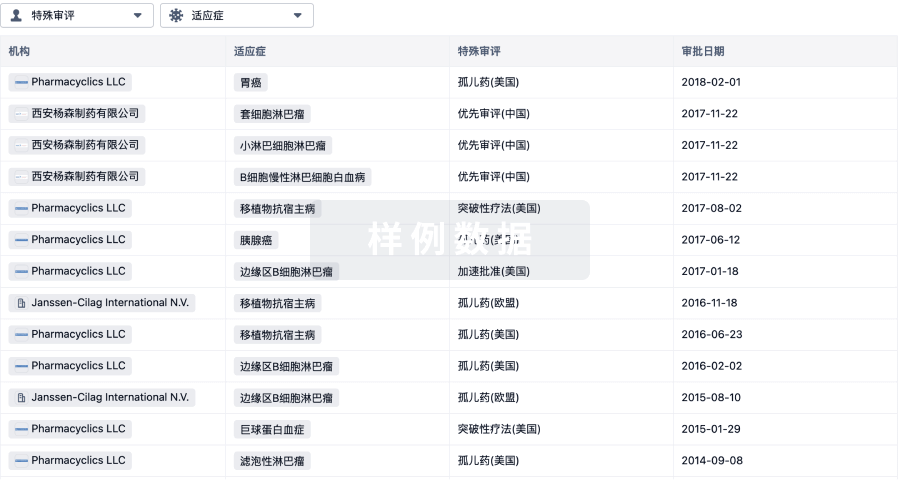
特殊审评
只需点击几下即可了解关键药物信息。
登录
或
生物医药百科问答
全新生物医药AI Agent 覆盖科研全链路,让突破性发现快人一步
立即开始免费试用!
智慧芽新药情报库是智慧芽专为生命科学人士构建的基于AI的创新药情报平台,助您全方位提升您的研发与决策效率。
立即开始数据试用!
智慧芽新药库数据也通过智慧芽数据服务平台,以API或者数据包形式对外开放,助您更加充分利用智慧芽新药情报信息。
生物序列数据库
生物药研发创新
免费使用
化学结构数据库
小分子化药研发创新
免费使用