预约演示
更新于:2026-08-08
ABBV-712
更新于:2026-08-08
概要
基本信息
原研机构 |
在研机构 |
非在研机构- |
权益机构- |
最高研发阶段临床1期 |
首次获批日期- |
最高研发阶段(中国)- |
特殊审评- |
登录后查看时间轴
结构/序列
分子式C24H28N4O5 |
InChIKeyGTXKSTKFOCDTPI-DEOSSOPVSA-N |
CAS号2368945-27-9 |
关联
100 项与 ABBV-712 相关的临床结果
登录后查看更多信息
100 项与 ABBV-712 相关的转化医学
登录后查看更多信息
100 项与 ABBV-712 相关的专利(医药)
登录后查看更多信息
2
项与 ABBV-712 相关的文献(医药)2025-05-01TOXICOLOGICAL SCIENCES
ABBV-712-induced cardiac pathology in rats is related to off-target-driven acute vasodilation, tachycardia, and increased cardiac contractility
Article
作者: Treadway, Jessica ; Foley, Charles M ; Segreti, Jason ; Koshman, Yevgeniya E ; Fossey, Stacey ; Zafiratos, Mark ; Kohnken, Rebecca ; Buck, Wayne R ; Mittelstadt, Scott ; Blomme, Eric ; Green, Jonathon
Abstract:
Following an observation of myocardial toxicity in rats with an experimental TYK2 inhibitor (ABBV-712), investigative studies were performed to identify the mechanism. Telemetry-instrumented rats were administered ABBV-712 with or without atenolol to investigate effects of co-dosing on hemodynamic parameters and cardiac pathology. In vitro studies included cytotoxicity assessment in human-induced pluripotent stem cell-derived cardiomyocytes and relaxation of isolated rat aorta. Off-target pharmacology was evaluated by binding and inhibition screening assays. Finally, TYK2 knockout mice were administered ABBV-712 to evaluate hemodynamics as compared with wild-type animals. ABBV-712 resulted in decreased mean arterial pressure and increased heart rate in rats that was prevented by pre-dosing atenolol. ABBV-712-induced myocardial necrosis was also prevented by atenolol, suggesting a mechanistic link between hemodynamic changes and cardiac pathology. The pathology was unrelated to direct cytotoxicity on cardiomyocytes as demonstrated in vitro and was shown to be a compound-related effect on vascular relaxation mediated by the endothelium. The toxicity was considered an off-target effect, as demonstrated by similar hemodynamic responses between TYK2 knockout and wild-type mice administered ABBV-712, as well as by the lack of hemodynamic alterations in the knockout mouse. Inhibition of identified off-targets was unlikely to be the cause of the hemodynamic changes. In conclusion. a novel TYK2 inhibitor was associated with decreased mean arterial pressure, increased heart rate, and secondary myocardial necrosis in rats. These effects were unrelated to TYK2 inhibition. This report is an example of a cross-functional mechanistic investigation into the pharmacologic cause of an identified cardiovascular toxicity.
2023-10-26Journal of medicinal chemistry1区 · 医学
Targeting the Tyrosine Kinase 2 (TYK2) Pseudokinase Domain: Discovery of the Selective TYK2 Inhibitor ABBV-712
1区 · 医学
Article
作者: Little, Andrew ; Bennett, Dawn ; Hardee, David ; Vargo, Thomas ; McCarthy, Richard ; Friedman, Michael ; Dunstan, Theresa ; Chien, Ellen ; Cowart, Marlon ; Herold, J. Martin ; Argiriadi, Maria ; Webster, Matthew P. ; Qiu, Wei ; Perham, Matthew ; Graff, Candace ; Wu, Fei ; Van Epps, Stacy ; Parmentier, Julie ; Schrimpf, Michael ; Edmunds, Jeremy ; Breinlinger, Eric ; Chhor, Gekleng
Tyrosine kinase 2 (TYK2) is a nonreceptor tyrosine kinase that belongs to the JAK family also comprising JAK1, JAK2, and JAK3. TYK2 is an attractive target for various autoimmune diseases as it regulates signal transduction downstream of IL-23 and IL-12 receptors. Selective TYK2 inhibition offers a differentiated clinical profile compared to currently approved JAK inhibitors. However, selectivity for TYK2 versus other JAK family members has been difficult to achieve with small molecules that inhibit the catalytically active kinase domain. Successful targeting of the TYK2 pseudokinase domain as a strategy to achieve isoform selectivity was recently exemplified with deucravacitinib. Described herein is the optimization of selective TYK2 inhibitors targeting the pseudokinase domain, resulting in the discovery of the clinical candidate ABBV-712 (21).

100 项与 ABBV-712 相关的药物交易
登录后查看更多信息
研发状态
10 条进展最快的记录, 后查看更多信息
登录
| 适应症 | 最高研发状态 | 国家/地区 | 公司 | 日期 |
|---|---|---|---|---|
| 银屑病 | 临床1期 | 美国 | 2019-01-09 |
登录后查看更多信息
临床结果
临床结果
适应症
分期
评价
查看全部结果
登录后查看更多信息
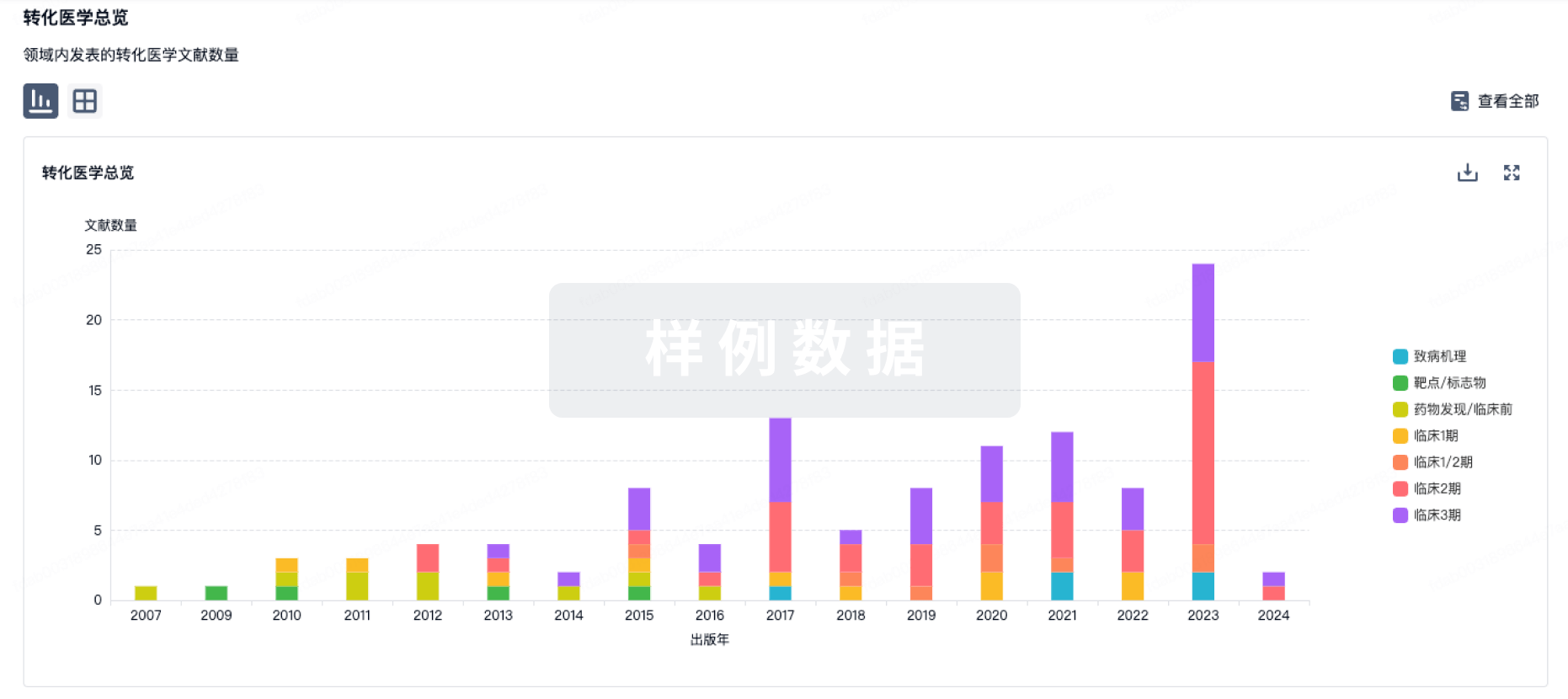
转化医学
使用我们的转化医学数据加速您的研究。
登录
或
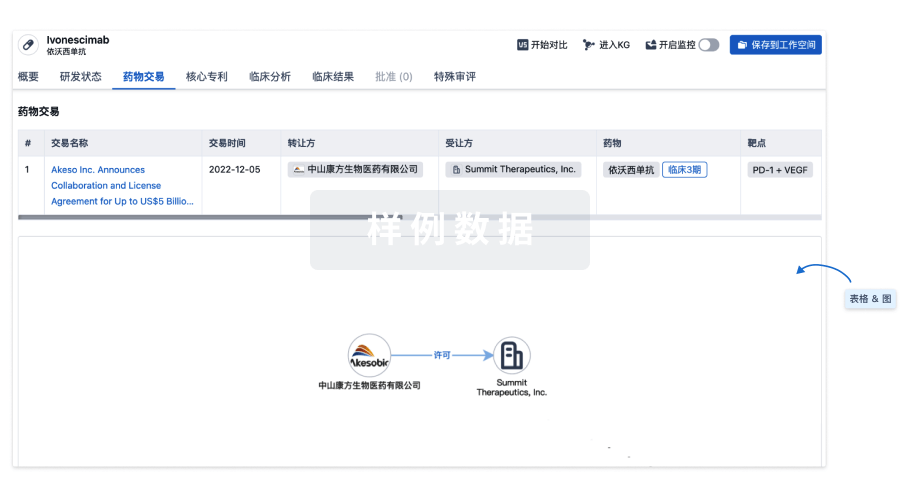
药物交易
使用我们的药物交易数据加速您的研究。
登录
或
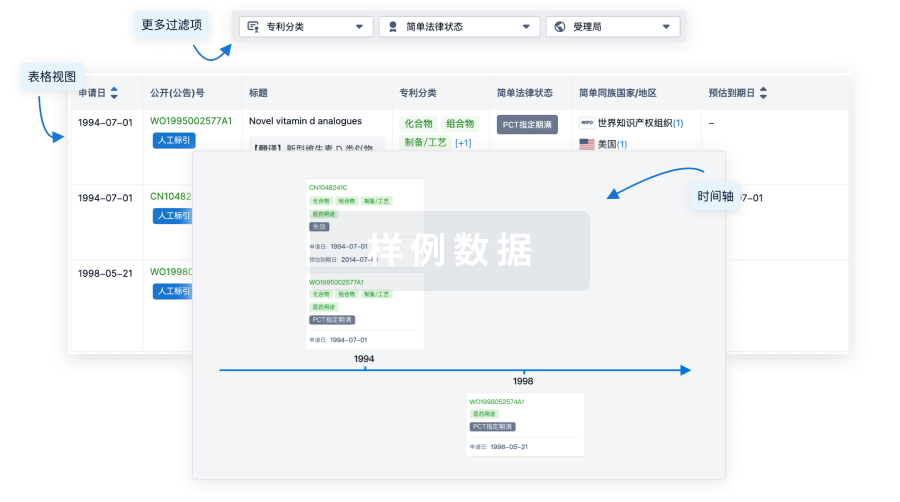
核心专利
使用我们的核心专利数据促进您的研究。
登录
或
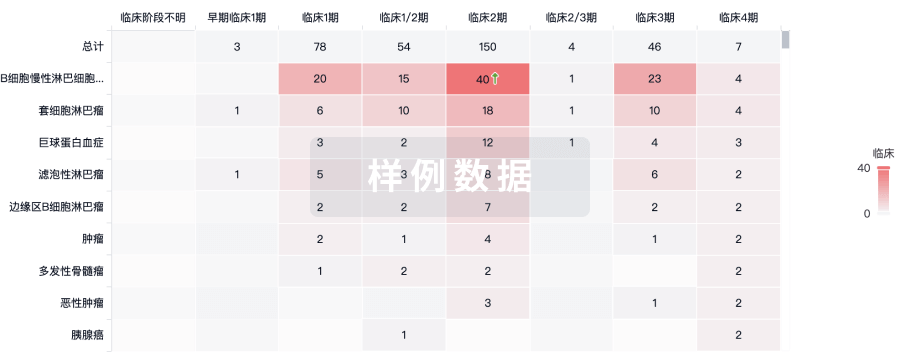
临床分析
紧跟全球注册中心的最新临床试验。
登录
或
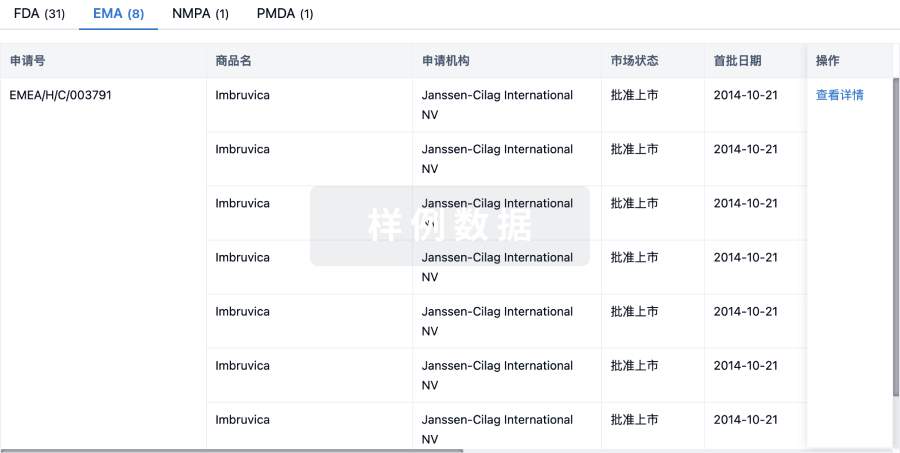
批准
利用最新的监管批准信息加速您的研究。
登录
或
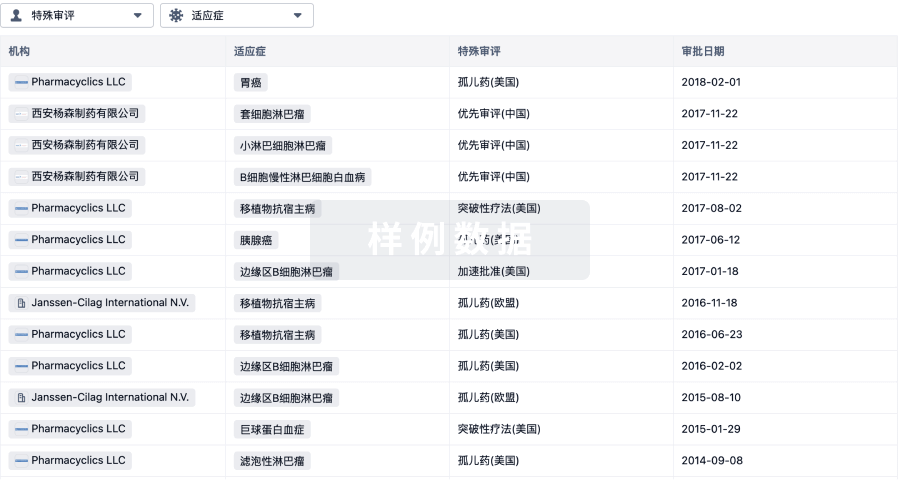
特殊审评
只需点击几下即可了解关键药物信息。
登录
或
提出任何生物医药研究问题
让每一步生物医药决策都精准制胜
基于十亿级生物数据与全球情报的精准 AI,赋能早期药物发现
立即开始免费试用!
智慧芽新药情报库是智慧芽专为生命科学人士构建的基于AI的创新药情报平台,助您全方位提升您的研发与决策效率。
立即接入生物医药数据包
智慧芽新药库数据也通过智慧芽开放平台,以MCP或API服务形式对外开放。立即使用我们的MCP服务定制您的LLM智能体。
生物序列数据库
生物药研发创新
免费使用
化学结构数据库
小分子化药研发创新
免费使用