预约演示
更新于:2026-01-28
IBI-314
更新于:2026-01-28
概要
基本信息
药物类型 单克隆抗体 |
别名 IBI 314、IBI-314、IBI314 + [1] |
作用方式 抑制剂 |
作用机制 SARS-CoV-2 S protein抑制剂(冠状病毒刺突糖蛋白抑制剂) |
在研适应症- |
非在研适应症 |
原研机构 |
在研机构- |
非在研机构 |
权益机构- |
最高研发阶段终止临床1/2期 |
首次获批日期- |
最高研发阶段(中国)终止 |
特殊审评- |

登录后查看时间轴
关联
2
项与 IBI-314 相关的临床试验NCT05162365
A Safety, Tolerability, and Efficacy Study of IBI314 in Ambulatory Patients With COVID-19
NCT05172141
A Safety, Tolerability, and Efficacy Study of IBI314 in Patients With Mild to Moderate COVID-19
100 项与 IBI-314 相关的临床结果
登录后查看更多信息
100 项与 IBI-314 相关的转化医学
登录后查看更多信息
100 项与 IBI-314 相关的专利(医药)
登录后查看更多信息
2
项与 IBI-314 相关的文献(医药)2022-09-01The Journal of infection
The efficacy and safety of IBI314 on delta and omicron variant of SARS-CoV-2: First-in-human evidence
Letter
作者: Liang, Wenhua ; Gan, Guifen ; Zhong, Nanshan ; Yu, Yuheng ; Sang, Ling ; Tong, Shijun ; Fan, Bingdong ; Xi, Yin ; Cheng, Bo ; Wang, Yun ; He, Jianxing ; Qi, Xiaojing ; Dai, Jingtao ; Li, Jijie ; Sun, Bin
Virology Journal
Development of broadly neutralizing antibodies against Omicron variants from existing neutralizing antibodies in clinical trials
Article
作者: Liu, Lu ; Zhu, Mengzhu ; Liang, Wenhua ; Huang, Yongbo ; Sang, Ling ; Li, Li ; Zhang, Zhaoyong ; Wu, Zhihai ; Lin, Zhimin ; Ni, Meng ; Li, Yiting ; Zhang, Fangfang ; Zhen, Zixian ; Xi, Yin ; Yu, Yuheng ; He, Jianxing ; Ling, Xiaomin ; Zhao, Jincun ; Zhou, Shuaixiang ; Chen, Jiantao ; Guo, Xueyan ; Wang, Yanqun
BACKGROUND:
The introduction of new SARS-CoV-2 Omicron strains has made it extremely difficult to create broadly neutralizing antibodies (nAbs) with assured therapeutic potential. Currently approved neutralizing antibodies have displayed substantially decreased or abolished efficacy against emerging Omicron variants including XBB and BQ.1 Due to the potential of reinfection from new emerging VOCs, this emphasizes the urgent need for developing widely active mAbs that offer preventive and therapeutic advantages to high-risk patients. Here, we aimed to investigate the feasibility of redirecting existing mAbs which are in late-stage development in clinical trials against new variants of SARS-CoV-2.
METHODS:
In vitro affinity maturation libraries against BA.2 RBD were constructed based on neutralizing antibodies P5-22 and P14-44 developed by Innovent Biologics as components of IBI314 (ClinicalTrials.gov Identifier: NCT05162365). Yeast surface display and flow cytometry sorting were utilized to screen antibodies with improved affinity. The selected antibodies were characterized by binding kinetics analysis. Their neutralization potency against SARS-CoV-2 variants was evaluated by pseudovirus neutralization assay and focus reduction neutralization test. Bispecific antibodies were designed in different formats using affinitymatured Fabs. The prophylactic and therapeutic efficacy of antibodies were examined in hACE2 transgenic mice infected with BA.2.3.
RESULTS:
By in vitro affinity maturation of two nAb P5-22 and P14-44, we obtained antibodies broadly neutralizing pre-Omicron strains and BA.1/BA.2 variants. A bispecific 2 + 2 antibody showed further neutralization potency against BA.4/BA.5 even XBB and BQ1.1. These bispecific antibodies showed potent therapeutic and prophylactic potency in authentic Omicron virus challenge in mouse models in vivo.
CONCLUSIONS:
Together, our approach revealed the possibility of engineering of existing antibodies to broad-spectrum mAbs as potential therapeutic or prophylactic agents for COVID-19.
3
项与 IBI-314 相关的新闻(医药)2023-02-20
·药智网
疫苗紧急使用授权
2022-12-19
疫苗临床3期信使RNA临床2期上市批准
2022-12-13
疫苗上市批准信使RNA临床研究临床申请
100 项与 IBI-314 相关的药物交易
登录后查看更多信息
研发状态
10 条进展最快的记录, 后查看更多信息
登录
| 适应症 | 最高研发状态 | 国家/地区 | 公司 | 日期 |
|---|---|---|---|---|
| 新型冠状病毒感染 | 临床2期 | 中国 | 2021-12-31 |
登录后查看更多信息
临床结果
临床结果
适应症
分期
评价
查看全部结果
登录后查看更多信息
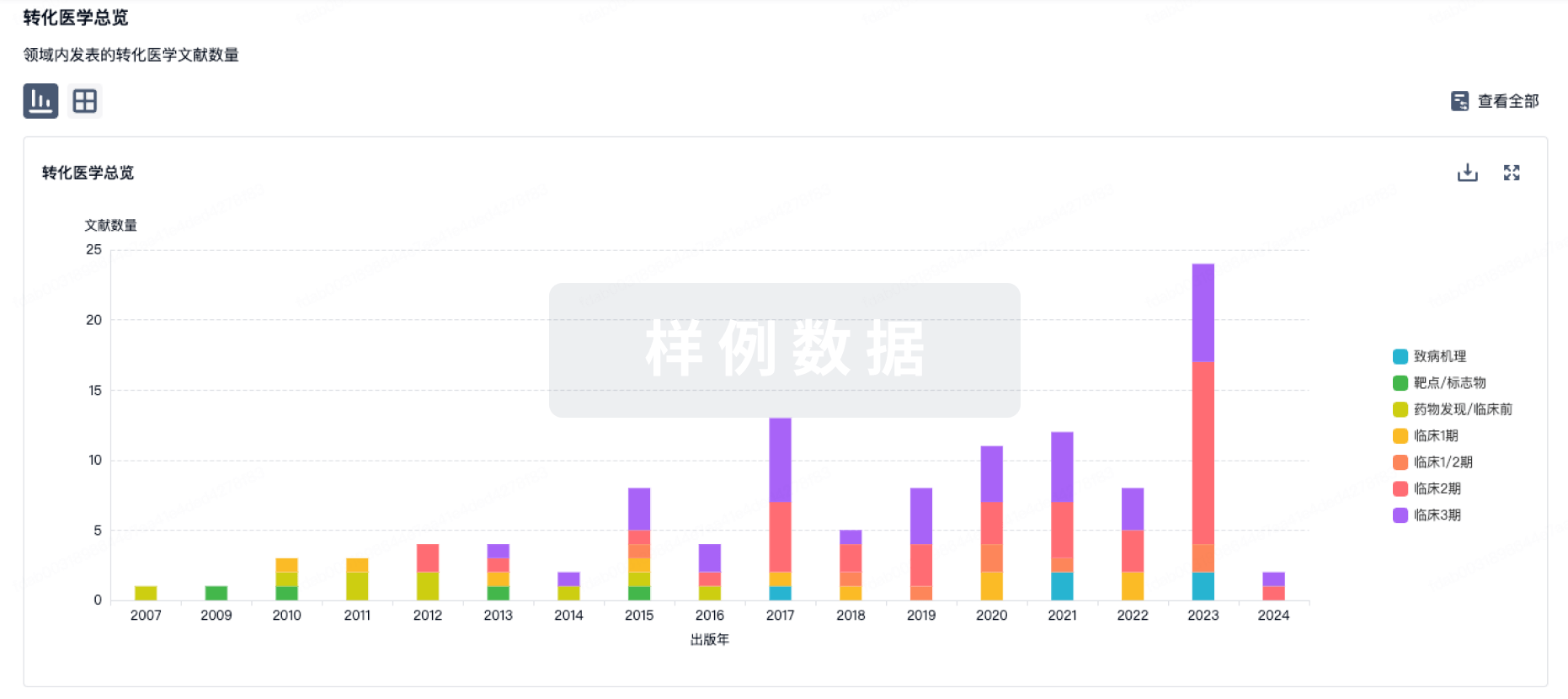
转化医学
使用我们的转化医学数据加速您的研究。
登录
或
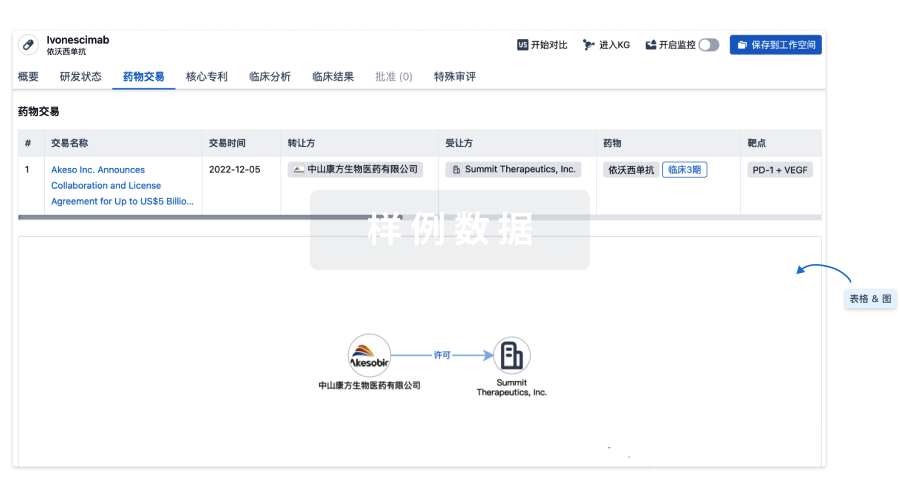
药物交易
使用我们的药物交易数据加速您的研究。
登录
或
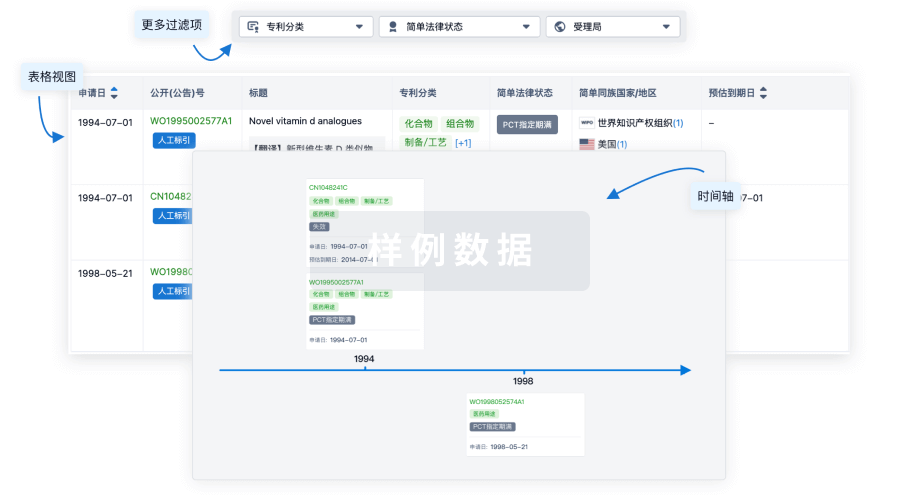
核心专利
使用我们的核心专利数据促进您的研究。
登录
或
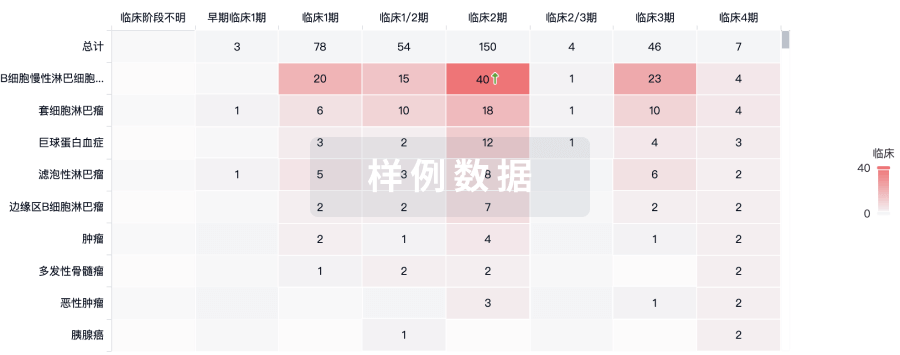
临床分析
紧跟全球注册中心的最新临床试验。
登录
或
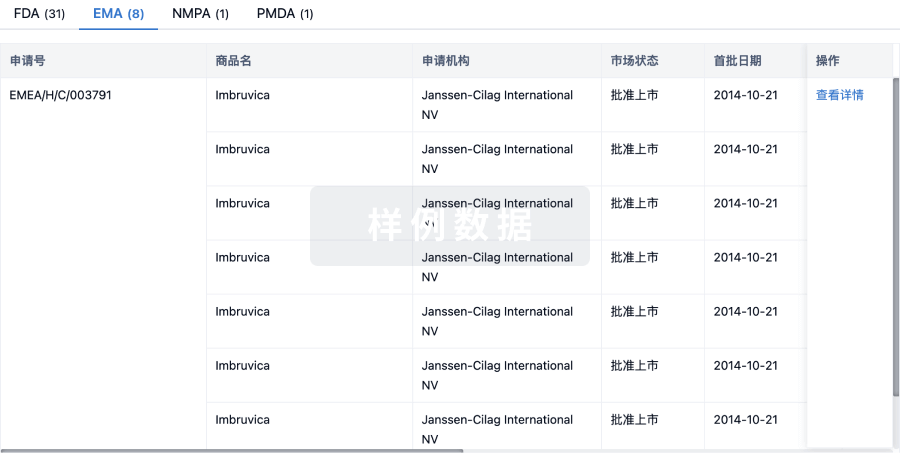
批准
利用最新的监管批准信息加速您的研究。
登录
或
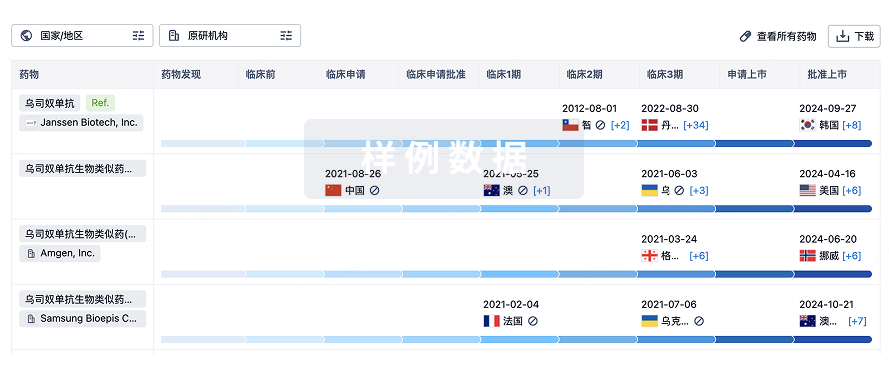
生物类似药
生物类似药在不同国家/地区的竞争态势。请注意临床1/2期并入临床2期,临床2/3期并入临床3期
登录
或
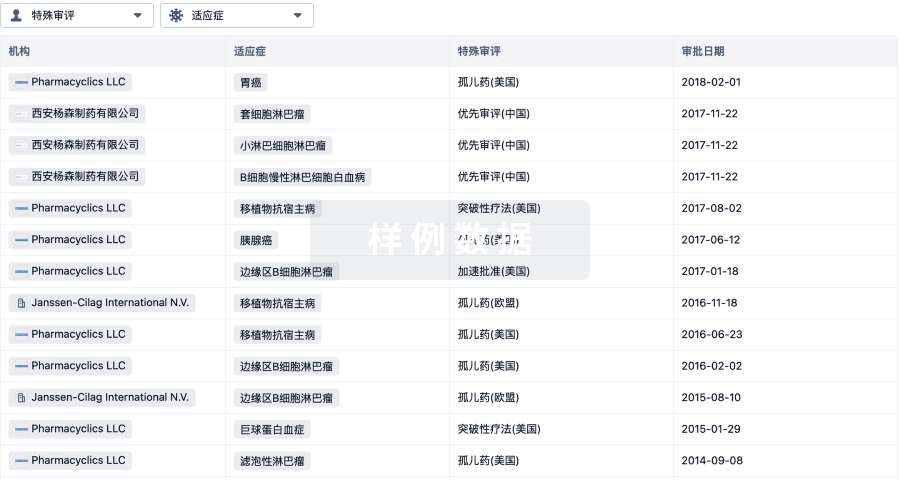
特殊审评
只需点击几下即可了解关键药物信息。
登录
或
生物医药百科问答
全新生物医药AI Agent 覆盖科研全链路,让突破性发现快人一步
立即开始免费试用!
智慧芽新药情报库是智慧芽专为生命科学人士构建的基于AI的创新药情报平台,助您全方位提升您的研发与决策效率。
立即开始数据试用!
智慧芽新药库数据也通过智慧芽数据服务平台,以API或者数据包形式对外开放,助您更加充分利用智慧芽新药情报信息。
生物序列数据库
生物药研发创新
免费使用
化学结构数据库
小分子化药研发创新
免费使用