预约演示
更新于:2026-02-01

Chongqing University of Technology
更新于:2026-02-01
概览
标签
心血管疾病
消化系统疾病
其他疾病
小分子化药
miRNA
疾病领域得分
一眼洞穿机构专注的疾病领域

技术平台
公司药物应用最多的技术
靶点
公司最常开发的靶点
关联
靶点 |
作用机制 |
在研机构 |
原研机构 |
在研适应症 |
非在研适应症 |
最高研发阶段 |
首次获批国家/地区 |
首次获批日期 |
靶点 |
作用机制 |
在研机构 |
原研机构 |
在研适应症 |
非在研适应症 |
最高研发阶段 |
首次获批国家/地区 |
首次获批日期 |
100 项与 重庆理工大学 相关的临床结果
登录后查看更多信息
登录后查看更多信息
2026-05-01TALANTA
Dual and ultrasensitive electrochemical aptamer-based antibiotic biosensor via cascaded DNA assembly amplifications
Article
作者: Xiang, Yun ; Yuan, Ruo ; Ming, Yuan ; Li, Daxiu ; Su, Chunyu ; Jiang, Bingying ; Zhang, Xinyi
Kanamycin (KAN) and tobramycin (TOB), as aminoglycoside antibiotics, can induce irreversible ototoxicity and dose-dependent nephrotoxicity risks to human health through residual contaminations. Consequently, sensitive monitoring of TOB and KAN residues in animal-derived foods is of critical importance; however, methods that can enable simultaneous detection of these two antibiotics have been rarely reported. This work demonstrates an ultrasensitive and multiplexed electrochemical aptasensor for simultaneous sensing of KAN and TOB via catalytic gold nanoparticles (AuNPs)/reduced graphene (rGO) nanocomposites and cascaded DNA assembly signal amplifications. Upon binding with their corresponding aptamers in duplex probes, KAN and TOB trigger initiator strands liberation to trigger cascade hybridization DNA assemblies, which enrich numerous auxiliary probes labeled with distinct electroactive reporters, methylene blue (MB) and ferrocene (Fc), on AuNPs/rGO-modified electrode surface. Subsequent electro-catalytic oxidation of MB and Fc yields markedly amplified and well-resolved redox currents, leading to highly sensitive aptamer-based assay of KAN and TOB in dynamic range of 0.1-300 nM with detection limits of 42.14 pM (KAN) and 58.42 pM (TOB). Such multiplexed sensor also enables the monitoring of low-level antibiotic residues in milk matrices, thereby providing promising potentials for the construction of sensitive aptasensors for convenient and simultaneous detection of various antibiotic residues.
2026-03-01ENVIRONMENTAL RESEARCH
Enhanced solar light photo-Fenton degradation of refractory organics using algae-derived CQDs modified magnetic α-Fe2O3: Novel synthesis, mechanism insight, and phytotoxicity assessment
Article
作者: Ge, Shuping ; Zhu, Hongrui ; Wei, Zejun ; Qiu, Facheng ; Chang, Haixing ; Tang, Jinshan ; Zhang, Lei ; Xu, Qian ; Cheng, Zhiliang
The rapid advancement of chemical, pharmaceutical, and other process industries has resulted in the increasing generation of highly toxic organic wastewater. To address this pressing environmental challenge, this study presents a novel pollutant treatment strategy: a magnetic α-Fe2O3 photocatalyst doped with carbon quantum dots (CQDs), synthesized via a single-step hydrothermal method using algal blooms as a sustainable carbon source, was successfully developed for sunlight-driven photo-Fenton degradation of real-world organic wastewater. Under a H2O2 concentration of 0.0485 mol/L, nearly 100 % removal of Rhodamine B (RhB) was achieved within 30 min. The degradation performance of α-Fe2O3/CQDs was further evaluated using both natural sunlight and a laboratory xenon lamp. Computational analysis based on density functional theory (DFT) revealed that the incorporation of CQDs significantly enhanced the transfer efficiency of photogenerated charge carriers within the α-Fe2O3 structure. Additionally, mung bean germination experiments confirmed that the biological toxicity of actual organic wastewater was markedly reduced after sunlight-induced degradation, thereby meeting discharge standards for subsequent biological treatment processes. This study presents a novel, economically viable, and environmentally sustainable approach for developing magnetic, recyclable, and practical photo-Fenton catalysts using natural biochar materials, providing valuable insights into the treatment of complex real-world organic wastewater.
2026-02-01HEPATOLOGY
β-Catenin regulates distinct pathways from YAP and suppresses ONECUT1 to drive hepatoblastoma development in mice and humans
Article
作者: Zhao, Jinqiu ; Evert, Matthias ; Song, Xinhua ; Monga, Satdarshan P. ; Deng, Shanshan ; Wu, Yanhui ; Li, Qiu ; Wang, Xue ; Calvisi, Diego F. ; Chen, Xin ; Cui, Guofei ; Wang, Jingxiao ; Xu, Meng ; Zhang, Yi ; Liao, Weiting
Background and Aims::
Hepatoblastoma (HB) is the predominant primary malignant liver tumor in childhood. Concomitant Yes-associated protein (YAP) and β-Catenin activation occurs in most HB. However, the signaling pathways distinctively regulated by YAP and β-Catenin protooncogenes in HB remain unexplored.
Approach and Results::
We engineered an inducible HB murine model using hydrodynamic injection to deliver transposon plasmids encoding constitutive YAP and doxycycline (Dox)-inducible ΔN90-β-Catenin(YAP/TRE-β-Catenin). Gene expression patterns in mouse HB lesions were analyzed upon short-term Dox withdrawal, that is, tumors still existed but ΔN90-β-Catenin was turned off. The mice rapidly developed aggressive HB lesions when fed Dox. However, upon Dox withdrawal, HB regressed, although tumors did not completely disappear over a long time. At the molecular level, YAP and β-Catenin were found to regulate distinct gene expression programs in HB. Specifically, YAP controls the Hippo and metabolism-related pathways, whereas β-Catenin modulates immune-related pathways, contributing to immune exclusion in the tumor microenvironment. Furthermore, we identified the transcription factor ONECUT1 as a tumor suppressor gene downregulated by activated β-Catenin in HB. Low ONECUT1 expression also characterizes human HB, and the co-expression of ONECUT1 strongly suppressed YAP/β-Catenin-driven HB formation in the mice. Mechanistically, ONECUT1 functions downstream of activated β-Catenin and negatively regulates tumor cell glycolysis.
Conclusions::
We show that suppressing activated β-Catenin could hamper HB progression in vivo by affecting pathways distinct from those regulated by YAP in HB. The inhibition of ONECUT1 expression by β-Catenin might represent a critical molecular event leading to HB formation.
100 项与 重庆理工大学 相关的药物交易
登录后查看更多信息
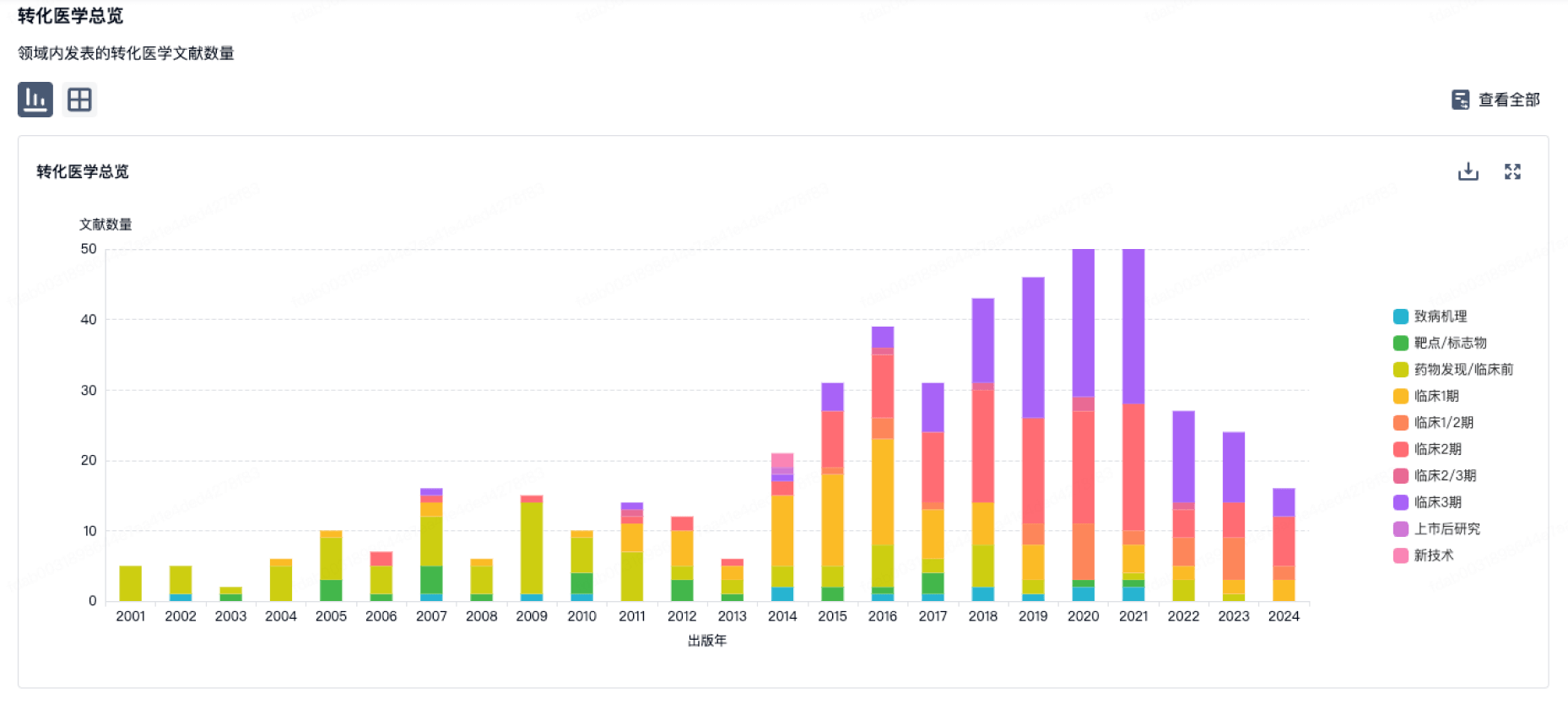
100 项与 重庆理工大学 相关的转化医学
登录后查看更多信息
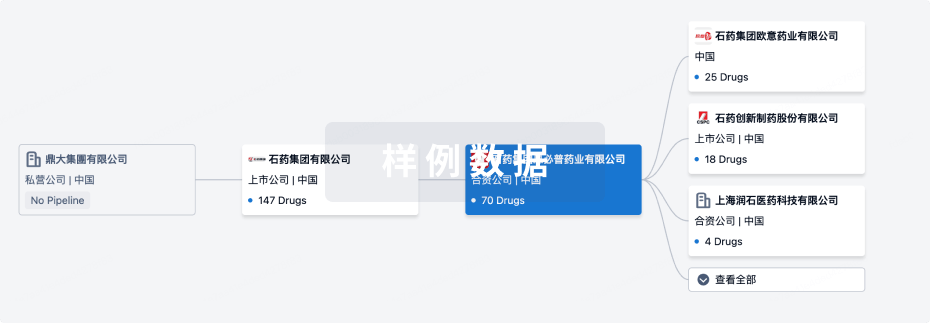
组织架构
使用我们的机构树数据加速您的研究。
登录
或
管线布局
2026年03月04日管线快照
管线布局中药物为当前组织机构及其子机构作为药物机构进行统计,早期临床1期并入临床1期,临床1/2期并入临床2期,临床2/3期并入临床3期
临床前
2
登录后查看更多信息
当前项目
登录后查看更多信息
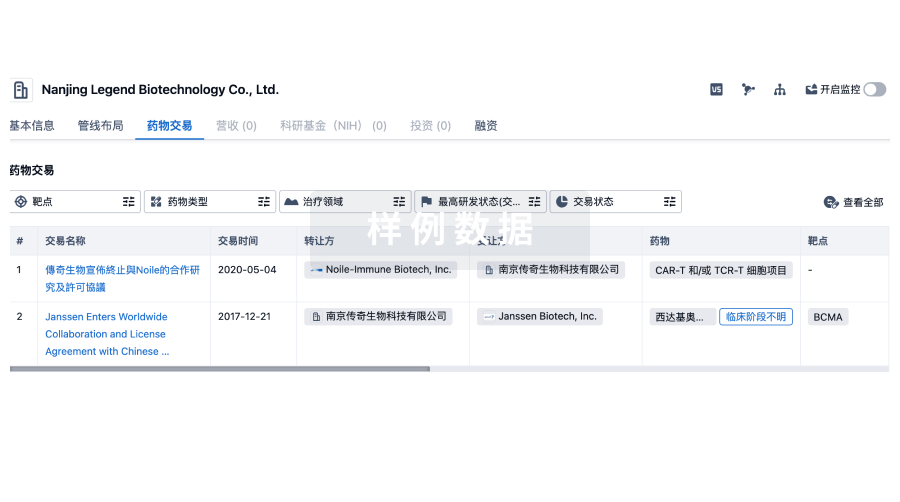
药物交易
使用我们的药物交易数据加速您的研究。
登录
或
转化医学
使用我们的转化医学数据加速您的研究。
登录
或
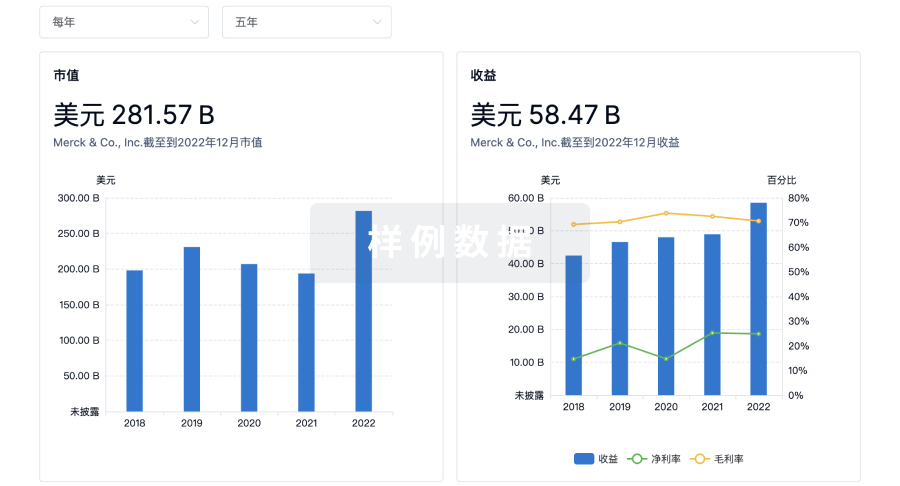
营收
使用 Synapse 探索超过 36 万个组织的财务状况。
登录
或
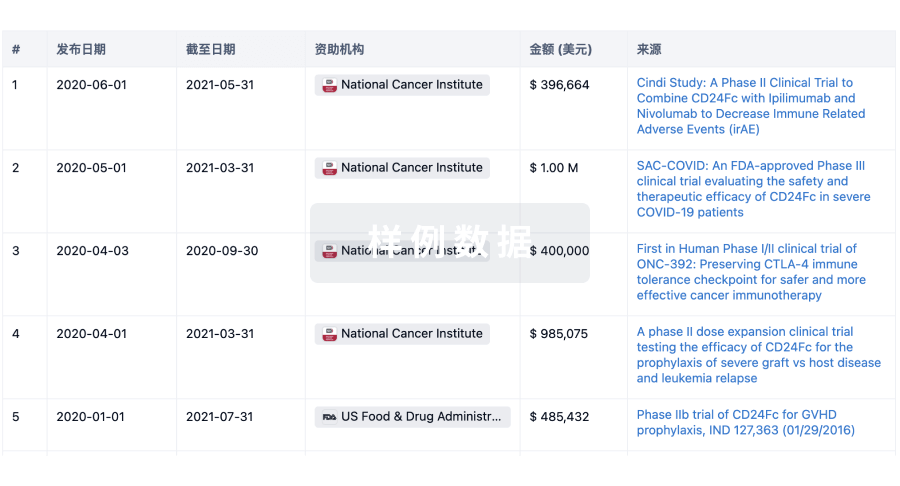
科研基金(NIH)
访问超过 200 万项资助和基金信息,以提升您的研究之旅。
登录
或
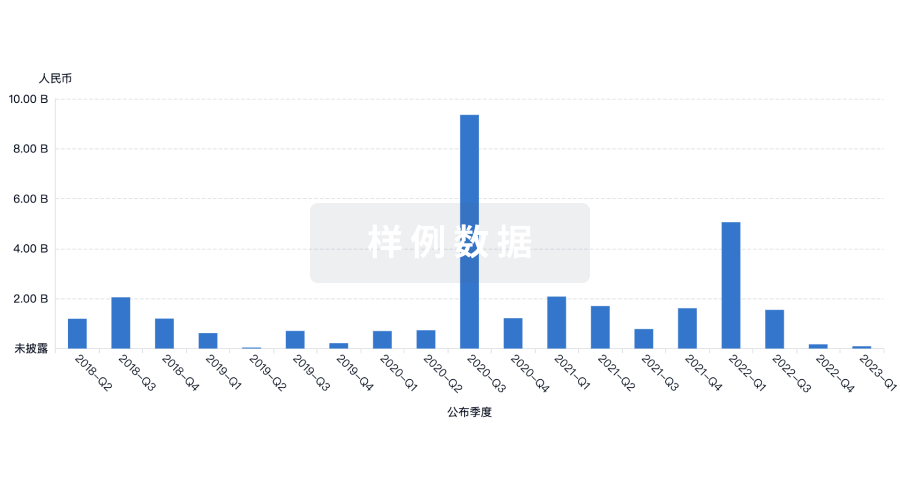
投资
深入了解从初创企业到成熟企业的最新公司投资动态。
登录
或
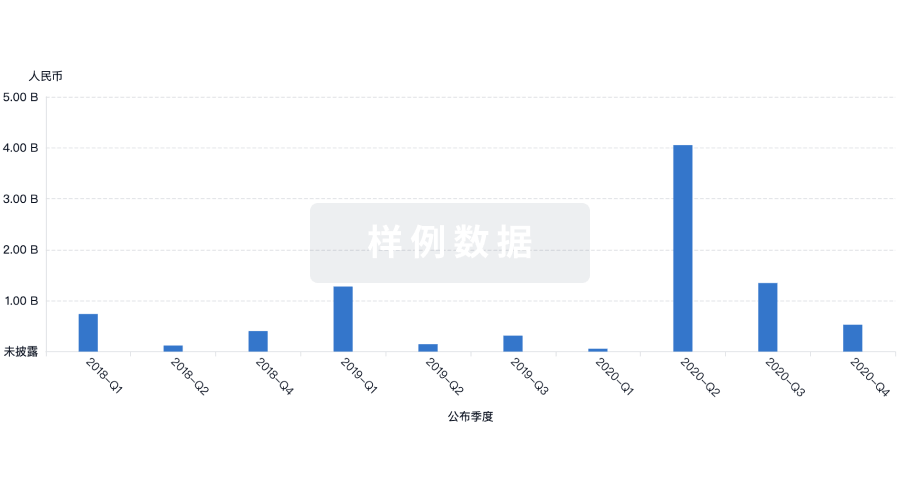
融资
发掘融资趋势以验证和推进您的投资机会。
登录
或
生物医药百科问答
全新生物医药AI Agent 覆盖科研全链路,让突破性发现快人一步
立即开始免费试用!
智慧芽新药情报库是智慧芽专为生命科学人士构建的基于AI的创新药情报平台,助您全方位提升您的研发与决策效率。
立即开始数据试用!
智慧芽新药库数据也通过智慧芽数据服务平台,以API或者数据包形式对外开放,助您更加充分利用智慧芽新药情报信息。
生物序列数据库
生物药研发创新
免费使用
化学结构数据库
小分子化药研发创新
免费使用