预约演示
更新于:2026-02-01

Mariana Oncology, Inc.
更新于:2026-02-01
概览
关联
100 项与 Mariana Oncology, Inc. 相关的临床结果
登录后查看更多信息
0 项与 Mariana Oncology, Inc. 相关的专利(医药)
登录后查看更多信息
192
项与 Mariana Oncology, Inc. 相关的新闻(医药)2026-01-15
·小触核药
导 语
Introduction
近日,通瑞生物制药(成都)有限公司(通瑞生物)研发的1类放射性治疗药物“TRC003注射液”的临床试验申请获得国家药品监督管理局药品审评中心默示许可,同意开展拟用于治疗前列腺特异性膜抗原(PSMA)阳性的转移性去势抵抗性前列腺癌(mCRPC)的成年患者的临床研究。
在去年10月份的欧洲核医学大会(EANM 2025)上,由通瑞生物支持的两项关于225Ac-PSMA-CY313在转移性去势抵抗性前列腺癌(mCRPC)领域的研究,凭借其创新性与重要价值,获大会评审委员会高度认可,被评选为 “Top Rated Oral Presentation”(最受欢迎的口头报告) 。因此,推测此次申报很可能为该公司首款Ac-225核素的放射性治疗药物。
在Ac-225供应有望改善的预期下,全球制药巨头和创新生物技术公司早已开始争相布局基于Ac-225的靶向放射性药物。全球范围内,Ac-225核药的研发正进入一个高速发展期,据统计,截至2025年,全球已有超过70条Ac-225核药研发管线,其中超过20项已进入临床试验阶段,覆盖了从前列腺癌到血液肿瘤的多种恶性疾病,其中不乏已进入临床II/III期研究的重磅候选药物 。
前列腺癌:最热门的战场
前列腺癌是Ac-225核药研发最为集中的领域,主要靶点是前列腺特异性膜抗原(PSMA),这是一种在绝大多数前列腺癌细胞上高表达的蛋白质。
[225Ac]Ac-PSMA-617 (Pluvicto-α):这是诺华(Novartis)公司在其已上市的β粒子药物Pluvicto([177Lu]Lu-PSMA-617)基础上开发的α粒子版本。理论上,Ac-225的强效杀伤力有望克服对β粒子疗法产生耐药性的肿瘤,或对恶性程度更高的肿瘤提供更优的治疗效果。目前,诺华的[225Ac]Ac-PSMA-617注射液正在全球多地开展临床试验,包括针对转移性去势抵抗性前列腺癌(mCRPC)患者的I/II期研究 。其在中国的临床试验申请也已被国家药品监督管理局(NMPA)受理 。这是最受关注、也最接近商业化的Ac-225药物之一。
[225Ac]Ac-J591:由Weill Cornell Medicine和Actinium Pharmaceuticals联合开发,靶向PSMA的胞外域。该药物在早期临床试验中已显示出令人鼓舞的疗效,尤其是在mCRPC患者中观察到了显著的PSA(前列腺特异性抗原)水平下降和肿瘤消退。目前正在进行更深入的临床评估 。
[225Ac]Ac-PSMA-I&T:这是一种基于PSMA抑制剂的靶向配体,由慕尼黑工业大学等机构率先开展临床研究,同样在mCRPC患者中显示了高缓解率。多项学术研究和临床试验正在评估其安全性和有效性 。
实体瘤的广泛探索
除了前列腺癌,Ac-225核药的研发也扩展到了其他多种实体瘤。
神经内分泌肿瘤(NETs):靶向生长抑素受体(SSTR)是治疗NETs的成熟策略。基于Ac-225的SSTR靶向药物,如[225Ac]Ac-DOTATATE,被认为是现有Lu-177标记的SSTR药物(如Lutathera)的有力补充或后续治疗选择,尤其适用于对β粒子疗法不敏感或复发的患者,评估其在晚期NETs患者中的应用 。
[225Ac]Ac-FPI-2265:由Fusion Pharmaceuticals(已被阿斯利康收购)开发,是一款靶向神经降压素受体1型(NTR1)的Ac-225药物,用于治疗表达NTR1的实体瘤,正在进行进入II/III期临床试验。
[225Ac]Ac-FPI-2059:由Fusion Pharmaceuticals(已被阿斯利康收购)开发,靶向胰岛素样生长因子1受体(IGF-1R),正在进行针对多种实体瘤的I期临床试验 。
RYZ101([225Ac]Ac-DOTATATE):RayzeBio(已被BMS收购)的RYZ101([225Ac]Ac-DOTATATE)已进入III期临床,目前因同位素供应短缺被迫暂停,是进展最快的Ac-225药物之一 。
针对乳腺癌 、非小细胞肺癌等的Ac-225核药也在临床探索中。
血液系统恶性肿瘤
Ac-225同样在治疗白血病等血液肿瘤方面显示出潜力。
Lintuzumab-Ac225 (Actimab-A):由Actinium Pharmaceuticals公司开发,Lintuzumab是一种针对CD33的单克隆抗体,与放射性同位素Ac-225结合,形成Lintuzumab-Ac-225,CD33在大多数AML细胞上表达,以增强对AML细胞的打击能力。该药物已完成多项I/II期临床试验,并正在探索与其他药物的联合治疗方案 。
目前,全球Ac-225核药研发领域呈现出大型制药公司(通过收购)与创新生物技术公司并驾齐驱的格局。
· 诺华(Novartis)
2024年5月初,诺华宣布收购核药生物技术公司Mariana Oncology,诺华支付10亿美元预付款,以及7.5亿美元里程碑付款。Mariana的首发管线MC-339,是用于治疗小细胞肺癌的靶向核药。该候选药物由一种肽类小分子组成,经设计可携带放射性锕(Ac)有效载荷。此外,凭借其在PSMA靶向核药领域的深厚积累,其下一代核药225Ac-PSMA-617目前处于全球Ⅰ期阶段,用于治疗前列腺癌。
· 百时美施贵宝(BMS)
2024年初,百时美施贵宝(BMS)宣布完成了对RayzeBio的收购。此次收购的交易总额约为41亿美元,每股现金价格为62.50美元。将其进展最快的Ac-225药物之一RYZ101收入囊中,强势入局 。24年12月中百时美施贵宝重新取得了ABZ-706(相当于RYZ801)在大中华区开发和商业化的独家权利,该管线靶向磷脂酰肌醇蛋白聚糖3(GPC3),用于基于Ac的放射性疗法治疗肝细胞癌,目前正在进行IND研究。
· 礼来(Eli Lilly)
2023年10月礼来以14亿美元收购Point Biopharma,获得了Ac-225的泛癌FAP-α项目PNT2004及PSMA项目PNT2001。2024年5月礼来与Aktis Oncology达成了一项价值高达11亿美元的协议。Aktis Oncology是一家专注于开发新型α核素(靶向疗法的生物技术公司,该合作强化了礼来在α核素药物平台的能力。2024年6月底日,礼来与Radionetics Oncology达成战略合作,将共同推进靶向GPCR的小分子放射性药物。2025年2月礼来又与AdvanCell扩大合作,共同开发靶向α核素疗法。
· 阿斯利康(AstraZeneca)
2024年3月阿斯利康以高达24亿美元的价格收购了Fusion Pharmaceuticals,进入了放射性药物领域。Fusion是一家专注于精准核药开发的公司,利用α粒子的医学同位素,结合靶向癌细胞的抗体,精准狙击癌细胞。Fusion的管线资产包括225Ac-PSMA I&T(FPI-2265),225Ac-FPI-1434和FPI-2059等。这些项目针对前列腺癌、实体瘤等多种癌症类型,并处于不同的临床试验阶段。其中,FPI-2265为核心项目,在mCRPC患者的的治疗中显示出显著优势。此外,阿斯利康与海德堡大学和Euratom达成基于锕系元素的PSMA靶向放疗的全球独家许可协议。
· 拜耳(Bayer)
早在2009年就与Algeta合作开发Xofigo,并于2013年获批上市,用于治疗晚期骨转移型去势抵抗性前列腺癌。Xofigo上市后,销售额在2017年达到峰值(4.08亿欧元),后续开始逐年下滑。2023年5月拜耳与Bicycle Therapeutics达成战略合作,Bicycle将获得4500万美元的预付款,如果达到开发和商业化的里程碑,Bicycle可能获得总计高达17亿美元的款项;拜耳可获得Bicycle的专有肽,用于开发下一代靶向放射治疗,增强肿瘤相关研发管线。目前拜耳有两款核药225Ac-macropa-pelgifatamab (BAY3546828) 和225Ac-PSMA-Trillium(BAY 3563254),两款核药采用的核素均为Ac-225。
· 强生(Johnson & Johnson)
2017年,强生JJDC(Johnson & Johnson Development Corporation)通过领投Fusion Pharmaceuticals的2500万美元A轮融资,开始入局核药。2024年,Abdera完成了一轮新的融资,该轮融资由强生JJDC和Foresite投资,金额为3000万美元。
除投资外,目前强生公开的管线来看,首发核药资产是一款靶向HK2的核药JNJ-6420,采用的核素同样是Ac-225。
“
Actinium Pharmaceuticals
专注于α粒子疗法,拥有丰富的临床管线,尤其是在血液肿瘤领域 。
“
Clarity Pharmaceuticals
拥有独特的“SARTATE”螯合技术,并与Terra Power等供应商建立了稳固的Ac-225供应关系 。
“
Ariceum Therapeutics
主打药物225Ac-SSO110是一种锕-225标记的放射性药物,靶向SSTR2。该药物通过将Ac-225与特异性靶向肽结合,精准作用于表达SSTR2的肿瘤细胞,如广泛期小细胞肺癌(ES-SCLC)和默克尔细胞癌(MCC),旨在实现高效肿瘤杀伤同时减少对正常组织的损伤。
“
Defence Therapeutics
与加拿大核实验室(CNL)合作,将α粒子放射疗法Ac-225与Defence专有的Accum®递送技术相结合,进行临床前研究。
“
Abdera Therapeutics
依托先进的抗体工程 ROVEr™平台设计和开发用于癌症治疗的可调节精准放射性药物。Abdera的主要项目ABD-147是下一代精准放射性药物生物疗法,旨在将Ac-225递送至表达DLL3的实体瘤,用于治疗小细胞肺癌(SCLC)和大细胞神经内分泌癌(LCNEC)。
“
Ratio Therapeutics
专有研发平台Trillium™和Macropa™,使得开发具有药物动力学调制能力的适配异功能放射性药物,从而提升药物的可用性、肿瘤传递和肿瘤载荷。近日宣布,其首款核心治疗性放射药 [Ac-225]-RTX-2358 临床试验的首个队列已完成给药。该药物是一种高选择性成纤维细胞活化蛋白靶向放射治疗药物,以Ac-225为标记同位素,适用于治疗成纤维细胞活化蛋白阳性的复发或难治性软组织肉瘤患者。
“
Convergent Therapeutics
凭借对α粒子的了解和双靶向放射性核素治疗技术的灵活运用,已经开发了其主要管线产品CONV01-α(Ac-225 rosopatamab tetraxetan),是一种专有的、同类最佳的Ac-225标记放射抗体,靶向几乎所有前列腺癌细胞表面表达的蛋白质(抗原)。
“
Alpha-9 Oncology
Alpha-9的平台建立在系统性的分子设计方法之上,通过优化靶向配体、连接子和螯合剂,创造出在肿瘤中具有优异摄取和滞留能力,同时能最大限度减少脱靶效应的放射性治疗药物。Alpha-9的核心管线A9-3408是一种新型靶向黑色素皮质素1受体(MC1R)的Ac-225核素药物,用于治疗经标准疗法治疗后病情进展的MC1R阳性黑色素瘤患者,已于近日完成首例患者给药。
尽管与欧美发达国家相比,我国在 Ac-225 药物研发方面仍处于相对早期的阶段,但也在稳步行进中。
○
东诚药业控股的子公司蓝纳成(LNC)开发的[225Ac]Ac-LNC1011注射液,在2025年获得了国家药品监督管理局(NMPA)核准签发的药品临床试验批准通知书 。该药物拟用于治疗PSMA阳性表达的晚期前列腺癌患者。
○
辐联科技是一家具有国际背景的中国公司,[225Ac]Ac-FL-020注射液已于11月10日获得临床试验默示许可,拟用于治疗mCRPC。辐联科技的另一款AC-225产品FL-091已经在2024年7月授权给SK Biopharmaceuticals,该产品用于治疗靶向神经降压素受体1型(NTSR1)阳性的癌症。此次交易的总金额高达5.72亿美元,涵盖了首付款、研发及商业里程碑付款。此外,多条管线均涉及Ac-225核素。
○
诺宇医药布局了多条核药管线,其中涉及Ac-225核药研发管线,根据官网,目前处于临床前研究阶段,暂未有更多消息披露。
○
先通医药也在使用Ac-225进行早期的药物研发,该公司在成都温江的研发生产基地已经建成了全自动放射性药物生产线,并计划生产225Ac-抗体注射液。
○
威智知科研发管线中的225Ac-PSMA-VG01和225Ac-FAP-VG02均采用了Ac-225作为放射性核素,针对前列腺癌、纤维肉瘤激活蛋白(FAP)表达肿瘤等进行研发。
○
博锐创合官网在研管线中BRP-020、BRP-030与BRP-040项目明确提及使用Ac-225作为放射性核素,适应症为晚期实体瘤。
○
纽瑞特医疗官网显示有Ac-225采购相关的字样。根据公开信息,纽瑞特也在积极布局Ac-225等α核素药物的研发与生产,其研发平台覆盖Ac-225标记药物的开发,并具备相应的GMP生产能力。
○
景嘉航布局α核素和β核素的核药研发,与西安迈斯拓扑签署225Ac供应协议以获得225Ac的优先、稳定供应,并与中核秦同签署战略合作协议,以便在研发核药用核素的供应方面得到更好的保障。
○
2024年6月3日,西南医科大学附属医院的陈跃教授团队在中国临床试验注册中心登记了一项关于225Ac-TBM治疗骨转移的转化研究,旨在评估225Ac-TBM治疗肿瘤骨转移的疗效和安全性,及其对正常器官和肿瘤的辐射剂量。
结语 )
Conclusion
全球 Ac-225 核药研发已从早期探索进入了快速发展的临床验证阶段。巨头的纷纷入局,更预示着该领域巨大的商业潜力正被资本市场认可,有望在未来5-10年内迎来首批Ac-225药物的上市。虽然中国Ac-225核药产业仍面临诸多挑战,但其展现出的巨大潜力和快速发展的势头令人瞩目。在政策支持、资本助力和科研创新的共同推动下,中国有望在这一全球前沿的医疗领域中占据重要一席,为全球癌症患者带来新的希望。
2026-01-13
Novartis is paying $50 million upfront to license a peptide-based radiopharmaceutical asset from China-headquartered Zonsen PepLib Biotech.
The Monday
release
did not name the candidate, its target or what stage of development it is in. What is known is that PepLib, founded in 2017, is focused on developing peptide-based therapies, including peptide-radionuclide conjugates. The biotech’s preclinical
pipeline includes a “radiopharmaceutical carrier” program at the lead-optimization
stage.
Novartis will be responsible for developing and commercializing the licensed candidate. PepLib could get an undisclosed amount in milestones as well as tiered royalties on future sales.
The deal should “complement” Novartis’ existing portfolio of radioligand therapies (RLTs), according to the release.
The Swiss drugmaker is currently a market leader in RLTs due to Pluvicto for metastatic castration-resistant prostate cancer and Lutathera for gastroenteropancreatic neuroendocrine tumors. The two assets together pulled almost
$800 million
in third-quarter sales last year.
Error: Survey not found.
In its clinical RLT pipeline, Novartis is advancing a lutetium-based candidate targeting GRPR and a separate program targeting FAP, among others.
The company has been ramping up its capabilities in the space,
opening
its third US-based RLT manufacturing site in November. Last week, it
unveiled plans
to build a fourth factory in Florida.
In November, Novartis signed a
licensing pact
with Ratio Therapeutics for its SSTR2-targeting radiopharmaceutical program. In 2024, it acquired radiopharmaceutical startup Mariana Oncology for
$1 billion upfront
.
In a separate announcement on Monday, Novartis
licensed a preclinical candidate
for Alzheimer’s disease from SciNeuro for $165 million upfront. In December, it teamed up with London-based biotech Relation to
discover new drugs
for immune diseases with the help of AI.
引进/卖出并购多肽偶联药物
2026-01-13
·张江药哥
一、莱茵河畔的重塑
在瑞士巴塞尔,两座相距不过几公里的制药帝国正经历着截然不同的命运重塑。
2024年1月的一个清晨,罗氏集团CEO托马斯·辛内克(Thomas Schinecker)站在位于巴塞尔的总部大楼里,面前的财务报表让他长舒一口气。罗氏集团全年销售额增长7%,达到605亿瑞士法郎。更重要的是,新产品——眼科双抗Vabysmo、多发性硬化症药物Ocrevus、血友病药物Hemlibra——正在以惊人的速度填补那个曾经让人彻夜难眠的空洞。
那个空洞叫做"三巨头危机"。
仅仅五年前,罗氏还是另一番光景。Herceptin(赫赛汀)、Avastin(安维汀)、Rituxan(美罗华)——这三款曾经的抗癌明星药物,占据了罗氏制药业务销售额的40%。它们是罗氏帝国的三根顶梁柱,也是它最脆弱的软肋。
2019年开始,生物类似药的洪流汹涌而来。在美国,仅两年时间,这三款药物的销售额就暴跌了50%以上。2020年,罗氏仅在美国、欧洲和日本就因生物类似药竞争损失了57亿美元的收入。分析师称之为"制药史上最惨烈的专利悬崖之一"。
但故事没有按照悲剧剧本发展。
到了2024年,这三款药物的销售占比已从40%萎缩到不足10%。而罗氏不仅活了下来,还在增长。新产品贡献的收入从2019年的31%跃升至50%以上。辛内克在年报中写道:"2024年对罗氏来说是强劲的一年——对于科学、对于患者、对于公司都是如此。"
罗氏是如何完成这场生死转型的?答案藏在20年前的一桩世纪收购中。
二、基因泰克的遗产
2009年,罗氏以468亿美元完成了对基因泰克(Genentech)的全资收购。这是当时制药史上最大的交易之一。
基因泰克不是一家普通的生物技术公司。它是现代生物制药的开创者——1976年成立于旧金山,是世界上第一家利用基因工程技术生产药物的公司。Herceptin、Avastin、Rituxan,这三款曾经的明星药物,全部出自基因泰克之手。
但罗氏收购基因泰克,看中的不仅是这些已经上市的产品。它要的是一台永不停歇的创新机器。
在收购后的十五年里,基因泰克为罗氏贡献了超过20款新药。更重要的是,它为罗氏注入了一种独特的创新文化——一种硅谷式的、敢于冒险的研发精神。
"科学的成功不能被规划,但我们可以创造条件使之得以实现。"罗氏前CEO塞弗林·施万(Severin Schwan)曾这样描述罗氏-基因泰克的研发哲学。"我们需要对新想法持开放态度,勇于冒险,并偶尔挑战大众普遍持有的观点。"
这种哲学在罗氏应对专利悬崖的过程中发挥了关键作用。
当Herceptin面临生物类似药冲击时,罗氏没有坐以待毙。它推出了Phesgo——一款将帕妥珠单抗和曲妥珠单抗组合在一起的皮下注射剂,大大缩短了给药时间,并提供了更好的患者体验。2024年,Phesgo销售额同比增长62%,达到19.8亿美元,成为罗氏增长最快的产品之一。
当眼科领域的Lucentis被生物类似药蚕食时,罗氏用Vabysmo——一款创新的VEGF-A/Ang-2双特异性抗体——进行了反击。这款2022年上市的药物,到2024年全球销售额已达44亿美元,同比增长68%,成为罗氏新的增长引擎。
这就是罗氏的转型策略:不是用法律手段死守旧专利,而是用更好的创新来取代自己。
三、罗氏的GLP-1野心
但罗氏的野心不止于此。
2024年8月,基因泰克在美国北卡罗来纳州破土动工,投资7亿美元建设一座新的生产基地。这是基因泰克在美国东海岸的第一座制造工厂,计划于2029年投产。
这座工厂的用途是什么?生产下一代代谢类药物——包括GLP-1减肥药。
罗氏终于决定进军这个万亿美元的市场。
作为全球最大的制药公司之一,罗氏长期以来在肿瘤、免疫和神经科学领域占据主导地位,却在代谢疾病领域几乎空白。当诺和诺德的Ozempic和礼来的Mounjaro掀起减肥药革命时,罗氏只能作壁上观。
现在,它决定补上这一课。
罗氏的GLP-1管线包括CT-868——一款每日皮下注射一次的GLP-1R/GIPR双重激动剂,正在进行1型糖尿病合并肥胖的II期临床试验。此外,罗氏还在积极寻求外部合作和收购,以加速在代谢领域的布局。
这是一场追赶的游戏。礼来和诺和诺德已经建立了巨大的领先优势,罗氏能否在这个竞争激烈的赛道上分得一杯羹,仍是一个未知数。
但这也体现了罗氏的一贯风格:不追风口,专注自己擅长的领域;一旦决定进入,就全力以赴。
四、诺华:一个"纯粹"的新开始
就在罗氏专注于内部创新的同时,几公里外的诺华选择了一条截然不同的道路。
2023年10月4日,诺华完成了一项历史性的分拆:将旗下仿制药和生物类似药业务山德士(Sandoz)100%分离,作为一家独立公司在瑞士证券交易所上市。
这是诺华CEO万思瀚(Vas Narasimhan)推动的系列瘦身行动的最后一步。自2018年上任以来,万思瀚像一个执着的外科医生,一刀一刀地切除诺华的"非核心"业务:
2018年,以130亿美元出售消费保健合资企业股份给葛兰素史克。
2019年,分拆眼科业务爱尔康(Alcon),使其成为独立上市公司。
2021年,出售价值207亿美元的罗氏股份,彻底结束与昔日竞争对手的交叉持股关系。
2023年,分拆山德士。
这些交易的总规模超过1000亿美元。它们将诺华从一个业务庞杂的医药集团,变成了一个"纯粹的"(pure-play)创新药公司。
分拆后的诺华专注于四大治疗领域:心血管-肾脏-代谢、免疫、神经科学和肿瘤。它的目标是:聚焦创新,成为全球领先的创新药企业。
2024年,诺华交出了一份亮眼的成绩单。净销售额增长12%,达到503亿美元;核心营业利润增长22%。这是诺华作为"纯粹创新药公司"的第一个完整财年,它证明了万思瀚的战略赌注正在见效。
增长的引擎是一批明星药物:心衰药物Entresto销售额78亿美元,同比增长31%;银屑病药物Cosentyx销售额61亿美元,增长25%;多发性硬化症药物Kesimpta销售额32亿美元,增长49%;乳腺癌药物Kisqali销售额30亿美元,增长49%。
诺华的股价在2023年突破新高后一路攀升,投资者对万思瀚的战略投下了信任票。
五、87亿美元的赌注:Zolgensma的故事
但诺华的转型故事中最大胆的一笔,发生在2018年——一笔87亿美元的收购,将一家叫AveXis的小型生物技术公司纳入麾下。
AveXis的核心资产是一款基因疗法:Zolgensma,用于治疗脊髓性肌萎缩症(SMA)。SMA是一种罕见的遗传性疾病,患病婴儿通常无法活过两岁。Zolgensma通过一次性注射,将正常的SMN1基因导入患者体内,从根本上治疗疾病。
2019年5月,Zolgensma在美国获批上市。它的定价震惊了世界:212.5万美元一针。
这是当时全球最贵的药物。
舆论哗然。批评者指责诺华是在发"罕见病财"。但诺华的逻辑是:这是一种一次性治疗,可以让患者终身免于疾病折磨;相比之下,传统的SMA治疗药物Spinraza需要终身用药,累计花费可能超过400万美元。
更重要的是,诺华为Zolgensma设计了一套创新的支付方案:患者可以选择五年分期付款,每年支付42.5万美元;如果疗效不达预期,还可以"按疗效付款"——允许在付清款项前疗效终止的情况下停止支付剩余费用。
Zolgensma的销售额一路攀升。2021年达到13.5亿美元的峰值,成为基因疗法领域的第一个"重磅炸弹"药物。截至2024年,累计销售额已超过64亿美元。
2024年11月,诺华获得了一个重要的里程碑:FDA批准Zolgensma的鞘内注射版本,将适应症扩展到两岁及以上的SMA患者。这是首个也是唯一一个可用于治疗如此广泛人群的基因替代疗法。
Zolgensma的成功证明了一件事:诺华愿意为真正具有突破性的创新下大赌注——即使这意味着承担巨大的风险和舆论压力。
六、CAR-T:荣耀与困局
但诺华在细胞和基因疗法领域的另一笔大赌注,却正在经历困境。
2017年8月30日,FDA批准了全球首款CAR-T疗法:诺华的Kymriah(tisagenlecleucel),用于治疗复发或难治性B细胞急性淋巴细胞白血病。这是一个历史性的时刻——癌症治疗进入了"活细胞药物"时代。
Kymriah的定价同样惊人:47.5万美元一针。但诺华同样推出了创新的支付方案:只有当治疗有效时,医院才需要全额付款。
作为"第一个吃螃蟹的人",诺华在CAR-T领域本应占据先发优势。但现实却令人失望。
Kymriah的销售额在2021年达到5.87亿美元的峰值后,开始逐年下滑。2022年5.36亿美元,2023年5.08亿美元,2024年进一步下降到4.43亿美元,同比下降13%。
与此同时,后来者却在快速崛起。吉利德的Yescarta 2024年销售额达到15.7亿美元,稳居CAR-T领域第一;强生与传奇生物合作的Carvykti销售额达到9.63亿美元,同比增长93%;百时美施贵宝的Breyanzi销售额7.47亿美元,同比增长105%。
诺华的"先发优势"变成了"先发劣势"。
问题出在哪里?
首先是疗效数据。在多发性骨髓瘤领域——CAR-T疗法最大的市场——Carvykti凭借98%的客观缓解率(ORR)建立了明显的疗效优势,而百时美施贵宝的Abecma只有73%。诺华的Kymriah主要获批在淋巴瘤和白血病领域,在骨髓瘤市场几乎没有存在感。
其次是产能问题。CAR-T疗法需要为每位患者定制生产,产能瓶颈严重制约了销售扩张。诺华虽然投资建设了瑞士的新生产基地,并与多家合作伙伴签署生产协议,但扩产速度一直落后于竞争对手。
第三是适应症拓展。Carvykti在2024年获批用于多发性骨髓瘤二线治疗,进一步扩大了市场;而Kymriah的适应症拓展进展缓慢,错失了关键的市场窗口期。
面对激烈的竞争,诺华似乎正在收缩在CAR-T领域的野心。行业观察人士注意到,诺华在CAR-T领域的研发投入和战略重心似乎已经向其他细胞和基因疗法倾斜——特别是基因疗法(如Zolgensma)和放射性配体疗法(如前列腺癌药物Pluvicto)。
2024年,Pluvicto销售额达到14亿美元,同比增长42%,成为诺华增长最快的肿瘤药物之一。这款通过放射性同位素精准靶向癌细胞的创新疗法,代表着诺华在肿瘤领域的新方向。
七、收购潮:诺华的"买买买"
分拆山德士并没有让诺华停止扩张——它只是改变了扩张的方向。
2024年,诺华在收购上花费了超过60亿美元:
以约30亿美元收购德国生物制药公司MorphoSys,获得其骨髓纤维化治疗候选药物pelabresib,强化血液肿瘤管线。
以10亿美元预付款(外加7.5亿美元里程碑付款)收购放射性配体疗法公司Mariana Oncology,进一步巩固在核药领域的领先地位。
以最高11亿美元收购基因治疗公司Kate Therapeutics,获得其AAV载体技术平台,布局肌肉退行性疾病的基因治疗。
这些收购有一个共同的主题:押注前沿技术平台。无论是放射性配体疗法、基因治疗还是靶向蛋白降解,诺华都在通过收购来补齐自己的技术拼图。
万思瀚在接受采访时解释了这一策略:"对于诺华而言,我们会持之以恒地每年投入约100亿美元的研发资金,积极地寻求外部的合作机会,包括并购、收购以及许可授权的机会。那些会胜出的公司一定是能够持之以恒地创新的企业。"
诺华的现金流为这一战略提供了充足的火力。2024年第三季度,诺华的自由现金流约为80亿美元;通过分拆山德士获得的资金,更是为战略投资提供了额外的空间。
八、中国因素
在全球化布局中,中国对两家欧洲药企都具有特殊意义。
罗氏在中国的布局已超过三十年。2004年,罗氏在上海建立了跨国药企在新兴市场的第一个研发中心——也是外资药企在上海独资建立的第一个药物研发中心。
2023年,罗氏中国加速器在上海浦东落成,投资近3亿元人民币,旨在孵化中国本土创新企业。截至2024年底,已有近20家中国初创企业成为加速器成员,涉及分子胶、ADC、RNA疗法、细胞疗法等前沿领域。
罗氏与中国创新药企的合作正在加速。2025年1月,罗氏与信达生物达成协议,引进一款靶向DLL3的ADC药物,用于小细胞肺癌治疗。此前,罗氏还与宜联生物、济民可信等中国公司达成了多项授权合作。
"中国正迈入创新的高速发展阶段,"罗氏中国加速器负责人唐秋嵩表示。"这将使许多本土生物技术企业能够追求first-in-class/best-in-class疗法,同时快速获得临床概念验证。"
诺华同样重视中国市场。2024年,诺华中国区收入约80亿美元,占公司全球收入的8%。诺华在中国拥有28款产品,覆盖肿瘤、心血管、免疫等多个治疗领域。
2024年第四季度,诺华明确将中国列为四大优先增长市场之一(另外三个是美国、德国和日本),承诺加大在中国的投资和产品引进力度。
九、两种路径,同一目标
站在2026年初回望,罗氏和诺华代表了欧洲制药业应对全球竞争的两种路径。
罗氏的路径是"内生式创新"。它依托基因泰克的创新引擎,通过持续的研发投入和产品迭代,用新产品取代旧产品。当Herceptin被生物类似药冲击时,它用Phesgo来应对;当Lucentis流失市场时,它用Vabysmo来填补。罗氏的2024年研发支出约为148亿瑞士法郎,占销售额的24%,在全球大型药企中名列前茅。
诺华的路径是"聚焦式并购"。它通过分拆非核心业务来聚焦资源,然后通过战略收购来获取前沿技术。每年约100亿美元的研发投入,加上积极的外部合作,让诺华能够在多个前沿领域同时下注。万思瀚的目标是:让诺华成为一个在全球范围内占领导地位的创新药企业。
两种路径各有优劣。
罗氏的优势在于其深厚的研发文化和科学积累。基因泰克的"硅谷基因"让罗氏能够持续产出突破性创新。但这也意味着更长的研发周期和更高的失败风险。罗氏在阿尔茨海默病领域的多次失败,就是这种风险的写照。
诺华的优势在于其灵活性和执行力。通过收购,它可以快速获取成熟的技术平台和临床阶段的资产,缩短从研发到上市的时间。但这也意味着更高的整合风险——87亿美元收购AveXis、39亿美元收购AAA,每一笔大额收购都需要数年时间才能真正消化。
两家公司也面临着共同的挑战:来自美国和中国的竞争越来越激烈。
在GLP-1领域,礼来和诺和诺德已经建立了几乎不可动摇的领先优势。罗氏和诺华都在追赶,但起步太晚。
在肿瘤领域,默沙东凭借Keytruda一骑绝尘;中国的百济神州凭借泽布替尼在BTK抑制剂市场击败了跨国巨头。
在细胞和基因疗法领域,美国的吉利德、百时美和强生/传奇正在抢占CAR-T市场;中国的传奇生物、药明巨诺等公司正在快速崛起。
欧洲制药业的双雄能否在这场全球竞争中保持领先地位?这取决于它们能否在创新上持续投入,在技术上保持领先,在市场上快速响应。
罗氏CEO辛内克在2024年年报中写道:"凭借我们在业务中看到的动力,我们期望在2025年继续保持强劲的销售增长和利润率扩张,并继续按计划实现中期目标。"
诺华CEO万思瀚则表示:"在我们作为纯粹创新药公司的第一个完整财年,诺华创造了历史上最强劲的财务业绩之一。我们实现了重要的创新里程碑,为未来的成功铺平了道路。"
两位CEO都在为各自的战略辩护。而时间,将是最终的裁判。
生物类似药并购免疫疗法财报专利到期
100 项与 Mariana Oncology, Inc. 相关的药物交易
登录后查看更多信息
100 项与 Mariana Oncology, Inc. 相关的转化医学
登录后查看更多信息
组织架构
使用我们的机构树数据加速您的研究。
登录
或
管线布局
2026年09月19日管线快照
无数据报导
登录后保持更新
药物交易
使用我们的药物交易数据加速您的研究。
登录
或
转化医学
使用我们的转化医学数据加速您的研究。
登录
或
营收
使用 Synapse 探索超过 36 万个组织的财务状况。
登录
或
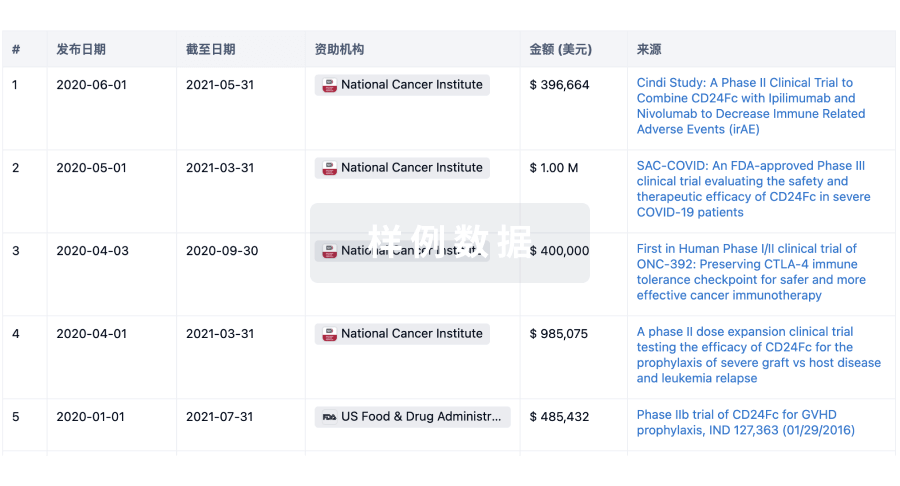
科研基金(NIH)
访问超过 200 万项资助和基金信息,以提升您的研究之旅。
登录
或
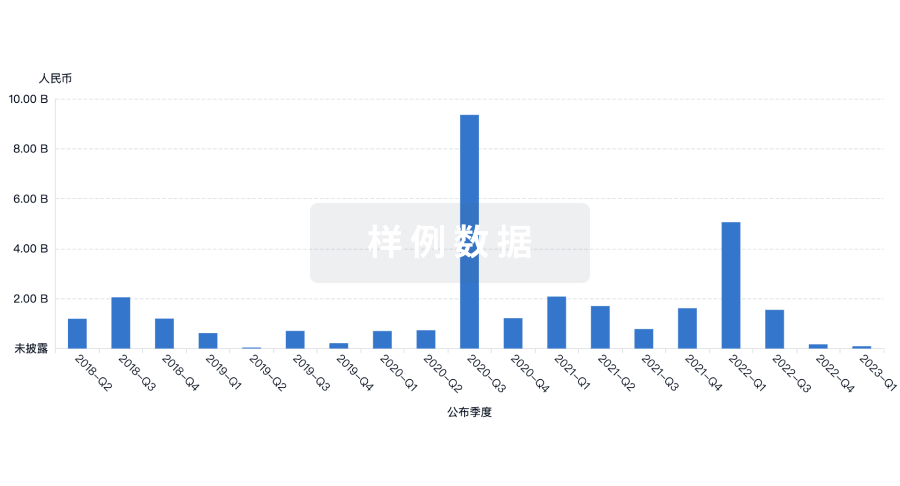
投资
深入了解从初创企业到成熟企业的最新公司投资动态。
登录
或
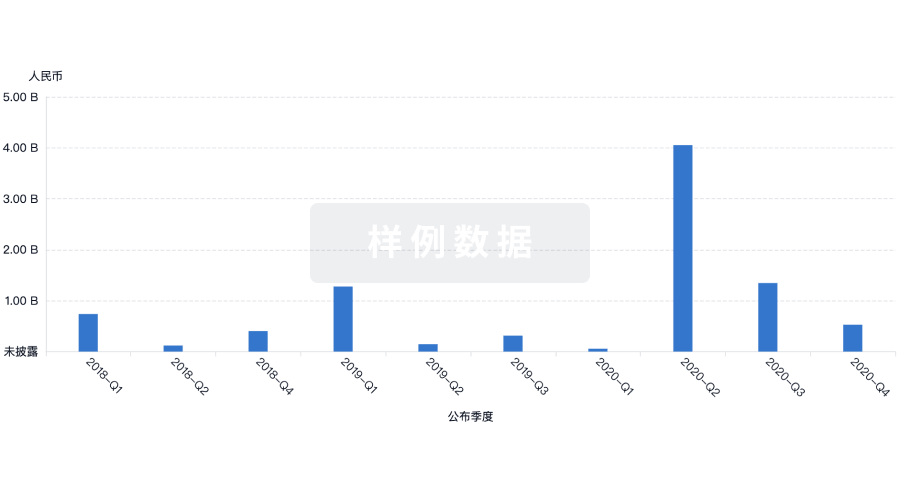
融资
发掘融资趋势以验证和推进您的投资机会。
登录
或
提出任何生物医药研究问题
让每一步生物医药决策都精准制胜
基于十亿级生物数据与全球情报的精准 AI,赋能早期药物发现
立即开始免费试用!
智慧芽新药情报库是智慧芽专为生命科学人士构建的基于AI的创新药情报平台,助您全方位提升您的研发与决策效率。
立即接入生物医药数据包
智慧芽新药库数据也通过智慧芽开放平台,以MCP或API服务形式对外开放。立即使用我们的MCP服务定制您的LLM智能体。
生物序列数据库
生物药研发创新
免费使用
化学结构数据库
小分子化药研发创新
免费使用