预约演示
更新于:2026-05-11

Gordian Biotechnology, Inc.
更新于:2026-05-11
概览
标签
消化系统疾病
腺相关病毒基因治疗
疾病领域得分
一眼洞穿机构专注的疾病领域

暂无数据
技术平台
公司药物应用最多的技术
暂无数据
靶点
公司最常开发的靶点
暂无数据
| 排名前五的药物类型 | 数量 |
|---|---|
| 腺相关病毒基因治疗 | 1 |
| 排名前五的靶点 | 数量 |
|---|---|
| FGF19(成纤维细胞因子19) | 1 |
关联
1
项与 Gordian Biotechnology, Inc. 相关的药物靶点 |
作用机制 FGF19刺激剂 |
在研适应症 |
非在研适应症- |
最高研发阶段临床前 |
首次获批国家/地区- |
首次获批日期- |
100 项与 Gordian Biotechnology, Inc. 相关的临床结果
登录后查看更多信息
0 项与 Gordian Biotechnology, Inc. 相关的专利(医药)
登录后查看更多信息
9
项与 Gordian Biotechnology, Inc. 相关的新闻(医药)2026-05-06
GSK has agreed to pay up to $1.005 billion to partner with China's Siran Biotechnology on an experimental gene-silencing therapy aimed at reducing abdominal fat. The deal announced Wednesday highlights growing industry interest in the role of fat distribution, rather than just weight alone, in tackling chronic diseases. The agreement includes an unspecified upfront fee and grants GSK worldwide rights to SA030 outside China; SiranBio will lead early clinical work, after which the UK drugmaker assumes responsibility for development, regulatory filings and commercialisation. SiranBio stands to receive success-based milestones, along with tiered royalties on global sales. The long-acting siRNA oligonucleotide, which recently entered Phase I testing, is designed to silence activin receptor-like kinase 7 (ALK7), a type 1 receptor of the TGF-β superfamily predominantly expressed in white and brown adipose tissue. By inhibiting ALK7, SiranBio says SA030 may be able to selectively break down visceral adipose while preserving lean mass. That approach, according to the company, could improve insulin sensitivity, lipid profiles and fat-cell-driven inflammation, factors that can drive cardiometabolic risk across diseases affecting the liver, kidney and lungs. Additionally, it said the SA030 programme offers a "complementary and distinct mechanism to GLP-1 agonists and SGLT2 inhibitors," opening the door to future combination strategies aimed at further reducing cardiometabolic risk that isn't fully addressed with current drugs. Kaivan Khavandi, GSK's head of R&D for respiratory, immunology and inflammation, says "complementary approaches are urgently needed" to lower the risk. SA030 also "builds on our emerging pipeline targeting inflammation, fibrosis and vascular drivers of disease, and may help improve outcomes for patients," Khavandi added. The Phase I study is enrolling about 40 overweight or obese participants and is expected to wrap up early next year, according to ClinicalTrials.gov. Wednesday's deal puts GSK among a growing group of drugmakers exploring fat biology as a therapeutic target. In January, Arrowhead Pharmaceuticals reported early data from siRNA programmes targeting the Activin E/ALK7 pathway, including reductions in visceral fat. Separately, Pfizer entered a research collaboration with Gordian Bio earlier this year aimed at identifying new targets directly within visceral adipose tissue.
临床1期寡核苷酸临床结果
2026-01-09
·时光派
无论你是想了解最新抗衰黑科技,还是想知道日常抗衰小技巧;不管你是被抗衰理论搞得一头雾水,还是在找适合自己的抗衰方案......只需点击下方卡片→【发消息】→输入你的抗衰疑问,就能开启智能抗衰之旅。
今日衰老科学研究
No.1
Nature Communications
[IF:15.7]
https://doi.org/10.1038/s41467-025-67798-y
芬兰分子医学研究所的Mikaela Hukkanen, Miina Ollikainen等人基于芬兰双胞胎队列约1.48万名女性的数据,系统分析了女性一生的生育轨迹(包括是否生育、子女数量及生育时间)与衰老和寿命之间的关系。结果发现,不同生育模式对应着显著差异的表观遗传衰老速度和死亡风险:未生育女性以及高生育数量女性均表现出更快的表观遗传年龄加速和更高的死亡风险。研究支持生命历史理论中“资源在生殖与身体维护之间权衡”假说,即过低或过高的生育投入都可能与加速衰老和寿命缩短相关。
No.2
Cell Death & Disease
[IF:9.6]
https://doi.org/10.1038/s41419-025-08233-4
美国罗切斯特大学的Christina M. Kaszuba, Jeevisha Bajaj等人发现牛磺酸转运蛋白SLC6A6是维持骨髓间充质基质干细胞稳态的关键因子。SLC6A6缺失会导致间充质基质干细胞数量和功能下降,伴随氧化应激升高、能量代谢和Wnt/β-catenin信号受损,细胞衰老与死亡增加,从而削弱成骨能力及对造血微环境的支持。研究提示,维持牛磺酸摄取对骨骼稳态至关重要。
No.3
Nature Communications
[IF:15.7]
https://doi.org/10.1038/s41467-025-68130-4
葡萄牙科英布拉大学的Célia Aveleira, Ira Milosevic等人揭示了动力蛋白在维持核膜稳态和基因组稳定性中的关键作用。研究指出,缺乏动力蛋白的细胞会出现核膜形态异常,受损DNA在这些区域积聚,并伴随自噬清除受损受阻、DNA修复蛋白水平下降及微管结构紊乱,而干预微管动力学可部分逆转这些缺陷,表明动力蛋白在保障基因组稳定性及抵御衰老相关核损伤中发挥了重要作用。
No.4
Cell Stem Cell
[IF:20.8]
https://www.cell.com/cell-stem-cell/abstract/S1934-5909(25)00445-X
美国Altos Labs圣地亚哥实验室的Monika Haoui,Pradeep Reddy,Juan Carlos Izpisua Belmonte综述了当前抗衰老干预策略,重点强调部分重编程在不改变细胞身份的情况下逆转细胞衰老表型、恢复年轻化表观遗传和转录状态的潜力。作者进一步提出,将部分重编程与体外机械灌注器官维护与再生技术相结合,可在移植前直接对质量欠佳的供体器官进行功能修复和年轻化处理,从而提升器官质量、扩大可用供体范围并改善移植结局,推动再生医学和抗衰老治疗的发展。
No.5
Science
[IF:45.8]
https://www.science.org/doi/10.1126/science.adt3130
深圳华大基因研究院的殷建华,刘传宇等人构建了中国免疫多组学图谱,基于428名健康中国成年人对逾千万个免疫细胞进行单细胞转录组与染色质可及性联合分析,定义了73种转录组不同的免疫细胞类型,系统分析了与性别和衰老相关的分子变异,还鉴定了细胞类型特异性和年龄相关的基因调控网络,揭示了免疫细胞中的关键转录因子。通过将这些变异与炎症相关蛋白和疾病GWAS信号整合,论文阐明了遗传因素如何在特定免疫细胞中驱动炎症性疾病风险,为理解免疫衰老及其在慢性疾病中的作用提供了参考框架。
No.6
PNAS
[IF:9.1]
https://doi.org/10.1073/pnas.2423340122
美国斯坦福大学的Abhijnya Kanugovi,Thomas A. Rando等人发现,衰老会导致肌肉驻留巨噬细胞中补体成分C1q上调,并激活纤维脂肪祖细胞(FAPs)内的补体–Wnt信号通路,驱动FAPs向成纤维细胞异常分化,促进胶原沉积和纤维化形成。通过药物抑制补体通路或在FAPs中遗传性阻断C1信号,可显著减轻老年及肌营养不良小鼠损伤后的肌肉纤维化。该研究揭示了补体系统在肌肉衰老中的非经典作用,并提出靶向FAP–C1q轴作为改善老年肌肉再生和功能的潜在治疗策略。
全球长寿科技行业资讯
No.1
Longevity.Technology
https://longevity.technology/news/gordian-bio-inks-obesity-research-collab-with-pfizer/
长寿生物技术公司Gordian Bio宣布与制药巨头辉瑞达成一项新的研究合作:利用其“体内嵌合体”平台,对活体脂肪组织同时进行数百个基因扰动筛选,寻找影响脂肪细胞炎症、胰岛素信号的新靶点,不再局限于第一代GLP-1疗法。就Gordian自身的内部研发管线而言,公司的一种候选基因疗法已成功通过FDA INTERACT审批,现在正进入临床开发阶段。
No.2
Longevity.Technology
https://longevity.technology/news/thymus-regeneration-startup-emerges-to-restore-immune-function/
瑞士生物科技公司TECregen宣布完成约1260万美元种子轮融资,致力于开发可再生胸腺的疗法来恢复衰老相关的免疫功能。TECregen的核心策略是研发 “thymopoietics” 生物药物,以再生胸腺上皮细胞并重建胸腺微环境,从而重启新生T细胞的产生,提高免疫系统的弹性与多样性,应对免疫衰老、感染恢复、癌症相关免疫抑制等问题。公司计划先针对免疫缺陷人群开展临床,再拓展至免疫衰老与长期免疫健康。
No.3
Longevity.Technology
https://longevity.technology/news/lysoways-brain-drug-moves-toward-phase-i-human-trials/
生物科技公司Lysoway Therapeutics的神经退行性疾病药物LW‑1017即将进入一期人体试验,计划于2026年5月在澳大利亚进行首次人体给药。Lysoway通过靶向溶酶体功能,在神经科学和衰老生物学的交叉领域开展研究。LW‑1017通过激活溶酶体钙通道增强自噬功能,清除神经细胞有害蛋白、减轻炎症;如果实验成功,LW-1017的作用可能不仅限于治疗特定疾病,它还可能通过恢复大脑的自我修复能力来帮助维护认知健康。
No.4
PRNewswire
https://www.prnewswire.com/news-releases/immorta-bio-doubles-mouse-lifespan-using-combination-senolytic-and-regenerative-therapy-in-validated-aging-models-302656482.html
长寿科技公司Immorta Bio宣布,其首创的衰老细胞清除免疫疗法SenoVax™与其突破性StemCellRevivify™平台的个性化间充质干细胞的联合疗法,在经过验证的小鼠衰老模型中,使寿命延长了一倍,并显著延长了健康寿命;此外SASP炎症因子显著下降,再生指标Klotho、GDF-11等大幅上调,肝功能与运动能力同步改善。公司将于1月12日JPM大会上展示具体数据,并同步推进FDA IND审查。
No.5
Businesswire
https://www.businesswire.com/news/home/20260108391184/en/One-Genomics-and-CiRA-Foundation-Announce-Strategic-Research-Collaboration-to-Advance-Precision-Genome-Engineering
基因组学公司One Genomics宣布与京都大学CiRA基金会达成合作,共同推进高精度基因组工程技术的开发:利用One Genomics的高精度CRISPR平台,在CiRA的人类诱导多能干细胞中优化基因组工程技术,目标提升编辑的精确性与可控性,克服传统基因组编辑在脱靶效应与调控能力上的限制,为未来更安全、更精细的基因编辑工具铺平道路。
对话时光派抗衰AI,
先人一步了解长寿科技
—— TIMEPIE ——
2026-01-08
Gordian Bio will conduct a large-scale screen of hundreds of gene targets directly within visceral adipose tissue. Unlike traditional ex vivo (patient sample) or single-target approaches, Gordian claims its platform can enable in vivo transcriptional readouts for hundreds of targets simultaneously.
The company's technology combines pooled AAV libraries, tissue-specific promoters, large-scale genetic perturbation, and single-cell sequencing to map biological effects on a large scale. By conducting screens directly in epididymal and retroperitoneal white adipose tissue – regions that cannot be effectively modeled ex vivo or in vitro but that are essential for obesity research – Gordian said it offers partners detailed insights into disease-relevant cell states, multi-cellular interactions, and physiological mechanisms.
“Pfizer and Gordian Bio connected at various obesity-focused conferences around a shared interest in advancing more predictive approaches to target discovery for complex, systemic diseases like obesity,” Francisco LePort, Gordian's CEO & co-founder, told BioXconomy.
Related:Pfizer pulls out of GLP-1 race after safety concerns
“As Gordian’s work in large-scale in vivo functional genomics gained visibility, particularly its ability to interrogate hundreds of targets directly in disease-relevant tissues, discussions began around how this platform could address long-standing discovery bottlenecks in metabolic disease.”
LePort described how their conversations “quickly focused on visceral adipose tissue, which plays a central role in obesity and metabolic dysfunction but is difficult to model ex vivo.” From there, the collaboration “naturally formed around applying Gordian’s in vivo mosaic screening platform to prioritize novel obesity targets directly within living adipose tissue.”
Platform-first partnerships
He told us that Gordian takes a selective, platform-driven approach to partnerships. This involves working with partners who are aligned around using in vivo biology “to move from correlative signals to causal, decision-ready target validation.”
LePort said the firm’s overall goal is “to apply our platform where traditional discovery tools fall short – particularly in complex, multi-tissue diseases.” The Gordian-Pfizer collaboration “reflects that strategy,” he said.
Financial details of the collaboration have not been disclosed.
Apr 5, 2027 TO Apr 7, 2027
Lyon, France
Europe's Largest Springtime Biotech Partnering Event
100 项与 Gordian Biotechnology, Inc. 相关的药物交易
登录后查看更多信息
100 项与 Gordian Biotechnology, Inc. 相关的转化医学
登录后查看更多信息
组织架构
使用我们的机构树数据加速您的研究。
登录
或
管线布局
2026年10月10日管线快照
管线布局中药物为当前组织机构及其子机构作为药物机构进行统计,早期临床1期并入临床1期,临床1/2期并入临床2期,临床2/3期并入临床3期
临床前
1
登录后查看更多信息
当前项目
| 药物(靶点) | 适应症 | 全球最高研发状态 |
|---|---|---|
AAV8-FGF19 Variant M70 (Gordian Biotechnology) ( FGF19 ) | 代谢功能障碍相关脂肪性肝炎 更多 | 临床前 |
登录后查看更多信息
药物交易
使用我们的药物交易数据加速您的研究。
登录
或
转化医学
使用我们的转化医学数据加速您的研究。
登录
或
营收
使用 Synapse 探索超过 36 万个组织的财务状况。
登录
或
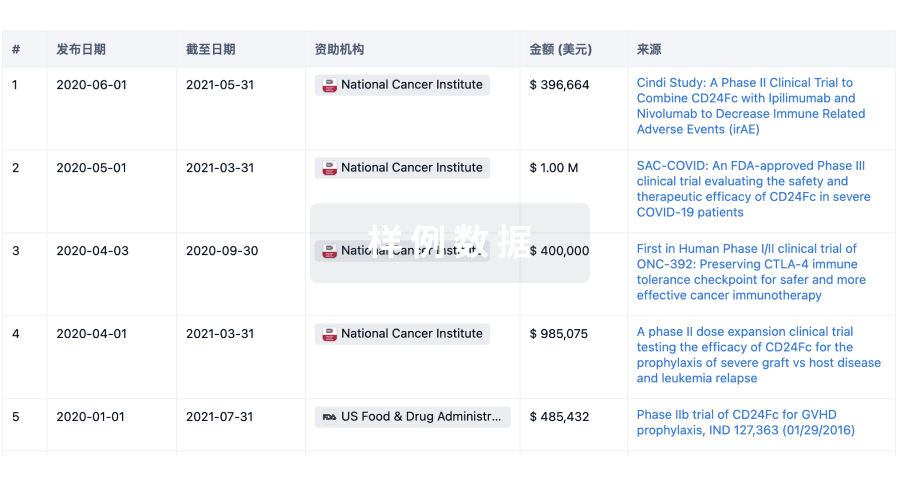
科研基金(NIH)
访问超过 200 万项资助和基金信息,以提升您的研究之旅。
登录
或
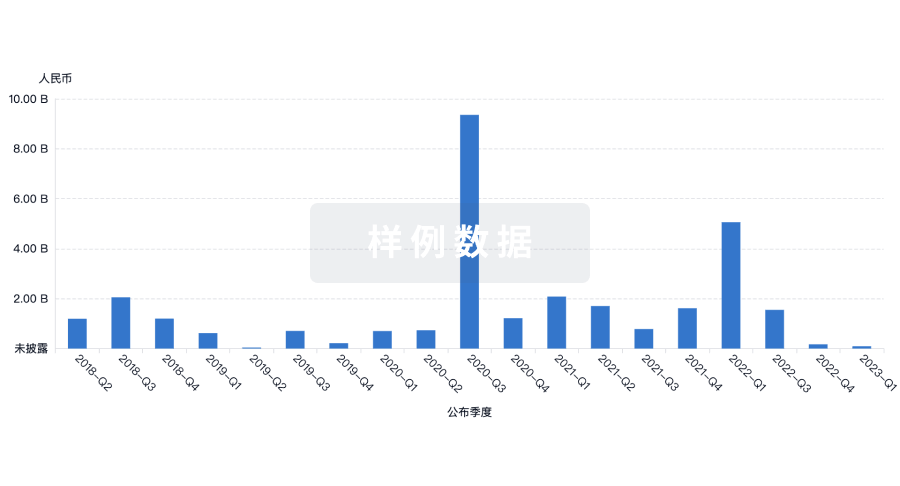
投资
深入了解从初创企业到成熟企业的最新公司投资动态。
登录
或
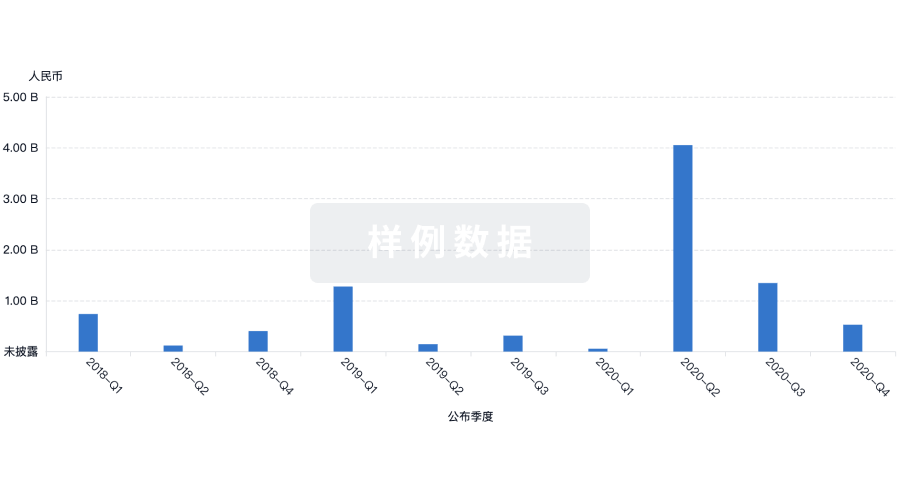
融资
发掘融资趋势以验证和推进您的投资机会。
登录
或
提出任何生物医药研究问题
让每一步生物医药决策都精准制胜
基于十亿级生物数据与全球情报的精准 AI,赋能早期药物发现
立即开始免费试用!
智慧芽新药情报库是智慧芽专为生命科学人士构建的基于AI的创新药情报平台,助您全方位提升您的研发与决策效率。
立即接入生物医药数据包
智慧芽新药库数据也通过智慧芽开放平台,以MCP或API服务形式对外开放。立即使用我们的MCP服务定制您的LLM智能体。
生物序列数据库
生物药研发创新
免费使用
化学结构数据库
小分子化药研发创新
免费使用