预约演示
更新于:2026-01-31

University of Pecs
更新于:2026-01-31
概览
标签
其他疾病
神经系统疾病
感染
小分子化药
多肽药物
疾病领域得分
一眼洞穿机构专注的疾病领域

技术平台
公司药物应用最多的技术
靶点
公司最常开发的靶点
关联
靶点 |
作用机制 |
在研机构 |
原研机构 |
在研适应症 |
非在研适应症 |
最高研发阶段 |
首次获批国家/地区 |
首次获批日期 |

靶点 |
作用机制 |
在研机构 |
原研机构 |
在研适应症 |
非在研适应症 |
最高研发阶段 |
首次获批国家/地区 |
首次获批日期 |
靶点 |
作用机制 |
在研机构 |
原研机构 |
在研适应症 |
非在研适应症 |
最高研发阶段 |
首次获批国家/地区 |
首次获批日期 |
NCT03278730
Phase 2 Single Center, Randomized, Placebo-controlled, Double-blind, Parallel Group Study to Evaluate Efficacy of Para-Tyrosine Supplementation on the Survival and Clinical Outcome in Patients With Sepsis
NCT05060731
Intravenous Ferric Carboxymaltose Versus Oral Ferrous Sulfate Replacement in Anaemia Due to Acute Nonvariceal Gastrointestinal Bleeding (FIERCE): Protocol of a Multicentre Randomised Controlled Trial
NCT07101510
Effectiveness of Video-assisted Cardiopulmonary Resuscitation Under Special Circumstances: a Randomized Controlled Simulation Study
100 项与 University of Pecs 相关的临床结果
登录后查看更多信息
登录后查看更多信息
2026-03-01ENVIRONMENTAL RESEARCH
Effect of long-term air pollution reduction on insulin resistance and fasting glucose in children: A causal analysis
Article
作者: Buck, Christoph ; Moreno, Luis ; Pala, Valeria ; Nagrani, Rajini ; Dello Russo, Marika ; Molnár, Dénes ; Wolters, Maike ; Didelez, Vanessa ; De Henauw, Stefaan ; Lissner, Lauren ; Börnhorst, Claudia ; Ahrens, Wolfgang ; Vienneau, Danielle ; deHoogh, Kees
Observational studies have suggested that air pollution is associated with impaired glucose metabolism; yet randomized controlled trials to confirm the causality of this association are ethically and practically unfeasible. We emulated a hypothetical trial to evaluate the effects of sustained reductions in ambient air pollutants on homeostasis model assessment for insulin resistance (HOMA-IR) and fasting glucose (FG) in children and adolescents. Combining target trial emulation with g-computation, we estimated the effects of sustained hypothetical reductions of air pollutants on HOMA-IR and FG compared to no intervention (natural course). Our sample comprised 1417 children aged 2-9 years at baseline (2007/2008) participating in the pan-European IDEFICS/I.Family cohort. Ambient annual average levels of particulate matter<2.5 μm (PM2.5), black carbon (BC), and NO2 were estimated at residential addresses using land use regression models. We found a clear dose-response relationship between sustained reductions in PM2.5 and BC and decreasing levels of HOMA-IR and FG. Hypothetically reducing PM2.5 to WHO's recommended annual level of 5 μg/m3, the mean HOMA-IR z-score declined by -0.95 (95 % CI: -1.65; -0.44). Similarly, lowering BC to 0.8 × 10⁻⁵/m reduced HOMA-IR by -0.36 (95 % CI: -0.61; -0.12) and FG by -0.28 (95 % CI: -0.50; -0.04). We found no clear evidence of NO2 reductions on HOMA-IR and FG. Even at relatively low pollution levels in our cohort, further reductions in PM2.5 and BC can improve HOMA-IR and FG levels in children and adolescents. Our findings provide evidence for the development of BC recommendations for air quality guidelines.
2026-02-01JOURNAL OF ETHNOPHARMACOLOGY
Polygalae Radix extracts show anti-Parkinson's disease effects and reduce depression-like symptoms by modulating energy metabolism
Article
作者: Shi, Ruidie ; Ji, Xiuna ; Jin, Meng ; Kang, Huijun ; Jiao, Shouqing ; Stoika, Rostyslav ; Liu, Yanao ; Liu, Siyu ; Sik, Attila ; Yan, Jinfeng
ETHNOPHARMACOLOGICAL RELEVANCE:
Lately, herbs have evolved into promising therapeutic modalities for preventing and treating Parkinson's disease (PD). Polygalae Radix, a well-known traditional Chinese medicine (TCM), has long been utilized in TCM practice for its effects of opening orifices, dislodging phlegm, detoxifying, reducing swelling and calm the heart and mind. PD is a highly prevalent neurodegenerative disorder, with depression being one of its cardinal clinical manifestations. Roughly 40-50 % of people with PD may experience depression. However, drugs that can alleviate depressive symptoms in PD patients may exacerbate motor symptoms of PD. Therefore, therapeutic agents with low toxicity that are capable of ameliorating PD and its comorbid depressive symptoms represent a current research priority.
AIM OF THE STUDY:
Our study investigates the relieving effects and underlying mechanisms of Polygalae Radix extracts (PRE) on PD and its associated depressive symptoms.
MATERIAL AND METHODS:
1-methyl-4-phenyl-1-1,2,3,6-tetrahydropyridine (MPTP) was used to induce PD and its depressive symptoms in zebrafish. Alterations in dopamine (DA) neurons and cerebral vessels were visualized using transgenic zebrafish. The concentrations of DA were quantified by Enzyme-Linked Immunosorbent Assay (ELISA). Thigmotaxis tests and light-dark preference tests were utilized to investigate the depressive symptoms in PD zebrafish model. Glucose levels were measured to reflect the effect of PRE on glycolysis. In addition, multi-omics were used to reveal the underlying mechanism.
RESULTS:
PRE reduced Parkinsonian symptoms, including DA neurons and cerebral vasculature deficits, movement disorders, decreased responsiveness, and aberrant expression of PD-associated genes in zebrafish larvae. PRE also restored DA levels and abnormal expression of dat and autophagy-related genes in adult zebrafish PD models. Furthermore, it also alleviated depressive symptoms in this model. It improved the exploratory abilities of both larval and adult zebrafish in thigmotaxis behavior analyses and the light/dark preference tests, along with reversed the abnormal expression of genes related to depression. Transcriptomics and real-time qPCR revealed that PRE reduced glycolysis/gluconeogenesis and Tricarboxylic Acid (TCA) cycle disorders, which was further verified by metabolomics.
CONCLUSION:
PRE alleviated PD and depression-like symptoms, possibly by down-regulating pck1 expression, inducing normalization of glucose levels, thereby modulating glycolysis and TCA cycle related to energy metabolism.
2026-02-01INTERNATIONAL JOURNAL OF ORAL AND MAXILLOFACIAL SURGERY
Safety and efficacy of maxillomandibular fixation techniques: a network meta-analysis
Review
作者: Varga, G ; Wenning, A S ; Németh, Z ; Papócsi, P ; Kerémi, B ; Gede, N ; Hegyi, P ; Pál, A ; Kelemen, K
Jaw fractures are prevalent facial injuries. Choosing the optimal intermaxillary/maxillomandibular fixation(IMF/MMF) technique is crucial for a successful conservative and surgical treatment, to achieve perfect occlusion.This network meta-analysis aimed to identify the most time-efficient and safe technique for IMF by comparing currently used techniques. A systematic search was performed in four databases, where 20,249 studies were identified; after the selection process 29 were included in the synthesis. Application time of IMF screws(IMFS)(MD -47,95% CI -62 to-33) and Hybrid Maxillomandibular Fixation(HMMF)(MD -33, 95% CI -48 to -19), and removal of IMFS (MD -16, 95% CI -23 to -8) were significantly shorter than Erich Arch Bar(EAB). EAB causes significantly fewer iatrogenic injuries than IMFS(OR: 0.30, 95% CI 0.09-0.93) or HMMF(OR 0.20, 95% CI 0.05-0.76). Both IMFS and HMMF were associated with a significantly lower risk of glove perforation and needlestick injury than EAB: OR 0.05(95% CI 0.02-0.12) and 0.08 (95% CI 0.03-0.23), respectively. In conclusion, IMF screws and HMMF are more effective than EAB in terms of application and removal time, oral hygiene, and patient acceptance. They also offer greater safety in terms of gloves and needlestick injuries, although there is a higher risk of iatrogenic injuries and hardware loosening.
100 项与 University of Pecs 相关的药物交易
登录后查看更多信息
100 项与 University of Pecs 相关的转化医学
登录后查看更多信息
组织架构
使用我们的机构树数据加速您的研究。
登录
或
管线布局
2026年10月26日管线快照
管线布局中药物为当前组织机构及其子机构作为药物机构进行统计,早期临床1期并入临床1期,临床1/2期并入临床2期,临床2/3期并入临床3期
临床前
3
3
其他
登录后查看更多信息
当前项目
登录后查看更多信息
药物交易
使用我们的药物交易数据加速您的研究。
登录
或
转化医学
使用我们的转化医学数据加速您的研究。
登录
或
营收
使用 Synapse 探索超过 36 万个组织的财务状况。
登录
或
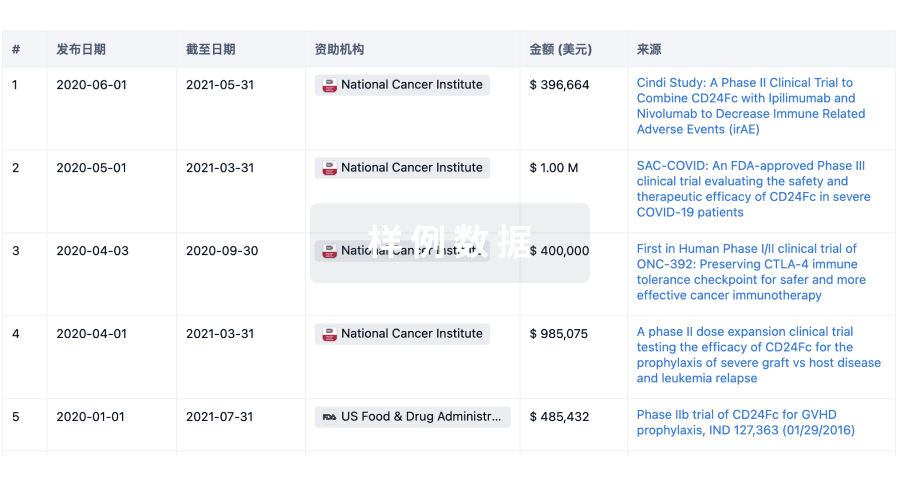
科研基金(NIH)
访问超过 200 万项资助和基金信息,以提升您的研究之旅。
登录
或
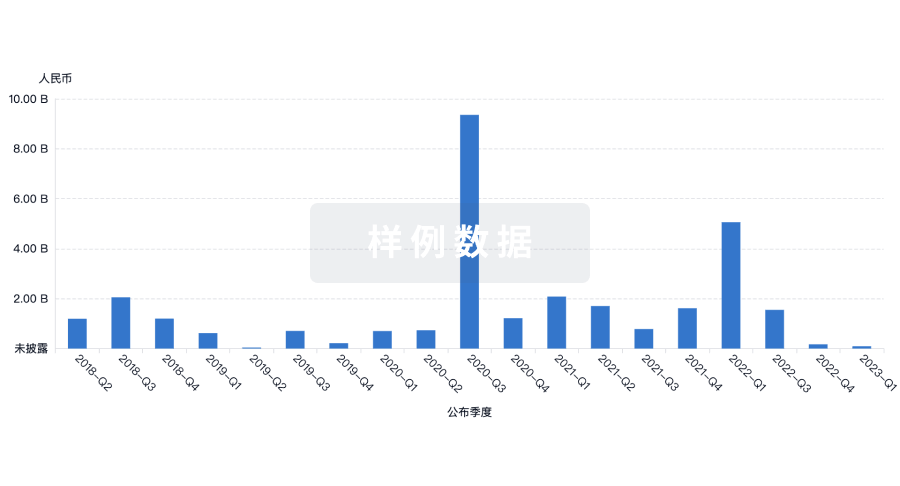
投资
深入了解从初创企业到成熟企业的最新公司投资动态。
登录
或
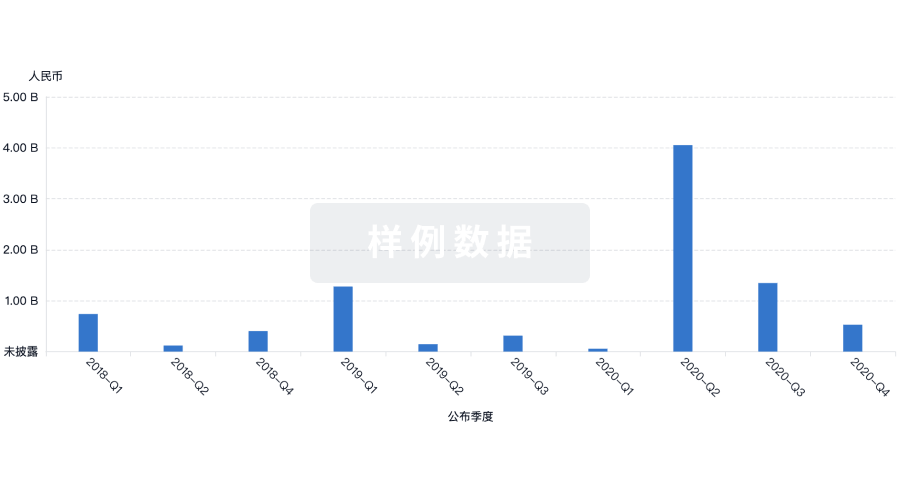
融资
发掘融资趋势以验证和推进您的投资机会。
登录
或
提出任何生物医药研究问题
让每一步生物医药决策都精准制胜
基于十亿级生物数据与全球情报的精准 AI,赋能早期药物发现
立即开始免费试用!
智慧芽新药情报库是智慧芽专为生命科学人士构建的基于AI的创新药情报平台,助您全方位提升您的研发与决策效率。
立即接入生物医药数据包
智慧芽新药库数据也通过智慧芽开放平台,以MCP或API服务形式对外开放。立即使用我们的MCP服务定制您的LLM智能体。
生物序列数据库
生物药研发创新
免费使用
化学结构数据库
小分子化药研发创新
免费使用