预约演示
更新于:2026-03-08

Glasgow Caledonian University
更新于:2026-03-08
概览
关联
NCT06865950
Sex Differences in Prehospital Acute Management of Suspected Stroke Patients

NCT06871878
PeRsonAlised Community Based TelerehabIlitation Post StrokE to Increase Rehabilitation Time and Improve Motor Recovery: a Feasibility Study
ISRCTN10890272
Randomised controlled trial of the clinical and cost effectiveness of supervised pelvic floor muscle training plus vaginal pessary compared to supervised pelvic floor muscle training alone for management of pelvic organ prolapse
100 项与 Glasgow Caledonian University 相关的临床结果
登录后查看更多信息
登录后查看更多信息
2026-03-01JOURNAL OF HEALTH PSYCHOLOGY
Psychosocial burden of diabetes in Africa: A systematic review and meta-analysis
Review
作者: Ekpor, Emmanuel ; Boakye, Michelle Danny Stampley ; Duodu, Precious Adade ; Akyirem, Samuel ; Addo-Mensah, Dorothy ; Bossman, Irene Fosuhemaa ; Dare, Shadrach ; Omololu, Shammah Oluwabori ; Osei, Eric Peprah ; Suglo, Joseph Ngmenesegre
This review and meta-analysis aimed to summarize the extent of the psychosocial burden among persons with diabetes (PWD) in Africa. A total of 83 relevant articles published between 2000 and 2024 which reported on the psychosocial burden of diabetes (depression, anxiety, diabetes distress, or mental quality of life) were identified through electronic searches in Medline, PsycINFO, PubMed, CINAHL, and African Journals Online. The pooled prevalence of depressive symptoms, anxiety symptoms, moderate-to-high diabetes distress, and low mental quality of life were 43.3% (95% CI: 37.7–49.1,
n
= 34 studies), 38.8% (95% CI: 27.4–51.5,
n
= 12 studies), 48.8% (95% CI: 34.2–63.6,
n
= 8 studies), and 43.9% (95% CI: 35.6–52.6,
n
= 8 studies) respectively. These findings emphasize the substantial psychosocial burden faced by PWD in Africa and the need for integrating mental health into diabetes care in the region.
2026-03-01Applied Health Economics and Health Policy
A Cost–Utility Analysis of Surgical Site Infection Prevention: Broadening the Scope
Article
作者: Mason, Helen ; Reilly, Jacqui ; Manoukian, Sarkis ; McFarland, Agi
BACKGROUND:
Surgical site infections (SSI) present a significant burden in terms of excess length of stay, distress, disability and death. SSI risk and the associated economic burden may be reduced through programmes of infection prevention and control (IPC) although evidence of their cost-effectiveness is limited. Patient-level data from the Evaluation of Cost of Nosocomial Infection (ECONI) study provided opportunity for analysis.
AIM:
The aim of this study is to explore the cost-effectiveness of enhanced SSI prevention in terms of costs and quality of life for adult surgical patients in the UK National Health Service (NHS).
METHODS:
A Monte Carlo microsimulation model was built to evaluate the cost-effectiveness [cost per quality-adjusted life years (QALY)] of SSI prevention in three surgery types (coronary artery bypass graft, hip arthroplasty and caesarean section) by comparing an enhanced programme of SSI IPC to current clinical sequelae over 1 month and 1 year in the NHS. Uncertainty was explored through probabilistic sensitivity analysis, scenario analysis and the use of alternative utility valuation sets.
RESULTS:
In most surgeries and time points, enhanced IPC was associated with lower costs and higher QALY gains than current SSI IPC measures. The results were sensitive to utility valuation methods used. Scenario analyses identified factors relating to SSI rate, IPC programme efficacy and cost resulted in strategy dominance changes over all three surgery types.
CONCLUSIONS:
Enhanced programmes of IPC for SSIs may deliver improved health outcomes at a lower cost; however, this is not consistent across all surgery types and timepoints and is sensitive to various factors.
2026-02-16JOURNAL OF WILDLIFE DISEASES
Pulmonary Verminous Granulomata Caused by Filaroides martis in a Pine Marten (Martes martes) in Central Scotland, UK
Article
作者: Heaver, Joseph P. ; Reid, Liam ; Baker, Paul J. ; Baird, Rebecca
ABSTRACT:
Filaroides martis is a respiratory parasite that can infect and cause verminous granulomata in the lungs of susceptible mustelid hosts. The parasite is common in American mink (Neogale vison) throughout their range and has been reported in several other mustelid species in Europe, Asia, North America, Africa, and New Zealand. Here, we describe F. martis infection and associated verminous granulomata in a juvenile female pine marten (Martes martes) admitted to a wildlife hospital in Scotland, UK. The ecology of F. martis in the UK is poorly understood, but it is possible the parasite was cointroduced with American mink imported to Europe during the early 20th century for use in the fur trade. Further investigation is warranted to better our understanding of the ecology and host effects of F. martis in the UK and further afield.

100 项与 Glasgow Caledonian University 相关的药物交易
登录后查看更多信息
100 项与 Glasgow Caledonian University 相关的转化医学
登录后查看更多信息
组织架构
使用我们的机构树数据加速您的研究。
登录
或
管线布局
2026年10月13日管线快照
无数据报导
登录后保持更新
药物交易
使用我们的药物交易数据加速您的研究。
登录
或
转化医学
使用我们的转化医学数据加速您的研究。
登录
或
营收
使用 Synapse 探索超过 36 万个组织的财务状况。
登录
或
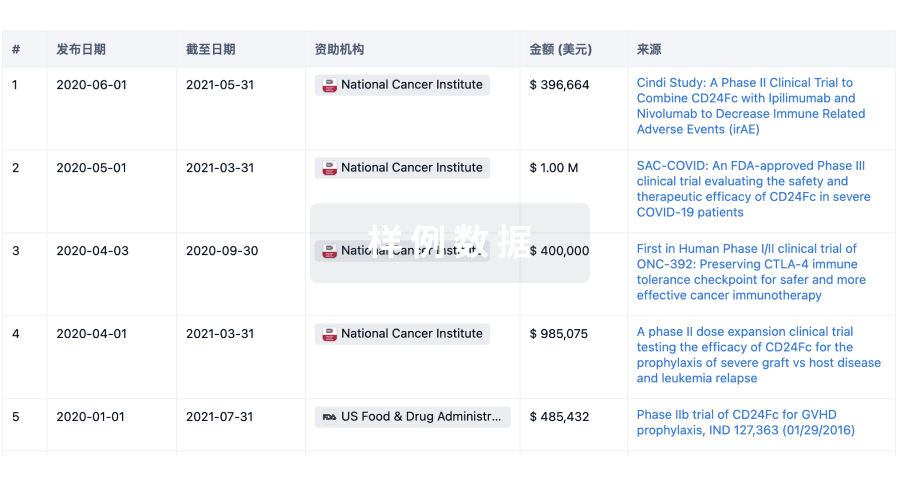
科研基金(NIH)
访问超过 200 万项资助和基金信息,以提升您的研究之旅。
登录
或
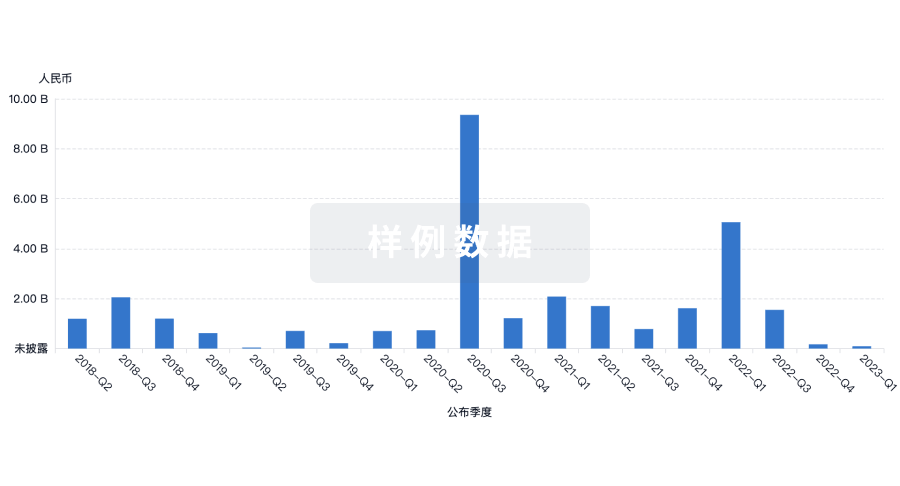
投资
深入了解从初创企业到成熟企业的最新公司投资动态。
登录
或
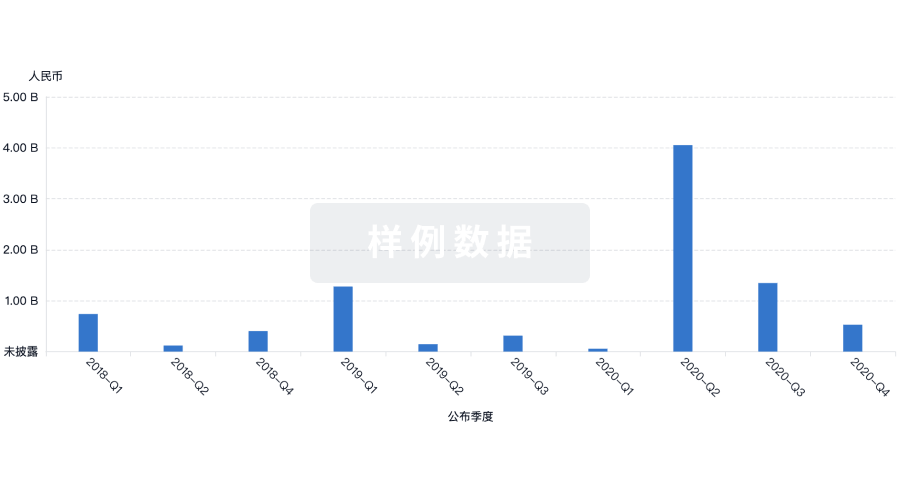
融资
发掘融资趋势以验证和推进您的投资机会。
登录
或
提出任何生物医药研究问题
让每一步生物医药决策都精准制胜
基于十亿级生物数据与全球情报的精准 AI,赋能早期药物发现
立即开始免费试用!
智慧芽新药情报库是智慧芽专为生命科学人士构建的基于AI的创新药情报平台,助您全方位提升您的研发与决策效率。
立即接入生物医药数据包
智慧芽新药库数据也通过智慧芽开放平台,以MCP或API服务形式对外开放。立即使用我们的MCP服务定制您的LLM智能体。
生物序列数据库
生物药研发创新
免费使用
化学结构数据库
小分子化药研发创新
免费使用