预约演示
更新于:2026-06-02

University of Oxford
更新于:2026-06-02
概览
标签
肿瘤
神经系统疾病
感染
小分子化药
预防性疫苗
治疗性疫苗
疾病领域得分
一眼洞穿机构专注的疾病领域

技术平台
公司药物应用最多的技术
靶点
公司最常开发的靶点
关联
靶点 |
作用机制 |
在研机构 |
原研机构 |
在研适应症 |
非在研适应症 |
最高研发阶段 |
首次获批国家/地区 |
首次获批日期 |

靶点 |
作用机制 |
在研机构 |
原研机构 |
在研适应症 |
非在研适应症 |
最高研发阶段 |
首次获批国家/地区 |
首次获批日期 |


靶点 |
作用机制 |
在研机构 |
原研机构 |
在研适应症 |
非在研适应症 |
最高研发阶段 |
首次获批国家/地区 |
首次获批日期 |

NCT05380388
A Phase II Clinical Study to Assess the Safety, Immunogenicity, and Efficacy of Blood-stage Plasmodium Vivax Malaria Vaccine Candidate PvRII/Matrix-M in Healthy Thai Adults Living in Thailand
NCT03895567
A Randomised Crossover Study of the Pharmacokinetics, Safety and Tolerability of Two Rectal Formulations of Ceftriaxone Compared to Parenteral Ceftriaxone, in Healthy Thai Adults.
NCT07543458
A Randomised Platform Trial to Evaluate Therapeutics in Patients With Moderate or Severe Dengue (DEN-HOST)
100 项与 University of Oxford 相关的临床结果
登录后查看更多信息
登录后查看更多信息
2026-12-31Expert Review of Vaccines
Interrupted time-series analysis of nationwide surveillance in Thai adult pneumococcal diseases over 14 years: evidence to inform policy in resource-limited countries
Article
作者: Kajeekul, Rattagan ; Turner, Paul ; Wongkamhla, Thanyarak ; Laohasakprasit, Kanokwan ; Charoenpong, Lantharita ; Chavapradit, Natthakit ; Srisompong, Jintana ; Dhitinanmuang, Wutthiseth ; Rattanaumpawan, Pinyo ; Ngamprasertchai, Thundon ; Lawpoolsri, Saranath ; Ruenroengbun, Narisa ; Kerdsin, Anusak
BACKGROUND:
This study aimed to update the incidence and mortality of pneumococcal diseases and to evaluate the population-level trends in pneumococcal diseases incidence in Thailand, following PCV13 licensure and during the COVID-19 pandemic, in order to generate evidence supporting its inclusion in the National Immunization Program (NIP).
RESEARCH DESIGN AND METHODS:
We conducted a quasi-experimental interrupted time-series analysis using sentinel hospital surveillance data from adults aged ≥ 18 years hospitalized with pneumococcal disease in Thailand between 2010 and 2024. Surveillance comprised retrospective passive data collection (2010-July 2023) and prospective active surveillance (August 2023-July 2024), applying consistent case definitions and outcome ascertainment methods throughout. Four epidemiologic periods were predefined based on PCV13 licensure and key phases of the COVID-19 pandemic.
RESULTS:
Among 2069 hospitalized adults, 61.0% were aged ≥ 65 years. Non-invasive pneumococcal pneumonia (NIPP) accounted for 72.8% of cases, while invasive pneumococcal disease (IPD) comprised 27.2%, with a rising trend over time. The overall in-hospital fatality rate was 23.4%, significantly higher in IPD (31.7%) than in NIPP (20.4%, p < 0.001). The incidence of both IPD and NIPP nearly tripled over the study period. IPD increased from 1.43 to 4.05 per 100,000 population, while NIPP rose from 3.23 to 10.92 per 100,000 population, with a marked increase observed during the recent COVID-19 pandemic period. An increasing trend in macrolide resistance was observed in IPD and NIPP, particularly during the COVID-19 pandemic. Serotype analysis showed that PCV13 covered 79% of all isolates, PCV15 covered up to 79-81%, and PCV20 offered the broadest coverage (up to 95%), particularly for IPD.
CONCLUSIONS:
The burden of pneumococcal diseases in Thailand remains substantial, especially during the recent COVID-19 pandemic. The majority of disease-causing serotypes remained vaccine-type strains. Given that PCV13 or PCV15 inclusion in the Thai adult NIP should be prioritized to reduce the disease burden and antimicrobial-resistant pneumococcal infections.
CLINICAL TRIAL REGISTRATION:
This study was registered with the Thai Clinical Trial Registry (TCTR20230816007).
2026-12-31mAbs
Systematic review and data-driven insights into CHO cell engineering for next-generation antibody production
Review
作者: Otte, Kerstin ; Schulz, Alexandra ; Munro, Trent ; Tolstrup, Anne B. ; Puklowski, Anja ; Slack, Emma
Chinese hamster ovary (CHO) cells remain the dominant platform for therapeutic antibody and biopharmaceutical production, yet productivity bottlenecks persist, particularly for complex molecules. To identify overarching trends in host cell optimization, a systematic review and quantitative cross-study analysis of 164 publications (2011-2024) reporting CHO cell engineering strategies with effects on titer or specific productivity was conducted. Data from 466 engineered targets were extracted and analyzed by strategy, pathway, and production context. The field - driven largely by antibody production - has evolved from simple overexpression toward CRISPR-mediated knockouts, while combinatorial approaches, and engineering of nuclear, epigenetic, and apoptotic/proliferative targets achieved the greatest gains. Despite technological advances, reported improvement folds remained stable, highlighting the need for pathway-informed, multi-target engineering. Future progress in predictive modeling of engineering strategies will depend on standardized models and structured datasets. This review provides a data-driven framework for rational CHO design to support next-generation biotherapeutic production.
2026-12-31European Journal of General Practice
Understanding the diagnostic process of endometriosis in primary care: An interview study with general practitioners in Denmark using clinical vignettes
Article
作者: Kirk, Ulrik Bak ; Marschall, Henrik ; Forman, Axel ; Pencheri, Maria ; Seyer-Hansen, Mikkel ; Nielsen, Liv Juul ; Hinton, Lisa ; Dixon, Sharon ; Prior, Anders ; Hansen, Karina Ejgaard
INTRODUCTION:
Endometriosis is a chronic, systemic condition affecting 5-10% of individuals assigned female at birth. Due to its non-specific symptoms, diagnosis is often delayed.
OBJECTIVES:
This study aims to explore diagnostic challenges and decision-making processes that general practitioners (GPs) encounter when managing patients with symptoms suggestive of endometriosis in Denmark.
METHODS:
A qualitative research approach was employed, incorporating the co-production of three fictional clinical vignettes representing diverse endometriosis presentations. Semi-structured interviews were conducted with 27 practicing GPs (7 males and 20 females) from urban and rural areas. Participants had a mean age of 50 years (range 41-66) and clinical experience ranging from newly qualified to 27 years. Interviews involved engagement with the vignettes, and data were analysed using thematic analysis.
RESULTS:
Findings reveal the challenge of the non-specific nature of symptoms, the role of cyclical symptom patterns in diagnosis, the influence of diagnostic hierarchies, patient-centred care approaches, the bio-psycho-social perspective in management, the persistent stigma surrounding gynaecological symptoms, and GPs limited trust in general gynaecologists. GPs were more likely to suspect endometriosis when symptoms followed a cyclical pattern, whereas gastrointestinal presentations were less commonly linked to the condition. While many GPs adopted a patient-centred, shared decision-making approach, some still adhered to mind-body dualism in their clinical reasoning.
CONCLUSION:
Diagnosing endometriosis in primary care is challenging due to non-specific symptoms, diagnostic hierarchies, and stigma. Encouraging GPs to routinely inquire about the cyclical nature of symptoms may serve as a valuable diagnostic tool, particularly in cases involving gastrointestinal complaints.
2026-06-01
100 项与 University of Oxford 相关的药物交易
登录后查看更多信息
100 项与 University of Oxford 相关的转化医学
登录后查看更多信息
组织架构
使用我们的机构树数据加速您的研究。
登录
或
管线布局
2026年10月25日管线快照
管线布局中药物为当前组织机构及其子机构作为药物机构进行统计,早期临床1期并入临床1期,临床1/2期并入临床2期,临床2/3期并入临床3期
药物发现
25
48
临床前
临床1期
2
10
临床2期
临床3期
6
2
批准上市
其他
81
登录后查看更多信息
当前项目
登录后查看更多信息
药物交易
使用我们的药物交易数据加速您的研究。
登录
或
转化医学
使用我们的转化医学数据加速您的研究。
登录
或
营收
使用 Synapse 探索超过 36 万个组织的财务状况。
登录
或
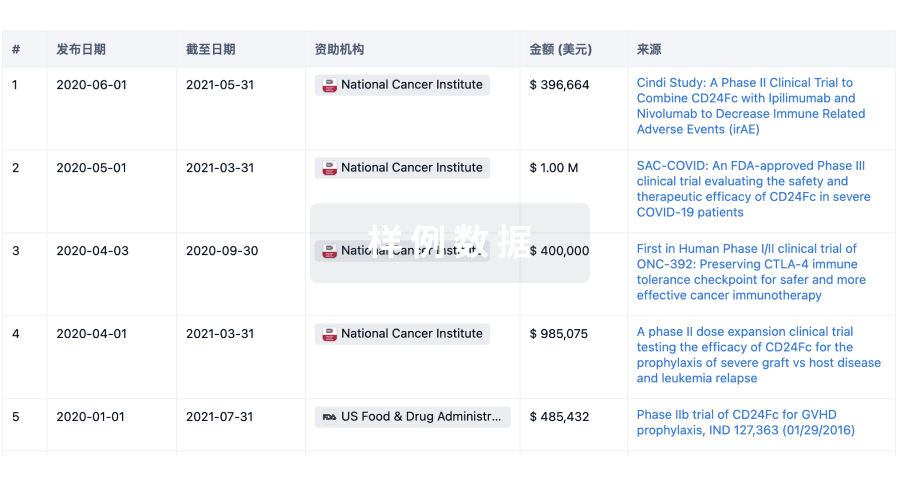
科研基金(NIH)
访问超过 200 万项资助和基金信息,以提升您的研究之旅。
登录
或
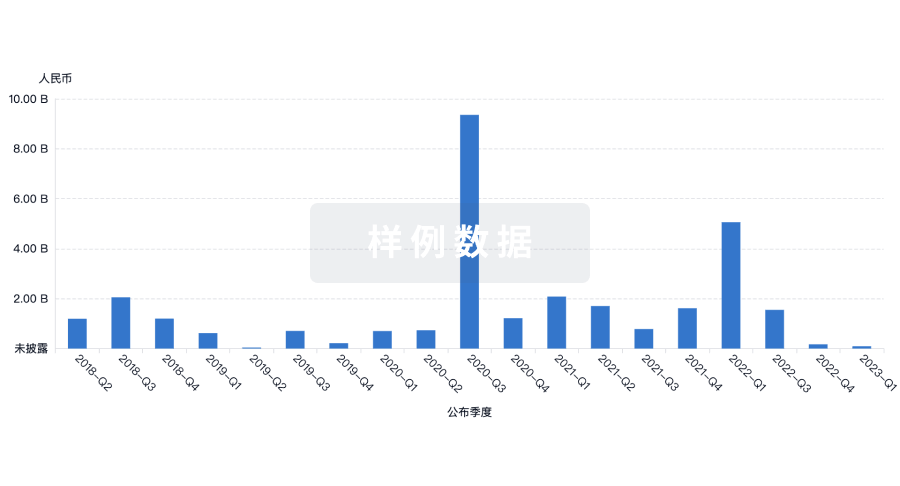
投资
深入了解从初创企业到成熟企业的最新公司投资动态。
登录
或
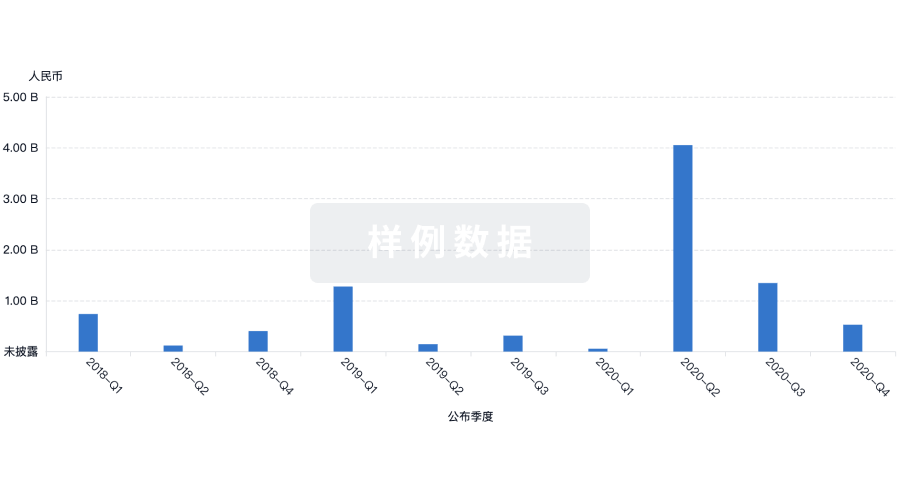
融资
发掘融资趋势以验证和推进您的投资机会。
登录
或
提出任何生物医药研究问题
让每一步生物医药决策都精准制胜
基于十亿级生物数据与全球情报的精准 AI,赋能早期药物发现
立即开始免费试用!
智慧芽新药情报库是智慧芽专为生命科学人士构建的基于AI的创新药情报平台,助您全方位提升您的研发与决策效率。
立即接入生物医药数据包
智慧芽新药库数据也通过智慧芽开放平台,以MCP或API服务形式对外开放。立即使用我们的MCP服务定制您的LLM智能体。
生物序列数据库
生物药研发创新
免费使用
化学结构数据库
小分子化药研发创新
免费使用