预约演示
更新于:2025-05-07

Federal University of Mato Grosso
更新于:2025-05-07
概览
关联
NCT06651099
A Multicenter Trial-based Economic Evaluation of a Mobile Health Intervention for Individuals With Chronic Non-specific Low Back Pain: Randomized Controlled Trial (eBack Trial)

RBR-7gfvn3y
Self-care capacity of informal caregivers of elderly people with Dementia: quasi-experimental study
RBR-8pn8fw
Functional Training for fallers older adults: randomized clinical trial
100 项与 Federal University of Mato Grosso 相关的临床结果
登录后查看更多信息
登录后查看更多信息
2025-08-01Food Chemistry
Active films incorporated with pequi (Caryocar brasiliense Camb.) or buriti (Mauritia flexuosa L.) oil as strategy to protection of lipid oxidation and carotenoids photodegradation
Article
作者: Maciel, Franciele Silva ; Rios, Alessandro de Oliveira ; Assis, Renato Queiroz ; Queiroz, Betânia Branco Tiago ; Pertuzatti, Paula Becker
2025-07-01Solid State Communications
Tunable analog and nearly digital responses in hole-doped LiNbO2
作者: de Arruda, A. S. ; Leoni, S. ; de Arruda, P. H. Z. ; Carara, S. S. ; Craco, L.
2025-07-01Brain Research
Okra-supplemented diet prevents hypothalamic inflammation in early overfeeding-programmed obese rats
Article
作者: de Oliveira, Ricardo ; Alves, Ester Vieira ; Ricken, Camila Luiza Rodrigues Dos Santos ; Bomfim, Gisele Facholi ; Sanches, Nathalia Macedo ; Costermani, Hercules de Oliveira ; Roecker, Adriano Nicoli ; Dias, Ginislene ; Dantas Rodrigues, Aline Milena ; Borkenhagen, Ingridys Regina ; de Oliveira, Júlio Cezar
100 项与 Federal University of Mato Grosso 相关的药物交易
登录后查看更多信息
100 项与 Federal University of Mato Grosso 相关的转化医学
登录后查看更多信息
组织架构
使用我们的机构树数据加速您的研究。
登录
或
管线布局
2026年02月08日管线快照
无数据报导
登录后保持更新
药物交易
使用我们的药物交易数据加速您的研究。
登录
或
转化医学
使用我们的转化医学数据加速您的研究。
登录
或
营收
使用 Synapse 探索超过 36 万个组织的财务状况。
登录
或
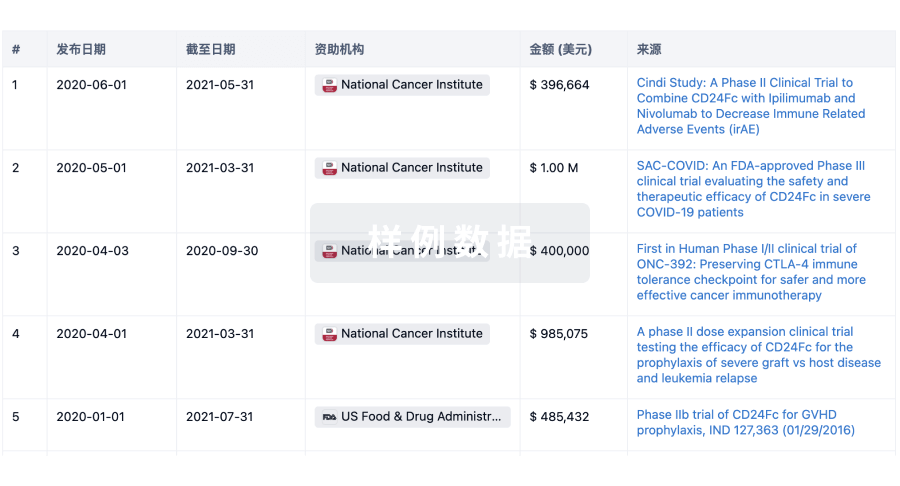
科研基金(NIH)
访问超过 200 万项资助和基金信息,以提升您的研究之旅。
登录
或
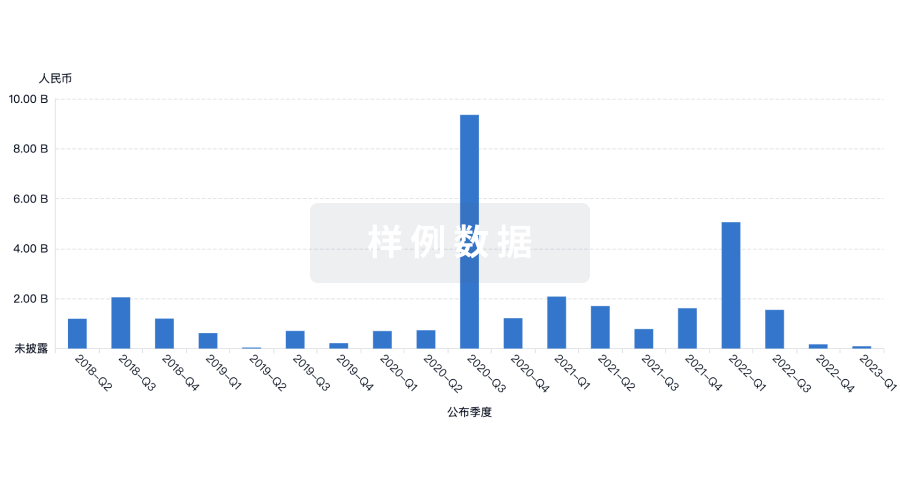
投资
深入了解从初创企业到成熟企业的最新公司投资动态。
登录
或
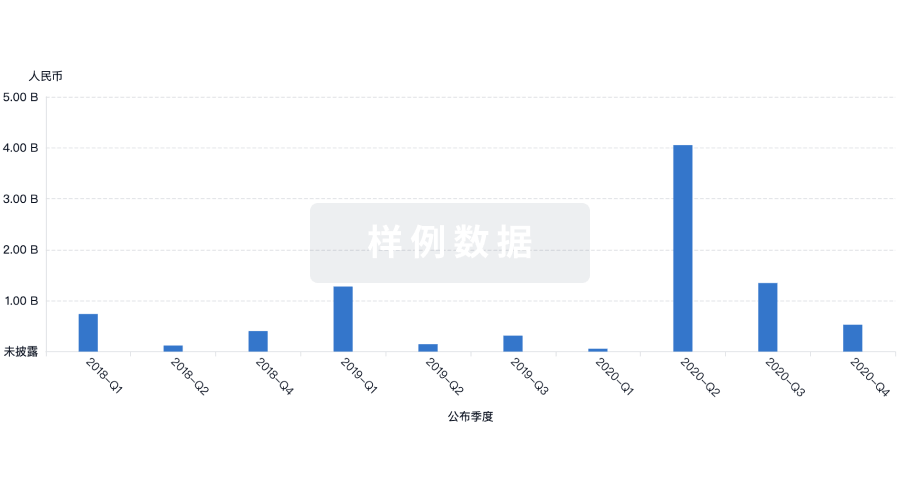
融资
发掘融资趋势以验证和推进您的投资机会。
登录
或
生物医药百科问答
全新生物医药AI Agent 覆盖科研全链路,让突破性发现快人一步
立即开始免费试用!
智慧芽新药情报库是智慧芽专为生命科学人士构建的基于AI的创新药情报平台,助您全方位提升您的研发与决策效率。
立即开始数据试用!
智慧芽新药库数据也通过智慧芽数据服务平台,以API或者数据包形式对外开放,助您更加充分利用智慧芽新药情报信息。
生物序列数据库
生物药研发创新
免费使用
化学结构数据库
小分子化药研发创新
免费使用