|
|
|
|
|
|
最高研发阶段批准上市 |
|
首次获批日期1996-01-01 |
Comparative Effectiveness of Biofeedback Exercises and the Mulligan Concept on Pain, Cervical Mobility, and Posture in Females With Mechanical Neck Pain: A Randomized Controlled Trial
This study compares two physical therapy treatment approaches for females suffering from mechanical neck pain - pain in the neck that comes from the muscles, joints, or soft tissues rather than from nerve damage or disease. Mechanical neck pain is very common and can cause significant pain, stiffness, difficulty moving the head, and problems with daily activities.
Fifty adult females aged 18 to 45 years with mechanical neck pain lasting more than 4 weeks will be randomly divided into two equal groups. Group M (25 participants) will receive upper cervical spine manual therapy using the Mulligan mobilization technique, which involves gentle joint movements to restore normal neck joint motion, combined with standard cervical exercises. Group B (25 participants) will receive the same Group M treatment plus biofeedback-guided deep cervical flexor training. This additional exercise uses a pressure sensor placed behind the neck to help the patient learn to activate the deep stabilizing muscles of the neck, which are often weakened in people with neck pain.
Both groups will attend 3 treatment sessions per week for 4 consecutive weeks (12 sessions total). Each session lasts approximately 45 minutes. Before each session, all participants receive suboccipital release, myofascial release, and stretching exercises as preparation.
The researchers will measure pain intensity, upper cervical flexion range of motion, the flexion-rotation test (which assesses upper neck rotation), the Neck Disability Index (which measures how neck pain affects daily activities), and pressure pain threshold (which measures sensitivity to pressure over neck muscles). All measurements are taken before treatment begins and after the 4-week intervention period.
The study aims to determine whether adding biofeedback-guided deep cervical flexor training to the Mulligan manual therapy approach produces greater improvements in pain, neck mobility, disability, and muscle sensitivity compared to the Mulligan approach alone.
"Variable Versus Fixed Auditory-Cued Stepping Training on Balance and Stepping Adaptability in Sedentary Young Adults: A Randomized Controlled Trial."
This study investigates whether stepping training that uses an unpredictable, variable auditory cue - changing both the timing and the direction of each step - improves dynamic balance and stepping adaptability more than stepping training with a constant, predictable auditory cue. Sedentary young adults will be randomly assigned to one of two 4-week training programs and assessed before and after training.
/ Active, not recruitingN/AIIT Effect of Reactive Functional Motor Challenge Training on Dynamic Balance and Functional Mobility in Children With Spastic Diplegic Cerebral Palsy: A Randomized Comparative Trial.
To investigate the effect of Reactive Functional Motor Challenge Training on dynamic balance and functional mobility in children with spastic diplegic cerebral palsy.
100 项与 Badr University In Cairo 相关的临床结果
0 项与 Badr University In Cairo 相关的专利(医药)
100 项与 Badr University In Cairo 相关的药物交易
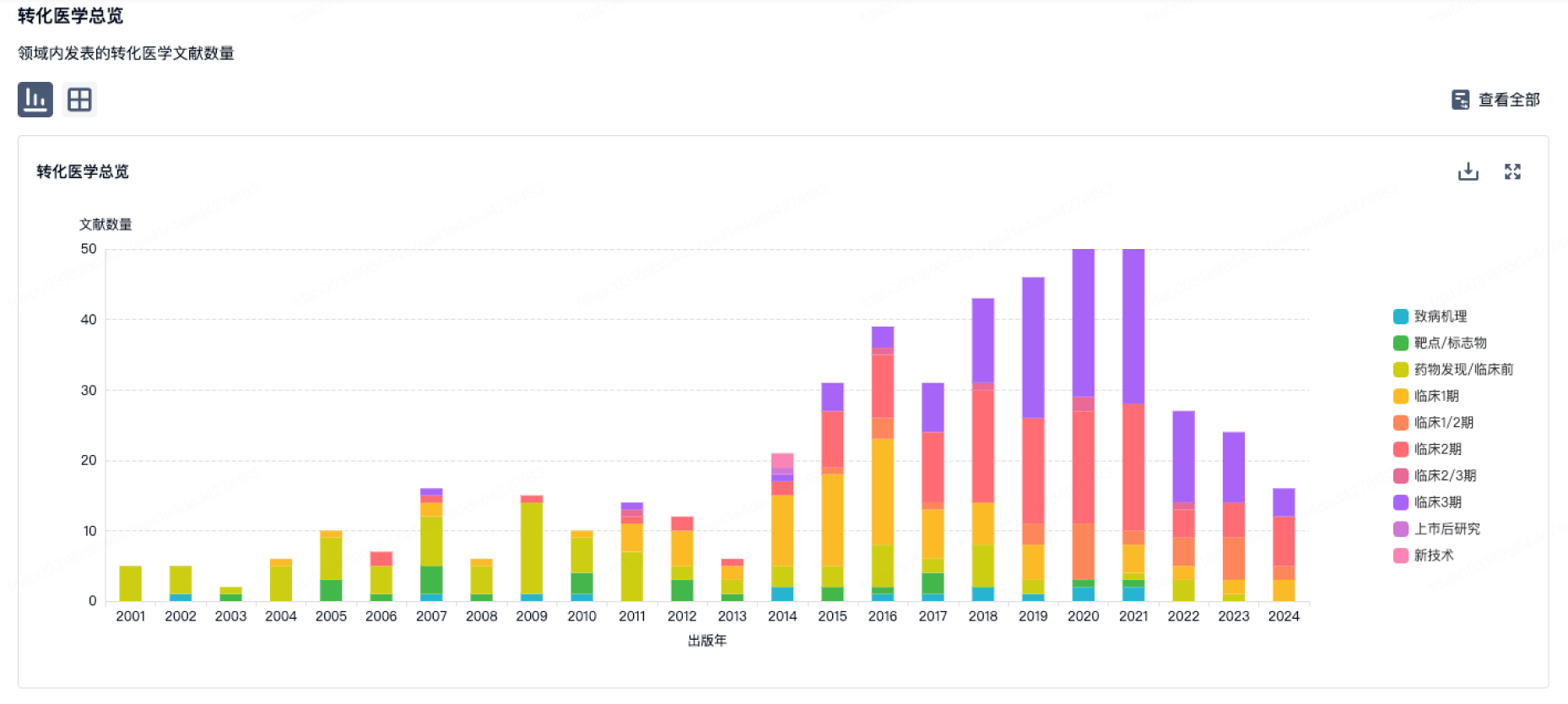
100 项与 Badr University In Cairo 相关的转化医学