预约演示
更新于:2025-12-17

University of Sunderland
更新于:2025-12-17
概览
关联
NCT06981182
EQUITy in Black Adult Health (EQUITA) - a Randomised Feasibility Trial of a Co-produced and Faith-placed Intervention to Increase Uptake of Breast, Cervical, Bowel, and AAA Screening in the North East of England, Leeds and Scotland
ISRCTN65120935
Safeguarding adults for empowerment (SAFE): a qualitative study to develop best practice for involving older people in safeguarding processes
NCT06254963
The Effect of 6 Weeks Supplemental Jump Training on Sand Versus Hard Surfaces on Landing Knee Valgus and Jump Performance in Adolescent Female Football Players

100 项与 University of Sunderland 相关的临床结果
登录后查看更多信息
登录后查看更多信息
2026-01-01PROTEIN EXPRESSION AND PURIFICATION
Validation of cold shock-based technique for purification of recombinant C. elegans Phosphodiesterase 3 protein expressed in E. coli
Article
作者: Samidurai, Arun ; Carter, Noel ; Khan, Faiyaz Ahmad ; Manganiello, Vincent C ; Rhee, Dong Keun ; Sabouri, Babak ; Naik, Swapna G ; Hockman, Steven
Phosphodiesterase 3 enzymes (PDE3) play important roles in the regulation of adipocyte lipolysis and cardiac contractility by hydrolyzing cAMP and cGMP. This study reports the cloning, expression, and purification of recombinant Caenorhabditis elegans phosphodiesterase 3 (CEPDE3) isoforms, using a cold shock-based technique. The two closely related isoforms of the CEPDE3 gene (isoform F and isoform A) were cloned into the pGEX-6P-1 vector and expressed in E. coli as fusion proteins with a glutathione-S transferase (GST) tag at their amino terminus and purified by affinity chromatography using a glutathione Sepharose column. To optimize expression and recovery of soluble CEPDE3 protein from E. coli, we applied a "cold shock" technique at 4 °C following IPTG induction. Our findings suggest improved protein expression using an N-terminal GST tag instead of a C-terminal 6-histidine (6His) tag. Exposure of GST-tagged CEPDE3 to cold shock improved the protein solubility of CEPDE3 isoforms recovered by affinity chromatography. Studying CEPDE3 expression in C. elegans may enable us to understand the structure-function relationship and help crystallize the proteins to identify its catalytic pocket, contributing to the design of more effective small modulators of PDE3 catalytic activity.
2025-12-01JOURNAL OF PUBLIC HEALTH
A brief intervention for smoking cessation in the ambulance setting—an exploratory mixed methods study to reach health equity
Article
作者: Burrow, Emma ; Charlton, Karl ; Jackson, Michelle ; Rees, Jon
Abstract:
Background:
The role of a brief intervention (BI) for smoking cessation with patients using National Health Service (NHS) ambulance services is underexplored but may reach tobacco smokers currently not engaging with NHS stop smoking services (SSS).
Methods:
A BI comprising smoking cessation education, a referral to local NHS SSS and nicotine replacement therapy (NRT) was delivered to consenting patients aged ≥18 years in a regional NHS ambulance service in England.
Results:
Of 140 patients (56% female, mean age 54.9 (14.6) years), 103 (74%) were conveyed, and 41 (29%) admitted to hospital. Outcomes included 28-day quit achieved (n = 31), current supported quit attempt (n = 6), reconsidered decision to quit/lost to follow-up after commencing NRT (n = 76), and uncontactable (n = 27). There was no association between a successful quit attempt and patient age, gender, ethnicity, or socio-economic status. Reasons behind being lost to follow-up included reconsidering the quit attempt, competing co-morbidity, and digital poverty.
Conclusion:
A BI delivered in the ambulance setting may be the only opportunity to connect tobacco smokers currently not reached by the current model, with NHS SSS. A repeated offer of support with ‘all’ smokers in this setting may help reduce disparities in health inequality.
2025-12-01Public health in practice (Oxford, England)
Healthcare professionals’ perspectives on the implementation and purposefulness of a new alcohol recovery Navigator role in the North East of England – preliminary qualitative findings
Article
作者: Cave, Michael ; O'Donnell, Amy ; Hulse, Sarah ; Crosbie, James ; Swiers, Ryan ; Holland, Emma-Joy ; Salonen, Domna ; Christie-de Jong, Floor ; Jackson, Katherine
Objectives:
This study aimed to explore clinicians' perspectives in a single acute hospital regarding the introduction and perceived impact of an Alcohol Recovery Navigator role. The role was implemented within a hospital setting in North-East England to improve uptake of treatment in the community post-discharge and thereby help to reduce alcohol-related repeat admissions.
Study design:
A qualitative study was conducted.
Methods:
Semi-structured interviews were conducted with hospital clinicians (n = 8) recruited via purposive and snowball sampling. Interviews were transcribed verbatim, analysed using thematic analysis, with themes subsequently mapped onto Normalisation Process Theory constructs: coherence, cognitive participation, collective action, and reflexive monitoring.
Results:
Participants reported high levels of knowledge and understanding (coherence) of the Alcohol Recovery Navigator role and valued having this service as part of patients' recovery pathway. Staff appeared committed to engaging with the role (cognitive participation), which was perceived to have aided implementation and embedding of the role into patient care pathways. Participants were able to make the role work (collective action) by building relationships with hospital staff and patients to improve continuity of care. Staff appraisal (reflexive monitoring) observed increased engagement from patients with Navigators and perceived that the role contributed to patients making changes towards better health.
Conclusion:
Participants' perspectives support the continued provision of the Alcohol Recovery Navigator role. Implementation was viewed to have been successful, with Navigators imperative in bridging the gap between hospital and community care. Future research is required to assess the effectiveness of the wider programme.
2023-09-16
100 项与 University of Sunderland 相关的药物交易
登录后查看更多信息
100 项与 University of Sunderland 相关的转化医学
登录后查看更多信息
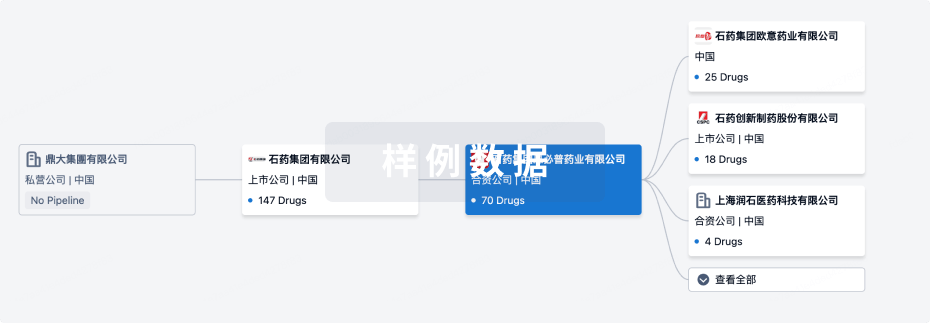
组织架构
使用我们的机构树数据加速您的研究。
登录
或
管线布局
2026年02月08日管线快照
无数据报导
登录后保持更新
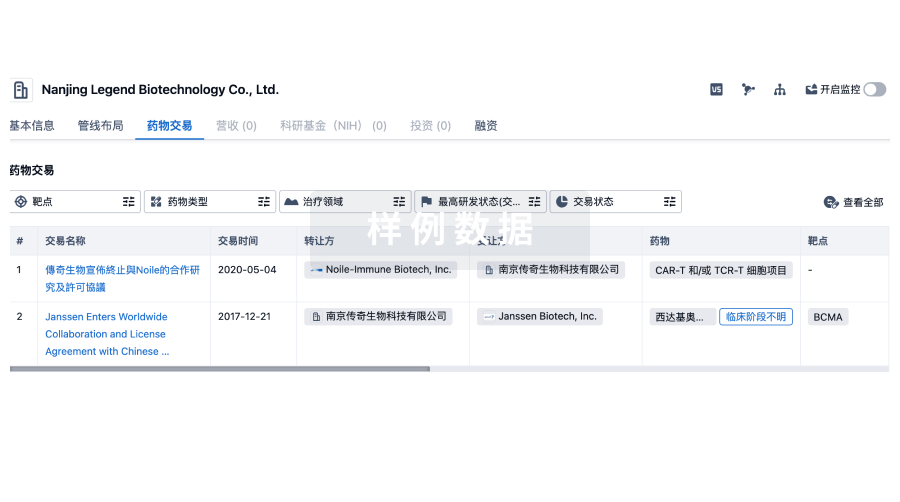
药物交易
使用我们的药物交易数据加速您的研究。
登录
或
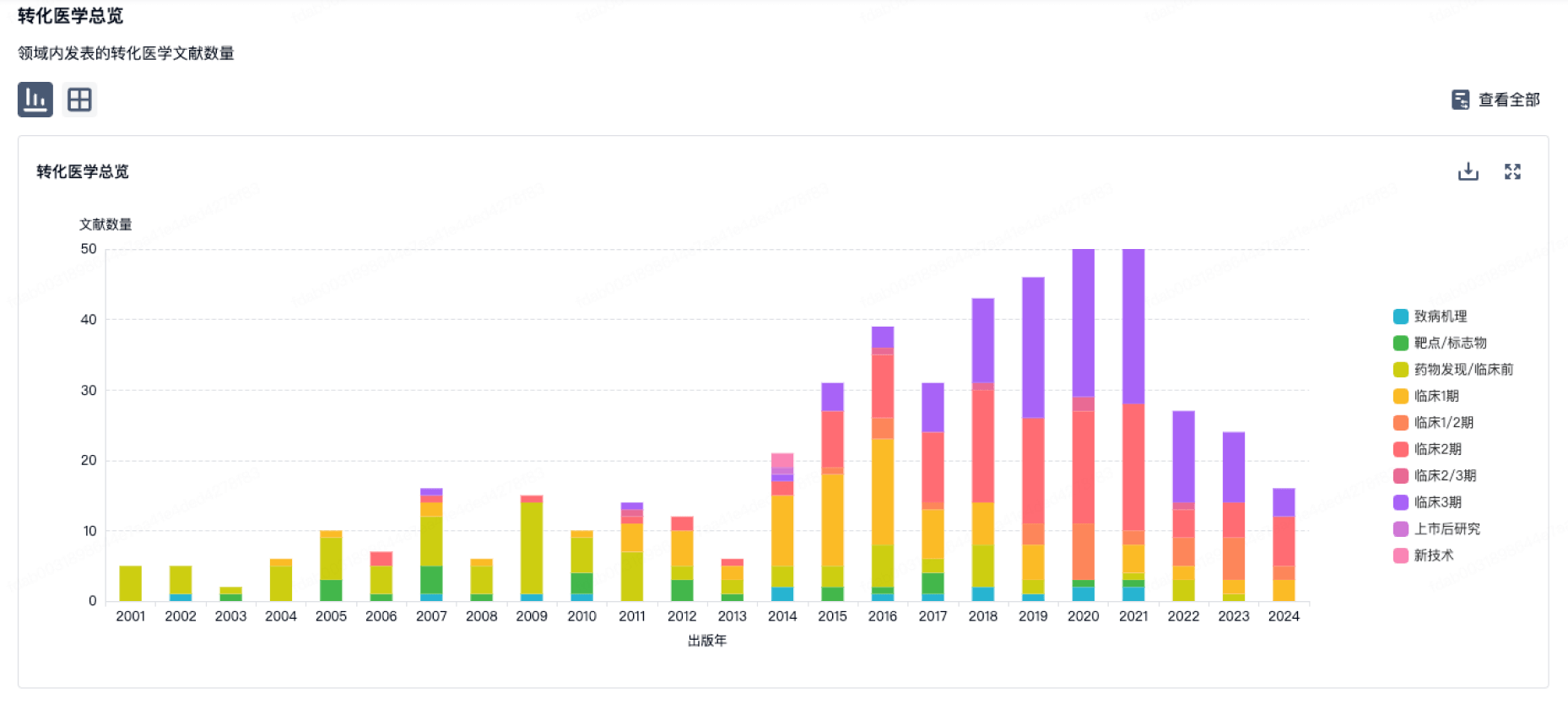
转化医学
使用我们的转化医学数据加速您的研究。
登录
或
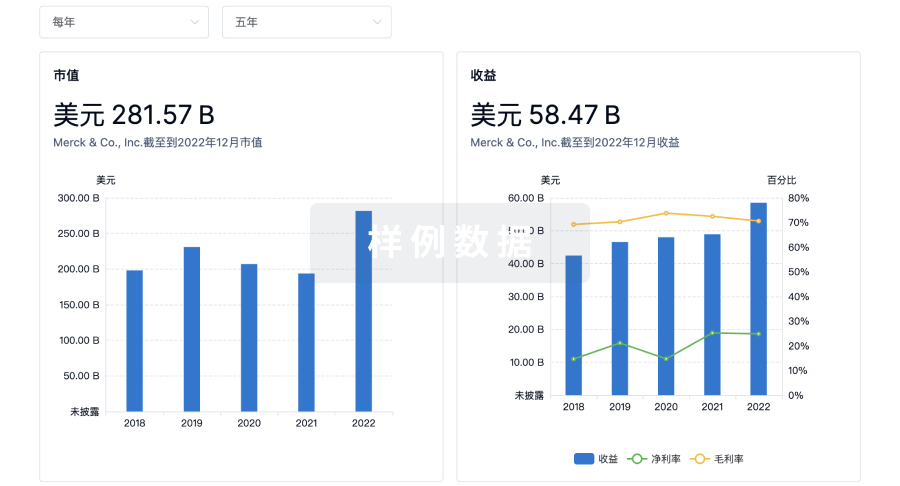
营收
使用 Synapse 探索超过 36 万个组织的财务状况。
登录
或
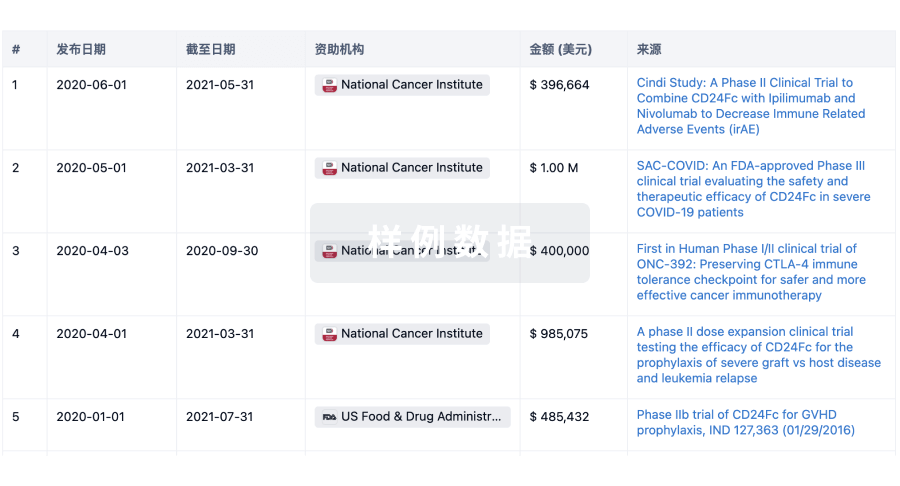
科研基金(NIH)
访问超过 200 万项资助和基金信息,以提升您的研究之旅。
登录
或
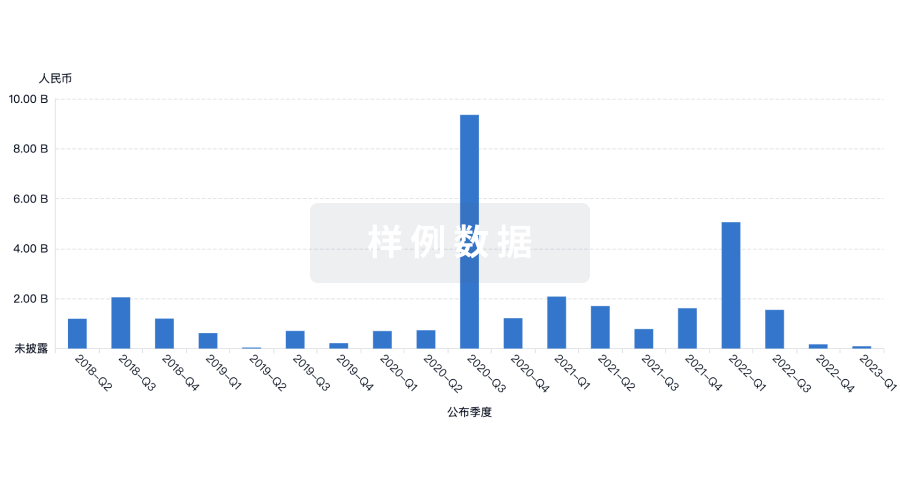
投资
深入了解从初创企业到成熟企业的最新公司投资动态。
登录
或
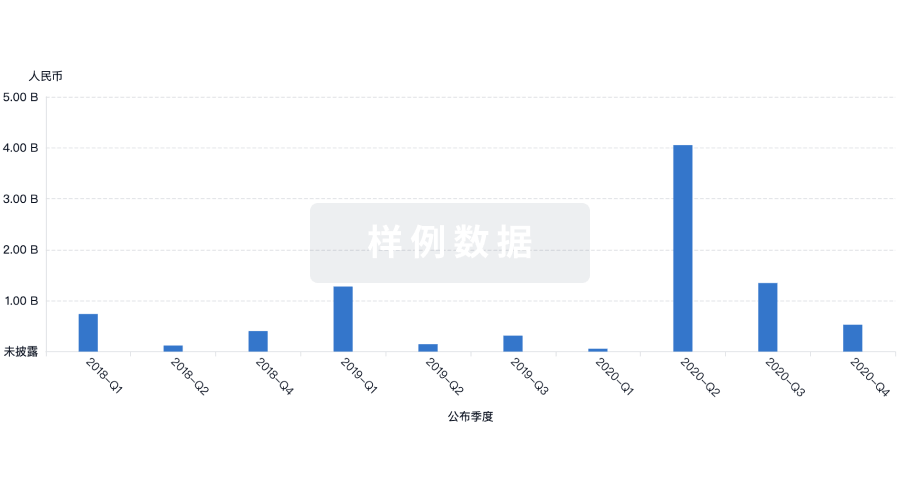
融资
发掘融资趋势以验证和推进您的投资机会。
登录
或
生物医药百科问答
全新生物医药AI Agent 覆盖科研全链路,让突破性发现快人一步
立即开始免费试用!
智慧芽新药情报库是智慧芽专为生命科学人士构建的基于AI的创新药情报平台,助您全方位提升您的研发与决策效率。
立即开始数据试用!
智慧芽新药库数据也通过智慧芽数据服务平台,以API或者数据包形式对外开放,助您更加充分利用智慧芽新药情报信息。
生物序列数据库
生物药研发创新
免费使用
化学结构数据库
小分子化药研发创新
免费使用