预约演示
更新于:2026-03-27

The Second Affiliated Hospital of Xi'an Medical University
西安医学院第二附属医院|中国陕西省
西安医学院第二附属医院|中国陕西省
更新于:2026-03-27
概览
标签
肿瘤
自然杀伤细胞疗法
疾病领域得分
一眼洞穿机构专注的疾病领域
技术平台
公司药物应用最多的技术
靶点
公司最常开发的靶点

暂无数据
关联
靶点 |
作用机制 |
在研机构 |
原研机构 |
在研适应症 |
非在研适应症 |
最高研发阶段 |
首次获批国家/地区 |
首次获批日期 |
ChiCTR2600117548
Exploring the Mechanisms and Precision Intervention Strategies for Antimicrobial Prescribing Behaviors Among Intensive Care Unit Physicians: A KAP-COM-B Integrated Framework Model from the Perspective of Cognitive Bias
ChiCTR2500114751
Effect of anticoagulant on prognosis of patients with sepsis-induced coagulopathy: A multicenter, prospective cohort study
ChiCTR2500112204
A Cohort Study of Precocious Puberty in Girls in Western China
100 项与 西安医学院第二附属医院 相关的临床结果
登录后查看更多信息
登录后查看更多信息
2026-06-01COMPUTATIONAL BIOLOGY AND CHEMISTRY
Ginsenoside Rb1 as a multi-target modulator in heart failure: Mechanistic insights into extracellular remodeling and transcriptional pathways from network pharmacology, molecular dynamics, and binding free energy analyses
Article
作者: Liu, Ying ; Yin, Qiang ; Kehinde, Ibrahim ; Soliman, Mahmoud ; Bai, Baobao
BACKGROUND:
Heart failure is a leading global health burden, often driven by Angiotensin II (Ang II)-induced processes such as inflammation, fibrosis, and extracellular matrix remodeling. These mechanisms involve multiple protein hubs, making single-target drugs insufficient. Natural products such as Ginsenoside Rb1, a major bioactive constituent of Panax ginseng, have emerged as promising multi-target agents, though their mechanistic roles in cardiovascular protection remain incompletely defined.
METHODS:
A combined strategy of network pharmacology, protein-protein interaction analysis, molecular docking, molecular dynamics (MD) simulations, and MM/GBSA binding free energy calculations was employed. Hub proteins associated with Ang II-mediated heart failure were identified, followed by docking and MM/GBSA analyses to compare the binding affinity of Rb1 against reference drugs (Losartan, Enalapril, and Carvedilol). Protein-ligand interaction maps, hydrophobicity profiling, and electrostatic potential (ESP) analyses were used to elucidate binding mechanisms.
RESULTS:
Five hub proteins-MMP9, FN1, JUN, FGF2, and STAT3-were identified as central to Ang II-driven remodeling, inflammation, and transcriptional regulation. MM/GBSA analyses revealed consistently favorable ΔGbind values for Rb1, including -36.40 kcal/mol (FN1), -35.30 kcal/mol (STAT3), and -33.70 kcal/mol (JUN), which were comparable to or exceeded those of the reference drugs. In contrast, Rb1 showed moderate affinity at MMP9 (-31.80 kcal/mol) and FGF2 (-30.70 kcal/mol). Interaction plots demonstrated that the amphipathic nature of Rb1, with a bulky hydrophobic backbone and multiple polar hydroxyl groups, enabled multidentate hydrogen bonding, van der Waals stabilization, and π-alkyl interactions across diverse binding pockets. Hydrophobicity and ESP mapping further confirmed that Rb1 adapts effectively to both hydrophobic and polar microenvironments, explaining its broader multi-target binding capacity compared to the more structurally restricted reference drugs.
CONCLUSION:
This study highlights Ginsenoside Rb1 as a promising polypharmacological candidate for heart failure, showing strong and adaptable binding to multiple Ang II-related targets.
2026-01-01International Journal of Surgery
Commentary on “The correlation between TRPV1 and pain during urethrocystoscopy: a prospective observational study”
Article
作者: Yao, Xinyu ; Hui, Pengyu ; Du, Yonghui
2025-12-01IMMUNOLOGIC RESEARCH
Echinocystic acid ameliorates ischemic acute kidney injury in neonatal rats by attenuating ferroptosis via the Nrf2/GPX4 pathway
Article
作者: Zhang, Qiong ; Hu, Xiaojian ; Dang, Xiaoping ; Jiang, Xun
Acute kidney injury (AKI) is the most common complication in neonates with hypoxic-ischemic encephalopathy (HIE), significantly contributing to both morbidity and mortality, and targeting key pathological processes, such as inflammation, ferroptosis and apoptosis, could be an effective approach to improving survival outcomes in these patients. In this context, echinocystic acid (EA), a pentacyclic triterpene, has shown promising anti-inflammatory, antioxidant, and anti-apoptotic effects in various disease models, suggesting its potential as a therapeutic agent for AKI in HIE. To evaluate the therapeutic potential and underlying mechanisms of EA in ameliorating ischemia/reperfusion (IR)-induced AKI in neonatal rats. Seven-day-old neonatal rat pups were subjected to an IR injury model to induce AKI and treated with EA via intraperitoneal injection. The effects of EA on renal injury were assessed using western blotting, terminal deoxynucleotidyl transferase dUTP nick-end labeling (TUNEL), immunofluorescence, reverse transcription-quantitative polymerase chain reaction (RT-qPCR), enzyme-linked immunosorbent assay (ELISA), and hematoxylin and eosin (H&E) staining. Treatment with EA significantly reduced IR-induced renal pathology and injury scores, as well as serum levels of blood urea nitrogen (BUN) and creatinine (Cr). In addition, EA diminished the release of pro-inflammatory cytokines and reduced the levels of F4/80, a macrophage marker, in the IR-treated pups. EA also attenuated ferroptosis, as evidenced by decreased levels of iron (Fe2⁺), reactive oxygen species (ROS), myeloperoxidase (MPO), and malondialdehyde (MDA), while simultaneously increasing the activity of antioxidant enzymes such as catalase (CAT), glutathione peroxidase (GPx), superoxide dismutase (SOD), and glutathione (GSH). Furthermore, EA reduced apoptosis, as demonstrated by lower levels of cleaved caspase 3 and cleaved poly(ADP-ribose) polymerase (PARP). Mechanistically, EA activated the Nrf2/GPX4 pathway, and inhibition of Nrf2 with ML385 reversed EA's beneficial effects on ferroptosis, inflammation, and renal injury. EA may relieve ischemic AKI in neonatal rats by modulating inflammation, ferroptosis and apoptosis, through the activation of the Nrf2/GPX4 pathway, indicating that it could be a promising therapeutic agent for AKI in neonates.
2026-03-26
·中华网
2026-01-30
100 项与 西安医学院第二附属医院 相关的药物交易
登录后查看更多信息
100 项与 西安医学院第二附属医院 相关的转化医学
登录后查看更多信息
组织架构
使用我们的机构树数据加速您的研究。
登录
或
管线布局
2026年04月15日管线快照
管线布局中药物为当前组织机构及其子机构作为药物机构进行统计,早期临床1期并入临床1期,临床1/2期并入临床2期,临床2/3期并入临床3期
早期临床1期
1
1
其他
登录后查看更多信息
当前项目
登录后查看更多信息
药物交易
使用我们的药物交易数据加速您的研究。
登录
或
转化医学
使用我们的转化医学数据加速您的研究。
登录
或
营收
使用 Synapse 探索超过 36 万个组织的财务状况。
登录
或
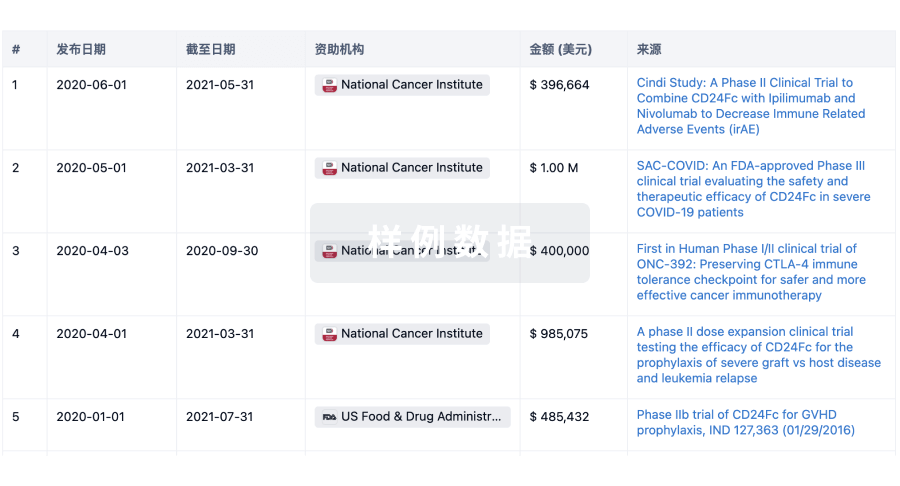
科研基金(NIH)
访问超过 200 万项资助和基金信息,以提升您的研究之旅。
登录
或
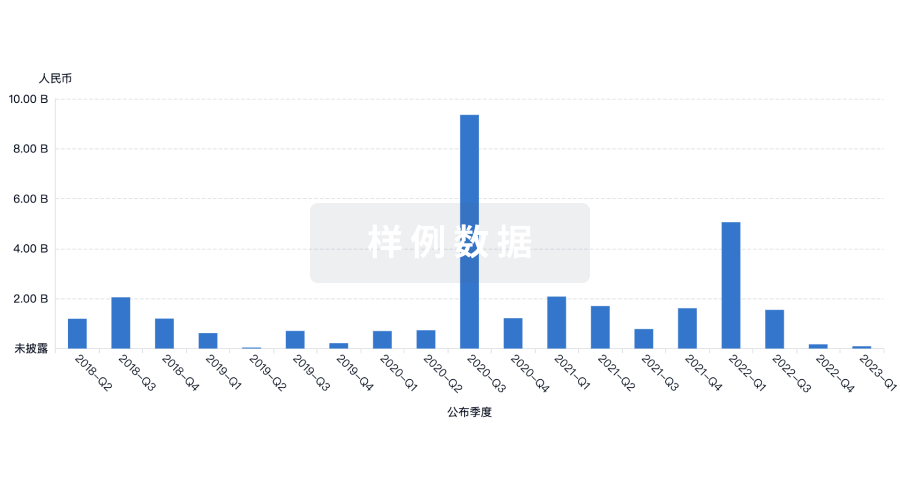
投资
深入了解从初创企业到成熟企业的最新公司投资动态。
登录
或
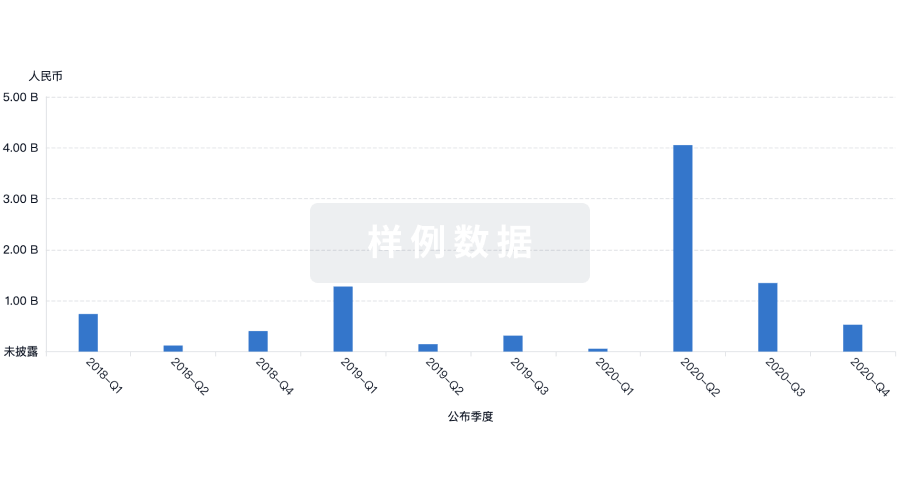
融资
发掘融资趋势以验证和推进您的投资机会。
登录
或
生物医药百科问答
全新生物医药AI Agent 覆盖科研全链路,让突破性发现快人一步
立即开始免费试用!
智慧芽新药情报库是智慧芽专为生命科学人士构建的基于AI的创新药情报平台,助您全方位提升您的研发与决策效率。
立即开始数据试用!
智慧芽新药库数据也通过智慧芽数据服务平台,以API或者数据包形式对外开放,助您更加充分利用智慧芽新药情报信息。
生物序列数据库
生物药研发创新
免费使用
化学结构数据库
小分子化药研发创新
免费使用