预约演示
更新于:2026-05-31

Gyeongsang National University
更新于:2026-05-31
概览
标签
内分泌与代谢疾病
其他疾病
神经系统疾病
小分子化药
中药
治疗性疫苗
疾病领域得分
一眼洞穿机构专注的疾病领域

技术平台
公司药物应用最多的技术
靶点
公司最常开发的靶点
关联
靶点 |
作用机制 |
在研机构 |
原研机构 |
在研适应症 |
非在研适应症 |
最高研发阶段 |
首次获批国家/地区 |
首次获批日期 |
靶点 |
作用机制 |
在研机构 |
原研机构 |
在研适应症 |
非在研适应症 |
最高研发阶段 |
首次获批国家/地区 |
首次获批日期 |
靶点 |
作用机制 |
在研机构 |
原研机构 |
在研适应症 |
非在研适应症 |
最高研发阶段 |
首次获批国家/地区 |
首次获批日期 |
KCT0011743
Development and Effectiveness Verification of an ICT-Based Slow Aging Program for Early Elderly Individuals. -Focusing on Interaction Model of Client Health Behavior
KCT0011636
Effects of Liquid Acidity and Capsaicinoids on Swallowing Function in Healthy Adults
KCT0011644
Changes in Swallowing Safety and Pharyngeal Residue After Injection Laryngoplasty in Dysphagia Patients with Unilateral Vocal Fold Paralysis: A Prospective Videofluoroscopic Study
100 项与 Gyeongsang National University 相关的临床结果
登录后查看更多信息
登录后查看更多信息
2026-12-31Gut Microbes
metaFun: An analysis pipeline for metagenomic big data with fast and unified functional searches
Article
作者: Kwon, Soon-Kyeong ; Yoon, Jaekyung ; Song, Ju Yeon ; Chung, Yusook ; Lee, Hyeon Gwon ; Kim, Jihyun F.
Metagenomic approaches offer unprecedented opportunities to characterize microbial community structure and function, yet several challenges remain unresolved. Inconsistent genome quality impairs reliability of metagenome-assembled genomes, lack of unified taxonomic criteria limits cross-study comparability, and multi-step workflows involving numerous programs and parameters hinder reproducibility and accessibility. We benchmarked existing programs and parameters using simulated metagenomic data to identify optimal configurations. metaFun is an open-source, end-to-end pipeline that integrates quality control, taxonomic profiling, functional profiling, de novo assembly, binning, genome assessment, comparative genomic analysis, pangenome annotation, network analysis, and strain-level microdiversity analysis into a unified framework. Interactive modules support standardized data interpretation and exploratory visualization. The pipeline is implemented with Nextflow and containerized with Apptainer, ensuring environment reproducibility and scalability. Comprehensive documentation is available at https://metafun-doc.readthedocs.io/en/main. The pipeline was validated using a colorectal cancer cohort dataset. By addressing key methodological gaps, metaFun facilitates accessible and reproducible metagenomic analysis for the broader research community.
2026-12-01Food Science of Animal Resources
Oxidative stability and growth-promoting effect for Lactobacillus acidophilus ATCC 43121 of whey protein isolate/inulin Maillard conjugates-based nanoemulsion delivery system containing fish oil
Article
作者: Lee, Se-Hee ; Lee, Won-Jae ; Kim, Yeon-Woo
This study investigated the oxidative stability and growth-promoting effect for Lactobacillus acidophilus ATCC 43121 of a nanoemulsion delivery system (NDS) composed of whey protein isolate (WPI)/inulin Maillard conjugates. WPI/inulin Maillard conjugates prepared at pH 8.4 and a temperature of 85 °C had enhanced ABTS radical scavenging activity and were used as coating materials for the NDS. The WPI/inulin Maillard conjugates-based NDS exhibited a smaller droplet size than the WPI-based NDS. A droplet size of approximately 180 nm was observed in the NDS containing the WPI/inulin Maillard conjugates. The WPI/inulin Maillard conjugates-based NDS maintained a consistent droplet size and polydispersity index throughout 16 d of storage, indicating excellent physical stability. Compared to both fish oil encapsulated in NDS and WPI-based NDS, fish oil in WPI/inulin Maillard conjugates-based NDS demonstrated lower PV and p-anisidine value and reduced production of potential markers of oxidation during a 16 d storage period. This indicated that the WPI/inulin Maillard conjugates-based NDS had enhanced oxidative stability. The viability of L. acidophilus ATCC 43121 increased in minimum media supplemented with WPI/inulin Maillard conjugates-based NDS compared to WPI- or inulin-based NDS, suggesting that WPI/inulin Maillard conjugates-based NDS had a growth-promoting effect for L. acidophilus ATCC 43121. In conclusion, the use of WPI/inulin Maillard conjugates-based NDS is an effective way to enhance the oxidative stability of fish oil and its growth-promoting effect for L. acidophilus ATCC 43121.
2026-12-01Food Science of Animal Resources
Quality characteristics of nitrite-free emulsified pork sausages with gardenia red-based additive combinations
Article
作者: Kim, Jong Hyuk ; Jin, Sang Keun ; Lee, Seung Yun
This study evaluated the effects of gardenia red (GR), vitamin C, and sodium caseinate, applied alone or in combination, on the quality characteristics of nitrite-free emulsified pork sausages. Four treatment groups were prepared: CON (0.01% sodium nitrite), T1 (0.04% GR), T2 (0.04% GR with 0.05% vitamin C), and T3 (0.04% GR with 0.05% vitamin C and 0.4% sodium caseinate). GR-containing treatments significantly increased redness (a*) and decreased lightness (L*) compared with CON, and T2 showed the most intense redness. T3 exhibited the greatest improvements in emulsion stability, water and fat retention, and initial texture. Oxidative stability was enhanced in both T2 and T3, which showed significantly lower TBARS values than T1. In contrast, microbial counts and VBN values were higher in the GR-treated groups, especially in T3, indicating that these combinations did not provide microbial control comparable to sodium nitrite. Residual nitrite was detected only in CON, confirming complete nitrite removal in all GR formulations. Overall, GR-based additive combinations improved redness, oxidative stability, and initial texture properties in nitrite-free sausages. However, because they lacked microbial inhibitory activity, these additives should be regarded as quality-enhancing components rather than complete nitrite substitutes. Additional preservation strategies are required to ensure microbial safety in nitrite-free sausage production.

100 项与 Gyeongsang National University 相关的药物交易
登录后查看更多信息
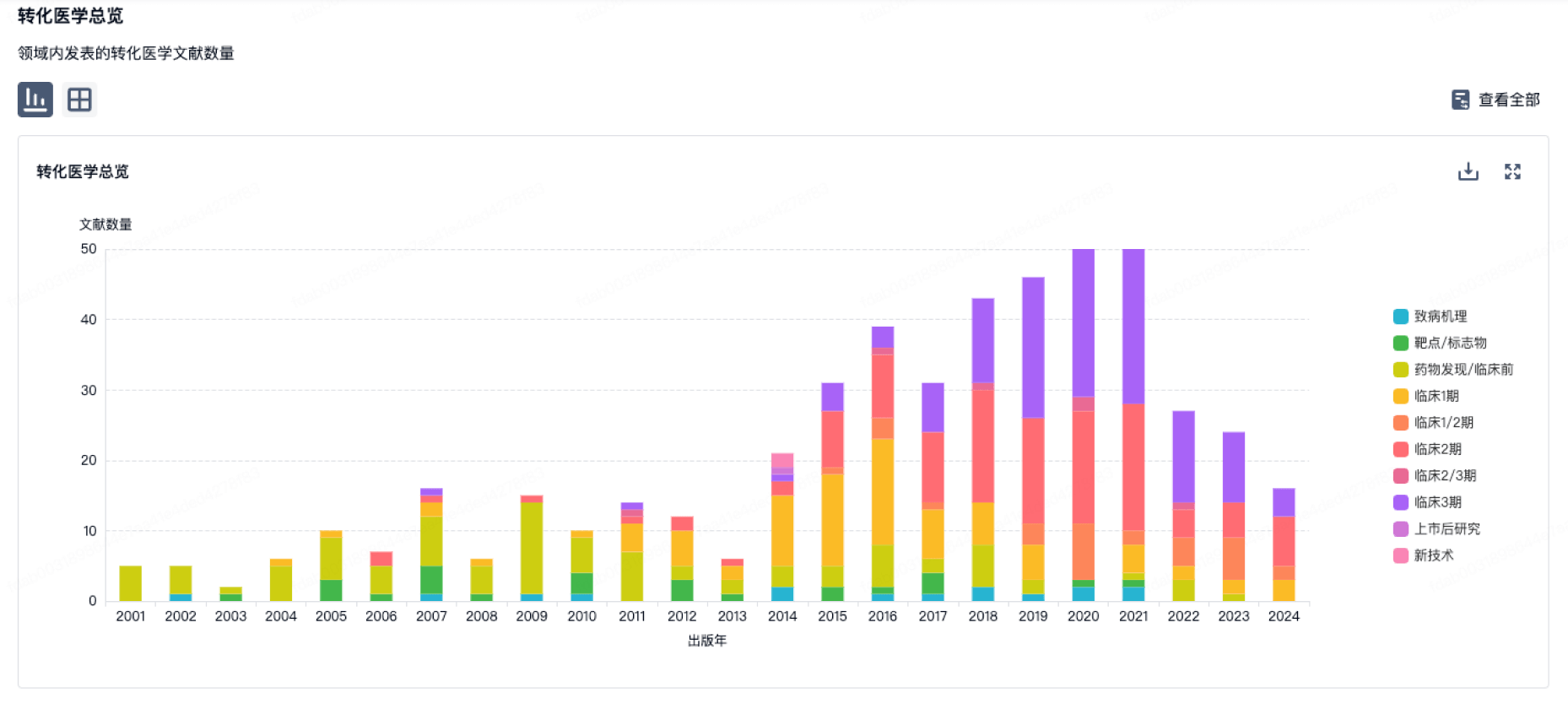
100 项与 Gyeongsang National University 相关的转化医学
登录后查看更多信息
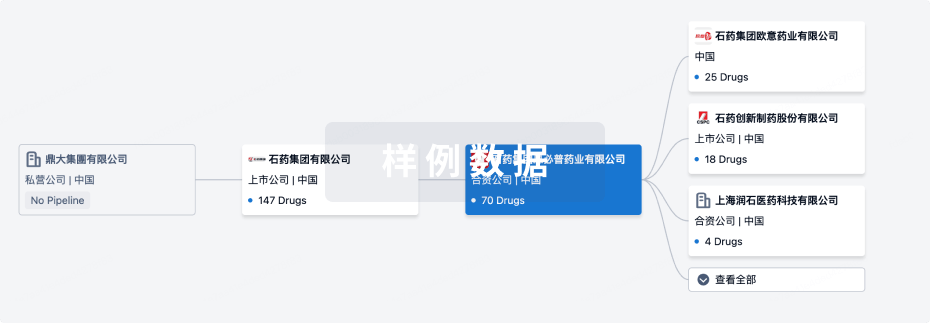
组织架构
使用我们的机构树数据加速您的研究。
登录
或
管线布局
2026年10月25日管线快照
管线布局中药物为当前组织机构及其子机构作为药物机构进行统计,早期临床1期并入临床1期,临床1/2期并入临床2期,临床2/3期并入临床3期
药物发现
3
25
临床前
其他
5
登录后查看更多信息
当前项目
登录后查看更多信息
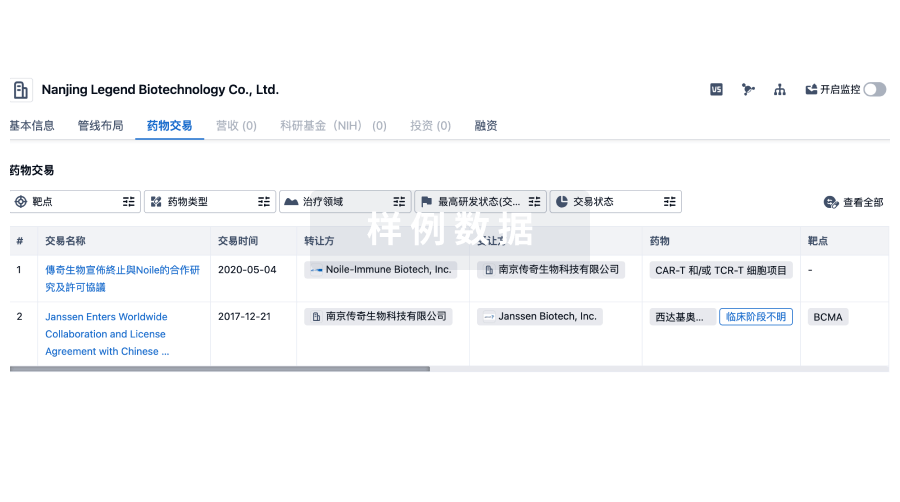
药物交易
使用我们的药物交易数据加速您的研究。
登录
或
转化医学
使用我们的转化医学数据加速您的研究。
登录
或
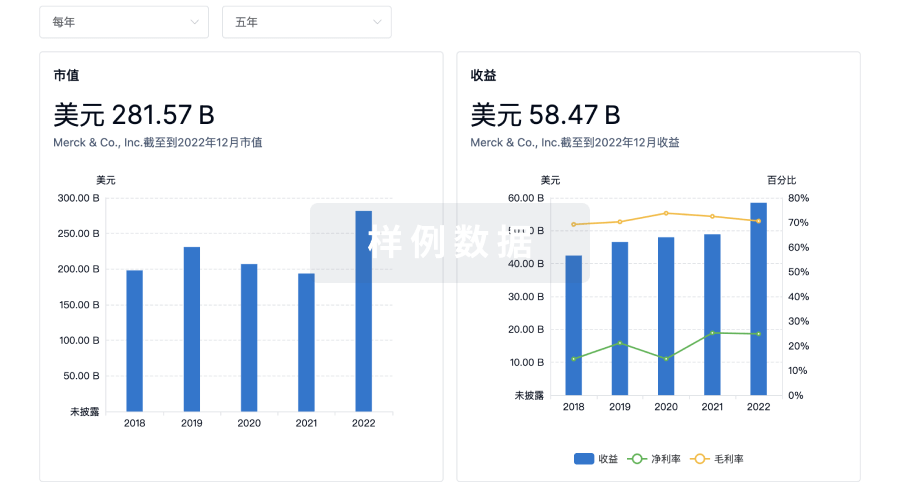
营收
使用 Synapse 探索超过 36 万个组织的财务状况。
登录
或
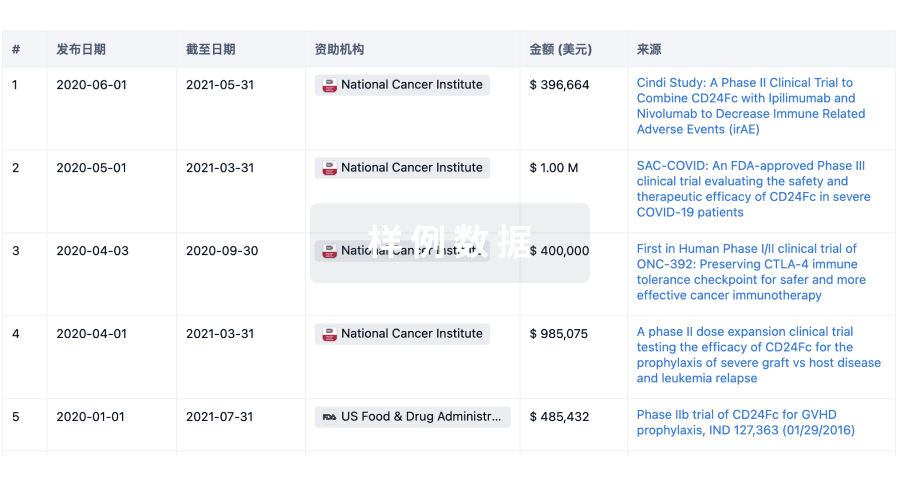
科研基金(NIH)
访问超过 200 万项资助和基金信息,以提升您的研究之旅。
登录
或
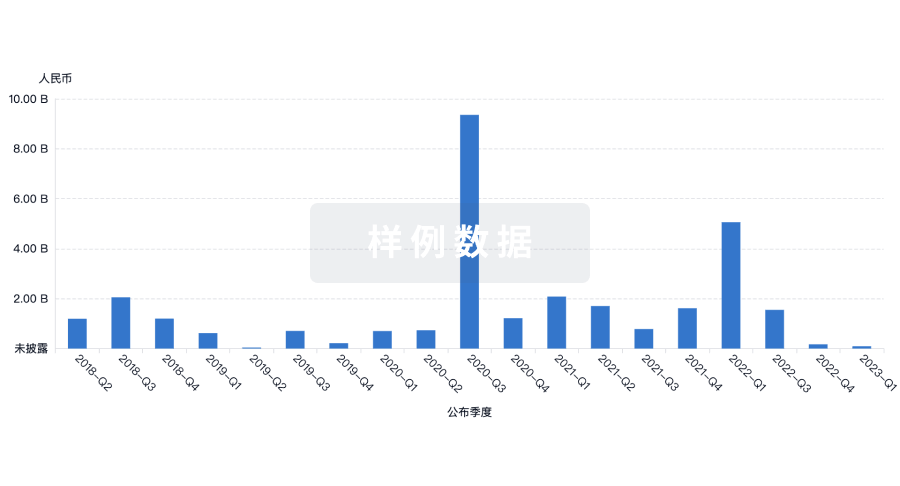
投资
深入了解从初创企业到成熟企业的最新公司投资动态。
登录
或
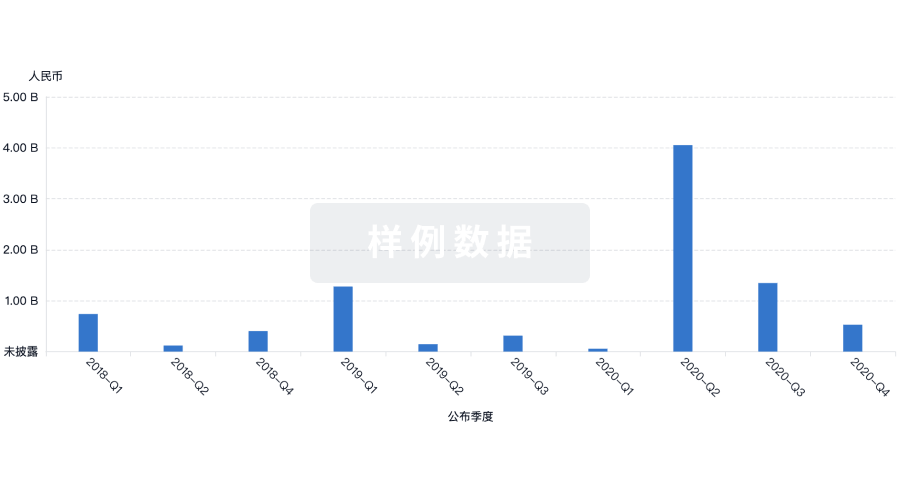
融资
发掘融资趋势以验证和推进您的投资机会。
登录
或
提出任何生物医药研究问题
让每一步生物医药决策都精准制胜
基于十亿级生物数据与全球情报的精准 AI,赋能早期药物发现
立即开始免费试用!
智慧芽新药情报库是智慧芽专为生命科学人士构建的基于AI的创新药情报平台,助您全方位提升您的研发与决策效率。
立即接入生物医药数据包
智慧芽新药库数据也通过智慧芽开放平台,以MCP或API服务形式对外开放。立即使用我们的MCP服务定制您的LLM智能体。
生物序列数据库
生物药研发创新
免费使用
化学结构数据库
小分子化药研发创新
免费使用