预约演示
更新于:2026-01-08
PB Immune Therapeutics, Inc
更新于:2026-01-08
概览
标签
免疫系统疾病
其他疾病
神经系统疾病
单克隆抗体
CAR-调节性 T 细胞
Fc融合蛋白
疾病领域得分
一眼洞穿机构专注的疾病领域

暂无数据
技术平台
公司药物应用最多的技术
暂无数据
靶点
公司最常开发的靶点
暂无数据
| 排名前五的药物类型 | 数量 |
|---|---|
| CAR-调节性 T 细胞 | 1 |
| Fc融合蛋白 | 1 |
| 外泌体药物 | 1 |
| 单克隆抗体 | 1 |
| Tregs细胞疗法 | 1 |
| 排名前五的靶点 | 数量 |
|---|---|
| PDL1 x PGF | 1 |
| CD40(肿瘤坏死因子受体超家族成员5) | 1 |
关联
5
项与 PB Immune Therapeutics, Inc 相关的药物靶点- |
作用机制- |
在研适应症 |
非在研适应症- |
最高研发阶段临床前 |
首次获批国家/地区- |
首次获批日期- |
靶点- |
作用机制- |
在研适应症 |
非在研适应症- |
最高研发阶段临床前 |
首次获批国家/地区- |
首次获批日期- |
靶点 |
作用机制 CD40抑制剂 |
非在研适应症- |
最高研发阶段临床前 |
首次获批国家/地区- |
首次获批日期- |
100 项与 PB Immune Therapeutics, Inc 相关的临床结果
登录后查看更多信息
0 项与 PB Immune Therapeutics, Inc 相关的专利(医药)
登录后查看更多信息
4
项与 PB Immune Therapeutics, Inc 相关的文献(医药)2025-09-01·INFLAMMATORY BOWEL DISEASES
Novel Autologous Regulatory T-Cell Therapy Ameliorates DSS-Induced Colitis in Humanized Mice
Article
作者: Kang, Young Mo ; Khan, Md Jabed ; Chung, Hyeyeon ; Lee, Su Yeon ; Lee, Yoo Jin ; Nguyen-Phuong, Thuy ; Kim, Yong-Hee ; Park, Chung-Gyu
Abstract:
Background:
Inflammatory bowel disease (IBD) is a chronic inflammatory disorder with a complex immune-mediated pathogenesis. The efficacy of human-specific cellular immunotherapies and biological medications cannot be accurately evaluated using traditional murine IBD models. Therefore, a humanized mouse model of IBD is necessary. Regulatory T cells (Tregs) are critical for maintaining intestinal immune homeostasis and may have therapeutic potential for treating IBD.
Methods:
Donor peripheral blood mononuclear cells (PBMCs) were used to reconstitute the human immune system in NOG mice and for Treg isolation. T cells were sorted and stimulated with anti-CD3 and anti-CD28 in the presence of irradiated feeder cells to prepare Treg cells. Two weeks after PBMC reconstitution in NOG mice, colitis was induced with dextran sodium sulfate (DSS). The expanded Treg cells were administered intravenously. Ozanimod was used as a positive control.
Results:
After expansion, 65.4% of the live CD4+ cells were Foxp3+CD25+ Treg cells and 14.5% were non-Treg cells. The mean human leukocyte (hCD45+) engraftment rate in the humanized mice was 56.5% ± 4.5%. Autologous Treg-cell therapy significantly reduced the disease activity index by 78% on day 7. Colonic length was preserved, and colonic inflammation was reduced in mice treated with Treg cells. Immunohistology revealed reduced human T-cell infiltration in Treg-treated mice.
Conclusions:
Autologous Treg therapy ameliorated the symptoms of DSS-induced colitis in a humanized mouse model. The autologous PBMC-humanized DSS-induced colitis model may serve as a robust preclinical platform for evaluating the efficacy of personalized Treg cell therapy for IBD.
2025-09-01·XENOTRANSPLANTATION
Single‐Cell RNA Analysis Reveals Reduced Frequency and Activity of CXCR5
+
Atypical Memory B Cells in Islet Xenotransplantation Treated With Clinically Applicable Immunosuppressants Including Belimumab
Article
作者: Kim, Jong-Min ; Moon, Ji Hwan ; Lee, Yuji ; Kim, Yong-Hee ; Park, Chung-Gyu ; Kim, Daesik ; Kim, Hyun Je
ABSTRACT:
Background:
Porcine‐to‐human islet xenotransplantation offers a promising solution to type 1 diabetes. This study investigates the use of Belimumab, a human monoclonal antibody that inhibits B cell activating factor (BAFF) as part of an immunosuppressive regimen in porcine‐to‐non‐human primate xenotransplantation.
Methods:
Porcine islets were transplanted into Rhesus monkeys with an immunosuppressant regimen. Blood samples were collected from the monkeys pre‐ and post‐treatment, and single‐cell RNA sequencing was performed to investigate immune cell landscape changes, focusing on B cells.
Results:
UMAP clustering of B cells identified five distinct subsets. Notably, Belimumab treatment significantly reduced the proportion of both CXCR5
+
and CXCR5
−
atypical memory B cells, which possess the potential to differentiate into antibody‐secreting cells. Furthermore, differentially expressed gene (DEG) analysis revealed a comprehensive functional impairment, along with significant downregulation of activation markers such as CD69 and CD83, across all B cell subsets.
Conclusions:
Our study elucidates the mechanism of action of Belimumab in non‐human primate models, serving as preclinical subjects for B‐cell–targeted therapy research in a xenotransplantation context. Significantly, our data indicate that Belimumab not only reduces the proportion of antibody‐secreting atypical memory B cells but also induces functional impairment across all B cell subsets. Given the potential pathogenic roles of atypical memory B cells in autoimmunity and other related settings, their reduction by Belimumab could play a crucial role in regulating B‐cell–mediated immune responses in pig‐to‐non‐human primate pancreatic islet xenotransplantation. Thus, our findings highlight the prospective utility of Belimumab as a B cell suppressant in future clinical xenotransplantation applications.
2025-07-04·IMMUNOLOGICAL INVESTIGATIONS
Superloaded Multiplexed scRNA-
s
eq Data Preserves Primary Immune Cell Heterogeneity but Necessitates Stringent Doublet Removal
Article
作者: Sserwadda, Henry ; Kim, Yong-Hee ; Park, Chung-Gyu ; Choi, Hyun Seung ; Choi, So-Jung ; Jung, Chong Wook ; Kim, Eung Re ; Bang, Yoon Ji ; Kim, Hyun Je ; Lee, Jung Ho ; Lee, Brian H ; Gong, Jeong-Ryeol ; Nam, Hyunsung ; Jung, Sunyoung ; Chung, Hyeyeon ; Nam, Hyo Jeong ; Cho, Beom Keun
BACKGROUND:
Single-cell RNA sequencing (scRNA-seq) has improved our ability to characterize rare cell populations. In practice, cells from different tissues or donors are simultaneously loaded onto the instrument (multiplexed) at the recommended (standard loading) or higher (superloading) numbers to save time and money. Although cost-effective, superloading can stymie computational analyses owing to high multiplet rates and sample complexity.
METHODS:
We compared the effects of superloading on multiplexed single-cell gene expression and T cell receptor (TCR) data generated from human thymus and blood samples from different donors.
RESULTS:
Minimal transcriptomic differences were observed between the data generated by either standard or superloading. Irrespective of the loading cell number, we found that over 50% of the T cells expressing multiple TCR chains were doublets.
CONCLUSION:
Multiple samples can be run simultaneously without compromising data quality and subsequent analyses. However, an additional doublet removal step based on TCR configuration may improve the accuracy of T cell analysis.
100 项与 PB Immune Therapeutics, Inc 相关的药物交易
登录后查看更多信息
100 项与 PB Immune Therapeutics, Inc 相关的转化医学
登录后查看更多信息
组织架构
使用我们的机构树数据加速您的研究。
登录
或
管线布局
2026年10月11日管线快照
管线布局中药物为当前组织机构及其子机构作为药物机构进行统计,早期临床1期并入临床1期,临床1/2期并入临床2期,临床2/3期并入临床3期
药物发现
2
3
临床前
登录后查看更多信息
当前项目
| 药物(靶点) | 适应症 | 全球最高研发状态 |
|---|---|---|
PB-101 ( CD40 ) | 天疱疮 更多 | 临床前 |
PB-202 | 移植物抗宿主病 更多 | 临床前 |
PB 201(PB Immune ) | 自身免疫性疾病 更多 | 临床前 |
PB-203 ( PDL1 x PGF ) | 移植物抗宿主病 更多 | 药物发现 |
PB-301(PB Immune Therapeutics) | 肿瘤 更多 | 药物发现 |
登录后查看更多信息
药物交易
使用我们的药物交易数据加速您的研究。
登录
或
转化医学
使用我们的转化医学数据加速您的研究。
登录
或
营收
使用 Synapse 探索超过 36 万个组织的财务状况。
登录
或
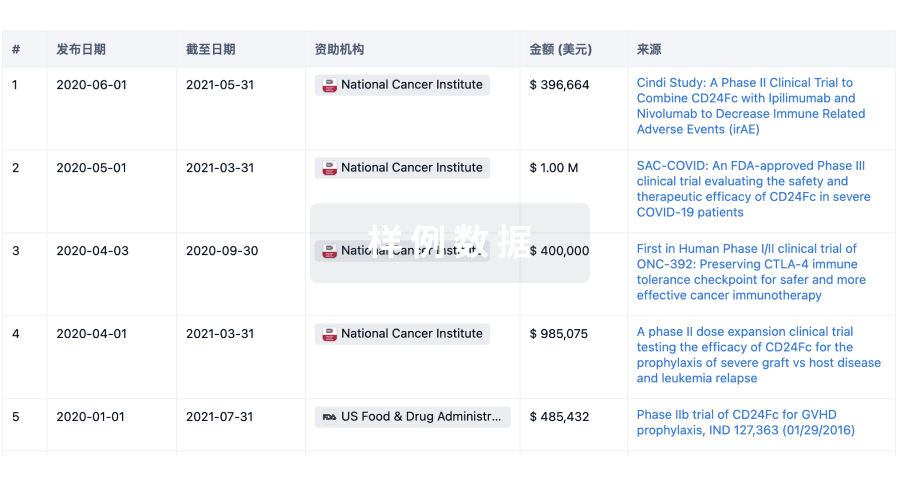
科研基金(NIH)
访问超过 200 万项资助和基金信息,以提升您的研究之旅。
登录
或
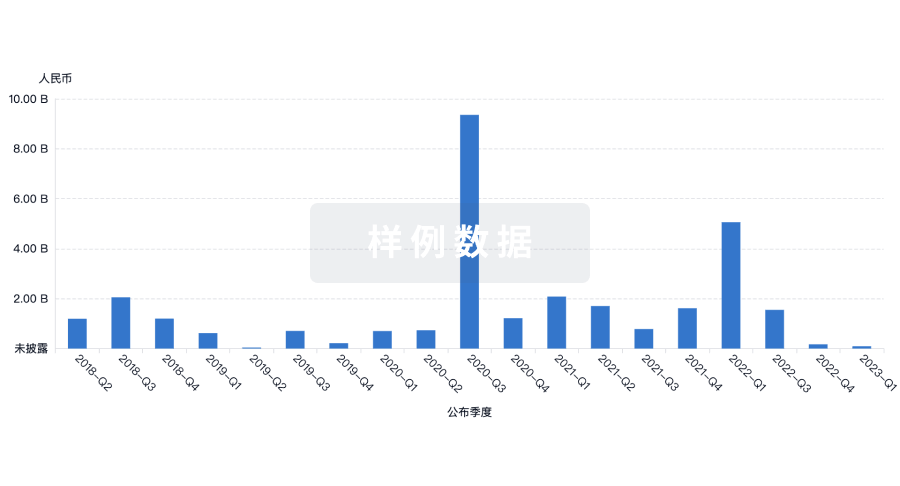
投资
深入了解从初创企业到成熟企业的最新公司投资动态。
登录
或
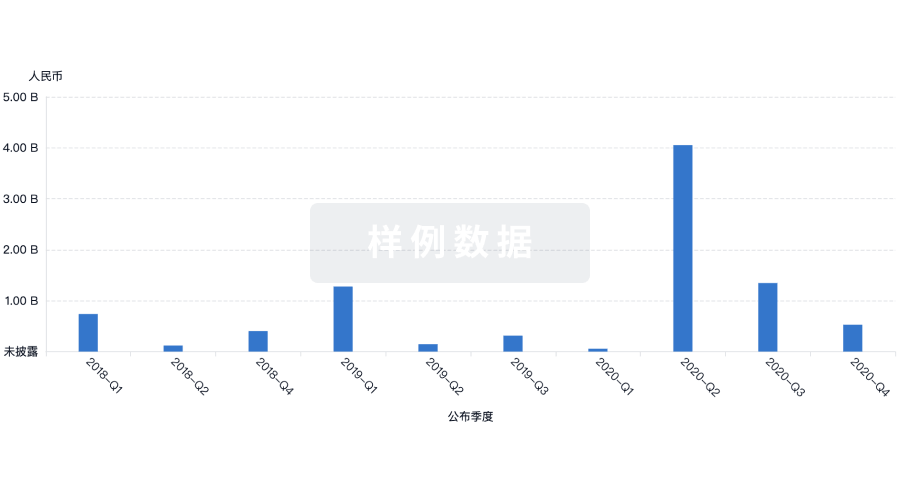
融资
发掘融资趋势以验证和推进您的投资机会。
登录
或
提出任何生物医药研究问题
让每一步生物医药决策都精准制胜
基于十亿级生物数据与全球情报的精准 AI,赋能早期药物发现
立即开始免费试用!
智慧芽新药情报库是智慧芽专为生命科学人士构建的基于AI的创新药情报平台,助您全方位提升您的研发与决策效率。
立即接入生物医药数据包
智慧芽新药库数据也通过智慧芽开放平台,以MCP或API服务形式对外开放。立即使用我们的MCP服务定制您的LLM智能体。
生物序列数据库
生物药研发创新
免费使用
化学结构数据库
小分子化药研发创新
免费使用