预约演示
更新于:2026-03-03

Universidad de Almería
更新于:2026-03-03
概览
标签
肿瘤
神经系统疾病
遗传病与畸形
小分子化药
疾病领域得分
一眼洞穿机构专注的疾病领域

技术平台
公司药物应用最多的技术
靶点
公司最常开发的靶点
关联
靶点 |
作用机制 |
在研机构 |
原研机构 |
在研适应症 |
非在研适应症 |
最高研发阶段 |
首次获批国家/地区 |
首次获批日期 |

WO2026008843
专利挖掘靶点 |
作用机制 |
在研机构 |
原研机构 |
在研适应症 |
非在研适应症 |
最高研发阶段 |
首次获批国家/地区 |
首次获批日期 |

EP4656660
专利挖掘靶点 |
作用机制 |
在研机构 |
原研机构 |
在研适应症 |
非在研适应症 |
最高研发阶段 |
首次获批国家/地区 |
首次获批日期 |
NCT06797817
Tributyrin Treatment in Mild Alzheimer Disease: Assessment of Butyrate Effects Via the Gut-Brain
NCT07386665
Impact of Circadian Exercise on Metabolic Dysfunction-Associated Steatotic Liver Disease in Postmenopausal Women
NCT06522893
Comparison of Electrical Dry Needling and Therapeutic Exercise Versus Therapeutic Exercise in Patients With Nonspecific Chronic Neck Pain: A Randomized Clinical Trial
100 项与 Universidad de Almería 相关的临床结果
登录后查看更多信息
登录后查看更多信息
2026-04-01PLANT SCIENCE
Glucose mitigates spatial heterogeneous cold damage in wheat via enhanced carbohydrate allocation to spike
Article
作者: Wang, Jingying ; Li, Xiangnan ; Haider, Fasih Ullah ; Tan, Xiaoyi ; Zhang, Peng ; Dai, Bing ; Liu, Yan ; García-Caparros, Pedro
Low temperature during the reproductive stage, particularly late-spring cold events, severely threatens wheat (Triticum aestivum L.) yield. This study explored how exogenous glucose promotes the source-flow-sink balance under low temperature by assessing its effects on sucrose metabolism, carbohydrate partitioning, vascular development, and yield components in wild-type (WT) and chlorophyll b-deficient mutant (ANK 32B) plants. Low temperature inhibited the activities of sucrose metabolism enzymes (soluble acid invertase, neutral invertase, sucrose phosphate synthase, and sucrose synthase) in spikes, while inducing abnormal activation in leaves and uppermost internodes. This disturbance caused carbohydrate retention in non-spike organs and severe depletion in spikes, markedly reducing starch, glucose, fructose, and sucrose in the basal and apical spikelets. Consequently, spike development was impaired, grain number and weight decreased, and main-stem yield declined by 60.66 %, 31.05 %, and 52.63 % in the basal, central, and apical spikelets. Micro-CT analysis revealed that cold stress also restricted rachis vascular bundle formation, particularly the bundles delivering assimilates to basal spikelets. The assimilate-limited ANK 32B mutant exhibited compounded sensitivity to low temperature. Exogenous glucose provided sufficient assimilates, stabilized the "source" by mitigating the sucrose metabolism enzyme disturbance, ensured the "flow" by maintaining vascular development, and strengthened the "sink" by increasing carbohydrate accumulation and dry matter in spikes. This coordinated regulation ultimately optimized source-flow-sink system, alleviating cold-induced yield loss by 4.54 %, 0.32 %, and 6.75 % in the basal, central, and apical spikelets, respectively.
2026-04-01PUBLIC HEALTH
Socio-demographic and occupational determinants of poor self-perceived health among seasonal migrant farmworkers: A cross-sectional analysis
Article
作者: Briones-Vozmediano, E ; Andrés-Cabello, S ; Rodríguez-Guerrero, L A ; Valls, J ; Mateos, J T ; Gea-Sánchez, M ; González-Rodríguez, A ; Jiménez-Lasserrotte, M D M
OBJECTIVES:
This study analyzes the self-perceived health of seasonal migrant farmworkers in Spain and identifies its associations with socio-demographic and occupational factors.
STUDY DESIGN:
Cross-sectional multicenter study.
METHODS:
A total of 616 seasonal migrant farmworkers of African origin were recruited in 2021-2022 from four Spanish provinces. Self-perceived health was assessed using a validated questionnaire and dichotomized as poor (regular/bad/very bad) vs good (good/very good). Multivariate logistic regression and decision tree analysis were conducted to identify associated factors. The model was evaluated using AUC and Hosmer-Lemeshow tests.
RESULTS:
Poor self-perceived health was reported by 23.1% of participants. Women (OR = 2.10), older adults (OR = 8.36 for ≥45 years), individuals without residence permits (OR = 2.10), alcohol users (OR = 2.02), and residents in southern regions (OR = 2.29) had significantly higher odds of reporting poor health. Specific conditions such as respiratory, circulatory, musculoskeletal, and mental health problems were also associated with poor health perception. Gender and geographic origin defined risk patterns.
CONCLUSIONS:
Our findings show that seasonal migrant farmworkers in Spain, particularly women and those without legal documentation or living in southern regions, experience worse health outcomes. Addressing and transforming the social and occupational conditions in which these migrant workers live and work requires structural interventions through governmental policies.
2026-03-01Contemporary Clinical Trials
The impact of prescribed versus achieved resistance training intensity on strength, body composition, and psychological health in women survivors of breast cancer: Protocol for the EFICAN 2.0 randomized trial
Article
作者: Rodríguez-Pérez, Manuel A ; Esteban-Simón, Alba ; Pérez-Castilla, Alejandro ; Soriano-Maldonado, Alberto ; Ramos-Teodoro, Máriam ; Pérez-Romero, Antonio ; Baena-Raya, Andrés ; Rodriguez-Solana, Andrea ; Díez-Fernández, David M
BACKGROUND:
Strength training (ST) is recommended for survivors of breast cancer due to its health-related benefits. However, the optimal method for prescribing ST intensity in this population remains unexplored.
OBJECTIVE:
To compare the effects of three intensity prescription methods on muscular strength, body composition, physical function and psychological health in survivors of breast cancer; and to examine how the training intensity progresses over time according to each method.
METHODS:
A three-arm randomized trial will be conducted with 60 women survivors of breast cancer randomly allocated to: (1) daily estimated one-repetition maximum (1RM) using individual load-velocity relationship; (2) initial 1RM estimation via load-velocity relationship, without daily updates; or (3) initial 1RM estimation via a 10RM test, without daily updates. The intervention includes a 2-week familiarization phase and an 8-week intervention phase. Training intensity will be prescribed between 60 and 75% 1RM, following the American College of Sports Medicine guidelines. Primary outcomes include muscle strength, physical function, cardiorespiratory fitness, fatigue, pain, quality of life, anxiety, and depressive symptoms. The secondary outcome is the difference between prescribed and achieved training intensity, which will be continuously monitored in all groups using a linear velocity transducer, and analyzed over time. Adherence, adverse events, and deviations from the protocol will be recorded.
CONCLUSION:
This trial will provide novel insights into the effects of different ST intensity prescription methods on physical and psychological outcomes in survivors of breast cancer. It will also determine whether traditional approaches achieve intended training intensities, thereby advancing knowledge on exercise prescription in oncology.
100 项与 Universidad de Almería 相关的药物交易
登录后查看更多信息
100 项与 Universidad de Almería 相关的转化医学
登录后查看更多信息
组织架构
使用我们的机构树数据加速您的研究。
登录
或
管线布局
2026年10月20日管线快照
管线布局中药物为当前组织机构及其子机构作为药物机构进行统计,早期临床1期并入临床1期,临床1/2期并入临床2期,临床2/3期并入临床3期
药物发现
3
1
临床3期
其他
3
登录后查看更多信息
当前项目
登录后查看更多信息
药物交易
使用我们的药物交易数据加速您的研究。
登录
或
转化医学
使用我们的转化医学数据加速您的研究。
登录
或
营收
使用 Synapse 探索超过 36 万个组织的财务状况。
登录
或
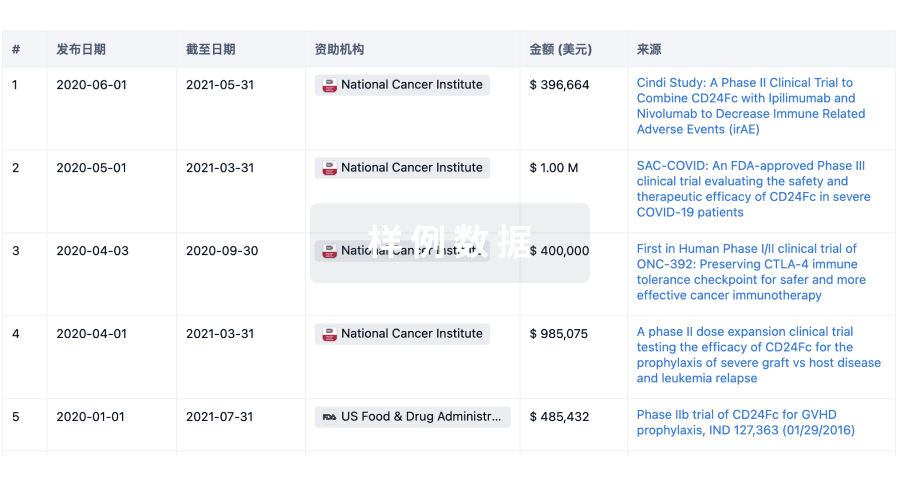
科研基金(NIH)
访问超过 200 万项资助和基金信息,以提升您的研究之旅。
登录
或
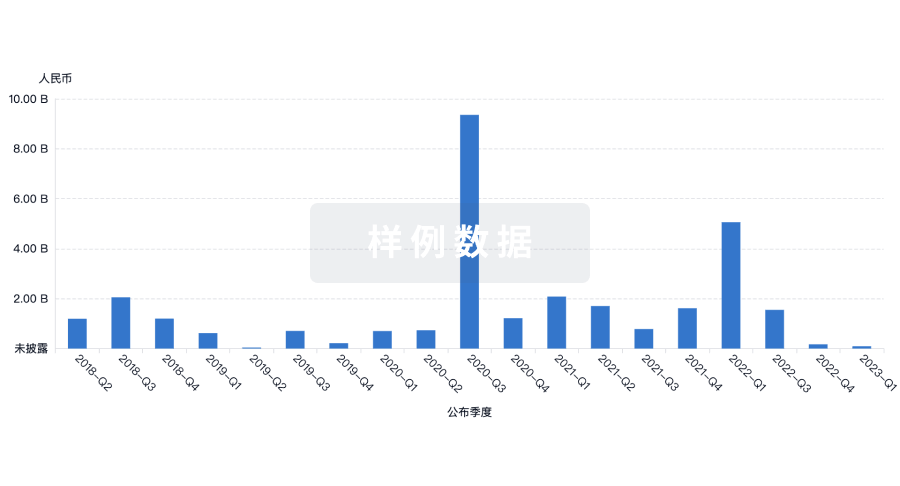
投资
深入了解从初创企业到成熟企业的最新公司投资动态。
登录
或
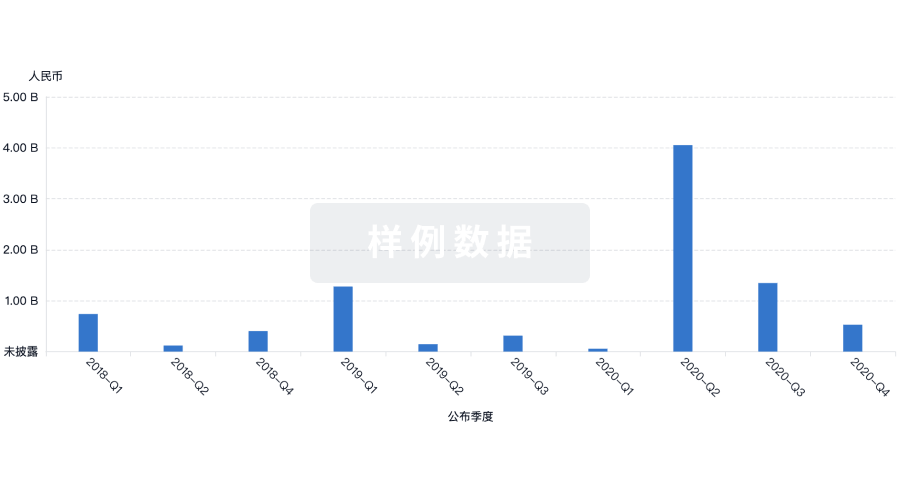
融资
发掘融资趋势以验证和推进您的投资机会。
登录
或
提出任何生物医药研究问题
让每一步生物医药决策都精准制胜
基于十亿级生物数据与全球情报的精准 AI,赋能早期药物发现
立即开始免费试用!
智慧芽新药情报库是智慧芽专为生命科学人士构建的基于AI的创新药情报平台,助您全方位提升您的研发与决策效率。
立即接入生物医药数据包
智慧芽新药库数据也通过智慧芽开放平台,以MCP或API服务形式对外开放。立即使用我们的MCP服务定制您的LLM智能体。
生物序列数据库
生物药研发创新
免费使用
化学结构数据库
小分子化药研发创新
免费使用