预约演示
更新于:2025-09-09
Beijing Municipal Education Commission
更新于:2025-09-09
概览
关联
ChiCTR2400082783
A dose-finding trial of human amniotic epithelial stem cells for the treatment of acute kidney injury in critically ill patients
ChiCTR2500095601
Influencing mechanism and intervention of school climate, resilience and hostility on school adaptation of secondary vocational students
NCT05095350
Effect of Probiotics on Grade 1 Primary Hypertension and Prehypertension and the Underlying Mechanism: a Randomized Controlled Trial

100 项与 北京市教育委员会 相关的临床结果
登录后查看更多信息
登录后查看更多信息
2025-11-01ENVIRONMENTAL RESEARCH
Combined effects of ambient temperature and ozone exposure before and during pregnancy on hypertensive disorders of pregnancy in 568 Chinese healthcare facilities
Article
作者: Yin, Jie ; Sun, Shengzhi ; Ma, Ning ; Cao, Wangnan ; Li, Chunrong ; Zhang, Yangchang
Hypertensive disorders in pregnancy (HDP) are a major contributor of maternal and perinatal mortality and morbidity. Although ambient ozone (O3) and temperature have been individually associated with increased HDP risk, their combined effects remain unclear. In this multicenter retrospective cohort study involving 173,644 women, we assessed the independent and interactive relationships of O3 and temperature on HDP risk using logistic regression and distributed lag non-linear models (DLNM). Temperature was categorized by percentiles as extreme cold (≤5th), moderate cold (>5th to ≤10th), moderate (>10th to ≤90th), moderate hot (>90th to ≤95th), and extreme hot (>95th). For DLNM analyses, the 10th and 90th percentiles of temperature were used to represent low and high temperature, respectively. Compared with moderate temperatures, preconception exposure to extreme cold conditions (OR: 1.37, 95 % CI: 1.21-1.54) and moderate hot during the first 20 weeks of pregnancy (OR: 1.14, 95 % CI: 1.01-1.29) were associated with higher HDP risk. Each 10 μg/m3 increase in O3 concentration elevated HDP risk during the 13 weeks before pregnancy (OR: 1.10, 95 % CI: 1.08-1.12) and the first 20 weeks of pregnancy (OR: 1.04, 95 % CI: 1.01-1.07). Temperature-related HDP risk increased significantly at O3 concentrations above 60 μg/m3 and was markedly amplified beyond 110 μg/m3, where extreme temperatures nearly doubled the risk (OR: 2.00, 95 % CI: 1.35-2.96). Critical susceptibility windows were identified at weeks 9-12 before pregnancy for O3 exposure and gestational weeks 13-20 for high temperature. These findings provide novel evidence of pre-pregnancy O3-sensitivity windows, stage-specific bidirectional temperature associations, and significant O3-temperature interactions, underscoring the need for targeted environmental interventions during preconception and early pregnancy.
HEART
Midterm outcomes of rheumatic mitral valve repair versus replacement in a dual-centre retrospective study
Article
作者: Zhong, Xiaohan ; Liu, Peiyi ; Wang, Meili ; Ye, Hongyu ; Liu, Yuyong ; Zhang, Hongjia ; Luo, Wei ; Jiang, Wenjian ; Jia, Songhao ; Wang, Maozhou
Background:
Rheumatic mitral valve disease remains a major global health challenge. Determining optimal surgical approaches is critical. This study aimed to identify key repairability factors and compare midterm outcomes of mitral repair versus replacement.
Methods:
This retrospective cohort study consecutively enrolled rheumatic mitral valve surgery patients from two centres, excluding those with missing imaging or clinical data. CT angiography and echocardiogram was used to quantitatively assess factors affecting repairability. Inverse probability weighting was applied to balance baseline characteristics between groups, and mid-term outcomes were compared. Independent risk factors for prognosis were also explored.
Results:
Among 972 patients, 621 (63.9%) successfully underwent mitral valve repair. Body mass index, diabetes, left atrial diameter, posterior leaflet calcification, anterior leaflet clear zone calcification and annular calcification were identified as independent factors affecting repairability. At a median follow-up of 3.51 years (IQR 1.62–5.14), the repair group demonstrated more favourable outcomes, with significantly reduced mortality and stroke rates compared with the replacement group, while maintaining comparable reoperation rates. Prior percutaneous mitral commissurotomy did not reduce valve repairability (OR=0.588, 95% CI 0.342 to 1.010; p=0.054) but emerged as an independent predictor of reoperation following repair (OR=7.496, 95% CI 1.325 to 42.404; p=0.023).
Conclusions:
In well-selected patients, rheumatic mitral valve repair was associated with lower mortality and stroke rates compared with replacement, with comparable reoperation rates. However, patients with a history of percutaneous mitral commissurotomy have a higher risk of reoperation after repair and should be carefully evaluated.
Trial registration number:
ChiCTR2200067151.
2025-09-01JOURNAL OF HAZARDOUS MATERIALS
Fine particulate matter and its chemical constituents on oocyte quality in controlled ovarian hyperstimulation cycles: A prospective cohort study in China
Article
作者: Yin, Jie ; Zeng, Qiang ; Sun, Shengzhi ; Cao, Wangnan ; Liu, Jiayi ; Chen, Rui
Previous studies have examined the association between fine particulate matter (PM2.5) and female oocyte quality; however, the specific chemical constituents influencing this association remain unclear. In this study, we examined the association between PM2.5 constituents and oocyte quality in Hubei Province, China, using a generalized estimating equations model. We used a weighted quantile sum model to identify which PM2.5 constituents most strongly impact oocyte quality. Our results showed that exposure to PM2.5 constituents, including organic matter, black carbon, nitrate, sulfate, and ammonium, was associated with a decreased count of MII oocytes, 2PN oocytes, best cleavage-stage embryos, and increased rates of maturation failure and fertilization failure. Nitrate and organic matter demonstrated the strongest associations compared to the other constituents analysed. The most susceptible exposure windows differed depending on the reproductive outcomes measured, suggesting that different stages of follicular development exhibit differing sensitivities to PM2.5 exposures. These findings highlight the importance of reducing secondary aerosol precursor emissions, particularly those from fossil fuel combustion and biomass burning.
100 项与 北京市教育委员会 相关的药物交易
登录后查看更多信息
100 项与 北京市教育委员会 相关的转化医学
登录后查看更多信息
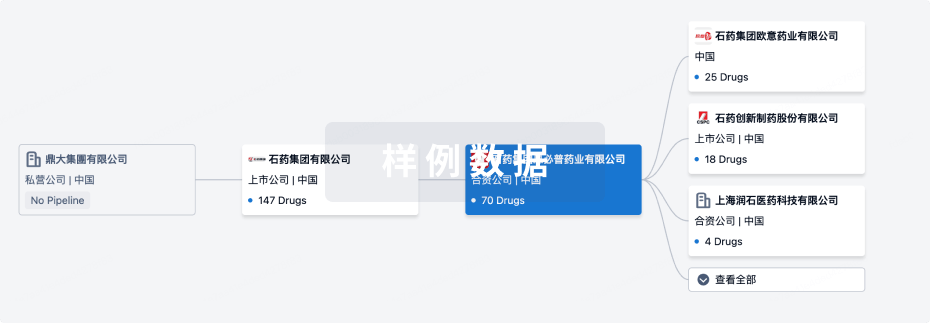
组织架构
使用我们的机构树数据加速您的研究。
登录
或
管线布局
2026年02月09日管线快照
无数据报导
登录后保持更新
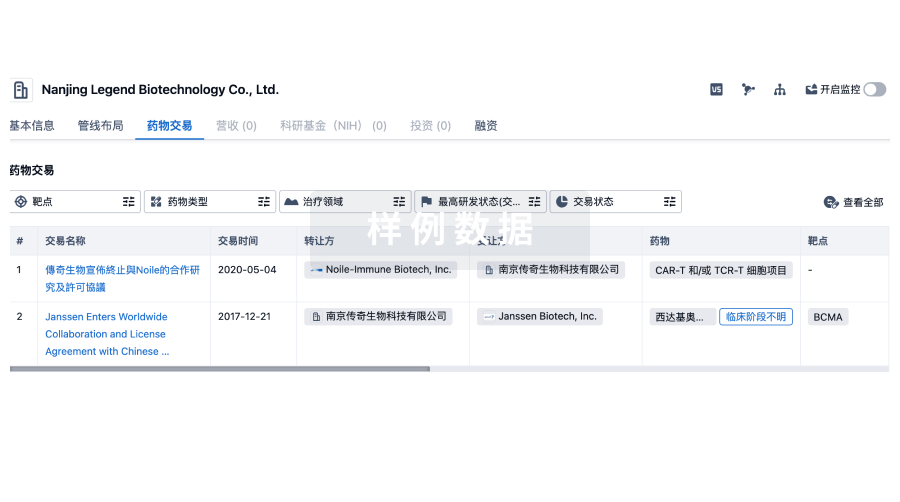
药物交易
使用我们的药物交易数据加速您的研究。
登录
或
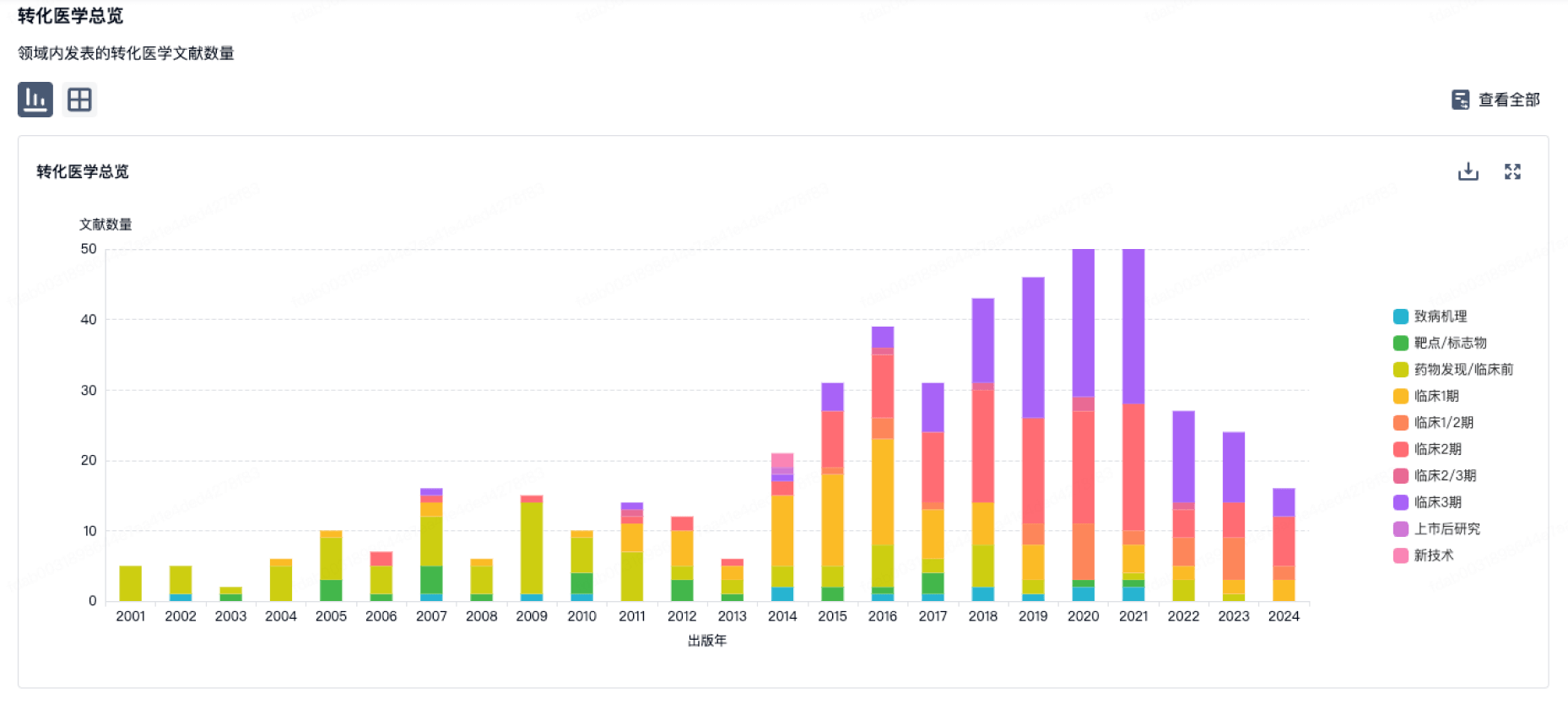
转化医学
使用我们的转化医学数据加速您的研究。
登录
或
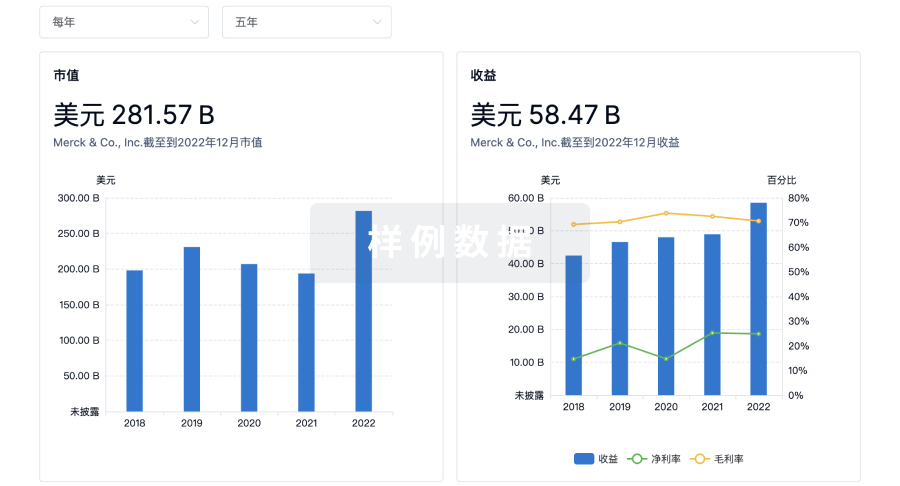
营收
使用 Synapse 探索超过 36 万个组织的财务状况。
登录
或
科研基金(NIH)
访问超过 200 万项资助和基金信息,以提升您的研究之旅。
登录
或
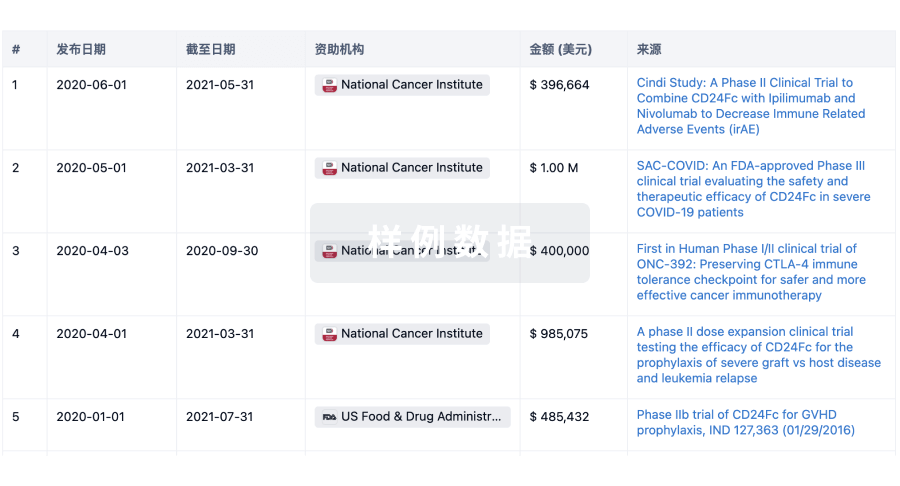
投资
深入了解从初创企业到成熟企业的最新公司投资动态。
登录
或
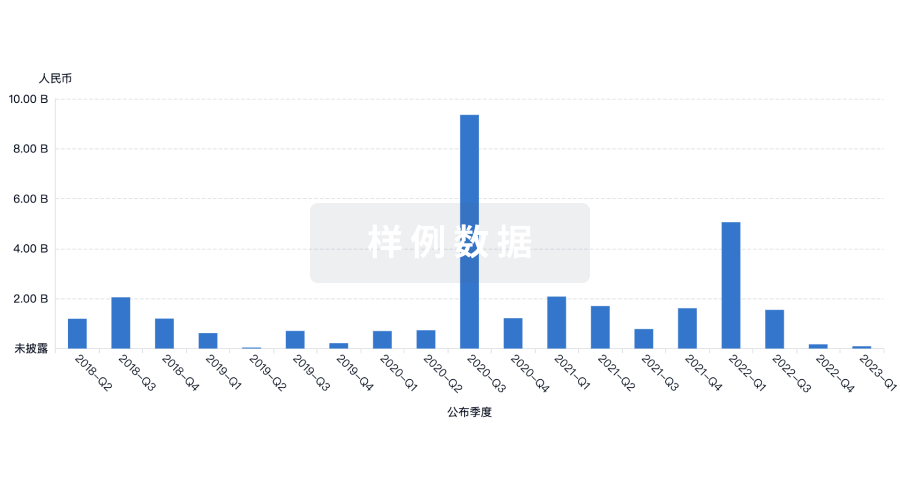
融资
发掘融资趋势以验证和推进您的投资机会。
登录
或
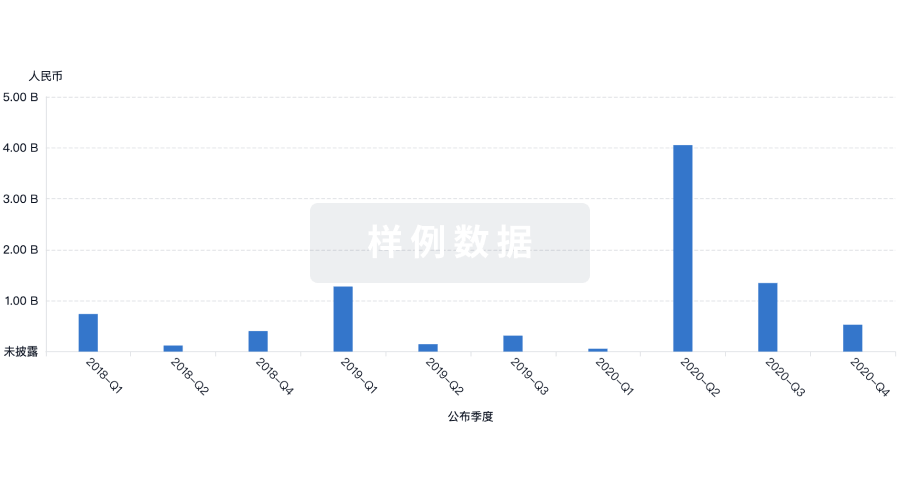
生物医药百科问答
全新生物医药AI Agent 覆盖科研全链路,让突破性发现快人一步
立即开始免费试用!
智慧芽新药情报库是智慧芽专为生命科学人士构建的基于AI的创新药情报平台,助您全方位提升您的研发与决策效率。
立即开始数据试用!
智慧芽新药库数据也通过智慧芽数据服务平台,以API或者数据包形式对外开放,助您更加充分利用智慧芽新药情报信息。
生物序列数据库
生物药研发创新
免费使用
化学结构数据库
小分子化药研发创新
免费使用