预约演示
更新于:2025-08-29

Changchun Institute of Applied Chemistry
更新于:2025-08-29
概览
标签
神经系统疾病
其他疾病
肿瘤
小分子化药
治疗性疫苗
疾病领域得分
一眼洞穿机构专注的疾病领域
技术平台
公司药物应用最多的技术
靶点
公司最常开发的靶点

暂无数据
关联
靶点 |
作用机制 |
在研机构 |
原研机构 |
在研适应症 |
非在研适应症 |
最高研发阶段 |
首次获批国家/地区 |
首次获批日期 |
靶点 |
作用机制 |
在研机构 |
原研机构 |
在研适应症 |
非在研适应症 |
最高研发阶段 |
首次获批国家/地区 |
首次获批日期 |
100 项与 中国科学院长春应用化学研究所 相关的临床结果
登录后查看更多信息
登录后查看更多信息
2026-02-01BIOELECTROCHEMISTRY
Electrochemiluminescent detection of glucose by employing a cobalt-based stainless steel electrode
Article
作者: Liu, Hongzhan ; Eticha, Tadele ; Tian, Yu ; Alboull, Ala'a Mhmoued Abdllh ; Xu, Guobao ; Dong, Zhiyong ; Abbas, Fathimath ; Gao, Wenyue
Electrodes employed in the detection of glucose are commonly fabricated from conductive substances, including platinum, gold, or carbon, often modified with enzymes such as glucose oxidase, and are designed to promote electrochemical interactions that precisely quantify glucose levels in biological specimens. Cobalt-based stainless steel exhibits excellent biocompatibility and corrosion resistance and has been using in various advanced applications, such as medical devices. Herein, we demonstrate the first electroanalytical application of cobalt-based stainless steel electrode through its application for luminol electrochemiluminescence (ECL) detection of hydrogen peroxide and glucose. Luminol‑hydrogen peroxide shows intense ECL at cobalt-based stainless steel electrode, enabling the detection of H₂O₂ in the concentration range of 0.01 μM to 20 μM with a limit of detection of 1.25 nM. Moreover, intense ECL of luminol‑hydrogen peroxide at cobalt-based stainless steel electrode was used to develop an ECL glucose detection method by coupling with the enzymatic conversion of glucose to hydrogen peroxide in the presence of glucose oxidase. The developed ECL glucose detection method shows a wide linear range of 0.005 to 5 mM with a limit of detection of 0.005 mM and a limit of quantification as 0.016 mM, with excellent reproducibility (3.7 % RSD). This method was further validated through its application to real honey samples, and the results were compared by the HPLC method, showcasing its potential for glucose detection. This study implies significant potential of cobalt-based stainless steel electrode across various electroanalytical applications due to its sensitivity, wide detection range, and robustness.
2026-01-01BIOMATERIALS
Multi-bioactive poly(amino acid)-metal-organic framework nanocomposite for reinforced cascading photodynamic immunotherapy of cancer
Article
作者: Chen, Li ; Wei, Xue ; Chen, Xuesi ; Ding, Jianxun ; Yang, Jiazhen ; Sun, Jichao ; Zhao, Zhitong ; Li, Di ; Choonara, Yahya E ; Li, Minglu
Photodynamic immunotherapy (PDIT) represents a promising synergistic approach to enhance the efficacy of cancer immunotherapy by inducing immunogenic cell death (ICD) through the generation of reactive oxygen species (ROS). However, the anti-cancer efficacy of PDIT is limited by insufficient ROS production and highly immunosuppressive tumor microenvironments (TMEs). In this study, a multi-bioactive nanocomposite consisting of hyaluronic acid-block-poly(1-methyl-d-tryptophan-co-l-glutamic acid) (HA-PMTG) and tetracarboxyl porphyrin-trivalent Fe(III) metal-organic framework (MOFTCPP-Fe) was developed for enhanced cascading PDIT. The spindle-shaped nanocomposite HA-PMTG@MOFTCPP-Fe, measuring 188 nm in length and 80 nm in width, demonstrated efficient uptake by 4T1 cells and alleviated tumor hypoxia through the Fenton reaction. Following intravenous injection, HA-PMTG@MOFTCPP-Fe selectively accumulated in mouse breast cancer 4T1 tumor for up to 48 h. Upon laser irradiation, photodynamic therapy (PDT) coupled with the inhibition of indoleamine-2,3-dioxygenase (IDO) by 1-MDT successfully induced ICD, resulting in a 51.57% increase in cell surface calreticulin (CRT) positivity in the HA-PMTG@MOFTCPP-Fe group. This increase reduced immune tolerance, suppressed tumor growth, and extended the median survival of tumor-bearing mice to 120 days. Furthermore, treatment with HA-PMTG@MOFTCPP-Fe on the primary tumor inhibited distant tumor growth through a bystander effect and prevented tumor recurrence by activating immune memory. Thus, the multi-bioactive HA-PMTG@MOFTCPP-Fe offers an effective cascading strategy to enhance the PDIT of cancer.
2026-01-01BIOMATERIALS
Precisely deliver toll-like receptor agonists using a dual-responsive nanovaccine for effective cancer immunotherapy
Article
作者: Meng, Meng ; Li, Huixin ; Li, Ziqin ; Fang, Guanhe ; Tu, Zhaoyuan ; Shi, Zongwei ; Xing, Yumeng ; Chen, Xuesi ; Feng, Yuanji ; Wu, Ruiying ; Xiang, Longwei ; Tian, Huayu
Cancer vaccines have demonstrated their potential in cancer immunotherapy. However, various agonists in free form are easily to be eliminated in vivo and may cause systemic adverse effects. It remains a challenge to effectively target and release agonists at their receptor locations and prevent undesirable leakage. Herein, we present a dual-responsive nanovaccine (DRNV) for targeted delivery of toll-like receptor (TLR) agonists. DRNV was formed by self-assembly of antigen and degradable amphiphilic polymer, polyethylene glycol modified poly (lipoic acid) (PTA). Imidazoquinoline (IMDQ), a classical TLR7/8 agonist, was covalently conjugated to PTA with an enzyme-responsive linker. With this design, DRNV can avoid rapid elimination and potential toxicity due to systemic diffusion. Furthermore, the PTA core would be quickly degraded in response to intracellular glutathione, leading to the disintegration of DRNV and promoting enzyme-responsive release of IMDQ, ultimately stimulating TLR7/8 receptors on the inner membrane of endosomes. Systemic animal experiments demonstrated that DRNV effectively inhibits tumor growth and triggers protective antitumor immune responses to against tumor rechallenge and metastasis. Overall, this work demonstrates a feasible nanoplatform for the precise delivery of TLR agonists and tumor antigens, providing insights into the design of advanced nanovaccine for effective and safe cancer immunotherapy.
100 项与 中国科学院长春应用化学研究所 相关的药物交易
登录后查看更多信息
100 项与 中国科学院长春应用化学研究所 相关的转化医学
登录后查看更多信息
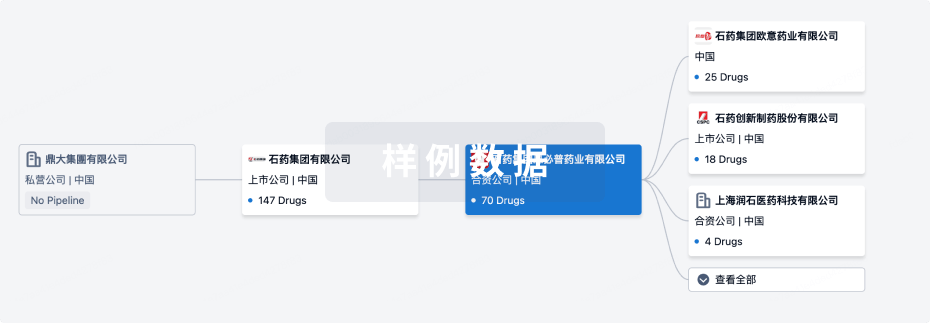
组织架构
使用我们的机构树数据加速您的研究。
登录
或
管线布局
2026年02月09日管线快照
管线布局中药物为当前组织机构及其子机构作为药物机构进行统计,早期临床1期并入临床1期,临床1/2期并入临床2期,临床2/3期并入临床3期
临床前
2
登录后查看更多信息
当前项目
登录后查看更多信息
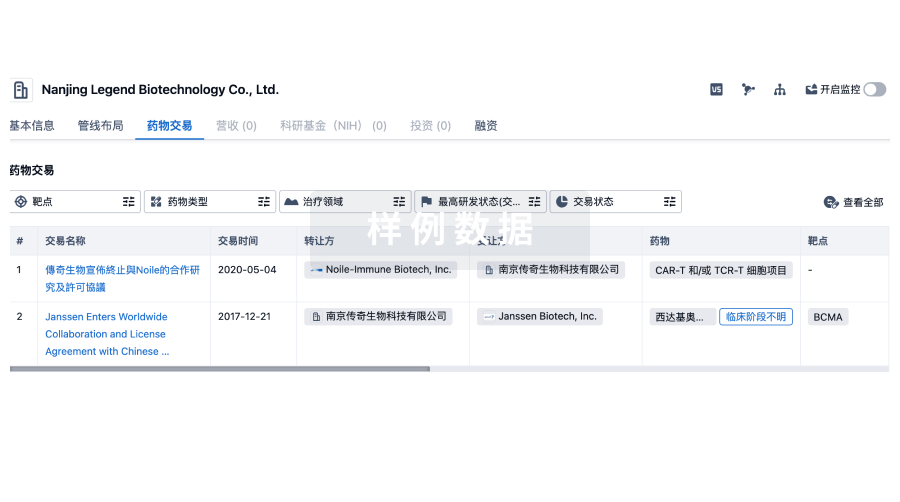
药物交易
使用我们的药物交易数据加速您的研究。
登录
或
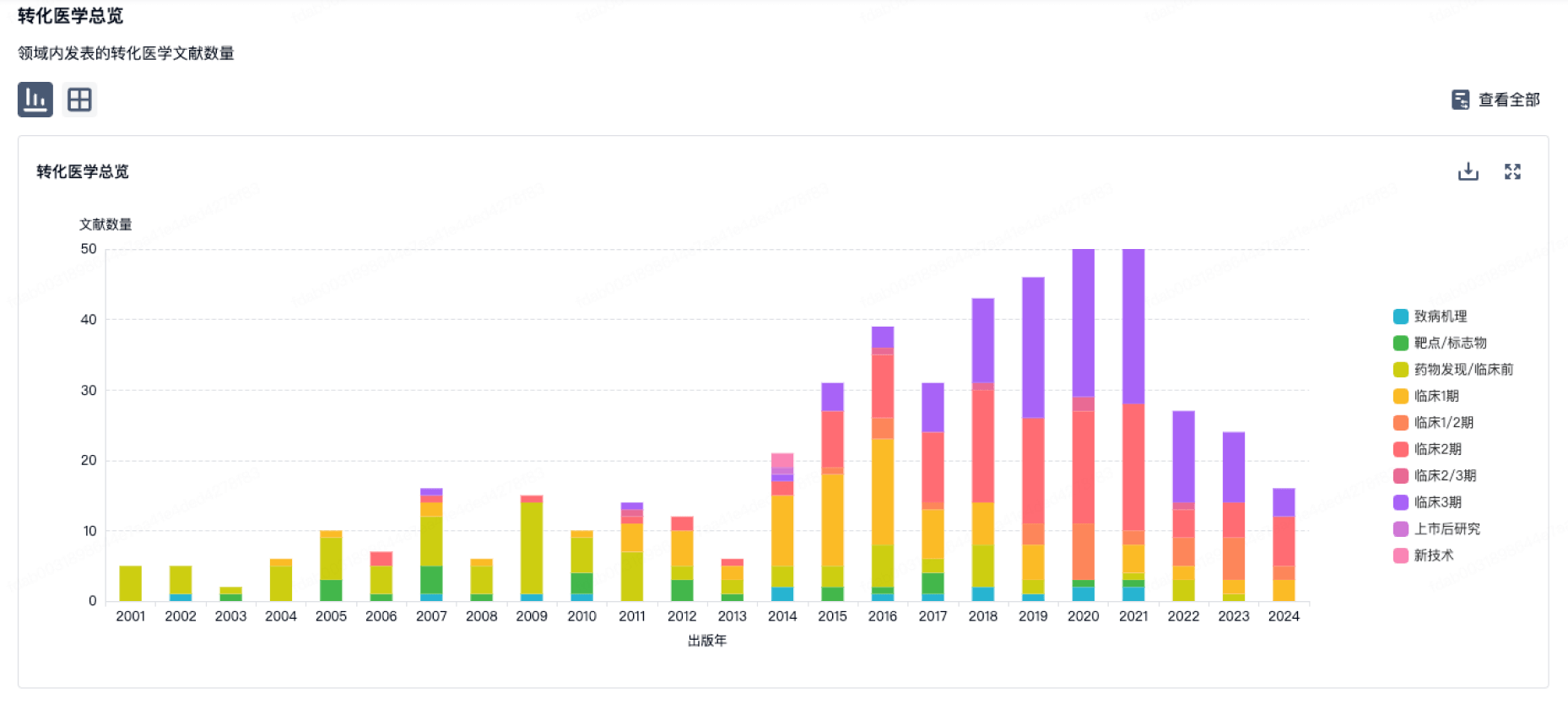
转化医学
使用我们的转化医学数据加速您的研究。
登录
或
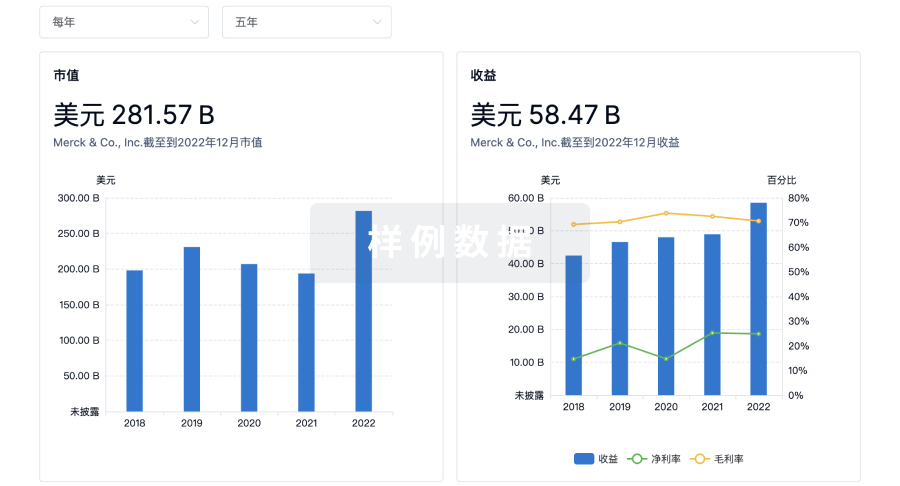
营收
使用 Synapse 探索超过 36 万个组织的财务状况。
登录
或
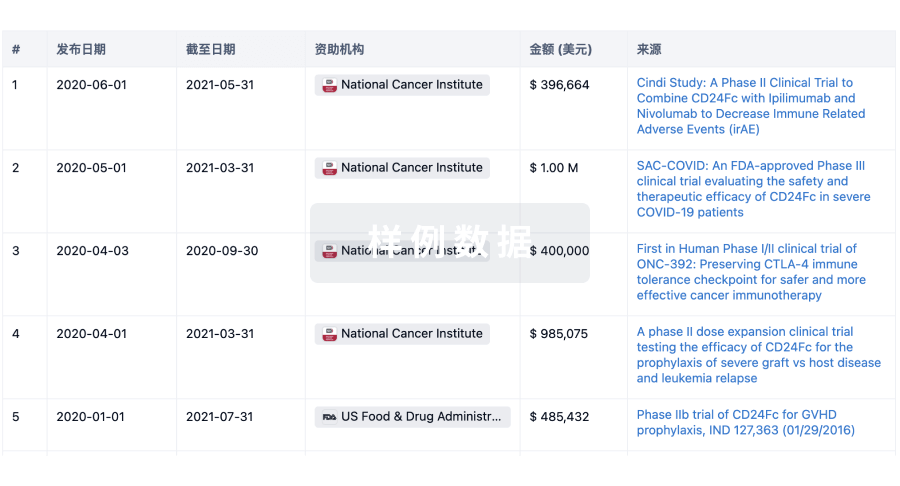
科研基金(NIH)
访问超过 200 万项资助和基金信息,以提升您的研究之旅。
登录
或
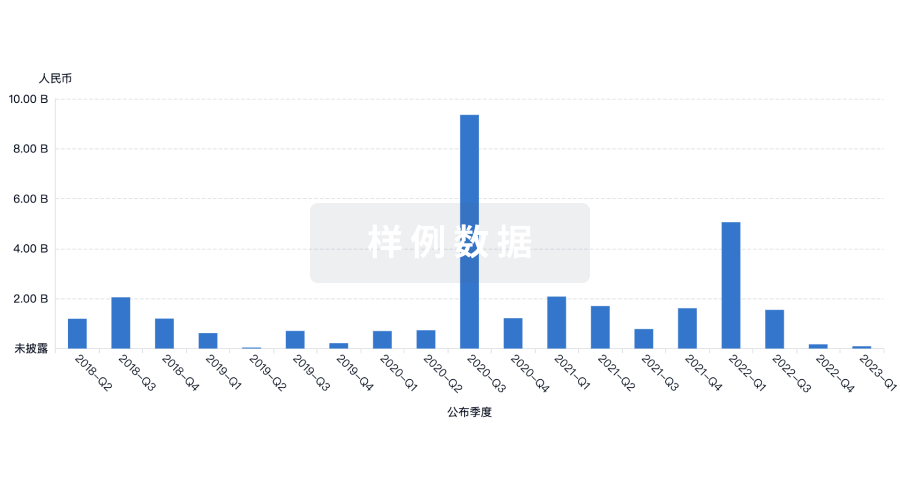
投资
深入了解从初创企业到成熟企业的最新公司投资动态。
登录
或
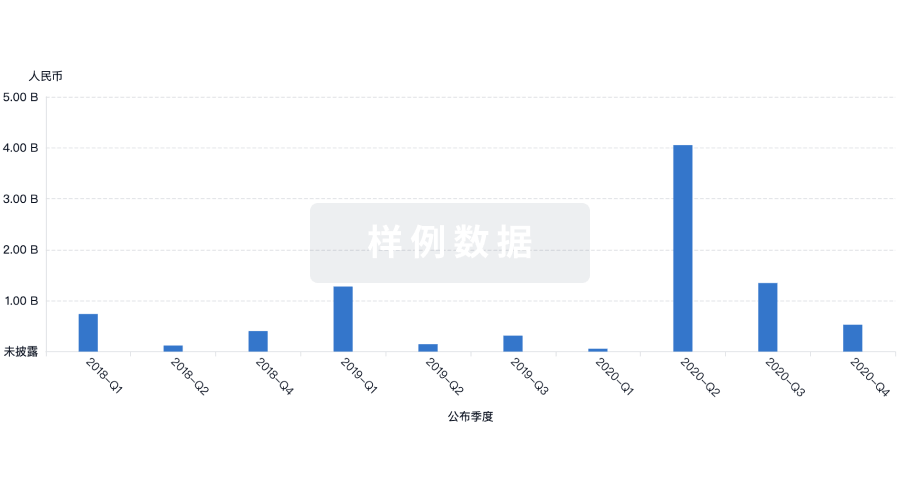
融资
发掘融资趋势以验证和推进您的投资机会。
登录
或
生物医药百科问答
全新生物医药AI Agent 覆盖科研全链路,让突破性发现快人一步
立即开始免费试用!
智慧芽新药情报库是智慧芽专为生命科学人士构建的基于AI的创新药情报平台,助您全方位提升您的研发与决策效率。
立即开始数据试用!
智慧芽新药库数据也通过智慧芽数据服务平台,以API或者数据包形式对外开放,助您更加充分利用智慧芽新药情报信息。
生物序列数据库
生物药研发创新
免费使用
化学结构数据库
小分子化药研发创新
免费使用