预约演示
更新于:2025-11-09

Kafrelsheikh University
更新于:2025-11-09
概览
标签
神经系统疾病
肿瘤
其他疾病
小分子化药
外泌体药物
疾病领域得分
一眼洞穿机构专注的疾病领域

技术平台
公司药物应用最多的技术
靶点
公司最常开发的靶点
关联
靶点 |
作用机制 |
在研机构 |
原研机构 |
在研适应症 |
非在研适应症 |
最高研发阶段 |
首次获批国家/地区 |
首次获批日期 |

靶点 |
作用机制 |
在研机构 |
原研机构 |
在研适应症 |
非在研适应症 |
最高研发阶段 |
首次获批国家/地区 |
首次获批日期 |
靶点 |
作用机制 |
在研机构 |
原研机构 |
在研适应症 |
非在研适应症 |
最高研发阶段 |
首次获批国家/地区 |
首次获批日期 |
NCT07224295
The Effect of Non Invasive Stellate Ganglion Disrupting on Sleep Disturbances on Postmenopausal Female
NCT06939933
Effect of Aquatic Exercises on Muscle Strength and Quality of Life in Children With Sickle Cell Anemia
NCT07215156
Comparative Study Between Metformin and Chlorhexidine Gel as Adjunctive to Conventional Non-Surgical Treatment of Stage II Grade B Periodontitis: A Randomized Controlled Clinical Trial
100 项与 Kafrelsheikh University 相关的临床结果
登录后查看更多信息
登录后查看更多信息
2026-02-01SPECTROCHIMICA ACTA PART A-MOLECULAR AND BIOMOLECULAR SPECTROSCOPY
Ultrasensitive spectrofluorimetric analysis of harmalacidine HCl: A potent underexplored MAO-A inhibitor from Peganum harmala L
Article
作者: Alossaimi, Manal A ; Magdy, Galal ; Mourenza, Álvaro ; Abdel Bar, Fatma M ; ElNaggar, Mai H ; Letek, Michal ; Mateos, Luis
Peganum harmala seeds are a rich source of β-carboline alkaloids with diverse pharmacological properties; however, their major constituent, harmalacidine HCl, remains underexplored. This work reports the extraction, isolation, spectrofluorimetric quantification, comparative monoamine oxidase A (MAO-A) inhibitory activity, and cytotoxic evaluation of harmalacidine HCl alongside other P. harmala alkaloids. Harmalacidine HCl was identified by NMR spectroscopy. A novel spectrofluorimetric method was developed and validated for the ultrasensitive quantification of harmine (H1), harmaline (H2), and harmalacidine HCl (H3), showing excellent sensitivity down to nanogram levels (LOQ: 0.88 ng/mL for harmalacidine HCl) and linearity (r ≥ 0.9994). The study highlights the critical role of pH adjustment in optimizing the extraction and fluorimetric detection of H3 (harmalacidine). In vitro MAO-A inhibition assay revealed that harmalacidine HCl inhibits MAO-A with an IC50 of 457 ± 179 nM, surpassing harmine (IC50 = 506 ± 163 nM) and comparable to the standard inhibitor, clorgyline. Molecular docking studies supported these findings, demonstrating that H3 forms additional interactions with amino acid residues in the active site of MAO-A, potentially accounting for its enhanced inhibitory activity. The cytotoxicity (MTT) assay revealed that H3 exhibited relatively low antiproliferative activity against A549 and HCT116 cancer cell lines, as well as normal HEK293T cells, with an EC50 of approximately 10 μM. In vitro cytotoxicity testing indicated a preliminary therapeutic index of approximately 19, suggesting a substantial margin between the effective and cytotoxic concentrations of harmalacidine HCl, and indicating an acceptable initial safety profile. Given its abundance in P. harmala and promising MAO-A inhibitory activity, harmalacidine HCl could be a promising lead for further development as a reversible MAO-A inhibitor, with potential applications in treating neuropsychiatric disorders.
2026-01-01MARINE POLLUTION BULLETIN
Combined effects of marine heatwaves and nano-titanium dioxide (nano-TiO₂) on the physiological fitness in the mussel Mytilus coruscus
Article
作者: Hu, Menghong ; Li, Li'ang ; Zhang, Mojiang ; Wang, Youji ; Liu, Bing ; Abo-Raya, Mohamed H ; Li, Xinyue
We investigated the combined effects of marine heatwaves (MHWs) and nano-titanium dioxide (nano-TiO₂) on the physiological fitness of the mussel Mytilus coruscus. The experimental design included multiple concentrations of nano-TiO₂ (0, 25, and 250 μg/L) under both ambient temperature (22 °C) and simulated marine heatwave (28 °C) conditions. Results demonstrated that both MHWs and nano-TiO₂ exposure significantly increased gonadal tissue damage, reduced shell strength, and altered the expression of genes related to lipid metabolism (SCD) and biomineralization (CALM, CA, CHS), thereby compromising physiological functions in both gonadal and mantle tissues. Additionally, mitochondrial activity was impaired and DNA damage was enhanced in both tissues. The combined exposure to MHWs and high concentrations of nano-TiO₂ exacerbated these effects, suggesting that MHWs amplify the toxicity of nano-TiO₂. Noteworthy was the distinct difference in mitochondrial activity between gonadal and mantle tissues, indicating tissue-specific metabolic responses under multifactorial stress. These findings highlight the vulnerability of bivalves to multiple environmental stressors and emphasize the need for integrated biomarker approaches in ecological risk assessment within rapidly changing marine environments.
2026-01-01EUROPEAN JOURNAL OF MEDICINAL CHEMISTRY
Harnessing benzofuran scaffolds: A journey through design, synthesis, and biological discovery toward safer anti-diabetic and anti-oxidant candidates
Article
作者: Ismail, Rania S M ; Ghabbour, Hazem A ; Abdel-Aziz, Hatem A ; Naglah, Ahmed M ; Almehizia, Abdulrahman A ; Fakhry, Mariam M ; Ibrahim, Aya Mohamed Ahmed ; Alkabbani, Mahmoud Abdelrahman ; Eldehna, Wagdy M ; Tawfik, Haytham O ; Hamdy, Abdallah M ; Elkotamy, Mahmoud S ; Abubakr, Abdelhameed ; Shatat, Abdel-Aziz S ; Mohamed, Mayada H ; Elgohary, Mohamed K
A series of benzofuran-based compounds 7a-e, 8a-e, 13a-c, and 17a-e was designed and synthesized through bioisosteric strategies inspired by previously reported studies. These compounds were initially screened for anti-oxidant properties using the DPPH radical scavenging assay, where compounds 8c, 8d, 8e, 13c, and 17d demonstrated outstanding activity, with IC50 values ranging between 13.48 and 21.73 μM. Subsequent enzymatic assays demonstrated that compounds 7d, 8d, 17c, and 17e exhibited α-amylase inhibitory activity comparable to the reference drug acarbose (IC50 = 12.35-24.59 μM). In parallel, compounds 7e, 8e, and 17c showed potent α-glucosidase inhibition, with IC50 values ranging from 7.30 to 15.24 μM, which are comparable to or surpass the activity of acarbose (IC50 = 11.29 ± 0.10 μM), supporting their potential as anti-diabetic agents. Building upon these in vitro findings, selected candidates were evaluated in vivo using glucose intolerance and alloxan-induced diabetic models, where they significantly lowered blood glucose levels compared to standard treatments. Complementary bioinformatics studies confirmed the engagement of key anti-diabetic molecular targets. Safety was assessed via toxicity biomarkers (AST, ALT, creatinine, and urea), all of which remained within normal ranges, indicating a favorable toxicity profile. ADME analyses suggested good oral bioavailability and low risk of systemic toxicity. Additionally, molecular docking and molecular dynamics simulations demonstrated strong binding affinities and structural alignment with co-crystallized ligands. These findings collectively establish the benzofuran scaffold as a promising platform for developing novel anti-oxidant and anti-diabetic therapeutics.
100 项与 Kafrelsheikh University 相关的药物交易
登录后查看更多信息
100 项与 Kafrelsheikh University 相关的转化医学
登录后查看更多信息
组织架构
使用我们的机构树数据加速您的研究。
登录
或
管线布局
2026年10月11日管线快照
管线布局中药物为当前组织机构及其子机构作为药物机构进行统计,早期临床1期并入临床1期,临床1/2期并入临床2期,临床2/3期并入临床3期
临床前
12
1
临床1期
其他
2
登录后查看更多信息
当前项目
登录后查看更多信息
药物交易
使用我们的药物交易数据加速您的研究。
登录
或
转化医学
使用我们的转化医学数据加速您的研究。
登录
或
营收
使用 Synapse 探索超过 36 万个组织的财务状况。
登录
或
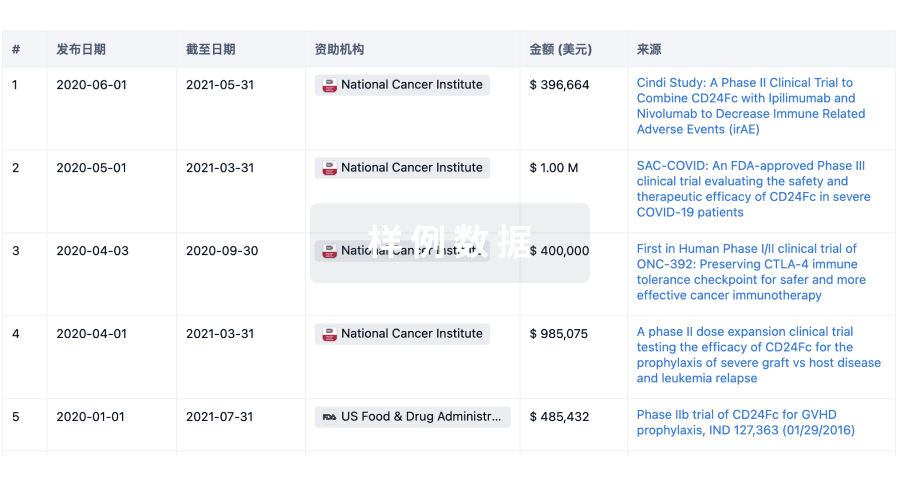
科研基金(NIH)
访问超过 200 万项资助和基金信息,以提升您的研究之旅。
登录
或
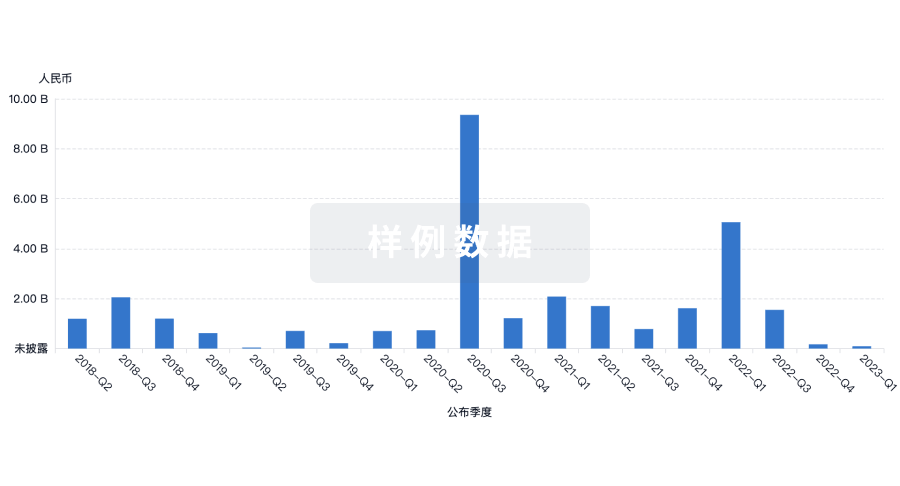
投资
深入了解从初创企业到成熟企业的最新公司投资动态。
登录
或
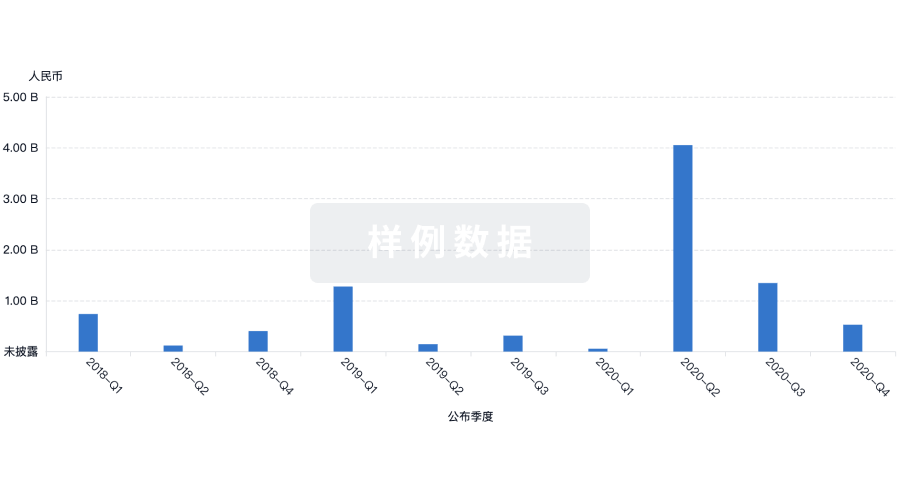
融资
发掘融资趋势以验证和推进您的投资机会。
登录
或
提出任何生物医药研究问题
让每一步生物医药决策都精准制胜
基于十亿级生物数据与全球情报的精准 AI,赋能早期药物发现
立即开始免费试用!
智慧芽新药情报库是智慧芽专为生命科学人士构建的基于AI的创新药情报平台,助您全方位提升您的研发与决策效率。
立即接入生物医药数据包
智慧芽新药库数据也通过智慧芽开放平台,以MCP或API服务形式对外开放。立即使用我们的MCP服务定制您的LLM智能体。
生物序列数据库
生物药研发创新
免费使用
化学结构数据库
小分子化药研发创新
免费使用