预约演示
更新于:2025-12-10

Universita degli Studi di Foggia
更新于:2025-12-10
概览
标签
肿瘤
呼吸系统疾病
小分子化药
疾病领域得分
一眼洞穿机构专注的疾病领域

技术平台
公司药物应用最多的技术
靶点
公司最常开发的靶点
关联
靶点 |
作用机制 |
在研机构 |
原研机构 |
在研适应症 |
非在研适应症 |
最高研发阶段 |
首次获批国家/地区 |
首次获批日期 |


CTIS2025-522376-82-00
Intralymphatic Allergen Immunotherapy (ILIT) in grass pollen allergy: a randomized controlled trial
NCT07051499
Effectiveness of TAP Block Versus Intravenous Analgesia in Postoperative Pain Management Following Gynecological Laparoscopic Surgery
NCT05988333
The Efficacy of Psychoeducational Family Intervention for Individuals With Major Depression: a Randomized Controlled Trial

100 项与 Universita degli Studi di Foggia 相关的临床结果
登录后查看更多信息
登录后查看更多信息
2025-12-01CURRENT MICROBIOLOGY
Prevalence and Antimicrobial Resistance of Klebsiella pneumoniae Isolated from Subclinical Mastitis in Selected Pure Dairy Cattle Breeds in Pakistan
Article
作者: Haq, Ijaz Ul ; Ali, Tariq ; Kamal, Mustafa ; Khattak, Irfan ; Khan, Naimat Ullah ; Sanam ; Khan, Shehryar ; Riaz, Sana ; Usman, Tahir ; Massa, Salvatore
Bovine mastitis caused by Klebsiella pneumoniae poses significant economic and health challenges in dairy production, particularly in its subclinical form. In this study, milk samples (n = 305) from different cattle breeds of Red Sindhi, Sahiwal, Cholistani, and Holstein Friesian were collected from six dairy farms in Pakistan. The prevalence of subclinical mastitis ranged from 42.3% in Red Sindhi to 77.0% in Sahiwal breeds, with an overall prevalence of 56.39%. The prevalence of K. pneumoniae was 11.8% (36/305), varying significantly among breeds: Cholistani (26.2%), Red Sindhi (17.3%), Holstein Friesian (5.0%), and Sahiwal (0%). Farm-specific prevalence ranged from 0% to 26.2%, underscoring the influence of local management practices. All tested microorganisms remained sensitive to cefotaxime, meropenem, and ciprofloxacin but revealed 100% resistance to ampicillin and 80.5% and 69.4% resistance to amoxicillin and streptomycin, respectively. Molecular analysis detected the blaTEM in 91.6% of isolates. These findings highlight significant breed and farm-level differences in subclinical mastitis and resistance patterns. The predominance of blaTEM and full susceptibility to third-generation cephalosporins suggest that local K. pneumoniae isolates may differ from global trends. Strengthened farm management and prudent antimicrobial use are essential to limit infections and safeguard both animal and public health.
2025-09-01JOURNAL OF DAIRY SCIENCE
Enhancing sheep welfare through citrus essential oil in diet: Identification of a development strategy fostering large-scale applications
Article
作者: Russo, Ilaria ; Sevi, Agostino Carmelo ; Marino, Rosaria Maria Teresa ; Caroprese, Mariangela ; Prosperi, Maurizio ; Albenzio, Marzia ; De Devitiis, Biagia
Climate change, with the increase in ambient temperatures and heat waves, is worsening the health and welfare of sheep. International policies are promoting the use of natural additives to sustain livestock health and welfare. Citrus essential oils (CEO), bioactive plant extracts, have several beneficial effects on livestock, in particular anti-inflammatory properties. This study investigated ex ante the possible strategies for the development of CEO in sheep breeding. A Strength, Weaknesses, Opportunities, and Threats-Strategic Orientation round (SWOT-SOr) approach was used, and 2 emerging strategies were identified, namely the "attack" and "face the crisis" strategies. This study allowed the identification of desirable actions to spread the use of CEO in the sheep sector. Policy implications deriving from the results are also provided.
2025-07-01The Journal of prosthetic dentistry
Assessment of distortion of intraoral scans of edentulous mandibular arch made with a 2-step scanning strategy: A clinical study
Article
作者: Sorrentino, Roberto ; Esperouz, Fariba ; Lo Russo, Lucio ; Zarone, Fernando ; Ercoli, Carlo ; Guida, Laura
STATEMENT OF PROBLEM:
Manufacturers of several intraoral scanners have recommended a 2-step strategy for scanning the edentulous mandible. The 2-step technique requires scanning one side first and then moving to the other side. However, whether inconsistency in stitching occurs that results in loss of accuracy or distortion is unclear.
PURPOSE:
The purpose of this clinical study was to measure the potential distortion of intraoral scans of edentulous mandibular arches made with a 2-step scanning strategy and to assess their differences with conventional impressions.
MATERIAL AND METHODS:
Twenty mandibular edentulous arches were scanned by 1 investigator with an intraoral scanner using a 2-step scanning strategy, and a corresponding polysulfide conventional impression was obtained. The conventional impression was then immediately scanned with the same intraoral scanner. The obtained standard tessellation language (STL) files were superimposed with a surface-matching software program. After a preliminary alignment, the STL meshes were trimmed and reoriented; then, the final alignment was carried out and meshes moved to a metrology software program where their mean distance was measured. In addition, a surface curve (SIOS) was traced on the intraoral scan from the right to left retromolar pad along the residual ridge and automatically projected onto to the conventional impression scan to obtain a new curve (SC). The mean distance between SIOS and SC was measured and recorded as an indicator of the distortion by considering the X-, Y-, and Z-axes and the overall 3-dimensional (3D) deviation. The analysis was performed for the full curve length and after dividing it into 6 regions of interest. Univariate and multivariate statistical analyses were used to investigate the significance of the extent of the mean 3D distance, as well as the effects of measurement positions (side and region) between and within patients on differences along the X-, Y-, and Z-axes (α=.05).
RESULTS:
The mean (-0.08 mm; standard error: 0.025) 3D distance between the intraoral scan and conventional impression was significantly different from zero (P=.003). No significant effect of the factor "side" was found by using generalized estimated equation models for the X-, Y-, and Z-axes, and global 3D deviations between SIOS and SC (P>.05), which appeared to exclude distortion. Conversely, a significant effect was found for the factor "region" (P<.05), with no significant differences (P>.05) between corresponding regions on the 2 sides.
CONCLUSIONS:
Intraoral scans of the edentulous mandibular arch made in a 2-step procedure did not exhibit significant distortion in comparison with conventional impressions.
100 项与 Universita degli Studi di Foggia 相关的药物交易
登录后查看更多信息
100 项与 Universita degli Studi di Foggia 相关的转化医学
登录后查看更多信息
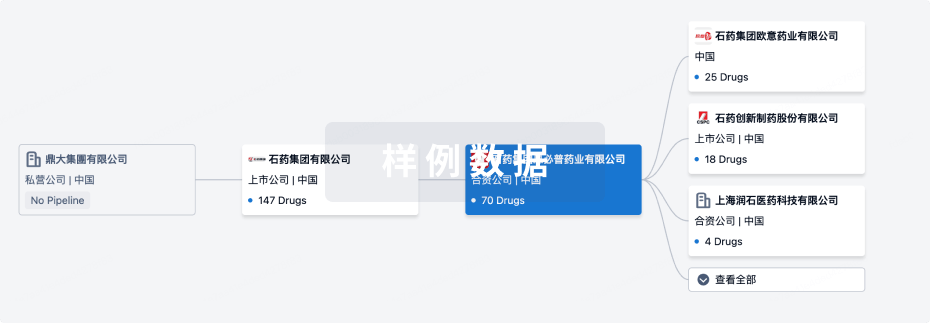
组织架构
使用我们的机构树数据加速您的研究。
登录
或
管线布局
2026年02月08日管线快照
管线布局中药物为当前组织机构及其子机构作为药物机构进行统计,早期临床1期并入临床1期,临床1/2期并入临床2期,临床2/3期并入临床3期
临床前
1
登录后查看更多信息
当前项目
登录后查看更多信息
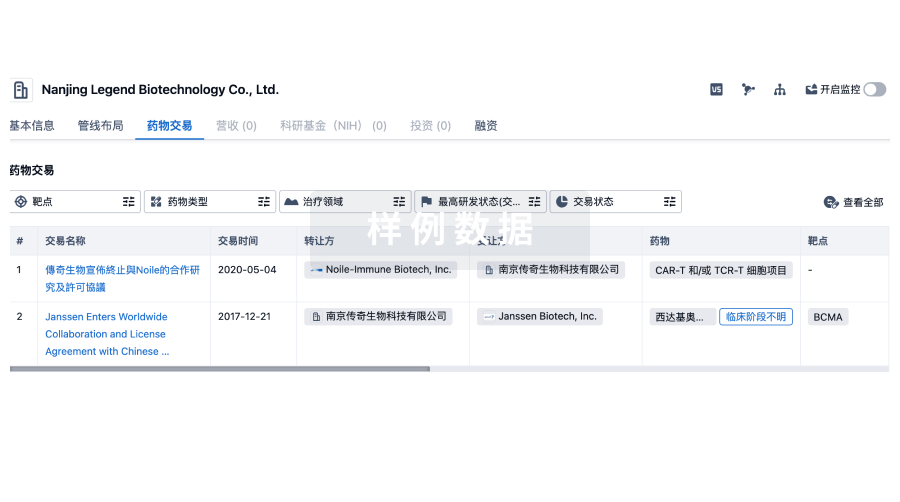
药物交易
使用我们的药物交易数据加速您的研究。
登录
或
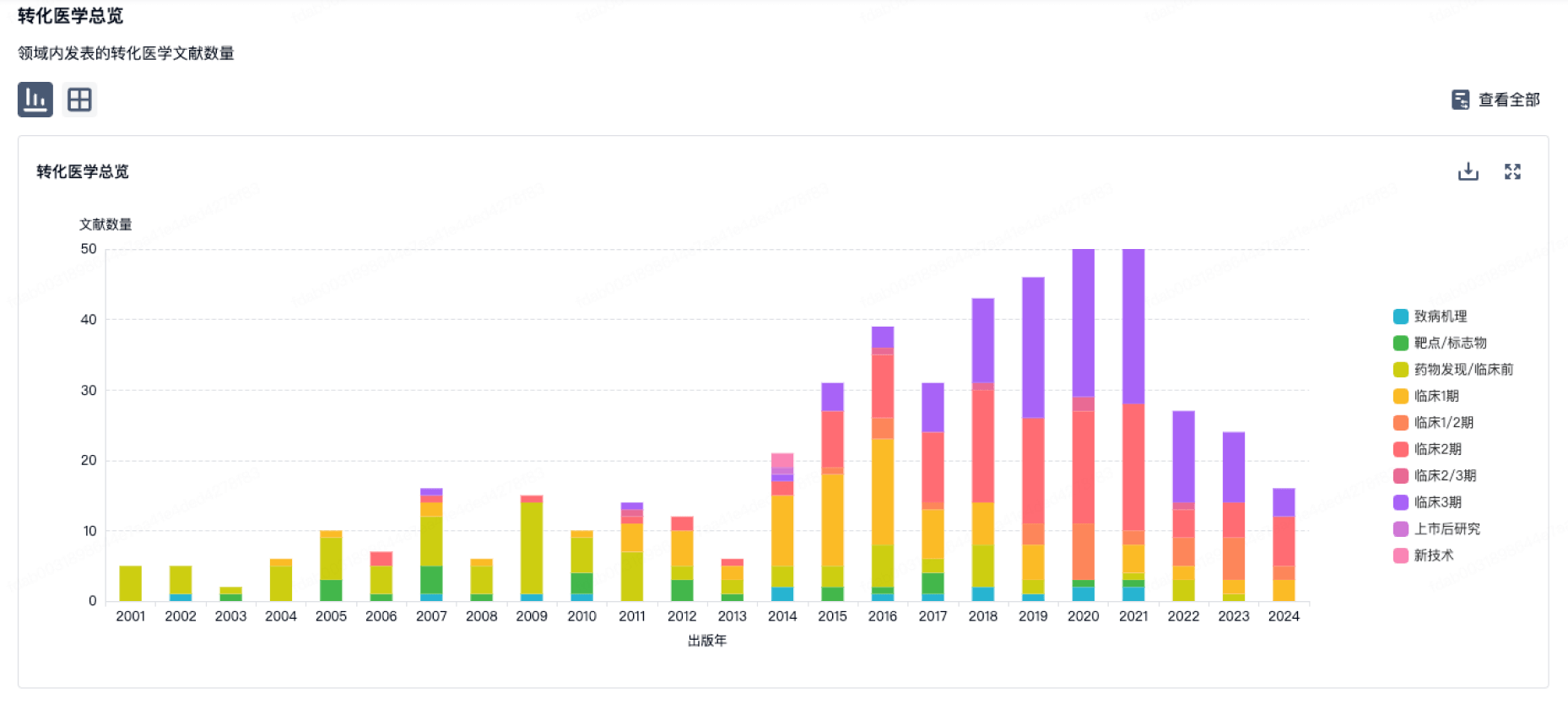
转化医学
使用我们的转化医学数据加速您的研究。
登录
或
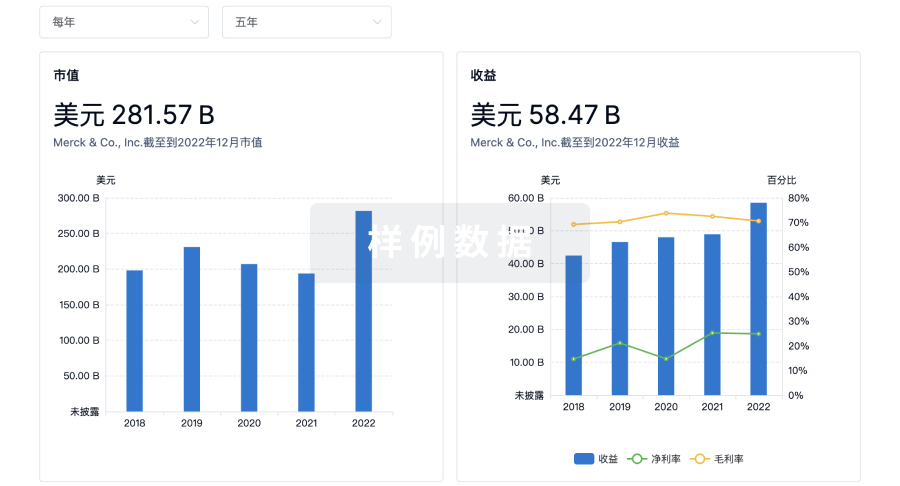
营收
使用 Synapse 探索超过 36 万个组织的财务状况。
登录
或
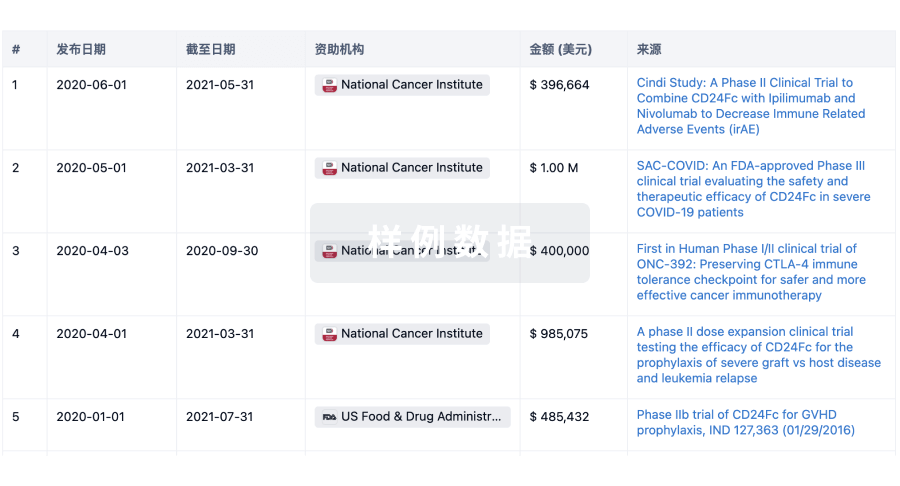
科研基金(NIH)
访问超过 200 万项资助和基金信息,以提升您的研究之旅。
登录
或
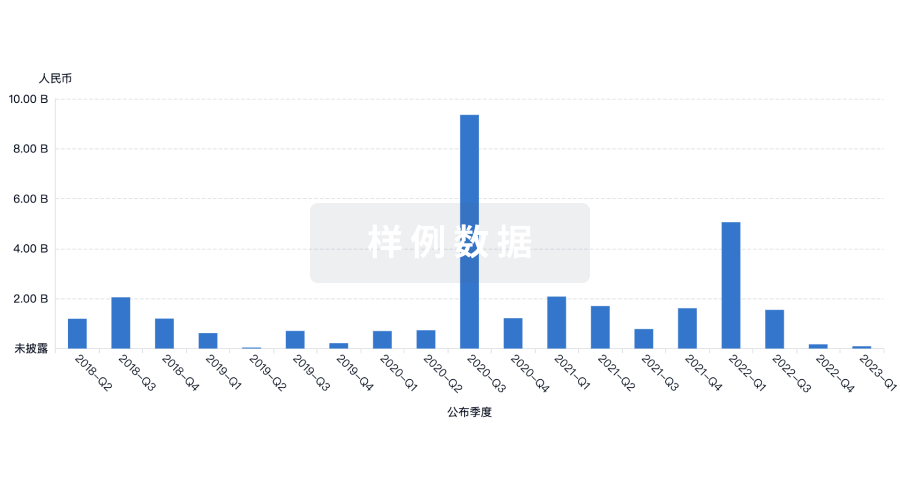
投资
深入了解从初创企业到成熟企业的最新公司投资动态。
登录
或
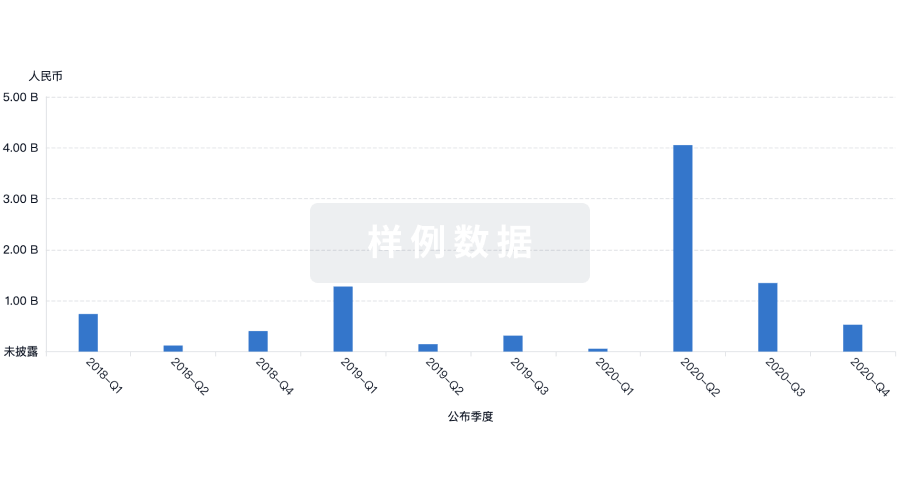
融资
发掘融资趋势以验证和推进您的投资机会。
登录
或
生物医药百科问答
全新生物医药AI Agent 覆盖科研全链路,让突破性发现快人一步
立即开始免费试用!
智慧芽新药情报库是智慧芽专为生命科学人士构建的基于AI的创新药情报平台,助您全方位提升您的研发与决策效率。
立即开始数据试用!
智慧芽新药库数据也通过智慧芽数据服务平台,以API或者数据包形式对外开放,助您更加充分利用智慧芽新药情报信息。
生物序列数据库
生物药研发创新
免费使用
化学结构数据库
小分子化药研发创新
免费使用