预约演示
更新于:2025-12-10

Palacky University
更新于:2025-12-10
概览
标签
肿瘤
神经系统疾病
其他疾病
小分子化药
化学药
分子胶
疾病领域得分
一眼洞穿机构专注的疾病领域

技术平台
公司药物应用最多的技术
靶点
公司最常开发的靶点
关联
靶点 |
作用机制 |
在研机构 |
原研机构 |
在研适应症 |
非在研适应症 |
最高研发阶段 |
首次获批国家/地区 |
首次获批日期 |

靶点 |
作用机制 |
在研机构 |
原研机构 |
在研适应症 |
非在研适应症 |
最高研发阶段 |
首次获批国家/地区 |
首次获批日期 |
靶点 |
作用机制 |
在研机构 |
原研机构 |
在研适应症 |
非在研适应症 |
最高研发阶段 |
首次获批国家/地区 |
首次获批日期 |
ISRCTN17648638
Reflex therapy of temporomandibular dysfunctions – randomized controlled pilot study
NCT07135934
Evaluation of the Effects of Single Sodium Bicarbonate Supplementation on Finswimming Performance of National Level Finswimmers: A Randomized, Double-Blind, Placebo-Controlled Crossover Study
NCT06961110
Evaluation of Molecular Hydrogen Supplementation to Enhance the Efficacy of Weight Loss Retreat in Overweight and Obese Adolescents. A Randomized, Double-blind, Parallel-group, Placebo-controlled Trial
100 项与 Palacky University 相关的临床结果
登录后查看更多信息
登录后查看更多信息
2026-01-01TOXICOLOGY IN VITRO
Tributyltin propionate and tributyltin salicylate represent novel RXR ligands: Effects on transcriptional activity of thyroid hormone receptor and vitamin D3 receptor
Article
作者: Kollar, Jakub ; Brtko, Julius ; Schuster, Daniela ; Macejova, Dana ; Dvorak, Zdenek
Several organometallic trialkyltins or triaryltins are known to act as retinoid X receptor (RXR) agonists, which were also reported to exert eminent cytotoxic properties. In the present study, binding properties of tributyltin propionate (TBT-P) and tributyltin salicylate (TBT-S) in RXRα molecule were theoretically investigated using docking in Schrödinger small molecule drug discovery suite. Our data has shown that TBT-P and TBT-S bind in the binding pocket of RXRα and represent novel RXR agonists. In vitro data has shown that both TBT-P and TBT-S exert transcriptional activity under basal and ligand-activated conditions through RXR - nuclear thyroid hormone receptor (TR) heterodimer in the human reporter cell line for the assessment of thyroid receptor transcriptional activity (PZ-TR). In the human reporter cell line, enabling sensitive and selective identification of nuclear dihydroxyvitamin D3 receptor (VDR) agonists (IZ-VDRE), TBT-P and TBT-S did not exert any transcriptional activity through VDR under basal and ligand-activated conditions, which is in agreement with the properties of the non-permissive type of RXR-VDR heterodimer. Our in silico and in vitro data demonstrate that both organometallic compounds TBT-P and TBT-S represent new nuclear retinoid X receptor agonists.
2026-01-01EUROPEAN JOURNAL OF MEDICINAL CHEMISTRY
Repurposing carboplatin-based Pt(IV)-deferoxamine conjugates for infection theranostics
Article
作者: Gariglio, Giacomo ; Decristoforo, Clemens ; Dvořáková Bendová, Kateřina ; Varbanov, Hristo P ; Haas, Hubertus ; Petřík, Miloš ; Yap, Annie ; Kraihammer, Martin
Recently, multifunctional platinum(IV) complexes designed as prodrugs for the anticancer drug carboplatin and the iron chelator deferoxamine (DFO), each featuring a DFO unit at one axial position and either hemisuccinate or acetate at the other, were developed. As these compounds contain DFO, they hold the potential to be radiolabelled with gallium-68 for molecular imaging and to be recognized by microorganisms, which can utilise DFO as a siderophore-based iron source being taken up by specific siderophore transporters (SITs). Combining this recognition mechanism with a cytotoxic carboplatin core, these compounds could potentially lead to specific antimicrobial activity, particularly against Aspergillus fumigatus (AFU), which causes systemic infections and expresses relevant SITs. The two complexes were radiolabelled with gallium-68 and evaluated for radiochemical purity and protein binding, exhibiting quantitative 68Ga-labeling yields with high radiochemical purity and stability in human serum as well as low protein binding. In vitro uptake assays in AFU and AFU mutants lacking SITs were performed as well as MIC assays for assessment of antifungal activity in comparison to DFO and carboplatin alone. Complexes were also evaluated in in vivo assays including stability studies in healthy mice as well as biodistribution studies and PET imaging in a rat pulmonary aspergillosis model, revealing favourable pharmacokinetics with rapid distribution and a renal excretion pattern with pronounced accumulation in AFU infected lung tissue. However, rapid metabolism of the complexes was observed already 5 min p.i. in serum and urine samples. Overall, this study demonstrates the potential of carboplatin-based Pt(IV)-DFO conjugates for application in infection theranostics.
2026-01-01PLANT SCIENCE
Decoding nitric oxide signals: The S-denitrosation machinery in plants
Review
作者: Petřivalský, Marek ; Luhová, Lenka ; Jedelská, Tereza
S-nitrosation of protein cysteines has been recognised as a crucial mechanism mediating the biological activity of nitric oxide (NO). Here, we review the current knowledge on the enzymatic machinery mediating protein S-denitrosation in plants, a key process that modulates S-nitrosothiol levels within NO redox signalling pathways. Three major enzymatic systems are characterised: the NADPH-dependent thioredoxin system, S-nitrosoglutathione reductase (GSNOR), and aldo-keto reductases (AKRs). Protein S-nitrosothiols are reduced via dithiol-disulfide exchange mechanisms catalysed by thioredoxins, which are re-reduced by NADPH-dependent thioredoxin reductases. GSNO, the principal low-molecular-weight S-nitrosothiol, is degraded by GSNOR, indirectly modulating the global S-nitrosation status. This process is tightly regulated via reversible oxidative and nitrosative modifications of GSNOR's cysteine residues. In the absence or impairment of GSNOR activity, compensatory GSNO catabolism is mediated by upregulated AKR isoforms exhibiting NADPH-dependent GSNO reductase activity. The physiological and developmental relevance of protein denitrosation is examined in the context of root morphogenesis, gametophytic development, and immune responses, where S-denitrosation has been demonstrated to modulate the activity, stability, and subcellular localisation of key regulatory proteins. Moreover, pathogen-derived effectors targeting denitrosylases such as GSNOR have been implicated in virulence strategies to disrupt NO homeostasis. Denitrosation represents a critical regulatory node in NO redox signalling, with spatial and temporal specificity yet to be fully elucidated. Further elucidation of the enzymatic substrate specificity, subcellular localisation, and cross-regulatory mechanisms under both physiological and stress conditions is required to fully define the role of denitrosation in plant redox biology.
100 项与 Palacky University 相关的药物交易
登录后查看更多信息
100 项与 Palacky University 相关的转化医学
登录后查看更多信息
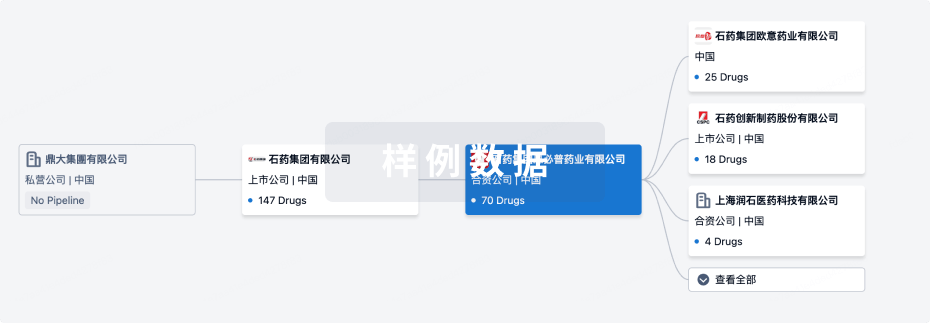
组织架构
使用我们的机构树数据加速您的研究。
登录
或
管线布局
2026年10月11日管线快照
管线布局中药物为当前组织机构及其子机构作为药物机构进行统计,早期临床1期并入临床1期,临床1/2期并入临床2期,临床2/3期并入临床3期
药物发现
2
18
临床前
其他
1
登录后查看更多信息
当前项目
登录后查看更多信息
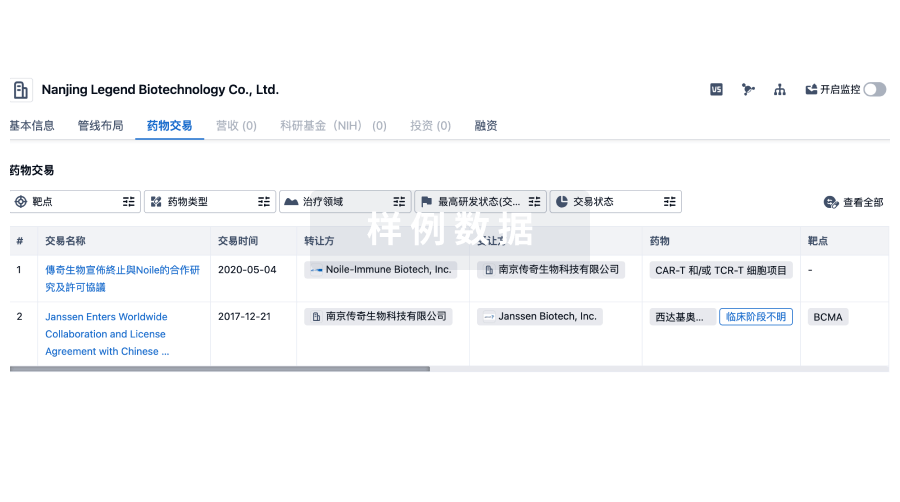
药物交易
使用我们的药物交易数据加速您的研究。
登录
或
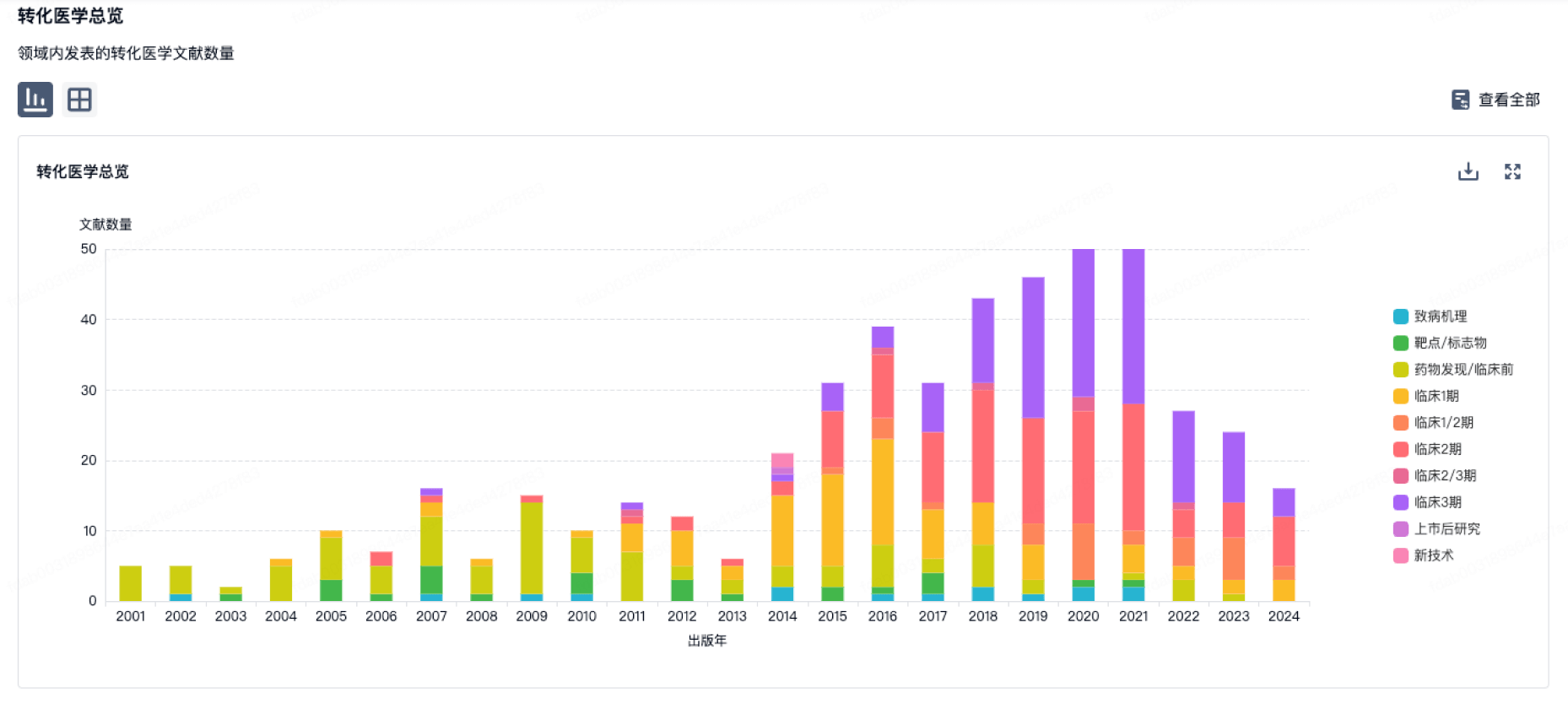
转化医学
使用我们的转化医学数据加速您的研究。
登录
或
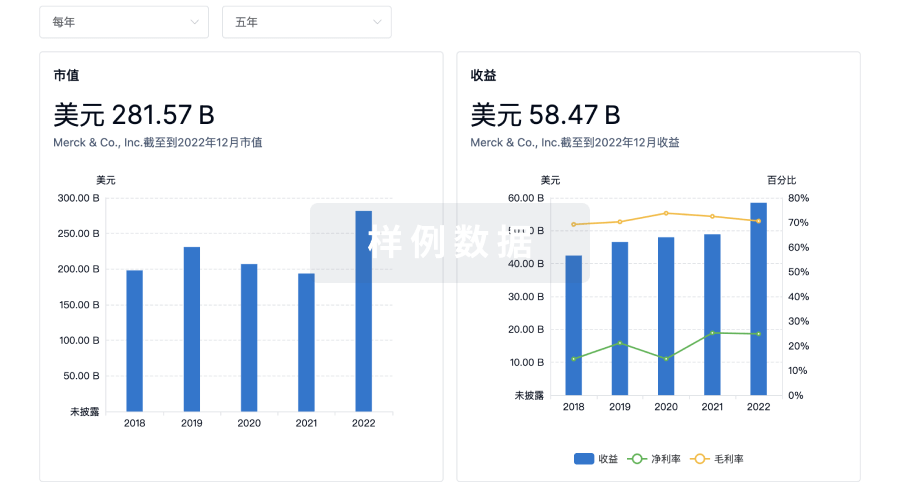
营收
使用 Synapse 探索超过 36 万个组织的财务状况。
登录
或
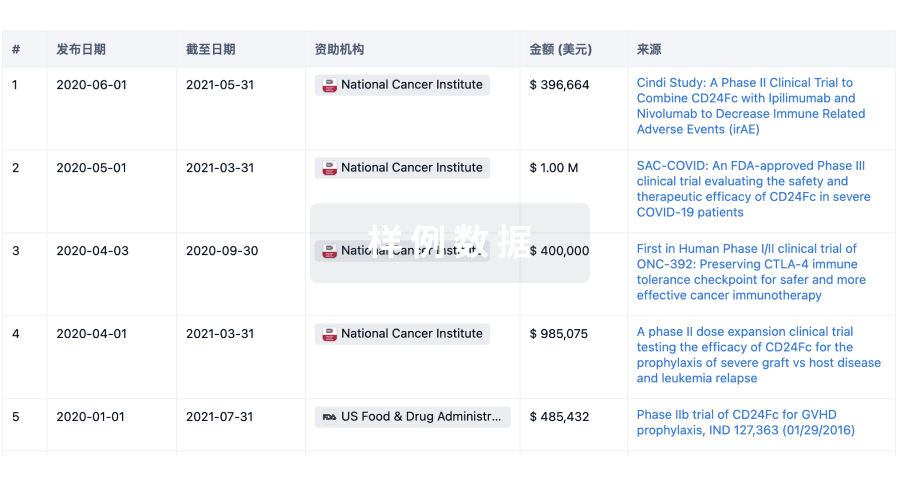
科研基金(NIH)
访问超过 200 万项资助和基金信息,以提升您的研究之旅。
登录
或
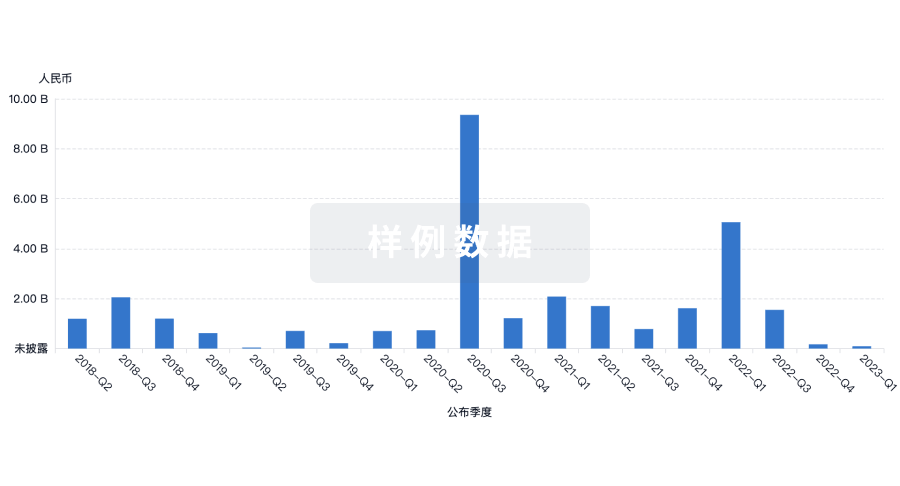
投资
深入了解从初创企业到成熟企业的最新公司投资动态。
登录
或
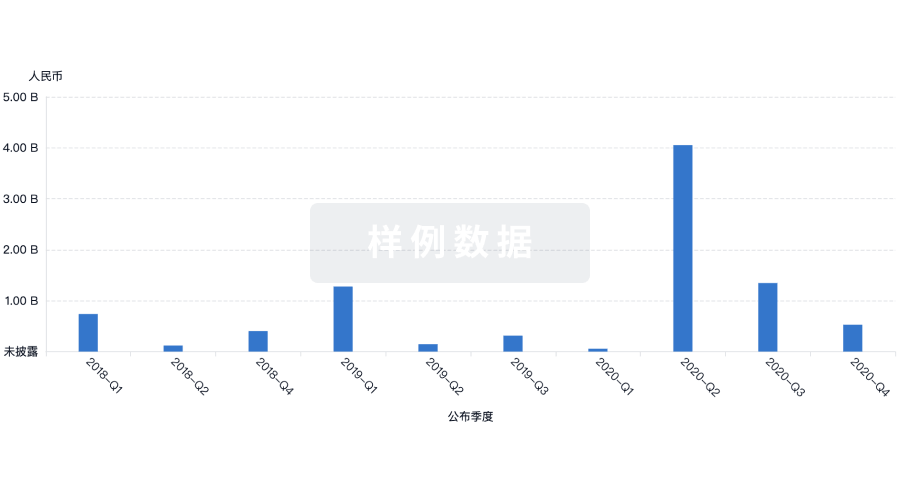
融资
发掘融资趋势以验证和推进您的投资机会。
登录
或
提出任何生物医药研究问题
让每一步生物医药决策都精准制胜
基于十亿级生物数据与全球情报的精准 AI,赋能早期药物发现
立即开始免费试用!
智慧芽新药情报库是智慧芽专为生命科学人士构建的基于AI的创新药情报平台,助您全方位提升您的研发与决策效率。
立即接入生物医药数据包
智慧芽新药库数据也通过智慧芽开放平台,以MCP或API服务形式对外开放。立即使用我们的MCP服务定制您的LLM智能体。
生物序列数据库
生物药研发创新
免费使用
化学结构数据库
小分子化药研发创新
免费使用