预约演示
更新于:2025-12-10
Osmania University
更新于:2025-12-10
概览
标签
肿瘤
小分子化药
抗体偶联核素
疾病领域得分
一眼洞穿机构专注的疾病领域

技术平台
公司药物应用最多的技术
靶点
公司最常开发的靶点
关联
靶点 |
作用机制 |
在研机构 |
原研机构 |
在研适应症 |
非在研适应症 |
最高研发阶段 |
首次获批国家/地区 |
首次获批日期 |
靶点 |
作用机制 |
在研机构 |
原研机构 |
在研适应症 |
非在研适应症 |
最高研发阶段 |
首次获批国家/地区 |
首次获批日期 |
IN202211021649
专利挖掘靶点 |
作用机制 |
在研机构 |
原研机构 |
在研适应症 |
非在研适应症 |
最高研发阶段 |
首次获批国家/地区 |
首次获批日期 |

100 项与 Osmania University 相关的临床结果
登录后查看更多信息
登录后查看更多信息
2025-12-01Recent Patents on Nanotechnology
Investigation of TiO2 Nanoparticles Influence on Tensile Properties and Thermal Stability of Dry and Wet Luffa-Epoxy Nanocomposites
Article
作者: Mala, D. ; Anbukarasi, K. ; Kalaiselvam, S. ; Senthilkumar, N. ; Hussain, S. Imran
Background::
Recently, progress has been made toward understanding the efficiency of
polymer composites with natural fibres. With the hope of enhancing the characteristics of polymer
composites supplemented with natural fibres in a watery environment, TiO2 nanoparticles have been
used to improve their performance in the field.
Methods::
These nanoparticles were filled in luffa-epoxy components at 1, 3, and 5% volume fractions.
A combination of x-ray diffraction and Fourier transform infrared spectroscopy was utilized to
conduct the structural examinations. The nanoparticle spread was captured by field emission scanning
electron microscopy.
Results::
Results show that dry nanocomposite's tensile strength and modulus have increased by 74%
and, 13%, 137%, and 50% compared with epoxy and 40 vol% luffa-epoxy (E/L) composites, respectively.
In wet nanocomposites, maximum reduction in tensile strength and modulus were observed as
27.4% and 16.54%, respectively. The diminished water absorption and thickness swelling percentage
of nanocomposites were recorded as 98% and 91.8%, respectively. The onset temperature of these
nanocomposites was scattered in the range of 379-393°C, with a maximum char residue of 38%.
Conclusion::
The increase in the percentage of residue indicates the effectiveness of epoxy's flame
retardant, improved thermal stability, diminished water absorption (approximately 2%), and 95% retention
of wet composites' tensile properties. These results provided data support for improving the
application of nanocomposites in the automobile field and to develop possible patents on the new
material development.
2025-12-01PATHOLOGY RESEARCH AND PRACTICE
Mechanistic insights into plant-derived natural compounds for the treatment of skin cancer: Targeting molecular signaling for therapeutic intervention
Review
作者: Gupta, Jeetendra Kumar ; Sridhar, Sathvik Belagodu ; Reddy, Konatham Teja Kumar ; Juniorsundresh, N ; Jahnavi, Patibandla ; Balaji, P ; Billah, Abdul Ajeed Mohathasim ; Krishnan, Karthickeyan ; Pathak, Ashutosh ; Surendra, G
Skin cancer, a prevalent global cancer, is primarily caused by chronic environmental exposures and cellular signaling pathway deregulation. Traditional therapies like radiation, chemotherapy, and surgery face toxicity, resistance, and recurrence issues. Natural compounds, with their diverse biological activity and minimal side effects, are increasingly recognized as potential therapeutic agents. This review explores the potential of natural compounds in treating skin cancer by modifying key molecular signaling pathways, including MAPK/ERK, PI3K/Akt, NF-κB, STAT3, and Wnt/β-catenin. Curcumin, resveratrol, quercetin, epigallocatechin gallate, and genistein are natural substances known to have potent anticancer effects by inhibiting cell proliferation, promoting apoptosis, and preventing metastasis. These substances regulate inflammation, prevent angiogenesis, enhance drug effectiveness, combat multidrug resistance, and have low toxicity to healthy skin cells, indicating potential therapeutic use. Additionally, their compatibility with current chemotherapeutic drugs underscores their significant role in combating drug resistance. The review underscores the importance of understanding the molecular mechanisms underlying phytochemicals' anticancer properties to facilitate their integration into modern treatment methods. Future initiatives should focus on clinical validation, increasing bioavailability, and targeting administration schemes to maximize the therapeutic potential of natural chemicals against skin cancer.
2025-12-01MOLECULAR AND CELLULAR BIOCHEMISTRY
Targeted delivery aspects of proanthocyanidins in breast cancer treatment: from discovery to development
Review
作者: Shiekmydeen, Jailani ; More, Mahesh P ; Nalla, Seshadri ; Enaganti, Srinivas ; Ganta, Srinivas ; Tade, Rahul S ; Akkiraju, Pavan C ; Kuna, Krishna
Proanthocyanidins (PACs), a group of naturally occurring polyphenolic compounds found in a variety of fruits, vegetables, nuts, and seeds, have shown remarkable potential in the treatment of breast cancer (BC). These bioactive molecules exhibit antioxidant, anti-inflammatory, and anticancer properties by triggering apoptosis, halting cell cycle progression, and suppressing angiogenesis and metastasis. PACs further contribute to immune modulation and regulate critical signaling pathways like PI3K/Akt and MAPK, which are closely linked to cancer development. When combined with other bioactive agents, PACs have been shown to enhance therapeutic efficacy. Advanced delivery approaches, including PAC conjugation with targeting molecules and natural biopolymers, such as proteins and polysaccharides, are being explored to improve their effectiveness. Despite increasing interest in the anticancer potential of PACs, a comprehensive analysis of their molecular mechanisms, synergistic effects, and formulation strategies specifically in the context of breast cancer is lacking. This review aims to fill that gap by compiling and critically evaluating current preclinical evidence, novel delivery approaches, and safety considerations related to PACs in breast cancer therapy. Although preclinical investigations provide encouraging evidence, the availability of clinical studies remains scarce, emphasizing the need for further exploration. The discussion also encompasses the safety profile and possible toxicological concerns of PACs, underlining their therapeutic potential and existing challenges. Despite current limitations, PACs hold promise for BC treatment, with future research aiming to refine their clinical applicability.
100 项与 Osmania University 相关的药物交易
登录后查看更多信息
100 项与 Osmania University 相关的转化医学
登录后查看更多信息
组织架构
使用我们的机构树数据加速您的研究。
登录
或
管线布局
2026年02月08日管线快照
管线布局中药物为当前组织机构及其子机构作为药物机构进行统计,早期临床1期并入临床1期,临床1/2期并入临床2期,临床2/3期并入临床3期
药物发现
1
2
临床前
登录后查看更多信息
当前项目
登录后查看更多信息
药物交易
使用我们的药物交易数据加速您的研究。
登录
或
转化医学
使用我们的转化医学数据加速您的研究。
登录
或
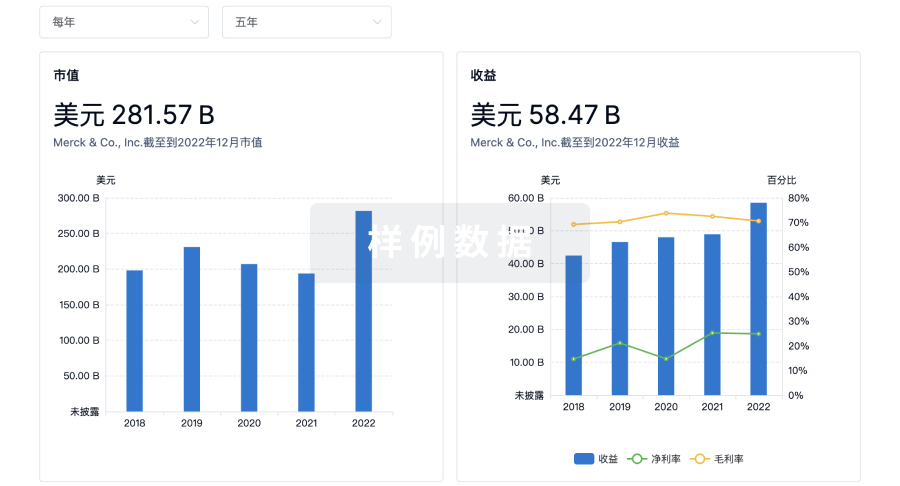
营收
使用 Synapse 探索超过 36 万个组织的财务状况。
登录
或
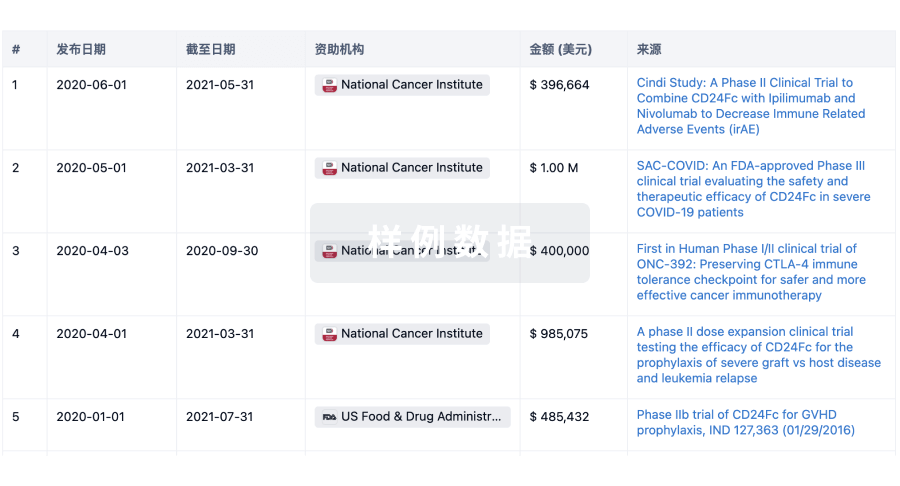
科研基金(NIH)
访问超过 200 万项资助和基金信息,以提升您的研究之旅。
登录
或
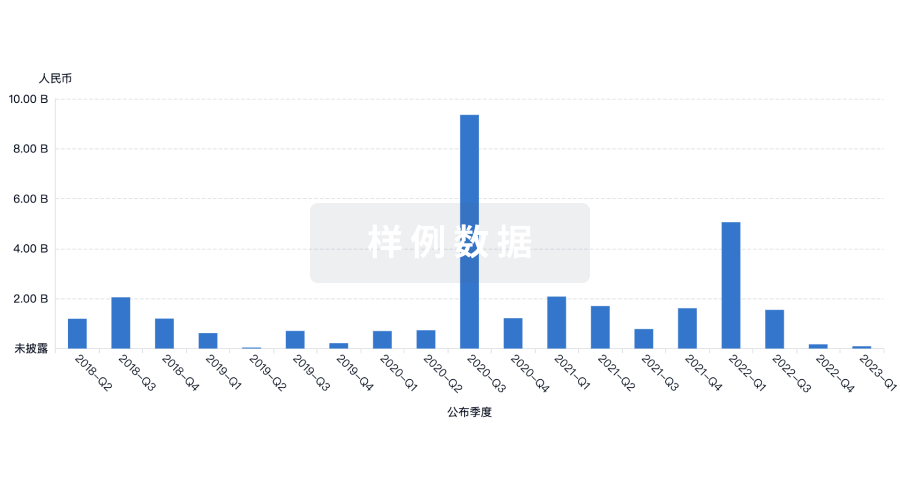
投资
深入了解从初创企业到成熟企业的最新公司投资动态。
登录
或
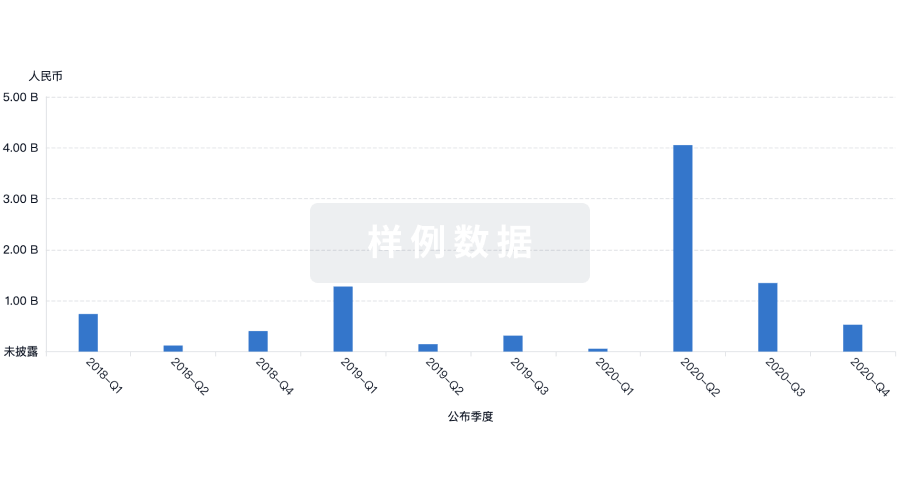
融资
发掘融资趋势以验证和推进您的投资机会。
登录
或
生物医药百科问答
全新生物医药AI Agent 覆盖科研全链路,让突破性发现快人一步
立即开始免费试用!
智慧芽新药情报库是智慧芽专为生命科学人士构建的基于AI的创新药情报平台,助您全方位提升您的研发与决策效率。
立即开始数据试用!
智慧芽新药库数据也通过智慧芽数据服务平台,以API或者数据包形式对外开放,助您更加充分利用智慧芽新药情报信息。
生物序列数据库
生物药研发创新
免费使用
化学结构数据库
小分子化药研发创新
免费使用