预约演示
更新于:2026-04-12
Aicuris Anti-Infective Cures AG
更新于:2026-04-12
概览
标签
感染
皮肤和肌肉骨骼疾病
消化系统疾病
小分子化药
ASO
酶
疾病领域得分
一眼洞穿机构专注的疾病领域

技术平台
公司药物应用最多的技术
靶点
公司最常开发的靶点
关联
靶点 |
作用机制 |
在研机构 |
原研机构 |
在研适应症 |
非在研适应症 |
最高研发阶段 |
首次获批国家/地区 |
首次获批日期 |

靶点 |
作用机制 |
在研机构 |
原研机构 |
在研适应症 |
非在研适应症 |
最高研发阶段 |
首次获批国家/地区 |
首次获批日期 |

靶点 |
作用机制 |
在研机构 |
原研机构 |
在研适应症 |
非在研适应症 |
最高研发阶段 |
首次获批国家/地区 |
首次获批日期 |
NCT07503561
A Randomized, Adaptive, Double-Blind, Placebo-Controlled, Operationally Seamless Phase 2/3 Clinical Trial to Evaluate the Efficacy, Safety, and Tolerability of AIC263029 in the Treatment of BKV Infection in Kidney Transplant Recipients
CTIS2023-510074-13-00
A clinical trial to determine if AIC263029 is safe when dosed only once or several times, and to investigate how it moves within the human body
NCT05671029
A Double-blind, Single-center, Randomized, Placebo- and Positive-controlled, Parallel-group Trial With a Nested Crossover Part on the Electrocardiographic Effects 100 and 400 mg Pritelivir Per Day in Healthy Subjects: a Thorough QT/QTc Trial
100 项与 Aicuris Anti-Infective Cures AG 相关的临床结果
登录后查看更多信息
登录后查看更多信息
2025-07-01ANTIVIRAL RESEARCH
The conserved core nuclear egress complex (NEC) as an antiherpesviral drug target: Pharmacophore-based identification of NEC-specific inhibitors
Article
作者: Buschmann, Helmut ; Sticht, Heinrich ; Wagner, Sabrina ; Hahn, Friedrich ; Langer, Thierry ; Geiger, Pia ; Marschall, Manfred ; Lesch, Bernhard ; Lischka, Peter ; Obergfäll, Debora ; Tillmanns, Julia ; Battisti, Verena ; Kicuntod, Jintawee
The nucleocytoplasmic capsid egress of herpesviruses is a uniquely regulated process. As well-established for the human cytomegalovirus (HCMV) core nuclear egress complex (NEC), the pUL50-pUL53 NEC heterodimer oligomerizes and builds hexameric lattices for the regulated nucleocytoplasmic release of viral capsids. Recently, we and others validated the NEC as a novel target for antiviral strategies. So far, the experimental targeting approaches included the development of NEC-directed small molecules, cell-penetrating peptides, NEC-specific mutagenesis, and the expression of NEC-interfering protein constructs. Our current postulate states that a small molecule-mediated interference with the assembly of the core NEC prevents NEC-dependent egress regulation and thereby strictly limits viral replication. Here, we present an experimental proof of this antiviral strategy, and the data provide evidence for the following points: (i) pharmacophore-based approaches demonstrated to be successful in the identification of NEC-specific inhibitory small molecules, (ii) already a low number of 36 analyzed small molecules yielded eight experimental hits with micromolar to submicromolar antiviral activity, (iii) their antiviral potency was asserted to the predicted NEC-interfering mode-of-action, (iv) two identified hit compounds presented a broad antiherpesviral activity, and (v) a further pharmacophore-assisted refinement of NEC-directed molecules may lead to the development of highly effective and even broadly acting antivirals. Combined, we strengthen the recently postulated potential of the NEC as a next-generation antiherpesviral drug target by identifying broadly active NEC inhibitors via a pharmacophore-based approach.
2025-05-01ANTIVIRAL RESEARCH
Overview on the management of herpes simplex virus infections: Current therapies and future directions
Review
作者: Birkmann, Alexander ; Saunders, Rob
INTRODUCTION:
Herpes simplex virus type 1 (HSV-1) and type 2 (HSV-2) are highly prevalent, infecting approximately 64 % and 13 % of the world's population, respectively. Traditionally, HSV-1 has been associated with orofacial infections and HSV-2 with anogenital infections, but HSV-1 is increasingly the cause of genital infections. The clinical spectrum of HSV disease ranges from mild cold sores to severe conditions such as encephalitis or systemic infection, particularly in immunocompromised individuals and neonates.
AREAS COVERED:
Here we summarize the natural history, epidemiology, manifestations, and treatment options for HSV infections. Current treatments, such as acyclovir, target viral DNA polymerase but have limited efficacy and are susceptible to resistance, especially in immunosuppressed populations. Rescue therapies such as foscarnet exhibit limiting toxicity. Vaccine development has been challenging, and a cure for HSV infection remains distant. Gene therapy is still in its early stages, while novel drugs such as helicase primase inhibitors (HPIs) are emerging as a promising alternative, showing high efficacy and the potential to overcome resistance.
EXPERT OPINION:
HPIs represent a significant advance in HSV management. Their safety profile and novel mode of action may provide better viral suppression with a lower risk of resistance, offering hope for better control of the disease.
2025-03-27JOURNAL OF MEDICINAL CHEMISTRY
Discovery of AIC263282, a Hepatitis B Virus Capsid Assembly Modulator Ready for Candidate Profiling
Article
作者: Slootweg, Jack C. ; Lesch, Bernhard ; Birkmann, Alexander ; Bonsmann, Susanne ; Wegert, Anita ; Sarmentero, Maria Ángeles ; Cuevas, Félix ; Sinnige, Wessel ; Detta, Elena ; García, Jordi González ; Pfaff, Tamara ; Cnossen, Arjen ; Goldner, Thomas ; Zimmermann, Holger ; Bosnidou, Alexandra E. ; Font, Daniel ; Donald, Alastair ; Buschmann, Helmut ; Engel, Florian ; del Castillo, Estefanía ; Kumar, Kamal ; Raymond, Justine ; Urban, Andreas
Hepatitis B Virus (HBV) infections remain a threat to the global public health. Nucleoside analogues remain the mainstay of therapy despite their discouraging cure rates achieved. Capsid assembly modulators (CAMs) have been at the center of HBV research, but despite having shown clinical efficacy on viral load in clinical studies, market entry has been elusive. Herein, we present the optimization program of our lead series. Setting our focus on potency, solubility, and hERG liability, these studies resulted in AIC263282, a new, potent capsid assembly modulator with improved physicochemical properties, which is ready for profiling as a preclinical candidate.
100 项与 Aicuris Anti-Infective Cures AG 相关的药物交易
登录后查看更多信息
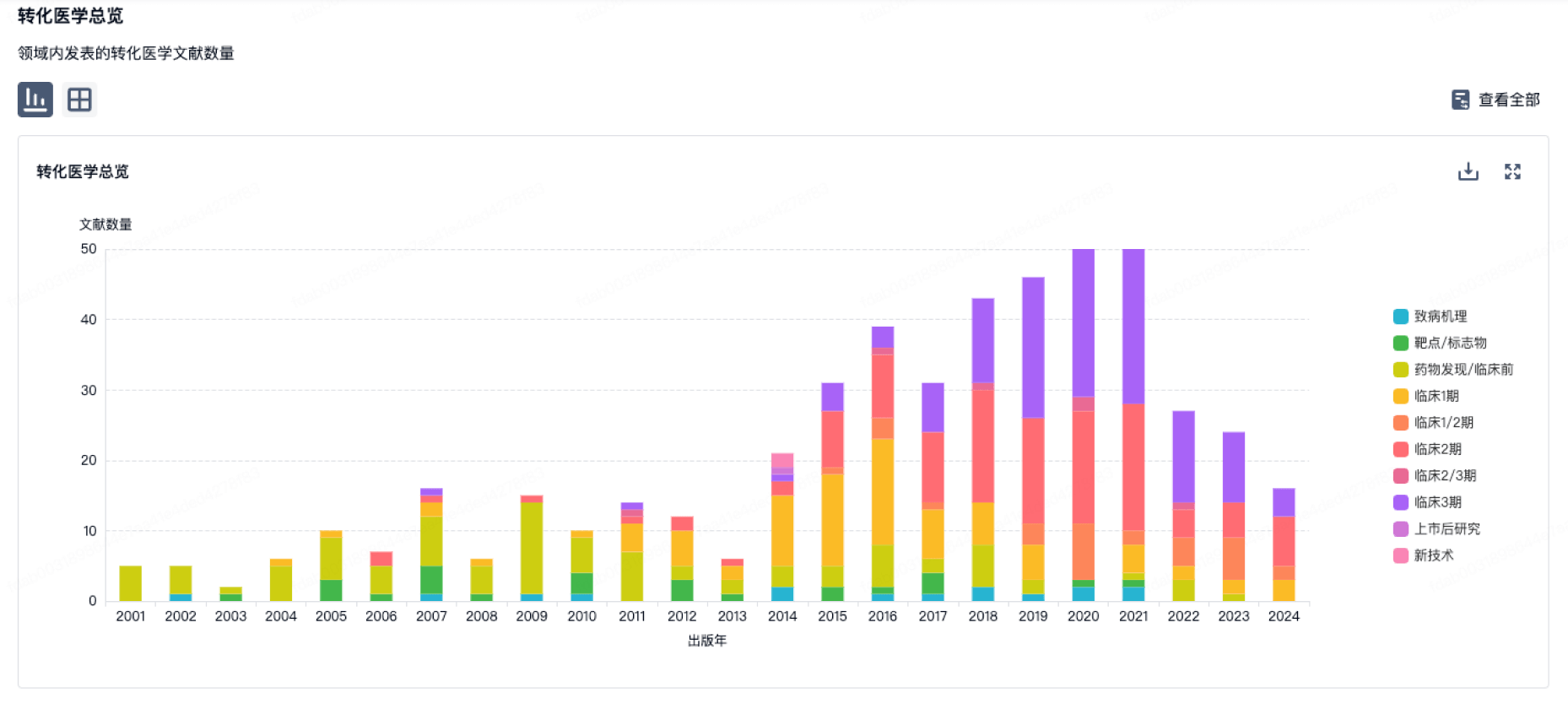
100 项与 Aicuris Anti-Infective Cures AG 相关的转化医学
登录后查看更多信息
组织架构
使用我们的机构树数据加速您的研究。
登录
或
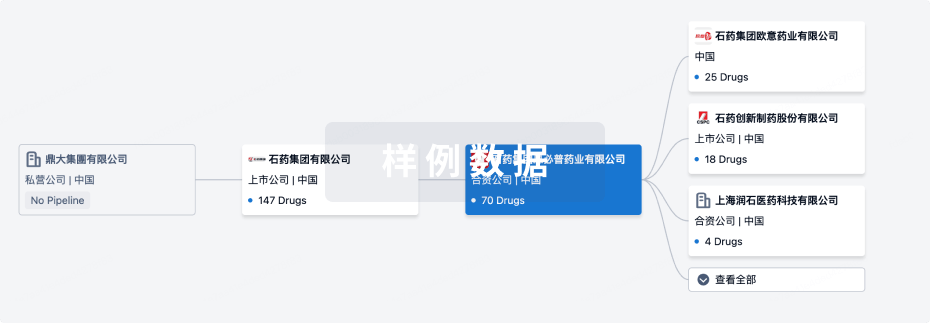
管线布局
2026年10月27日管线快照
管线布局中药物为当前组织机构及其子机构作为药物机构进行统计,早期临床1期并入临床1期,临床1/2期并入临床2期,临床2/3期并入临床3期
药物发现
3
4
临床前
临床1期
1
1
临床2期
临床3期
1
2
其他
登录后查看更多信息
当前项目
登录后查看更多信息
药物交易
使用我们的药物交易数据加速您的研究。
登录
或
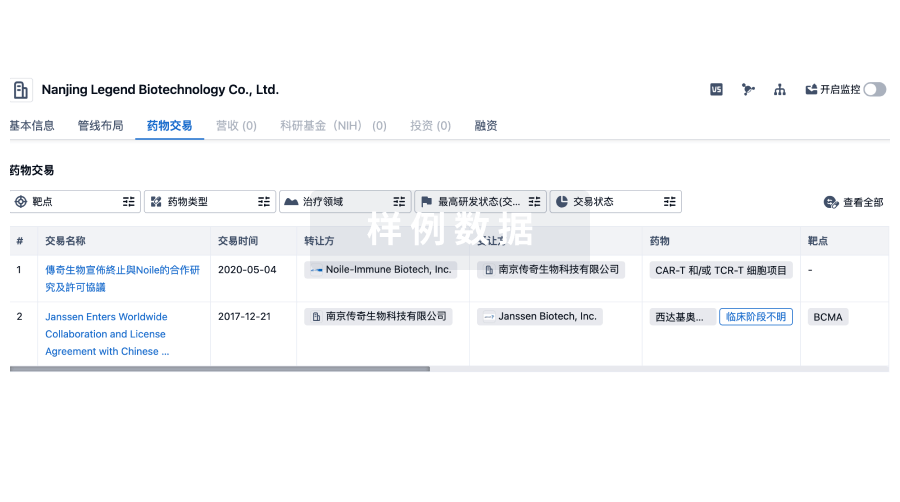
转化医学
使用我们的转化医学数据加速您的研究。
登录
或
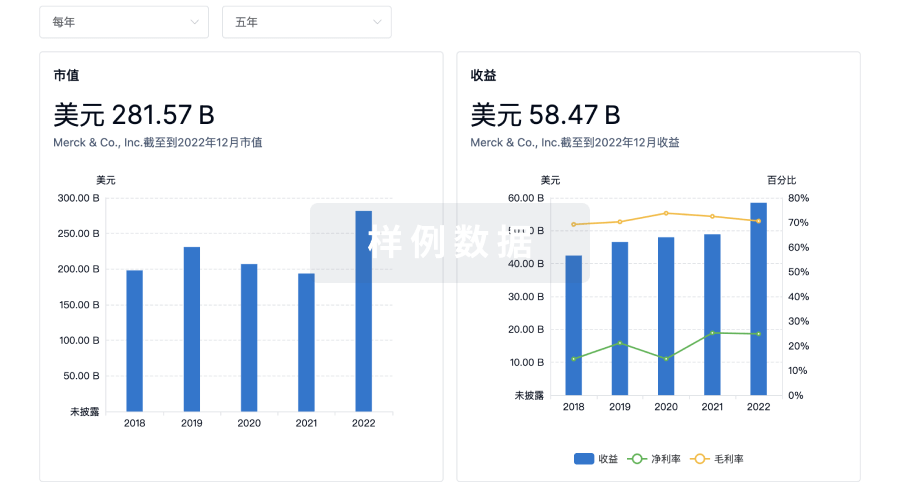
营收
使用 Synapse 探索超过 36 万个组织的财务状况。
登录
或
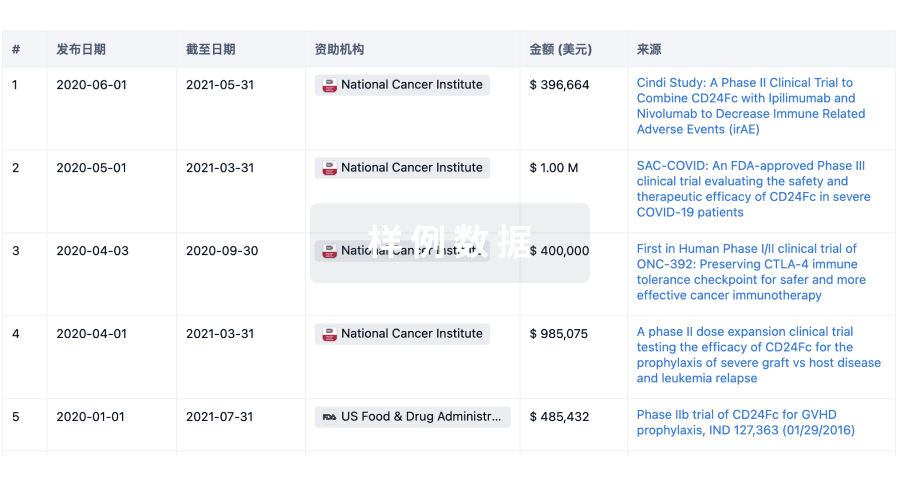
科研基金(NIH)
访问超过 200 万项资助和基金信息,以提升您的研究之旅。
登录
或
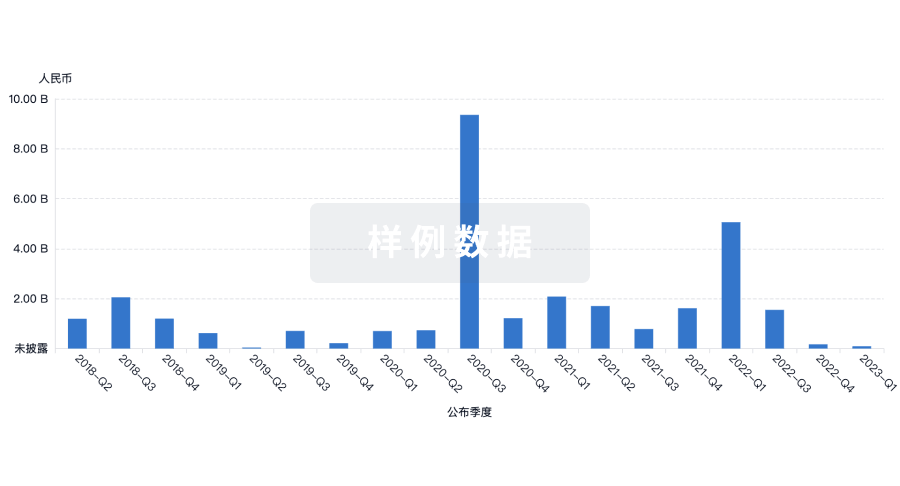
投资
深入了解从初创企业到成熟企业的最新公司投资动态。
登录
或
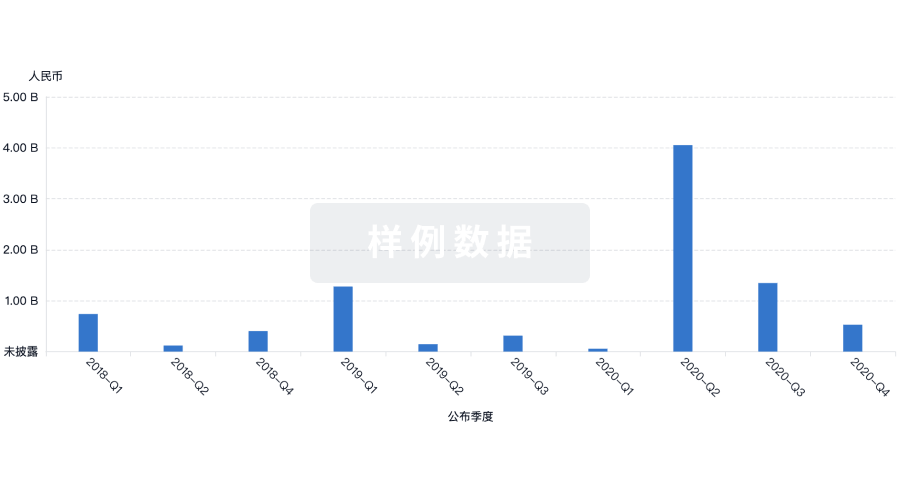
融资
发掘融资趋势以验证和推进您的投资机会。
登录
或
提出任何生物医药研究问题
让每一步生物医药决策都精准制胜
基于十亿级生物数据与全球情报的精准 AI,赋能早期药物发现
立即开始免费试用!
智慧芽新药情报库是智慧芽专为生命科学人士构建的基于AI的创新药情报平台,助您全方位提升您的研发与决策效率。
立即接入生物医药数据包
智慧芽新药库数据也通过智慧芽开放平台,以MCP或API服务形式对外开放。立即使用我们的MCP服务定制您的LLM智能体。
生物序列数据库
生物药研发创新
免费使用
化学结构数据库
小分子化药研发创新
免费使用