预约演示
更新于:2025-12-09

Middle East University (Jordan)
更新于:2025-12-09
概览
标签
肿瘤
小分子化药
疾病领域得分
一眼洞穿机构专注的疾病领域

技术平台
公司药物应用最多的技术
靶点
公司最常开发的靶点
关联
靶点 |
作用机制 |
在研机构 |
原研机构 |
在研适应症 |
非在研适应症 |
最高研发阶段 |
首次获批国家/地区 |
首次获批日期 |
NCT06215066
Effect of Virtual Reality and Modified Progressive Muscle Relaxation Distraction Techniques on Anxiety and Attention Among Cardiac Care Unit Patients; RCT.

NCT06849128
Effects of NeuroReAlign Therapy on Cognition in Patients with Stroke: a Randomized Controlled Trial
NCT06849102
Effects of NeuroReAlign Therapy on Balance and Gait in Stroke Survivors: a Randomized Controlled Trial
100 项与 Middle East University (Jordan) 相关的临床结果
登录后查看更多信息
登录后查看更多信息
2026-01-01HEART & LUNG
Novel inflammatory markers predict cardiovascular events after percutaneous coronary intervention in patients with acute coronary syndrome
Article
作者: Bani Hani, Dania A ; Alshraideh, Jafar A ; Saleh, Akram ; Alhawamdeh, Nemeh ; Yousef, Afaf S
INTRODUCTION:
Inflammation plays a crucial role in the pathophysiology of acute coronary syndrome (ACS) and is associated with the risk of major adverse cardiovascular events (MACE). Novel inflammatory biomarkers such as the Systemic Immune-Inflammation Index (SII), Systemic Inflammatory Response Index (SIRI), and Systemic Immune-Inflammation Response Index (SIIRI) have recently been proposed as potential novel inflammatory biomarkers that may offer a valuable insight into cardiovascular risk prediction.
OBJECTIVE:
To evaluate the association between inflammatory and immune-inflammation indices at admission, and occurrence of major adverse cardiovascular events 30 days after Percutaneous Coronary Intervention (PCI) in patients with ACS.
METHODS:
A prospective cohort design was used to collect data from ACS patients undergoing PCI. Inflammatory biomarkers (SII, SIRI, SIIRI) were calculated based on pre-procedural blood tests, and MACE was assessed at 30 days post PCI. Logistic regression and ROC analysis were utilized to evaluate predictors.
RESULTS:
A total of 150 ACS patients were included. 24.7 % experienced MACE during the 30 days after PCI. Patients with MACE were older and had higher neutrophil counts, lower lymphocyte counts, and longer smoking durations. SIRI was significant predictor of MACE (OR=0.96, p=0.03), with ROC analysis confirming its highest predictive value (AUC=0.67, p=0.002). In contrast, SII and SIIRI were not significant predictors.
CONCLUSION:
SIRI was an independent predictor for the occurrence of MACE 30 days after PCI. SIRI potentially could be used to identify patients at higher risk of developing MACE post-PCI. Further studies with longer follow-ups and control are recommended.
2025-11-01Journal of Transcultural Nursing
Transcultural Nurses as “
Voices of the Voiceless
”: Transcultural Nursing Society Migration Special Interest Group
Article
作者: Boyle, Joyceen S. ; Catolico, Olivia ; deRose, Barbara ; Narayan, Mary Curry ; Baird, Martha B. ; Halabi, Jehad O. ; Moyce, Sally ; Nielsen, Dorthe S.
Members of the Transcultural Nursing Society (TCNS) mobilized a Migration Special Interest Group (MigSIG) to address the rising reports of human rights abuses and lack of basic resources for migrants worldwide. Migrants are some of the most vulnerable populations. This paper outlines the role of nurses as a “voice” or advocate for the most vulnerable. The paper identifies the challenges health providers face in caring for migrants and offers resources, strategies, and toolkits for nurses and providers who care for and intersect with those who migrate.
2025-11-01JOURNAL OF BACK AND MUSCULOSKELETAL REHABILITATION
Short term effectevness of tibial nerve flossing technique in patients With tarsal tunnel syndrome
Article
作者: El-Nassag, Bassam A ; Salem, Shymaa ; Abdelhamid, Ahmed S ; EL-Marakby, Rasha M ; Abdelhakiem, Nadia Mohamed
Objective:
To examine the short-term influence of adding tibial nerve flossing (TNF) technique to conventional therapy on foot pain, Dorsiflexion-Eversion (DF-E) test, ankle range of motion (ROM), and tibial nerve conduction study (NCS) in individuals with Tarsal Tunnel Syndrome (TTS).
Methods:
This was a parallel randomized pre-post-test single blinded controlled trial, included 54 individuals with TTS randomized into study and control groups. Both groups received conventional therapy including transcutaneous electrical nerve stimulation (TENS), therapeutic ultrasound (US), gastrocnemius (GC) muscle stretching, and foot arches supports/wedges provided as needed with an additional (TNF) technique provided for the study group. The intervention was 3 days/week on alternate days, for a four-week duration. Pain severity and DF-E test as primary; ankle dorsiflexion ROM and tibial NCS as secondary measures, were collected pre- and post-treatment.
Results:
Within-groups comparison showed a significant improvement in all tested variables. Post-treatment between-groups comparison showed a notably higher scores in favor for the study group (p < 0.05) except for the (DF-E) test (p > 0.05).
Conclusion:
Tibial nerve flossing is an effective adjunct to conventional therapy in improving foot pain, ankle ROM, and tibial nerve conduction in individuals with TTS.
100 项与 Middle East University (Jordan) 相关的药物交易
登录后查看更多信息
100 项与 Middle East University (Jordan) 相关的转化医学
登录后查看更多信息
组织架构
使用我们的机构树数据加速您的研究。
登录
或
管线布局
2026年10月09日管线快照
管线布局中药物为当前组织机构及其子机构作为药物机构进行统计,早期临床1期并入临床1期,临床1/2期并入临床2期,临床2/3期并入临床3期
临床前
1
登录后查看更多信息
当前项目
登录后查看更多信息
药物交易
使用我们的药物交易数据加速您的研究。
登录
或
转化医学
使用我们的转化医学数据加速您的研究。
登录
或
营收
使用 Synapse 探索超过 36 万个组织的财务状况。
登录
或
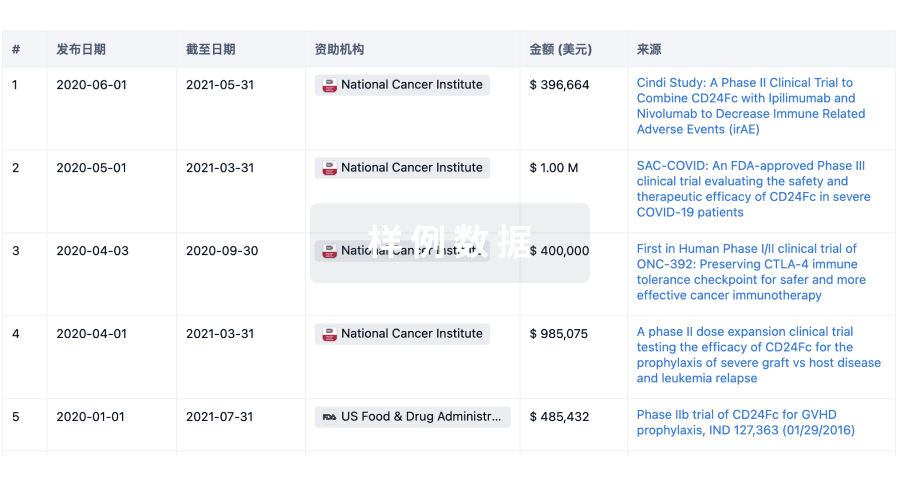
科研基金(NIH)
访问超过 200 万项资助和基金信息,以提升您的研究之旅。
登录
或
投资
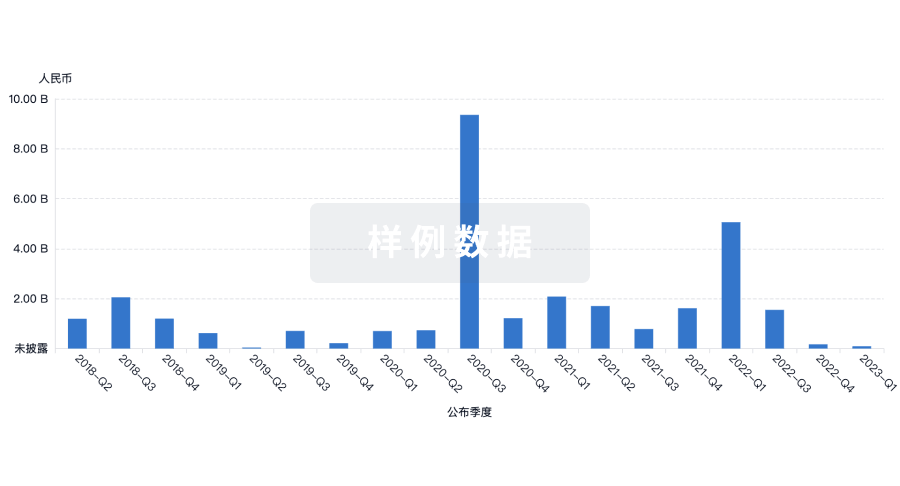
深入了解从初创企业到成熟企业的最新公司投资动态。
登录
或
融资
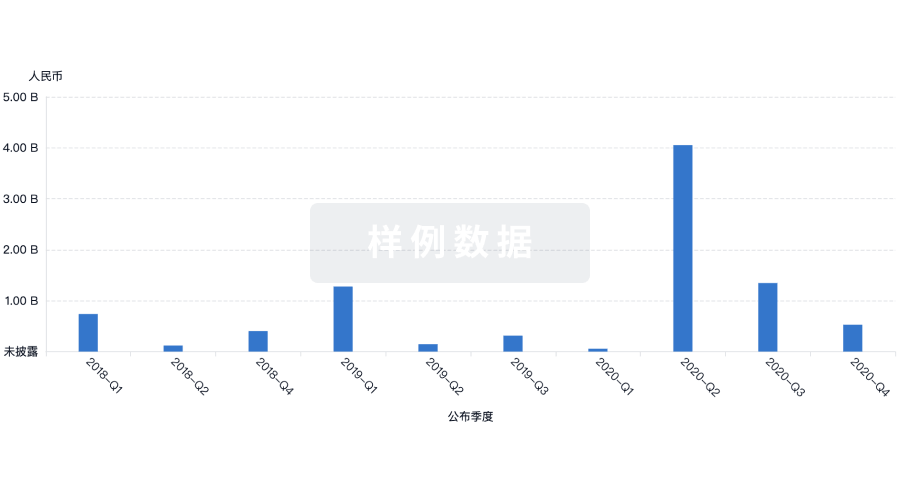
发掘融资趋势以验证和推进您的投资机会。
登录
或
提出任何生物医药研究问题
让每一步生物医药决策都精准制胜
基于十亿级生物数据与全球情报的精准 AI,赋能早期药物发现
立即开始免费试用!
智慧芽新药情报库是智慧芽专为生命科学人士构建的基于AI的创新药情报平台,助您全方位提升您的研发与决策效率。
立即接入生物医药数据包
智慧芽新药库数据也通过智慧芽开放平台,以MCP或API服务形式对外开放。立即使用我们的MCP服务定制您的LLM智能体。
生物序列数据库
生物药研发创新
免费使用
化学结构数据库
小分子化药研发创新
免费使用