预约演示
更新于:2026-08-16
Beijing University of Chemical Technology
更新于:2026-08-16
概览
标签
肿瘤
其他疾病
感染
融合蛋白
小分子化药
重组多肽
疾病领域得分
一眼洞穿机构专注的疾病领域

暂无数据
技术平台
公司药物应用最多的技术
暂无数据
靶点
公司最常开发的靶点
暂无数据
| 排名前五的药物类型 | 数量 |
|---|---|
| 小分子化药 | 4 |
| 放射与诊断药物 | 1 |
| 重组多肽 | 1 |
| 诊断用放射药物 | 1 |
| 核素偶联药物 | 1 |
关联
9
项与 北京化工大学 相关的药物3
项与 北京化工大学 相关的临床试验NCT07591727
Efficacy, Safety, and Feasibility of Metabolic ReConstruction Oral Biologics (Gut-X-001) in Patients With Alzheimer's Disease: An Exploratory Clinical Trial (ESCAPE-AD)
This is an exploratory clinical trial aimed at preliminarily evaluating the efficacy, safety, and feasibility of orally administered Gut-X-001 in patients with Alzheimer's disease (AD). An open-label extension (OLE) study will also be conducted to further investigate the effects of Gut-X-001. The study will assess the effects of Gut-X-001 on cognitive function, activities of daily living, neuroimaging indicators, and AD-related plasma biomarkers in AD patients. Safety will be systematically monitored, including the incidence of adverse events and changes in hematological and organ function parameters. Furthermore, the study will explore the regulatory effects of Gut-X-001 versus placebo on venous blood redox-related indicators and gut microbiota metabolite levels at different time points, providing a basis for multi-target intervention strategies and offering systematic evidence for the scientific rationale, feasibility, and safety of Gut-X-001 in the clinical management of AD.
开始日期2026-08-01 |
申办/合作机构  首都医科大学附属北京天坛医院 首都医科大学附属北京天坛医院 [+2] |
NCT06391645
Nerve Growth Factor Encapsulated With 2-methacryloyloxyethyl Phosphorylcholine Nanocapsules in the Treatment of Amyotrophic Lateral Sclerosis
Amyotrophic lateral sclerosis (ALS) is one of the most lethal neurodegenerative diseases, with most patients dying from respiratory failure 3-5 years after the onset. The purpose of this study is to explore the efficacy and safety of nerve growth factor (NGF) encapsulated with 2-methacryloyloxyethyl phosphorylcholine (MPC) nanocapsules in the treatment of ALS patients.
开始日期2024-05-01 |
申办/合作机构 首都医科大学附属北京天坛医院 [+1] |
ChiCTR-OPC-14005355
Closing the Loop for Adult Subjects with T1DM Using Learning-Type Model Predictive Control
开始日期2012-06-01 |
申办/合作机构  中日友好医院 中日友好医院 [+1] |
100 项与 北京化工大学 相关的临床结果
登录后查看更多信息
0 项与 北京化工大学 相关的专利(医药)
登录后查看更多信息
16,915
项与 北京化工大学 相关的文献(医药)2027-01-01·Synthetic and Systems Biotechnology
Enhancing myrcene biosynthesis in yeast through nuclear compartmentalization
Article
作者: Tang, Hongting ; Liu, Yanhui ; Xiao, Shi ; He, Yan ; Lu, Xiaocong ; Wang, Zihan ; Xia, Yihan ; Yang, Xiaoyu ; Wang, Jing ; Chen, Mingxin
Myrcene is a high-value monoterpene extensively applied in the fragrance, flavor, and agricultural industries, yet its efficient microbial production remains challenging due to pathway competition and limited metabolic flux. Compartmentalization offers a unique strategy to spatially organize heterologous metabolic pathways in Saccharomyces cerevisiae, enabling improved pathway efficiency through physical separation from competing cytosolic metabolism. In this study, we engineered the S. cerevisiae nucleus as a synthetic metabolic compartment for myrcene biosynthesis. Screening of myrcene synthases identified two highly active enzymes from Snapdragon Oc15 and Picea abies that function efficiently in S. cerevisiae. Myrcene production was detected only when myrcene synthase and the engineered GPP synthase mERG20p were co-localized to the nucleus, whereas cytosolic expression failed to yield detectable myrcene under their co-expression. Reconstruction of the complete mevalonate (MVA) pathway in the nucleus further increased myrcene titers. By identifying and optimizing rate-limiting steps, we substantially enhanced metabolic flux toward myrcene, achieving a final titer of 23.4 mg L-1 in flask-shaking fermentation. This work demonstrates the feasibility of repurposing the yeast nucleus for myrcene efficient biosynthesis and provide a new strategy for further improving microbial production of myrcene.
2027-01-01·TALANTA
Development of Teduglutide purity certified reference material (GBW09342) through amino acid-based isotope dilution mass spectrometry and sulfur-based isotope dilution inductively coupled plasma mass spectrometry
Article
作者: Feng, Liuxing ; Wei, Yun ; Zhou, Xirui ; Wu, Peize ; Li, Na
As a severe intestinal disorder, short bowel syndrome (SBS) has become the leading cause of chronic intestinal failure worldwide. Teduglutide, a 33-amino-acid glucagon-like peptide-2 (GLP-2) analog, offers a novel therapeutic option for individuals suffering from SBS. In this study, Teduglutide purity certified reference material (CRM) with certified value and expanded uncertainty of (85.0% ± 2.7%) was developed with Teduglutide produced through recombinant gene expression technique. After a comprehensive purity verification and structure confirmation, two independent isotope dilution mass spectrometry (IDMS) strategies based on amino acid (AA) and sulfur measurements were employed for CRM certification, with the later strategy being used for the first time to certify a solid purity CRM. The Teduglutide purity CRM showed good homogeneity, it also exhibited satisfying stability for at least 14 days at 4 °C, 24 h for 25 °C and 12 months at -20 °C. The development of Teduglutide purity CRM (GBW09342) enables the establishment of accurate and reliable analytical methods for purity assessment, which is essential for ensuring the quality, consistency, and clinical safety of corresponding pharmaceutical products. It also provides a reliable reference for the quality control of other peptide-related drugs.
2026-12-31·Emerging Microbes & Infections
Lactoferrin blocks orthopoxvirus entry via heparan sulphate and regulates host antiviral pathways
Article
作者: Zhuang, Lu ; Liu, Huiyu ; Tian, Lili ; Wang, Yun ; Li, Siyue ; Tong, Yigang ; Wang, Yaxin ; Hong, Bixia ; Zhang, Mengjie ; Qin, Hongbo ; Liu, Ke ; Song, Lihua ; Li, Maochen ; Liu, Yang ; Fan, Huahao ; Li, Sha
Current antiviral therapies for orthopoxviruses face critical challenges, including limited efficacy and significant toxicity, which impede outbreak containment and clinical management. Here, we identify lactoferrin as a potent antiviral agent against multiple orthopoxvirus strains. Combination administration of lactoferrin with brincidofovir or tecovirimat demonstrated additive efficacy, suggesting a potential clinical strategy to reduce individual drug toxicity. Mechanistically, lactoferrin blocks viral entry by competitively binding to heparan sulphate proteoglycans (HSPGs). It also suppresses viral replication by regulating host antiviral pathways, including down-regulating cytokines and upregulating TGF-β-dependent antiviral signalling pathways. We identify TGFBI as a virus-responsive target regulated by lactoferrin. Lactoferrin treatment restores TGFBI expression and activates downstream MAPK/ERK and JAK2/STAT3 signalling cascades, leading to enhanced interferon production and interferon-stimulated gene (ISG) expression. In a murine vaccinia virus (VACV) infection model, lactoferrin treatment reduced lung viral loads and histological damage. These results underscore lactoferrin's distinctive dual antiviral mechanism and highlight its translational potential as a safe and cost-effective prophylactic or therapeutic agent. It is particularly beneficial for immunocompromised populations in resource-limited settings during orthopoxvirus outbreaks.
355
项与 北京化工大学 相关的新闻(医药)2026-08-15
AI 加持下的生物制造
十五五的万亿级风口,与那些早已改变世界的"奇特产品"
齐云龙
▲ 配图(AI 生成示意):当 AI 学会"写"生命的代码,微生物工厂成为未来制造的引擎
📌 导读
导读:
人类很早学会了种植植物、以草料饲养牛羊获得奶和肉,再到酿酒制醋……其实本质上都是借助生物的转化获取想要的产品(绝大多数能量来自太阳)。
当 AI 学会"写"生命代码,一场以微生物为工厂、以数据为燃料的造物革命正悄然来临。党的二十届四中全会通过的"十五五"规划建议,正式把“生物制造”列为"采取超常规措施、全链条推动"的六大关键核心技术之一,并明确为要"前瞻布局的未来产业"和"新的经济增长点"。这意味着,从你杯里的酸奶,到比钢铁还坚韧的人造蛛丝,再到能"吃"二氧化碳的工厂,都站上了国家战略的风口。
前不久,网上曝出涉及中国科学院微生所在内的9.67亿元索赔案,也从另一角度折射出这一产业所的重大价值,而微生物所也是生物制造产业化的顶级研究机构!
本文是我在 AI 助力下完成,带你梳理十五五规划中的生物制造机遇,并盘点那些已经或正在改变世界的"奇特产品"。
01 什么是生物制造
(其实挺讨厌故弄玄虚造些新概念,生物工程、发酵工程……这些词太老了?——或许是吧,连自己这本专业的还依旧看不上这些当年就业率倒数的专业,但时代变了,概念就要重新定义)
所谓“生物制造”,就是利用微生物、动物或植物细胞等"生命单元",通过设计、改造、控制它们的代谢路径,来生产人们想要的物质。它与传统制造有本质区别:传统制造以"切削、组装、合成"为核心,而“生物制造”则是"利用生命体的代谢网络进行合成与组装"。北京化工大学曹辉教授将其称为"第四次工业革命"——正以前所未有的深度和广度渗透到医药、化工、材料、能源、农业、环保等关键领域。
当前,生物制造的探索正在人工智能(AI)等前沿技术的推动下不断深入。工信部在 2025 生物制造大会上公布的《生物制造标志性产品名单(第一批)》等三项名单,已精准构建起"创新攻关—转化支撑—成果落地"的完整产业生态链。据公开数据,我国生物制造产业总规模已达 1.1 万亿元;易凯资本更预测,到 2030 年我国生物制造市场规模将增至 1.8 万亿元,占全球市场规模近 25%。
权威定义:中国工程院院士、北京化工大学校长谭天伟给出简洁定义——"生物制造是以工业生物技术为核心,利用酶、细胞等作为催化剂,在常温常压下把可再生生物质转化为目标产品的绿色制造方式"。它之所以被称为"第四次工业革命",在于实现了三个跨越:从"提取"到"合成"(如生物制造把茶多酚高度浓缩,改变摄入方式)、从"化学"到"生物"(生物基化纤常温常压生产、显著减碳)、从"高温高压"到"常温常压"(微生物能把金属氧化物还原成金属,革命性替代高炉冶金)。
中国底气:三个"全球第一"。谭天伟研判,我国生物制造拥有独到的产业底座:① 发酵产能全球第一——发酵工业产能与发酵罐容积约占全球七成,是别国短期难以复制的硬实力;② 超大规模市场——从保健品到新材料都有天然"内需底盘";③ 研发动能世界第一——生物制造论文与专利总量均居世界首位。麦肯锡更预测,未来 10—20 年约 60% 的工业品可由生物制造生产,将形成 4 万亿美元新市场。
02 十五五规划里的生物制造:列出这些关键方向
规划定位:"十五五"规划建议明确,在"前瞻布局未来产业"与"加强原始创新和关键核心技术攻关"两大部分均提及发展生物制造;并将生物制造、工业母机、高端仪器、基础软件、先进材料、生物制造等列为"采取超常规措施、全链条推动"的重点领域,要求关键核心技术攻关取得决定性突破。
工信部路线图:工信部将编制发布"十五五"生物制造发展规划,重点推进以下工作:
① 明确标志性产品与人工智能典型应用案例——2025 年 8 月已遴选发布 16 项人工智能在生物制造领域的典型应用案例,为全产业链提质升级注入新动能。
② 培育生物制造中试平台——打通"实验室到工厂"的转化瓶颈,让科研成果从"论文"变成"产品"。
③ 开展高性能生物反应器揭榜挂帅——会同中国科学院等部门研发关键装备,提升集成化能力与生产效率。
④ 筹建生物制造标准化工作组——构建自主可控的生物数据底座与统一标准。
⑤ 培育生物制造复合型人才——打破生物科学、物质科学、工程科学、信息科学的学科壁垒。
政策节奏:生物制造已连续三年(2024—2026)被写入政府工作报告;2025 年 7 月工信部公示首批 36 项生物制造标志性产品,覆盖生物制药、生物材料、生物基化学品全链条;2026 年 7 月印发的《工业绿色低碳发展"十五五"规划》更点名"生物基材料、生物能源(生物柴油/生物航空煤油)、生物制造在造纸/日化/纺织应用",把绿色生物制造写入国家低碳主轴。全国已有 28 个省(市)出台专项支持政策。
三大体系目标:构建"产业创新体系、现代产业体系、管理服务体系"三大体系。在产业创新上加快中试平台布局;在现代产业上实施生物制造赋能产业升级工程,重点发展医药中间体、未来食品及组分、生物基平台化合物等"关键少数";在管理服务上健全产品评价机制、标识制度与金融服务。
国家药监局亦明确,"十五五"期间将大力支持生物制造产业创新发展,推动医药产业由"跟随式创新"向"系统性创新"转型,并高度关注人工智能驱动的药物研发、细胞与基因治疗等前沿领域。更宏观的预测是:到 2050 年,生物制造有望创造 30 万亿美元的经济价值,占全球制造业的三分之一;达沃斯 2025 年十大新兴技术中,有四项与生物制造直接相关(见2026年近两年达沃斯十大新兴技术、核心趋势)。
03 AI 加持:让"设计生命"像写代码
"生物制造的未来,是让细胞按人类的'指令'高效工作,而 AI 就是编写这些'指令'的核心语言。"这是 2025 中国生物制造科技创新论坛上专家们的共识。人工智能正在成为生物制造的新引擎:通过机器学习,科学家可以预测基因突变效果、优化代谢路径、快速筛选高产菌株。
效率跃迁:过去改良一个菌种需要几年,借助 AI 可缩短到几周;以创新药为例,慧博投研报告显示,AI 能把分子发现时间从传统的 2 年降至 11 个月,总费用从 4.14 亿美元直降到 20 万美元。悦康药业借助 AI 筛选 RSV 潜在靶点,时间效率提升 80%,其 mRNA 疫苗已获 FDA 临床试验批准。
平台崛起:武汉大学团队正在打造生物制造领域 AGI(通用人工智能)大模型,可像"老师"一样回答酶改造策略;在发酵场景中,智能化决策能省掉 60% 以上的时间与金钱投入。深圳粒影生物则通过 AI 设计筛选出能耐受 90℃、具备"自我修复"能力的重组胶原蛋白。
正如赛迪研究院专家所言,AI 与生物制造的深度融合,将推动"生物制造"向更智能、更高效的"生物智造"升级跃迁,并有望重塑全球产业竞争格局——推动我国从生物制造大国迈向生物制造强国。
降本标杆:蓝晶微生物 2025 年公布 Biohybrid 2.0 技术,150 吨产线实现 PHA 产量 264 克/升(较同类菌株提高 83%),成本较 2019 年下降 41%,碳足迹比石化塑料低 64%,且以餐厨废油为碳源;华熙生物旗下华熙唐安建成全球首个非动物源肝素全产业链平台,抗凝血活性提高 10 倍。区域侧,北京昌平已聚集 160 余家合成生物企业,建成全国首个合成生物制造国家级中小企业特色产业集群。
04 那些年的"奇特产品":生物制造早已无处不在
▲ 配图(AI 生成示意):人造蛛丝、细胞培养肉、细菌纤维素皮革、生物合成靛蓝——生物制造的"造物清单"
4.1 古老的生物制造:酒、醋、酸奶。人类利用微生物制造产品已有数千年。从《齐民要术》记载的酿醋表面凝胶状菌膜(其实就是细菌纤维素),到今天的酸奶、酱油、康普茶,发酵是最朴素也最成熟的生物制造。酒与醋是微生物代谢糖类的产物,酸奶则是乳酸菌将乳糖转化为乳酸的结果——这些日常之物,正是生物制造的"远古雏形"。
4.2 细胞培养肉 / 人造肉。这是生物制造走向餐桌的代表。技术路径分三条:植物基肉、发酵蛋白肉、动物细胞培养肉。据预测,2025 年全球植物肉市场规模约 279 亿美元,综合人造肉市场达 376 亿美元;到 2035 年全球人造肉年消费量预计 9700 万吨,其中植物蛋白肉占 71%、发酵蛋白肉占 23%、细胞培养肉占 6%。关键里程碑:发酵蛋白肉预计 2025 年与动物蛋白价格持平,细胞培养肉有望 2032 年持平。中国的富祥药业已用"短柄镰刀菌蛋白"切入人造肉、特医食品与宠物食品;上海、深圳的试点餐厅里,细胞培养肉已进入商业化前夜。
4.3 比钢还强的"丝":人造蜘蛛丝。蜘蛛丝被称为自然界最强韧的纤维。日本 Spiber 公司用合成基因驱动细菌生产丝纤维蛋白(Qmonos),其单位重量韧性是钢铁的 340 倍、铝合金的 300 倍、碳纤维复合材料的 20 倍。德国 AMSilk 的 Biosteel 可生物降解涂层已用于阿迪达斯运动鞋;Bolt Threads 的 Microsilk 与 The North Face 合作推出"月球夹克"。我国科研团队也已突破蛛丝蛋白高效表达与人工纺丝核心技术,性能达到天然蛛丝水平,在医疗、纺织、乃至防弹与航空航天领域潜力巨大。值得一提的是,2024 年诺贝尔化学奖授予计算蛋白质设计(戴维·贝克等),AI 正让"设计一根更好的丝时间"从月级缩短到秒级。
4.4 微生物"编织"的纤维、皮革与染料。细菌纤维素是微生物分泌的高纯度纤维素,除了做椰果(Nata de coco)、生物纤维面膜,还能"长"成环保皮革——墨西哥 Polybion 的 Celium、新加坡用食物垃圾发酵制成的 vegan 皮革均已商业化;我国科研团队更做出全球首件细菌纤维素连衣裙,生产效率是传统工艺的 36 倍。在染料端,威兴蓝(江苏)用发酵法年产 1.6 万吨生物基靛蓝"观蓝",计划扩到 10 万吨;道生生物把板蓝根产靛蓝的代谢路径装进大肠杆菌,产量达 40g/L,正在建设世界首条 3000 吨级合成生物天然色素产线——彻底告别化学合成染料残留的致癌物苯胺。
4.5 重金属?微生物采矿与磁性纳米颗粒。你没看错——生物制造也能"玩"重金属。趋磁细菌(magnetotactic bacteria)体内有纳米级磁小体,可作为重金属的生物吸附剂;南开大学团队用基因工程构建"合成细菌+磁性纳米颗粒"复合物(SynEc2),对镉、铅的去除率 超过 90%,还能用人工磁场便捷回收。更广泛地,微生物能把金、银、钯、铀、磁铁矿等金属还原/富集为纳米颗粒,用于生物采矿、贵金属回收与重金属污染治理——这正是"用生命净化地球"的生动注脚。
▲ 配图(AI 生成示意):趋磁细菌体内纳米磁小体吸附重金属离子,并用人工磁场便捷回收——"用生命净化地球"
4.6 二氧化碳"变废为宝"。2021年,中国科学院天津工业生物所国际上首次实现不依赖植物光合的二氧化碳到淀粉人工全合成,2023 年又合成出葡萄糖、甘露糖;首钢朗泽把工业尾气变成粗蛋白含量≥80% 的微生物蛋白;2025 年以二氧化碳为原料的酵母蛋白工业化装置在内蒙古投产;研究人员还构建了"人工海洋碳循环系统",直接捕集海水二氧化碳合成可完全降解的塑料。从"碳消耗"迈向"碳循环",制造业正在被彻底改写。
4.7 健康与美妆的"细胞工厂"。华熙生物把透明质酸发酵产率从 16–17g/L 提升到 73g/L,告别了"2 万只鸡冠提取 1 公斤产物"的时代;微藻(雨生红球藻、小球藻等)通过合成生物学产出虾青素、DHA、EPA、藻蓝蛋白;乙醇梭菌蛋白成为"一碳生物制造标杆",从工业尾气里"长"出新型蛋白。这些,都是生物制造在生命健康领域的日常奇迹。
4.8 "奢侈品"变"日用品"。健康普惠是生物制造最接近商业化的场景:野生冬虫夏草因挖掘破坏生态,生物制造可针对其有用成分工业化生产并大幅降价;常见降血压药物已能用生物制造生产,成本大降且绿色低碳;胶原蛋白、透明质酸这类曾靠动植物提取的昂贵原料,如今被"细胞工厂"拉下神坛。正如谭天伟所言,生物制造正把"稀缺资源"变成"可规模化生产的工业品"——让更多人用得上、用得起。
05 AI × 生物制造:无限的"发展机会"清单
▲ 配图(AI 生成示意):微生物细胞工厂把二氧化碳转化为淀粉、蛋白与可降解塑料
站在十五五的起点,AI 与生物制造的融合打开了至少五大机会窗口:
① 政策红利窗口。从中央"超常规措施"到 20 余省份的地方配套,生物制造拥有"顶层设计—部委协同—地方配套"的全链条政策体系,政府引导基金与耐心资本持续入场。
② 降本增效窗口。AI 把菌种改良从"年"压到"周"、把药物发现费用砍掉 99% 以上,99% 的分子尚不含生物制造工艺,约 70% 的产品理论上可由生物制造生产,而现在落地不到 1%——这片"空白市场"就是最大的增长空间。
③ 碳循环经济窗口。"吃碳吐产品"的二氧化碳生物转化,契合双碳战略,在可降解塑料、生物燃料、微生物蛋白方向率先放量。
④ 生物安全与监管科技窗口。构建国家级生物数据基础设施,用机器学习预测新型生物产品的环境释放风险,支撑动态监管——这本身就是一个新兴赛道。
⑤ 复合型人才与定制医疗窗口。AI 驱动的精准医疗、细胞与基因治疗、个性化营养,将把生物制造推向"为每个个体定制"的新高度。
真正的机会,不在于重复别人做过的产品,而在于用 AI 重写"造物"的底层语言——让细胞按我们的指令,高效、绿色、可控地生产一切。
三条主线与三个指标。从资本视角看,确定性机会集中在三条主线:
① 合成生物学平台(底盘细胞构建与转化效率);
② 生物基材料与精细化学品(成本曲线下降速度);
③ 生物医药与营养健康(监管壁垒与消费者接受度)。
判断一门生意是否扎实,看三个指标:
成本曲线(能否比传统更便宜);
规模放大能力(实验室做得出≠工厂产得出,中试放大是"死亡之谷");
政策与标准(掌握标准话语权者获制度红利)。
生物制造不是"风口故事",而是有真实产能、真实营收、真实成本下降曲线的"正在发生的现实",正在对冶金、纺织、化工、制药、食品、美妆等千亿级赛道降维打击。
06 结语
从日常的一杯酒、醋、酱油、酸奶到一件蛛丝衣,从一块环保皮革到一座"吃碳"的工厂,生物制造早已不是实验室里的遥远概念,而是正在重塑衣食住行的现实力量。当 AI 成为编写生命指令的语言,十五五的这股东风,将把"设计生命、制造万物"从科幻变成日常。对于科研者、创业者与投资人而言,这或许是中国在第四次工业革命中换道超车、从"制造大国"迈向"生物智造强国"的历史性窗口。
参考资料(略)
AI · 药物研发 · 技术前沿
长按 or 扫码关注 · 持续更新
#AI4S #OpenClaw #龙虾;#人工智能;#人工智能赋能科学研究;#药物研发; #生物发酵;#AI制药;#生物制造;#机器学习;#AI智药;#生物制造;#合成生物学;#强化学习; #AIDD;#生物制药;#研修班;#Codex
📚 相关阅读
人工智能驱动下的生物发酵工艺优化与菌株筛选现状、策略与前景(最新综述)
人工智能赋能生物发酵:菌株筛选与工艺优化进展综述(AI生成)
AI 驱动的生物发酵工艺优化与菌株筛选(概要)
人工智能赋能生物医药研发范式变革与应用场景研究
中国人工智能赋能生物医药的现状、问题及建议
药企回暖?风口将至?8月,AI 赋能药物研发全流程应用与工具实操亟需落地
通知——明日火爆开幕!中科人才AI 赋能科学研究AI4S 2026Q3高级研修班
洞悉AI落地千重障 铺就新药研发万里途——药企AI落地启动指南
已结课|AI+药物研发 高级研修班,靶向设计、虚拟筛选、分子优化、临床试验、AI智能体
AI赋能科学研究——AI4S大众学者如何跟上?
AI引领科研范式革命,效率如何数十倍提升?
AI和药物研发,最天生一对!
你一个搞生物医药的,聊什么AI ?
AI改变药物研发的十种方式
AI 在药物研发中的十大关键应用
AI解析:OpenClaw如何重塑生物医药行业的工作流?
AI加持,300倍回报——十五五黄金赛道:生物医药拉动万亿新质生产力
大趋势 | AI与生物医药的2026:三大技术奇点交汇,如何拿到万亿竞赛的入场券
阿里达摩院发布AI虚拟细胞模型
北京十部门新推出2026年32条创新医药高质量发展措施
巨头下场——谁将引领生物医药研发江湖?
北京十部门联合推出32条创新医药高质量发展措施
深度解读|北京十部门联合印发《支持创新医药高质量发展若干措施》
官方解读|《北京市医疗保障局等十部门关于印发〈北京市支持创新医药高质量发展 若干措施(2026年)〉的通知》
AI与生物医药协同最新进展、从业战略——别等被降维打击才醒悟
AI 在药物研发中的应用、挑战与未来(要点)
国际顶刊也开始接受AI绘图了
Science重磅|AI 生成病毒:破解“抗生素末日”的生命设计新篇章
作者简介:齐云龙
中国科学院生物工程、管理心理学双硕士学位,生物工程、人工智能领域深度实践和研究者。长期聚焦生物过程工程与智能制造交叉方向,在国内外SCI、EI、中文核心期刊等发表论文20余篇。曾履职中科院及北大医学部等机构,积累产学研医协同经验,具备生物制造数字化系统设计能力与技术转化全链路视野。近年深耕AI工具在科研数据挖掘、产业趋势分析中的系统性应用,形成"生物逻辑+数据驱动"的跨学科方法论,兼具研发、产品管理及医药传播等多维度实践。
2026-08-13
·药融链接
会议报名倒计时开启,特别推出“转发领餐券活动”,转发此条文章至朋友圈并保留24小时,凭转发截图添加下图小秘书处登记!未登记无效!数量有限,先到先得!
9月4日
CGT 细胞治疗前沿创新论坛
◈ 09:30-09:55
基于CD19靶点的CAR-T优化与升级策略(拟)
杨林
博生吉医药,创始人/董事长/CEO
◈ 09:55-10:20
实体肿瘤TCR-T疗法的进展、挑战和技术迭代策略
王江华
可瑞生物,首席科学官&生产管理负责人
◈ 10:20-10:45
体内CAR-T的概念验证和临床探索
周智敏
阿法纳生物,CEO
◈ 10:45-11:10
STAR-T细胞免疫治疗产品的开发和临床转化
赵学强
华夏英泰,联合创始人
◈ 11:10-11:35
主题确认中
胡广
驯鹿生物,首席技术官兼高级副总裁
◈ 11:35-12:20
Panel:细胞疗法技术迭代新纪元,下一波时代浪潮在哪里?
[ 嘉 宾 ]
胡荣宽 星锐医药,创始人兼CEO
星奕昂(嘉宾行程确认中)
赵学强 华夏英泰,联合创始人
王江华 可瑞生物,首席科学官&生产管理负责人
◈ 12:20-13:00
午休
外泌体产业多元发展论坛
[ 策划人 ]
吴庭鹤,科恩里斯生物,创始人、CEO
◈ 13:00-13:25
核酸透脑递送技术体系竞争格局与前景展望
吴庭鹤
科恩里斯生物,创始人、CEO
◈ 13:25-13:50
装载蛋白的工程化外泌体新药研发
周国瑛
亦诺微医药,CEO
◈ 13:50-14:15
干细胞外泌体规模化制备及应用(拟)
嘉宾行程确认中
◈ 14:15-14:35
发布仪式《2026年中国创新药行业发展白皮书》
◈ 14:35-15:15
交流&逛展
◈ 15:15-15:40
细胞外囊泡药物的CMC研究与临床转化挑战
张红武
思德克索生物,董事长、总经理
◈ 15:40-16:05
iPSC外泌体在治疗炎性疾病中的应用
嘉宾行程确认中
◈ 16:05-16:30
外泌体规模化生产的质量控制
嘉宾行程确认中
9月5日
CGT 细胞治疗前沿创新论坛
[ 主持人 ]
翁智辉,赛立维生物 , 副总经理
◈ 09:30-09:55
主题确认中
高晓飞
西湖生物医药创始人& 西湖大学研究员
◈ 09:55-10:20
体内CAR-T新疗法开发进展(拟)
嘉宾行程确认中
◈ 10:20-10:45
Car-Treg自身免疫性疾病适应症的立项选择以及临床开发策略
夏珏妤
毕诺济生物,临床开发副总裁
◈ 10:45-11:10
人iPSC神经前体细胞注射液的临床开发和国际策略
范靖
霍德生物,CEO
◈ 11:10-11:35
全球知识产权CD7-tLNP路径开展In Vivo Car开发
夏芳
思路迪医药,副总裁兼董秘
◈ 11:35-12:00
肝前体细胞先进疗法在重症肝病的临床治疗进展
翁智辉
赛立维生物 , 副总经理
◈ 12:00-13:00
午休
AAV基因疗法论坛
[ 主持人 ]
陈利景,金唯科生物,COO/副总裁
◈ 13:00-13:25
我国基因治疗产业发展要素浅析
董小岩
锦篮基因,联合创始人、总经理
◈ 13:25-13:50
眼科类药物基因疗法(拟)
李正斌
纽福斯,首席执行官
◈ 13:50-14:15
下一代基因治疗前景展望
魏继业
惟佑基因生物,董事长/CEO
◈ 14:15-15:00
交流&逛展
◈ 15:00-15:25
眼科AAV基因治疗创新进展与可及性破局
陈利景
金唯科生物,COO/副总裁
◈ 15:25-15:50
专注听觉健康领域,全球突破性疗法引领者
高璐
佑音医药,CEO
◈ 15:50-16:15
颠覆性基因治疗:基因治疗药物创新与商业化之路(拟)
赵丕明
道济基因生物,CEO
◈ 16:15-16:40
主题确认中
曹曦
鼎新基因,副总经理
9月4日
靶向蛋白降解药物开发
[ 联合策划人 ]
韩笑然,睿跃生物,副总经理
[ 主持人 ]
段茂圣,美迪西,药物发现事业部与药学研究事业部总裁
◈ 09:30-09:55
基于蛋白靶向降解技术的新药开发
韩笑然
睿跃生物,副总经理
◈ 09:50-10:10
Protac解决难成药性靶点问题(拟)
郭勇
多域生物,CMO & SVP
◈ 10:10-10:30
下一代前列腺癌新型内分泌疗法: AR靶向蛋白降解的机遇与挑战
孔启迪
致本医药,联合创始人&CEO
◈ 10:30-10:50
蛋白降解双平台驱动的肿瘤及免疫药物研发(拟)
杨小宝
标新生物,创始人,董事长,CEO
◈ 10:50-11:10
靶向中枢神经系统疾病与炎症的降解剂药物平台
张天蕊
普递瑞,生物开发副总监
◈ 11:10-11:30
基于达歌生物 GlueXplore平台发现针对不可成药靶点的新颖分子胶化合物
杨正
达歌生物,高级研发主管
◈ 11:30-12:10
Panel:从“能降解”到“能成药”——TPD药物的可持续发展优势
[ 嘉 宾 ]
张 瑜 斯迈旭生物,CBO
◈ 12:10-13:00
午休
免疫&抗肿瘤小分子药物开发
[ 主持人 ]
徐永梅,美迪西,商务发展部副总裁
◈ 13:00-13:20
阿兹夫定的免疫调节机制及多场景临床应用探索
李磐
真实生物,高级副总裁/小分子新药研发负责人
◈ 13:20-13:40
新一代强效糖皮质激素药物和抗乙肝创新药的研发
席志坚
柏拉阿图医药,创始人&董事长
◈ 13:40-14:00
基于免疫导航干预治疗自身免疫性疾病的创新药研发
范国煌
艾美斐生物,创始人&董事长&CEO
◈ 14:00-14:20
口服小分子药物研发前沿(拟)
许柯
默达生物,Founder & CEO
◈ 14:20-14:40
The Evolution of Precision - From Systemic Exposure to Highly Targeted Drug Design
李台威美迪西,药物发现事业部副总裁
◈ 14:40-15:00
ATTACK主动组织靶向标记技术
蔡恺珉
瑞奥生物,首席技术官
◈ 15:00-15:15
交流&逛展
◈ 15:15-15:35
新一代合成致死抗肿瘤药物研发
周文来
丹擎生物,董事长
◈ 15:35-15:55
AI+生物3D打印人源化药效评价平台:以可编程肿瘤模型提升创新药转化效率
汤忞
赛箔(上海)生物科技有限公司,CSO
◈ 15:55-16:50
Panel:小分子创新药的技术迭代与管线布局战略
[ 圆桌策划人 ]
张汉承 英创医药,董事长兼总裁[ 嘉 宾 ]
吴豫生 同源康医药,董事长兼CEO
毛 力 贝达药业,研发总裁兼首席医学官
胡永韩 信诺维医药,联合创始人&CTO
郭 勇 多域生物,CMO & SVP
李永国 嘉越医药,联合创始人
钟闻歌 锐格医药,联合创始人&首席技术官
9月5日
小分子CNS新药研发
[ 联合策划人 ]
周显波,阿斯诺来,创始人&CEO
[ 主持人 ]
彭双清,美迪西,首席科学官
◈ 09:30-09:55
CNS全球研发现状分享(拟)
◈ 09:55-10:20
从biib122二期失败重新审视帕金森疾病修饰疗法
◈ 10:20-10:45
抑郁症治疗的临床需求与创新药物的研发(拟)
◈ 10:45-11:10
脑卒中药物开发现状及临床前药效评价
◈ 11:10-11:50
Panel:全球中枢神经系统药物产业生态展望
◈ 11:50-13:00
午休
[ 主持人 ]
葛建,美迪西,临床前研究事业部执行副总裁
◈ 13:00-13:25
AI助力用于神经退行性疾病的小分子药物开发
◈ 13:25-13:50
快速抗抑郁药物差异化开发
◈ 13:50-14:15
治疗阿尔茨海默病创新药开发进展
◈ 14:15-15:00
交流&逛展
◈ 15:00-15:25
AI助力用于神经退行性疾病的小分子药物开发
◈ 15:25-15:50
用 Human First 数据驱动脑疾病模型与 CNS 药物开发
◈ 15:50-16:15
治疗帕金森药物最新临床进展
首批确认出席嘉宾
包杨欢 普百思生物,创始人&CEO
陈柏州 加立生物,联合创始人兼首席执行官
成 岱 德睿智药,SVP
黑永疆 上海慧思博生物医药,创始人,CEO
刘富鑫 和铂医药,神经科学平台负责人,COO/CMO
申华琼 纽欧申,创始人兼首席执行官
周显波 阿斯诺来,创始人&CEO*嘉宾排名不分先后,按姓名首字母排序
9月4日
GLP‑1 及多肽药物源头发现与早研
[ 联合策划人 ]
张水华,新樾生物,副总经理&联合创始人
◈ 09:00-09:20
损伤肾脏靶向肽库的研发及其在急性肾损伤中的应用
郑凌
武汉大学教授,中国生物化学与分子生物学学会脂质与脂蛋白专业青委会副主任
◈ 09:20-09:40
DEL+AI助力于多肽类药物分子从hit到pcc的研发
张水华
新樾生物,副总经理&联合创始人
◈ 09:40-10:00
慢病代谢领域多肽药物的差异化
悦康药业(嘉宾行程确认中)
◈ 10:00-10:20
减重领域多肽药物开发
海量医药(嘉宾行程确认中)
◈ 10:20-10:40
AI驱动的环肽药物开发
普洛药业(嘉宾行程确认中)
◈ 10:40-11:00
基于肠胃道激素开发的减重药物介绍
曹春来
联邦制药,总经理
◈ 11:00-11:20
口服环肽创新药的最新进展
原晨光
祥根生物,联合创始人/首席科学家
◈ 11:20-12:00
Panel:GLP‑1及多肽药物差异化设计开发
[ 嘉宾 ]
周厚江 海正药业,研发中心副总经理兼创新药研究院院长
谢暄晖 TVM capital/ValueSeek Ventures管理合伙人
◈ 12:00-13:30
午休
多肽及GLP-1药物创新迭代和临床研发进展
◈ 13:30-13:55
差异化多肽偶联药物开发(拟)
路建光
多米瑞生物
◈ 13:55-14:20
主题确认中
方永亮
道尔生物,COO
◈ 14:20-14:45
减重药物长效化技术路径的迭代:月给药制剂的研发突破
郭林峰
广东东阳光药业,研发战略总监
◈ 14:45-15:30
交流&逛展
◈ 15:30-15:55
GLP-1类药物临床开发策略与价值
◈ 15:55-16:20
填料矩阵助力创新药物研发
黄晓
微纯科技,董事长,CTO
◈ 16:20-16:45
用于降糖和减肥的下一代多肽药物-长效胰淀素类似物的开发
王同映
九源基因,技术总监
9月5日
多肽药物工艺开发
◈ 09:30-09:55
多肽偶联药物CMC要点分享
嘉宾行程确认中
◈ 09:55-10:20
多肽药物纯化工艺策略
潘婷
东富龙生命科学过滤板块,应用技术总监
◈ 10:20-10:45
多肽新药物工艺及质量研究
嘉宾行程确认中
◈ 10:45-11:10
AI驱动的多肽创新药研发的范式革命
关雨晴诺和晟泰,计算化学总监
◈ 11:10-11:35
干湿闭环的环肽先导化合物智能研发平台
邹一可
上海交通大学药学院,副教
◈ 11:35-12:20
Panel:多肽药物开发降本增效新路径及产业化落地
嘉宾行程确认中
◈ 12:20-13:30
午休
◈ 13:30-13:55
多肽CMC的监管要求
嘉宾行程确认中
◈ 13:55-14:20
多肽原料产业化生产的考量
嘉宾行程确认中
◈ 14:20-14:45
多肽类活性物质的化学修饰和规模化生产策略
嘉宾行程确认中
◈ 14:45-15:30
交流&逛展
◈ 15:30-15:55
重组GLP-1类药物工艺开发
嘉宾行程确认中
◈ 15:55-16:20
合成肽原料药的药学研究
嘉宾行程确认中
9月4日
mRNA药物及疫苗
[ 策划人 ] 宋相容,威斯津生物,总经理/科学创始人,四川大学博士生导师
◈ 09:30-09:55
主题确认中
回爱民
惠正奇医药,创始人&董事长&CEO
◈ 09:55-10:20
LNP递送驱动的mRNA创新药物(拟)
宋相容威斯津生物,总经理/科学创始人,四川大学博士生导师
◈ 10:20-10:45
主题确认中
苏晓晔石药集团,核酸药物研究院院长
◈ 10:45-11:10
完整产业链的高压液相色谱填料在小核酸分析领域的应用(拟)
贺文君
微纯生物科技(广州),色谱事业部总经理
◈ 11:10-11:35
mRNA技术在肿瘤防治药物开发中的应用及临床进展
岑山
仁景生物,联合创始人&CSO
◈ 11:35-12:00
主题确认中
英博
艾博生物,创始人、董事长兼CEO
◈ 12:00-13:30
午休
◈ 13:30-13:55
个性化肿瘤疫苗开发(拟)
陈枢青
浙江大学药学院教授,纽安津生物,创始人
◈ 13:55-14:20
基于小核酸的跨新模态药物研发技术(拟)
马兴泉
上海睿智医药,联席总裁
◈ 14:20-14:45
主题确认中
林金钟
蓝鹊生物,创始人
◈ 14:45-15:10
Innovating mRNA therapeutic development(拟)
蒙伟能
云舟生物,首席技术官 CTO
◈ 15:10-15:35
自复制mRNA的体内CAR-T研究
熊长云
君健生物,CEO
◈ 15:35-16:00
mRNA技术在肿瘤防治药物开发中的应用及临床进展(拟)
庄永杰
凯斯艾生物,创始人&董事长
◈ 16:00-16:25
mRNA免疫疗法与产业化路径探索
林昂
药大制药有限公司特邀专家,中国药科大学感染医学与疫苗研究中心主任
◈ 16:25-16:50
从RNA基因组技术和ai+RNA技术分析目前mRNA癌症疫苗的技术瓶颈和破局方法
杨海涛
瑞美奥纳,创始人
◈ 16:50-17:15
主题确认中
王晨
北京沃森创新生物技术有限公司,质量总监
9月5日
小核酸药物开发
◈ 09:30-09:55
创新技术驱动的下一代小核酸药物开发(拟)
杜治强
炫景生物, 首席运营官
◈ 09:55-10:20
圣诺医药GalAhead 递送平台的技术特点和进展(拟)
田伟伟圣诺医药集团,研发副总裁
◈ 10:20-10:45
神经系统小核酸药物递送技术及产品开发
郭炜
中国药科大学,教授
◈ 10:45-11:10
小核酸在慢病领域开发策略
王莉
轩竹生物,副总经理/CMO
◈ 11:10-11:35
小核酸药物在心血管领域的应用探索
键凯科技(嘉宾行程确认中)
◈ 11:35-12:20
Panel:小核酸药物的全球展望与国际化征途
[ 嘉 宾 ]
屠卓成 大睿生物,资本运营及企业发展副总裁
赵成江 佑嘉生物联合创始人兼CTO
◈ 12:20-13:30
午休
◈ 13:30-13:55
siRNA技术的进展与趋势
白俊
海昶生物,核酸研究部负责人
◈ 13:55-14:20
脂质纳米载体设计及其在RNA药物研发的探索
章雪晴
荣灿生物,创始人
◈ 14:20-14:45
小核酸药物递送系统和临床进展
袁旭东
艾科赛药业,创始人&CEO
◈ 14:45-15:30
交流&逛展
◈ 15:30-15:55
神经疾病的小核酸药物疗法(拟)
熊志奇
安掖医药,创始人
◈ 15:55-16:20
主题确认中
◈ 16:20-16:45
信立泰siRNA药物临床数据(拟)
陈艳
信立泰研究院临床中心,医学副总监
9月4日
ADC新药发现与前端技术创新
[ 联合策划人 ]
党群,真实生物,总裁
◈ 09:30-09:55
肿瘤微环境中胞外胞内双裂解机制毒素连接子ADC技术和产品布局
蔡家强宜联生物,CSO
◈ 09:55-10:20
应用AIDD针对DXD-ADC耐药设计的新一代非喜树碱TOPO1抑制剂
党群真实生物,总裁
◈ 10:20-10:45
从临床前到临床ADC研发的设计(拟)
林军健士拜生物,总经理
◈ 10:45-11:10
新一代ADC药物的开发与思考(拟)
夏书华
滴力生物,CEO
◈ 11:10-11:50
圆桌:破解ADC同质化内卷,差异化创新与赛道细分布局[ 嘉宾 ]
曹 飞 应世生物,联合创始人、总裁、代理首席财务官
张彦丰 贝联生物,总裁
张艺嘉 诺华搜索与评估,副总监
陈如雷 英诺湖,联合创始人&首席运营官
◈ 11:50-13:00
午休
◈ 13:00-13:25
ADC药物研发现状和差异化创新(拟)
宋德勇
博安生物,生物药发现研究部高级总监
◈ 13:25-13:50
抗体链间二硫键还原/偶联的ADC经典技术路径的系统性进化
吉傲
佰睿壹生物,CSO
◈ 13:50-14:15
蛋白质组学赋能的ADC药物开发(拟)
郑勇
英诺迈博,CEO
◈ 14:15-14:35
路演
◈ 14:35-15:15
交流&逛展
◈ 15:15-15:40
小鱼赋能大新药:斑马鱼模式动物在新药研发中的应用与服务
李计强
青岛奔月生物,研发总监
◈ 15:40-16:05
XDC在实体瘤中的临床进展与突破(拟)
杨修诰
石药集团
◈ 16:05-16:30
XDC 药物IND 至上市全球注册路径(拟)
肖申
礼邦制药,首席科学官
9月5日
CMC挑战与商业化生产
◈ 09:30-09:55
浅谈创新药从研发到商业化的质量体系设计理念及风险把控策略
◈ 09:55-10:20
ADC药物开发挑战及CMC监管考虑
◈ 10:20-10:45
ADC药物的质量控制研究
◈ 10:45-11:10
ADC工艺放大难点解决方案
◈ 11:10-11:50
Panel:XDC创新开发与生产实战策略
◈ 11:50-13:00
午休
◈ 13:00-13:25
ADC药物工艺验证的生命周期管理
◈ 13:25-13:50
PDC药物的产业化开发
◈ 13:50-14:15
RDC药物的GMP生产
◈ 14:15-15:00
交流&逛展
◈ 15:00-15:25
AOC的CMC开发策略
◈ 15:25-15:50
ADC下游工艺的放大与优化
◈ 15:50-16:15
ADC工艺开发、工艺验证与上市申请
首批出席的嘉宾
曹煜东 信诺维,CMC 高级总监
卢 亮 盟科药业,副总经理,质量负责人
*嘉宾排名不分先后,按姓名首字母排序
9月4日
双抗药物创新
◈ 09:30-09:55
多特异性抗体的研发及在肿瘤治疗中的应用
东阳光药业(嘉宾行程确认中)
◈ 09:55-10:20
主题确认中
谢超
辉瑞,肿瘤产品线和项目管理负责人
◈ 10:20-10:45
创新型给药系统在新药商业化的应用
吴力群
杭州钱塘隆越生物,联合创始人、董事长&总经理
◈ 10:45-11:10
Next-generation ImmunoCytokines for Cancer Immunotherapy
殷刘松
天港医诺,首席科学官
◈ 11:10-11:35
AI智能体驱动的抗体一站式设计与湿实验验证
冯志炜
深圳层次智慧,创始人、CEO
◈ 11:35-12:20
Panel:新一代双/多抗药物开发的机遇与挑战
刘小乐
寻百会生物,CEO
◈ 12:20-13:30
午休
◈ 13:30-13:55
双抗药物在自免领域开发进展
和黄医药(嘉宾行程确认中)
◈ 13:55-14:20
靶向肿瘤细胞内靶点的新型双抗
礼进生物(嘉宾行程确认中)
◈ 14:20-14:45
新型抗体在自身免疫病、肿瘤、代谢类疾病中的运用及临床前研究
精诚智研(嘉宾行程确认中)
◈ 14:45-15:00
路演环节
◈ 15:00-16:00
交流&逛展
◈ 16:00-16:25
实体肿瘤TCE的开发策略与临床案例
高让
虎雀制药,CEO
◈ 16:25-16:50
基于生理协同作用机制设计的双抗/多抗靶点组合发现平台
嘉宾行程确认中
9月5日
抗体药物早期研发的转化策略
[ 联合策划人 ]闻丹忆,上海立迪生物,创始人,董事长兼执行总裁
◈ 09:30-09:50
In vivo TCE
徐伟
剂泰科技,首席科学官
◈ 09:50-10:10
主题确认中
百济神州(嘉宾行程确认中)
◈ 10:10-10:30
中美先峰计划背景下的QSP模型应用: 以双抗和多靶点药物临床转化决策为例
赵宸
南京医科大学教授,博导,临床定量药理学系主任
◈ 10:30-10:50
主题确认中
艾科联生物(嘉宾行程确认中)
◈ 10:50-11:10
基于生物样本库的耐药靶点发现和抗体药物干预
谢斌
立迪生物,研发副总裁、肿瘤免疫负责人
◈ 11:10-11:30
From Patient B Cells to novel common light chain biotherapeutics
鲍幸峰
GV20,SVP、Head of Research
◈ 11:35-12:20
Panel:破局实体瘤双抗研发困境
闻丹忆上海立迪生物,创始人,董事长兼执行总裁(主持人)
◈ 12:20-13:30
午休
抗体药物CMC开发策略
◈ 13:30-13:55
靶向GPC3的纳米抗体NDC药物
施海坤
坤煜生物,创始人兼董事长
◈ 13:55-14:20
抗体类药物药学审评及核查要点
顾明洋
昂科免疫生物 ,总经理助理
◈ 14:20-14:45
双特异性抗体CMC开发的关键难点与解决策略
嘉宾行程确认中
◈ 14:45-15:15
交流&逛展
◈ 15:15-15:40
抗体药物偶联物开发挑战及CMC监管考虑
嘉宾行程确认中
◈ 15:40-16:05
抗体药物生产工艺生命周期管理
嘉宾行程确认中
◈ 16:05-16:30
抗体药物下游纯化工艺
嘉宾行程确认中
9月4日
中国创新药商业化论坛
[ 联合策划人 ]
石文俊,枕石生物总经理
◈ 09:00-09:05
开场致辞
石文俊
枕石生物,总经理
◈ 09:05-09:25
把“商业价值”落到实处一一创新药商业化的底层逻辑与操盘心法
石文俊
枕石生物,总经理
◈ 09:25-09:50
从CEO视角,如何选择和培养优秀的商业化负责人(拟)
箕星药业(嘉宾行程确定中)
◈ 09:50-10:10
主题确认中
◈ 10:10-10:30
从MOA与疾病领域unmet needs 出海方向的选择
刘淑娟
赛麦德信息咨询,研究团队负责人
◈ 10:30-11:00
Panel:肿瘤赛道内卷加剧,创新药如何实现商业化突围?
[ 主持人 ] 石文俊 枕石生物,总经理
◈ 11:00-11:20
新形势下,AI如何赋能创新药商业化(拟)
杏树林(嘉宾行程确定中)
◈ 11:20-11:40
耐赋康上市第一年超10亿,做对了什么?(拟)
云顶新耀(嘉宾行程确定中)
◈ 11:35-12:10
Panel:中国创新药全球化商业化新阶段:BD出海与国际化落地路径
[ 主持人 ]
云顶新耀
[ 嘉 宾 ]
邓显鹏 赛麦德信息咨询,亚太总裁
◈ 12:10-13:00
午休
CBI创新项目路演:CGT专场路演
◈ 13:00-13:15
主题确认中
赵子建
广州华津医药,董事长
◈ 13:15-13:30
导航胞载因子(NCK)在实体瘤治疗中的应用
陈金印
引界生物,CEO
◈ 13:30-13:45
全球首个线粒体增强型间充质干细胞药物
李一佳
喜迈思生物
◈ 13:45-14:00
主题确定中李计强奔月生物,研发总监
◈ 14:00-14:30
交流&逛展
◈ 14:30-14:45
主题确定中
◈ 14:45-15:00
双靶点In vivo CAR-T治疗自身免疫性疾病
魏立帆
深圳明光科睿生物科技有限公司,创始人&CSO
◈ 15:00-15:15
全球首个两质粒工艺的AAV基因治疗新药研发平台
陈利景
金唯科生物,COO/副总裁
◈ 15:15-15:30
干细胞体内分化抗衰老in vivo
曹鑫
海南康瑞生物
◈ 15:30-15:45
新一代高安全性体内碱基编辑药物平台
林俊良
贝塔基因,共同创始人兼COO
◈ 15:45-16:00
主题确认中
9月5日
MNC的中国战略及全球BD策略
◈ 09:30-09:50
从50%看5%,如何从研发原点拥抱BD的下一代浪潮
谢喧晖
TVM capital,合伙人
◈ 09:50-10:10
医药出海:跨境BD交易的架构设计与核心风险
朱归壅
益友天元律师事务所,高级资深顾问,总监
◈ 10:10-10:50
圆桌:从"研发强"到"商业强"——中国创新药企的全球化下半场
[ 嘉宾 ]
盛严慈先生
姜 华 博安生物,董事长、CEO
曹 勇 百济神州,中国业务拓展副总裁
戴 晗 VivaBiolnnovator,首席创新官&投资负责人
李 佳 朗盛投资,合伙人
◈ 10:50-11:30
圆桌:MNC本土化迭代,本土创新全球化——跨境BD双向交易与价值落地
[ 主持 ]俞颖慧 强生创新制药,全球BD中国区负责人[ 嘉宾 ]
陈泳峰 安进,亚太区商务拓展负责人
袁 宁 三生制药,业务拓展高级副总裁
张思艾 田边制药株式会社,中国区业务发展负责人
李雯佳 罗氏中国全球合作部商务拓展总监辉瑞(嘉宾行程确认中)
◈ 11:30-12:10
圆桌:中外药企BD合作模式迭代,新时代的新选择
[ 主持 ]谢暄晖 TVM capital,合伙人[ 嘉宾 ]
黄 立 金赛药业,投资并购总监
王 涛 济川药业,商务拓展中心负责人
吴宇凡 迈威生物,高级总监、BD负责人
周 峰 和正医药,首席战略官赛诺菲中国创新中心研发(嘉宾行程确认中)
◈ 12:10-13:00
午休
CBI创新项目路演
◈ 13:00-13:15
CQ-0736 , 一种靶向泛 KRAS 突变肿瘤的强效新型多糖药物偶联体
王嗣
苏州圣多利康制药有限公司,CEO
◈ 13:15-13:30
锚定全新靶点发现,开创B/T淋巴细胞双调控的抗肿瘤I类创新药研发
黄传书
玮祎康泽,创始人, CEO、CSO
◈ 13:30-13:45
多药偶联(MD-PEG)纳米靶向药物
李高全
重庆阿普格雷生物科技有限公司,创始人、董事长
◈ 13:45-14:00
自复制mRNA疫苗治疗HPV16持续感染及其引起的宫颈癌前病变研究
齐海龙
诺未生物(无锡)有限公司,首席技术官
◈ 14:00-14:15
肿瘤疫苗的开发策略
陈丽娟
Sequencio Therapeutics,COO
◈ 14:15-14:30
不升高眼压的新型糖皮质激素滴眼液JYCX001任楠津药药业股份有限公司,高级项目经理
◈ 14:30-14:45
主题确定中
◈ 14:45-15:00
填补放射性皮炎治疗空白的小分子创新药JYCX004
张彦巧
津药药业股份有限公司,高级项目经理
◈ 15:00-15:15
不升高眼压的新型糖皮质激素滴眼液JYCX001
耿燕
合肥科大生物技术有限公司,副总经理
◈ 15:15-15:30
新一代泛肿瘤分子靶向造影剂
高新
广州仕韫生物技术有限公司,董事长
*议程更新中,以现场为准...
圆桌一
◈ 案例拆解-818/828双轨制下的合规路径与转化战略
圆桌二
◈ 变现与共生-新政语境下前沿治疗技术的商业化落地与投资逻辑
板块一:速度铲 · 在确定性中抢时间
◈ 09:30-10:00
PCC-to-IND加速
嘉宾行程确认中
◈ 10:00-10:30
AI助力跨模态DMTA决策
嘉宾行程确认中
◈ 10:30-11:00
AI赋能可开发性前置
嘉宾行程确认中
◈ 11:00-11:30
“AI+类器官”赋能创新靶向药研发
卓鉥
希格生科(深圳)有限公司,CTO
◈ 11:30-13:00
午休
板块二:精度铲 · 在无人区里找答案
◈ 13:00-13:25
AI×核酸药物(拟)
袁野
数因智科 创始人兼CEO
◈ 13:50-14:15
AI×抗体(拟)
肖腾飞
寻百会生物 联合创始人&创始人
◈ 13:50-14:15
AI×多肽药物
杨小强
晶蛋生物 副总裁
◈ 14:15-14:40
AI×递送
嘉宾行程确认中
◈ 14:40-15:30
交流&逛展
板块三:双元能力 · 造得出、批得下、卖得掉
◈ 15:30-15:55
从算法到临床验证的分子到全球合作:生成式AI及自动化赋能新药研发
吴剑宇
英矽智能科技(上海)有限公司,商务拓展高级经理,亚太区商务拓展负责人
◈ 15:55-16:20
AI+临床试验设计、患者分层/应对NMPA/EMA新规——AI输出的可解释性、审计追踪与申报过审策略
嘉宾行程确认中
◈ 16:20-17:00
圆桌讨论:双元能力 · 造得出、批得下、卖得掉
▪专题一 AI药物研发
▪ 靶点发现与验证
▪ 分子设计与虚拟筛选
▪ ADMET性质预测
▪ 蛋白质结构预测与设计
▪ 药物重定位
专题二 AI医学影像与诊断
▪ 放射影像AI辅助诊断
▪ 数字病理AI分析
▪ 眼底/皮肤病变识别
▪ 内镜影像智能分析
专题三 AI精准医疗
▪ 基因组数据分析
▪ 肿瘤精准治疗
▪ 药物基因组学
▪ 多组学数据整合
专题四 AI临床试验
▪ 智能患者招募
▪ 试验设计优化
▪ 真实世界证据生成
▪ 药物警戒与安全监测
专题五 AI制药与供应链
▪ 智能制药工艺优化
▪ 质量控制与缺陷检测
▪ 供应链预测管理
▪ 数字孪生应用
专题六 其他创新应用
▪ AI医药营销
▪ 患者管理与依从性
▪ 医疗大模型应用
▪ 其他Al+医药创新方向
路演项目一览
生物纳米纤维小口径人工血管的细菌制造技术
高价值功能天然糖苷化合物的绿色制造与产业化落地
禾源非淀粉基高纯糖品矩阵+分离纯化平台
微生态破局:以皮肤原位菌解锁化妆品原料创新蓝海
用纳米科技守护人类粮仓
莱茵衣藻重组水蛭素——定义全球再生护肤新标准
AI酶的智能进化及高值化产业应用
真菌病毒介导的植物疫苗创制及产业化
破解重组贻贝粘蛋白的技术痛点
基于植物细胞工程的生物制造与智能化生产
工业酶制剂(国产替代)—丙烯腈水合酶
仿人肝重组人源蛋白智造平台
植源新肽——合成生物学驱动的下一代替抗方案
基于微生物的NbS解决方案
9月4日 AM
食品原料监管与合规专场
◈ 09:30-09:50
合成生物学食品原料的全球合规进展与趋势解析
嘉宾行程确认中
◈ 09:50-10:10
食药物质的潜在健康效应
包慧汇
国家食品安全风险评估中心研究员/克州卫生健康委副主任
◈ 10:10-10:30
合成生物学食品、饲料全球合规路径解析
印迹安合
◈ 10:30-10:50
“食物即药物”与“食药同源”—中外食品功能化趋势分析
沈立荣
浙江大学食品科学与营养系教授
◈ 10:50-11:10
话题确认中
瑞欧科技
◈ 11:10-12:20
午餐时间
9月4日 PM
功能原料与生物制造专场
◈ 12:20-12:40
柑橘源黄酮高值化:从酶法制造到食品原料产业化
朱思明
华南理工大学食品科学与工程学院 教授 博导
广东海洋大学食品科学与工程学院 院长 教授 博导
山东奔月生物科技股份有限公司 应用研发高级顾问
◈ 12:40-13:00
以循证科学人体临床实证 开启麦角硫因千亿抗衰大赛道
何儒俊
仅三生物创始合伙人
◈ 13:00-13:20
甘油二酯技术与产业发展
王永华
华南理工大学教授、常务副院长
◈ 13:20-13:40
合成生物学在保健营养品领域的应用和探讨
朱伟明
浙江馨海生物科技有限公司CEO
◈ 13:40-14:00
供需项目发布
◈ 14:00-15:00
交流&逛展
◈ 15:00-15:20
合成生物学时代天然植物提取产业高质量发展思考
高伟
晨光生物科技集团股份有限公司副总经理/正高级工程师
◈ 15:20-15:40
基于酵母细胞细胞工厂的功能油脂合成
史硕博
北京化工大学/合曜生物科技(南京)有限公司教授/首席科学家
◈ 15:40-16:00
功能营养素的AI+生物制造与商业化
汪超
嘉必优生物技术(武汉)股份有限公司资深研发工程师
◈ 16:00-16:20
食药同源高产菌株定向改造与酶工程优化技术实践
嘉宾行程确认中
◈ 16:20-16:40
功能性高值化学品合成细胞工厂构建与应用
杨海泉
江南大学 副教授
山东奔月生物科技股份有限公司 合成生物学高级顾问
9月5日 AM
功能原料与生物制造专场
◈ 09:30-09:50
话题确认中
方诩
恒鲁生物创始人,教授兼博导,泰山学者海外特聘专家,泰山产业领军人才
◈ 09:50-10:10
海洋功能寡糖的绿色生物制造
朱本伟
南京工业大学教授
◈ 10:10-10:30
话题确认中
崔俊生
优甜生物创始人
◈ 10:30-10:50
天然健康糖的细分场景开发与多元应用研究
石铭钊
山东奔月生物科技股份有限公司食品应用研发工程师
◈ 10:50-12:00
用餐时间
◈ 12:00-12:20
创新生物合成与制造,重新定义未来十年的人类健康
张宇
北京元启合生科技有限公司创始人
◈ 12:20-12:40
合成生物学的AKG纳米微晶和脂质体技术
陈成
苏州纳美特生物科技有限公司总经理/CEO
◈ 12:40-13:00
合成生物学赋能酶制剂创新与功能原料的高效生物转化
嘉宾行程确认中
◈ 13:00-13:20
供需项目发布
◈ 13:20-14:00
交流&逛展
9月5日 PM
妆食&药食同源专场
◈ 14:00-14:20
药食同源原料在低GI食品体系中的应用逻辑
邱泼
浙江工业职业技术学院全谷物学院教授级高级工程师
◈ 14:20-14:40
守正创新与交叉赋能:药食同源产业化的多学科融合探索
陶宏迅
江苏大学食品学院
◈ 14:40-15:00
话题确认中
上海菲米善生物科技有限公司
◈ 15:00-15:20
话题确认中
北京绿色康成生物技术有限公司
◈ 15:20-15:40
合成生物赋能妆食同源功能原料的开发与规模化量产
嘉宾行程确认中
◈ 15:40-16:00
口服美容产品的关键技术及应用进展
嘉宾行程确认中
9月4日 AM
◈ 09:30-09:50
超分子弹性蛋白-新一代生物医美抗衰及再生医用材料的合成生物制造
吴俊俊
江南大学生物工程学院教授
◈ 09:50-10:10
合成生物学驱动功能护肤原料的创新跃迁
王瑞妍
华熙生物科技股份有限公司副总裁(研发)
◈ 10:10-10:30
合成生物赋能:珍珠活性物质的智造与功能升级
顾理浩
欧诗漫生物股份有限公司 珍珠基础研究负责人
◈ 10:30-10:50
王浆酸的生物制造及应用技术开发
汪俊卿
齐鲁工业大学(山东省科学院)教授
◈ 10:50-11:10
如凤凰「三螺旋仿生胶原蛋白」重塑全球新坐标
覃兴炯
如凤凰再生科技发展(成都)有限公司创始人、华东师范大学硕士研究生产业导师
◈ 11:10-11:30
供需项目发布
◈ 11:30-13:00
午餐时间
9月4日 PM
◈ 13:00-13:20
玉米胚乳合成人重组胶原蛋白
吴昊
江苏美尚洁生物&南京农业大学联合实验室首席学术专家
◈ 13:20-13:40
基于生物合成核酸与PDRN的精准护肤
金岩
西安市创新组织工程与再生医学研究所 教授
◈ 13:40-14:00
微藻外囊泡: 来自发酵单细胞植物的化妆品新原料
屈玉娇
元育生物研发总监
◈ 14:00-14:20
供需项目发布
◈ 14:20-15:30
交流&逛展
◈ 15:30-15:50
植物生物制造赋能医美原料创新研发
吴川
中南大学教授
◈ 15:50-16:10
技术破壁-贻贝融合蛋白赋能医美产品创新
韩兴国
上海道趣生物科技有限公司创始人兼CEO
◈ 16:10-16:30
合成生物美护原料的合规监管申报
郭清泉
广东省功能化妆品工程技术研究中心 教授/主任
◈ 16:30-16:50
仿生ECM蜂巢凝胶介导的皮肤内源性再生与修护
迟波
鸿博(常州)生物有限公司 创始人/研究员
9月4日 AM
生物制造工艺开发专场(一)
◈ 09:30-09:50
工业微生物菌株重编程优化及产业化应用
嘉宾行程确认中
◈ 09:50-10:10
从微生物发酵到酶催化:谷胱甘肽的生物合成
李志敏
华东理工大学生物工程学院/生物反应器工程全国重点实验室教授
◈ 10:10-10:30
数字化发酵专家系统在生物制造中的应用
杨海麟
江南大学生物工程学院 教授、博士生导师
◈ 10:30-10:50
在线分析如何参与生产过程决策
阮银兰
亚波光子CEO
◈ 10:50-11:20
生物制造分离中试平台建设与分离工艺开发
付绍平
中国科学院天津工业生物技术研究所智能生物制造中试平台分离纯化首席专家/正高级工程师
◈ 11:20-11:30
供需项目发布
◈ 11:30-13:00
午餐时间
9月4日 PM
生物制造新技术专场
◈ 13:00-13:20
抗癌药物长春碱的合成生物学制造嘉宾行程确认中
◈ 13:20-13:40
无细胞合成生物学驱动高效生物合成与生物制造
李健
上海科技大学教授
◈ 13:40-14:00
基于人工光合工程细胞的绿色化学品生物合成
嘉宾行程确认中
◈ 14:00-14:20
供需项目发布
◈ 14:20-15:30
逛展交流
9月4日 PM
生物制造应用产业化专场
◈ 15:30-15:50
自发光植物创制及应用
都浩
浙江大学教授
◈ 15:50-16:10
含甲烷工业气合成微生物蛋白的技术发展与示范应用
杨紫怡
北京德量源生物科技有限公司首席科学家;北京化工大学副教授
◈ 16:10-16:30
合成生物技术开启天然色素及药物新纪元
袁林
道生生物联合创始人兼COO
◈ 16:30-16:50
脂肽生物表面活性剂合成生物制造产业化实践
龚国利
大庆华理生物技术股份有限公司副总经理,陕西科技大学教授
9月5日 AM
生物制造工艺开发专场(二)
◈ 09:30-09:50
合成生物技术产业化过程中不同开发阶段所面临的不同问题
嘉宾行程确认中
◈ 09:50-10:10
从基因测序到智能设计:组学技术赋能合成生物学产业创新
田仕林
北京诺禾致源科技股份有限公司 首席科学家
◈ 10:10-10:30
生物法DNA合成以及应用
吴红龙
天津中合基因科技有限公司副总经理/研究员
◈ 10:30-10:50
木质素生物解聚驱动天然产物绿色生物制造
朱道辰
江苏大学生物质能源研究院教授/执行院长
◈ 10:50-11:10
看见单细胞代谢:受激拉曼散射成像在合成生物学中的应用
熊小超
上海微创生成生物技术有限公司总经理
◈ 11:10-11:30
供需项目发布
◈ 11:30-13:00
午餐时间
一、趋势与战略篇
周期底部的新信号:哪些品种已率先触底反弹?
从“周期化工股”到“创新产业链”标的:转型的路径与代价
“强者恒强”时代已来:中小企业的生存空间在哪里?
“十五五”开局之年的政策风向:从环保合规到产业扶持
二、创新赛道篇
GLP-1与小核酸:原料药企业的“第二增长曲线”如何兑现?
专利悬崖窗口开启:特色原料药的增量空间有多大?
ADC、多肽、小核酸:新兴分子类型对原料药企业意味着什么?
三、绿色与智能技术篇
连续流+酶催化:绿色制造从概念到商业化的距离
AI重塑原料药研发:噱头还是真功夫?
环保压力下的成本博弈:绿色投入如何转化为竞争力
四、市场与出海篇
出海“结构性黄金期”:谁在风口,谁在裸泳?
美国232调查与欧盟关键药物法案:贸易壁垒下的生存法则
印度崛起:竞争对手还是合作伙伴?
“一带一路”新兴市场:原料药出口的下一个增长极
拟定话题
供应链韧性重构
监管合规前沿
绿色制造与成本革命
特色原料药出海
采购战略升级
资本整合机遇
新兴市场拓展
产品布局
9月4日 AM
◈ 09:30-09:50
双碳目标下制药行业的绿色转型路径与政策解读
嘉宾行程确认中
◈ 09:50-10:10
话题确认中
马建国
浙江朗华制药有限公司总裁
◈ 10:10-10:30
基于人工智能的药物生产工艺优化:降低生产成本与绿色高效双重策略
雷皇书
重庆飞因科生物科技有限公司董事长/总经理
◈ 10:30-10:40
发布仪式
◈ 10:40-11:00
项目路演
◈ 11:00-12:30
逛展交流
9月4日 PM
◈ 12:30-12:50
医化危险工艺项目中试如何破局
钟庆华
浙江微智源能源技术有限公司 工艺技术总监
◈ 12:50-13:10
Recent Advance for Chemoenzymatic Synthesis
陶军华
苏州汉酶生物技术有限公司 CSO
◈ 13:10-13:30
非天然氨基酸的酶法合成技术
竺伟
尚科生物医药(上海) 有限公司 CEO/首席科学家
◈ 13:30-13:50
生物分离分析材料前瞻性研究进展
欧俊杰
西北大学 教授
◈ 13:50-14:00
项目路演:《2026年中国原料药行业发展白皮书》发布
◈ 14:00-15:00
逛展交流
◈ 15:00-15:20
人工智能赋能制药行业绿色智能制造实践路径与策略
嘉宾行程确认中
◈ 15:20-15:40
高活性产品的遏制策略与绿色制造
陈小彬
浙江海正药业股份有限公司验证总监
◈ 15:40-16:00
基于超限制造的抗肿瘤药物连续合成及制剂纳米化
朱维平
华东理工大学教授
◈ 16:00-16:20
绿色化学工艺技术的工业化应用
嘉宾行程确认中
◈ 16:20-16:40
制药行业有机废水治理与资源化技术
嘉宾行程确认中
9月5日 AM
原料药合成技术
◈ 09:30-09:50
酶法制备光学活性氨基酸及手性化合物
嘉宾行程确认中
◈ 09:50-10:10
电化学合成策略在原料药中的应用
嘉宾行程确认中
◈ 10:10-10:30
原料药的“智”变:智能制造+生物合成
王宜运
新华制药研究院副院长
◈ 10:30-11:00
项目路演
◈ 11:00-12:00
逛展交流
◈ 11:10-12:00
午餐时间
9月5日 PM
工艺放大专场
◈ 12:30-12:50
基于QbD理念的原料药工艺研发
嘉宾行程确认中
◈ 12:50-13:10
连续制造—原料药先进制造的转型实践
陈均尉
浙江昌海制药有限公司 副总经理/高级工程师
◈ 13:10-13:30
微反应器连续加氢和氧化技术促进医药产业高质量发展
张吉松
清华大学化工系 副教授
◈ 13:30-13:50
多肽制造的第二曲线
苏贤斌
南京工业大学 教授
◈ 13:50-14:00
面向高端化学品合成的多场耦合微反应技术
嘉宾行程确认中
◈ 14:00-15:00
连续流工艺及微反应技术在药物中间体合成中的应用及案例介绍
嘉宾行程确认中
◈ 15:00-15:20
逛展交流
◈ 15:20-15:40
药物分子多步流动合成
刘晨光
福州大学化学学院 研究员
◈ 15:40-16:00
基于微流场反应技术的绿色化连续合成应用
嘉宾行程确认中
◈ 16:00-16:20
高通量筛选技术在医药/农药中间体合成中的应用
嘉宾行程确认中
◈ 16:20-16:40
基于微反应器的绿色有机电化学合成
嘉宾行程确认中
◈ 16:20-16:40
降糖和消炎类高级医药中间体的工艺开发
嘉宾行程确认中
◈ 16:40-17:00
连续结晶技术的开发与产业化实施案例分析
嘉宾行程确认中
拟邀嘉宾
❖包建华 富祥药业董事长
❖陈海滨 酶赛生物联合创始人
❖邓旭衡 川宁生物总经理
❖丁 威 仅三生物创始人
❖董 亮 中科欣扬创始人
❖樊伟明 震元生物董事长/总经理
❖郭 敏 康码生物创始人/总经理
❖蒋先芝 慕恩生物创始人/CEO
❖金红顺 澐生合成董事/总经理
❖李翔宇 嘉必优总经理
❖刘 波 微元合成创始人
❖刘 建 瑞德林生物创始人
❖李华珍 百葵锐联合创始人兼CTO
❖吕陈峰 蓝佳生物创始人
❖马金石 擎科生物董事长/创始人
❖倪 俊 光玥生物创始人
❖腾 云 普洛生物总经理
❖徐绚明 微构工场董事长
❖谢新开 引航生物董事长
❖杨西宁 拓新药业创始人
❖于慧敏 衍微科技创始人
❖尤生萍 源天生物创始人/董事长
❖赵广飞 祥瑞药业董事长
❖张志乾 态创生物创始人兼CEO
❖赵立山 柯泰亚生物创始人
❖张科春 元素驱动创始人
❖张浩千 蓝晶微生物联合创始人/CEO
❖赵天萌 齐禾生科创始人
❖邹朝晖 聚源生物总经理
更多创始人邀请中……
9月5日 AM
AI底层技术专场
◈ 09:30-09:50
基础大模型驱动的干湿闭环发现系统
罗朝晖
百图生科(北京)智能技术有限公司农业与合成生物学行业负责人
◈ 09:50-10:10
基于深度学习的大肠杆菌核心启动子的强度预测与生成式设计
邓禹
江南大学教授
◈ 10:10-10:30
智能体架构在合成生物应用场景的初探与发现
王筱
杭州欣贝莱生物科技有限公司总经理CEO
◈ 10:30-10:50
话题确认中
晁然
衍进科技创始人
◈ 10:50-12:00
用餐时间
9月5日 AM
蛋白质工程专场
◈ 12:00-12:20
AI+自动化驱动工业酶开发赵晶
天津药物研究院有限公司合成生物PI/研究员
◈ 12:20-12:40
数据驱动的蛋白质“从头设计”新范式
嘉宾行程确认中
◈ 12:40-13:00
AI赋能医药健康功能挖掘与合成生物制造
邢新会
清华大学深圳国际研究生院教授
◈ 13:00-13:20
AI在酶筛选、蛋白质设计及产品开发中的规模化应用
嘉宾行程确认中
◈ 13:20-14:00
休息时间
9月5日 PM
AI生物制造多场景应用
◈ 14:00-14:20
话题确认中
王泽建
华东理工大学
◈ 14:20-14:40
话题确认中
王梅杰
上海元炘执药科技有限公司首席执行官
◈ 14:40-15:00
话题确认中
张影
深圳粒影生物科技有限公司创始人兼首席科学家
◈ 15:00-15:20
话题确认中
张嘉楠
博瑞迪生物创始人
◈ 15:20-15:40
人工智能在天然产物药物发现中的应用与进展
嘉宾行程确认中
◈ 15:40-16:00
AI模型在功效原料开发中的创新应用
嘉宾行程确认中
◈ 09:30-09:50
改良型新药行业现状与发展趋势分析
丁恩峰
高级工程师、资深 GMP、药政法规和制药技术专家
◈ 09:50-10:15
从上市案例剖析2.1~2.4类新药开发
齐宜广
贝美研发(深圳)有限公司 总经理
◈ 10:15-10:40
长效微球研发及产业化技术难点剖析
吕丕平
上药第一生化药物研究所所长
◈ 10:40-11:00
改良新药优质项目发布
◈ 11:00-12:30
午餐
◈ 12:30-12:50
复杂注射剂的开发思路与临床考虑(拟)
TBD
◈ 12:50-13:10
口溶膜技术创新与临床及产业应用潜力分析
陈芳
医药先进制造国家工程研究中心研究员
◈ 13:10-13:30
纳米胶束技术在改良型新药研发中的应用
陈再新
江苏百奥信康医药科技有限公司董事长
◈ 13:30-13:50
告别“Me-worse”:如何拯救改良型新药的商业生命(拟)
山东百诺医药股份有限公司
◈ 13:50-14:10
新型溶出方法在复杂制剂研发中的应用
段云剑
深圳市华溶分析仪器有限公司技术总监
◈ 14:10-14:30
改良新药优质项目发布
◈ 14:30-15:30
逛展交流
◈ 15:30-15:50
缓释微球制剂在改良新药开发中的应用案例
许平
辉粒药业(苏州)有限公司董事长
◈ 15:50-16:10
新型微球制备方法介绍
沈丹
安拓思纳米技术(苏州)有限公司复杂制剂中心主任
◈ 16:10-16:30
改良型眼科制剂的研发
孙勇
青岛大学教授
◈ 16:30-16:50
基于多酚寡聚化开发创新药物制剂
王永军
沈阳药科大学教授
9月5日上午
◈ 09:30-09:50
大集采趋势下仿制药的选择思考
张廷杰
风云药谈创始人
◈ 09:50-10:20
国内外新形势对改良型新药立项和布局的影响(拟)
刘东舟
华东医药股份有限公司首席科学官、创新药全球研发中心总经理、德国Heidelberg Pharma AG公司 CEO
◈ 10:20-10:40
仿制药企业的战略布局与产品线规划(拟)
焦培想
南京华威医药科技集团有限公司总经理
◈ 10:40-11:00
优质项目发布
◈ 11:00-12:30
午餐
9月5日下午
◈ 12:30-12:50
从商业价值角度分析改良型新药立项(拟)
李善伟
正大天晴药业集团股份有限公司总经理
◈ 12:50-13:10
基于临床需求的改良型新药立项策略与实施案例
江波
浙江大学医学院附属第二医院临床药理中心副主任、临床试验机构办公室副主任、I期临床研究室负责人
◈ 13:10-13:30
改良型新药差异立项思考及关键技术(拟)
李战
南京济群医药董事长
◈ 13:30-13:50
新形势下中药新药立项策略
赵刚
健民集团研究院院长
◈ 13:50-14:10
改良型新药中的陷阱与风险预判(拟)
吴四清
湖南九维生物医药有限公司 创始人&董事长
◈ 14:10-14:30
优质项目发布
◈ 14:30-15:30
逛展交流
◈ 15:30-16:30
工业药企立项决策“Battle”赛
Battle话题:
辩题1.当前药企管线布局,应优先立项改良型新药,而非 1 类全新创新药
辩题2.仅优化剂型、提升用药依从性(无显著疗效 / 安全性提升)的改良新药,不具备立项价值
辩题3.2026 医保分层定价背景下,改良新药立项必须以 “可进医保” 为核心评估标准
辩题4.复方改良新药立项,1+1>2 协同获益是唯一可行立项逻辑,单纯叠加两种老药无研发意义
辩题5.中小企业应放弃复杂缓控释 / 脂质体高端改良,聚焦低成本简单剂型改良立项
辩题6.改良新药立项评估,专利布局优先级高于临床获益论证
辩题7.海外 505 (b)(2) 改良新药同步引进,优于本土自主改良立项
9月4日上午
塑透皮制剂下一个增长点
◈ 09:30-10:00
改良型透皮制剂30年开发经验:从处方开发到临床获批的关键节点复盘
全丹毅
江苏集萃新型药物制剂技术研究所所长
◈ 10:00-10:20
从器械视角看药械结合经皮给药——法规路径、技术平台与产业化机遇
隋婧
云南白药集团 中央研究院新材料技术部总监
◈ 10:20-10:40
创新递送趋势下的透皮制剂开发策略
赵江琼
赫力昂(中国)消费保健公司,新产品开发负责人
◈ 10:40-11:00
优质项目/批文发布
◈ 11:00-12:30
逛展交流
9月4日下午
破透皮制剂产业化之格局
◈ 12:30-13:00
透皮贴剂研发策略与实践
汤秀珍
上海复耀医药科技有限公司总经理
◈ 13:00-13:20
布局明天--微针递送的低垂果实
卢迪
中科微针(北京)科技有限公司研究院院长
◈ 13:20-13:40
黑膏药生产设备的创新实践、标准协同与未来路径探讨
史坤雪
中德华胜(上海)制药设备有限公司
◈ 13:40-14:00
优质项目/批文发布
◈ 14:00-15:00
逛展交流
◈ 15:00-15:20
透皮制剂的开发价值:案例分享
徐璧雄
鑫稳生物医药科技有限公司CSO
◈ 15:20-15:40
先进经皮制剂的研发和质量实践
吴昀
北京泰德制药股份有限公司创新制剂部总监
◈ 15:40-16:40
圆桌论坛:
创新品种不足——透皮制剂的企业如何破局?
新政密集落地,透皮制剂的研发门槛是升了还是降了?
在“热门赛道内卷”与“新兴赛道培育”之间,企业应如何选择布局方向?
9月5日上午
立透皮制剂临床之根本
◈ 09:30-10:00
基于临床视角的中药外用制剂基础和应用研究
朱全刚
同济大学附属皮肤病医院主任药师
◈ 10:00-10:20
透皮制剂临床研究—实例分享
嘉宾确认行程中
◈ 10:20-10:40
外用制剂的非临床研究关注点及案例分析
嘉宾确认行程中
◈ 10:40-11:00
优质项目/批文发布
◈ 11:00-13:00
逛展交流
9月5日下午
原料药合成技术
◈ 13:00-13:30
IVPT皮肤模型的处理与质量控制
吕慧侠
中国药科大学教授
◈ 13:30-14:00
透皮半固体制剂开发策略、质量研究探讨
王咏
浙江仙琚制药制剂研究院院长
◈ 14:00-15:00
逛展交流
◈ 15:00-15:30
经皮给药制剂质量研究与发补案例分析
杨永健
上海市食品药品检验研究院原首席专家
◈ 15:30-16:00
改良型皮肤制剂的临床研究考量与评价路径
郑恒
国家药品审评中心专家, 湖北省药监局核查专家,华中科技大学同济医学院附属同济医院教授
9月4日上午
破局市场,谋吸入之新篇
◈ 09:30-09:50
吸入给药的过去与未来
陈东浩
畅溪制药创始人(行程确认中)
◈ 09:50-10:10
吸入制剂通则部分解读
张启明
中国食品药品检定研究院主任药师
◈ 10:10-10:30
集采常态化·创新破局:重构吸入制剂产业新周期
王愔
聚米数创医疗总经理、中国国际经济技术合作促进会标准化工作委员会团体标准编制专家
◈ 10:30-10:50
鼻腔给药及其改良型制剂研发
嘉宾确认行程中
◈ 10:50-11:10
吸入气雾剂与粉雾剂的技术狂欢:装置、工艺与规模化生产的系统思考
石磊
上海亿索科技有限责任公司董事长兼CEO
◈ 11:10-11:30
优质项目/批文发布
9月4日下午
攻坚生产,克吸入之瓶颈
◈ 13:00-13:20
吸入制剂的研发现状及应对策略
余小磊
美迪西 制剂部分析助理主任
◈ 13:20-13:45
全身性吸入制剂的开发
李晓东
浙江悉娜医药有限公司董事长
◈ 13:45-14:10
储库式吸入粉雾剂开发难点及对策(拟)
史楷岐
易合医药创始人兼CEO
◈ 14:10-14:30
优质项目/批文发布
◈ 14:30-15:30
逛展交流
◈ 15:30-17:00
圆桌论坛
当前吸入制剂产业链中最脆弱的环节在哪里?
中美欧对吸入制剂的审评差异在哪里?
未来5年,全球吸入制剂的产能布局会发生怎样的变化?
9月5日上午
循证临床,研吸入之设计
◈ 09:30-09:50
吸入制剂以及装置在临床上的研究应用
叶晓芬
复旦大学附属中山医院副主任药师
◈ 09:50-10:10
智能化系统如何颠覆吸入给药依从性
肖大伟
南京高新医院I期临床试验部主任,主任药师
◈ 10:10-10:30
吸入制剂非临床研究的一般考虑与挑战
刘学武
湖南普瑞玛药物研究中心有限公司总经理助理/药物评价部负责人
◈ 10:30-10:50
鼻脑给药制剂创新与体内外相关性研究
丁杨
中国药科大学教授
◈ 10:50-11:10
吸入制剂体外评价关键技术及应用
徐玉文
山东省食品药品检验研究院 化学药品室主任
◈ 11:10-11:30
优质项目/批文发布
◈ 11:30-13:00
逛展交流
9月5日下午
深析法规,通吸入之路径
◈ 13:00-13:30
靶向肺内递送,粉雾吸入制剂带来IPF治疗新方向
陈永奇
珠海瑞思普利医药科技有限公司董事长兼首席科学家
◈ 13:30-14:00
FDA对口鼻吸入制剂豁免比较临床重点研究的法规审评途径
奚泉
上海医药工业研究院制剂团队负责人(PI)/研究员
◈ 14:00-15:00
逛展交流
◈ 15:00-15:30
最新FDA/EMA吸入制剂申报法规技术要求与监管
沈丹蕾
吸入药物递送协会主席;中国颗粒学会吸入颗粒专业委员会副主任委员
◈ 15:30-16:00
药械组合产品(口鼻吸入制剂)国内外审评审批与创新
佟振博
东南大学 教授
◈ 16:00-16:30
吸入制剂美国实战分享
朱昺
润生药业有限公司 首席科学官
9月4日上午
眼用制剂专场
◈ 09:30-09:50
眼内注射溶液开发及质量控制
罗祖秀
成都康弘药业总经理
◈ 09:50-10:10
滴眼液无菌制剂全生命周期控制与合规实践
朱样根
江西珍视明药业有限公司原副总经理
◈ 10:10-10:30
眼用制剂与次级包材相容性研究及申报策略
付沛林
沈阳兴齐眼药股份有限公司资深研究员
◈ 10:30-10:50
无菌滴眼剂质控痛点:可见异物、包材迁移杂质控制策略
王殿阔
欧普康视科技股份有限公司(药品)企业负责人兼无菌产品中心总监
◈ 10:50-11:10
新型干眼抗炎药物临床研究(拟)
TBD
湖南普瑞玛药物研究中心有限公司
◈ 11:10-11:30
优质项目发布
◈ 11:30-13:00
午餐
9月4日下午
注射剂专场
◈ 13:00-13:30
《无菌药品附录征求意见稿》关于洁净区的确认和监测的应用探讨
魏佳鸣
上海市食品药品包装材料测试所主任
◈ 13:30-13:50
注射剂处方工艺开发和研究难点分析(拟)
TBD
广州艾奇西医药科技有限公司
◈ 13:50-14:10
复杂制剂工程化放大挑战与GMP转化关键技术应用
陈俊彰
凯莱英医药集团(天津)股份有限公司制剂部首席科学家
◈ 14:10-14:30
优质项目发布
◈ 14:30-15:30
逛展交流
◈ 15:30-15:50
注射剂IND审评经验分享
陈继平
某医药外企法规事务专家,原国家药品审评中心审评员
◈ 15:50-16:10
复杂注射剂(脂质体、乳剂)的开发策略与产业化实践
张宁
石药集团中奇制药技术(石家庄)有限公司高级工程师
◈ 16:10-16:35
化药注射剂研究思考和一致性评价探讨
王立江
石家庄四药集团药物研究院常务副院长
◈ 16:35-17:00
注射类药械组合产品开发的机遇与挑战(拟)
杨丰云
甘李药业股份有限公司制剂开发总监
9月5日上午
植入剂专场
◈ 09:30-09:50
无菌附录升版在即,无菌企业监管关注要点及典型缺陷分析
TBD
◈ 09:50-10:10
基于可生物降解材料的长效植入剂的研发与转化
曲伟
深圳善康医药首席技术官
◈ 10:10-10:30
长效缓释植入剂技术开发策略(拟)
夏金强
原和泽医药首席科学家
◈ 10:30-10:50
硅胶植入剂开发策略及经典案例分析
TBD
◈ 10:50-11:10
避孕皮下埋植剂的成果转化
TBD
◈ 11:10-11:30
项目路演
◈ 11:30-13:00
午餐
9月5日下午
冻干制剂专场
◈ 13:00-13:30
APS最差条件设计与失败根因调查
郑重
诺和诺德无菌灌装专家,工艺负责人
◈ 13:30-14:00
冻干蛋白药物产业化开发与无菌生产策略(拟)
黄庆
正大天晴顺欣药业副总经理
◈ 14:00-15:00
逛展交流
◈ 15:00-15:20
缓释微球冻干制剂处方开发冻干工艺开发
TBD
◈ 15:20-15:40
冻干工艺放大及转移要点
康瑜
冻干制剂资深专家
◈ 15:40-16:00
冻干制品的配方和工艺开发流程设计控制要点
TBD
◈ 09:30-10:00
我国药品监管法律制度的改革与探索
高惠君
上海市食品药品安全研究会副会长、教授级高级工程师(正高级)
◈ 10:00-10:20
我国药品集采制度特征与展望
毛宗福
武汉大学全球健康研究中心主任
◈ 10:20-10:40
医保支付方式改革下的医院精细化管理支持创新准入
宣建伟
中山大学药学院医药经济研究所所长、教授
◈ 10:40-11:00
优质项目/批文发布
◈ 11:00-12:30
逛展交流
◈ 12:30-13:00
药品审评审批制度改革及最新政策解析
王宗敏
江苏省药品监督管理局原处长、一级调研员
◈ 13:00-13:20
基于持续鼓励创新的药品注册分类管理优化研究
刁媛媛
海思科 资深注册总监、亦弘商学院 《基于持续鼓励创新的药品注册分类管理优化研究》课题执笔人
◈ 13:20-13:40
药品委托/受托生产监管现状
王老师
原浙江省药监专家,国家GMP检查员
◈ 13:40-14:00
跨境委托生产监管新规
嘉宾确认行程中
◈ 14:00-15:00
逛展交流
◈ 15:00-15:20
药品上市后药学变更的全球同步递交与批准优化研究
吴正宇
诺和诺德(上海)医药贸易有限公司法规事务副总监、亦弘商学院研究员
◈ 15:20-15:40
新规赋能·合规提速—药品快速落地与上市后变更实战解析
高峰
连云港润众制药有限公司
◈ 15:40-16:00
药品注册核查时重点关注内容
姜莉
原江苏省药监局南京检查分局二级调研员
◈ 16:00-16:20
药品注册时间管理课题研究汇报
吕玉真
上海知桥行医药咨询有限公司CEO
◈ 16:20-16:40
药物警戒体系运行与药品不良反应监测合规要点
嘉宾确认行程中
◈ 09:30-09:55
中国药企出海进化:License-out1.0→多元化全球布局2.0
姒亭佑
BC Asset Management CEO、约印医疗基金顾问委员会主席
◈ 09:55-10:20
医药企业出海与跨境BD合作最新动态和法律风险防控
刘婷婷
上海市锦天城律师事务所合伙人律师
◈ 10:20-10:40
开拓蓝海,共筑制剂欧洲出海新生态(拟)
华益药业科技(安徽)有限公司
◈ 10:40-11:00
优质项目发布
◈ 11:00-12:30
午餐
◈ 12:30-13:10
圆桌论坛:多元管线全链路出海:跨境 BD 合规与价值提升实践(拟)
1.中小药企改良管线出海困局:单一品种如何提升海外合作议价权
2.欧美、东南亚不同监管的申报要求,如何降低 BD 合作合规成本
3.CDMO 一体化出海:从 API定制开发到商业化供应全链条合作
4.原料药企业链接海外 Biotech/Pharma 的 BD 渠道搭建方法
苑字飞
甘李药业股份有限公司副总经理兼首席技术官,甘李山东公司董事
阎水忠
再鼎医药全球研发首席运营官
蔡婧姝
复星医药全球战略投资部总经理
其他圆桌嘉宾行程确认中...
◈ 13:10-13:30
FDA Regulatory CMC Review and Inspections for Biological Products
裘志浩
罗氏制药/基因泰克公司对外政策法规倡导APAC区负责人
◈ 13:30-13:50
美国注射剂仿制药市场解构与实践
李跃
南京健友生化制药股份有限公司国际化负责人
◈ 13:50-14:10
老牌药企如何用数智与创新出海再造增长引擎(拟)
扬子江药业集团
◈ 14:10-14:30
优质项目发布
◈ 14:30-15:30
逛展交流
◈ 15:30-15:50
非洲医药发展新趋势
李文胜
人福医药非洲板块创始人、董事长
◈ 15:50-16:10
新国际环境下,改良新药出海的应对策略
孙鹤
原美国FDA主审官、上海交大海南国际医学中心数智医学研究院副院长
◈ 16:10-16:30
天然物与中药获批 US FDA 化学药 / 生物药产品的可行路径浅析
窦金辉
美国FDA原资深审批专家,香港浸会大学中药创新研发中心、北京振东光明研究院,天然药物注册事务和监管科学顾问
9月4日上午
◈ 09:30-09:55
固体制剂研发立项与产业化的实战思考
郝贵周
鲁南制药科研部部长
◈ 09:55-10:15
中药智能制造数智化落地路径:工厂数字化转型与实验室 LMIS 信息化实践及案例分析
姚磊岳
教授、翰林航宇(天津)实业有限公司外聘专家
◈ 10:15-10:40
口服固体制剂发补案例解析
叶海英
中江苏正大丰海制药有限公司药物研究院副院长
◈ 10:40-11:00
优质项目路演
◈ 11:00-12:00
午餐
9月4日下午
◈ 12:30-13:00
全链质控·智造未来——中药固体制剂全产业链质量体系的构建
姚建标
浙江康恩贝制药股份有限公司研发中心副总、正高级工程师
◈ 13:00-13:20
喷雾干燥在难溶性固体分散体中的应用
徐翠花
无锡市联合德艺制药设备有限公司创始人
◈ 13:20-13:40
缓控释制剂处方工艺设计要点
李想
广州玻思韬控释药业有限公司制剂&生产执行总监
◈ 13:40-14:00
UV 激光刻字机在包衣片和胶囊的使用技术特点及市场前景
吴宏伟
上海荃拿贸易有限公司总经理
◈ 14:00-15:00
逛展交流
◈ 15:00-15:25
固体口服制剂肠溶包衣技术
张玉
峰肽药业产品工艺开发生产和供应高级总监
◈ 15:25-15:50
固体制剂连续制造的关键技术突破与落地挑战
李文龙
天津中医药大学研究员、博士生导师
◈ 15:50-16:15
3D打印技术如何重构固体制剂生产工艺
邓飞黄
南京三迭纪医药科技有限公司技术副总裁
◈ 16:15-16:40
固体制剂国际化注册策略与案例
丁恩峰
高级工程师、资深 GMP、药政法规和制药技术专家
◈ 09:30-09:50
LNP中辅助磷脂的构效关系
孙春萌
中国药科大学药学院药剂系教授,中国药学会药用辅料专委会委员,中国药品监督管理研究会药品辅料与包材监管研究专委会委员
◈ 09:50-10:10
从标准化到定制化:药用辅料赋能差异化制剂研发的新模式
嘉宾行程确认中
◈ 10:10-10:30
高风险药品包装形式发展状况和要求
俞辉
浙江省药品食品包装药用辅料行业协会,主任药师、秘书长
◈ 10:30-10:50
环糊精在难溶性药物制剂研发中的应用
赵雁
药物制剂国家工程研究中心研究员
◈ 10:50-11:00
优质项目路演
◈ 11:00-12:30
逛展交流
◈ 12:30-12:50
新形势下的药用辅料检测技术升级与质量提升
王蓉佳
上海市食品药品包装材料测试所 药用辅料室主任/正高级工程师
◈ 12:50-13:10
药用辅料的国产化替代与实践
周星
上海新菲尔生物制药工程技术有限公司 技术主管
◈ 13:10-13:30
良药如何不苦口?天然植物甜源在医药抑苦中的创新应用
李亚萍
山东奔月生物科技股份有限公司 食品应用研发工程师
◈ 13:30-14:00
辅料的非临床性评价
胡晓敏
主任药师 原国家药品监督管理局药品审评中心高级审评员
◈ 14:00-15:00
逛展交流
◈ 15:00-15:20
全球监管协同背景下的药用辅料合规策略-从法规符合到国际竞争力提升
王粟明
亚什兰(中国), 亚太区法规事务总监,国际药用辅料协会(IPEC中国区)副会长和行业分委会会长
◈ 15:20-15:40
2026年我国药用辅料登记与关联审评情况
李银博
悉咨医药 创办人
◈ 15:40-16:00
商业化GMP厂房设计、建设关键要点分析及相关法规解读
许文铂
上海丹瑞 厂长
◈ 16:00-16:30
药用辅料供应商变更的评价策略及风险管理
鄢启平
知名跨国制药企业高级经理
9月4日上午
◈ 09:30-09:50
驾驭AI变革浪潮,重塑医药企业核心竞争力
马骏
原上海君实生物医药科技股份有限公司副总经理
◈ 09:50-10:10
生物医药数字产业链与AI智造变革实践
侯钧
扬子江药业集团信息中心负责人
◈ 10:10-10:40
数字化与人工智能赋能的药品制造与监管科学
李克臣
康龙化成副总经理
◈ 10:40-11:00
展商路演
◈ 11:00-12:00
午餐
9月4日下午
◈ 12:30-13:00
多肽商业化生产考量,从原液到制剂
张振民
上海仁会生物制药股份有限公司高级生产总监
◈ 13:00-13:20
冻干生产:从合规到卓越
王顺强
浙江天元生物药业有限公司生产副总经理
◈ 13:20-13:40
透皮给药制剂的生产工艺设计和质量控制
岳洋
鑫稳生物医药科技有限公司副总经理、生产负责人
◈ 13:40-14:00
固体制剂管道化、连续化生产实战经验分享
周宏
江西康恩贝中药有限公司生产总监
◈ 14:00-15:00
逛展交流
◈ 15:00-15:20
《制药用空调净化系统检查指南》中洁净暖通系统图的剖析
欧阳健
原无锡药明生物工程部高级主任
◈ 15:20-15:40
药企设备设施运维的底层逻辑探讨
倪坚宏
原上海勃林格殷格翰药业有限公司首席工程师
◈ 15:40-16:00
纯化水及注射用水系统设计
姚玉成
正大天晴药业集团股份有限公司资深工艺设计专家
◈ 16:00-16:20
关于生物药企厂房设备设施的节能顶层设计
江涛
科兴生物制药股份有限公司设备与安全模块负责人
◈ 16:20-16:40
制药领域动力公用工程系统的规划与设计要点
嘉宾行程确认中
◈ 09:30-10:00
药品管理法背景下的药品委托生产监管改革
唐民皓
上海市食品药品安全研究会 创会会长 首席研究员
◈ 10:00-10:20
委托生产技术转移风险控制重点及案例分析
蔡晔
先声药业有限公司质量总监
◈ 10:20-10:40
药品委托生产现场检查与飞行检查应对
嘉宾行程确认中
◈ 10:40-11:00
项目路演
◈ 11:00-12:30
午餐
◈ 12:30-13:00
新形势下制药企业如何做好委托生产和受托生产管理
牛萍
上海可立特技术有限公司创始人、总经理
◈ 13:00-13:20
国内CMO对接日本MAH委托生产GMP合规流程大拆解
杨冠宇
中国大冢制药有限公司质量受权人、药物警戒负责人
◈ 13:20-13:40
大型制药集团多生产场地管理:合规与实践
许建辰
诺和诺德质量合规副总监
◈ 13:40-14:00
话题确认中
黄跃东
常州四药制药首席审计官
◈ 14:00-15:00
逛展交流
◈ 15:00-15:20
进口药品境外生产现场核查案例分享
路佳特
和铂医药质量总监
◈ 15:20-15:40
多产品共线风险评估—化学创新药企实践考量与应对
张艳
贝达药业股份有限公司质量总监
◈ 15:40-16:00
生物制品上市后生产数据追溯与管理
贺彦超
上海正大天晴质量负责人/质量受权人
◈ 16:00-16:20
药品委托生产全链条信息化管理体系建设
嘉宾行程确认中
9月4日上午
宠物医药政策发展论坛
◈ 09:30-09:50
宠物药注册法规解读和研发方向分析
董义春
中国兽药协会秘书长/原中监所首席评审员
◈ 09:50-10:10
全球宠物药创新趋势与中国市场的战略机遇
祝兴林
杭州和泽动保科技有限公司总经理
◈ 10:10-10:30
宠物药发展趋势和方向
冀伟
海正动保总经理
◈ 10:30-10:50
中美宠物药市场差异下本土药企商业化与资本选择策略(讲题待定)
王骁
中信农业产业基金投研部副总裁
◈ 10:50-11:10
跨国巨头的宠物创新药布局与生态构建(拟)
TBD
◈ 11:10-11:30
《2026年中国宠物药行业发展白皮书》发布
◈ 11:30-13:00
逛展交流
9月4日下午
宠物医药研发与产业化论坛
◈ 13:00-13:20
临床需求导向的宠物新药研发策略与落地实践
朱成强
南京朗博特动物药业有限公司创始人、CEO
◈ 13:20-13:40
以终为始:基于"黏膜免疫平台"的宠物疫苗自主创新与产业化破局
包磊
艾益动物药品集团医学市场总监
◈ 13:40-14:10
新动物药立项与研发方向探讨
刘学明
联邦生物宠物药事业部总监
◈ 14:10-14:30
优质宠物医药项目路演
◈ 14:30-15:30
逛展交流
◈ 15:30-16:00
商业化赋能宠物创新药产业协同共建
阮林高
上海汉维生物医药科技有限公司首席科学家
◈ 16:00-17:00
圆桌环节:全产业链共话——中国宠物药的下一个黄金十年
部分拟定议题:
1.在全球宠物药巨头林立的背景下,中国企业应如何找准差异化竞争点?
2.在驱虫药、疫苗等成熟领域,国产替代的下一程是什么?
3.如何在慢病创新药、基因治疗等新赛道上实现领跑?
4.面对原料价格波动、法规变化等不确定因素,上下游企业应如何通过战略合作、信息共享,打造一个有韧性的产业生态?
9月5日上午
人转宠实践与宠物医药前沿技术论坛
◈ 09:30-09:50
人用生物药转宠物药的机遇与挑战
王硕
北京鼎持生物技术有限公司高级研究员
◈ 09:50-10:10
人药产线适配宠物药生产的合规与成本控制/口服制剂适口性
嘉宾行程确认中
◈ 10:10-10:30
下一代基因治疗在宠物疾病和抗衰方面的前景和展望
魏继业
惟佑基因生物董事长、CEO
◈ 10:30-10:50
AI驱动宠物药研发:从实验室到临床的产业化实践
魏文娟
智宠制药(苏州)有限公司首席执行官
◈ 10:50-11:30
圆桌环节:从"人"到"宠"——跨界药企如何避免"水土不服"
部分拟定议题:
1."人药体系标准做兽药" 是否构成真正的竞争壁垒?
2.人药企业带着成熟的研发体系进入宠物药领域,哪些可以"平移",哪些必须"重做"?
3.宠物药的适口性、剂型设计、给药方式与人药截然不同——研发思维如何完成"切换"?
◈ 11:30-13:00
逛展交流
9月5日下午
宠物药渠道增长与产业生态论坛
◈ 13:00-13:20
从单体到连锁看宠物医药需求的演变
林雨松
天津市乖乖宠物医院有限公司创始人兼董事长
◈ 13:20-13:40
即时零售场景下的宠物药品的消费趋势洞察
佟文博
深圳市哆乐创新科技有限公司创始人、CEO
◈ 13:40-14:00
销售模式--宠物药销售渠道与推广落地分析
刘小林
三禧生物董事长
◈ 14:00-15:00
逛展交流
◈ 15:00-15:30
早期宠物医疗产业投资的机遇和挑战
史立明
勤智宠乐基金合伙人
◈ 15:30-16:00
中美宠物药品监管框架差异与国内动保企业出海合规路径
刘婷婷
上海市锦天城律师事务所合伙人律师
◈ 16:00-16:30
中国宠物药出海的路径选择与实践思考
嘉宾行程确认中
9月4日上午
实验室质量管理与数据合规
◈ 09:30-09:50
药品安全性检验项目设置及其关注点
史清水
江苏省药品监督检验研究院原副院长
◈ 09:50-10:10
创新药品检验"数智化实验室"探索
邱潇
上海市药品检验研究院副院长
◈ 10:10-10:30
药品实验室数据可靠性保障与风险防控
嘉宾行程确认中
◈ 10:30-10:50
实验室质量管理体系的风险管理
赵旭伟
扬子江药业集团有限公司质量控制部部长
◈ 10:50-11:10
电子数据风险管理
刘伟强
原上海市食品药品监督管理局认证审评中心GMP副部长
◈ 11:10-11:30
项目路演
◈ 11:30-13:00
午餐
9月4日下午
理化分析技术与质量评价
◈ 13:00-13:20
基于Q3理念的外用制剂微观结构解析与质量评价研究
徐玉文
山东省食品药品检验研究院化学药品室主任
◈ 13:20-13:40
ADC 药物的质量研究和控制策略
徐影
上海皓元医药股份有限公司分析总监
◈ 13:40-14:00
体外生物活性方法开发、验证与应用
邢万才
甘李药业股份有限公司分析开发部总监
◈ 14:00-14:30
项目路演
◈ 14:30-15:30
逛展交流
◈ 15:30-15:50
药物强降解研究的目的与开展合理强降解研究的策略
李敏
深圳倍泽生物医药有限公司创始人/首席科学家
◈ 15:50-16:10
药品分析方法验证、确认和转移概念解析
嘉宾行程确认中
◈ 16:10-16:30
药品检验中的风险识别与控制
嘉宾行程确认中
9月5日上午
杂质谱研究与药典标准
◈ 09:30-09:50
杂质谱分析与杂质鉴定及控制策略
杨伟峰
原浙江省食品药品检验研究院化药所副所长
◈ 09:50-10:10
液相色谱-电雾式检测器(CAD)及其在化学药品杂质发现和控制中的应用
王建
浙江省食品药品检验研究院二级主任药师
◈ 10:10-10:30
话题确认中
◈ 10:30-10:50
药品质控中手性异构体杂质方法学研究策略
钱婷婷
大赛璐药物手性技术(上海) 首席技术顾问
◈ 10:50-11:10
元素杂质风险评估的案例分析
杨永健
上海市食品药品检验研究院原首席专家
◈ 11:10-11:30
项目路演
◈ 11:30-13:00
午餐
9月5日下午
微生物质控体系与检测技术
◈ 13:00-13:20
药品微生物快速检测技术指导原则的研究
杨倩
天津市药品检验研究院化学室主任
◈ 13:20-13:40
药品微生物风险评估的视野和角度
鲍方名
苏州市药品检验检测研究中心副主任药师
◈ 13:40-14:00
谈谈药典中的"四个并列"
张启明
中国食品药品检定研究院主任药师
◈ 14:00-15:00
逛展交流
◈ 15:00-15:20
药品微生物分析方法的建立与评价
嘉宾行程确认中
◈ 15:20-15:40
药品稳定性试验原则及常见问题分析
嘉宾行程确认中
◈ 15:40-16:00
生产企业质量控制实验室问题分析及控制策略
嘉宾行程确认中
◈ 14:00-14:30
传统药企转型跨境医药——从资质准入到供应链落地
◈ 14:30-15:00
打通处方壁垒——'诊疗+交易+支付'一体化生态
◈ 15:00-15:30
私域破局策略——跨境电商从药品到方案的一体化
◈ 15:30-16:00
实操案例——跨境药品的操作难点与案例复盘
◈ 16:00-16:45
圆桌论坛——跨境药进入新时代(合规、渠道、模式)
◈ 16:45-17:00
颁奖仪式:2026年跨境医药领航奖
◈ 09:00-09:25
从带金到带量,院外处方合规经营的新生存法则
常崇旺
良医集团 首席执行官(CEO)、良医医药医疗产业智慧孵化器 创始人、中国第四军医大学神经外科学专业硕士、博士、医药行业战略分析专家
◈ 09:25-09:50
实战案例——体重管理与慢病逆转黄金赛道
霍碩彬
世纪信康企业 创始人&CEO
◈ 09:50-10:15
与处方相关的产品,院外DTP处方流转是必经之路
温赞国
瑞康云创始人
◈ 10:15-10:40
2026年医疗医药领域新政解读一"两高"贪贿司法解释(二)及"医药代表管理办法"
王长江
上海汉联律师事务所 医疗医药事务部主任、企业法务与合规顾问委员会主任
◈ 10:40-11:05
两高入刑后合规销售的新模式--天网模式
孙亚男
上海杏医云医疗集团总经理
◈ 11:05-11:45
圆桌论坛:处方流转大势已定,工业企业如何抢抓院外市场红利
对话嘉宾:药企/器械/特医食品企业代表
◈ 11:45-12:00
颁奖仪式:院外销售女娲奖
9月4日上午
中药工业监管新政与产业发展路径专场
◈ 09:30-09:50
中药生产监督管理专门规定深度解读与合规挑战应对
嘉宾行程确认中
◈ 09:50-10:10
中医药科研成果转化的思考与实践
元唯安
上海中医药大学附属曙光医院主任医师/副院长
◈ 10:10-10:30
中成药集采政策盘点与解析
许金灿
医药行业政策研究专家/医药营销培训专家
药闻康策创始人/董事长
◈ 10:30-10:50
"三结合"证据体系下创新中药研发实践与思考
何毅
济川药业集团有限公司 副总经理,中药研究院院长
◈ 10:50-11:10
大湾区医药政策下中成药产品国际化新机遇
麦丽谊
粤港澳大湾区真实世界研究院,国际注册负责人
香港中成药商会,副秘书长
香港药行商会,理监事
◈ 11:10-11:30
优质项目路演
◈ 11:30-13:00
逛展交流
9月4日下午
中药创新研发多元路径与实操案例专场
◈ 13:00-13:20
基于循证医学证据的中药研发布局及出海探索与实践
张敏
梦阳药业股份有限公司 董事长
◈ 13:20-13:40
中药新药开发实践
陈锋
湖南易能生物医药有限公司 副主任药师/技术总监
◈ 13:40-14:00
盘活现有中成药的研发思路
石圣洪
成都双石中药科技有限公司 总经理兼技术总监
◈ 14:00-14:20
优质项目路演:《2026中药行业发展白皮书》发布
◈ 14:20-15:30
逛展交流
◈ 15:30-15:50
中药注射剂"689"质量研究
房强强
上海诗丹德标准技术服务有限公司 研发副总监
◈ 15:50-16:10
面向中药智能制造的"知识-数据"双脑协同多智能体构建关键技术
杜若飞
上海中医药大学 研究员,硕士生导师
◈ 16:10-16:30
院内制剂和验方新药转化的关键点
詹常森
上海和黄药业有限公司 资深副总裁/正高级工程师
9月5日上午
中药工业化生产质控体系与价值转化专场
◈ 09:30-09:50
中药大品种品牌建设之道
王兆龙
精华制药集团股份有限公司 副院长/高级工程师
◈ 09:50-10:10
AI在中药新药开发中的进展与未来展望
金锋
马应龙药业集团股份有限公司 健康研究院执行院长
◈ 10:10-10:30
破壁·融合·跃升:先进技术驱动中药制粒成本&质量的双重突围
徐鑫源
创志科技高级技术专家
◈ 10:30-10:50
经典名方研发的关键技术与申报要点
嘉宾行程确认中
◈ 10:50-11:10
基于三结合审评证据体系下的新药立项及成果转化策略
鞠建明
江苏省中医药研究院 制剂工程中心主任,教授
◈ 11:10-11:30
优质项目路演
◈ 11:30-13:00
逛展交流
9月5日下午
中药全产业链质量管控与价值延伸专场
◈ 13:00-13:20
中药上市后研究的策略与方法
郑飞鸣
太极医药研究院 副院长
◈ 13:20-13:40
心血管代谢疾病全程的原创中药新药与大健康产品研发
陈素红
浙江中医药大学中药与健康产品研究院院长、二级研究员、博导
◈ 13:40-14:00
中药质量标准的研究与思考
吴婉莹
中国科学院上海药物研究所,中药标准化技术国家工程研究中心 副主任,研究员
◈ 14:00-15:00
《中国药食同源行业发展白皮书》
逛展交流
◈ 15:00-15:30
中药五加皮的鉴别研究
胡浩彬
江苏省药品监督检验研究院 中药室副主任/主任中药师
◈ 15:30-16:00
嘉宾行程确认中
◈ 16:00-16:30
从"经验制造"到"数据驱动"——中药智能工厂的构建逻辑与实践落地
郭志俊
华润三九医药股份有限公司 资深工程师/副主任药师
◈ 09:15-09:30
主持人致辞:中国创新药10年之路
司徒阳明
知名医药媒体人
◈ 09:30-10:15
为什么"卖青苗"——中国创新药研发与出海大潮
骆世忠
岸金生物创始人
药企出海专家
◈ 10:15-10:30
跨越"死亡之谷"——新药商业化罗盘发布仪式
◈ 10:30-11:15
新药"价值觉醒"——新药支付规则简析与定价方案
贾建浩
新药营销与药物经济学专家
◈ 11:15-12:00
拿到"入场券"——新药准入政策解析与差异化策略
陈秋娅
盟科药业政府事务部负责人
◈ 13:30-13:45
颁奖环节:新药商业化导师 罗盘奖
◈ 13:45-14:30
遵守"天花板"——新药合规推广体系建设与关键风险点
牛宇龙
六和律所律师
医药合规专家
◈ 14:30-15:30
重铸"基本功"——新药院内专业化推广系统如何搭建?
王鹏
趣学术副总
医药专业推广体系构建专家
◈ 15:30-16:15
分析"患者旅程"——从"产品中心"到"患者中心"的增长引擎
Doris Huang
医药市场战略咨询顾问 & 资深培训讲师
◈ 16:15-17:00
AI"销售分身"——AI助力超级个体推广提升百倍效能
马云凤
小白鱼AI智能系统联合创始人
◈ 09:10-09:30
模式解读——选品、维价、控渠道、动销、线上线下融合分形增长
胡双宝
浙江晓溪句章运营合伙人
武汉康百分医药科技有限公司创始人
全域控销星联盟创始人盟主
◈ 09:30-09:50
案例拆解——市场新规下医药品牌抖音种草的破局之道
黎逸群
广州盛淇文化传媒有限公司MCN内容总经理
◈ 09:50-10:10
打开格局——全域市场增长的新思维与落地策略
梁志国
重庆科源信医药集团总裁
◈ 10:10-10:30
从AI问答到线上增量——AI医药学术推广全周期实战
夏凡
北京德开医药科技有限公司 AI智能化中心负责人
◈ 10:30-10:50
真实世界研究落地与产品商业化上量全流程
胡良军
施维特(武汉)医学科技有限公司市场总监
◈ 10:50-11:10
重构与共赢:医药院外零售B2B的"破壁"进化论
李锐文
药师帮平台轮值总经理、大客户创新事业部总经理
◈ 11:10-11:40
圆桌论坛——二次增长,全域控销如何助力药企完成渠道重构?
本届展会彻底重构往届对接模式,依托全新升级的1V1约见系统,打造会前、会中、会后全流程闭环的深度对接服务,直击“找品种、找资本、找供应链、找海外渠道”匹配难、沟通浅的行业痛点:
重磅企业矩阵
特设10间专属对接房,每间入驻一家行业标杆企业。助您一站式锁定产业链关键节点。
*重磅企业持续增加中,敬请期待...
甲方需求直连
现场发布真实甲方企业需求清单,涵盖原料药采购、创新管线授权、CXO合作、投融资及设备耗材采购等方向,让合作诉求一目了然。
*上下滑动查看
*以上为部分公司呈现,排名不分先后...
嘉宾面对面洽谈
汇聚产业决策层与学术带头人,为您提前勾勒现场高端人脉网络。
*嘉宾排名不分先后,按姓名首字母排序,持续增加中...
自由约见,高效会晤
所有参会人员均可通过1V1约见系统自由发起洽谈邀约。系统基于智能匹配机制,特别针对合成生物学、CGT、中药、宠物药等热门细分赛道设立专属匹配通道,集中汇聚同赛道供需双方,让企业高效锁定垂直领域的关键合作伙伴。到场即直面精准匹配的决策层,大幅提升转化效率,精准实现“找方向、搞增长、寻长期战略伙伴”的目标。
CMC
权威榜单发布
开幕式现场,多个重磅榜单——制药工业TOP101、创新药企TOP101、合成生物制造TOP101、中药企业TOP101依次揭晓,原料药、好BD、小分子CDMO等细分排名同步亮相。午后,药融圈“五维模型”全球首发,引领医药转型人物TOP101榜单正式发布,GLP-1原料药、多肽CDMO等细分赛道标杆逐一揭晓。压轴环节,大客户战略与重大产品发布引爆全场。
9月5日,FNS101榜单重磅出炉,创新物种路演全天候呈现,品牌力量与战略布局交相辉映。
去年,这场盛会全网关注度突破500万;今年,更高处相见
现场重磅发布《2026制药工业百强奖 TOP101》产业榜单,这份被称为“制药工业最真实力”的榜单,将以纯粹的数据,还原行业真实格局,为全行业标定进化方向。
同时,FNS101 未来新物种(Future New Species) 榜单将重磅发布。在这里,工业的力量将与创新的火花猛烈碰撞,隐形冠军将被看见,未来新物种将在巨人的土壤中扎根生长。
CMC
会前活动
CMC
千人企业家晚宴
9月4日,展会同期举办“以AI链接·与产业共生——第八届中国医药圈企业家年夜饭”,汇聚全产业链核心思想领袖,搭建高端自由交流平台,以AI为纽带深化产业协同、凝聚合作共识。在轻松雅致的氛围中,延续主论坛未尽的前沿议题探讨,激荡思想火花、促成精准资源对接,为医药领域长远合作筑牢根基。
2026 第八届CMC药博会
相关链接集锦
【全新升级】2026第八届CMC-CHINA中国制药工业博览会|重磅议题首次揭幕,共筑行业新未来!
定鼎行业格局!2026中国制药工业 TOP101 重磅启幕,9月苏州荣耀揭晓
穿越存量,链接顶层|第八届 CMC‑CHINA 药博会:为医药决策者洞见新机,锚定下一增长极
定档新药展会・产业号召令:铸就中国版 JPM,定鼎东方新药时代
重构价值链,锚定新十年!2026中国制药工业全产业链生态大会·9月苏州,定义产业新生态!
聚势生物制造 共筑产业生态 | Synbio China Expo 第四届中国生物制造博览会重磅首发!
@全体制药人:您有一份属于全产业链的“行囊”待开启,请亲启
9月苏州开幕!2026CBI生物医药创新博览会
3天时间,投资人能在CMC药博会收获什么?
3天时间,创新药企&Biotech能在CMC药博会收获什么?
‘肽’好了,共赴 9月药博会|药融圈 ×多肽矩阵上线,首批企业开始获客!
创新药研发新征程,共赴 9月药博会|药融圈 ×创新药CRO矩阵上线,首批企业开始获客!
定鼎行业格局!2026中国制药工业 TOP101 重磅启幕,9月苏州荣耀揭晓
前置破局·声量先行|第八届CMC药博会6大重磅会前活动,冠名/定制招商火热开启!
重磅官宣 | 药融圈 2026 七大行业白皮书,将在第八届 CMC 药博会震撼发布!诚邀冠名 / 联合发布伙伴,共铸产业话语权!
中国医药创新最强大脑!2026中国药企研究院院长大会震撼来袭!
重磅携手!普洛药业正式出任共创战略合作伙伴,赋能第八届CMC CHINA药博会重塑产业新格局
合成生物制造为本,产业化落地为终 | 第四届 SynBio China Expo 中国合成生物制造博览会重磅官宣
1360亿美元交易背后:50-100位欧美买家直飞苏州,求什么
开启预约!2026中国合成生物制造行业发展白皮书,含中国生物制造企业TOP101、十大潜力品种、全球竞争态势
2天约见1个月的客户量 | 第八届CMC药博会1V1约见系统全新升级
直接商机摆你面前,你还在公司静坐?
全球产业重构・东方产业枢纽|2026 第八届 CMC-CHINA 中国制药工业博览会全面升级,2个月倒计时重磅启幕
免费报名!晨光生物/嘉必优/福瑞达/欧诗漫/天工所/江南大学/浙大/北化工/华东理工/上海科技/浙工大/江苏大学/华南理工等出席,9月苏州见
海量产业数据赋能创新决策,《2026 中国创新药白皮书》9月苏州现场免费领取!
逛展还包餐?转发文章领餐券!第四届中国合成生物制造博览会,以产业化技术为主线,9月4-5日苏州,免费报名!
限时!转发领餐券!中国制药工业全产业链生态大会,9月苏州开幕
下个月,苏州万人新药博览会即将开幕,免费报名领餐券
2026-08-13
·化学经纬
北京化工大学8·5事故将有机叠氮化合物这一试剂类别推入了公众视野。涉事研究生在实验中操作的苯甲酰基叠氮化合物,属于有机叠氮试剂的典型代表。
叠氮化合物含有高能量‑N₃叠氮官能团,无机叠氮盐、有机叠氮物普遍具备撞击敏感、摩擦敏感、受热易分解爆炸的特性,同时叠氮酸具有剧毒,少量物料受外力、升温即可发生猛烈爆轰。有机叠氮化合物在现代合成化学中应用极为广泛——从点击化学(2022年诺贝尔化学奖的核心内容之一)到药物合成、材料修饰、蛋白质标记,叠氮基团几乎渗透到了化学研究的每一个角落。然而,广泛的使用并不意味着风险的降低,恰恰相反,使用频次的增加意味着更多操作者可能因为对"常规试剂"的麻痹而忽视其内在的危险性。
本文系统梳理有机叠氮试剂的风险因素,形成一份可操作的风险清单,供实验室研究者在实验设计和日常操作中参考。
一、分子量与爆炸性的关系
有机叠氮化合物的爆炸性与其分子中叠氮基团的质量占比直接相关。这一规律可以简化为一个经验判据:当叠氮基团的氮含量在分子总氮含量中占比过高,或叠氮基团在分子量中的比例超过一定阈值时,化合物的爆炸风险显著增加。
具体而言,低分子量有机叠氮化合物(如叠氮甲烷CH₂N₂、叠氮乙酸C₂H₃N₃O₂等)通常具有较高的爆炸风险。叠氮甲烷是其中最危险的代表——它不仅对机械震动极度敏感,而且在气态或液态下均可发生自爆。实验室中叠氮甲烷通常由叠氮化钠与重氮甲烷前体反应生成,整个操作必须在惰性气氛和低温条件下进行,且严禁大量制备或储存。
中等分子量有机叠氮化合物(如苯甲酰基叠氮、对甲苯磺酰叠氮等)的爆炸性相对降低,但绝非安全。对甲苯磺酰叠氮在常温常压下较稳定,但加热时具有潜在爆炸性,需要低温储存并在通风橱中小心操作。苯甲酰基叠氮的情况类似——常温下可以作为稳定的酰化试剂使用,但在受到摩擦、撞击或加热时可能发生剧烈分解。北京化工大学事故正是发生在对该类化合物进行取用操作的过程中。
高分子量有机叠氮化合物(如含叠氮基的生物偶联试剂、荧光标记探针等)的爆炸性通常较低,但这并不意味着可以掉以轻心。任何含有叠氮基团的化合物,在特定条件下(如浓缩至干、高温分解、与不相容物质接触)都可能释放出能量。
二、不相容物质与危险组合
有机叠氮试剂的风险不仅来源于其自身的分解倾向,还来源于它们与其他化学物质的危险交互。以下几组不相容组合是实验室事故的高发源头,必须格外警惕。
叠氮化钠与二氯甲烷。这是最经典也是最危险的不相容组合之一。叠氮化钠在适当条件下可以与二氯甲烷发生反应,生成叠氮甲烷。叠氮甲烷沸点极低(约-20°C),在室温下为气体,其爆炸感度极高——文献记载50毫克叠氮酸的爆炸即可将实验仪器彻底粉碎,700毫克的叠氮酸在自发爆炸时其冲击波足以粉碎附近所有玻璃容器。许多研究者习惯用二氯甲烷作为萃取或反应溶剂,如果同一实验体系中存在叠氮化钠,这一组合就构成了潜在的致命风险。
叠氮化钠与重金属离子。叠氮化钠溶液接触铜、铅、银等重金属离子时,会生成相应的重金属叠氮化物。这些化合物的机械感度极高——叠氮化铜和叠氮化铅曾被用作雷管的起爆药,其敏感程度可见一斑。实验室中重金属离子的来源包括金属设备(铜管、铜阀)、金属刮刀、甚至水龙头中的铜质部件。这也是为什么叠氮化合物禁止使用金属工具操作的根本原因之一。
叠氮化钠与强酸。叠氮化钠与酸反应生成叠氮酸(HN₃),这是一种剧毒且易爆的气体。叠氮酸的毒性约为氰化氢的同等量级,且其蒸气可在空气中形成爆炸性混合物。实验室中任何可能导致叠氮化钠与酸性物质接触的操作都必须严格避免。
三、储存与处置风险
有机叠氮试剂的储存风险常被低估。这类化合物应在避光、低温、干燥的条件下储存,且储存容器应选用非金属材质(如棕色玻璃瓶),密封良好。叠氮化钠属于剧毒化学品,按国家规定应实行双人双锁管理。有机叠氮化合物虽然未必都属于剧毒类别,但其爆炸性要求储存区域远离热源和不相容物质。
废弃物的处置同样存在风险。含叠氮基团的反应废液如果被随意混合或长时间存放,可能在容器内逐渐生成敏感的叠氮衍生物。特别是当废液容器为金属材质或容器壁上附着有金属离子时,风险更为突出。正确做法是将含叠氮化合物的废液单独收集,标注清楚成分,由专业危废处理机构统一处置,禁止与其他废液混合。
四、操作环节风险点
在整个实验流程中,以下几个环节是叠氮化合物事故的高发节点,需要重点防范。
称量与取用环节:如前所述,必须使用牛角刀或抗静电塑料药匙,严禁使用金属工具。称量时应少量多次,避免一次性大量取用。操作应在通风橱内进行,面板降至安全高度。
反应过程环节:叠氮化反应通常放热明显,需要控制加料速率和反应温度。反应过程中应避免局部过热,必要时使用冰浴或低温循环浴。反应体系的搅拌应使用磁力搅拌而非机械搅拌——机械搅拌的金属轴承可能成为重金属离子的来源。
后处理与浓缩环节:含叠氮基团的产物不应旋蒸至干。如果必须浓缩,应在低温、减压条件下缓慢进行,且浓缩过程中应密切监控温度。干燥的叠氮化合物残留物是事故的高发源头——许多事故并非发生在反应过程中,而是发生在清理阶段。
设备清洗环节:反应结束后,所有接触过叠氮化合物的玻璃仪器和设备应立即用大量水冲洗,避免叠氮化合物残留干燥后形成敏感的固体薄膜。特别需要注意的是,含叠氮化钠的废液绝不能直接倒入含重金属的排水管道。
五、真实事故案例
一、实验室场景叠氮化合物事故
实验室多为小剂量合成,风险往往被科研人员低估,金属器具摩擦、浓缩蒸干、酸性条件生成叠氮酸、违规放大等是事故的主要原因。
案例 1:北京某高校苯甲酰基叠氮取样爆炸事故
时间:2026 年 8 月 5 日凌晨
地点:北京某高校朝阳校区化学实验室
事故经过:一名硕士研究生擅自进入非开放实验室,单人在通风橱开展实验,取用苯甲酰基叠氮化合物时,违反操作规程,未使用规定的牛角材质刮刀,使用金属刮刀进行取样操作。金属与叠氮物料摩擦撞击,直接引发爆炸,学生左手遭受严重创伤,造成永久性伤害。
事故根源:单人夜间作业、违规使用金属工具处理敏感叠氮物、实验室准入管理失效。叠氮化合物严禁使用铁质、不锈钢刮刀,金属摩擦即可触发分解爆炸。
案例 2:美国明尼苏达大学三甲基硅基叠氮合成爆炸事故
时间:2014 年 6 月 17 日
地点:美国明尼苏达大学化学系实验室
事故经过:化学系研究生在通风橱内合成三甲基硅基叠氮,反应规模放大至 200g 级别,蒸馏提纯阶段反应釜突然爆炸。爆炸直接摧毁整套通风橱,击碎实验室外窗,玻璃碎片与高温物料造成实验人员烧伤、玻璃碎片刺伤、听力损伤。
调查研判:大概率是体系进水生成爆炸性叠氮酸,或是局部过热导致叠氮物热分解;实验规模超出常规实验室安全管控上限,缺少防爆屏蔽防护。
案例 3:美国加州大学圣巴巴拉分校叔丁基叠氮合成爆炸
时间:???
地点:美国加州大学圣巴巴拉分校化学实验室
事故经过:科研人员夜间独立操作,违规进行叔丁基叠氮高危合成,结块的叠氮化钠溶解不佳,操作人员将敞口反应烧瓶移出通风橱,放置于超声清洗仪台面,开启超声瞬间发生爆炸。超声带来的机械振动冲击,引爆体系内生成的叠氮酸。
关键教训:高危叠氮合成严禁单人夜间操作;结块叠氮盐不能依靠超声强制溶解;含叠氮酸体系绝对禁止移出通风橱。
二、企业生产场景叠氮化合物事故
工业生产物料规模从数公斤放大至数百公斤,风险呈指数级上升;非法生产、工艺未经过中试直接放大、温控联锁缺失、物料违规堆放、设备残留是重特大事故的主要诱因。
案例 1:河南项城 “3・20” 叠氮医药中间体爆炸事故
时间:2025 年 3 月 20 日
地点:河南周口项城市,红旗生物科技厂区(租赁厂房非法生产)
事故经过:项城某生物科技有限公司租用厂房,未经中试、正规工艺设计,直接工业化生产含酰基叠氮的医药中间体。
事故经过:脱溶釜长时间加热,釜内叠氮物料超温分解,发生初次爆炸;爆炸进一步引爆钢平台下违规堆放的 800‑900kg 叠氮原料,发生大规模殉爆。本次事故造成6 人死亡,3 人受伤;3 月 25 日事故现场处置阶段,残存物料发生二次爆炸,再造成 1 人死亡,直接经济损失 1383 万元。
事故原因:工艺直接从小试跳至工业化生产,脱溶釜无超温报警联锁;高危物料在车间内违规大量堆放;人员长时间疲劳作业,无法及时处置异常工况;企业违法转租厂房,逃避监管。
案例 2:山东菏泽帝捷化工 “4・22” 叠氮化钡爆炸事故
时间:2025 年 4 月 22 日 19 时 36 分
地点:山东菏某化工股份有限公司二车间
事故经过:企业非法生产危险化学品叠氮化钡,工艺没有正规设计,安全设施完全缺失。操作人员使用刮铲,在离心机内刮取含水叠氮化钡物料,刮铲机械摩擦撞击,引发叠氮化钡爆炸。事故造成 3 人死亡、3 人受伤,直接经济损失 1104.39 万元。
调查结论:非法组织高危化学品生产;叠氮化钡对摩擦、撞击高度敏感,离心机出料刮铲作业属于极高风险操作;员工安全培训流于形式。
六、风险管理的系统性建议
对于使用有机叠氮试剂的实验室,建议建立以下系统性风险管理措施:第一,建立叠氮化合物使用台账,记录每次使用的试剂名称、用量、操作者和实验内容,确保可追溯。第二,在实验设计阶段即进行反应热力学评估,对放热显著的叠氮化反应制定温控方案和应急预案。第三,所有涉及叠氮化合物的实验必须经过导师审批,实验方案应包括最坏情景分析和应急处置流程。第四,定期对实验室人员进行叠氮化合物安全专项培训,确保每位操作者都了解其风险特性和正确操作方法。
北京化工大学8·5事故提醒我们,有机叠氮试剂的风险清单不应只是一份文件,而应成为每位实验者操作前的必读检查项。风险辨识的完整性,决定了安全管理的有效性。在化学实验中,最大的危险往往不是未知的物质,而是对已知风险的疏忽。
(来源:网络 版权属原作者 谨致谢意)
100 项与 北京化工大学 相关的药物交易
登录后查看更多信息
100 项与 北京化工大学 相关的转化医学
登录后查看更多信息
组织架构
使用我们的机构树数据加速您的研究。
登录
或
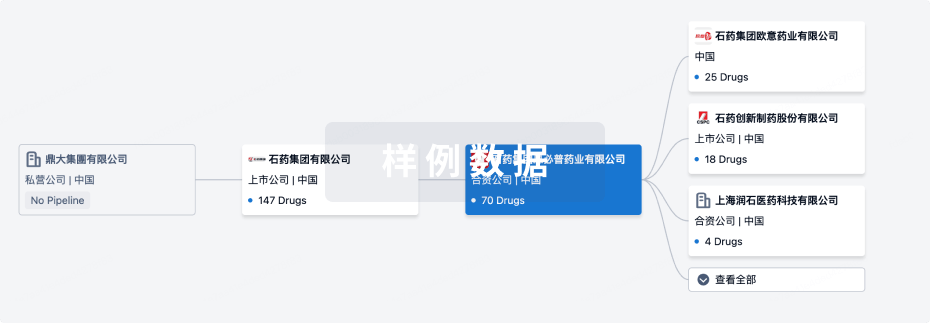
管线布局
2026年09月29日管线快照
管线布局中药物为当前组织机构及其子机构作为药物机构进行统计,早期临床1期并入临床1期,临床1/2期并入临床2期,临床2/3期并入临床3期
药物发现
6
3
临床前
登录后查看更多信息
当前项目
| 药物(靶点) | 适应症 | 全球最高研发状态 |
|---|---|---|
镓[68Ga]-CY03 ( FAP ) | 造影剂 更多 | 临床前 |
LHRH-III'-SS-CPT | 乳腺癌 更多 | 临床前 |
NOA(Nitro-substituted TPE Benzoic Acid Derivative) | 金黄色葡萄球菌感染 更多 | 临床前 |
CN118994411 ( GLP-1R )专利挖掘 | 神经系统疾病 更多 | 药物发现 |
CN118994312 ( TNFRSF14 )专利挖掘 | 肿瘤 更多 | 药物发现 |
登录后查看更多信息
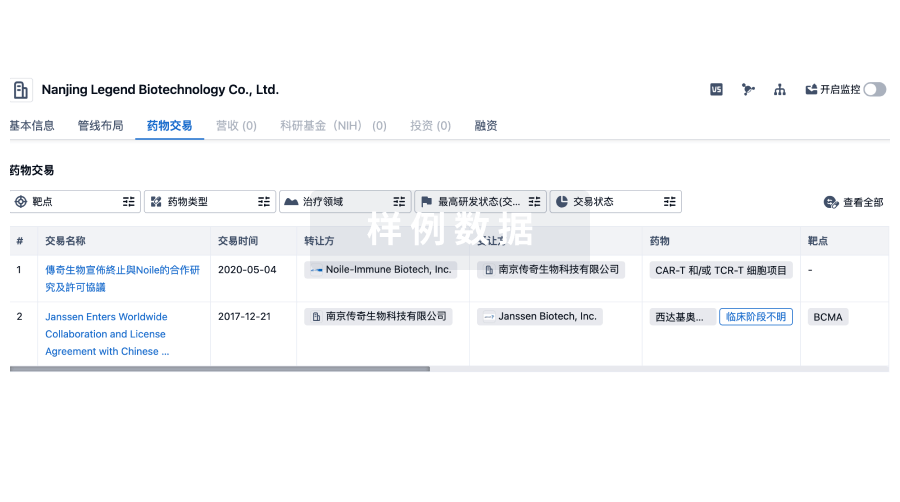
药物交易
使用我们的药物交易数据加速您的研究。
登录
或
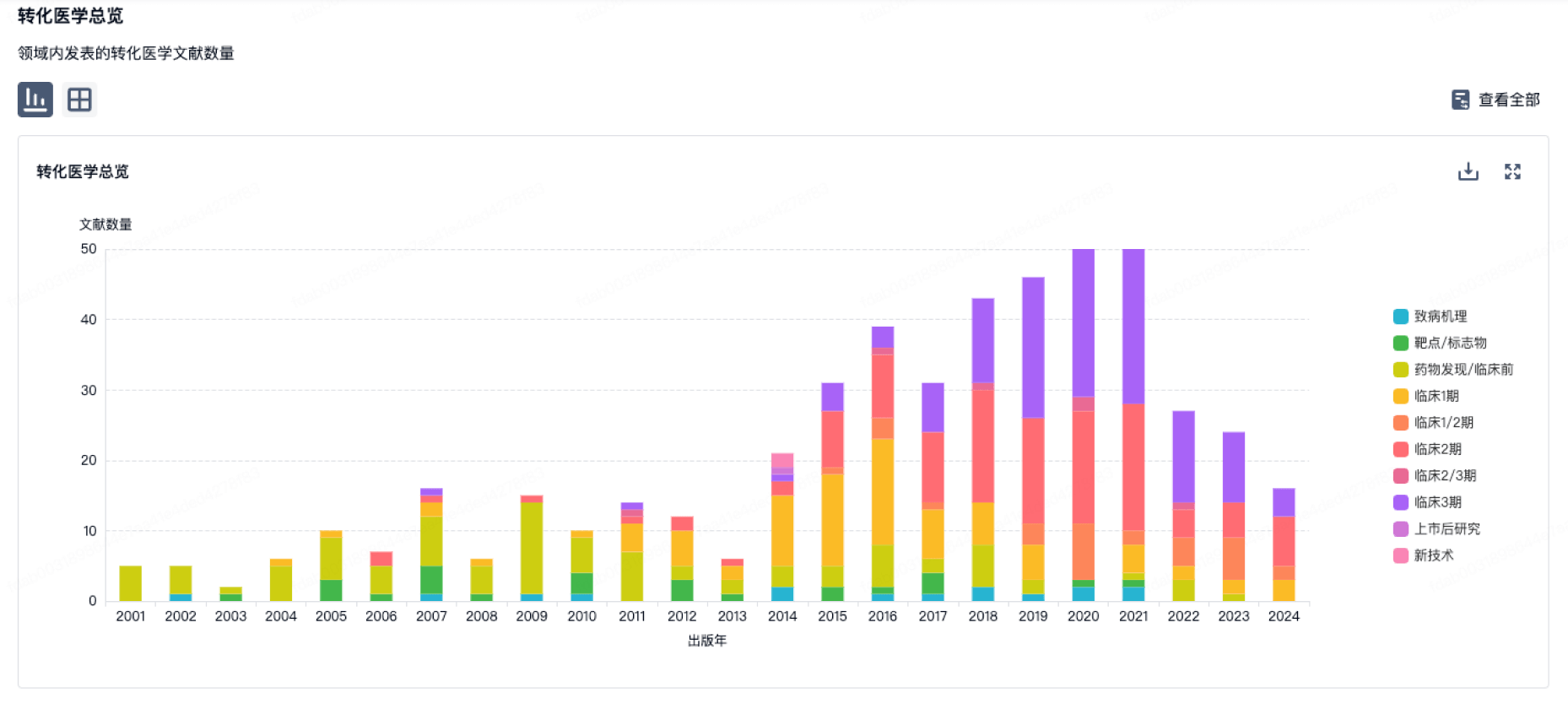
转化医学
使用我们的转化医学数据加速您的研究。
登录
或
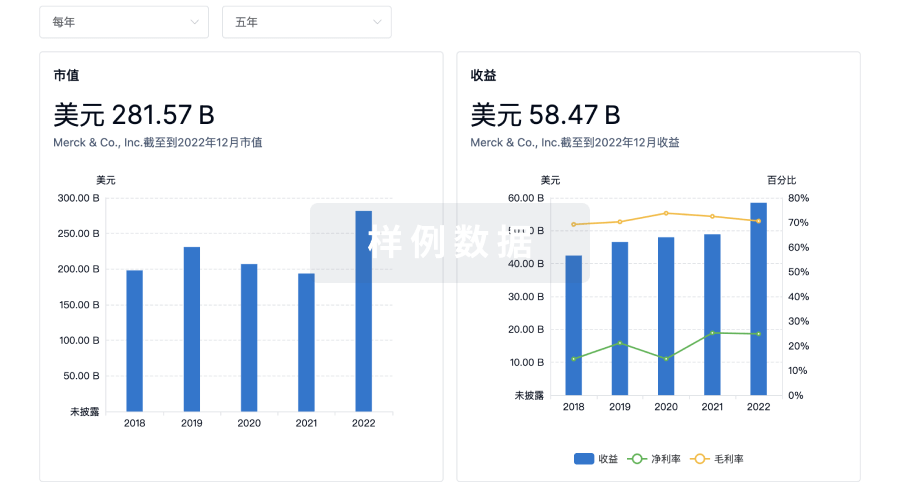
营收
使用 Synapse 探索超过 36 万个组织的财务状况。
登录
或
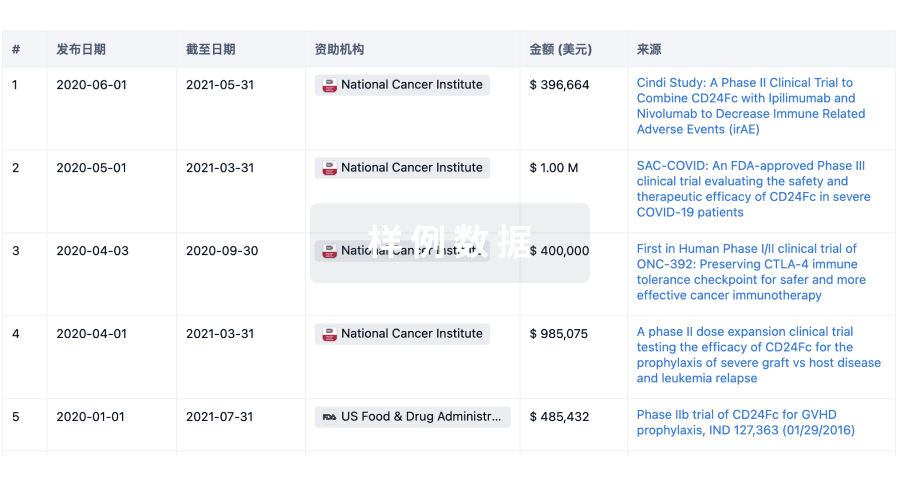
科研基金(NIH)
访问超过 200 万项资助和基金信息,以提升您的研究之旅。
登录
或
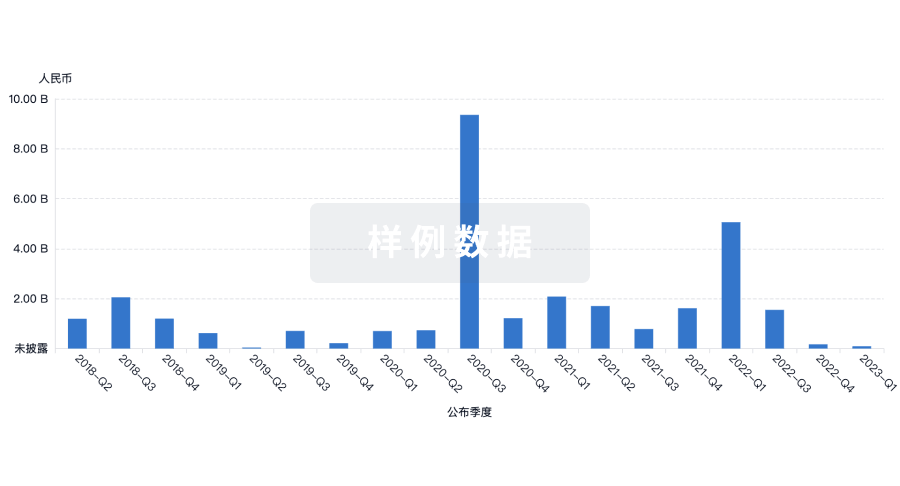
投资
深入了解从初创企业到成熟企业的最新公司投资动态。
登录
或
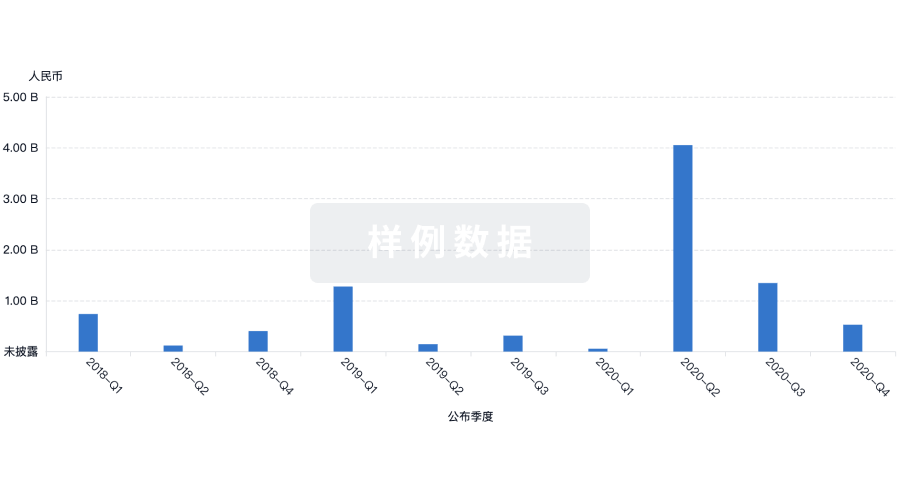
融资
发掘融资趋势以验证和推进您的投资机会。
登录
或
提出任何生物医药研究问题
让每一步生物医药决策都精准制胜
基于十亿级生物数据与全球情报的精准 AI,赋能早期药物发现
立即开始免费试用!
智慧芽新药情报库是智慧芽专为生命科学人士构建的基于AI的创新药情报平台,助您全方位提升您的研发与决策效率。
立即接入生物医药数据包
智慧芽新药库数据也通过智慧芽开放平台,以MCP或API服务形式对外开放。立即使用我们的MCP服务定制您的LLM智能体。
生物序列数据库
生物药研发创新
免费使用
化学结构数据库
小分子化药研发创新
免费使用