预约演示
更新于:2026-08-09

Scribe Therapeutics
更新于:2026-08-09
概览
标签
其他疾病
内分泌与代谢疾病
遗传病与畸形
基因疗法
基因编辑
CRISPR/Cas9
疾病领域得分
一眼洞穿机构专注的疾病领域

暂无数据
技术平台
公司药物应用最多的技术
暂无数据
靶点
公司最常开发的靶点
暂无数据
| 排名前五的药物类型 | 数量 |
|---|---|
| 基因编辑 | 4 |
| 腺相关病毒基因治疗 | 3 |
| 基因疗法 | 2 |
| 自然杀伤细胞疗法 | 1 |
| CRISPR/Cas9 | 1 |
关联
11
项与 Scribe Therapeutics 相关的药物靶点 |
作用机制 PCSK9抑制剂 |
非在研适应症- |
最高研发阶段临床1期 |
首次获批国家/地区- |
首次获批日期- |
靶点 |
作用机制 RHO modulators |
在研适应症 |
非在研适应症- |
最高研发阶段临床前 |
首次获批国家/地区- |
首次获批日期- |
靶点 |
作用机制 RHO基因转移 |
在研适应症 |
非在研适应症- |
最高研发阶段临床前 |
首次获批国家/地区- |
首次获批日期- |
1
项与 Scribe Therapeutics 相关的临床试验NCT07428473
A Phase 1 Open-Label Single Ascending Dose (Part 1) and Single or Multi-Dose Expansion (Part 2) Study to Evaluate Safety, Tolerability, Pharmacokinetics, and Pharmacodynamics of STX-1150 in Participants With Elevated Low-Density Lipoprotein Cholesterol (LDL-C)
STX-1150 is an investigational therapy designed to lower LDL-C by silencing a gene called PCSK9 in the liver. STX-1150 does not edit or permanently change the gene. STX-1150 comprises an mRNA and guide RNA (gRNA) delivered via lipid nanoparticles (LNP) for intravenous infusion. The mRNA produces a protein that switches off the PCSK9 gene expression without altering the DNA sequence. This process leverages natural mechanisms that regulate gene activity.
The study will enroll up to 64 participants with elevated LDL-C across sites in Australia and New Zealand. The follow-up period will be up to 1- year post-treatment.
The study will enroll up to 64 participants with elevated LDL-C across sites in Australia and New Zealand. The follow-up period will be up to 1- year post-treatment.
开始日期2026-06-01 |
申办/合作机构  Monash University Monash University [+1] |
100 项与 Scribe Therapeutics 相关的临床结果
登录后查看更多信息
0 项与 Scribe Therapeutics 相关的专利(医药)
登录后查看更多信息
189
项与 Scribe Therapeutics 相关的新闻(医药)2026-08-07
Two growing biotechs blasted through their IPO expectations Friday, with BlossomHill Therapeutics and Latigo Biotherapeutics each raising at least 30% more than expected in their stock market debuts.
In the case of BlossomHill's ambitious IPO , the companied rallied $150 million in an oversubscribed listing to bankroll its non-small cell lung cancer (NSCLC) and leukemia treatments.
The biotech, which will trade as" BLSM" on the Nasdaq, had planned to raise $111.7 million to fund its challenger to AstraZeneca's Tagrisso with 7.8 million shares between $15 and $17 apiece. But by the time of the final offering, the company had boosted the number of shares to 9.375 million at $16 a pop.
The $150 million raise could climb by another $22.5 million if underwriters seize their opportunity to acquire an additional 1.4 million shares at the same price.
BlossomHill expects to use $70 million of its debut haul to develop its lead asset, a macrocyclic EGFR-targeting molecule called BH-30643, according to a Securities and Exchange Commission filing . BH-30643 is currently undergoing a phase 1/2 trial in NSCLC, and the company has planned a “potentially registrational” phase 2 trial with the funds as well. The company indicated that $20 million will support its investigational CLK inhibitor for acute myeloid leukemia, while $5 million will be set aside to take the pan-KRAS inhibitor BH-501284 from IND-enabling studies into the clinic.
BlossomHill called the NSCLC arena "particularly competitive" in its filing. Other treatments include AZ's approved Tagrisso, the current first-line standard of care that brought the Big Pharma more than $7 billion in global sales (PDF) last year. Johnson & Johnson’s Rybrevant is another established challenger in the field, and BlossomHill noted in the filing that numerous other companies are also developing potential rivals for BH-30643. The company remains confident that its drug can target patients who have developed C797S-mediated resistance to Tagrisso or other third-generation EGFR tyrosine kinase inhibitors.
“This is a very competitive landscape. When we started the project there were 35 to 40 different EGFRs already in the clinic. So why bother to have another one?" BlossomHill CEO Jean Cui, Ph.D., told Fierce. "As a chemist, I reviewed the molecules in groups and surprisingly, they are all incremental analogs of the first, second or third generation analogs. We know incremental analogs definitely cannot solve the resistance issue.”
Bringing novel structures to address the resistance is where BlossomHill sees its ability to find a niche in the crowded market. “We've learned a lot about mutant EGFR, so there's space for creativity,” Geoff Oxnard, M.D., BlossomHill chief medical officer, told Fierce. “With a fresh understanding of protein structure, there is space for creativity here, and that's what we infused into the design of 643; a really fresh approach.”
Prior to BlossomHill, Cui founded oncology-focused Turning Point Therapeutics and helped take the company public in 2019 before it was acquired by Bristol Myers Squibb in 2022 for $4.1 billion. She says her transition from scientist to the C-suite and experience with the previous IPO at Turning Point have made her leadership at BlossomHill much smoother. “I already have the experience of how to select and build up the company and how to lead the team. This time, I’m confident.”
Meanwhile, Latigo Biotherapeutics has also blown away its IPO hopes, gathering $345.6 million in its upsized listing that will support its non-opioid pain drug, coded LTG-001. With the goal of challenging Vertex Pharmaceutical’s Journavx, Latigo laid plans to offer 16 million shares between $16 and $18 apiece, giving the company the ability to raise $247.2 million if the final price fell in the middle of the range.
The newest numbers are the result of 19.2 million shares sold at $18 per share, and Latigo can add to the gross proceeds by $51.8 million if underwriters take another 2.88 million shares at the same price. The stock will trade as "LTGO" on the Nasdaq.
Latigo had earmarked $124.7 million to take LTG-001 through a phase 3 study for patients undergoing bunion surgery on their toe and to ensure “commercial readiness” for the oral small-molecule Nav1.8 inhibitor. The company has also said it has plans for a late-stage study “across a variety of post-surgical and non-surgical settings," which aims to feature a broader enrollment.
Latigo is hoping that LTG-001 can benefit from the momentum Journavx, also known as suzetrigine, which last year became the first Nav1.8 inhibitor to secure FDA approval . Latigo noted that the drug was a “breakthrough in pain management” but claims that Vertex’s drug is “limited by efficacy, slow onset and contraindications.”
Beyond Latigo's lead candidate, $46.2 million of the IPO proceeds will be used to fund another Nav1.8 inhibitor, LTG-321, through an ongoing phase 2 study for osteoarthritis and into phase 3. Latigo has hopes that LTG-321’s differentiated profile from LTG-001 means the potential musculoskeletal pain drug can be administered once-daily, potentially teeing it up in chronic-use settings.
Latigo has had a busy few years raising funds, debuting in 2024 armed with a $135 million series A . The biotech went on to secure a $150 million series B the following year.
The two moves to the NASDAQ continue the robust pace of IPOs this year, which has included record-breaking listings from Kailera Therapeutics and Parabilis Medicines in June, plus public listings of Braveheart Bio , Apnimed , Attovia and Scribe Therapeutics in the last two weeks.
2026-08-06
Braveheart Bio's stock surged more than 65% on Thursday, the biotech's first day trading on NASDAQ after it raked in an impressive $383.5 million from its public debut. The upsized offering, as well as Braveheart's trading performance, suggest investors are still hungry for biotech IPOs amidst a deluge of deals this year. The cardiology company sold 21.3 million shares at $18 apiece in its IPO late on Wednesday, with both the number of shares and price point exceeding expectations. Braveheart had originally been targeting a $300-million raise through the sale of 18.8 million shares at a range of $15 to $17. Braveheart's public listing comes less than a year after it licensed ex-China rights to an oral cardiac myosin inhibitor from Jiangsu Hengrui Pharmaceuticals in a deal worth up to $1.1 billion. With its IPO proceeds, the biotech plans to launch a pair of Phase III trials evaluating BHB-1893 in both obstructive and non-obstructive hypertrophic cardiomyopathy (HCM), two diseases where the experimental treatment has already shown promise. In the obstructive setting, BHB-1893 will compete with rival cardiac myosin inhibitors Camzyos (mavacamten) from Bristol Myers Squibb and Cytokinetics' Myqorzo (aficamten). Neither is approved for non-obstructive HCM, but recent data from Cytokinetics' ACACIA-HCM study suggest Myqorzo could become the first drug in the class to reach that patient population (see – Spotlight On: Cytokinetics could double Myqorzo's reach with non-obstructive HCM win).IPO resurgence Braveheart's debut continues a hot streak of IPO activity this year that shows no sign of slowing. After several record-breaking raises in the first half of 2026, three biotechs besides Braveheart have already gone public in the year's second half: Scribe Therapeutics, which claimed $128.7 million in its IPO, while Apnimed raised $192 million in an upsized offering and Attovia Therapeutics just this week brought in $289 million.Three more biotechs have joined the IPO queue and have already proposed terms for their respective raises. Vogenx is eyeing a modest $75-million sum, while Latigo Biotherapeutics and BlossomHill Therapeutics are targeting raises of $272 million and $125 million, respectively. For an in-depth look at biotech IPO trends in 2026, see Spotlight On: Investors regain appetite for biotech IPOs.
IPO上市批准临床3期
2026-08-06
iStock
, Nadejda Krumova
Braveheart Bio has emerged on the Nasdaq with an upsized expected initial public offering—marking the public entrance of the twenty-second biotech this year.
Cardiovascular-focused Braveheart Bio is pumping further life into biotech’s public market, debuting Thursday with an upsized offering expected to be worth $382.5 million.
The California company’s IPO encompasses 21.2 million shares expected to be traded on the Nasdaq at $18 apiece, according to a
release shared
Wednesday afternoon. The offering tops Braveheart’s
previous projections
of a $15 to $17 price point for 17.5 million shares.
Trading under the ticker “BRVE,” the biotech will use its newfound cash to fuel lead asset BHB-1893, an oral small molecule designed to inhibit cardiac myosin, which is a protein that drives heart contractions. The company is developing the therapy for subtypes of hypertrophic cardiomyopathy (HCM) and is gearing up for late-stage testing.
ezstandalone.cmd.push(function () {
ezstandalone.showAds(129);
});
IPO
Braveheart, Attovia, Vogenx keep IPOs ballooning with plans to compete in cardiometabolic, immuno
Braveheart Bio is looking to take on Bristol Myers Squibb in hypertrophic cardiomyopathy, while Attovia Therapeutics wants to challenge Sanofi and Regeneron’s Dupixent. Vogenx, meanwhile, is looking to establish its name in the cardiometabolic space.
July 16, 2026
·
4 min read
·
Tristan Manalac
Read more
In a July prospectus, Braveheart shared its intention to position BHB-1893 as “a new standard of care” in HCM, challenging Bristol Myers Squibb’s Camzyos and Cytokinetics’ Myqorzo.
Camzyos, indicated for symptomatic patients with obstructive HCM (oHCM), grew 77% annually to bring in more than $1 billion last year, while Myqorzo was
approved
for the same indication in December 2025. The inherited disease causes thickening of the heart muscles and can include shortness of breath, chest pain and fainting.
Licensed from China’s Jiangsu Hengrui Pharmaceuticals for
up to $1.1 billion
, Braveheart’s BHB-1893 is supposed to suppress excessive heart muscle contractions. The biotech hopes the asset can address the “LVEF cost” of current HCM therapies: a decrease in left ventricular ejection fraction (LVEF), or a decline in pump function that can accompany improvements in obstruction.
The IPO proceeds will help Braveheart push BHB-1893 through Phase 3 development in both oHCM and non-obstructive HCM.
Braveheart joins a slew of other biotechs making the public plunge this year as companies take advantage of a window that was frozen shut for most of 2025. Twenty-one other biotechs have IPOed so far this year, with five debuts occurring in the last two months.
In July alone, preclinical gene-editor
Scribe Therapeutics
, Dupixent-challenger
Attovia Therapeutics
and oral sleeping pill developer
Apnimed
all emerged publicly.
Check out
BioSpace’s
tracker
to see how recently-IPOed biotechs are performing now.
上市批准IPO
100 项与 Scribe Therapeutics 相关的药物交易
登录后查看更多信息
100 项与 Scribe Therapeutics 相关的转化医学
登录后查看更多信息
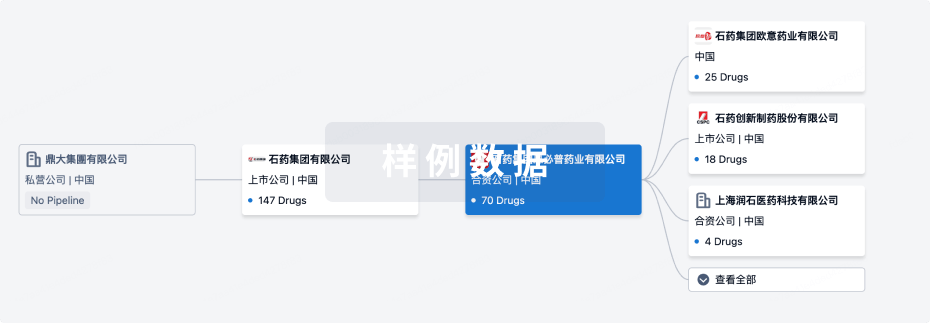
组织架构
使用我们的机构树数据加速您的研究。
登录
或
管线布局
2026年10月11日管线快照
管线布局中药物为当前组织机构及其子机构作为药物机构进行统计,早期临床1期并入临床1期,临床1/2期并入临床2期,临床2/3期并入临床3期
药物发现
5
5
临床前
临床1期
1
登录后查看更多信息
当前项目
登录后查看更多信息
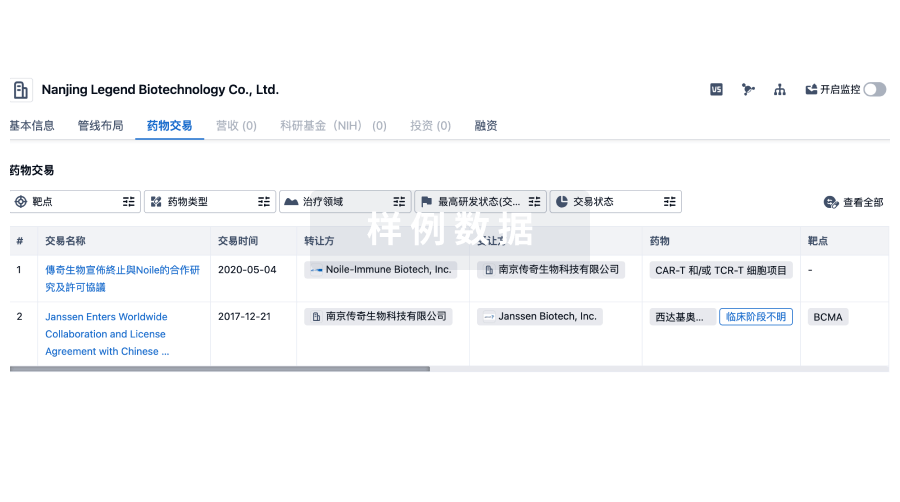
药物交易
使用我们的药物交易数据加速您的研究。
登录
或
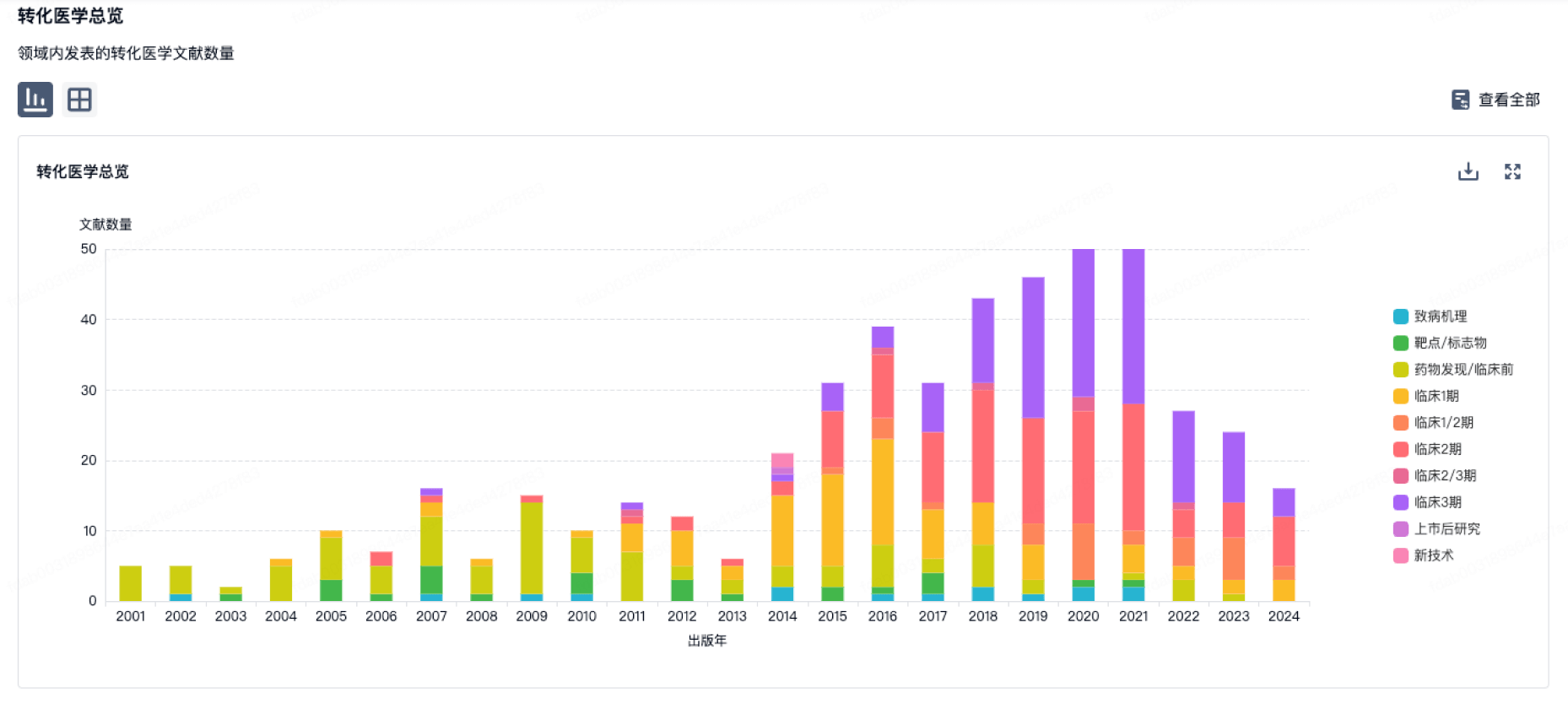
转化医学
使用我们的转化医学数据加速您的研究。
登录
或
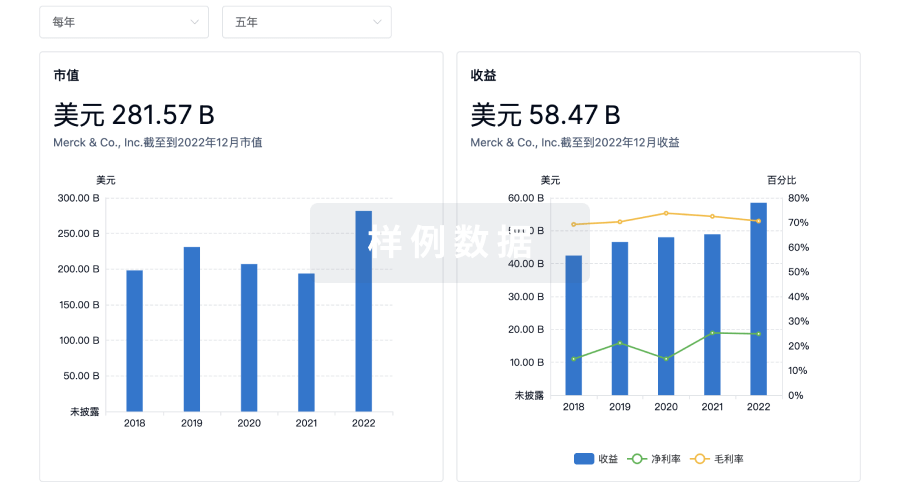
营收
使用 Synapse 探索超过 36 万个组织的财务状况。
登录
或
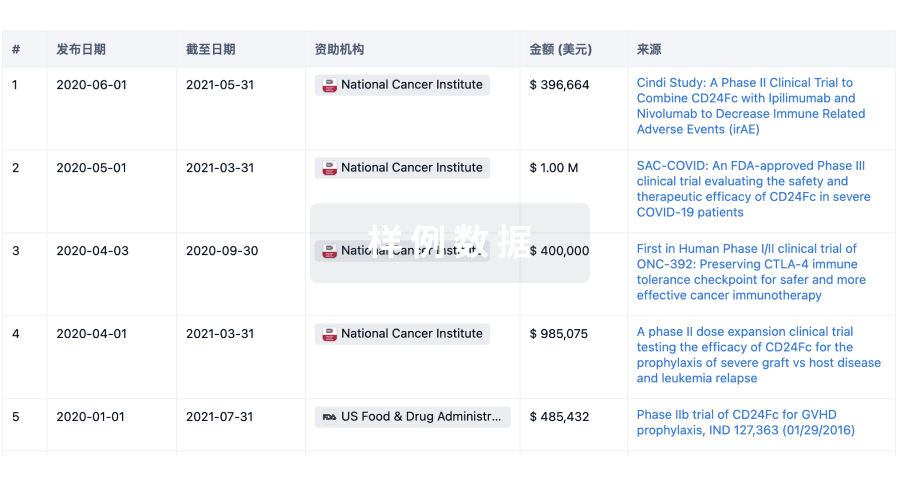
科研基金(NIH)
访问超过 200 万项资助和基金信息,以提升您的研究之旅。
登录
或
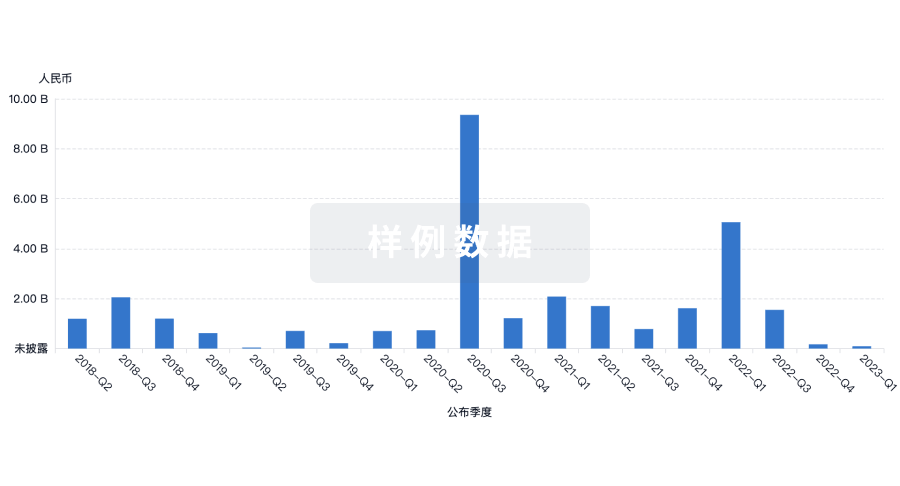
投资
深入了解从初创企业到成熟企业的最新公司投资动态。
登录
或
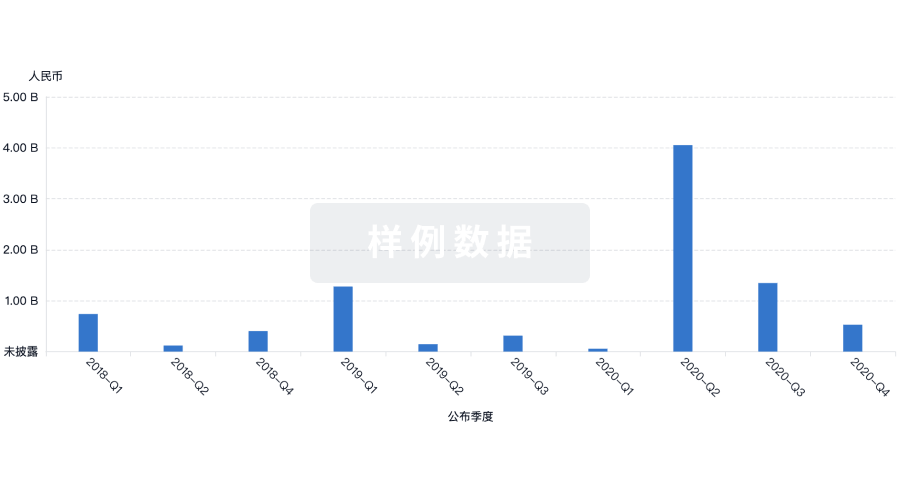
融资
发掘融资趋势以验证和推进您的投资机会。
登录
或
提出任何生物医药研究问题
让每一步生物医药决策都精准制胜
基于十亿级生物数据与全球情报的精准 AI,赋能早期药物发现
立即开始免费试用!
智慧芽新药情报库是智慧芽专为生命科学人士构建的基于AI的创新药情报平台,助您全方位提升您的研发与决策效率。
立即接入生物医药数据包
智慧芽新药库数据也通过智慧芽开放平台,以MCP或API服务形式对外开放。立即使用我们的MCP服务定制您的LLM智能体。
生物序列数据库
生物药研发创新
免费使用
化学结构数据库
小分子化药研发创新
免费使用