预约演示
更新于:2026-05-12

American University
更新于:2026-05-12
概览
关联
25
项与 American University 相关的临床试验NCT07360405
Diet-Based Treatment for Migraine Relief
The goal of this clinical trial is to evaluate whether a low-glutamate diet can improve migraine symptoms in adults with migraine and to explore possible biological changes associated with dietary improvement. The study focuses on whether reducing dietary glutamate intake may influence processes involved in migraine, such as brain excitation, inflammation, and oxidative stress.
The main questions this study aims to answer are:
Does following a low-glutamate diet reduce the number of migraine days and the severity and duration of migraine attacks, and improve quality of life?
Are improvements in migraine symptoms associated with changes in blood-based biological markers related to migraine activity?
Researchers will compare participants assigned to the low-glutamate diet with participants assigned to a wait-list control group to evaluate differences in migraine outcomes and related biological measures.
Participants will:
Complete a baseline run-in period while tracking headaches using a daily migraine diary
Either follow a low-glutamate dietary intervention or continue their usual diet as part of a wait-list control
Complete standardized questionnaires related to migraine symptoms and quality of life
Provide blood samples for laboratory analyses
Undergo neuroimaging assessments (for a subset of participants)
The main questions this study aims to answer are:
Does following a low-glutamate diet reduce the number of migraine days and the severity and duration of migraine attacks, and improve quality of life?
Are improvements in migraine symptoms associated with changes in blood-based biological markers related to migraine activity?
Researchers will compare participants assigned to the low-glutamate diet with participants assigned to a wait-list control group to evaluate differences in migraine outcomes and related biological measures.
Participants will:
Complete a baseline run-in period while tracking headaches using a daily migraine diary
Either follow a low-glutamate dietary intervention or continue their usual diet as part of a wait-list control
Complete standardized questionnaires related to migraine symptoms and quality of life
Provide blood samples for laboratory analyses
Undergo neuroimaging assessments (for a subset of participants)
开始日期2026-01-01 |
申办/合作机构 American University [+1] |
NCT06750107
Testing the Efficacy of Safe South Africa: An Intervention to Prevent HIV Risk and Interpersonal Violence Among Adolescent Boys
In this study, investigators will examine the efficacy of Safe South Africa, a behavioral intervention that is developmentally- and gender-tailored to prevent human immunodeficiency virus (HIV) and intimate partner violence (IPV) among adolescent boys. South Africa faces some of the highest global rates of HIV and IPV with sustained high incidence of HIV and alarming rates of IPV among adolescents and thus, is an ideal site to advance prevention science to tackle these urgent public health priorities. Testing the efficacy of an integrated intervention to prevent HIV risk behavior and IPV for adolescent boys can support optimal health for young people, their future partners, and society.
开始日期2025-01-22 |
申办/合作机构  Brown University Brown University [+3] |
NCT06398197
Nourish Pilot & CoDesign Study
The purpose of the research study is to learn more about the best ways to teach cooking and food skills to adults, and how cooking classes may help reduce one's stress and food waste, as well as improve their diet.
开始日期2024-07-25 |
申办/合作机构 |

100 项与 American University 相关的临床结果
登录后查看更多信息
0 项与 American University 相关的专利(医药)
登录后查看更多信息
2,015
项与 American University 相关的文献(医药)2026-06-01·DRUG AND ALCOHOL DEPENDENCE
Searching for agency in animal models of addiction: Choice between choices
Article
作者: Rego, Felipe Pazos ; Kearns, David N
PURPOSE:
This study was motivated by Ahmed's (2024) observation that subjects in animal models of addiction lack agency. Animals have been given increasing control over drug-taking in addiction models, but not the opportunity to change their circumstances in ways that favor drug self-administration vs. abstinence. The present study aimed to develop a model wherein rats could intervene to change the choice contingencies available to them.
METHODS:
Rats were trained to choose between self-administered heroin or sucrose pellets in two choice conditions. In one condition, heroin was cheap and sucrose was expensive. In the other condition, the relative prices of these reinforcers were reversed. Then, rats were allowed to choose between these choice conditions.
MAIN FINDINGS:
Rats frequently switched between the conditions when the cost of switching was low, and obtained many of the cheap reinforcers available in each condition. As the cost of switching increased, rats switched less often and increased consumption of the cheap reinforcer available in their current condition. When rats could only make one choice between conditions per session, large individual differences were observed, with some rats preferring the cheap heroin condition and others preferring the cheap sucrose condition.
CONCLUSIONS:
This study found that when rats are given the ability to choose between choices they will take advantage of this additional level of control. The initial environmental contingencies were, however, an important determinant of heroin-taking behavior. This finding is a step towards refining animal models of addiction towards a stronger analogy to human behavior.
2026-04-01·Developmental Cognitive Neuroscience
Corrigendum to “Deep learning in fetal, infant, and toddler neuroimaging research”[Dev. Cognit. Neurosci. (2026), 101680]
作者: Chen, Emily M ; Wyburd, Madeleine K ; Liu, Janelle ; Camacho, M Catalina ; Chen, Yuting ; Dineen, Áine ; Chin, Jenna H ; Bayet, Laurie ; Bilgic, Berkin ; Ayzenberg, Vladislav ; Fujita, Shohei ; Jun, Yohan ; Zöllei, Lilla
2026-03-04·HOUSING POLICY DEBATE
“It’s a Process—But It Shouldn’t Take This Long”: The Psychological Burden of Waiting for Rental Assistance
Article
作者: Keene, Danya ; Schlesinger, Penelope ; Tran, Charles ; Blankenship, Kim
A growing and severe shortage of affordable housing in the U.S. has led to an increase in cost-burdened households and housing insecurity nationwide. The U.S. Department of Housing and Urban Development (HUD) provides rental assistance through programs such as Housing Choice Vouchers and public or project-based housing to increase access to affordable housing. However, available funding for these programs limits their supply, creating extensive waitlists for rental assistance. While the physical and mental health consequences of housing insecurity and cost-burdens are well documented, less is known about how the experience of waiting for rental assistance may contribute to these adverse outcomes. This paper examines qualitative data from a longitudinal mixed-methods study about rental assistance and diabetes self-management. Through thematic analysis of 116 semi-structured interviews collected from 30 unique participants, we describe how the uncertainty of one's waitlist status, an obligation to wait, and a sense of powerlessness in the waiting process contribute to poor mental health among rental assistance applicants. Our findings suggest that the experience of waiting and specific features of the waiting process may exacerbate stressors associated with housing insecurity to the detriment of applicants' psychological wellbeing.
60
项与 American University 相关的新闻(医药)2026-04-23
1. 引言
心血管疾病仍然是全球范围内导致过早死亡和残疾的主要原因,给全世界的医疗系统和经济带来了巨大负担。心血管疾病的病理生理基础是多因素且复杂的,包括一系列相互关联的风险因素,如凝血异常、高血压、血脂异常、内皮功能障碍、慢性炎症和氧化应激。尽管通过开发合成抗凝剂、抗血小板药物、他汀类药物和降压药已取得了显著的治疗进展,但这些药物干预常伴有副作用、药物间相互作用以及高昂的费用,这促使人们持续并日益关注寻找安全、有效且易于获取的天然替代品或辅助疗法。
在源自传统发酵食品的众多生物活性化合物中,纳豆激酶已成为促进心血管健康和疾病预防领域一个尤为引人注目的候选物。纳豆激酶是一种碱性丝氨酸蛋白酶,亦称为枯草杆菌蛋白酶NAT,由纳豆枯草芽孢杆菌在蒸煮大豆发酵制作纳豆(一种已有千年以上食用历史的日本传统食品)的过程中大量产生。该酶表现出强大的纤溶活性,能够直接降解血栓的主要蛋白质成分——纤维蛋白,并通过多种互补机制同时增强内源性纤溶途径。对纳豆激酶溶栓潜力的认识推动了一系列广泛且不断扩展的科学研究,包括基础的生化表征、临床前机制研究、动物模型研究以及数量日益增多的人体临床试验。
流行病学观察为纳豆摄入的心血管益处提供了有力的间接证据。值得注意的是,研究表明习惯性食用纳豆与降低心血管疾病死亡风险相关,这一效应主要归因于该食品中高含量的纳豆激酶及其伴随的纤溶和抗血栓特性。这些人群层面的发现得到了大量实验和临床研究的支持,这些研究系统地记录了纳豆激酶对心血管健康各方面的积极影响,包括稀释血液、溶解已形成的血栓、降低血压以及减缓动脉粥样硬化进程。除了已确立的心血管应用外,近期研究揭示了纳豆激酶更广泛的生物学活性,包括强大的抗炎和抗氧化作用、与阿尔茨海默病等神经退行性疾病相关的神经保护作用,甚至对SARS-CoV-2具有潜在的抗病毒活性。
全球心血管疾病及其他非传染性疾病患病率的不断攀升,迫切需要创新、经济有效且耐受性良好的预防和治疗策略。纳豆激酶凭借其良好的安全性、口服生物利用度及多效性作用机制,在满足这一未竟需求方面具有独特优势。然而,尽管有大量且不断增长的证据支持其治疗潜力,但仍存在若干关键挑战。这些挑战包括缺乏标准化的生产和质量控制方案、临床试验设计和结果的显著异质性、对其药代动力学和药效学特性理解的不完全,以及缺乏大规模、长期的临床结局研究。本综合评述旨在批判性地整合纳豆激酶的现有科学文献,详细且细致地概述其发现、生化特性、药理机制、临床证据和安全性考量,同时识别关键的知识空白并为未来的研究工作规划方向。
2. 发现与历史背景
2.1. 须见洋行博士的偶然发现
纳豆激酶的发现是科学偶然性与敏锐观察力相结合的典范。该酶于1980年由日本研究员须见洋行博士首次发现,他当时在芝加哥大学医学院生理学系工作,正在系统性地寻找能够有效溶解与心脑梗死相关血栓的天然物质。基于传统发酵食品可能含有强效纤溶酶的假设,须见博士及其同事进行了一项宏大而详尽的筛选计划,测试了超过173种不同的天然食品在体外溶解人工纤维蛋白凝块的能力。
关键实验发生在1980年的某一天,须见博士受到纳豆这种通过发酵生产的食品可能含有纤维蛋白降解酶的启发,将纳豆提取物应用于人工血栓。值得注意的是,在大约三个小时内,该血栓就发生了显著溶解,长度缩短了约两厘米。这一溶栓速度显著优于当时的标准溶栓剂尿激酶,后者在相同实验条件下溶解同样的血栓需要近两天时间。这一戏剧性且出乎意料的发现为纳豆中存在强效纤溶成分提供了初步且令人信服的证据,这一观察最终导致了该酶的分离、纯化和鉴定,并将其命名为“纳豆激酶”。
1987年,须见及其同事发表了他们开创性的论文,详细阐述了从纳豆中纯化和鉴定纤溶酶的过程,正式宣布了这一发现,从而为随后所有关于这种卓越生物催化剂的研究奠定了科学基础。“纳豆激酶”这一名称既反映了其来源于纳豆,也体现了其酶学性质,此后成为该酶(系统命名枯草杆菌蛋白酶NAT,EC 3.4.21.62)公认的通用名称。
2.2. 纳豆的传统用途与文化意义
在其科学鉴定之前很久,纳豆已在日本传统料理和民间医学中占据重要地位。纳豆是一种传统发酵食品,通过将蒸煮过的大豆接种纳豆枯草芽孢杆菌(也称纳豆芽孢杆菌),并在受控的温度和湿度条件下发酵约18至24小时制成。所得产品以其独特的气味、黏稠拉丝的质地和独特的鲜味而闻名,这些特性使其成为日本饮食中一千多年来的主食。传统上,纳豆作为早餐食品食用,可搭配米饭、用于寿司或涂抹在吐司上;在当代日本,甚至还有纳豆口味的冰淇淋。
除了烹饪用途外,纳豆因其所谓的健康促进作用在日本传统医学中备受推崇。历史记载表明,纳豆传统上被用于治疗心脏病、缓解身体疲劳以及作为抗脚气病药物,这反映了人们对其心血管及整体健康益处的早期直观认识。日本人食用纳豆历史悠久且消费量稳定,加之在纳豆摄入量高的人群中心血管疾病发病率相对较低,这些都为探索这种传统食品潜在心脏保护作用的流行病学研究提供了沃土。
2.3. 纳豆激酶研究的演变轨迹(1980年至今)
自1980年首次发现以来,纳豆激酶的科学研究所程经历了几个相互重叠的独特阶段。奠基时期大约从1980年持续到1990年,其特点是致力于该酶的分离、纯化和初步生化鉴定,并以1987年须见等人的里程碑式论文为高潮。在此阶段,确立了纳豆激酶的基本酶学特性,包括其分子量、底物特异性和体外纤溶活性,为后续研究奠定了必要的基础。
第二阶段贯穿20世纪90年代并延续至21世纪初,见证了纳豆激酶体内药效研究的显著扩展,研究者利用多种动物模型探索其抗血栓、抗高血压和抗动脉粥样硬化作用。同时,对纳豆激酶纤溶活性分子机制的研究不断深入,揭示该酶不仅能直接降解纤维蛋白,还能通过增强组织型纤溶酶原激活剂的产生和催化尿激酶原转化为活性形式来增强内源性溶栓作用。此外,这一时期还启动了早期阶段的人体临床试验,为口服纳豆激酶在降低血压和改善人体纤溶参数方面的安全性和有效性提供了初步证据。
最近的阶段始于2010年左右并持续至今,其标志是纳豆激酶研究的显著多样化和深化。这一时期的特点是开展了更大规模、设计更严谨的随机对照试验,评估纳豆激酶单药治疗及与其他营养保健品联合使用对广泛心血管风险因素和临床结局的影响。与此同时,包括X射线晶体学在内的高分辨率结构生物学技术,已在原子水平上解析了该酶的三维结构,有助于更细致地理解其催化机制和底物相互作用。也许最重要的是,这一当代阶段见证了纳豆激酶全新且意想不到的生物学活性的发现,这些活性远远超出了其经典的纤溶功能。这些新发现的特性包括通过激活Nrf2/HO-1信号轴介导的强效抗炎和抗氧化作用、与阿尔茨海默病及其他神经退行性疾病预防和治疗相关的神经保护作用,以及对SARS-CoV-2刺突蛋白的抗病毒活性,提示其在COVID-19背景下可能具有应用价值。这些最新发现从根本上拓宽了纳豆激酶治疗应用的概念框架,将其定位为一种对心血管系统以外的多种人类疾病具有潜在价值的多效性药物。
3. 生化与分子特性
3.1. 来源与微生物生产
纳豆激酶是一种天然存在的胞外酶,主要由纳豆枯草芽孢杆菌产生。该菌是一种革兰氏阳性、能形成芽孢的杆状微生物,是纳豆生产过程中的主要发酵剂。该细菌通常从纳豆发酵剂或直接从发酵大豆产品中分离出来,并在多种营养培养基上于好氧或半好氧条件下培养,以获得最佳酶产量。虽然纳豆枯草芽孢杆菌是纳豆激酶研究最深入、工业化利用最广泛的来源,但值得注意的是,其他芽孢杆菌属物种以及来自其他亚洲烹饪传统中类似发酵大豆食品的微生物,也被报道能产生与纳豆激酶性质相似或相同的纤溶酶。这类传统发酵食品的例子包括韩国的清麴酱、中国的豆豉、泰国的图阿纳奥和印度尼西亚的天贝,它们各自含有独特的微生物群落,有助于产生具有潜在健康益处的生物活性肽和酶。
纳豆枯草芽孢杆菌生产纳豆激酶受到营养和环境因素复杂相互作用的影响。最佳酶产量通常通过在以葡萄糖或淀粉等碳源以及蛋白胨、酵母提取物或豆粕水解物等氮源为基础的基础培养基上进行发酵来实现。培养温度、pH值、通气量和发酵时间都是关键参数,必须仔细优化以最大化酶产量,同时尽量减少不良代谢产物的积累。发酵技术的最新进展,包括将基于生物膜的发酵与使用低成本农业副产品(如豆粕水解物)相结合的集成生物加工策略的开发,已显示出提高纳豆激酶产量和改善大规模生产经济可行性的巨大潜力。值得注意的是,一项研究报告了一种集成生物加工策略,在基于生物膜的发酵条件下,使用胰蛋白酶制备的豆粕水解物,实现了2949.3 U/mL的纳豆激酶产量,相较于传统深层发酵方法有显著提高。
3.2. 分子结构与氨基酸序列
在分子水平上,纳豆激酶是一条由275个氨基酸残基组成的单链多肽,计算分子量约为27.7 kDa。该酶是枯草杆菌蛋白酶家族中的丝氨酸蛋白酶成员,这是一个庞大且多样化的内肽酶群,其特征是具有保守的、由天冬氨酸、组氨酸和丝氨酸残基组成的催化三联体,协同作用水解肽键。纳豆激酶的氨基酸序列与其他细菌枯草杆菌蛋白酶(包括来自枯草芽孢杆菌的枯草杆菌蛋白酶E和来自解淀粉芽孢杆菌的枯草杆菌蛋白酶BPN')显示出高度同源性,反映了这一高效催化酶家族在进化上的保守性。
纳豆激酶的三维晶体结构已通过X射线晶体学以高分辨率解析,为理解其催化活性和底物特异性的结构决定因素提供了宝贵的原子级见解。该酶的整体折叠方式是枯草杆菌蛋白酶家族的典型特征,包含一个由α-螺旋包围的中心平行β-折叠核心,并通过多个分子内相互作用稳定。活性位点位于一个明显的表面裂隙内,包含由残基Asp32、His64和Ser221(枯草杆菌蛋白酶BPN'编号)组成的经典催化三联体,这些残基协同作用,对底物的易断裂肽键进行亲核攻击。除了催化三联体外,纳豆激酶的底物结合口袋内衬有一系列疏水性和极性残基,这些残基赋予其对特定氨基酸序列的特异性,从而决定了该酶优先在靶蛋白(如纤维蛋白)内的特定位点进行切割。值得注意的是,尽管其结构与其它枯草杆菌蛋白酶非常相似,但纳豆激酶表现出独特的底物特异性,这使其有别于相关酶,并有助于其独特的纤溶特性。
3.3. 理化特性
纳豆激酶具有一系列明确的理化特性,这些特性对于理解其在不同环境和生理条件下的稳定性、活性和行为至关重要。该酶作为一种碱性丝氨酸蛋白酶发挥最佳功能,在约pH 8.0至10.0的范围内表现出最大催化活性。纳豆激酶的最适温度通常报道在40°C至50°C的范围内,尽管该酶在生理温度(37°C)下仍保留显著活性,并显示出一定程度的耐热性,这与其在食品加工和营养制剂中的应用相关。该酶可溶于水和水性缓冲液系统,这一特性有利于其提取、纯化及制备成各种剂型。
纳豆激酶的稳定性受多种环境因素影响,包括pH、温度以及变性剂或蛋白水解酶的存在。该酶在约pH 6.0至10.0的范围内相对稳定,在更强酸性或碱性条件下活性会显著丧失。热稳定性研究表明,纳豆激酶在高达50°C的温度下暴露较长时间后,仍能保留相当一部分活性,但在更高温度下会发生不可逆的变性及活性丧失。已证明钙离子的存在能增强纳豆激酶的热稳定性,这一观察结果与已知的二价阳离子在稳定枯草杆菌蛋白酶家族蛋白酶三级结构中的作用一致。这些稳定性特征对于口服纳豆激酶补充剂的制剂、储存和胃肠道存活具有重要意义。
3.4. 提取与纯化方法
从发酵液或直接从纳豆中提取和纯化纳豆激酶,是生产适用于研究、营养保健品及潜在药物应用的高纯度酶制剂的关键步骤。目前已开发并优化了多种色谱和非色谱技术,方法的选择取决于产量、纯度、可扩展性和成本效益的考量。
纯化过程的第一步通常是通过离心或过滤从发酵液中去除细菌细胞和颗粒物,得到澄清的上清液,其中含有胞外纳豆激酶以及复杂的其他蛋白质、肽、多糖和小分子混合物。后续的纯化步骤旨在从这种复杂混合物中选择性地浓缩和分离纳豆激酶蛋白。硫酸铵沉淀常被用作初步分级分离技术,利用不同盐浓度下蛋白质溶解度的差异来实现纳豆激酶的初步富集。此步骤之后通常进行一个或多个色谱分离步骤,利用蛋白质物理化学性质的差异来获得更高纯度。
凝胶过滤色谱,也称为尺寸排阻色谱,常用于根据蛋白质的分子大小和形状进行分离,有效去除分子量差异显著的杂蛋白。离子交换色谱根据蛋白质的净表面电荷进行分离,是另一种已广泛应用于纳豆激酶纯化的强大工具。一项研究报道,采用硫酸铵沉淀、Sephacryl S-100凝胶过滤和S-Sepharose离子交换色谱的组合方法,从纳豆枯草芽孢杆菌B-12培养液上清中纯化纳豆激酶,达到了56.1倍的均一性,每升培养液可获得100毫克纯化酶。亲和色谱利用能与纳豆激酶特异性结合的配体,有可能实现更高程度的纯化,但其应用常因制备合适亲和基质的高成本和复杂性而受限。
下游加工领域的最新创新集中在开发集成的多产品提取策略上,该策略能够在发酵过程中同时回收纳豆枯草芽孢杆菌产生的纳豆激酶以及其他有价值的代谢产物。在一项值得注意的研究中,研究者描述了一种顺序提取系统,该系统利用不同蛋白质和蛋白质复合物在硫酸铵中的差异沉淀特性,实现了从单一发酵基质中同时分离纳豆激酶、甲萘醌-7(维生素K2)和γ-聚谷氨酸。这种集成方法对三种目标代谢物的总提取效率达到了70%,证明了多产品回收策略在可持续生产纳豆激酶及相关生物活性化合物方面的可行性和经济优势。
3.5. 药代动力学与吸收
全面了解口服纳豆激酶的药代动力学行为,对于优化给药方案、预测治疗结果以及确保该酶在临床和营养应用中的安全有效使用至关重要。然而,与药理学的其他方面相比,纳豆激酶的药代动力学研究相对不足,关于其在人体内的吸收、分布、代谢和排泄仍存在显著的知识空白。
与许多基于蛋白质的治疗药物一样,纳豆激酶的口服生物利用度受到胃肠道强大屏障的限制,包括胃酸的变性作用、消化酶的蛋白水解降解以及穿过肠上皮的通透性有限。尽管存在这些挑战,大量证据表明,口服摄入后,具有生物学相关量的纳豆激酶和/或其活性代谢物会被吸收进入体循环。一项初步研究在健康志愿者中考察了每日单次口服2000纤溶单位纳豆激酶后的血清药代动力学。该研究使用免疫学检测方法,证明在摄入后2至24小时之间,血清中可检测到纳豆激酶和/或其免疫反应性代谢物,证实该酶可被胃肠道吸收,并以保留免疫识别性的形式进入体循环。
研究者利用多种体外和离体模型系统探索了纳豆激酶肠道吸收的机制。有研究利用Caco-2细胞单层和动物外翻肠囊模型,研究了纳豆激酶跨肠上皮的转运和内化机制。结果表明,纳豆激酶是一种中等吸收程度的生物大分子,其通过肠细胞的转运是一个能量和时间依赖的过程。一项更近期的详细研究采用大鼠外翻肠囊模型量化了纳豆激酶的小肠吸收率,在实验条件下报告值为37.0%。重要的是,该研究进一步表征了吸收物质的特性,揭示穿过肠道屏障的肽主要为疏水性、不带电且长度短于10个氨基酸的片段。这一发现表明,纳豆激酶在穿过肠上皮的转运过程中经历了显著的蛋白水解加工,到达体循环的生物活性物质可能由较小的肽片段而非完整的全长蛋白质组成。
纳豆激酶在胃肠道转运过程中的稳定性是决定其最终生物利用度的关键因素。体外消化模拟实验表明,暴露于模拟胃液和肠液后,纳豆激酶保留了其初始酶活性的约25.8%,表明相当一部分摄入的酶能够在严苛的上消化道环境中存活。这些发现强调了制剂策略(如肠溶包衣或胶囊化)对于保护纳豆激酶免受胃失活并增强其向肠道吸收表面递送的重要性。迫切需要进一步研究以充分阐明纳豆激酶的药代动力学特征,包括鉴定和表征其活性代谢物、确定其分布容积和消除半衰期,以及评估可能影响其吸收或清除的潜在药物相互作用。
4. 药理作用与机制见解
4.1. 纤溶与溶栓活性
纳豆激酶的纤溶和溶栓活性是其研究最深入、临床最相关的药理特性。该酶降解纤维蛋白(构成血栓结构骨架的不溶性蛋白基质)的能力,奠定了其在预防和治疗血栓性疾病(包括深静脉血栓、肺栓塞、缺血性中风和心肌梗死)中的应用价值。纳豆激酶促进纤溶和溶栓的机制是多方面的,并在止血系统的多个层面上发挥作用。
最直接的机制涉及对纤维蛋白本身的酶切作用。作为丝氨酸蛋白酶,纳豆激酶水解纤维蛋白聚合物内的肽键,从而破坏血栓的结构完整性并促进其溶解。体外研究一致证明了纳豆激酶强大的纤维蛋白降解活性,溶栓试验显示,在浓度为5000 μg/mL或更高时,该酶对纤维蛋白凝块的溶解率可达30-40%。值得注意的是,这种溶栓效果与血栓形成时间无关,纳豆激酶对新旧(陈旧)纤维蛋白凝块均表现出相当的活性,这一特性使其区别于某些常规溶栓剂——后者的活性会随着血栓成熟和结构重塑而降低。这一特性可能具有重要的临床意义,因为它表明纳豆激酶可能对急性和慢性血栓事件均有效。
除了直接的纤溶作用外,纳豆激酶还通过多种互补机制增强内源性溶栓途径。已证明该酶能刺激血管内皮细胞产生并分泌组织型纤溶酶原激活剂,后者是关键的內源性纤溶酶,可催化无活性的酶原纤溶酶原转化为有活性的蛋白酶纤溶酶,进而降解纤维蛋白。通过增加t-PA的释放,纳豆激酶间接增强了机体内在的纤溶能力。此外,据报道纳豆激酶能催化尿激酶原转化为其具有酶活性的形式——尿激酶,同样促进纤溶酶原向纤溶酶的转化。对内源性纤溶酶原激活物的这种双重激活,代表了增强溶栓作用的强大协同机制。
第三个重要机制涉及对纤溶酶原激活物抑制剂-1的降解和失活,PAI-1是t-PA和尿激酶的主要生理抑制剂。通过降低PAI-1活性,纳豆激酶有效地解除了纤溶系统的一个关键“刹车”,使t-PA和尿激酶能够更高效地发挥作用,并延长其溶栓作用的持续时间。这些多重且会聚的机制——直接降解纤维蛋白、刺激t-PA产生、激活尿激酶原以及抑制PAI-1——共同作用,使纳豆激酶成为一种非常有效且多用途的纤溶剂。
除了纤溶特性外,纳豆激酶还通过抑制血小板聚集和降低凝血因子水平而发挥抗血栓活性。研究表明,纳豆激酶能够抑制血小板聚集,这是血栓形成启动和扩展的关键步骤。此外,补充纳豆激酶与血浆中凝血因子(包括因子VII和因子VIII,它们分别是内源性和外源性凝血级联反应的关键组分)水平的降低有关。通过靶向止血系统的细胞(血小板)和体液(凝血因子)两个方面,纳豆激酶为预防病理性血栓形成提供了全面的保护。
4.2. 抗高血压作用
高血压是心血管疾病的主要可改变风险因素,识别安全有效的降压药物是公共卫生的优先事项。来自临床前动物研究和人体临床试验的大量证据表明,纳豆激酶具有显著的抗高血压特性。多项研究一致观察到纳豆激酶的降压效果,收缩压降低幅度通常在3-8 mmHg,舒张压降低幅度在2-5 mmHg。
纳豆激酶降压功效最有力的证据来自一项已发表的随机对照试验系统评价与荟萃分析。这项综合分析纳入了6项符合条件的随机对照试验,共涉及546名参与者,结果发现与安慰剂相比,补充纳豆激酶可使收缩压和舒张压均产生具有统计学意义的显著降低。这些发现在纳入的研究中是一致的,且这些研究被判定为具有较高的方法学质量,为使用纳豆激酶作为高血压的有效辅助治疗提供了有力支持。
纳豆激酶降压作用的机制被认为涉及对血管紧张素转换酶的抑制。ACE是肾素-血管紧张素-醛固酮系统的关键组成部分,在血压调节中起核心作用。ACE催化血管紧张素I转化为强效血管收缩剂血管紧张素II,抑制ACE可导致血管舒张、外周血管阻力降低,从而降低血压。研究表明,纳豆激酶及纳豆来源的肽段可在体外和体内抑制ACE活性,为观察到的降压效果提供了合理的机制基础。值得注意的是,纳豆激酶的降压作用可能不仅归因于完整的酶本身,还可能归因于发酵过程中或胃肠道消化过程中产生的生物活性肽,这些肽可能表现出强效的ACE抑制活性。
不应低估纳豆激酶实现的血压降低的临床意义。流行病学研究已证实,即使血压仅有2-5 mmHg的适度降低,也与中风、冠心病和全因死亡风险的临床意义降低相关。因此,在临床试验中观察到的纳豆激酶一致且具有统计学意义的抗高血压效果表明,这种天然酶可在高血压的综合管理中发挥重要作用,特别是作为生活方式调整和常规药物治疗的辅助手段。
4.3. 抗炎与抗氧化特性
虽然纳豆激酶的纤溶和抗高血压活性历来最受关注,但近期越来越多的研究揭示了该酶强大的抗炎和抗氧化特性,这些特性现已被认为是其更广泛的心脏保护和健康促进作用不可或缺的组成部分。慢性炎症和氧化应激是动脉粥样硬化、高血压、内皮功能障碍以及许多其他心血管和非传染性疾病发生和发展的基础病理过程。纳豆激酶减轻这些过程的能力代表了其治疗潜力中一个重要且此前被低估的方面。
一项综合评述综合了关于纳豆激酶抗炎和抗氧化作用的现有证据,得出结论认为该酶可作为一种新型辅助治疗策略,用于减轻包括心血管疾病在内的非传染性疾病中的炎症和氧化应激。作者强调,虽然纳豆激酶最初主要因其纤溶和抗血栓活性而被认可,但最近发现的抗炎和抗氧化特性显著扩展了其潜在的临床应用范围,并突显了其多效性。
在细胞和分子水平上,纳豆激酶的抗炎和抗氧化作用至少部分是通过激活核因子E2相关因子2/血红素加氧酶-1信号轴介导的。Nrf2是一种转录因子,作为细胞抗氧化反应的主调节因子,控制着一系列细胞保护基因(包括HO-1)的表达,这些基因的功能是中和活性氧并恢复氧化还原稳态。一项近期的研究为纳豆激酶在暴露于颗粒物诱导的炎症和氧化应激的人牙龈成纤维细胞中的Nrf2/HO-1依赖性保护作用提供了详细的机制见解。该研究表明,纳豆激酶预处理能显著抑制PM诱导的促炎介质(包括环氧合酶-2和前列腺素E2)以及基质降解酶基质金属蛋白酶-1的表达。在机制上,纳豆激酶被证明能增强Nrf2的活化和HO-1的表达,从而减弱PM诱导的NADPH氧化酶来源的ROS生成以及下游的PI3K/Akt和MAPK信号级联反应。关键的是,对Nrf2或HO-1的药理学抑制消除了纳豆激酶的保护作用,确立了该信号通路在介导该酶抗炎和抗氧化作用中的关键角色。
这些发现在其他实验系统中也得到了进一步证实。其他研究已将Nrf2/HO-1激活的范式扩展到神经退行性疾病领域,证明纳豆激酶通过涉及Nrf2/HO-1通路的机制,保护血脑屏障功能并减轻神经炎症。来自不同细胞和动物模型证据的汇集,有力地表明Nrf2/HO-1激活是纳豆激酶在多种组织类型和疾病背景下发挥其抗炎和抗氧化作用的一个核心且保守的机制。
4.4. 调脂作用
纳豆激酶对脂质代谢和血浆脂质谱的影响一直是大量研究的主题,然而证据仍有些模棱两可,并且似乎取决于具体的制剂、剂量以及与其他营养保健品的联用情况。虽然一些研究报告了纳豆激酶对总胆固醇、低密度脂蛋白胆固醇、高密度脂蛋白胆固醇和甘油三酯的有利影响,但其他研究未能证实其具有显著的降脂益处,并且一项系统评价与荟萃分析对纳豆激酶单药治疗改善脂质参数的效力提出了质疑。
该项荟萃分析对现有关于纳豆激酶对心血管危险因素(包括血脂谱)影响的随机对照试验证据进行了全面且严格的评估。分析显示,相对低总剂量的纳豆激酶与血液总胆固醇、高密度脂蛋白胆固醇和低密度脂蛋白胆固醇水平的不良影响相关。接受相对高总剂量的纳豆激酶组与对照组干预相比,总胆固醇也更高,但在这些较高剂量下,高密度脂蛋白胆固醇或低密度脂蛋白胆固醇水平未观察到显著差异。此外,未发现纳豆激酶补充与甘油三酯水平之间存在显著相关性。基于这些发现,作者得出结论,相对低剂量的纳豆激酶补充可能没有显著的降脂作用,甚至可能与脂质谱的不良变化相关。
与纳豆激酶单药治疗的不确定结果相反,评估纳豆激酶与其他调脂营养保健品联用的研究取得了更有希望的结果。一项为期四个月的随机、双盲、安慰剂对照临床试验检验了纳豆激酶-红曲补充剂对血脂异常的影响。研究表明,该补充剂能显著改善血脂水平,包括降低总胆固醇、低密度脂蛋白胆固醇和非高密度脂蛋白胆固醇,以及降低低密度脂蛋白胆固醇与高密度脂蛋白胆固醇的比值。然而,对甘油三酯水平、高密度脂蛋白胆固醇或颈动脉内中膜厚度未观察到显著影响。组合产品的有益效果可能归因于其中包含的红曲,它是天然他汀类化合物(莫纳可林)的来源,已知能抑制HMG-CoA还原酶(胆固醇生物合成中的限速酶)。
同样,一项为期90天的随机、双盲、安慰剂对照试验研究了纳豆激酶联合红曲米在稳定性冠心病患者中的效果。红曲米是莫纳可林的另一种天然来源,以其降胆固醇特性而闻名。研究发现,纳豆激酶加红曲米的组合在降低甘油三酯、总胆固醇和舒张压方面效果最显著,同时与其他组相比还能提高高密度脂蛋白胆固醇水平。纳豆激酶加红曲米组和单用纳豆激酶组的乳酸脱氢酶水平相较于其他组均有显著改善。与安慰剂相比,纳豆激酶加红曲米组还显示出对血栓素B2更有效的降低作用和对抗凝血酶III的提高作用,表明该组合可能有利地改变抗凝血酶和COX-1通路,从而可能降低冠心病患者的血栓形成风险。
一项近期的研究为纳豆激酶潜在的调脂作用提供了机制见解。该研究采用载脂蛋白E基因敲除小鼠的高脂饮食诱导动脉粥样硬化模型。小鼠肝组织的蛋白质组学分析发现,高剂量纳豆激酶处理下调了过氧化物酶和胰脂肪酶的表达,这两种蛋白分别参与促进脂质氧化和肠道脂质吸收。下调这些蛋白可能有助于改善动脉粥样硬化和血脂异常,为观察到的效应提供了合理的分子基础。总的来说,现有证据表明,虽然纳豆激酶作为单一疗法对血脂谱的影响可能有限或不一致,但其与其他调脂营养保健品(如红曲米或红曲)联用时,能对脂质参数产生更显著且有临床意义的改善。
4.5. 神经保护作用与阿尔茨海默病
纳豆激酶研究中一个激动人心且快速发展的前沿领域涉及其潜在的神经保护作用及其在神经退行性疾病(尤其是阿尔茨海默病)预防和治疗中的应用。阿尔茨海默病是一种进行性且破坏性的神经退行性疾病,其特征是β-淀粉样蛋白斑块和神经原纤维缠结的积累、慢性神经炎症、氧化应激和突触功能障碍,最终导致严重的认知衰退和痴呆。识别能够靶向这些病理过程的安全有效药物是一项紧迫且未满足的需求。来自临床前研究的新证据表明,纳豆激酶可能具有一系列特性,使其成为阿尔茨海默病及相关疾病神经保护的有前景候选物。
一项里程碑式的研究在D-半乳糖和氯化铝联合诱导的阿尔茨海默病大鼠模型中考察了纳豆激酶的效果。该研究结果非常令人鼓舞,表明对阿尔茨海默病模型大鼠口服给予纳豆激酶可导致脑脊液中游离形式β-淀粉样蛋白水平升高,这一发现与脑实质中Aβ沉积物的动员和清除相一致。此外,纳豆激酶处理与大脑中铝和淀粉样蛋白斑块积累的改善相关,表明该酶可能促进这些神经毒性聚集物的清除。作者得出结论,纳豆激酶在阿尔茨海默病的治疗中具有潜在的应用价值。
另一项研究报道了互补且一致的发现,该研究在Aβ1-42诱导的神经精神并发症、神经炎症和脑源性神经营养因子信号传导破坏的小鼠模型中,考察了纳豆激酶的神经保护作用。研究表明,给予纳豆激酶可改善学习和记忆障碍,并减轻神经精神并发症,这些效应至少部分归因于神经炎症通路的下调以及脑源性神经营养因子信号传导的恢复。脑源性神经营养因子是一种关键的神经营养因子,支持神经元的存活、分化和突触可塑性,其破坏与阿尔茨海默病及其他神经退行性疾病的病理生理学有关。纳豆激酶维持脑源性神经营养因子信号传导的能力代表了一种潜在的重要神经保护机制。
一项综合评述进一步支持了纳豆激酶的神经保护作用,该评述综合了关于纳豆激酶在神经退行性疾病中预防血脑屏障功能障碍潜力的现有临床前证据。该评述得出结论,实验动物研究已有充分证据表明,补充纳豆激酶可减轻血脑屏障功能障碍、减少脑部炎症并改善认知能力。血脑屏障是一个高度特化且严格调控的内皮界面,保护大脑免受循环病原体、毒素和炎症介质的侵害。血脑屏障完整性破坏是许多神经退行性疾病的共同特征,并加剧了神经炎症和神经元损伤的扩散。观察到纳豆激酶能够维持血脑屏障功能并减轻神经炎症,这使其成为一系列神经退行性疾病潜在的有价值治疗药物。
纳豆激酶发挥其神经保护作用的机制可能是多方面的,可能包括:(1)降解β-淀粉样蛋白聚集物,正如研究中观察到的脑脊液Aβ水平升高所提示的那样;(2)通过Nrf2/HO-1通路减轻神经炎症,正如多项研究所证实的;(3)通过其纤溶和抗血栓特性维持血脑屏障完整性和预防血管功能障碍;(4)通过恢复脑源性神经营养因子信号传导增强神经营养支持。迫切需要进行进一步研究,包括在患有阿尔茨海默病或轻度认知障碍的人类受试者中进行设计良好的临床试验,以验证这些有前景的临床前发现,并充分阐明纳豆激酶在神经退行性疾病领域的治疗潜力。
4.6. 呼吸系统健康与COVID-19应用
由严重急性呼吸综合征冠状病毒2引起的COVID-19大流行的出现,引发了人们对识别能够减轻病毒感染、降低疾病严重程度和预防长期并发症发展的安全有效治疗药物的强烈兴趣。在此背景下,一个值得注意且意想不到的发展是,纳豆激酶被研究作为一种对SARS-CoV-2具有活性的潜在抗病毒药物。探索纳豆激酶用于COVID-19的基本原理基于两条互补的证据线索:其对SARS-CoV-2刺突蛋白的直接降解作用,以及其解决重症COVID-19特征性的高凝状态和微血管血栓形成的潜力。
一项发表在《分子》杂志上的关键研究考察了纳豆激酶对SARS-CoV-2刺突蛋白的影响。S蛋白是病毒包膜的关键结构成分,介导病毒与宿主细胞受体(血管紧张素转换酶2)的结合,并促进病毒进入靶细胞。该研究表明,纳豆激酶能够在体外降解SARS-CoV-2的S蛋白,该效应在生理相关条件下可观察到。作者得出结论,他们的发现提示纳豆激酶通过降解S蛋白展现出抑制SARS-CoV-2感染的潜力。通过破坏S蛋白的结构完整性,纳豆激酶可能干扰病毒结合并进入宿主细胞的能力,从而限制感染的建立和传播。
除了其直接的抗病毒潜力外,纳豆激酶还可能通过其已确立的纤溶和抗血栓活性在COVID-19中带来益处。重症COVID-19常并发严重的高凝状态,其特征是D-二聚体和纤维蛋白原水平升高、凝血酶生成增加以及纤溶受损,这可能导致微血管血栓形成,并发展为急性呼吸窘迫综合征和多器官衰竭。纳豆激酶凭借其强大的纤溶特性和增强内源性溶栓的能力,已被提议作为应对COVID-19相关凝血病的潜在治疗药物。通过降解纤维蛋白凝块、抑制血小板聚集和降低凝血因子水平,纳豆激酶理论上可以改善微血管灌注、缓解组织缺氧并减轻驱动疾病进展的全身炎症反应。
纳豆激酶可能对COVID-19有益的假说已在若干出版物中阐述。有学者提出纳豆激酶是治疗COVID-19的“唾手可得的果实”,强调其能够对抗纤溶酶原激活物抑制剂-1,从而释放组织型纤溶酶原激活剂来溶解阻塞血管的纤维蛋白沉积物。作者认为,纳豆激酶的纤溶特性在解决导致重症COVID-19发病率和死亡率的微血管血栓形成方面可能特别有价值。
需要强调的是,目前支持使用纳豆激酶治疗COVID-19的证据仅限于体外研究和理论考量;尚未有评估其在COVID-19人类受试者中疗效的严格临床试验报告。此外,需谨慎行事,因为一些消息来源指出,尚无确凿证据表明纳豆激酶能在真实人体情况中有效清除刺突蛋白。将体外发现转化为临床益处需要通过精心设计、随机、安慰剂对照的试验进行仔细验证。尽管如此,现有数据为进一步研究提供了有力的依据,并强调了纳豆激酶在为抗击COVID-19及其相关并发症的策略库中做出贡献的潜力。
4.7. 其他生物学活性
除了上述详细阐述的广泛研究的心血管、抗炎、抗氧化、神经保护和抗病毒特性外,据报道纳豆激酶还表现出一系列额外的生物学活性,进一步强调了其多效性,并扩展了其潜在的治疗应用范围。
改善血液流变学和微循环。 已证明纳豆激酶能改善血液流变学特性,包括降低血液黏度和增强红细胞变形能力,这些共同促进了更有效的微循环血流。改善的微循环对于充足的组织氧合和营养输送至关重要,并可能有助于纳豆激酶在诸如外周动脉疾病和糖尿病微血管病等病症中观察到的益处。
眼部健康与视网膜保护。 新证据表明,纳豆激酶可能通过减少病理性视网膜新生血管而在眼部健康领域带来益处。视网膜新生血管是多种威胁视力的疾病的标志,包括糖尿病视网膜病变和年龄相关性黄斑变性。这种保护作用的机制尚未完全阐明,但可能涉及纳豆激酶的抗炎、抗氧化和抗血管生成特性。
加速皮肤温度恢复。 一项有趣的研究调查了单次口服纳豆激酶对冷水浸泡后皮肤温度恢复的影响。这项在九名健康男性中进行的双盲、安慰剂对照交叉研究发现,纳豆激酶能加速冷暴露后皮肤温度的恢复,这一效应可能反映了外周血流和微循环功能的改善。虽然这一发现的临床意义尚待确定,但它为纳豆激酶的血管和体温调节效应提供了额外证据。
胃肠与肠道健康。 纳豆激酶被认为在调节胃肠和肠道功能方面具有应用价值,包括潜在的抗菌作用。该酶可能有助于维持健康的肠道微生物群和预防胃肠道感染,尽管目前尚缺乏该领域的严格研究。
5. 临床试验与治疗效果
5.1. 临床应用与制剂
纳豆激酶目前主要作为膳食补充剂和功能性食品成分销售和消费,而非作为受监管的药品。它有多种口服剂型,包括粉剂、片剂、胶囊和软胶囊,并且常常单独或与其他生物活性成分(如红曲米、辅酶Q10、ω-3脂肪酸以及各种维生素和矿物质)组合配方。该酶被推广用于一系列健康应用,最显著的是支持心血管健康、维持健康的血压和循环以及预防血栓事件。然而,需要承认的是,支持此类用途的临床试验仍在发展中,针对不同适应症的证据水平各不相同。
纳豆激酶的临床剂量尚未标准化,最佳给药方案仍有待通过严格的临床研究来确立。临床研究采用了广泛的纳豆激酶剂量,通常以纤溶单位表示,每日剂量范围从2000 FU到10000 FU或更高。在评估溶栓/纤溶和血压效应的临床试验中,常用剂量为每日100毫克纳豆激酶(相当于2000 FU),持续8周。然而,针对特定适应症和患者群体的最佳剂量可能有所不同,需要进一步研究。
5.2. 临床研究概况
过去二十年中,纳豆激酶的临床证据基础显著扩展,涵盖越来越多评估其对各种心血管风险因素和临床结局影响的随机对照试验。关于这一证据最全面、最严格的综合来源于一项已发表的随机对照试验系统评价与荟萃分析。该分析纳入了6项符合条件的随机对照试验,共546名参与者,得出结论认为纳豆激酶可作为高血压的有效辅助治疗,但相对低剂量的补充可能没有显著的降脂作用。纳入研究的方法学质量被评估为高,增强了结果的可信度。
除了该荟萃分析纳入的试验外,近期还有若干项随机对照试验进一步扩展了临床证据基础。一项为期四个月的随机、双盲、安慰剂对照试验评估了纳豆激酶-红曲补充剂在血脂异常患者中的效果。该研究招募了104名参与者(补充剂组56人,安慰剂组58人),其中分别有48人和45人完成了干预。结果表明,该补充剂能显著改善血脂水平,包括降低总胆固醇、低密度脂蛋白胆固醇和非高密度脂蛋白胆固醇,以及降低低密度脂蛋白胆固醇与高密度脂蛋白胆固醇的比值。该研究设计良好,结果清晰一致,尽管作者指出需要更大样本量和更长随访期的进一步研究。
一项为期90天的随机、双盲、安慰剂对照试验在178名稳定性冠心病患者中研究了纳豆激酶联合红曲米的效果。该研究采用四组设计(纳豆激酶加红曲米、单用纳豆激酶、单用红曲米和安慰剂),可评估单独效应和联合效应。研究结果引人注目:与所有其他组相比,纳豆激酶加红曲米组合在降低甘油三酯、总胆固醇和舒张压方面效果最显著,同时还能提高高密度脂蛋白胆固醇水平。此外,与安慰剂相比,纳豆激酶加红曲米组显示出对血栓素B2更有效的降低作用和对抗凝血酶III的提高作用,表明该组合可能有利地改变抗凝血酶和COX-1通路,从而可能降低冠心病患者的血栓形成风险。未报告因干预引起的不良反应。
一项在ClinicalTrials.gov上注册的正在进行中的临床试验正在评估纳豆激酶对无症状颅内/颈动脉狭窄患者的脑血流和认知功能的影响。这项随机对照试验将为纳豆激酶在高风险人群中的潜在神经保护和脑血管益处提供宝贵见解,并将有助于支持其用于脑健康的证据基础。
5.3. 质量控制与标准化
纳豆激酶产品的质量控制和标准化是关键挑战,对临床研究发现和消费者体验的安全性、有效性及可重复性具有重大影响。纳豆激酶生产、纯度和效力方面缺乏普遍接受和强制执行的标准,导致市售补充剂的成分和生物活性存在显著差异。
用于量化纳豆激酶产品效力的主要指标是酶活性,通常以纤溶单位或国际单位表示。纤维蛋白平板法被广泛认为是测定纳豆激酶活性的金标准,因为它能直接、直观地衡量该酶降解纤维蛋白的能力。然而,一些制造商也采用替代测定方法,包括基于高效液相色谱的测定法,以确保不同生产批次间效力和溶栓性能的一致性。不同测定方法之间缺乏统一性,可能使产品效力的比较和临床研究结果的解读复杂化。
除酶活性外,与纳豆激酶产品表征和标准化相关的其他质量指标包括分子量和氨基酸序列确认,这可通过SDS-PAGE电泳、HPLC色谱或质谱等方法实现。酶制剂的纯度、潜在污染物(如残留细菌细胞、内毒素或发酵副产物)的存在以及酶在不同储存条件下的稳定性也是需要仔细监测和控制的重要质量参数。
纳豆激酶的监管框架在全球不同市场差异很大。在美国,根据1994年《膳食补充剂健康与教育法》,纳豆激酶作为膳食补充剂进行监管,该法案将确保产品安全和准确标签的责任赋予制造商,但不要求上市前批准或功效证明。在其他司法管辖区,如欧盟,纳豆激酶可能受到更严格的监管,特别是如果其被用作新型食品配料或提出特定的健康声明。制定和采纳国际公认的质量标准和参考物质将极大地促进对纳豆激酶产品的严格评估,并增强临床证据基础的可信度。
5.4. 安全性概况与毒理学评估
纳豆激酶的安全性已在一系列全面的毒理学研究中得到评估,并在众多人体临床试验中受到监测。现有证据的优势表明,纳豆激酶在临床实践中通常使用的剂量下口服给药时,毒理学风险较低且耐受性良好。
对纳豆激酶最全面、最权威的毒理学评估发表于《食品与化学毒理学》杂志。该项研究包括在啮齿动物和人类志愿者中进行的一系列符合药物非临床研究质量管理规范的研究。体外试验表明,纳豆激酶在细菌细胞中无致突变性(艾姆斯试验),在哺乳动物细胞中无致染色体断裂性(染色体畸变试验),表明其缺乏遗传毒性潜力。在Sprague-Dawley大鼠中进行的体内研究表明,在长达28天和90天的亚慢性毒性研究中,剂量分别高达167 mg/kg/天和1000 mg/kg/天时,未观察到不良反应。在雄性和雌性Sprague-Dawley大鼠中,纳豆激酶90天口服亚慢性毒性的未观察到有害作用水平确定为1000 mg/kg/天(所测试的最高剂量)。此外,接种了7.55 × 10^8 CFU产酶菌株的小鼠未显示毒性迹象或活菌的组织残留浓度。最后,健康人类志愿者连续4周每日摄入10 mg/kg的纳豆激酶耐受性良好,无不良反应迹象。基于这些全面的数据,作者得出结论,口服纳豆激酶毒理学风险较低。
纳豆激酶良好的安全性概况进一步得到了众多人体临床试验结果的支持。一项随机对照试验的系统评价与荟萃分析报告称,在任何纳入的研究中,均未观察到因摄入纳豆激酶而引起的显著不良事件。类似地,其他随机对照试验也报告未发现归因于纳豆激酶干预的不良反应。
尽管有如此良好的安全记录,但仍必须认识到某些注意事项和禁忌症。欧洲食品安全局指出,常用剂量的纳豆激酶与不良反应无关。然而,由于其纤溶和抗血栓特性,纳豆激酶有可能增加出血风险,特别是与抗凝药和抗血小板药(如华法林、阿司匹林、氯吡格雷和直接口服抗凝药)同时使用时。理论上存在纳豆激酶可能导致已形成的血栓脱落,从而引发远处中风或栓塞的风险。因此,建议有深静脉血栓、缺血性中风、消化性溃疡或凝血障碍病史的患者,以及围手术期患者避免使用纳豆激酶。
另一个考量因素涉及纳豆来源产品中可能存在维生素K2(甲萘醌-7)。纳豆天然富含维生素K2,后者也是在发酵过程中由纳豆枯草芽孢杆菌产生的。高浓度的维生素K2会拮抗华法林的抗凝作用,导致国际标准化比值降低,血栓事件风险增加。如果制造过程中未充分去除维生素K2,纳豆激酶补充剂也可能发生这种相互作用。因此,接受华法林治疗的患者在开始补充纳豆激酶前应谨慎行事并咨询其医疗保健提供者。
已报道了与食用纳豆相关的罕见迟发型过敏反应病例,并将其归因于聚-γ-谷氨酸,这是发酵过程的一种产物,可能存在于纳豆激酶补充剂中。虽然这些反应极为罕见,但它们强调了在易感个体中对超敏反应保持警惕的重要性。
总之,在适当使用的情况下,纳豆激酶展现出良好的安全性,临床前毒理学研究和人体临床试验中报告的不良反应发生率均较低。主要的安全问题涉及其可能增加出血风险,尤其是在同时进行抗凝或抗血小板治疗的情况下。谨慎的临床实践要求,纳豆激酶补充应在合格医疗保健专业人员的指导下进行,并仔细考量个体患者的风险因素和潜在的药物相互作用。
6. 未解决的问题、局限性与挑战
尽管有大量且不断增长的证据支持纳豆激酶的治疗潜力,但仍存在若干关键问题未解决,并且必须应对重大挑战以充分实现这种天然酶的临床前景。
6.1. 临床试验设计和结果的异质性
当前临床证据基础的一个主要局限性是试验设计的显著异质性,包括患者人群、纳入和排除标准、纳豆激酶剂量和制剂、干预持续时间以及结局指标选择方面的差异。这种异质性使得不同研究结果的综合与解读变得复杂,并限制了就纳豆激酶在特定临床适应症中的最佳用法得出明确结论的能力。已发表的荟萃分析是综合现有证据的重要一步,但作者自己也承认,还需要更多工作来确定纳豆激酶对心血管危险因素的积极疗效是否具有剂量依赖性。未来的临床试验应致力于在设计和报告方面实现更大程度的标准化,以便进行稳健的荟萃分析,并为循证临床实践指南提供信息。
6.2. 缺乏标准化的质量控制和产品一致性
如第5.3节所述,纳豆激酶产品缺乏普遍接受和强制执行的质量控制标准,对临床研究和消费者安全均构成重大挑战。市售纳豆激酶补充剂的效力、纯度和成分可能存在很大差异,这使得比较不同研究的结果变得困难,也难以确保消费者获得一致且可靠的产品。迫切需要制定和采纳国际公认的参考标准以及用于评估纳豆激酶活性、纯度和身份的经过验证的分析方法,以解决这一关键空白。
6.3. 对药代动力学和代谢的理解不完整
虽然在阐明纳豆激酶的药代动力学行为方面已取得重要进展,但知识空白依然显著。口服摄入后到达体循环的生物活性物质的精确性质仍有待充分鉴定。吸收的部分似乎主要由小的疏水性肽组成,但这些肽的身份、药代动力学特性和生物活性尚未得到全面界定。此外,纳豆激酶及其代谢物在人体内的分布、代谢和排泄尚未得到系统研究。更全面地了解纳豆激酶在人体内的吸收、分布、代谢和排泄特征,对于优化给药方案、预测潜在药物相互作用以及确保该酶的安全有效使用至关重要。
6.4. 需要大规模、长期的结局试验
绝大多数评估纳豆激酶的临床试验持续时间相对较短(通常为8-24周),并且关注的是心血管风险的替代标志物,如血压、血脂谱和纤溶参数,而非硬临床结局,如心肌梗死、中风或心血管死亡的发生率。虽然这些替代标志物很有价值,并提供了重要的机制见解,但它们并不构成临床获益的最终证明。需要进行以硬临床终点为指标的大规模、长期随机对照试验,以最终确定纳豆激酶在心血管事件一级和二级预防中的有效性,并为其在临床实践中的更广泛应用提供依据。
6.5. 非心血管应用研究不足
对纳豆激酶在心血管系统以外潜在应用的探索,包括其神经保护、抗病毒和抗炎作用,仍处于早期阶段。来自阿尔茨海默病模型的临床前研究的有前景发现,以及抗SARS-CoV-2活性的体外证据,为进一步研究提供了强有力的理由,但这些发现尚未转化为人体临床试验。需要在这些新兴领域进行严格的临床研究,以验证临床前观察结果,并确定纳豆激酶是否能为神经退行性疾病、病毒感染及其他非传染性疾病患者带来切实的益处。
6.6. 潜在的相互作用与禁忌症
虽然纳豆激酶总体上具有良好的安全性,但其潜在的临床显著药物相互作用(特别是与抗凝药和抗血小板药)需要进一步研究和谨慎的临床监测。需要设计良好的药代动力学和药效学相互作用研究,以量化纳豆激酶与抗血栓药物同时使用所带来的出血风险程度,并制定基于证据的指南,指导这些药物的安全联合应用。
7. 未来研究方向与展望
纳豆激酶的研究领域是动态且快速发展的,未来有众多令人兴奋的研究机会。基于当前的知识状况以及已识别的局限性和挑战,可以优先考虑若干关键研究方向。
7.1. 开展大规模、关键性临床结局试验。 未来纳豆激酶研究的最高优先事项是设计和执行大规模、多中心、随机、双盲、安慰剂对照试验,在高风险患者人群中评估纳豆激酶对硬临床结局(包括主要不良心血管事件发生率)的影响。此类试验将提供所需的确定性证据,以确立纳豆激酶作为心血管疾病预防的一线辅助疗法。
7.2. 全面的药代动力学和药效学表征。 需要在人体中进行详细的药代动力学研究,以全面表征纳豆激酶及其活性代谢物的吸收、分布、代谢和排泄。应采用先进的分析技术,如基于质谱的蛋白质组学和肽组学,来鉴定和量化到达体循环的特定肽种类,并将其血浆浓度与药效学效应相关联。
7.3. 阐明不同疾病背景下的分子机制。 继续研究纳豆激酶发挥其多效性作用的分子机制至关重要。应特别强调阐明Nrf2/HO-1信号通路在不同组织和疾病状态下介导纳豆激酶抗炎和抗氧化作用的具体作用,并确定可能被该酶调节的其他分子靶点和信号通路。
7.4. 神经保护和抗病毒发现的临床转化。 应将支持纳豆激酶神经保护和抗病毒活性的有前景的临床前数据转化为设计良好的人体临床试验。在轻度认知障碍或早期阿尔茨海默病患者中进行的初步研究,可评估纳豆激酶对淀粉样蛋白病理、神经炎症和认知功能生物标志物的影响。同样,在轻中度COVID-19患者中进行的临床试验,可评估纳豆激酶对病毒载量、疾病严重程度和血栓并发症发生率的影响。
7.5. 制定标准化的质量控制方案和参考物质。 应协调一致地努力开发和验证标准化的、国际公认的纳豆激酶活性、纯度和身份评估方法。建立有证参考物质并协调全球市场的监管标准,将极大地提高纳豆激酶产品和研究成果的可靠性和可比性。
7.6. 探索协同配方和个性化方法。 证据表明,纳豆激酶与其他生物活性营养保健品(如红曲米和红曲)联用时可能最为有效。未来的研究应系统评估纳豆激酶与其他心脏保护剂的最佳组合和比例,并探索基于生物标志物指导的纳豆激酶治疗个性化方法的潜力。
7.7. 长期安全性监测与药物警戒。 尽管现有的毒理学和临床数据支持纳豆激酶的安全性,但仍有必要进行持续的上市后监测和药物警戒,以发现任何可能因广泛和长期使用而出现的罕见或远期不良反应。
8. 结论
纳豆激酶,一种源自日本传统发酵食品纳豆的纤溶丝氨酸蛋白酶,已成为一种用途广泛且极具前景的天然酶,具有广谱的生物活性和治疗应用。自1980年须见洋行博士偶然发现以来,大量且不断扩展的科学研究已确立纳豆激酶为一种强效的纤溶和抗血栓药物、一种有效的高血压辅助治疗手段,以及一种对炎症、氧化应激、脂质代谢和神经保护具有多效调节作用的药物。该酶良好的安全性、口服生物利用度以及多种会聚的作用机制,使其成为心血管疾病和一系列其他非传染性疾病预防与管理的宝贵候选物。
支持纳豆激酶心血管益处的证据是确凿的,这些证据来源于令人信服的流行病学观察、体外和体内机制研究,以及日益增多的随机对照临床试验。系统评价和荟萃分析已确认了纳豆激酶的抗高血压功效,而近期的临床试验已证明,其与红曲米和红曲等调脂营养保健品联用,可对血脂谱和其他心血管代谢参数产生有临床意义的改善。除了心血管应用外,激动人心的新研究揭示了该酶在预防神经退行性变、降解SARS-CoV-2刺突蛋白以及通过激活Nrf2/HO-1信号轴减轻炎症和氧化应激方面的潜力。
尽管取得了这些显著进展,但重大挑战依然存在。临床试验设计的异质性、缺乏标准化的质量控制和产品一致性、对纳豆激酶药代动力学特性理解的不完全,以及缺乏大规模、长期的临床结局试验,构成了充分发挥纳豆激酶治疗潜力的关键障碍。通过严谨、精心设计的未来研究来解决这些局限性是当务之急。
总之,纳豆激酶代表了传统发酵食品中蕴藏的未开发治疗潜力的一个引人注目的范例。随着持续的科学研究以及将有前景的临床前发现转化为严格的临床试验,纳豆激酶有望为人类罹患的心血管疾病及其他慢性疾病的预防和管理做出重大而持久的贡献。始于1980年芝加哥实验室一次简单观察的旅程,已演变为一项丰富而多面的科学事业,它承载着在全球范围内改善人类健康的希望。
往期相关文章
中医穴位诊治信息系统和中草药属性与功效信息系统查询界面的改进
中草药属性与功效信息系统
中草药属性与功效关系分析
哪些科的种子植物入选中草药的潜力更大?
传统医药: 日本汉方药
医药健康: 中草药药物器官损害及预防问题
《药性歌括四百味》
中草药植物甘草衍生物可能有抗炎和抗癌作用
最新研究发现生姜提取物清除老化细胞作用显著
Nature Communications:低剂量尼古丁可显著逆转衰老和延长寿命
抗肿瘤新药物并未明显延长患者的生存时间
哈佛医学院顶级癌症科学家的多篇论文涉嫌伪造数据
Science:美国新法案规定人体药物实验前无需进行动物实验
《Science Advances》:马齿苋或为培育高产耐旱超级作物提供全新思路
你想长寿吗?世界权威期刊《细胞》给出了长寿食谱
黄连素(小檗碱)及其功效概述
姜黄素概述
水蛭素综合评述:药理学、临床应用及未来展望
哈佛医学院等研究表明多吃含类黄酮的食物可预防老年痴呆和减少帕金森病死亡
研究表明饮用咖啡能降低癌症和糖尿病等风险
研究表明饮用咖啡和茶或可保护神经和大脑
GeroScience:饮用咖啡可促进神经元树突和轴突再生及改善记忆功能和空间学习能力
研究表明每天适量饮茶有助降低心脑血管和老年痴呆等多种疾病风险
研究认为维生素C或可显著降低血糖水平
新研究表明食辣频率与消化系统癌症风险呈负相关
用柚子皮制作美味泡菜的方法
日本饮食中的健康长寿之道
多建素食餐厅,保护健康环境
黄粉虫作为动物和人类食品补充剂的营养价值测定
PNAS:如何说服人们吃昆虫
医药健康: 全球新药研发成功率下降的原因
医药健康: 癌症疫苗
降胆固醇药物可能会减轻新冠等病毒感染
降脂药物他汀有抗癌作用
各种降脂疗法对动脉粥样硬化斑块的消退效果:荟萃分析和荟萃回归
《Nature》荟萃分析:生物多样性丧失是传染病暴发的最重要风险因素
《柳叶刀》荟萃分析:受教育程度越高,死亡率越低,平均寿命越长
JAMA Network Open:一般人群使用他汀患肝癌风险下降74%,肝病死亡风险下降28%
他汀类降脂药物服用指南
医院污水中的抗生素及其对耐药菌的影响和抗生素的修复
产志贺毒素大肠杆菌广泛污染休闲海水、河流和湖泊
中医穴位诊治信息系统
中医网络数据库信息系统:查询功能简介
中医经络的科学证据
新研究发现雄激素可能导致患癌机率增大
大规模调查显示雄激素导致男性痛风比例远高于女性
Nature Aging:交配缩短寿命,节欲延长寿命
《Nature Aging》: 21 世纪人类寿命不可能大幅延长
人工智能生成的医疗数据可规避常规伦理审查
Nature Medicine:重复感染新冠会大幅增加死亡和后遗症风险
Cell Research:反复接种灭活疫苗会增加奥密克戎感染率
Science Translational Medicine:新冠导致嗅觉丧失的原因是嗅觉神经持续受到免疫攻击和相关细胞数量减少
Nature Reviews:长新冠或会造成终身残疾
大规模研究初步表明常喝牛奶与中国人肝癌和乳腺癌风险升高有关
研究表明过量食用花生可能会加重人体肿瘤细胞的扩散
研究表明喝酒脸红者高血压风险可能增加五成
《Science》:喝酒脸红者具有抗感染的进化优势
《柳叶刀》研究认为40岁以后每天少量饮酒会对健康有益
《Cancer Causes and Control》:关于适量饮酒与癌症风险之间的关系仍然存在争论
研究发现阅读疗法有助于缓解抑郁和焦虑等心理疾病问题
多次短时剧烈运动或有助减小死亡风险和延长寿命
JAMA Network Open:打太极拳具有降低血压的功能
《Netw. Pharmacol.》:头部后仰运动可显著降低血压
一种快速降低血压的运动新方法
一种紧急降低血压的安全简易自救新方法
长期头部后仰运动可提高心率变异性
甲状腺结节易导致人爱生气
免疫力并不等于抵抗力
Nature Immunology:感染流感会使肺部获得持久性抗肿瘤免疫能力
肿瘤治疗中可更多采用放射疗法
饥饿疗法有助于健康长寿
新研究发现低强度活动如做家务等可显著降低中风风险
《Nature Communications Biology》:步行速度与端粒长度之间存在显著的因果效应
《Nature Reviews Cancer》:癌症和衰老的进化关系
《Nature Aging》:人类40岁和60岁是加速衰老的主要转折点
中老年人动脉粥样硬化斑块在全身血管系统的分布部位调查:以中国丽水市居民为例
健康解码: 高血压与脉压问题
Nature Biomed Eng:上下点头运动可显著降低人体血压
健康解码: 动脉斑块问题
健康解码:脑梗和腔梗问题
研究发现山蛭体内有显著治疗缺血性脑卒中的活性多肽
最新研究发现中风会导致预期寿命缩短三分之一
最新研究发现白天经常午睡会导致高血压风险上升12%和中风风险上升24%
研究表明基因突变频率越高的物种寿命越短
哺乳动物寿命短?可能是恐龙造的孽!
健康解码: 判断糖尿病和血糖高低的定量参考指标
莫道桑榆晚:PNAS研究表明老年人在促进人类长寿中有关键作用
《Nature Communications》:CRISPR/Cas9基因编辑或会导致基因组不稳定和细胞毒性
《Science》最新研究聚焦龟速衰老对衰老理论的启示
《Nature Human Behaviour》:“夫妻相”的成因分析
哈佛医学院研究发现暴露于寒冷有助减肥消炎和代谢健康
健康与环境: 空气污染危害人体健康的科学证据
什么是同一健康?
细胞重编程抗衰老研究近况
人体MR和CT扫描图片选辑
一种颈椎牵引修复枕
新视角: 如何判断转基因作物的风险大小?
人类基因编辑的风险
经验荟萃: 减少尿酸和痛风的几个方法
纳豆的制作方法
介绍一种用柚子皮驱蚊的方法
陇西公作为荣休教师代表在中山大学荣休仪式上的讲话
张文军教授获任印度生态学报编委
必须改变不正确的科学研究范式
科学理论必须可被证伪,否则是伪科学
早发表,晚评价:实验科学的可重复性危机问题
生物医学研究人员对研究可重复性的看法
生物学中的统计学错误:对三大顶刊 《Nature》, 《Science》 和 《PNAS》的调查
《Nature》:巴西大型可重复性项目无法重复一半以上的生物医学研究
《Chemical & Engineering News》:为什么没有人能够重复别人的发现?
实验科学的证实与证伪问题
实证是最重要的科学方法
应对实验科学可重复性危机的一个戏议
早发表,晚评价:应慎重宣传和评价科技成果
《Nature Human Behaviour》正在与复制研究所合作大规模重复和复制已发表的研究成果
《Nature》:不可重复性是新想法的灵感来源,要鼓励复制研究和无效结果(合集)
发表阴性结果对科学有利
AI生成的虚假研究正在占领谷歌学术-科学界可能正在被虚假研究淹没
《Science》:如何测试人工智能是否足够智能于从事科学研究?
《Nature》:全球科研人员对使用AI及其利弊的看法
《Nature》:最适合科研工作的 AI 工具有哪些?
《Nature》:OpenAI 的“深度研究”(Deep Research)工具对科学家有用吗?
不可信的临床试验充斥于医学研究
心理学十大认知偏差及解决办法
心理学几大认知偏差及解决办法(补充)
读懂十大心理学效应,深刻理解和掌控人性
思想辨别力:索维尔如何透过复杂表象直指事物本质
心理学确认偏误及解决办法
人类认知中的幸存者偏差问题及应对办法
可得性启发认知谬误及应对办法
锚定效应认知偏差及应对办法
科学思维方法:奥卡姆剃刀原则
达克效应:愚者和智者的认知分野
深刻理解和正确运用内外因辩证关系(附20个典型实例)
群体思维谬误:定义,案例,应对办法
乌合之众:群体的诱惑与陷阱
Nature:基因序列错误广泛存在于已发表的研究中
最新研究表明绝大多数学术论文通讯作者拒绝或不回应原始数据共享请求
Nature:颠覆性的科学已经衰落
全球科学运行机制业已出现严重问题
科学和科学家们正深陷“自恋危机”?
自然科学和社会科学的学科特点与方法论异同
学术顶刊思辨
追逐顶刊和大学排名误导中国科学发展
唯物主义和唯心主义辨析
再论唯物主义和唯心主义:居家哲学笔记
唯物主义和唯心主义辨析:时空观视角
唯物主义和唯心主义辨析:物质是能量的存在形式
实验科学和唯物主义创始人培根及其思想辨析
左和右的哲学基础
正确认识资本主义:资本主义精神和本质辨析
引用参考文献的若干“潜规则”
《Science》:在国家重点导向研究与学术好奇心驱动研究之间取得平衡
全球研究论文引用偏见问题正在不断恶化
论文属于全球被引用的前百分数与论文被引用次数的近似关系
《Nature Biotechnology》: 一对一讨论比多人讨论更有利于做出创造性成果
概率可能不存在—但假装它存在是有用的
人工智能和统计推理的基础-贝叶斯公式
《Science》:开放获取论文吸引了更广泛的读者和更多的引用
Nature:近年来科研人员感到筋疲力尽,“无声躺平”现象冲击学术界
掌握着学术话语权的大牌学者倾向于学术保守
影响因子狂热仍未退潮:来自微生物学领域的证据
PNAS研究发现撤稿并不能有效减少有害论文的广泛传播
Nature:诺贝尔奖科学家团队发现了生命起源于RNA世界的关键证据
催化RNA:生命起源于RNA世界的新证据
《Nature》:人类曾经遭受的频繁扰动提高了人类的抵抗力和恢复力
Nature Human Behaviour:高质量的研究需要良好的工作条件
学术论文图片怎样才会被判定造假?
人类科学发展趋缓的原因:从PNAS的一项研究说起
全球学术自由度正在全面下降中
“创新思维”是个谬论
大学生的平均智商已从1939年的119分稳步下降到当前的102分
美国大学的课堂监控使得教授和学生越来越担心他们在课堂上的言论会被上传到网上
Nature Human Behaviour:中国学生的批判性思维和学术技能在读完大学后全面下降
泰晤士高等教育:中国大学没有为毕业生提供找到工作所需的技能
保姆式教育培养不出合格的大学生
Nature Human Behaviour:大学课程在上午开始过早会导致学生睡眠和学习成绩受损
欺凌是英国研究型大学的一个特征
泰晤士高等教育:英国高校教学优秀者可晋升教授
泰晤士高等教育:欧洲的大学自治“被政治干预侵蚀
谨防思政教育走向歧途
要警惕没有激情的大学课堂教育
为什么讲台上的人会言行不一?
如何摆脱愚蠢见识
最新研究显示:动物个体互惠合作并不稳定,背叛欺骗和尔虞我诈是常态
近日推出的一堂30分钟在线培训被证明可有效缓解青少年学生的压力反应
统计学改革:任重而道远
统计学改革(范式转换)正处于“现在进行时”
线性相关变量的因果关系推断:统计模拟和回归方法
名义变量的因果关系推断:一种统计模拟方法
布尔变量因果关系推断的统计模拟方法
基于p值的统计显著性检验:概念、误用、批评、解决方案及其他问题
置信区间:概念、谬误、批评、解决方案及其他问题t-检验困境:存废之辨和解决方案
ANOVA-nSTAT:新统计学范式下的ANOVA方法学和计算工具
Nature:含有篡改图像的论文如何影响系统评述
MetaAnaly:新统计学范式下的荟萃分析跨平台计算工具
对荟萃分析计算工具 MetaAnaly 的首版改进
在网页中动态插入森林图的Javascript/JQuery方法
荟萃分析中异质方差的估计方法
MR PHARMACIST:一款智能问药平台
DR SUN YATSEN:基于 AI 的医疗诊所
mouseColSimu:基于网页的鼠群自组织演化模拟模型
MR-GWAS-JSON:一款用于孟德尔随机化多源数据获取、协调和 JSON 生成的网页工具
基于Web和AI的孟德尔随机化(MR)分析数据生成器
基于AI的全基因组关联研究(GWAS)数据获取器
通过 AI 获取 GWAS(全基因组关联研究)数据:一个用于整合基因型、表型和汇总统计数据的网页工具
利用 AI 评估动物物种对气候变化的适应性:基于动物物种生理、形态、行为和遗传指标的网页工具
物种分布扫描器:一款 AI 驱动的用于定位物种全球分布的网页工具
TraitGenePathAna:AI驱动的生物性状分析平台
probDistriCal:概率分布在线计算器probFunCal2:一个基于网页的概率分布函数计算器(指数分布、伽马分布、贝塔分布、威布尔分布、对数正态分布、柯西分布和负二项分布等)SampSizeCal:新统计学范式下的样本容量跨平台计算工具
通往新统计学之路:一种桌面版效应量计算器
生物群落结构比较和均匀性检验的几种平台无关计算工具
害虫综合治理生态可持续性评价:指标系统和计算器
netAna: 一种网络分析软件
介绍一款人机交互式3D可视化Java集成软件
molVisual3D:人机交互式分子结构3D可视化独立可执行软件
objectVisual3D:人机交互式3D物体可视化独立可执行软件
imageProcAnal: 用于图像处理和分析的综合性Matlab软件包
imgResize:用各种方法精准调整图像分辨率的Matlab软件
一种用于锻炼智力的免费益智拼图器
《俄罗斯方块》有助增厚大脑皮质和治疗多种上瘾:附《俄罗斯方块》免费游戏软件
一款《五子棋》免费益智游戏软件
一款《扫雷》免费益智游戏软件
几个小型教学软件程序纪念
可免费下载使用的几个计时器和数字钟
用于答辩和报告等的两款免费定时器
以用户自有图片做屏保的免费屏保程序
古今多少事都付笑谈中:致天下人生失意者们
人间离别总是情:《赋得古原草送别》
永恒自然中的浮云人生:崔颢《黄鹤楼》的启示
《春江花月夜》:空灵澄澈的意境,时空浩瀚的韵律
问君往事知多少,恰似一江春水向东流
人生易老天难老:壮阔秋光中的宇宙与人生咏叹
高楼当此夜,叹息未应闲:李白《关山月》意境
海上生明月,天涯共此时
《赶牲灵》:一段远去的黄土高原汗水与情感史
《天净沙·兴隆感怀》
《敕勒歌》:北国草原壮美风光的绝佳讴歌
2026-04-20
1. 引言
水蛭素是由药用蚂蟥唾液腺分泌的一种酸性多肽。作为迄今发现的最强天然特异性凝血酶抑制剂,水蛭素自发现以来一直受到持续的科学和临床关注。早在1884年,Haycraft首次记录了蚂蟥提取物的抗凝特性,随后Jacoby于1904年将活性成分命名为“水蛭素”。然而,天然水蛭素的有限来源在数十年间制约了相关研究和治疗应用。
20世纪80年代重组DNA技术的出现彻底改变了水蛭素的研究与临床开发进程。1986年,通过基因工程成功获得了重组水蛭素,其药理特性与天然化合物高度相似,从而实现了大规模生产。这项技术突破推动了水蛭素治疗潜力的广泛研究,最终促成多种水蛭素衍生物获批临床应用。
水蛭素作为一种二价直接凝血酶抑制剂,能够同时结合凝血酶的催化活性位点和阴离子结合外部位点Ⅰ。这种双重结合机制赋予其卓越的效力和特异性,使其区别于需要抗凝血酶Ⅲ作为辅因子的间接抗凝剂(如肝素)。尤为重要的是,水蛭素能同时抑制游离凝血酶和与血凝块结合的凝血酶,这一特性可能在某些血栓性疾病中具有临床优势。
除已确立的抗凝和抗血栓作用外,过去二十年间积累的证据揭示了水蛭素及其衍生物更广泛的药理作用谱,包括促进伤口修复、抗纤维化活性、对糖尿病并发症的益处、抗肿瘤作用、抗高尿酸血症作用以及在脑出血和缺血性卒中中的神经保护作用。这些多样生物活性背后的分子机制已得到部分阐明,涉及与多条信号通路的相互作用。
尽管取得了这些进展,水蛭素的临床应用仍受若干因素制约。天然水蛭素产量不足以满足大规模治疗需求,而重组水蛭素治疗窗窄,存在剂量依赖的出血风险。此外,水蛭素主要通过肾脏清除,肾功能受损患者需调整剂量。免疫原性虽较弱,但重复给药可能导致应答减弱或增强。
本综述旨在系统梳理水蛭素的广泛文献,涵盖其发现与结构表征、提取与生产方法、药代动力学特性、多样药理活性及潜在机制、临床应用与试验结果、安全性考量以及质量控制标准。通过系统审视既有知识与新兴前沿,本综述期望为水蛭素及其衍生物的未来研究方向与治疗创新奠定基础。
2. 发现历程与发展
2.1. 早期观察与初步鉴定
蚂蟥的药用历史可追溯至古代文明,不同文化背景的传统医学典籍中均有蚂蟥疗法的记载。中国传统医学中,蚂蟥(水蛭)被《神农本草经》收录,记载其具有破血逐瘀、通经活络的功效。然而,对蚂蟥源抗凝活性的科学研究始于十九世纪末。
1884年,Haycraft作出开创性观察,发现药用蚂蟥的提取物具有抗凝特性。这一发现标志着蚂蟥源抗凝活性的首次科学记录。1904年,Jacoby正式将活性抗凝成分命名为“水蛭素”。尽管如此,由于技术限制,此后半个世纪中水蛭素的分离和表征工作进展有限。
2.2. 分离与结构解析
1955年,Markwardt成功从药用蚂蟥唾液腺中获得相对纯净的水蛭素,这是一个重要里程碑,极大促进了后续凝血酶抑制剂的研究。这一成就使得对水蛭素抗凝特性的药理学表征更为详尽。
1984年,Dodt及其同事首次描述了水蛭素的完整氨基酸序列,这是理解其生物活性分子基础的关键进展。水蛭素被鉴定为一条含65个氨基酸的单链多肽,分子量约7000道尔顿。随后又鉴定出多种水蛭素亚型,包括水蛭素变体1、变体2和变体3。
水蛭素的三维结构及其与凝血酶的相互作用通过X射线晶体学得以阐明。水蛭素-凝血酶复合物的晶体结构显示,水蛭素的氨基末端结构域与凝血酶催化三联体残基丝氨酸-195的活性位点相互作用,而羧基末端结构域则结合至带正电荷的阴离子结合外部位点Ⅰ。还发现了可能进一步增强水蛭素与凝血酶结合亲和力的额外接触位点。这些结构洞见为水蛭素衍生物及合成凝血酶抑制剂的合理设计奠定了基础。
2.3. 重组技术与临床转化
天然水蛭素来源于蚂蟥唾液腺,其有限产量构成了研究与临床开发的主要障碍。20世纪80年代重组DNA技术的出现从根本上改变了这一局面。1986年,通过基因工程成功生产出重组水蛭素,克隆的cDNA在包括大肠杆菌、酿酒酵母和毕赤酵母在内的多种宿主系统中表达。
重组水蛭素与天然水蛭素在一项关键结构特征上存在差异:天然水蛭素第63位酪氨酸残基为硫酸化修饰,而重组水蛭素缺乏这一翻译后修饰。这种去硫酸化导致其抗凝血酶效力降低约两倍,但不改变抑制特异性。
重组水蛭素的问世使大规模临床研究成为可能。早期临床研究表明,与肝素相比,水蛭素可提供更稳定的抗凝效果(以活化部分凝血活酶时间衡量)。多种水蛭素衍生物随后获得监管批准用于临床,包括来匹卢定、地西卢定以及合成水蛭素类似物比伐卢定。
从蚂蟥提取物到基因工程产品,水蛭素作为一种替代抗凝剂的开发历程已被详细记载,分子生物学的进展激发了对其结构与功能的深入研究兴趣。这一历史轨迹诠释了一种古老天然药物向现代生物制药产品的转变。
3. 性质与提取
3.1. 水蛭素的来源
3.1.1. 天然来源
天然水蛭素由吸血蚂蟥(主要是药用蚂蟥)的唾液腺分泌。其他蚂蟥物种也被鉴定为类水蛭素抗凝蛋白的来源,但药用蚂蟥仍是研究最深入的来源。药用蚂蟥唾液腺产生水蛭素是其在摄食过程中防止血液凝固、确保持续吸血的一种进化适应。
传统中医学使用蚂蟥(水蛭)已有数百年历史,记载其具有活血化瘀的功效。多种文化传统医学体系对蚂蟥治疗价值的认可为水蛭素的生物活性提供了早期的经验证据,早于其科学表征数个世纪。
3.1.2. 重组生产系统
天然水蛭素产量有限,促使重组生产系统的发展。重组水蛭素已在多种异源宿主中成功表达,每种宿主各具优缺点。
大肠杆菌表达系统是最早开发的重组水蛭素生产平台之一。然而,缺乏真核翻译后修饰机制以及易形成包涵体,给获取具生物活性的蛋白带来了挑战。
酵母表达系统在水蛭素生产中尤为成功。酿酒酵母已被用于重组水蛭素的表达和向培养基中分泌。甲基营养型酵母毕赤酵母展现出显著效率,有克隆株的重组水蛭素分泌水平可达1.5克/升。采用毕赤酵母表达,重组水蛭素可纯化至97%以上纯度,回收率达63%,纯化产物具有预期的N端氨基酸序列,其凝血酶抑制动力学与其他异源系统生产的水蛭素亚型相当。
枯草芽孢杆菌也已被探索作为重组水蛭素的表达宿主。发酵条件的优化可显著提高多种表达系统中重组水蛭素的表达水平。
3.2. 化学结构
3.2.1. 一级结构
水蛭素是由64至66个氨基酸组成的单链多肽,分子量约7000道尔顿。水蛭素变体1的一级结构包含65个氨基酸残基。已鉴定出多种亚型,分别命名为水蛭素变体1、变体2和变体3。
天然水蛭素与重组水蛭素的关键结构区别在于第63位酪氨酸残基的硫酸化状态。天然水蛭素该位点为硫酸化酪氨酸,而原核或酵母表达系统生产的重组水蛭素缺乏此翻译后修饰。去硫酸化导致抗凝血酶效力降低约两倍,但抑制特异性不变。
3.2.2. 二级与三级结构
水蛭素的三维结构由三个分子内二硫键稳定,这些二硫键对维持多肽的正确折叠和生物活性至关重要。N端结构域呈紧凑球状,包含二硫键核心,而C端结构域则采用伸展构象,便于与凝血酶的阴离子结合外部位点Ⅰ相互作用。
水蛭素-凝血酶复合物的X射线晶体学分析提供了其强效抑制活性分子相互作用的详细洞见。水蛭素氨基末端结构域与凝血酶催化三联体活性位点(特别是丝氨酸-195残基)相互作用,而羧基末端结构域则结合至带正电荷的阴离子结合外部位点Ⅰ(亦称纤维蛋白原识别位点)。这些相互作用导致复合物形成基本不可逆。
3.2.3. 理化性质
水蛭素呈灰色或白色片状物或粉末。其等电点约为3.9,反映其因富含酸性氨基酸残基而呈酸性。水蛭素溶于水、生理盐水和吡啶,几乎不溶于乙醇、乙醚、丙酮和苯。
稳定性研究表明,水蛭素在密封安瓿中储存、受热以及在稀酸溶液中会变质。这些稳定性特征对基于水蛭素的治疗产品的药物制剂、储存条件和临床处理具有重要意义。
3.3. 提取与纯化
3.3.1. 天然水蛭素的分离
1955年,Markwardt首次成功从蚂蟥唾液腺中分离出天然水蛭素。1985年,Walsmann和Markwardt报道了分离方法的改进,能够制备纯度更高的水蛭素。然而,天然来源提取固有的局限性,包括产率低和批次间差异,阻碍了大规模治疗应用。
3.3.2. 重组水蛭素的纯化
重组生产系统的发展需要稳健的纯化方法,以获得足够纯度的水蛭素用于研究和临床应用。已开发并优化了多种色谱方法用于重组水蛭素的纯化。
疏水色谱和阴离子交换色谱相结合已成功用于从发酵液中获得高纯度重组水蛭素。该方法可有效去除内毒素和宿主细胞蛋白,获得具高比活和适用于制药应用纯度的重组水蛭素。
固定化金属亲和层析在纯化倍数和产率方面被认为是最有效的纯化方法之一。制备型高效液相色谱也已用于分离基因工程酵母株生产的重组水蛭素变体2-Lys47。
针对毕赤酵母表达的重组水蛭素,已开发出一种简单的两步色谱纯化程序,纯度超过97%,回收率为63%。该工艺可生产数克级具生物活性的重组水蛭素,适用于结构-功能分析和临床前研究。
对于酿酒酵母生产的重组水蛭素,已开发了包括硫酸铵沉淀和后续色谱步骤在内的纯化方案,为基因工程方法生产重组水蛭素的规模生产和临床应用可行性提供了证据支持。
3.3.3. 工艺放大考量
将实验室规模的纯化方案转化为工业规模生产面临多重挑战。重组水蛭素在酿酒酵母中生产的工艺开发已得到系统研究,涵盖上游发酵优化和下游纯化。影响整体工艺产率的因素包括发酵条件、细胞收获效率以及色谱参数的优化。
重组水蛭素纯化过程中可能需要脱色步骤以满足药品质量规格。开发稳健、可放大且成本效益高的纯化工艺对于确保临床应用的药品级水蛭素供应至关重要。
3.4. 药代动力学
3.4.1. 吸收与分布
水蛭素的药代动力学特性已在健康人体受试者和多种动物模型中得到了广泛表征。静脉给药后,水蛭素在初始分布相后呈一级消除动力学。血浆浓度下降最适宜用对应于二室模型的双指数方程描述。
水蛭素的分布容积相对较小,健康人体静脉给药后计算的平均值为12.9升。这种有限的分布容积与水蛭素主要定位于血管内及其主要作用于循环和血栓结合型凝血酶的特点一致。
皮下注射后,水蛭素可长时间维持较低但持续的血浆水平。皮下给药后血药浓度达峰时间约为128±55分钟(马),终末半衰期为561±364分钟。这些药代动力学特征支持静脉和皮下两种给药途径,为不同临床场景提供了灵活性。
3.4.2. 消除与半衰期
静脉给药后水蛭素在人体内的血浆半衰期为50至65分钟。生物半衰期约为2小时。健康人体研究表明,静脉注射1000 AT-U/kg后平均消除半衰期为0.84小时。
皮下给药后半衰期延长,人体报告值为150至240分钟。马静脉注射后消除半衰期为58和80分钟,而皮下给药的终末半衰期为561±364分钟。
水蛭素主要通过肾脏排泄,高达50%的给药剂量在24小时内以活性形式出现于尿液中。水蛭素的肾脏清除具有重要临床意义,肾功能受损患者需调整剂量以避免蓄积和过度抗凝。
代谢归宿研究表明,水蛭素主要在肾脏分解代谢,而凝血酶-水蛭素复合物则在肝脏和肾脏中均进行分解代谢。这种差异分解代谢可能在不同生理和病理条件下影响药代动力学-药效学关系。
3.4.3. 药代动力学-药效学关系
水蛭素以剂量依赖性方式延长凝血参数,包括凝血酶时间、部分凝血活酶时间和凝血酶原时间,这些变化与血浆水蛭素浓度相关。单次皮下注射0.1 mg/kg水蛭素可使aPTT延长至基线的两倍。
水蛭素血浆浓度与抗凝效应之间的关系相对可预测,这使得与肝素相比,水蛭素能提供更稳定的抗凝作用。然而,药代动力学参数的个体间差异已有记录,支持在某些临床情境下进行监测的必要性。
值得注意的是,治疗剂量水蛭素给予正常志愿者时不延长出血时间,提示其抗血栓作用可在不必然损害初级止血的情况下实现。抗凝效应与出血时间延长之间的这种解离可能代表了与其他抗凝剂相比的有利特性。
4. 药理活性与机制
4.1. 抗凝与抗血栓作用
4.1.1. 凝血酶抑制机制
水蛭素是已知最强效、最特异的凝血酶抑制剂。作为一种二价直接凝血酶抑制剂,水蛭素同时结合凝血酶的催化活性位点和纤维蛋白原结合外部位点Ⅰ,形成基本不可逆的1:1化学计量复合物。
水蛭素的氨基末端结构域与包含凝血酶催化三联体的活性位点口袋相互作用,而羧基末端结构域则结合至带正电荷的阴离子结合外部位点Ⅰ,该位点是纤维蛋白原及其他凝血酶底物的识别位点。这种双重结合机制赋予其卓越的效力,解离常数在皮摩尔范围内。
与需要抗凝血酶Ⅲ作为辅因子的肝素不同,水蛭素直接且不依赖其他凝血因子地抑制凝血酶。此外,水蛭素能同时抑制游离凝血酶和与纤维蛋白凝块结合的凝血酶,这一特性在预防血栓扩展和再血栓形成方面可能具有临床优势。
水蛭素-凝血酶复合物的形成阻止了纤维蛋白原裂解为纤维蛋白,并抑制所有其他凝血酶催化的反应,包括凝血因子Ⅴ、Ⅷ和ⅩⅢ的活化,以及凝血酶诱导的血小板活化。这种对凝血酶多种功能的全面抑制使水蛭素区别于仅选择性靶向某些凝血酶介导过程的药物。
4.1.2. 抗血栓效力
大量临床前和临床研究证实水蛭素具有强效抗血栓作用。水蛭素的抗血栓活性源于其通过抑制凝血酶介导的纤维蛋白形成和血小板活化来预防血栓形成和限制血栓扩展的能力。
实验研究表明,水蛭素可预防动脉损伤后血栓形成,两项大型临床试验显示急性临床事件显著减少。水蛭素是一种特异性凝血酶抑制剂,其作用不依赖抗凝血酶Ⅲ,能够结合液相和血栓结合型凝血酶,与肝素相比能产生相对稳定的抗凝水平。
水蛭素的抗血栓效力已在多种临床适应症中得到评估,包括急性冠脉综合征、静脉血栓栓塞以及外科手术患者的血栓预防。
4.1.3. 与肝素的比较
水蛭素与肝素抗凝剂之间存在若干重要区别。水蛭素不依赖抗凝血酶Ⅲ发挥活性,能抑制血栓结合型凝血酶(肝素无法接触),不与血小板因子4结合,也不引发导致血小板和内皮细胞活化的抗体。这些特性使水蛭素特别适用于肝素诱导的血小板减少症患者。
然而,水蛭素也抑制凝血酶通过与血栓调节蛋白复合激活蛋白C从而激活纤溶的能力。这种对内源性抗凝通路的抑制可能会部分抵消直接凝血酶抑制的抗血栓益处。
4.2. 抗炎与抗氧化作用
4.2.1. 抗炎机制
除抗凝特性外,水蛭素在多种实验系统中展现出显著的抗炎作用。在脑缺血及其他病理状态的研究中,水蛭素已显示出抗炎特性。
在大鼠脑缺血模型中,脑内注射水蛭素可减少脑梗死和神经损伤,这些效应与炎症反应减轻相关。在蛛网膜下腔出血大鼠中,水蛭素治疗显著改善神经功能评分,减轻脑水肿、血脑屏障通透性、炎症反应和小胶质细胞活化。
水蛭素的抗炎作用至少部分通过抑制核因子κB信号通路介导。高糖处理的大鼠背根神经节神经元研究表明,水蛭素抑制了NF-κB通路的活化。NF-κB是调节多种促炎细胞因子、趋化因子和黏附分子表达的核心转录因子。
在急性肺损伤模型中,水蛭素抑制肺损伤引起的炎症和纤维化,作为抗炎介质发挥肺保护作用。水蛭素对急性肺损伤的保护作用可能部分与其保护内皮屏障、减少多形核中性粒细胞在肺内跨内皮聚集有关。
4.2.2. 抗氧化作用
水蛭素具有抗氧化特性,在多种以氧化应激为特征的病理状态下发挥保护作用。在大鼠脑缺血模型中,水蛭素减轻了缺血大鼠的氧化应激并增强了神经发生。
高糖诱导氧化应激模型的研究已阐明水蛭素抗氧化作用的分子机制。水蛭素处理高糖暴露的背根神经节神经元可清除活性氧并上调核因子E2相关因子2/血红素加氧酶-1通路。Nrf-2/HO-1通路是重要的内源性抗氧化防御机制,调节多种细胞保护酶的表达。
定量分析显示,水蛭素处理降低了高糖暴露神经元的ROS水平。水蛭素组Nrf-2蛋白表达显著高于高糖组,HO-1蛋白表达亦升高。这些发现表明水蛭素激活Nrf-2/HO-1抗氧化通路,有助于细胞抵抗氧化损伤。
4.2.3. 抗炎与抗氧化协同作用
水蛭素的抗炎和抗氧化作用在病理状态下常同时发生并协同作用。在脑缺血中,水蛭素通过调节MCAO大鼠的ERK1/2和丝氨酸-苏氨酸激酶通路,减轻氧化应激并促进海马神经发生,从而缓解认知缺陷。
水蛭素同时调节炎症和氧化应激通路的能力可能在两者共同导致组织损伤的疾病中(包括缺血性卒中、糖尿病并发症和急性肺损伤)赋予其特殊的治疗优势。
4.3. 神经保护作用
4.3.1. 缺血性卒中的保护作用
水蛭素通过多种机制在缺血性卒中中显示出有益作用。在大脑中动脉阻塞大鼠中,脑内注射水蛭素可减少脑梗死和神经损伤。水蛭素通过调节ERK1/2和丝氨酸-苏氨酸激酶信号通路,减轻氧化应激并促进海马神经发生,从而缓解认知缺陷。
水蛭素在缺血性卒中中的神经保护作用涉及减轻氧化应激和增强缺血大鼠神经发生两方面。这种双重作用——既保护现有神经元又促进新生神经元形成——提示水蛭素可能既促进急性期神经保护,又促进脑缺血损伤后的长期功能恢复。
4.3.2. 脑出血中的作用
水蛭素在脑出血中的作用是一个复杂且具重要临床意义的研究领域。关于水蛭素预防和治疗脑出血药理作用的研究进展已有总结,其机制包括抗凝血酶活性、抑制凋亡、减轻氧化应激反应、降低炎症反应、抑制水通道蛋白4表达、阻止胶质纤维酸性蛋白上调、抑制血小板反应蛋白表达以及调节钠钾ATP酶活性。
脑水肿形成与脑出血急性期血凝块诱导的凝血酶毒性有关。凝血酶对神经元、小胶质细胞和星形胶质细胞具有细胞毒性。重组水蛭素治疗可在体内调节脑出血后水通道蛋白4和水通道蛋白9的表达。
在蛛网膜下腔出血模型中,水蛭素治疗显著改善神经功能评分,减轻脑水肿、血脑屏障通透性、炎症反应、小胶质细胞活化和细胞焦亡。水蛭素对蛛网膜下腔出血后早期脑损伤的神经保护作用归因于其抑制NLRP3炎症小体介导的细胞焦亡的能力。
4.3.3. 糖尿病神经病变的神经保护作用
水蛭素在糖尿病神经病变模型中展现出保护作用。已有研究探讨了水蛭素对高糖诱导的大鼠背根神经节神经元氧化应激和炎症通路的影响。在高糖条件下,水蛭素可促进背根神经节神经元的活性。
水蛭素对高糖诱导的背根神经节神经元损伤的保护作用主要包括:清除活性氧、上调Nrf-2/HO-1通路、抑制NF-κB通路活化、下调Caspase-3表达以及减少背根神经节神经元凋亡。这些发现提示水蛭素在糖尿病周围神经病变中具有潜在治疗应用价值。
4.4. 抗纤维化作用
4.4.1. 抗纤维化活性机制
水蛭素已被证明在多个器官系统中具有抗纤维化作用。其抗纤维化活性归因于抑制凝血酶介导的蛋白酶活化受体活化,特别是PAR-1,该受体在促进成纤维细胞活化和细胞外基质沉积中起核心作用。
在肾纤维化模型中,水蛭素可减轻单侧输尿管梗阻小鼠的肾小管损伤和炎症。水蛭素在肾脏中的抗纤维化作用包括减少炎症细胞浸润和降低促纤维化细胞因子表达。
4.4.2. 肺纤维化
水蛭素抑制肺损伤引起的炎症和纤维化,作为抗炎介质发挥肺保护作用。水蛭素减轻肺部炎症和纤维化反应的能力提示其在特发性肺纤维化和急性呼吸窘迫综合征等疾病中的潜在治疗应用。
在水蛭素对急性肺损伤影响的研究中,水蛭素处理降低了基质金属蛋白酶-12的表达,该酶参与细胞外基质降解和组织重塑。研究还考察了水蛭素预处理后炎症因子与蛋白酶活化受体-1表达之间的相关性。
4.5. 抗肿瘤作用
4.5.1. 胶质瘤
水蛭素通过抑制胶质瘤细胞进展展现出抗癌药理作用。水蛭素通过mTOR调控的自噬抑制胶质瘤生长。胶质瘤是最常见的原发性恶性脑肿瘤,生存结局不佳,亟需新的治疗手段。
水蛭素抗胶质瘤活性的分子靶点和机制已得到研究,结果表明水蛭素剂量依赖性地抑制胶质瘤细胞增殖,并通过调节mTOR信号通路诱导自噬。这些发现提示水蛭素或水蛭素源制剂在神经肿瘤学中的潜在应用。
4.5.2. 肝细胞癌
水蛭素对肝细胞癌细胞的增殖具有显著抑制作用。使用HepG2和Huh-7肝细胞癌细胞系的研究表明,水蛭素以浓度依赖性方式抑制细胞增殖。
H22肝癌荷瘤小鼠的体内研究进一步证实了水蛭素的抗肿瘤作用。其机制可能涉及下调肝癌细胞中C-met的表达。另有研究考察了水蛭素对H22肝癌细胞源肿瘤小鼠组蛋白H1表达的影响。
4.5.3. 其他肿瘤
据报道,水蛭素在治疗多种肿瘤(包括人胶质瘤、非小细胞肺癌和膀胱癌)中展现出良好的抗癌活性。内源性凝血酶在肿瘤种植、播散和自发转移中的作用已有研究,水蛭素与磷酸盐缓冲液处理相比能诱导肿瘤生长出现相当长的滞后期,但对体内已形成的肿瘤结节生长或体外肿瘤生长无影响。水蛭素处理可诱导肿瘤结节中心坏死,治疗持续时间越长,保护作用越显著。
4.6. 伤口愈合作用
实验研究表明水蛭素具有强效的伤口修复作用。激光手术后给予10和15 mg/kg水蛭素可促进Sprague-Dawley大鼠的伤口愈合。
体外和体内研究考察了水蛭素对皮肤瘢痕形成的抑制作用。结果显示水蛭素可抑制人皮肤瘢痕成纤维细胞的增殖,水蛭素软膏在动物皮肤瘢痕增生的治疗和预防中显示出实用潜力。
水蛭素的伤口愈合作用可能通过多种机制介导,包括通过抗血栓活性改善微循环、调节炎症反应以及对成纤维细胞功能和细胞外基质重塑的直接作用。
4.7. 抗高尿酸血症作用
水蛭素据报道具有抗高尿酸血症作用。这一活性丰富了其多样化的药理作用谱,提示其在痛风及其他与尿酸升高相关疾病管理中的潜在应用。该作用背后的机制尚待完全阐明,可能涉及调节尿酸转运体表达或活性。
4.8. 对血压和脂质代谢的影响
4.8.1. 血压调节
水蛭素已被证明对血压调节有影响。在高血压患者中,水蛭素抑制凝血酶活性并保护血管内皮,有效改善凝血功能和内皮功能。内皮功能的改善与一氧化氮水平升高相关。
从冻干药用蚂蟥中分离的一种抗促凝复合物在实验动物静脉注射后显示出明显的抗血栓、溶栓和降压作用。这些发现提示水蛭素可能通过改善血管功能和微循环来降低血压。
4.8.2. 脂质代谢
重组水蛭素已被证明可显著改善载脂蛋白E基因敲除小鼠的脂质和内皮功能,下调STIM1、Orai1和TRPC1的表达水平,从而延缓动脉粥样硬化的发生和发展。
研究表明水蛭素可影响脂质代谢通路,增加脂肪酸氧化,从而使肝脏更充分地利用脂肪进行能量代谢,减少甘油三酯合成。这些脂质调节作用结合水蛭素的抗凝和抗炎特性,提示其在预防和治疗动脉粥样硬化及相关心血管疾病中具有潜在益处。
4.9. 呼吸系统作用
水蛭素在急性肺损伤模型中显示出保护作用。水蛭素显著限制肺缺血再灌注损伤引起的血管通透性紊乱和肺泡内炎性细胞聚集,改善缺血后及再灌注4小时后的动脉氧合。凝血酶促进肺缺血再灌注损伤,水蛭素对实验性急性肺损伤具有保护作用。
水蛭素对毒瘀伤络型急性肺损伤小鼠的保护作用已有研究,结果表明水蛭素在该实验模型中的病理生理机制可能部分与其保护内皮屏障、从而减少多形核中性粒细胞在肺内跨内皮聚集有关。
4.10. 对糖尿病并发症的作用
水蛭素在糖尿病并发症(包括糖尿病肾病和糖尿病神经病变)中显示出有益作用。水蛭素作为来源于蚂蟥的主要活性成分之一,具有抗凝、抗纤维化、抗血栓和抗炎特性,对肾脏表现出显著保护作用。
水蛭素对糖尿病并发症的保护作用可能通过多种机制介导,包括减轻氧化应激、抑制炎症通路、减少纤维化以及改善微循环。这些多靶点作用在糖尿病并发症复杂的病理生理过程中可能具有特殊优势。
5. 临床试验与效果
5.1. 临床应用与制剂
5.1.1. 已获批的水蛭素衍生物
数种水蛭素衍生物已获监管批准用于临床。来匹卢定是一种含65个氨基酸的重组水蛭素,分子量6979.5 kDa,可直接抑制游离和血栓结合型凝血酶的活性位点口袋及纤维蛋白原结合位点。地西卢定氨基酸序列与天然水蛭素变体1完全相同,仅第63位酪氨酸残基缺乏硫酸基团。地西卢定获批用于择期髋关节置换手术患者的静脉血栓栓塞预防。
比伐卢定是一种含20个氨基酸的合成水蛭素类似物,保留了水蛭素的二价结合特性,但作用持续时间更短且安全性更佳。比伐卢定与凝血酶的结合位点与水蛭素相同,但药理作用较短,临床应用更安全。
5.1.2. 研发中的新型衍生物
近年来,由于水蛭素在理化及临床研究中的巨大需求,已开发出多种新型衍生物,包括重组RGD-水蛭素、硼苯丙氨酸修饰水蛭素、新蛭素、膜联蛋白V-水蛭素3-ABD等。这些衍生物的优势包括通过靶向血栓部位降低出血风险以及增强抗血栓效力。
重组新蛭素是一种正在研发中的用于血栓性疾病的抗凝药物,其Ⅰ期临床研究已完成,结果显示重组新蛭素显著延长血栓周围血浆和外周血中的凝血酶时间,并降低血栓湿重。
5.2. 心血管疾病临床研究
5.2.1. 急性冠脉综合征
水蛭素已在急性冠脉综合征患者中进行了广泛研究。初期临床试验显示前景良好:与肝素相比,水蛭素能提供更稳定的抗凝水平(以活化部分凝血活酶时间衡量)。静脉注射水蛭素和肝素的剂量已得到确定,这将允许检验“凝血酶假说”,即更强效抑制凝血酶将转化为急性心肌梗死患者临床结局的改善。
GUSTO IIb试验纳入非ST段抬高型ACS患者,随机接受普通肝素或水蛭素治疗。24小时时,水蛭素组死亡或非致死性心肌梗死风险较肝素组降低。30天时主要终点(死亡或非致死性心肌梗死)的发生率分别为8.9%和9.8%。水蛭素治疗中度出血风险增加。
OASIS-1研究纳入909例不稳定性心绞痛或非ST段抬高型疑似心肌梗死患者,随机接受普通肝素、低剂量水蛭素或中剂量水蛭素治疗。7天时,水蛭素组心血管死亡、心肌梗死或难治性心绞痛复合结局发生率较肝素组降低,死亡、心肌梗死或需血运重建的难治性/重度心绞痛复合结局发生率亦降低。中剂量水蛭素组总体事件发生率最低。
OASIS-1研究的有利结果促使进行大规模Ⅲ期OASIS-2试验,该试验随机分配10141例非ST段抬高型ACS患者接受72小时中剂量水蛭素或普通肝素输注。7天和35天时主要结局(死亡或心肌梗死复合)在水蛭素组为3.6%,肝素组为4.2%。
然而,尽管疗效结果令人鼓舞,早期随机试验未能证明水蛭素相较肝素具有明确的净临床获益,原因是出血风险较高且疗效增益有限。在GUSTO IIA、TIMI 9A和HIT III试验中,较高剂量水蛭素与溶栓治疗联用时出现颅内出血并发症,导致这些研究提前中止。
5.2.2. 荟萃分析结果
一项基于个体患者数据的综合荟萃分析比较了直接凝血酶抑制剂(水蛭素、比伐卢定、阿加曲班、依非加群或伊诺加群)与肝素,共纳入11项随机试验的35970例患者。与肝素相比,直接凝血酶抑制剂在治疗结束时和30天时死亡或心肌梗死风险较低。
这一获益主要源于心肌梗死的减少,对死亡率无明显影响。死亡或心肌梗死的减少见于水蛭素和比伐卢定,而非单价药物。与肝素相比,水蛭素大出血风险增加,但比伐卢定则降低。直接凝血酶抑制剂未增加颅内出血。
基于该荟萃分析结果,水蛭素在ACS患者治疗中似乎比普通肝素更有效,但大出血发生率增加。
5.2.3. 冠状动脉成形术与经皮冠状动脉介入治疗
在冠心病患者的随机研究中,水蛭素轻度降低了血管成形术相关的急性缺血并发症,且不增加出血风险。然而,对远期结局的益处未能证实。
两项大型临床试验显示急性临床事件显著减少,但未能降低血管成形术后再狭窄的远期获益。这些发现提示,虽然水蛭素在经皮冠状动脉介入治疗期间和术后即刻提供急性抗血栓保护,但并不能预防远期的新生内膜增生和再狭窄过程。
5.3. 肝素诱导的血小板减少症
水蛭素在肝素诱导的血小板减少症治疗中确立了关键地位。水蛭素不与血小板因子4结合,也不引发导致血小板和内皮细胞活化的抗体,因此可安全用于HIT患者。
文献广泛讨论了水蛭素在HIT管理中的应用,水蛭素被认为是出现该并发症患者的重要治疗选择。该人群最重要的不良反应是出血和抗水蛭素抗体的产生。与历史对照组相比,HIT患者大出血未显著增加,但缺乏水蛭素与达那肝素等类肝素的前瞻性比较数据。
一项评估非肝素抗凝剂治疗HIT有效性和安全性的系统综述与荟萃分析将比伐卢定和其他水蛭素类药物纳入评估。血小板恢复的汇总率从74%(比伐卢定)到99%(磺达肝癸钠),血栓栓塞从1%(磺达肝癸钠)到7%(达那肝素),大出血从1%(直接口服抗凝药)到14%(比伐卢定),死亡从7%(磺达肝癸钠)到19%(比伐卢定)。置信区间大多重叠,结果不受患者人群、所用诊断试验、研究设计或文章类型的影响。
5.4. 静脉血栓栓塞
水蛭素在髋关节置换患者静脉血栓栓塞预防中略优于肝素。在已确诊的深静脉血栓治疗中,水蛭素亦显示出与肝素相当或更优的疗效。
地西卢定是一种重组水蛭素,专门获批用于择期髋关节置换手术患者的静脉血栓栓塞预防。髋关节置换手术患者使用地西卢定报告的出血并发症与肝素和依诺肝素相似。
5.5. 其他临床应用
5.5.1. 血液透析
水蛭素已在实验性血液透析中作为抗凝剂进行了评估。在血液透析中使用水蛭素可产生持久的、剂量依赖的抗凝效应,表现为防止毛细透析器前压力升高,并减少透析期间纤维蛋白原和血小板的下降。
使水蛭素适用于血液透析抗凝的特性包括可预测的量效关系、无需抗凝血酶Ⅲ以及不与肝素诱导抗体发生交叉反应。
5.5.2. 水蛭肽的临床评价
水蛭肽(比伐卢定)已在临床研究中得到广泛评估。一项纳入54名健康志愿者的随机安慰剂对照研究中,15分钟静脉输注水蛭肽显示活化部分凝血活酶时间、凝血酶原时间和凝血酶时间呈快速的剂量依赖性延长。血浆水蛭肽水平亦相应呈剂量依赖性增加。
该肽清除迅速,半衰期为36分钟,总清除率为0.43 L/kg/h。皮下注射后观察到相似活性,但药效学和药代动力学行为呈持续性。静脉和皮下给药的药代动力学与药效学变量之间均存在显著相关性。
阿司匹林给药不改变该肽的活性,已接受阿司匹林的受试者输注水蛭肽后模板出血时间未见显著变化。长达24小时的延长静脉输注期间,水蛭肽表现出持续的抗凝活性,无累积效应证据。研究各阶段中,水蛭肽给药总体耐受良好。
5.6. 质量控制与质量标准
5.6.1. 分析方法
水蛭素及其衍生物的质量控制依赖于多种分析方法。已开发出评价重组水蛭素的实验室检测方法,包括一种生化定义的抗Ⅱa检测法,由于试剂易于标准化,该法可能有助于质量控制。然而,抗Ⅱa检测结果与临床状况的相关性仍有待确定。
已开发并验证了超高效液相色谱-串联质谱法,用于同时测定人血清中新型重组水蛭素衍生物(如新蛭素)及其活性代谢物。三个质控水平的提取回收率和基质效应均满意,储存、制备和分析过程中的稳定性已确认。
高效液相色谱已用于水蛭素含量测定,包括蚂蟥中次黄嘌呤的测定以及基于凝血酶法测定水蛭素。这些分析方法对确保水蛭素制剂批间一致性和药品质量至关重要。
5.6.2. 药典标准
《中国药典》收载了水蛭(蚂蟥)及其炮制品的规格,包括水提物和醇提物的质量评价方法。这些标准为传统医学应用中蚂蟥源药品的质量保证提供了监管框架。
5.6.3. 纯度与表征
用于制药的重组水蛭素必须符合严格的纯度标准。通常纯度要求超过95%(通过反相高效液相色谱和SDS-PAGE分析确定)。从重组水蛭素发酵液中去除内毒素和宿主细胞蛋白对于生产适用于人体给药的材料至关重要。
5.7. 安全性评价
5.7.1. 不良反应
水蛭素的不良反应谱已在临床研究和上市后监测中得到阐明。报告的不良反应包括发热、注射部位出血、鼻衄、消化道出血、血尿、肝功能异常、心力衰竭、咳嗽和支气管痉挛。这些不良反应主要反映了水蛭素的抗凝活性及其对止血功能的影响。
临床上最重要的不良反应是出血,呈剂量依赖性,是水蛭素治疗的主要安全性问题。在家兔耳出血模型中,当用药剂量使APTT比值延长至相同程度时,水蛭素导致的出血多于肝素。这些研究突显了在选择检测方法监测新型抗血栓药物时,基于肝素经验进行推断的缺陷。
水蛭素类可能发生包括过敏反应在内的严重变态反应,水蛭素再次暴露或肾小球滤过率低于30 mL/min的患者风险最高。出血并发症和硬膜外血肿是额外的安全性问题,使用直接凝血酶抑制剂期间进行腰椎穿刺风险较高。
5.7.2. 免疫原性
水蛭素是出乎意料的弱免疫原,其给药未见副作用,尤其对血小板无影响。然而,水蛭素确实具有弱免疫原性,因此重复给药后可能出现应答减弱(或罕见地增强)。
一些接受重组水蛭素治疗的患者中已记录到抗水蛭素抗体。抗水蛭素抗体的形成可能影响水蛭素的药代动力学和药效学,可能导致抗凝应答改变。
5.7.3. 药物相互作用
水蛭素与其他影响止血的药物存在相互作用。与增加出血风险的药物(如口服抗凝药)联用时,抗凝效应增强,出血风险增加。这要求水蛭素与其他抗血栓药物联用时应仔细监测并调整剂量。
5.7.4. 特殊人群
重组水蛭素类为妊娠B类药物。动物研究未显示致畸作用,但水蛭素类可透过大鼠胎盘屏障;是否透过人胎盘尚不清楚。水蛭素在妊娠期的安全性尚未通过充分且对照良好的研究确立。
由于水蛭素主要通过肾脏清除,肾功能受损患者需调整剂量。肾功能不全时水蛭素蓄积会增加出血并发症风险,需仔细监测并减量。
5.7.5. 逆转与监测
与可用鱼精蛋白硫酸盐逆转的肝素不同,水蛭素无特异性解毒剂。缺乏逆转剂是临床实践中的一个重要局限,尤其在发生出血并发症或需急诊手术时。水蛭素抗凝效果可通过测定PTT评估,但PTT延长与临床结局之间的关系尚未完全明确。
6. 局限、未满足需求与未来研究方向
6.1. 已识别的局限与挑战
6.1.1. 治疗窗窄与出血风险
水蛭素治疗窗窄是其更广泛临床应用的基本限制。多项临床试验和荟萃分析证实,与肝素相比水蛭素大出血风险增加,凸显了在实现最佳抗栓疗效的同时尽量减少出血并发症的挑战。GUSTO IIA、TIMI 9A和HIT III试验因水蛭素联用溶栓治疗时出现颅内出血并发症而提前中止,突出显示了这一局限。
6.1.2. 肾脏依赖性
水蛭素主要经肾脏消除,这给肾功能受损患者带来重大挑战。虽已制定剂量调整方案,但该人群中蓄积和出血风险仍较高。开发具有替代消除途径或降低肾脏依赖性的水蛭素衍生物将满足重要的未竟临床需求。
6.1.3. 缺乏特异性解毒剂
水蛭素缺乏特异性逆转剂,这使其在与肝素(可用鱼精蛋白逆转)及已有特异性逆转剂的直接口服抗凝剂相比时处于不利地位。开发有效的水蛭素解毒剂将大幅提升基于水蛭素的抗凝剂的安全性和临床实用性。
6.1.4. 免疫原性
尽管水蛭素通常是弱免疫原,但仍可能产生抗水蛭素抗体,并可能改变对治疗的药代动力学和药效学应答。进一步降低免疫原性的策略,包括水蛭素分子修饰或新型制剂方法,值得研究。
6.1.5. 半衰期短
水蛭素静脉给药后相对较短的半衰期(50-65分钟)需持续输注以维持治疗性抗凝。长效水蛭素衍生物或缓释制剂可提高便利性,并可能通过提供更稳定的抗凝作用来增强治疗效力。
6.2. 需进一步研究的领域
6.2.1. 非抗凝作用的机制研究
虽然水蛭素已被证明具有除抗凝外的多种生物活性,包括抗炎、抗氧化、抗纤维化、抗肿瘤和神经保护作用,但许多活性背后的分子机制仍未完全阐明。对这些机制的系统研究可能揭示新的治疗靶点,并促进针对特定适应症优化的水蛭素衍生物的理性设计。
6.2.2. 新型适应症的临床转化
水蛭素新近发现的许多药理活性主要在临床前模型中得到证实。将这些发现转化为临床应用需通过精心设计的临床试验进行严格评价。临床研究的优先领域包括缺血性卒中和脑出血的神经保护、特定恶性肿瘤的抗肿瘤治疗、纤维化疾病的治疗以及糖尿病并发症的管理。
6.2.3. 给药策略的优化
水蛭素在不同临床适应症中的最佳给药方案仍未完全明确。需进一步研究以建立循证给药方案,在最大化治疗获益的同时最小化出血风险。基于患者特征(包括肾功能、年龄、体重和合并用药)的个体化给药策略可改善风险-获益状况。
6.2.4. 新型衍生物的研发
开发具有更优药理特性的水蛭素衍生物是一个活跃的研究领域。新型衍生物的优势包括通过靶向血栓部位降低出血风险以及增强抗血栓效力。对构效关系的持续探索可能产生具有更高选择性、更长半衰期、更低免疫原性及替代给药途径的衍生物。
6.2.5. 远期结局与安全性
大多数水蛭素临床试验关注相对短期的结局。需要更长期的安全性和有效性数据,尤其对于慢性应用(如预防复发性血栓形成或治疗水蛭素非抗凝效应可能相关的慢性疾病)。
6.2.6. 比较效果研究
水蛭素衍生物与包括直接口服抗凝剂在内的新型抗凝剂之间的直接比较有限。比较效果研究有助于明确基于水蛭素的疗法在更广泛抗凝药物谱系中的最佳定位。
6.3. 未来展望
6.3.1. 精准医疗方法
将精准医疗原则应用于水蛭素治疗可提高疗效和安全性。影响水蛭素应答的药物基因组学因素,包括凝血酶、凝血因子或药物代谢通路的多态性,值得研究。生物标志物指导的给药策略可能实现更个体化、更安全的抗凝治疗。
6.3.2. 新型药物递送系统
创新的药物递送系统可解决现有水蛭素制剂的若干局限。脂质体包裹、纳米颗粒递送及缓释制剂可延长半衰期、提高生物利用度、实现口服给药或靶向递送至特定组织或病理部位。对疏水修饰葡聚糖包被的脂质组装体中水蛭素的稳定化和释放研究表明,包被脂质体可稳定水蛭素并更好地保留其抑制凝血酶活性的能力。
6.3.3. 联合治疗
水蛭素与其他治疗药物的联合可能产生协同益处。与抗血小板药物、溶栓剂或靶向炎症、纤维化或肿瘤生物学中互补通路的药物联用可拓展治疗应用。然而,需仔细评估潜在的叠加或协同不良反应,尤其是出血风险。
6.3.4. 生物类似药开发
随着原研重组水蛭素产品专利到期,生物类似药水蛭素制剂的开发可能提高可及性并降低成本。必须进行严格的分析和临床可比性评估,以确保生物类似药产品的安全性和有效性。
6.3.5. 与传统医学的整合
蚂蟥在传统医学体系(尤其是中医学)中的悠久应用历史为水蛭素治疗潜力的研究提供了丰富的经验基础。运用现代科学方法系统研究传统应用可能揭示新的治疗适应症和机制见解。
7. 结论
水蛭素从最初自药用蚂蟥唾液腺中分离,到如今成为临床可用的重组抗凝剂,诠释了天然产物成功转化为现代生物制药疗法的典范。水蛭素作为一种二价直接凝血酶抑制剂的独特机制赋予其强效且特异的抗凝活性,在急性冠脉综合征、肝素诱导的血小板减少症和静脉血栓栓塞预防中已获临床获益证实。重组DNA技术的出现使水蛭素得以大规模生产,并促进了多种具更优药理特性衍生物的研发。
除已确立的抗凝作用外,新近证据揭示了水蛭素极其多样的药理作用谱。抗炎、抗氧化、神经保护、抗纤维化、促伤口愈合、抗肿瘤和抗高尿酸血症等效应已被证实,提示其潜在的治疗应用远超出血栓管理范畴。这些活性背后的分子机制正逐步阐明,揭示了与多条信号通路和细胞过程的相互作用。
然而,重大挑战依然存在。水蛭素治疗窗窄、剂量依赖性出血风险、主要经肾消除、缺乏特异性解毒剂以及弱免疫原性,仍限制其更广泛的临床应用。通过开发新型衍生物、优化给药策略、创新药物递送系统及精准医疗方法来解决这些局限是至关重要的研究优先方向。
水蛭素悠久的历史和持续的科学探索彰显了天然产物作为治疗创新源泉的持久价值。随着对水蛭素复杂生物学的理解不断深化,新的治疗应用机遇无疑将不断涌现,有望使水蛭素及其衍生物成为适用于远超心血管系统的一系列疾病的多元治疗药物。
Zhang WJ. 2027. Hirudin: Pharmacology, pharmacokinetics, clinical applications, limitations, and future perspectives. Network Biology, 17(1): 20-45
往期相关文章
中医穴位诊治信息系统和中草药属性与功效信息系统查询界面的改进
中草药属性与功效信息系统
中草药属性与功效关系分析
哪些科的种子植物入选中草药的潜力更大?
传统医药: 日本汉方药
医药健康: 中草药药物器官损害及预防问题
《药性歌括四百味》
中草药植物甘草衍生物可能有抗炎和抗癌作用
最新研究发现生姜提取物清除老化细胞作用显著
Nature Communications:低剂量尼古丁可显著逆转衰老和延长寿命
抗肿瘤新药物并未明显延长患者的生存时间
哈佛医学院顶级癌症科学家的多篇论文涉嫌伪造数据
Science:美国新法案规定人体药物实验前无需进行动物实验
《Science Advances》:马齿苋或为培育高产耐旱超级作物提供全新思路
你想长寿吗?世界权威期刊《细胞》给出了长寿食谱
黄连素(小檗碱)及其功效概述
姜黄素概述
虾青素:来源、生物合成、生物活性、临床应用及未来展望
哈佛医学院等研究表明多吃含类黄酮的食物可预防老年痴呆和减少帕金森病死亡
研究表明饮用咖啡能降低癌症和糖尿病等风险
研究表明饮用咖啡和茶或可保护神经和大脑
GeroScience:饮用咖啡可促进神经元树突和轴突再生及改善记忆功能和空间学习能力
研究表明每天适量饮茶有助降低心脑血管和老年痴呆等多种疾病风险
研究认为维生素C或可显著降低血糖水平
新研究表明食辣频率与消化系统癌症风险呈负相关
用柚子皮制作美味泡菜的方法
日本饮食中的健康长寿之道
多建素食餐厅,保护健康环境
黄粉虫作为动物和人类食品补充剂的营养价值测定
PNAS:如何说服人们吃昆虫
医药健康: 全球新药研发成功率下降的原因
医药健康: 癌症疫苗
降胆固醇药物可能会减轻新冠等病毒感染
降脂药物他汀有抗癌作用
各种降脂疗法对动脉粥样硬化斑块的消退效果:荟萃分析和荟萃回归
《Nature》荟萃分析:生物多样性丧失是传染病暴发的最重要风险因素
《柳叶刀》荟萃分析:受教育程度越高,死亡率越低,平均寿命越长
JAMA Network Open:一般人群使用他汀患肝癌风险下降74%,肝病死亡风险下降28%
他汀类降脂药物服用指南
医院污水中的抗生素及其对耐药菌的影响和抗生素的修复
产志贺毒素大肠杆菌广泛污染休闲海水、河流和湖泊
中医穴位诊治信息系统
中医网络数据库信息系统:查询功能简介
中医经络的科学证据
新研究发现雄激素可能导致患癌机率增大
大规模调查显示雄激素导致男性痛风比例远高于女性
Nature Aging:交配缩短寿命,节欲延长寿命
《Nature Aging》: 21 世纪人类寿命不可能大幅延长
人工智能生成的医疗数据可规避常规伦理审查
Nature Medicine:重复感染新冠会大幅增加死亡和后遗症风险
Cell Research:反复接种灭活疫苗会增加奥密克戎感染率
Science Translational Medicine:新冠导致嗅觉丧失的原因是嗅觉神经持续受到免疫攻击和相关细胞数量减少
Nature Reviews:长新冠或会造成终身残疾
大规模研究初步表明常喝牛奶与中国人肝癌和乳腺癌风险升高有关
研究表明过量食用花生可能会加重人体肿瘤细胞的扩散
研究表明喝酒脸红者高血压风险可能增加五成
《Science》:喝酒脸红者具有抗感染的进化优势
《柳叶刀》研究认为40岁以后每天少量饮酒会对健康有益
《Cancer Causes and Control》:关于适量饮酒与癌症风险之间的关系仍然存在争论
研究发现阅读疗法有助于缓解抑郁和焦虑等心理疾病问题
多次短时剧烈运动或有助减小死亡风险和延长寿命
JAMA Network Open:打太极拳具有降低血压的功能
《Netw. Pharmacol.》:头部后仰运动可显著降低血压
一种快速降低血压的运动新方法
一种紧急降低血压的安全简易自救新方法
长期头部后仰运动可提高心率变异性
甲状腺结节易导致人爱生气
免疫力并不等于抵抗力
Nature Immunology:感染流感会使肺部获得持久性抗肿瘤免疫能力
肿瘤治疗中可更多采用放射疗法
饥饿疗法有助于健康长寿
新研究发现低强度活动如做家务等可显著降低中风风险
《Nature Communications Biology》:步行速度与端粒长度之间存在显著的因果效应
《Nature Reviews Cancer》:癌症和衰老的进化关系
《Nature Aging》:人类40岁和60岁是加速衰老的主要转折点
中老年人动脉粥样硬化斑块在全身血管系统的分布部位调查:以中国丽水市居民为例
健康解码: 高血压与脉压问题
Nature Biomed Eng:上下点头运动可显著降低人体血压
健康解码: 动脉斑块问题
健康解码:脑梗和腔梗问题
研究发现山蛭体内有显著治疗缺血性脑卒中的活性多肽
最新研究发现中风会导致预期寿命缩短三分之一
最新研究发现白天经常午睡会导致高血压风险上升12%和中风风险上升24%
研究表明基因突变频率越高的物种寿命越短
哺乳动物寿命短?可能是恐龙造的孽!
健康解码: 判断糖尿病和血糖高低的定量参考指标
莫道桑榆晚:PNAS研究表明老年人在促进人类长寿中有关键作用
《Nature Communications》:CRISPR/Cas9基因编辑或会导致基因组不稳定和细胞毒性
《Science》最新研究聚焦龟速衰老对衰老理论的启示
《Nature Human Behaviour》:“夫妻相”的成因分析
哈佛医学院研究发现暴露于寒冷有助减肥消炎和代谢健康
健康与环境: 空气污染危害人体健康的科学证据
什么是同一健康?
细胞重编程抗衰老研究近况
人体MR和CT扫描图片选辑
一种颈椎牵引修复枕
新视角: 如何判断转基因作物的风险大小?
人类基因编辑的风险
经验荟萃: 减少尿酸和痛风的几个方法
纳豆的制作方法
介绍一种用柚子皮驱蚊的方法
陇西公作为荣休教师代表在中山大学荣休仪式上的讲话
张文军教授获任印度生态学报编委
必须改变不正确的科学研究范式
科学理论必须可被证伪,否则是伪科学
早发表,晚评价:实验科学的可重复性危机问题
生物医学研究人员对研究可重复性的看法
生物学中的统计学错误:对三大顶刊 《Nature》, 《Science》 和 《PNAS》的调查
《Nature》:巴西大型可重复性项目无法重复一半以上的生物医学研究
《Chemical & Engineering News》:为什么没有人能够重复别人的发现?
实验科学的证实与证伪问题
实证是最重要的科学方法
应对实验科学可重复性危机的一个戏议
早发表,晚评价:应慎重宣传和评价科技成果
《Nature Human Behaviour》正在与复制研究所合作大规模重复和复制已发表的研究成果
《Nature》:不可重复性是新想法的灵感来源,要鼓励复制研究和无效结果(合集)
发表阴性结果对科学有利
AI生成的虚假研究正在占领谷歌学术-科学界可能正在被虚假研究淹没
《Science》:如何测试人工智能是否足够智能于从事科学研究?
《Nature》:全球科研人员对使用AI及其利弊的看法
《Nature》:最适合科研工作的 AI 工具有哪些?
《Nature》:OpenAI 的“深度研究”(Deep Research)工具对科学家有用吗?
不可信的临床试验充斥于医学研究
心理学十大认知偏差及解决办法
心理学几大认知偏差及解决办法(补充)
读懂十大心理学效应,深刻理解和掌控人性
思想辨别力:索维尔如何透过复杂表象直指事物本质
心理学确认偏误及解决办法
人类认知中的幸存者偏差问题及应对办法
可得性启发认知谬误及应对办法
锚定效应认知偏差及应对办法
科学思维方法:奥卡姆剃刀原则
达克效应:愚者和智者的认知分野
深刻理解和正确运用内外因辩证关系(附20个典型实例)
群体思维谬误:定义,案例,应对办法
乌合之众:群体的诱惑与陷阱
Nature:基因序列错误广泛存在于已发表的研究中
最新研究表明绝大多数学术论文通讯作者拒绝或不回应原始数据共享请求
Nature:颠覆性的科学已经衰落
全球科学运行机制业已出现严重问题
科学和科学家们正深陷“自恋危机”?
自然科学和社会科学的学科特点与方法论异同
学术顶刊思辨
追逐顶刊和大学排名误导中国科学发展
唯物主义和唯心主义辨析
再论唯物主义和唯心主义:居家哲学笔记
唯物主义和唯心主义辨析:时空观视角
唯物主义和唯心主义辨析:物质是能量的存在形式
实验科学和唯物主义创始人培根及其思想辨析
左和右的哲学基础
正确认识资本主义:资本主义精神和本质辨析
引用参考文献的若干“潜规则”
《Science》:在国家重点导向研究与学术好奇心驱动研究之间取得平衡
全球研究论文引用偏见问题正在不断恶化
论文属于全球被引用的前百分数与论文被引用次数的近似关系
《Nature Biotechnology》: 一对一讨论比多人讨论更有利于做出创造性成果
概率可能不存在—但假装它存在是有用的
人工智能和统计推理的基础-贝叶斯公式
《Science》:开放获取论文吸引了更广泛的读者和更多的引用
Nature:近年来科研人员感到筋疲力尽,“无声躺平”现象冲击学术界
掌握着学术话语权的大牌学者倾向于学术保守
影响因子狂热仍未退潮:来自微生物学领域的证据
PNAS研究发现撤稿并不能有效减少有害论文的广泛传播
Nature:诺贝尔奖科学家团队发现了生命起源于RNA世界的关键证据
催化RNA:生命起源于RNA世界的新证据
《Nature》:人类曾经遭受的频繁扰动提高了人类的抵抗力和恢复力
Nature Human Behaviour:高质量的研究需要良好的工作条件
学术论文图片怎样才会被判定造假?
人类科学发展趋缓的原因:从PNAS的一项研究说起
全球学术自由度正在全面下降中
“创新思维”是个谬论
大学生的平均智商已从1939年的119分稳步下降到当前的102分
美国大学的课堂监控使得教授和学生越来越担心他们在课堂上的言论会被上传到网上
Nature Human Behaviour:中国学生的批判性思维和学术技能在读完大学后全面下降
泰晤士高等教育:中国大学没有为毕业生提供找到工作所需的技能
保姆式教育培养不出合格的大学生
Nature Human Behaviour:大学课程在上午开始过早会导致学生睡眠和学习成绩受损
欺凌是英国研究型大学的一个特征
泰晤士高等教育:英国高校教学优秀者可晋升教授
泰晤士高等教育:欧洲的大学自治“被政治干预侵蚀
谨防思政教育走向歧途
要警惕没有激情的大学课堂教育
为什么讲台上的人会言行不一?
如何摆脱愚蠢见识
最新研究显示:动物个体互惠合作并不稳定,背叛欺骗和尔虞我诈是常态
近日推出的一堂30分钟在线培训被证明可有效缓解青少年学生的压力反应
统计学改革:任重而道远
统计学改革(范式转换)正处于“现在进行时”
线性相关变量的因果关系推断:统计模拟和回归方法
名义变量的因果关系推断:一种统计模拟方法
布尔变量因果关系推断的统计模拟方法
基于p值的统计显著性检验:概念、误用、批评、解决方案及其他问题
置信区间:概念、谬误、批评、解决方案及其他问题t-检验困境:存废之辨和解决方案
ANOVA-nSTAT:新统计学范式下的ANOVA方法学和计算工具
Nature:含有篡改图像的论文如何影响系统评述
MetaAnaly:新统计学范式下的荟萃分析跨平台计算工具
对荟萃分析计算工具 MetaAnaly 的首版改进
在网页中动态插入森林图的Javascript/JQuery方法
荟萃分析中异质方差的估计方法
MR PHARMACIST:一款智能问药平台
DR SUN YATSEN:基于 AI 的医疗诊所
mouseColSimu:基于网页的鼠群自组织演化模拟模型
MR-GWAS-JSON:一款用于孟德尔随机化多源数据获取、协调和 JSON 生成的网页工具
基于Web和AI的孟德尔随机化(MR)分析数据生成器
基于AI的全基因组关联研究(GWAS)数据获取器
通过 AI 获取 GWAS(全基因组关联研究)数据:一个用于整合基因型、表型和汇总统计数据的网页工具
利用 AI 评估动物物种对气候变化的适应性:基于动物物种生理、形态、行为和遗传指标的网页工具
物种分布扫描器:一款 AI 驱动的用于定位物种全球分布的网页工具
TraitGenePathAna:AI驱动的生物性状分析平台
probDistriCal:概率分布在线计算器probFunCal2:一个基于网页的概率分布函数计算器(指数分布、伽马分布、贝塔分布、威布尔分布、对数正态分布、柯西分布和负二项分布等)SampSizeCal:新统计学范式下的样本容量跨平台计算工具
通往新统计学之路:一种桌面版效应量计算器
生物群落结构比较和均匀性检验的几种平台无关计算工具
害虫综合治理生态可持续性评价:指标系统和计算器
netAna: 一种网络分析软件
介绍一款人机交互式3D可视化Java集成软件
molVisual3D:人机交互式分子结构3D可视化独立可执行软件
objectVisual3D:人机交互式3D物体可视化独立可执行软件
imageProcAnal: 用于图像处理和分析的综合性Matlab软件包
imgResize:用各种方法精准调整图像分辨率的Matlab软件
一种用于锻炼智力的免费益智拼图器
《俄罗斯方块》有助增厚大脑皮质和治疗多种上瘾:附《俄罗斯方块》免费游戏软件
一款《五子棋》免费益智游戏软件
一款《扫雷》免费益智游戏软件
几个小型教学软件程序纪念
可免费下载使用的几个计时器和数字钟
用于答辩和报告等的两款免费定时器
以用户自有图片做屏保的免费屏保程序
古今多少事都付笑谈中:致天下人生失意者们
人间离别总是情:《赋得古原草送别》
永恒自然中的浮云人生:崔颢《黄鹤楼》的启示
《春江花月夜》:空灵澄澈的意境,时空浩瀚的韵律
问君往事知多少,恰似一江春水向东流
人生易老天难老:壮阔秋光中的宇宙与人生咏叹
高楼当此夜,叹息未应闲:李白《关山月》意境
海上生明月,天涯共此时
《赶牲灵》:一段远去的黄土高原汗水与情感史
《天净沙·兴隆感怀》
《敕勒歌》:北国草原壮美风光的绝佳讴歌
核酸药物基因疗法
2026-04-16
Former Bio-Rad EVP & CFO brings deep sector, financial, and governance experience to support Araceli's next phase of growth
PORTLAND, Ore., April 16, 2026 /PRNewswire/ -- Araceli Biosciences today announced the appointment of Christine A. Tsingos to its Board of Directors, adding a seasoned public company executive with extensive experience in financial leadership, governance, and strategic growth.
Tsingos brings more than 30 years of executive and board experience across financial strategy, capital planning, investor relations, mergers and acquisitions, and information technology.
"Christine brings deep financial, governance, and strategic leadership to Araceli at an important point in the company's growth," said Bill Cortelyou, Chairman of the Board of Araceli Biosciences. "Her experience helping scale life sciences companies and guiding long-term value creation will strengthen the Board as we support disciplined growth and the company's next stage of scale."
"Araceli is at the center of the shift toward AI-driven, lab-in-the-loop drug discovery. Christine helped companies transition from offering standalone tools to building systems embedded in the infrastructure of the modern lab. This is critical experience as we scale," said Matt Beaudet, CEO of Araceli Biosciences.
Tsingos is the retired Executive Vice President and Chief Financial Officer of Bio-Rad Laboratories, where she served from 2002 to 2019 and helped guide sustained growth and strategic expansion across capital strategy, treasury, investor relations, mergers and acquisitions, and information technology.
She currently serves on the boards of Envista Holdings and Varex Imaging Corporation and previously served on the boards of Onto Innovation and Telesis Bio.
Tsingos holds a B.A. in International Studies from American University and an MBA in International Business from The George Washington University. In 2010, she was recognized as a Bay Area CFO of the Year by the San Francisco Business Times.
"Araceli has built strong momentum in a short period of time, reflecting both the strength of its technology and a clear market need," said Christine A. Tsingos. "The focus now is on building the foundation to support that growth at scale, and I'm excited to be part of it."
About Araceli Biosciences
Araceli Biosciences is advancing biological discovery through ultra-high throughput imaging solutions that help researchers generate richer data and accelerate decision-making across drug discovery and life science research workflows.
Media Contact
Don Weldon
VP of Marketing
[email protected]
Logo -
21%
more press release views with
Request a Demo
高管变更
100 项与 American University 相关的药物交易
登录后查看更多信息
100 项与 American University 相关的转化医学
登录后查看更多信息
组织架构
使用我们的机构树数据加速您的研究。
登录
或
管线布局
2026年06月06日管线快照
无数据报导
登录后保持更新
药物交易
使用我们的药物交易数据加速您的研究。
登录
或
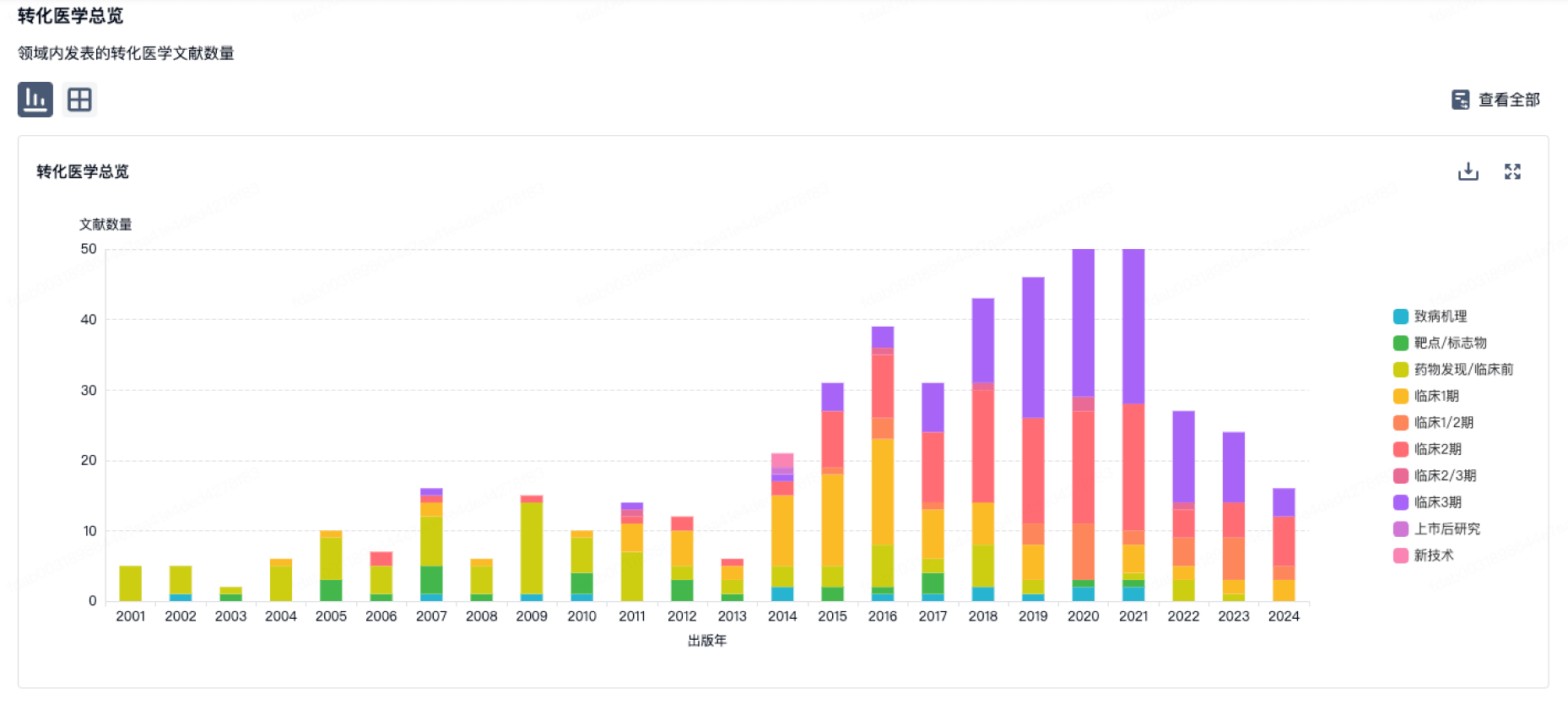
转化医学
使用我们的转化医学数据加速您的研究。
登录
或
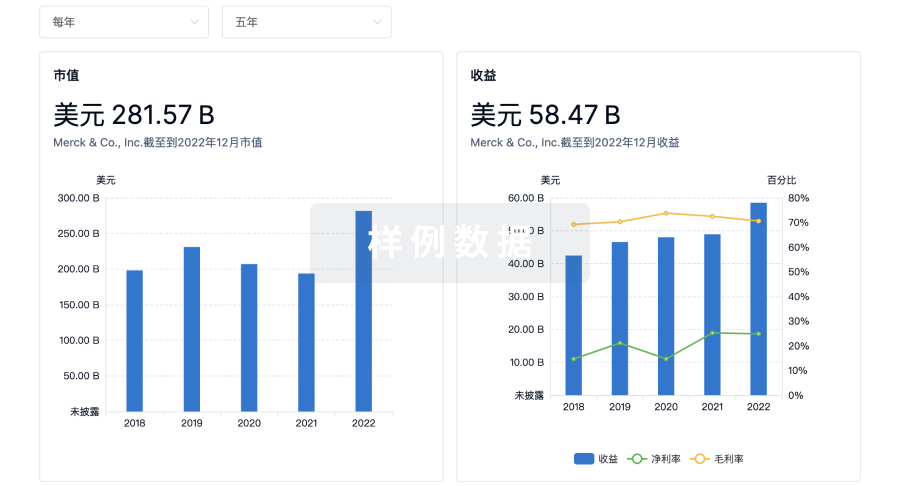
营收
使用 Synapse 探索超过 36 万个组织的财务状况。
登录
或
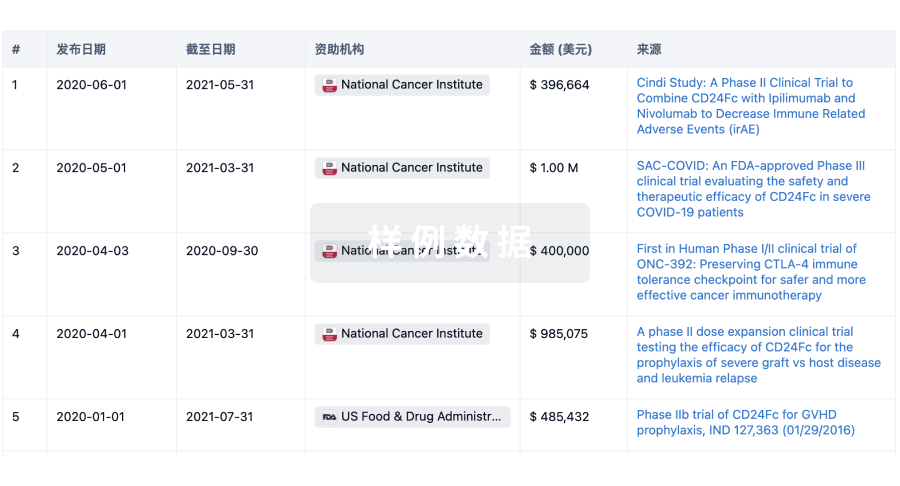
科研基金(NIH)
访问超过 200 万项资助和基金信息,以提升您的研究之旅。
登录
或
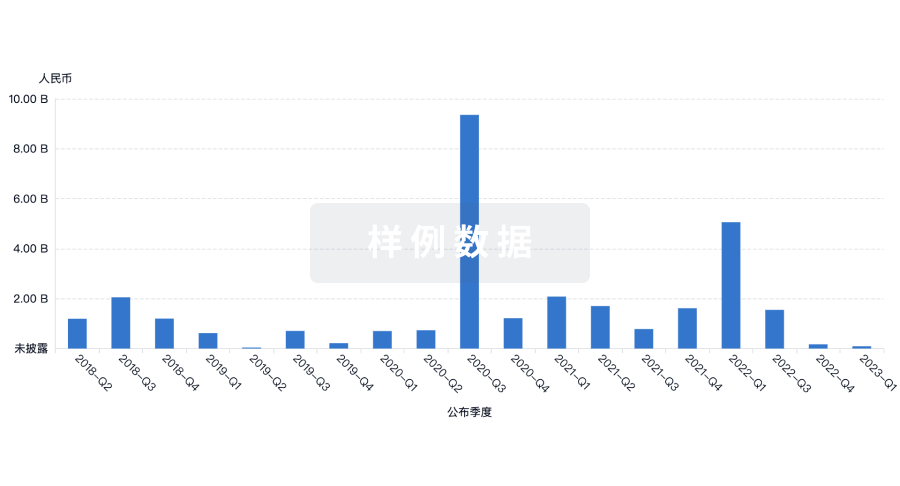
投资
深入了解从初创企业到成熟企业的最新公司投资动态。
登录
或
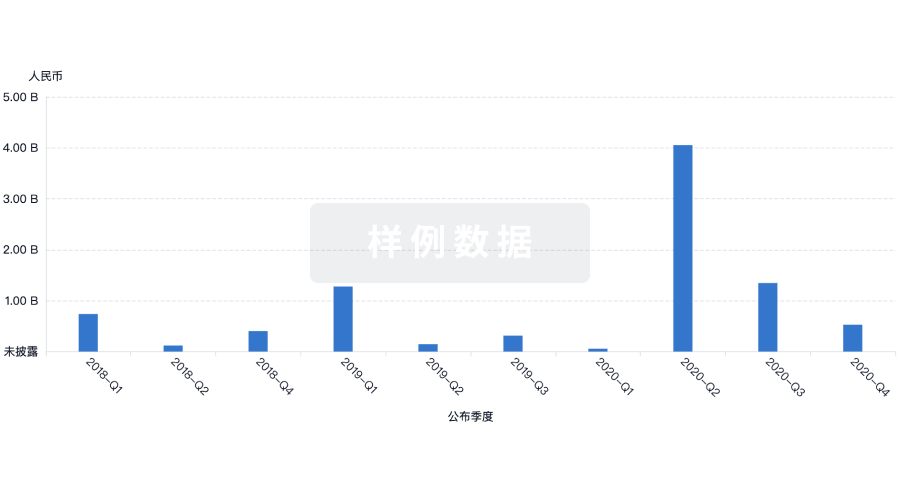
融资
发掘融资趋势以验证和推进您的投资机会。
登录
或
生物医药百科问答
全新生物医药AI Agent 覆盖科研全链路,让突破性发现快人一步
立即开始免费试用!
智慧芽新药情报库是智慧芽专为生命科学人士构建的基于AI的创新药情报平台,助您全方位提升您的研发与决策效率。
立即开始数据试用!
智慧芽新药库数据也通过智慧芽数据服务平台,以API或者数据包形式对外开放,助您更加充分利用智慧芽新药情报信息。
生物序列数据库
生物药研发创新
免费使用
化学结构数据库
小分子化药研发创新
免费使用