预约演示
更新于:2026-02-08

Shandong Freda Pharmaceutical Group Co. Ltd.
更新于:2026-02-08
概览
标签
肿瘤
小分子化药
疾病领域得分
一眼洞穿机构专注的疾病领域

技术平台
公司药物应用最多的技术
靶点
公司最常开发的靶点
关联
CN116217750
专利挖掘靶点 |
作用机制 |
在研机构 |
原研机构 |
在研适应症 |
非在研适应症 |
最高研发阶段 |
首次获批国家/地区 |
首次获批日期 |

CTR20255033
健康受试者单次口服乌帕替尼缓释片空腹和餐后条件下的随机、开放、单剂量、两制剂、两序列、两周期、交叉设计的生物等效性试验

CTR20253172
健康受试者单次口服乌帕替尼缓释片空腹和餐后条件下的随机、开放、单剂量、两制剂、两序列、两周期、交叉设计的生物等效性试验
CTR20244246
克立硼罗软膏随机、开放、交叉设计在中国健康受试者中的生物等效性正式试验
100 项与 山东福瑞达医药集团有限公司 相关的临床结果
登录后查看更多信息
登录后查看更多信息
2026-05-01COLLOIDS AND SURFACES B-BIOINTERFACES
Drug delivery system based on the novel acidic self-assembling peptide hydrogels: Insights into N-terminal modulation, assembly mechanism, and applications
Article
作者: Jia, Pengxin ; Liu, Wenshuai ; Gao, Cungang ; Guo, Yang ; Xu, Fei ; Deng, Yang ; Song, Liang ; Huang, Wei ; Nian, Rui
Self-assembling peptide hydrogels show considerable promise as drug delivery platforms. However, their application in the gastrointestinal tract is hindered by pepsin-induced degradation and inadequate pH-responsiveness. Herein, this study systematically investigates the regulatory role of N-terminal appended residues in modulating the solubility, self-assembly, and physicochemical properties of (RADA)4 peptides. The X(RADA)4 variants (X = G/S/A/M/Q/D) formed nanofibrous hydrogels at pH 1.2, characterized by a typical β-sheet secondary structure. Notably, their fiber diameters and thermal stability varied significantly depending on the specific N-terminal residue, with fiber diameters ranging from 5.0 to 10.6 nm and melting temperature (Tm) ranging from 42.1 to 71.5 °C respectively. In contrast, the X(RADA)4 variants with X = C or H lacked β-sheet structures and failed to assemble into hydrogels. Among all variants, G(RADA)4 was identified as the optimal candidate, exhibiting high-yield production (25.9 mg/L, 70.6 % recovery rate) and exceptional acid and pepsin-resistance at pH 1.2 over 14 days, rendering them suitable as oral carriers for sulfasalazine and insulin in simulated gastrointestinal environments. At gastric pH 2.0, less than 5 % of sulfasalazine was released within the initial 2 h, whereas intestinal pH 7.2 triggered 70 % release over 24 h. Insulin exhibited analogous pH-dependent release with less than 10 % release at pH 2.0 and 75 % release at pH 7.2. Transmission electron microscopy and cryo-scanning electron microscopy analysis revealed that pH-mediated disassembly of nanofibers and loss of porous architecture, transitioning from entangled fibers at pH 2.0 to aggregated short fibers at pH 7.2, accounted for the pH-responsive release behavior of the encapsulated drugs. In conclusion, the acid-stable G(RADA)4 hydrogel system minimized gastric drug loss and enabled targeted intestinal delivery, highlighting its significant potential in gastrointestinal drug delivery.
2026-01-07INVESTIGATIVE OPHTHALMOLOGY & VISUAL SCIENCE
CGRP/TSP1 Signaling Dampens Corneal Inflammation and Fibrosis by Targeting A2M During Corneal Stromal Wound Healing
Article
作者: Yang, Lingling ; Wang, Yao ; Guo, Qian ; Xie, Jin ; Li, Yizhou ; Zang, Xinyi ; Zhang, Yangyang ; Zhou, Qingjun ; Wang, Yalin ; Li, Ya ; Qi, Xia ; Wang, Xiaolei ; Ge, Hongqi
Purpose:
To investigate the specific role of thrombospondin-1 (TSP1), encoded by the Thbs1 gene, in corneal stromal wound healing and to elucidate its underlying mechanism.
Methods:
A corneal stromal injury model was established by removing the epithelium and superficial stroma. We assessed Thbs1 expression using single-cell sequencing and compared the corneal healing responses between wild-type and Thbs1-deficient (Thbs1-/-) mice. Bulk RNA sequencing was conducted to identify key downstream targets of Thbs1. The regulation of TSP1 by calcitonin gene-related peptide (CGRP) was investigated through intervening CGRP signaling in human telomerase-immortalized keratocytes and murine corneas.
Results:
Thbs1 was highly expressed in corneal stroma and upregulated following injury. Thbs1-/- mice exhibited more severe corneal lesions than wild-type controls, with elevated corneal opacity scores and augmented inflammation and fibrosis markers. Transcriptomic analysis identified A2m (encoding α2-macroglobulin [A2M]) as a key downstream target of Thbs1. A2m expression also increased after injury, peaking later than Thbs1. Topical depletion of A2m in wild-type mice recapitulated the exacerbated corneal phenotype observed in Thbs1-/- mice. Exogenous CGRP robustly induced both TSP1 and A2M expression in vitro and in vivo, but the CGRP receptor antagonist BIBN4096 suppressed their expression and concurrently exacerbated corneal lesions. TSP1 and A2M were similarly upregulated in patients with corneal scarring from alkali burn or fungal infection.
Conclusions:
Our findings indicate that TSP1 and A2M induction represents a conserved stress-protective response to corneal stromal injury. The CGRP/TSP1/A2M signaling axis is critical for modulating stromal inflammation and fibrosis, highlighting its therapeutic potential for enhancing corneal stromal repair.
2025-12-01NEUROSCIENCE
Comprehensive analysis of the prognostic value and immune infiltration of Uridine Monophosphate Synthetase (UMPS) in Pan-Glioma
Article
作者: Xie, Ping ; Chen, Jinyan ; Zhang, Zhen ; Jiang, Xiaokun ; Dou, Xixi ; He, Dong ; Jia, Qingwen ; Liu, Qian ; Ma, Jinfeng ; Zhang, Yongfei
Uridine Monophosphate Synthetase (UMPS) is a pivotal enzyme in nucleotide metabolism, playing a crucial role in the synthesis of purine and thymidine nucleotides. These nucleotides are essential for DNA and RNA synthesis, thereby impacting cell growth, proliferation, and immune function. In glioblastoma (GBM), a highly malignant primary brain tumor, nucleotide metabolism is abnormally active, and UMPS expression is significantly upregulated. This study aimed to investigate the expression patterns, prognostic potential, and functional roles of UMPS in GBM, as well as its correlation with immune infiltration. Our findings revealed that UMPS expression is elevated in GBM compared to normal tissues and correlates positively with WHO grades of central nervous system tumors. High UMPS expression was associated with shorter overall survival, disease-specific survival, and progression-free interval. Furthermore, This study is the first to reveal that UMPS promotes an immunosuppressive microenvironment in glioma through dual regulation of tumor cell nucleotide metabolism and immune suppression. This establishes a novel link between a metabolic enzyme and immune evasion, providing a new perspective for targeting UMPS in metabolism-immunity combination therapy. Its novelty lies in breaking through the traditional framework of metabolic enzyme research by reframing UMPS as a key node connecting core tumor metabolism to the remodeling of the immune microenvironment. Our study highlights UMPS as a potential therapeutic target in GBM, where modulating its activity or expression could disrupt nucleotide metabolism, inhibit tumor growth, and enhance immune responses.
100 项与 山东福瑞达医药集团有限公司 相关的药物交易
登录后查看更多信息
100 项与 山东福瑞达医药集团有限公司 相关的转化医学
登录后查看更多信息
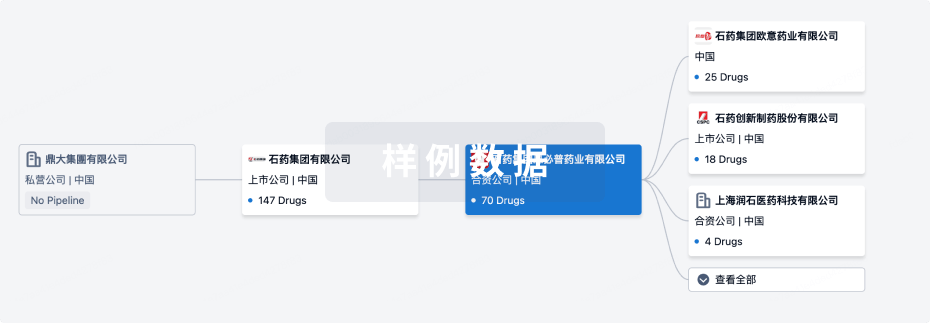
组织架构
使用我们的机构树数据加速您的研究。
登录
或
管线布局
2026年02月09日管线快照
管线布局中药物为当前组织机构及其子机构作为药物机构进行统计,早期临床1期并入临床1期,临床1/2期并入临床2期,临床2/3期并入临床3期
药物发现
1
登录后查看更多信息
当前项目
登录后查看更多信息
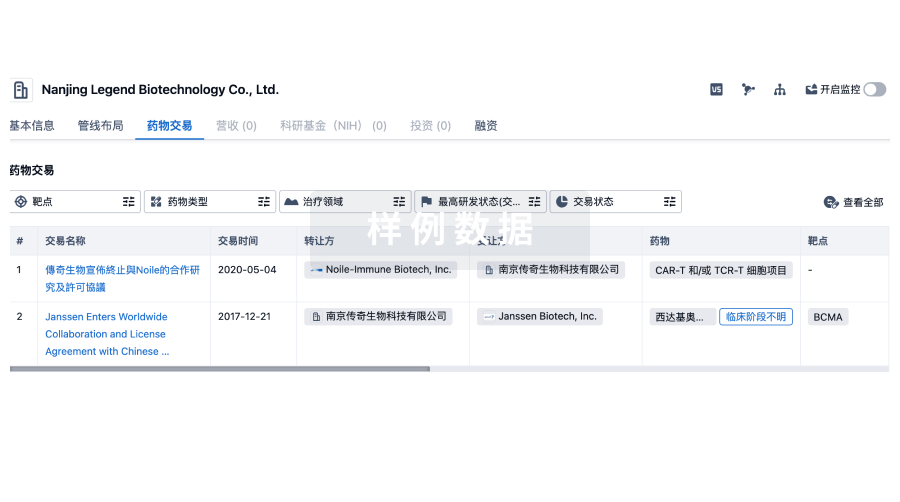
药物交易
使用我们的药物交易数据加速您的研究。
登录
或
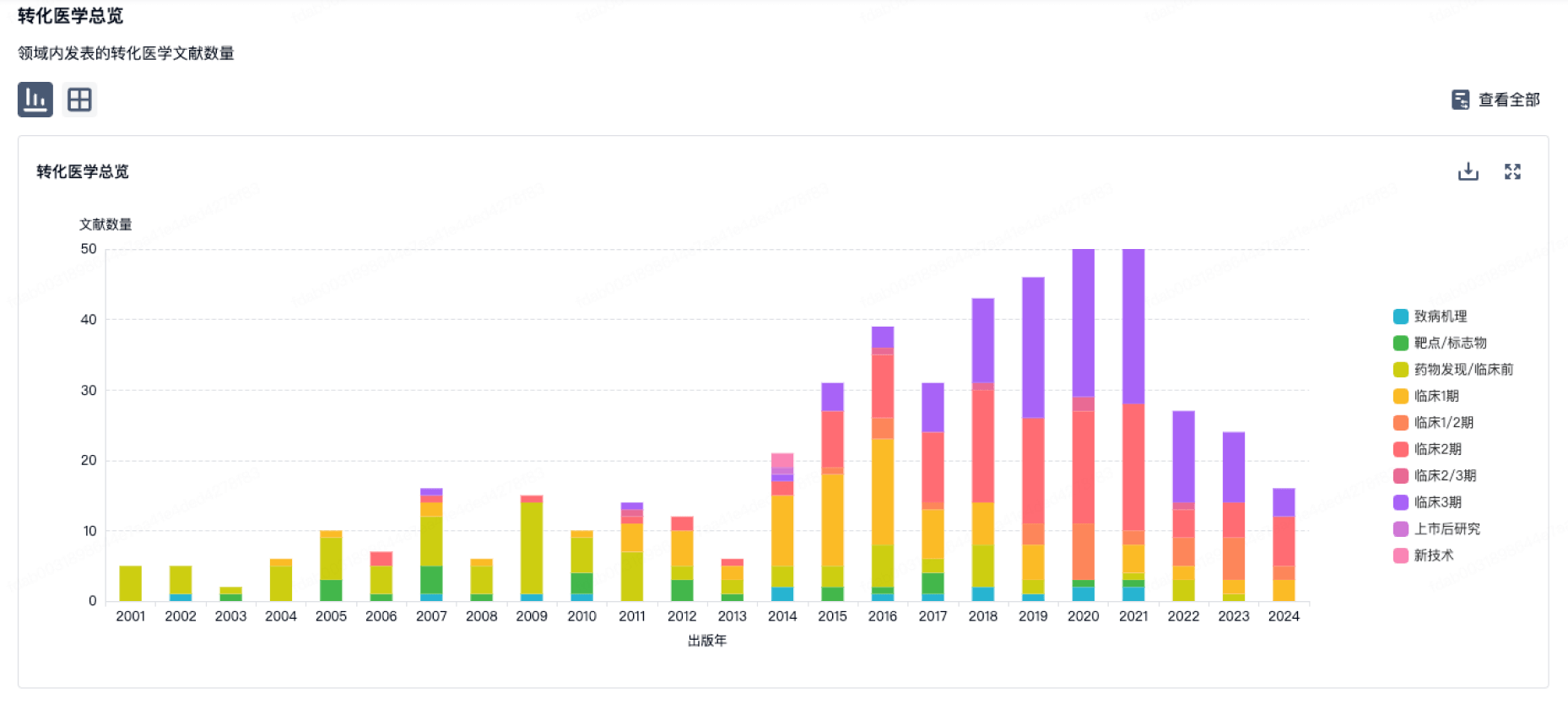
转化医学
使用我们的转化医学数据加速您的研究。
登录
或
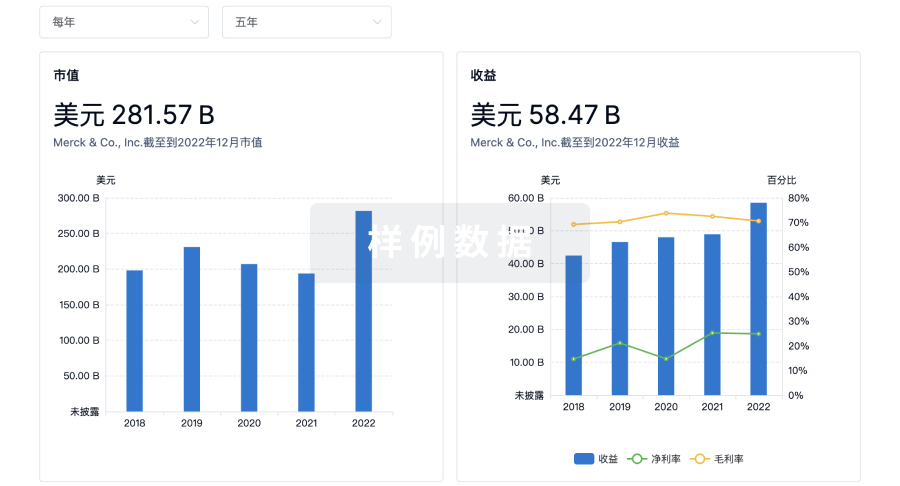
营收
使用 Synapse 探索超过 36 万个组织的财务状况。
登录
或
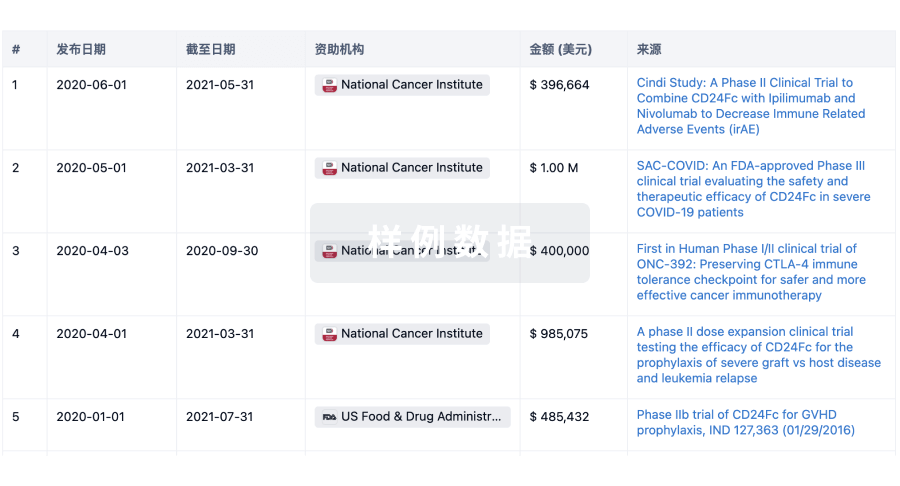
科研基金(NIH)
访问超过 200 万项资助和基金信息,以提升您的研究之旅。
登录
或
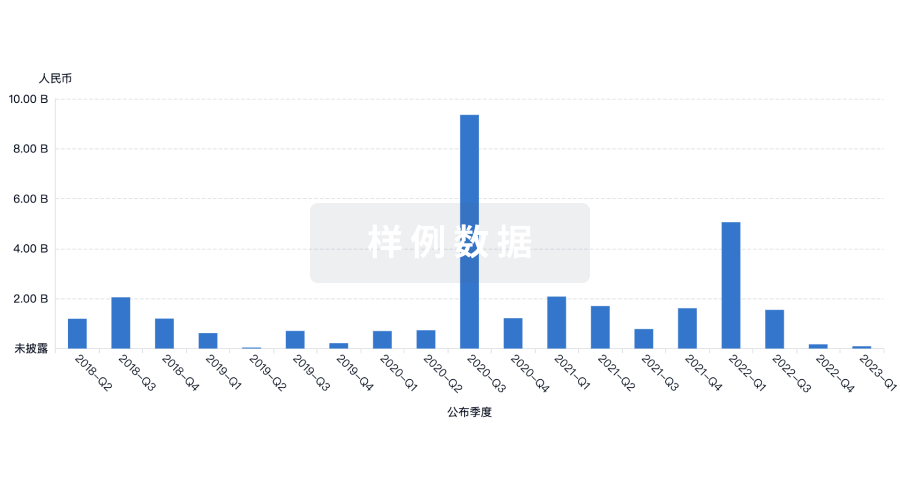
投资
深入了解从初创企业到成熟企业的最新公司投资动态。
登录
或
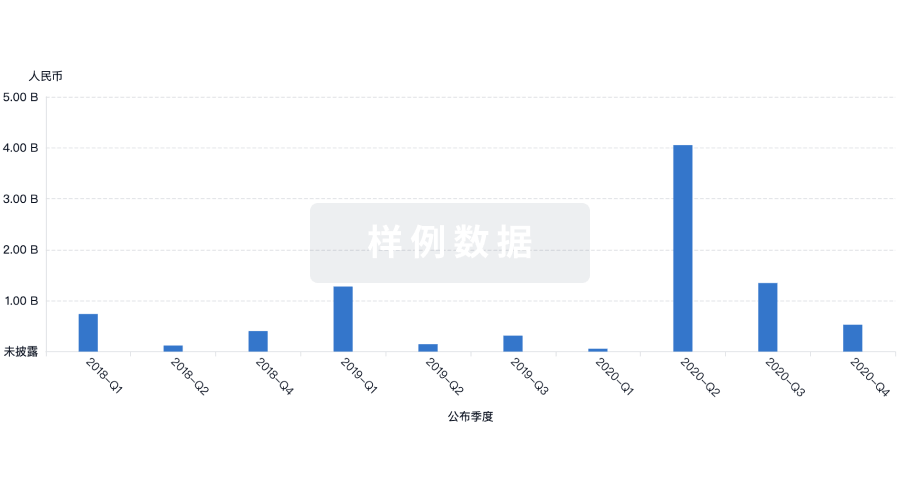
融资
发掘融资趋势以验证和推进您的投资机会。
登录
或
生物医药百科问答
全新生物医药AI Agent 覆盖科研全链路,让突破性发现快人一步
立即开始免费试用!
智慧芽新药情报库是智慧芽专为生命科学人士构建的基于AI的创新药情报平台,助您全方位提升您的研发与决策效率。
立即开始数据试用!
智慧芽新药库数据也通过智慧芽数据服务平台,以API或者数据包形式对外开放,助您更加充分利用智慧芽新药情报信息。
生物序列数据库
生物药研发创新
免费使用
化学结构数据库
小分子化药研发创新
免费使用