预约演示
更新于:2026-01-29

Universidade Regional do Cariri
更新于:2026-01-29
概览
标签
感染
其他疾病
小分子化药
疾病领域得分
一眼洞穿机构专注的疾病领域

技术平台
公司药物应用最多的技术
靶点
公司最常开发的靶点
关联
靶点 |
作用机制 |
在研机构 |
原研机构 |
在研适应症 |
非在研适应症 |
最高研发阶段 |
首次获批国家/地区 |
首次获批日期 |
靶点 |
作用机制 |
在研机构 |
原研机构 |
在研适应症 |
非在研适应症 |
最高研发阶段 |
首次获批国家/地区 |
首次获批日期 |
靶点 |
作用机制 |
在研机构 |
原研机构 |
在研适应症 |
非在研适应症 |
最高研发阶段 |
首次获批国家/地区 |
首次获批日期 |
NCT04044638
Eight Week Strength Training Reduces Blood Pressure of Middle Age Women
RBR-3z7srd
Educational tchnology for the correct positioning in Spinal Anesthesia: controlled and randomized clinical trial
100 项与 Universidade Regional do Cariri 相关的临床结果
登录后查看更多信息
登录后查看更多信息
2026-01-01BIOCHEMICAL AND BIOPHYSICAL RESEARCH COMMUNICATIONS
Anxiolytic effects of crystal and polycrystal of hydrazone derived from hydralazine in adult zebrafish
Review
作者: Honorato Barreto, Antônio César ; da Rocha, Matheus Nunes ; Teixeira, Alexandre Magno Rodrigues ; Ayala, Alejandro Pedro ; Dias, Jaiza Maria Lima ; Santos, Hélcio Silva Dos ; Ferreira, Maria Kueirislene Amâncio ; Roberto, Caio Henrique Alexandre ; Maciel, Jéssica Bezerra ; de Menezes, Jane Eire Silva Alencar ; Cavalcante, Maria Michelle Bispo ; Marinho, Emmanuel Silva ; Saraiva, Matheus Morais ; Marinho, Márcia Machado ; Teixeira, Cíntia Ramos ; Pinto, Francisco das Chagas Lima ; Vidal, Laura Maria Teodorio ; Mendes, Francisco Rogênio Silva ; Ribeiro, Maria Elenir Nobre Pinho
Hydrazones are pharmacologically versatile compounds with emerging therapeutic potential. Here, we report the synthesis, structural characterization, and the anxiolytic potential of the hydrazone derived from hydralazine, (E)-1-(2-(pyridin-4-ylmethylene)hydrazineyl)phthalazine (HDZH4PIR). The molecular structure of the polycrystalline form of HDZH4PIR was confirmed by 1H and 13C NMR, and structural confirmation of its crystalline form was carried out by single-crystal X-ray diffraction. The anxiolytic potential in the adult zebrafish model of HDZH4PIR in its crystal and polycrystal forms was evaluated by vivo and in silico studies. Both forms were well-tolerated up to 40 mg kg-1 (LD50 > 40 mg kg-1), supporting safety for behavioral assays. In open-field tests, both forms reduced locomotion slightly without causing sedation. In the light/dark task, both forms showed diazepam-like anxiolytic activity, with distinct profiles: crystalline HDZH4PIR was most potent at 20-40 mg kg-1 and acted via serotonergic (5-HT1A) pathways. In contrast, polycrystalline HDZH4PIR showed a hormetic response and acted via GABAA receptors. This mechanistic divergence was confirmed through antagonist profiling and molecular docking studies that showed that polycrystals bound strongly to the benzodiazepine site of GABAA receptors (ΔG = -9.0 kcal mol-1), while crystals preferred the 5-HT1A orthosteric site (ΔG = -8.7 kcal mol-1). ADMET predictions suggest that crystallization enhances safety but reduces oral bioavailability and blood-brain barrier permeability. In conclusion, HDZH4PIR is a promising dual-pathway anxiolytic candidate, with its crystalline form enhancing serotonergic modulation and its polycrystalline form targeting GABAA receptors.
2026-01-01SPECTROCHIMICA ACTA PART A-MOLECULAR AND BIOMOLECULAR SPECTROSCOPY
Pressure-induced vibrational changes in [Cu(bipyridine)2(Cl)]+ complex: Raman spectroscopy and DFT mode assignments
Article
作者: Lima, Ricardo J C ; Nogueira, Carlos E S ; Dos Santos, Carlos A A S ; Oliveira Neto, João G de ; da Silva, Luzeli M ; Façanha Filho, Pedro de F ; Abreu, Kamila R ; Feio, Waldeci P ; Dos Santos, Adenilson O
Understanding how metal-organic complexes behave under extreme conditions is crucial for designing advanced materials. Here, we present a comprehensive investigation of the [Cu(Bip)2(Cl)]+ complex. Its structural properties were characterized by powder X-ray diffraction with Rietveld refinement. Additionally, the study incorporated High-pressure Raman spectroscopy (up to 7.5 GPa), which was complemented by density functional theory (DFT) calculations for accurate vibrational mode assignment, alongside Hirshfeld surface analysis. Our results reveal a gradual conformational phase transition in the [Cu(Bip)2(Cl)]+ complex occurring between 1.0 and 4.0 GPa. This transition is primarily driven by changes in intermolecular interactions, including the emergence of a new CH stretching mode and subtle variations in the CuCl stretching mode. Notably, the molecular framework of the complex remains remarkably rigid, with only minimal pressure-induced shifts observed in its internal vibrational modes up to 7.5 GPa. This contrasts with pure pyridine, which undergoes significant structural changes under pressure. The enhanced rigidity of [Cu(Bip)2(Cl)]+ stems from the distinct nature of its intermolecular forces: while hydrogen bonds in pyridine contribute to great mechanical strength, the van der Waals forces in [Cu(Bip)2(Cl)]+ promote compressibility, enabling a progressive conformational transition rather than abrupt structural collapse. The structural reversibility and stability of the complex under pressure highlight its potential for applications in variable-pressure environments, such as sensors and optoelectronic devices.
2026-01-01MICROBIAL PATHOGENESIS
Eugenol as a synergistic adjuvant to conventional antibiotics against multidrug-resistant Klebsiella pneumoniae: An integrated in vitro and quantum-based in silico approach
Article
作者: Sá, Rafael Artur de Queiroz Cavalcanti de ; Coutinho, Henrique Douglas Melo ; Barros, Amanda Vieira de ; de Veras, Bruno Oliveira ; Paiva, Patrícia Maria Guedes ; Menezes, Gabriela de Lima ; Malafaia, Guilherme ; Fulco, Umberto Laino ; Galvão, Douglas Soares ; da Silva, Márcia Vanusa ; de Oliveira, Maria Betânia Melo ; Bezerra, Katyanna Sales ; Dos Santos, Patryck Érmerson Monteiro
The escalating antimicrobial resistance of Klebsiella pneumoniae poses a critical public health challenge, demanding innovative therapeutic strategies. This study investigated the antibacterial activity of eugenol (EOL) and its potential as a resistance-modulating agent when combined with conventional antibiotics-amoxicillin (AXL), azithromycin (AZT), cephalexin (CEF), and ciprofloxacin (CIP)-against clinical multidrug-resistant isolates. EOL exhibited intrinsic antibacterial activity with MIC values ranging from 1024 to 2048 μg/mL. Checkerboard assays revealed synergistic interactions between EOL and AXL or AZT (FICI ≤0.5), while combinations with CEF and CIP were indifferent. These synergistic effects were corroborated by growth inhibition curves, time-kill kinetics, and biofilm suppression assays, all of which demonstrated a marked reduction in bacterial viability and biofilm formation. Molecular docking and quantum mechanical calculations further elucidated the enhanced binding affinities and intermolecular interactions between AXL-EOL complexes and key resistance-related targets (KPC, LpxC, and particularly the quorum-sensing regulator SdiA), with interaction energies reaching up to -52.06 kcal/mol. Altogether, the findings underscore the potential of EOL as a potent adjuvant that augments the efficacy of conventional antibiotics, offering a promising pathway toward the development of targeted therapies against multidrug-resistant K. pneumoniae.
100 项与 Universidade Regional do Cariri 相关的药物交易
登录后查看更多信息
100 项与 Universidade Regional do Cariri 相关的转化医学
登录后查看更多信息
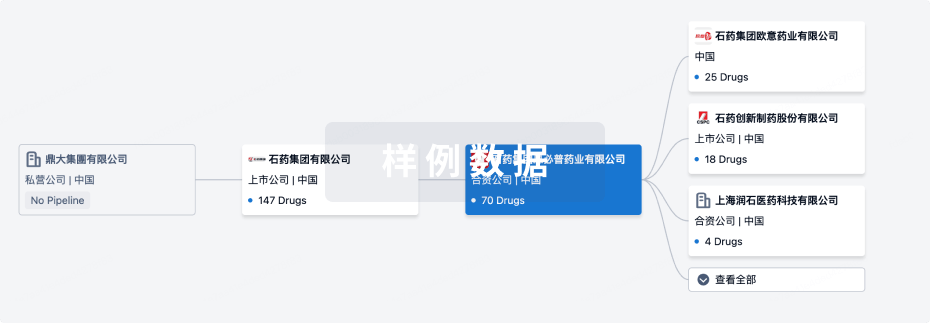
组织架构
使用我们的机构树数据加速您的研究。
登录
或
管线布局
2026年10月10日管线快照
管线布局中药物为当前组织机构及其子机构作为药物机构进行统计,早期临床1期并入临床1期,临床1/2期并入临床2期,临床2/3期并入临床3期
临床前
9
登录后查看更多信息
当前项目
登录后查看更多信息
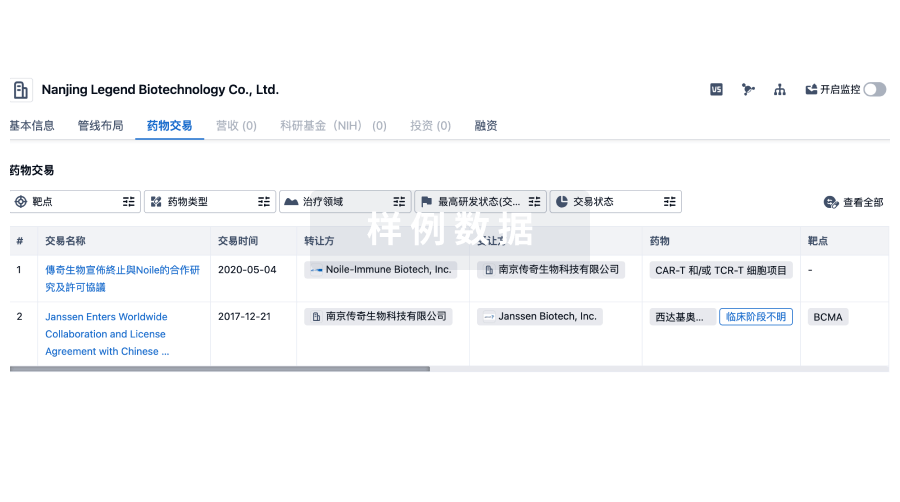
药物交易
使用我们的药物交易数据加速您的研究。
登录
或
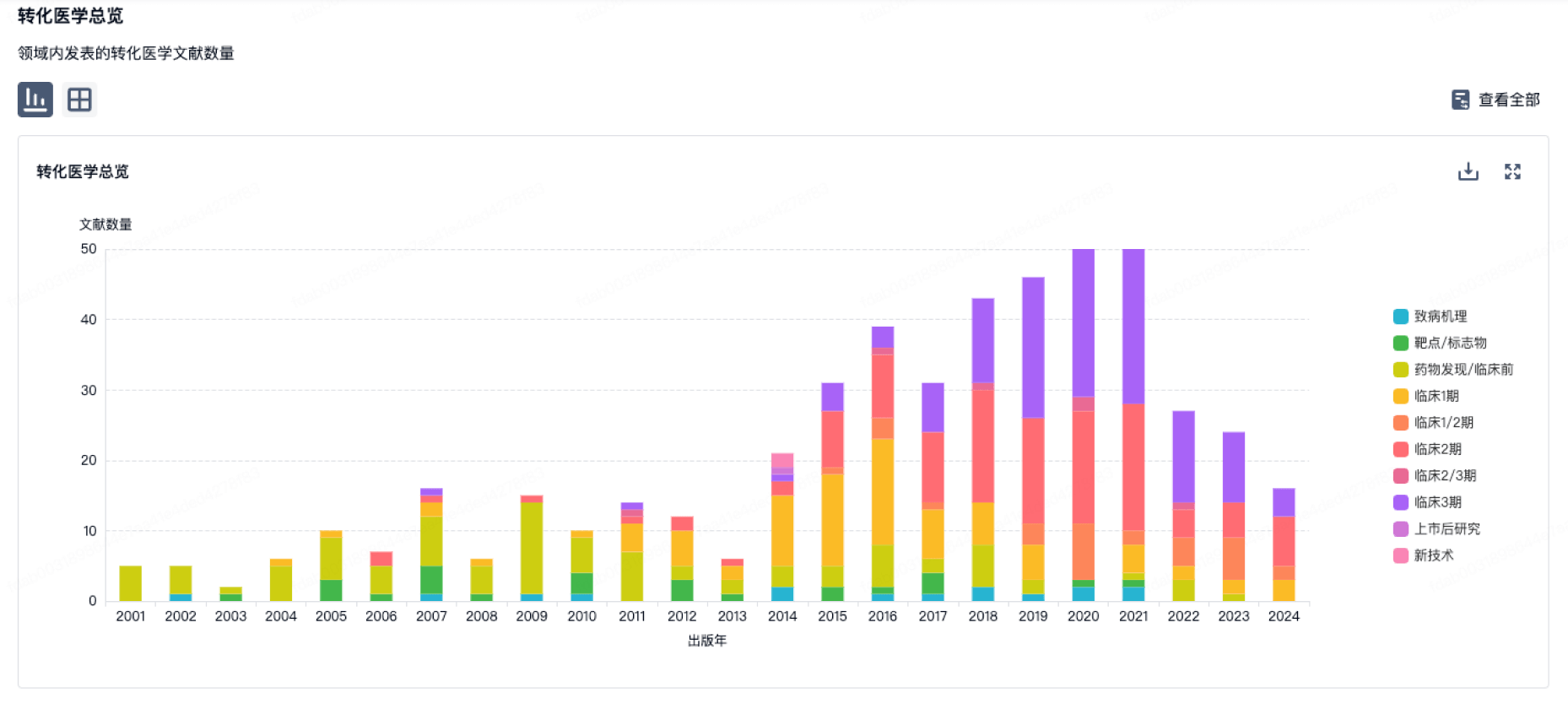
转化医学
使用我们的转化医学数据加速您的研究。
登录
或
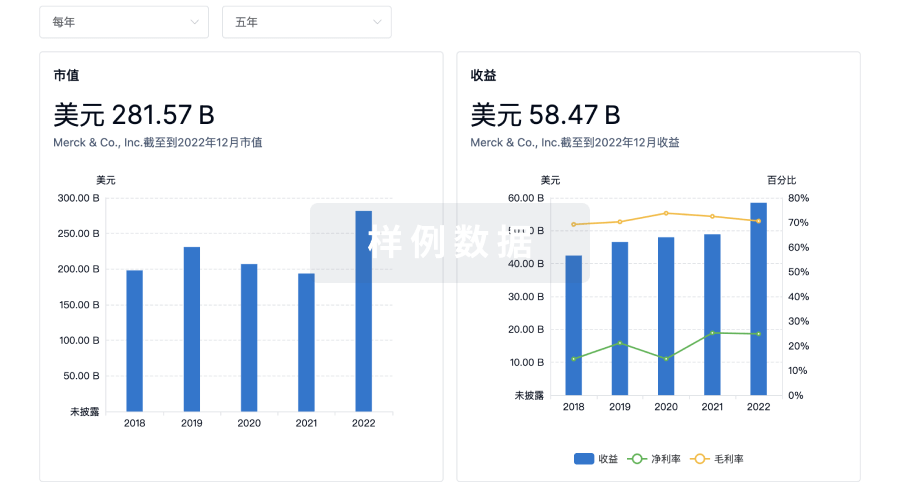
营收
使用 Synapse 探索超过 36 万个组织的财务状况。
登录
或
科研基金(NIH)
访问超过 200 万项资助和基金信息,以提升您的研究之旅。
登录
或
投资
深入了解从初创企业到成熟企业的最新公司投资动态。
登录
或
融资
发掘融资趋势以验证和推进您的投资机会。
登录
或
提出任何生物医药研究问题
让每一步生物医药决策都精准制胜
基于十亿级生物数据与全球情报的精准 AI,赋能早期药物发现
立即开始免费试用!
智慧芽新药情报库是智慧芽专为生命科学人士构建的基于AI的创新药情报平台,助您全方位提升您的研发与决策效率。
立即接入生物医药数据包
智慧芽新药库数据也通过智慧芽开放平台,以MCP或API服务形式对外开放。立即使用我们的MCP服务定制您的LLM智能体。
生物序列数据库
生物药研发创新
免费使用
化学结构数据库
小分子化药研发创新
免费使用