预约演示
更新于:2026-05-22

Wuhan City Puren Hospital
更新于:2026-05-22
概览
标签
呼吸系统疾病
感染
干细胞疗法
疾病领域得分
一眼洞穿机构专注的疾病领域
技术平台
公司药物应用最多的技术
靶点
公司最常开发的靶点

暂无数据
关联
靶点 |
作用机制 |
在研机构 |
原研机构 |
在研适应症 |
非在研适应症 |
最高研发阶段 |
首次获批国家/地区 |
首次获批日期 |
ChiCTR2500112704
Analysis of the efficacy and safety of Abu Xitinib in the treatment of elderly atopic dermatitis
NCT07361783
The Impact of Injection of a Loading Dose of Unfractionated Heparin on Patients With Acute ST-segment Elevation Myocardial Infarction Scheduled for Primary PCI at Initial Medical Contact: A Multicenter, Prospective, Randomized Controlled Study(HELP-PCI 2)
ChiCTR2500103647
Research on the Personalized Application of Differences in Chinese and Western Musical Languages in Emotional and Cognitive Intervention for Community-Dwelling Older Adults: A Phase randomized Controlled Trial
100 项与 武汉科技大学附属普仁医院 相关的临床结果
登录后查看更多信息
登录后查看更多信息
2026-05-04NUCLEOSIDES NUCLEOTIDES & NUCLEIC ACIDS
Identification of lung squamous cell carcinoma subtypes based on STING pathway expression and validation of prognostic features
Article
作者: Cheng, Dezhong ; Liu, Wenjun
Lung squamous cell carcinoma (LUSC), a prevalent non-small cell lung cancer subtype, demonstrates marked heterogeneity and unpredictable prognosis. This study established a prognostic model using STING pathway-related genes to stratify LUSC patients and guide immunotherapy. Through weighted gene co-expression network analysis of TCGA-LUSC data, we identified the MEbrown module containing 13 STING-associated key genes (including CD47 and CLDN5) to develop the STING Pathway Death-Related Signature (SPDRS). LASSO regression refined the model, which effectively stratified patients into distinct high- and low-risk groups with significant survival differences. High-risk patients exhibited enhanced immune infiltration, particularly T cells CD4 memory resting and M2 macrophages, along with elevated immune checkpoint expression and stromal scores. Functional analyses revealed enrichment in immune-related pathways and tumor microenvironment regulation. Drug sensitivity predictions identified potential therapeutic agents targeting SPDRS components. A nomogram integrating SPDRS with clinical factors demonstrated strong prognostic accuracy. This work provides a novel STING pathway-based stratification system that elucidates tumor microenvironment heterogeneity and informs personalized treatment strategies. The findings highlight SPDRS as both a prognostic biomarker and therapeutic response predictor, advancing precision immunotherapy in LUSC management.
2025-12-01INTERNATIONAL IMMUNOPHARMACOLOGY
Piwi-interacting RNA-823 promotes cell growth and chemoresistance by stimulating the TGF-β1-mediated AKT/ERK pathway in multiple myeloma
Article
作者: Yu, Wenjun ; Wu, Lixia ; Wei, Wei ; Shi, Haotian ; Peng, Rong ; Chen, Haimin ; Zhou, Fan ; Wang, Dongjiao ; Zhou, Nian
BACKGROUND:
Piwi-interacting RNA (piRNA)-823 contributes to oncogenesis and tumor progression through multiple genes and pathways in several solid cancers and hematologic malignancies. Hence, the current study aimed to further explore the effects of piRNA-823 on cell growth and chemoresistance in multiple myeloma (MM) and the underlying molecular mechanism involved.
METHODS:
Bone marrow plasma piRNA-823 expression was detected in 15 newly diagnosed MM (NDMM) patients, 15 relapse/refractory MM (RRMM) patients and 5 iron deficiency anemia patients as controls. The control mimic, piRNA-823 mimic, control inhibitor and piRNA-823 inhibitor were transfected; then, the control inhibitor and piRNA-823 inhibitor were transfected alone or in combination with transforming growth factor β1 (TGF-β1) into U266 or RPMI-8226 cells. piRNA-823, TGF-β1, cleaved caspase 3, Bcl-2, protein kinase (AKT), pAKT, extracellular signal regulated kinase (ERK), pERK, cell proliferation, apoptosis and chemoresistance were evaluated.
RESULTS:
piRNA-823 expression was greater in NDMM patients and RRMM patients than in controls and was also greater in RRMM patients than in NDMM patients (all P < 0.01). In U266 and RPMI-8226 cells, piRNA-823 knockdown decreased proliferation and Bcl-2 expression but increased apoptosis, cleaved caspase-3 expression, and chemoresistance to bortezomib and lenalidomide (all P < 0.05). Moreover, piRNA-823 overexpression had opposite and weaker effects on these functions. piRNA-823 positively regulated the TGF-β1-mediated AKT/ERK pathway (all P < 0.05). Notably, TGF-β1 weakened the effects of piRNA-823 knockdown on the AKT/ERK pathway, cell proliferation, apoptosis, and apoptotic markers and, importantly, the chemoresistance to bortezomib and lenalidomide (all P < 0.05).
CONCLUSION:
piRNA-823 promotes cell growth and chemoresistance by stimulating the TGF-β1-mediated AKT/ERK pathway in MM.
2025-11-26Journal of Drug Targeting
Targeting prostate tumour and its stroma by nanoparticles
Review
作者: Liao, Dongliang ; Tian, Peng ; Pu, Tian
The stroma plays a pivotal role in the development of prostate tumours. The tumour stroma includes different immune and stromal cells. Stromal cells can include fibroblasts, activated fibroblasts, endothelial cells, stem cells, etc. Immune system cells also consist of different subsets of T cells, B cells, macrophages and myeloid cells. Targeting different cells and their expressed or released molecules and genes in the tumour stroma has been proposed as an intriguing strategy for remodelling stroma and repressing prostate cancer (PCa) growth. Leveraging nanotechnology, researchers have developed innovative strategies to target these components. This review examines the latest progress in nanoparticle-based therapies specifically designed to interact with the prostate tumour stroma. We overview the functionalisation and targeting mechanisms of various nanoparticles, including organic and inorganic nanoparticles, highlighting their ability to specifically target stromal elements such as fibroblasts, extracellular matrix (ECM) and immune cells in PCa. Furthermore, we evaluate the synergistic potential of combining nanoparticle-based targeting with other therapies such as chemotherapy, radiotherapy, targeted therapy and photothermal and photodynamic therapies.
100 项与 武汉科技大学附属普仁医院 相关的药物交易
登录后查看更多信息
100 项与 武汉科技大学附属普仁医院 相关的转化医学
登录后查看更多信息
组织架构
使用我们的机构树数据加速您的研究。
登录
或
管线布局
2026年10月09日管线快照
管线布局中药物为当前组织机构及其子机构作为药物机构进行统计,早期临床1期并入临床1期,临床1/2期并入临床2期,临床2/3期并入临床3期
临床2期
1
登录后查看更多信息
当前项目
登录后查看更多信息
药物交易
使用我们的药物交易数据加速您的研究。
登录
或
转化医学
使用我们的转化医学数据加速您的研究。
登录
或
营收
使用 Synapse 探索超过 36 万个组织的财务状况。
登录
或
科研基金(NIH)
访问超过 200 万项资助和基金信息,以提升您的研究之旅。
登录
或
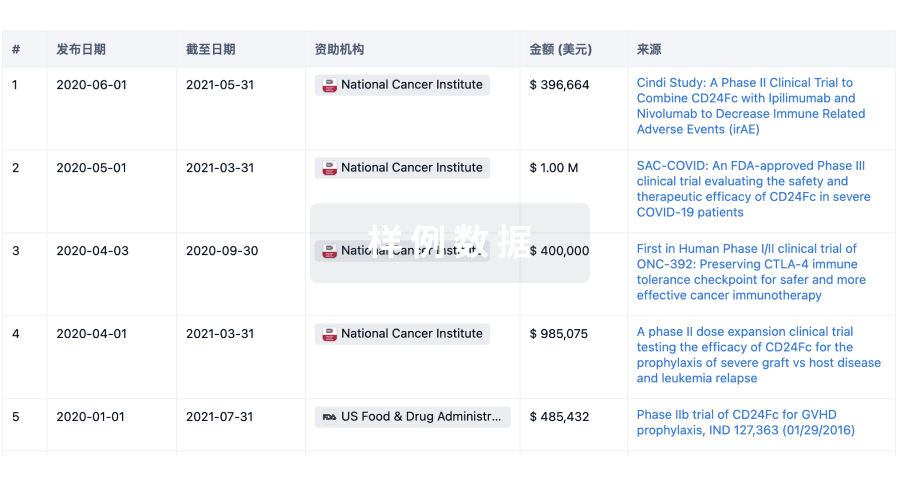
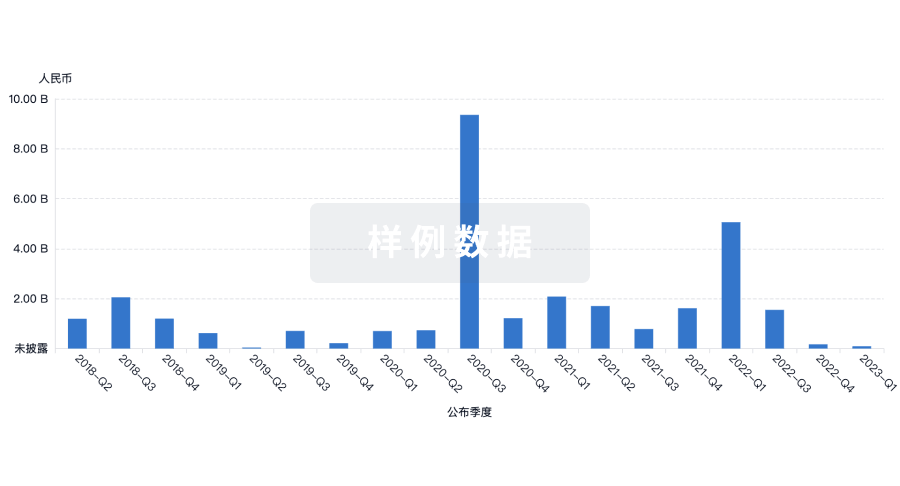
投资
深入了解从初创企业到成熟企业的最新公司投资动态。
登录
或
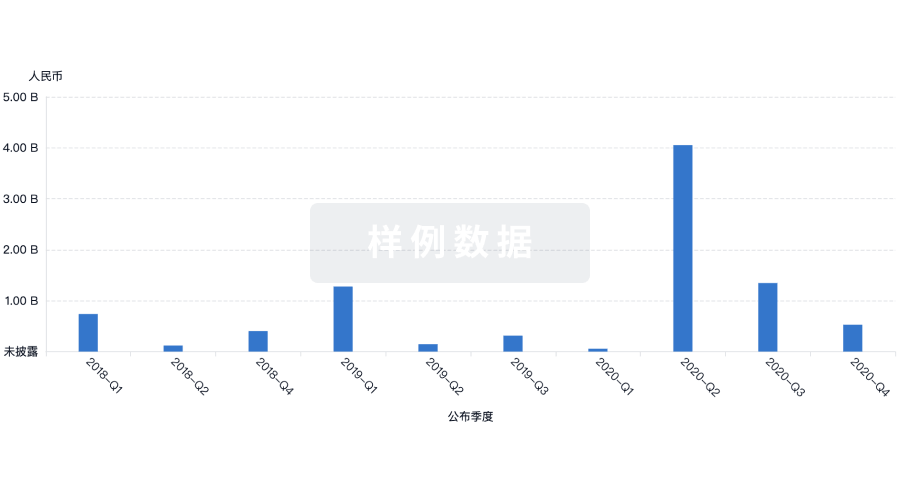
融资
发掘融资趋势以验证和推进您的投资机会。
登录
或
提出任何生物医药研究问题
让每一步生物医药决策都精准制胜
基于十亿级生物数据与全球情报的精准 AI,赋能早期药物发现
立即开始免费试用!
智慧芽新药情报库是智慧芽专为生命科学人士构建的基于AI的创新药情报平台,助您全方位提升您的研发与决策效率。
立即接入生物医药数据包
智慧芽新药库数据也通过智慧芽开放平台,以MCP或API服务形式对外开放。立即使用我们的MCP服务定制您的LLM智能体。
生物序列数据库
生物药研发创新
免费使用
化学结构数据库
小分子化药研发创新
免费使用