预约演示
更新于:2026-03-08

Shaanxi University of Technology
更新于:2026-03-08
概览
标签
肿瘤
消化系统疾病
神经系统疾病
小分子化药
疾病领域得分
一眼洞穿机构专注的疾病领域

技术平台
公司药物应用最多的技术
靶点
公司最常开发的靶点
关联
靶点 |
作用机制 |
在研机构 |
原研机构 |
在研适应症 |
非在研适应症 |
最高研发阶段 |
首次获批国家/地区 |
首次获批日期 |
靶点 |
作用机制 |
在研机构 |
原研机构 |
在研适应症 |
非在研适应症 |
最高研发阶段 |
首次获批国家/地区 |
首次获批日期 |
靶点 |
作用机制 |
在研机构 |
原研机构 |
在研适应症 |
非在研适应症 |
最高研发阶段 |
首次获批国家/地区 |
首次获批日期 |
100 项与 陕西理工大学 相关的临床结果
登录后查看更多信息
登录后查看更多信息
2026-03-01FOOD CHEMISTRY
Thyme polyphenols modulate myofibrillar protein-odorant interactions: Molecular mechanistic insights into mutton off-flavor release
Article
作者: Geng, Jingzhang ; Zhan, Ping ; He, Wanying ; Fan, Guangsen ; Chen, Xian ; Gou, Chunmei ; Wang, Peng ; Tian, Honglei
The characteristic flavor of mutton, commonly described as "muttony" or "goaty", limits consumer acceptance and market potential. This study evaluated the effects of four thyme phenolics, including gallic acid (GA), rosmarinic acid (RA), scutellarin (SCU), and apigenin-7-O-glucuronide (A7G), on the interaction between myofibrillar protein (MP) and six key off-flavor compounds. Gas chromatography-mass spectrometry showed that all four phenolics reduced MP binding with odorants and enhanced their release, with SCU and RA showing the strongest effects. Spectroscopic analyses demonstrated that phenolics induced MP conformational changes, such as decreased α-helix and β-sheet content, reduced surface hydrophobicity, and lower sulfhydryl levels. Docking and simulation confirmed that hydrophobic interactions and hydrogen bonding dominated phenolic-MP binding, and SCU exhibited the highest binding stability among tested phenolics and was likely to competitively displace 4-methyloctanoic acid. These findings provide molecular insights into how thyme phenolics promote off-flavor release and support their application in improving mutton sensory quality.
2026-02-03LANGMUIR
Interface-Engineered Graphene/Copper Pyrovanadate Cathodes with V–O–C Bonds for Zinc-Ion Storage
Article
作者: Ai, Yifan ; Ai, Bowei ; Kou, Lingjiang ; Wang, Yong ; Gu, Xinyu
Poor electronic conductivity and structural instability of vanadium-based oxides significantly limit their Zn2+ storage performance. Herein, a graphene-modified copper pyrovanadate (Cu3V2O7(OH)2·2H2O, denoted as CVOHG) was synthesized via a one-step hydrothermal route to address these limitations. The introduction of graphene effectively regulated the nanosheet morphology, induced interfacial V-O-C bonds, and constructed a continuous electron transport network. These interfacial interactions not only enhanced structural integrity but also facilitated charge transfer and Zn2+ diffusion. Consequently, CVOHG delivered a reversible capacity approximately 2.5 times higher than that of pristine CVOH, together with improved cycling stability (148 mAh g-1 at 200 mA g-1 after 200 cycles), and reduced charge-transfer resistance. This study highlights a simple yet effective interfacial-engineering approach to designing high-performance metal oxide/carbon composites, offering valuable insights into the development of advanced Zn-ion battery cathodes.
2026-02-01ENVIRONMENTAL GEOCHEMISTRY AND HEALTH
Microbially-mediated biogenic Fe–Mn oxides for cadmium removal from aqueous solutions: characteristics and mechanisms
Article
作者: Zhang, Shaohua ; Li, Youwen ; Liu, Hui ; Xue, Jiangpeng ; Zhao, Xinxin ; Zhang, Yuxin ; Chen, Pengfei ; Zhang, Xueshuai
Cadmium (Cd) pollution poses a serious threat to aquatic environmental safety and sustainable agricultural development. Biogenic iron (Fe)-manganese (Mn) oxides (BFMO), mediated by Mn-oxidizing bacteria, are promising natural adsorbents for Cd removal. Although iron-manganese oxides have been widely studied for application in wastewater treatment, BFMO synthesized via a fully biologically driven process using novel strains still face limitations in terms of material structure and the availability of active sites. In this study, BFMO was synthesized using a newly isolated strain of Stenotrophomonas sp. Z-MRQA-3, and its mineralogical properties, Cd(II) immobilization performance, and underlying mechanisms were systematically investigated. The results demonstrated that BFMO possesses a high specific surface area (244.52 m2/g), a hierarchical porous structure, and abundant surface functional groups, which collectively contribute to its superior adsorption capacity. Under conditions of adsorbent dosage of 0.5 g/L, initial Cd(II) concentration of 50 mg/L, and pH 7.2, the removal efficiency of Cd(II) reached 96.52%, with an adsorption capacity of 80.83 mg/g. The adsorption process followed the pseudo-second-order kinetic model and the Langmuir isotherm model, with a theoretical maximum adsorption capacity of 89.29 mg/g. Mechanistic studies indicated that Cd(II) immobilization occurs mainly through surface complexation, ion exchange, and co-precipitation, facilitated by the redox-active multivalent Mn and oxygen-containing functional groups. This study aims to investigate the unique advantages of in situ synthesizing BFMO using specific bacterial strains. This work offers fundamental insights and practical prospects for developing green, efficient, and sustainable technologies for remediating Cd-contaminated water.
2024-12-22
2022-10-17
抗体基因疗法细胞疗法疫苗
2022-10-11
100 项与 陕西理工大学 相关的药物交易
登录后查看更多信息
100 项与 陕西理工大学 相关的转化医学
登录后查看更多信息
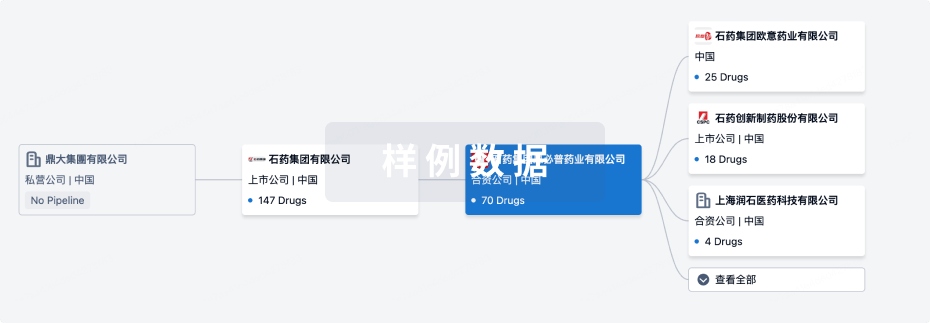
组织架构
使用我们的机构树数据加速您的研究。
登录
或
管线布局
2026年05月26日管线快照
管线布局中药物为当前组织机构及其子机构作为药物机构进行统计,早期临床1期并入临床1期,临床1/2期并入临床2期,临床2/3期并入临床3期
药物发现
2
8
临床前
登录后查看更多信息
当前项目
登录后查看更多信息
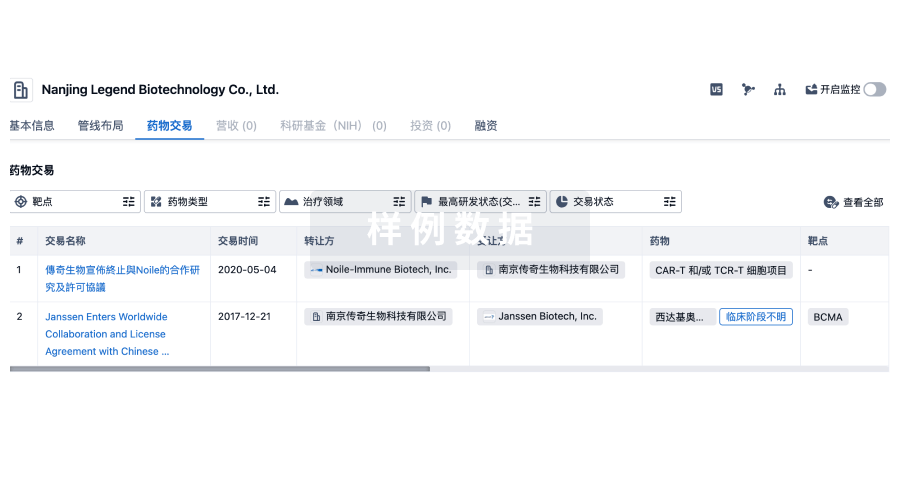
药物交易
使用我们的药物交易数据加速您的研究。
登录
或
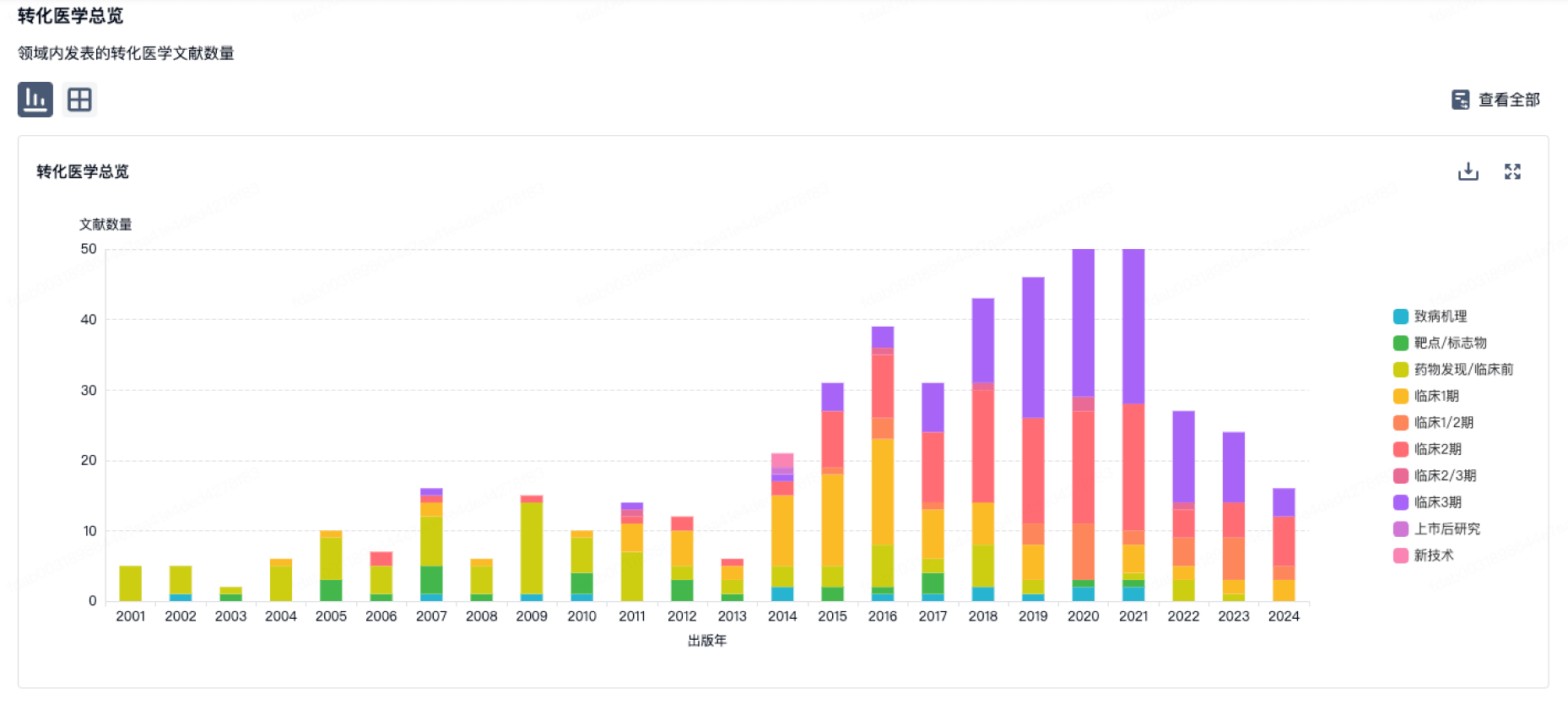
转化医学
使用我们的转化医学数据加速您的研究。
登录
或
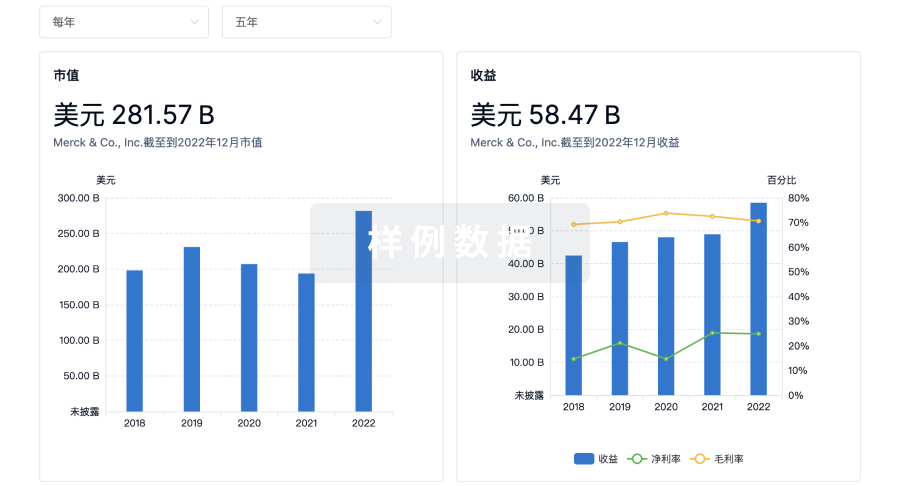
营收
使用 Synapse 探索超过 36 万个组织的财务状况。
登录
或
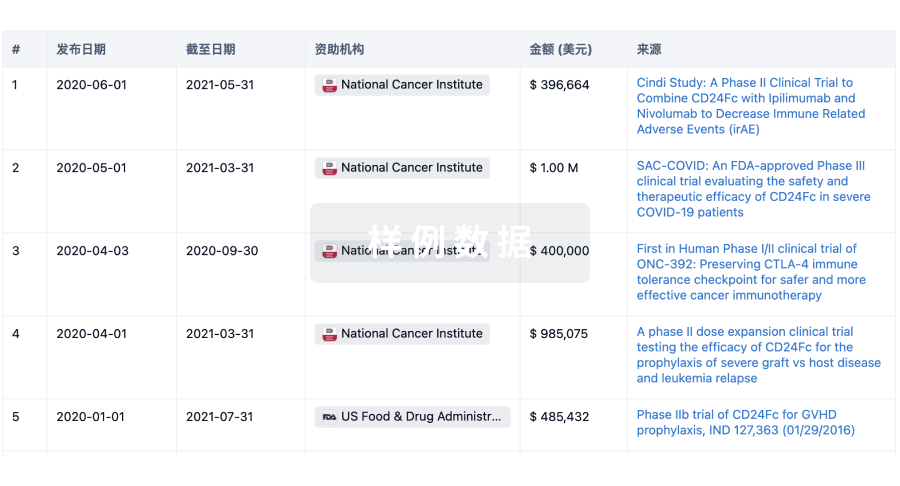
科研基金(NIH)
访问超过 200 万项资助和基金信息,以提升您的研究之旅。
登录
或
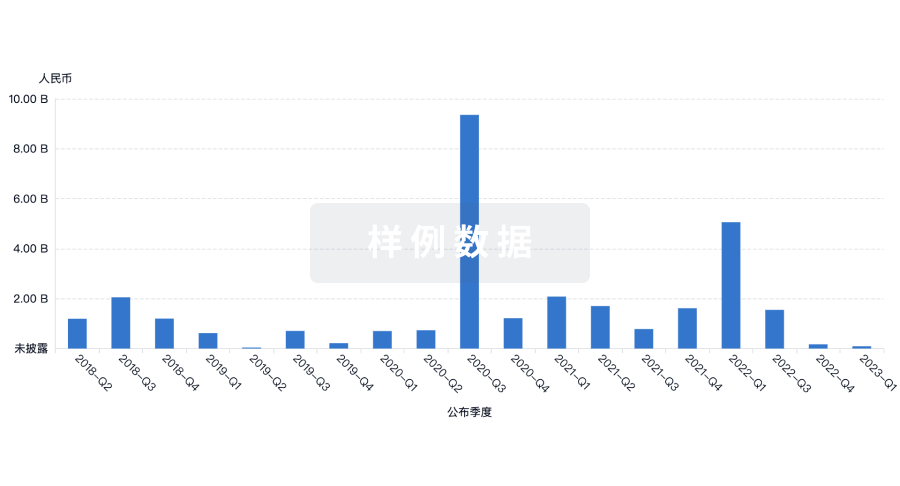
投资
深入了解从初创企业到成熟企业的最新公司投资动态。
登录
或
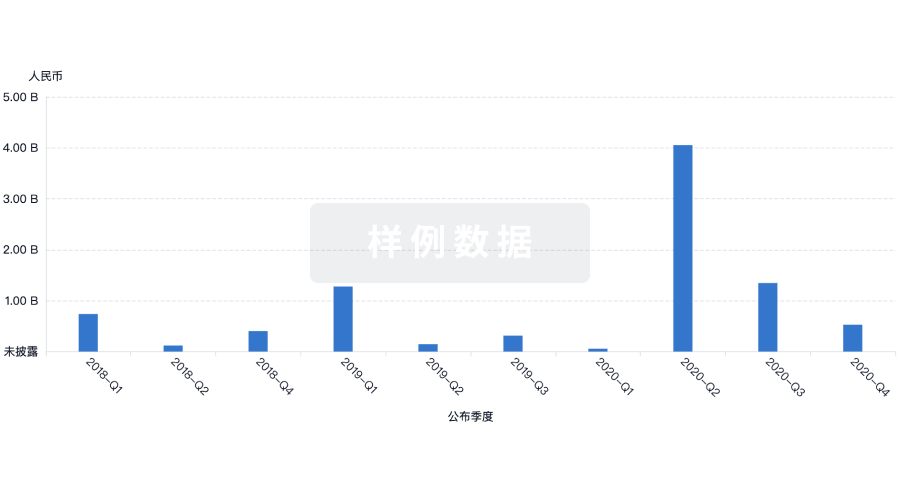
融资
发掘融资趋势以验证和推进您的投资机会。
登录
或
生物医药百科问答
全新生物医药AI Agent 覆盖科研全链路,让突破性发现快人一步
立即开始免费试用!
智慧芽新药情报库是智慧芽专为生命科学人士构建的基于AI的创新药情报平台,助您全方位提升您的研发与决策效率。
立即开始数据试用!
智慧芽新药库数据也通过智慧芽数据服务平台,以API或者数据包形式对外开放,助您更加充分利用智慧芽新药情报信息。
生物序列数据库
生物药研发创新
免费使用
化学结构数据库
小分子化药研发创新
免费使用