预约演示
更新于:2026-05-30

Ritsumeikan University
更新于:2026-05-30
概览
标签
神经系统疾病
内分泌与代谢疾病
小分子化药
疾病领域得分
一眼洞穿机构专注的疾病领域

技术平台
公司药物应用最多的技术
靶点
公司最常开发的靶点
关联
靶点 |
作用机制 |
在研机构 |
原研机构 |
在研适应症 |
非在研适应症 |
最高研发阶段 |
首次获批国家/地区 |
首次获批日期 |
JPRN-UMIN000059219
Impact of Fermented Whey Protein Intake on Plasma Amino Acid Kinetics - WP-AAD Study
JPRN-UMIN000058618
The effects of lactic acid bacteria ingestion combined with resistance training on intestinal barrier related indices. - The effects of lactic acid bacteria ingestion combined with resistance training on intestinal barrier related indices.
JPRN-UMIN000056952
Effects of Seabuckthorn Juice Intake on Exercise-Induced Fatigue During Consecutive Days of Exercise Training: a randomised, double-blind, placebo-controlled, crossover study. - Effects of Seabuckthorn Juice Intake on Exercise-Induced Fatigue During Consecutive Days of Exercise Training
100 项与 Ritsumeikan University 相关的临床结果
登录后查看更多信息
登录后查看更多信息
2026-05-14BIOLOGICAL & PHARMACEUTICAL BULLETIN
Economic Burden of Cachexia in Japanese Lung Cancer Patients: A Retrospective Claims Database Analysis
Article
作者: Kashiwa, Munenobu
Cancer cachexia is associated with poor clinical outcomes in lung cancer patients; however, its economic impact in Japan remains largely uncharacterized. This study quantified the incremental healthcare costs associated with cachexia in Japanese lung cancer patients using nationwide claims data. We conducted a retrospective cohort study using the Japan Medical Data Center Claims Database. Deceased lung cancer patients were classified into cachexia (n = 447) and control (n = 10464) groups based on International Classification of Diseases, 10th Revision diagnosis codes. Between-group cost differences were assessed using generalized linear models with a gamma distribution, adjusting for survival time, demographics, histology, metastasis, and comorbidities. Within-patient cost changes were analyzed using fixed-effects regression, comparing 6-month periods before and after cachexia diagnosis. Cachexia was independently associated with 13.5% higher total medical costs (rate ratio: 1.14, 95% confidence interval [CI]: 1.06-1.21, p < 0.001). Within-patient analysis demonstrated a 57.9% cost increase in the month of diagnosis (from ¥371360 to ¥586405), with costs remaining 21.7% elevated post-diagnosis. Cost composition shifted from procedures (1.3 vs. 5.4%) toward home care (8.6 vs. 5.7%) in cachexia patients. Median survival following cachexia diagnosis was only 1.0 month, with 71% of patients dying within 3 months. Anamorelin use increased from 2.4 to 29.8% post-diagnosis, although 70.2% of patients did not receive this therapy. Cachexia diagnosis in lung cancer patients is associated with substantial cost increases in Japan. The extremely short survival after diagnosis and the shift toward supportive care highlight the need for earlier recognition and intervention. These findings provide essential data for the economic evaluation of cachexia therapies.
2026-05-01JOURNAL OF PHARMACOLOGICAL SCIENCES
Ameliorative effect of sea cucumber on physical fatigue induced by forced ambulation and its underlying mechanism
Article
作者: Inoue, Koichi ; Nakagawasai, Osamu ; Matsuzawa, Sota ; Chiba, Mei ; Takahashi, Kohei ; Nemoto, Wataru ; Tan-No, Koichi ; Takayama, Takahiro ; Iwata, Haruto ; Yamada, Kotaro
Fatigue represents a significant health concern. Chronic fatigue may contribute to mental health disorders and accelerated aging. Oxidative stress, characterized by excessive production of reactive oxygen species, is generally considered to increase during physical exertion and to indicate fatigue. Although antioxidants are known to enhance endurance, effects of sea cucumber (SC) on physical fatigue remain undetermined and were explored in this study. We investigated the effects of SC on alterations in locomotor activity and expression levels of silent mating type information regulation 2 homolog peroxisome 1 (Sirt1), nuclear factor erythroid 2-related factor 2 (NRF2), and antioxidative-related proteins, including superoxide dismutase 1 (SOD1), glutathione peroxidase 1 (GPx1), and catalase, in the soleus muscle following SC administration before and/or after forced walking. Administration of SC before and after forced walking, rather than at a single time point, mitigated the subsequent decrease in locomotor activity and enhanced expression of Sirt1, NRF2, SOD1, GPx1 and catalase in the soleus muscle of mice. In contrast, EX-527, the selective Sirt1 inhibitor, abolished the SC-induced anti-fatigue effect and the enhanced Sirt1/NRF2/SOD1-GPx1-catalase pathway in the soleus muscle. Consequently, we propose that SC attenuates fatigue by modulating the Sirt1/NRF2/SOD1-GPx1-catalase pathway in the soleus muscle.
2026-05-01JOURNAL OF SPORT REHABILITATION
Altered Ground Reaction Force and Dynamic Stability During a Single-Leg Stabilization Task in Female Athletes With Lateral Ankle Sprain History and Dysfunctional Breathing Patterns
Article
作者: Terada, Masafumi ; Hori, Miyuki ; Sugiyama, Takashi ; Shimozawa, Yuka ; Kurihara, Toshiyuki ; Kusagawa, Yuki ; Isaka, Tadao ; Tanaka, Takahiro
Context
:
Female athletes frequently experience lateral ankle sprains (LAS) during unilateral jump-landing activities and face a significant risk of recurrent ankle injury. LAS has been associated with reduced diaphragm contractility and altered breathing mechanics. The diaphragm and breathing mechanics are crucial for mitigating landing impact, which is typically impaired in individuals with LAS. Given this connection, innovative rehabilitation approaches that address dysfunctional breathing mechanics may be warranted. To date, no research has investigated associations between breathing mechanics and landing kinetics in adolescent female athletes with LAS. This study aimed to compare ground reaction force (GRF) and dynamic stability during a single-leg stabilization task between female athletes with a history of LAS who exhibited diaphragmatic breathing patterns and those who had dysfunctional breathing patterns.
Design
:
Case–control study.
Methods
:
Two hundred eighty-three competitive female athletes with a previous history of LAS were recruited from middle school, high school, and Division I college teams. The Hi-Lo test was utilized to categorize participants as dysfunctional breathers or diaphragmatic breathers according to their breathing patterns. Each participant completed 3 trials of a single-leg drop-landing task. Normalized peak vertical and posterior GRF data were extracted, and the average loading rate was calculated from the normalized vertical GRF. The norm of the horizontal component of the GRF was used to calculate time to stabilization.
Results
:
Forty female athletes with LAS history (14.1%) were classified as diaphragmatic breathers, and 243 (85.9%) were classified as dysfunctional breathers. Female athletes with LAS history who exhibited dysfunctional breathing patterns demonstrated a greater peak posterior GRF (
P
= .01) and longer time to stabilization (
P
= .04) compared with those who had diaphragmatic breathing patterns.
Conclusions
:
Dysfunctional breathing patterns may contribute to decreased dynamic stability and force attenuation capabilities during single-leg landing tasks following LAS. Assessing the biomechanical dimension of breathing patterns may help clinicians identify patient-specific impairments in individuals with LAS, particularly those with deficits in dynamic postural stability and force attenuation.
100 项与 Ritsumeikan University 相关的药物交易
登录后查看更多信息
100 项与 Ritsumeikan University 相关的转化医学
登录后查看更多信息
组织架构
使用我们的机构树数据加速您的研究。
登录
或
管线布局
2026年10月22日管线快照
管线布局中药物为当前组织机构及其子机构作为药物机构进行统计,早期临床1期并入临床1期,临床1/2期并入临床2期,临床2/3期并入临床3期
临床前
1
登录后查看更多信息
当前项目
登录后查看更多信息
药物交易
使用我们的药物交易数据加速您的研究。
登录
或
转化医学
使用我们的转化医学数据加速您的研究。
登录
或
营收
使用 Synapse 探索超过 36 万个组织的财务状况。
登录
或
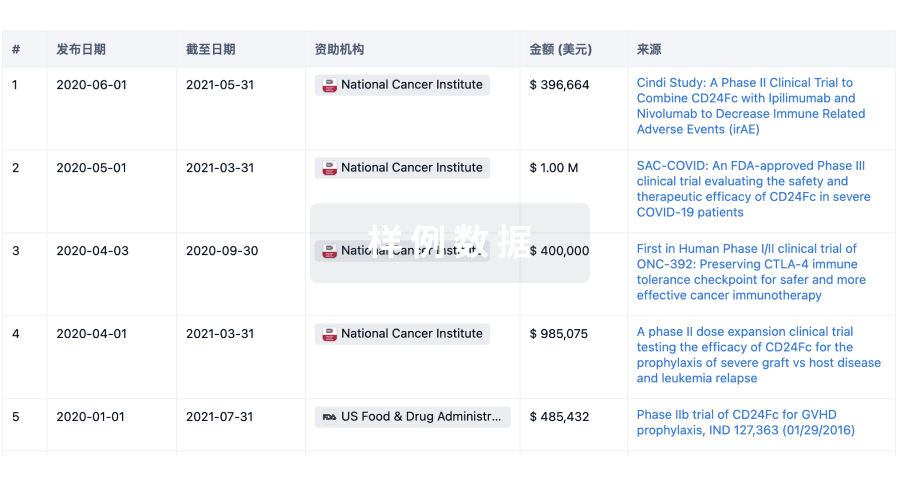
科研基金(NIH)
访问超过 200 万项资助和基金信息,以提升您的研究之旅。
登录
或
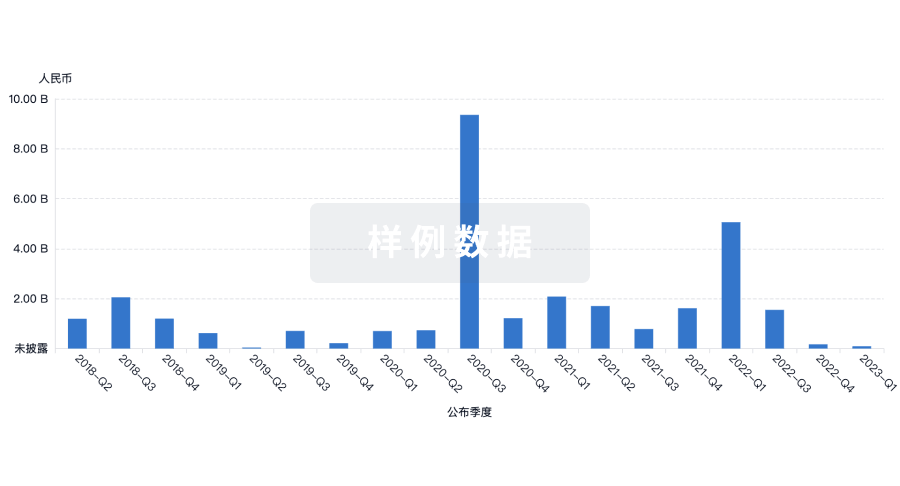
投资
深入了解从初创企业到成熟企业的最新公司投资动态。
登录
或
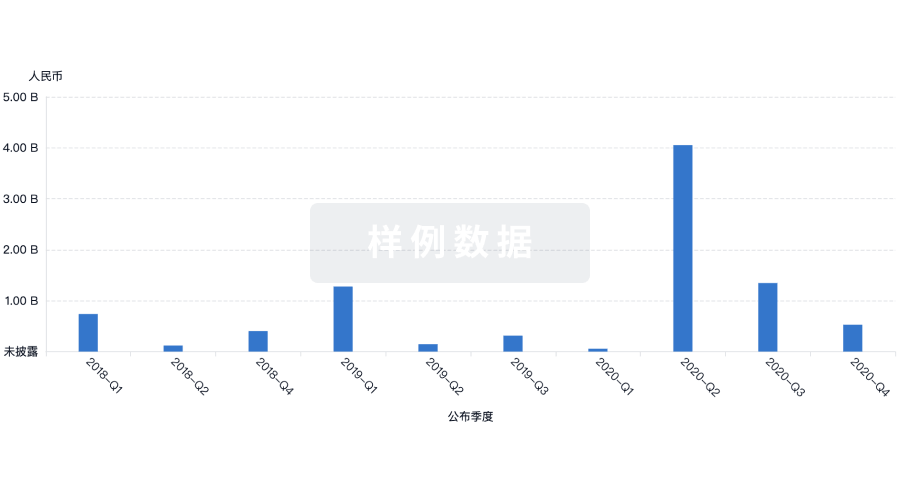
融资
发掘融资趋势以验证和推进您的投资机会。
登录
或
提出任何生物医药研究问题
让每一步生物医药决策都精准制胜
基于十亿级生物数据与全球情报的精准 AI,赋能早期药物发现
立即开始免费试用!
智慧芽新药情报库是智慧芽专为生命科学人士构建的基于AI的创新药情报平台,助您全方位提升您的研发与决策效率。
立即接入生物医药数据包
智慧芽新药库数据也通过智慧芽开放平台,以MCP或API服务形式对外开放。立即使用我们的MCP服务定制您的LLM智能体。
生物序列数据库
生物药研发创新
免费使用
化学结构数据库
小分子化药研发创新
免费使用