预约演示
更新于:2026-02-05

Sceneray Co. Ltd
更新于:2026-02-05
概览
关联
ChiCTR2400084724
An exploratory clinical trial on the effectiveness and safety of a dual-targeted implanted neural stimulation system for treating autism

NCT06112067
Efficacy and Safety of Combo-stim Deep Brain Stimulation for Treatment-refractory Mental Disorders: a Multi-center, Single Arm, Prospective, Open-label, Extendable Study
NCT05884619
Efficacy and Safety of Dual-target Deep Brain Stimulation for Treatment-resistant Alcohol Use Disorder: a Multi-center, Single Arm, Prospective, Open-label, Extendable Study.

100 项与 景昱医疗科技(苏州)股份有限公司 相关的临床结果
登录后查看更多信息
登录后查看更多信息
2024-01-01Journal of colloid and interface science
In situ study of structural changes: Exploring the mechanism of protein corona transition from soft to hard
Article
作者: Zhang, Yixin ; Zhu, Weiran ; Zhang, Jixiang ; Zhang, Liqiang ; Feng, Zhangqi ; Lu, Pengyu ; Cai, Chenglong ; Pan, Xuchao ; He, Nongyue ; Shi, Neng ; Wang, Ting
HYPOTHESIS:
The process of protein corona changes has been widely believed to follow the Vroman effect, while protein structural change during the process is rarely reported, due to the lack of analytical methods. In-situ interpretation for protein structural change is critical to processes such as the recognition and transport of nanomaterials.
EXPERIMENTS:
Molecular dynamics (MD) simulation was used to predict the deflection and twist of the protein tertiary structure. The structural changes of the surface protein corona during the interaction of nanoparticles (NPs) with lipid bilayer were probed in situ and real-time by sum frequency generation (SFG) spectroscopy.
FINDINGS:
The ring tertiary structure of the protein corona is altered from vertical to horizontal on particle surface, a process of the soft-to-hard structural transition, which is contributed by the hydrogen bonding force between the protein and water molecules. The negatively charged protein corona can induce the redistribution of interfacial charge, leading to a more stable hydrogen bond network of the interfacial water. Our findings suggest that the structural change from flexible to rigid is a crucial process in the soft-to-hard transition of the protein corona, which will be a beneficial supplement to the Vroman effect of protein adsorption.
Translational Psychiatry
Effects of deep brain stimulation of the nucleus accumbens and anterior limb of the internal capsule on heroin addiction: Over five years of long-term follow-up in a prospective open-label pilot study
Article
作者: Su, Mingming ; Liu, Tian ; Chen, Lei ; Qu, Yan ; Cai, Yaning ; Ge, Shunnan ; Wang, Jing ; Li, Wan ; Li, Yang ; Li, Nan ; Qiu, Chun ; Zheng, Zhaohui ; Gao, Guodong ; Wang, Xin ; Li, Jiaming ; Wang, Xuelian
Deep brain stimulation (DBS) has been suggested to be a safe and effective therapeutic option for drug addiction. Although sustained abstinence is better predicted by at least 5 years of drug-free duration, few studies have followed DBS-treated addicted individuals for more than 5 years. Twenty patients with treatment-resistant heroin addiction were enrolled in this prospective, single-center, open-label pilot study. Patients who received DBS of the nucleus accumbens (NAc) with or without the anterior limb of the internal capsule (ALIC) were followed up for over 5 years, and continuous abstinence, heroin craving (HC), psychometric instrument scores and late positive potential (LPP) amplitudes served as the outcome parameters. Twelve patients maintained sustained abstinence for five years after DBS treatment, and no severe complications or adverse events occurred. A linear mixed-effects model revealed a significant main effect of postsurgical time and relapse status on HC visual analog scale (HC-VAS), SF-36, SCL-90, HAMD, and Y-BOCS scores. Preoperative marital status, HAMD cognitive and SCL-90 psychoticism subscores significantly differed between abstinent and relapsed patients, and persistent abstinence was correlated with moderate acute (VAS 5-8) and delayed (VAS 4-6) psychopsychiatric responses to stimulation. ERP analysis revealed a significant decrease in the drug-pleasant LPP amplitude (400-1000 ms) from baseline to 2-3 years after surgery. The present study suggested that DBS of the NAc/ALIC is effective for reducing heroin craving and preventing relapse in the long term and may reverse motivational attentional bias from drug-related stimuli to pleasant stimuli for heroin-addicted individuals.
Frontiers in bioengineering and biotechnology
Soft integration of a neural cells network and bionic interfaces
Review
作者: Zhang, Yixin ; Lu, Pengyu ; Cai, Chenglong ; Wang, Ting ; Shi, Neng ; Zhu, Weiran ; He, Nongyue ; Zhang, Jixiang
Both glial cells and neurons can be considered basic computational units in neural networks, and the brain–computer interface (BCI) can play a role in awakening the latency portion and being sensitive to positive feedback through learning. However, high-quality information gained from BCI requires invasive approaches such as microelectrodes implanted under the endocranium. As a hard foreign object in the aqueous microenvironment, the soft cerebral cortex’s chronic inflammation state and scar tissue appear subsequently. To avoid the obvious defects caused by hard electrodes, this review focuses on the bioinspired neural interface, guiding and optimizing the implant system for better biocompatibility and accuracy. At the same time, the bionic techniques of signal reception and transmission interfaces are summarized and the structural units with functions similar to nerve cells are introduced. Multiple electrical and electromagnetic transmissions, regulating the secretion of neuromodulators or neurotransmitters via nanofluidic channels, have been flexibly applied. The accurate regulation of neural networks from the nanoscale to the cellular reconstruction of protein pathways will make BCI the extension of the brain.
2026-01-07
2026-01-06
·健识局
100 项与 景昱医疗科技(苏州)股份有限公司 相关的药物交易
登录后查看更多信息
100 项与 景昱医疗科技(苏州)股份有限公司 相关的转化医学
登录后查看更多信息
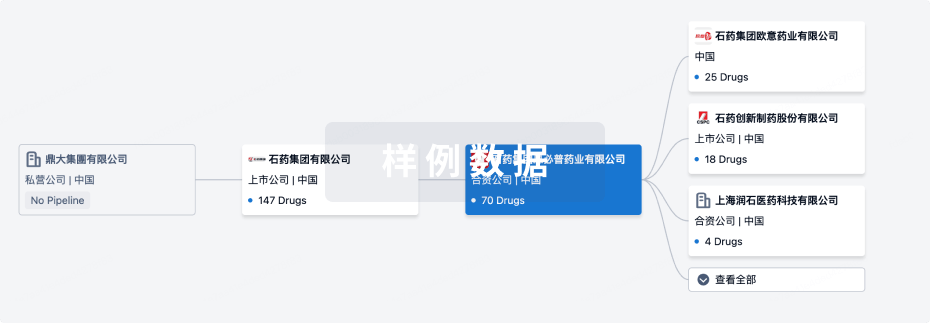
组织架构
使用我们的机构树数据加速您的研究。
登录
或
管线布局
2026年10月01日管线快照
无数据报导
登录后保持更新
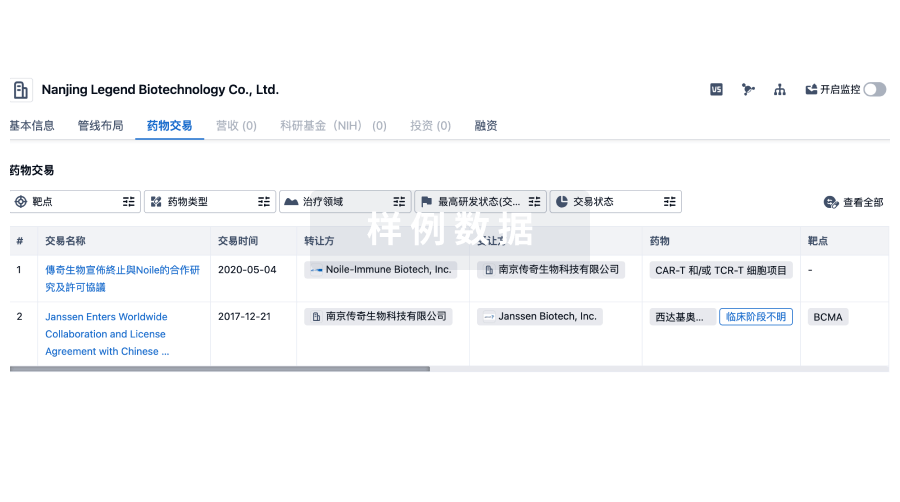
药物交易
使用我们的药物交易数据加速您的研究。
登录
或
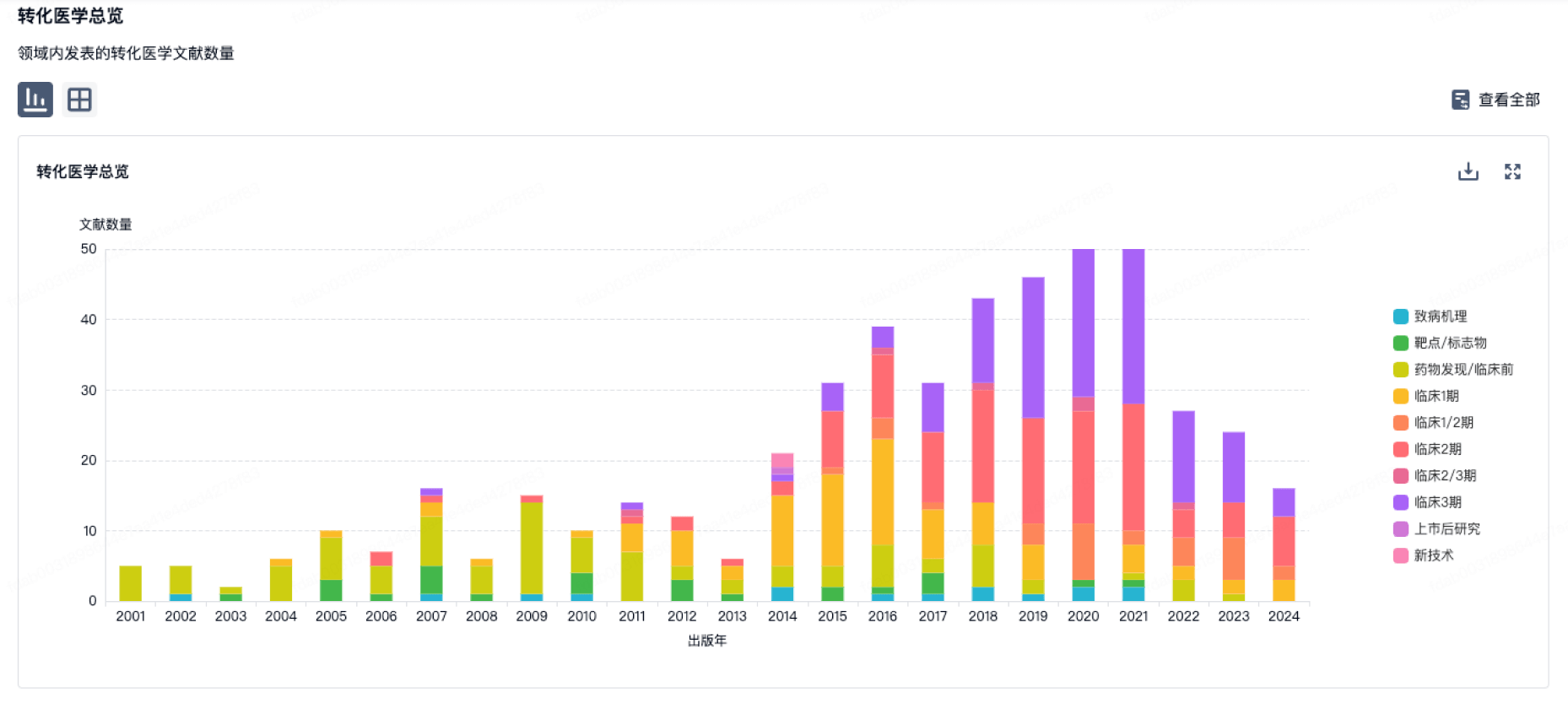
转化医学
使用我们的转化医学数据加速您的研究。
登录
或
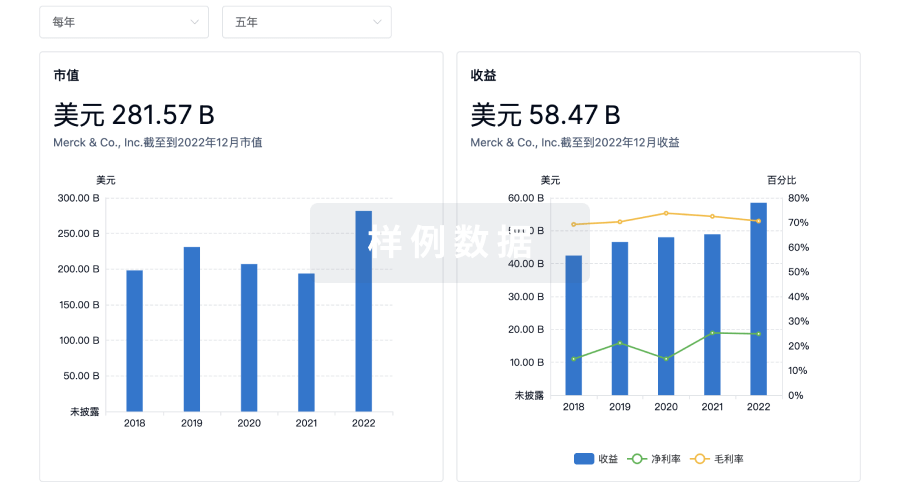
营收
使用 Synapse 探索超过 36 万个组织的财务状况。
登录
或
科研基金(NIH)
访问超过 200 万项资助和基金信息,以提升您的研究之旅。
登录
或
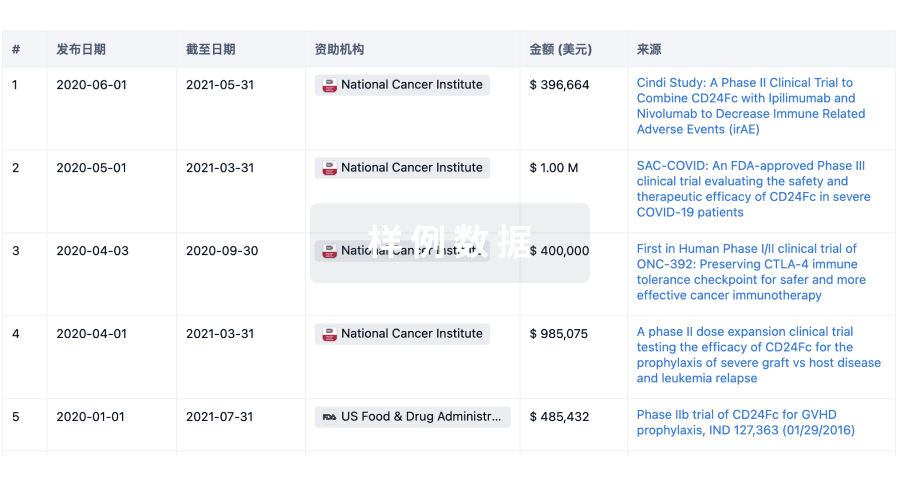
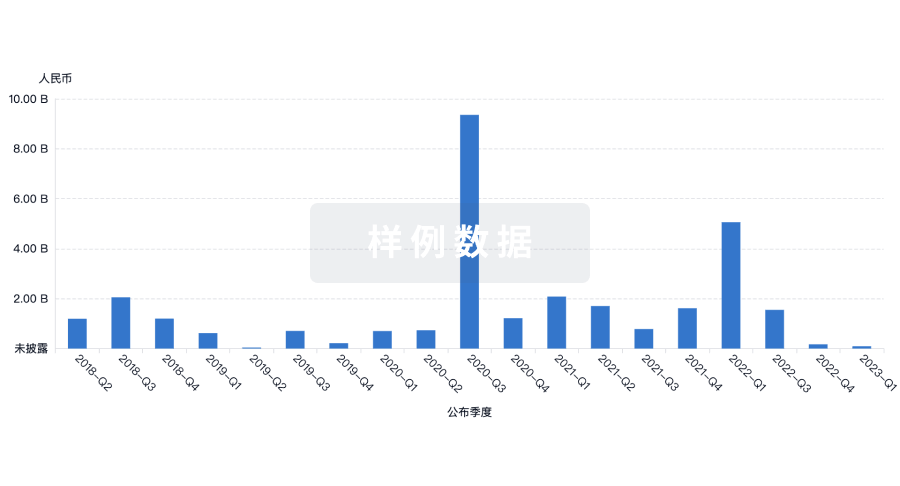
投资
深入了解从初创企业到成熟企业的最新公司投资动态。
登录
或
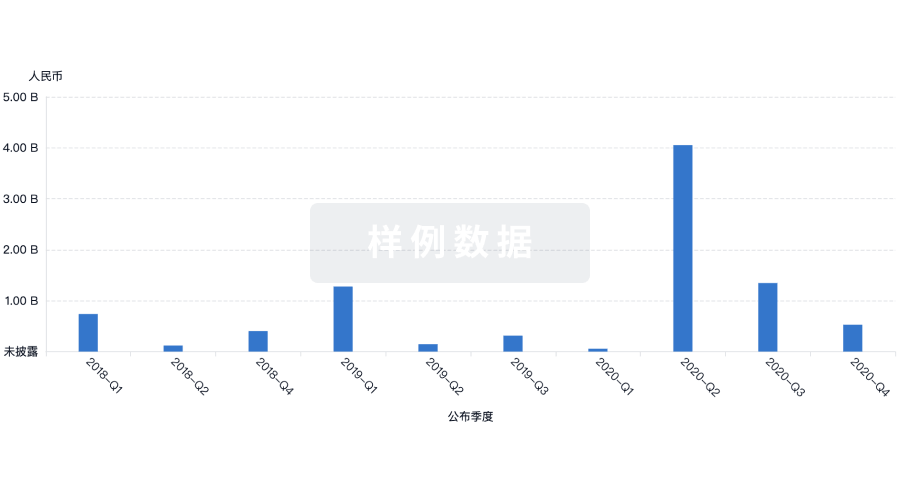
融资
发掘融资趋势以验证和推进您的投资机会。
登录
或
提出任何生物医药研究问题
让每一步生物医药决策都精准制胜
基于十亿级生物数据与全球情报的精准 AI,赋能早期药物发现
立即开始免费试用!
智慧芽新药情报库是智慧芽专为生命科学人士构建的基于AI的创新药情报平台,助您全方位提升您的研发与决策效率。
立即接入生物医药数据包
智慧芽新药库数据也通过智慧芽开放平台,以MCP或API服务形式对外开放。立即使用我们的MCP服务定制您的LLM智能体。
生物序列数据库
生物药研发创新
免费使用
化学结构数据库
小分子化药研发创新
免费使用