预约演示
更新于:2026-11-14

Guangzhou Kingmed Diagnostics Group Co., Ltd.
更新于:2026-11-14
概览
关联
NCT07858175
Anti-GABAB Receptor Encephalitis: Evaluation of Autoantibodies by a Novel DAB Chromogenic Tissue-Based Assay - A Multicenter, Blinded, Cross-Sectional Study

NCT07511595
Prospective Multicenter Clinical Study of Blood Microbial Metagenomic Next-Generation Sequencing (mNGS) for the Diagnosis of Invasive Pulmonary Fungal Disease in Patients With Hematologic Diseases
NCT07110259
Application of the Artificial Intelligence-Based Gene Mutation Prediction Tool DeepGEM in Patients With Non-Small Cell Lung Cancer (NSCLC): A Prospective, Multicenter, Randomized Controlled Trial

100 项与 广州金域医学检验集团股份有限公司 相关的临床结果
登录后查看更多信息
登录后查看更多信息
2026-11-03Microbiology Spectrum
Probe capture-based tNGS for microbial detection of dacryocystitis
Article
作者: Liu, Jun ; Zhang, Jiayi ; Chen, Rongxin ; Huang, Weifeng ; Liu, Yunming ; Liu, Feifei ; Dong, Xinran ; Yu, Xinyue ; Liang, Xuanwei ; Wang, Kerui ; Yang, Can ; Zheng, Xinyu
ABSTRACT:
Dacryocystitis is one of the common infectious diseases in ophthalmology. This study evaluates microbial distribution in lacrimal sac secretions using targeted next-generation sequencing (tNGS) and compares it with traditional culture methods. Conducted at the Zhongshan Ophthalmic Center, 31 patients with confirmed dacryocystitis were enrolled. Lacrimal sac secretions were collected during endoscopic dacryocystorhinostomy and analyzed using both tNGS and conventional bacterial cultures. Microbial diversity was assessed, and antibiotic susceptibility was evaluated for cultured isolates. We compared the positivity rate and the detection of various microorganisms between the two tests, as well as the associated resistance information. tNGS detected a significantly broader range of microorganisms (
P
= 0.0002). Beyond bacteria and fungi, tNGS revealed substantial viral and parasitic presence: viruses were detected in 22 of 31 patients, with Epstein-Barr virus and human herpesvirus 7 being the most prevalent, while parasitic sequences were identified in six patients, including
Acanthamoeba
species in four patients. Resistance genes were identified in three patients, suggesting the potential presence of antimicrobial resistance determinants. tNGS provides broader microbial profiling in dacryocystitis and may complement conventional culture by detecting not only bacteria but also fungi, viruses, parasites, and resistance genes. These findings highlight the necessity of managing ocular surface microbiota imbalances across a broad spectrum of microorganisms and emphasize the importance of judicious antibiotic use in clinical practice. Additionally, these observations raise the hypothesis that the lacrimal sac may serve as a potential reservoir for fungi,
Acanthamoeba
, and viruses on the ocular surface.
IMPORTANCE:
Dacryocystitis is one of the most common lacrimal duct obstruction disorders in ophthalmology. Conventional culture detected bacteria in only 38.7% of patients in this study and is unable to detect non-culture-dependent pathogens such as viruses and parasites or provide resistance information. As a critical complement to traditional culture, targeted next-generation sequencing (tNGS) detected microorganisms in 87.1% of cases, covering bacteria, fungi, viruses, and parasites while simultaneously identifying resistance genes—substantially enhancing both detection breadth and depth. Notably, tNGS revealed for the first time substantial levels of viruses, fungi, and
Acanthamoeba
—a dangerous organism linked to severe corneal infections—in the lacrimal sac, raising the novel hypothesis that the lacrimal sac may serve as an unrecognized reservoir for diverse ocular surface microbes. These findings expand the traditional bacteria-centered view of dacryocystitis and highlight the potential value of tNGS in improving diagnostic evaluation, supporting antibiotic stewardship, and guiding future studies of persistent or recurrent ocular infections.
2026-09-02Infectious Diseases
Clinical evaluation of probe capture based targeted next generation sequencing for pulmonary infection in immunocompromised patients: a cross-sectional diagnostic accuracy study
Article
作者: Li, Pei ; Li, Hongyi ; Wu, Zhenping ; Jiang, Qiuting ; Wang, Wei ; Zhou, Hua ; Chen, Hangfei ; Wu, Junbin ; Yao, Yake
BACKGROUND:
Timely aetiological diagnosis of pulmonary infection in immunocompromised patients (ICPs) remains challenging because clinical presentations may be atypical and conventional microbiological tests (CMTs) have limited sensitivity. Probe capture based targeted next generation sequencing (ptNGS) has emerged as a potential alternative to metagenomic next generation sequencing (mNGS), but its clinical performance in this population remains incompletely defined.
METHODS:
In this cross-sectional diagnostic accuracy study, immunocompromised adults undergoing bronchoalveolar lavage for suspected pulmonary infection were enrolled. Bronchoalveolar lavage fluid (BALF) samples were analysed using CMTs, mNGS, and ptNGS. Composite clinical adjudication served as the reference standard. Diagnostic performance was compared at the case level, and pulmonary microbiota characteristics were explored.
RESULTS:
Among 78 enrolled patients, 60 were classified as having pulmonary infection. Causative pathogens were identified in 52 cases, and fungal pathogens, particularly Pneumocystis jirovecii, were the most frequently detected. At the case level, ptNGS and mNGS demonstrated higher sensitivity than CMTs (80.0% vs 80.0% vs 26.7%) and showed high concordance in microorganisms identified (91.7%). Specificity was 72.2% for CMTs, compared with 44.4% for mNGS and 38.9% for ptNGS. Positive sequencing results were also observed in patients without pulmonary infection (n = 18), predominantly involving viral or opportunistic microorganisms. Microbiota analysis of 65 samples revealed reduced microbial alpha diversity and altered community composition in patients with pulmonary infection.
CONCLUSIONS:
In ICPs with suspected pulmonary infection, ptNGS substantially increases pathogen detection compared with CMTs and demonstrates diagnostic performance comparable to mNGS. Sequencing results require careful clinical interpretation, given the difficulty in distinguishing infection from colonisation in respiratory specimens. Exploratory microbiota analyses suggest infection associated alterations in lung microbial ecology that warrant further validation.
2026-05-01JOURNAL OF CLINICAL INVESTIGATION
m6A deficiency induces dopaminergic neurodegeneration and progressive parkinsonism through a pathogenic loop with mitochondria
Article
作者: Xia, Linjian ; Cui, Jinru ; Yu, Shihui ; Li, Yuan ; Wu, Bilian ; Cao, Xin ; Zhou, Yuhao ; Shen, Juan ; Liu, Sun ; Li, Zengguang ; Xia, Laixin ; Wu, Guangjin ; Xiao, Zhuoyu ; Mo, Guiling ; Mo, Junyuan ; Miao, Ziteng ; Huang, Huili ; Ren, Qihuan ; Xiao, Shan
Despite substantial progress in understanding the molecular pathology of Parkinson’s disease (PD), the underlying drivers of PD in many cases remain unknown. Here, we investigate the role of RNA modification in PD, following observations of selective m
6
A hypomethylation in the substantia nigra (SN) of mouse PD models and dysregulated
METTL3
and
ALKBH5
expression in dopaminergic (DA) neurons from patients with PD. We found preferential m
6
A deposition on transcripts of PD risk genes and what we believe to be a previously unreported heterozygous METTL3 p.K480R mutation in patients with PD.
Mettl3K480R/+
mice exhibited progressive METTL3 reduction and m
6
A hypomethylation in the SN, leading to progressive DA neuron loss, phospho-α-synuclein increase, and levodopa-responsive motor and nonmotor deficits, mimicking PD progression. Dopamine transporter–specific METTL3 knockout mice recapitulate m
6
A hypomethylation, neurodegeneration, and levodopa-responsive parkinsonism. Mechanistically, m
6
A deficiency disrupted mitochondrial biogenesis and function through regulating
Tfam
expression, while mitochondrial dysfunction reciprocally impaired m
6
A deposition, creating a pathogenic loop. Importantly, supplementation with S-adenosylmethionine (SAMe) enhanced m
6
A modification, disrupted the pathogenic loop, and alleviated parkinsonism in mouse models. Our findings revealed m
6
A dysregulation as an important contributor to PD pathogenesis, provide a valuable preclinical mouse model for PD progression, and highlight RNA methylation-targeted therapies as a promising strategy for PD intervention.
100 项与 广州金域医学检验集团股份有限公司 相关的药物交易
登录后查看更多信息
100 项与 广州金域医学检验集团股份有限公司 相关的转化医学
登录后查看更多信息
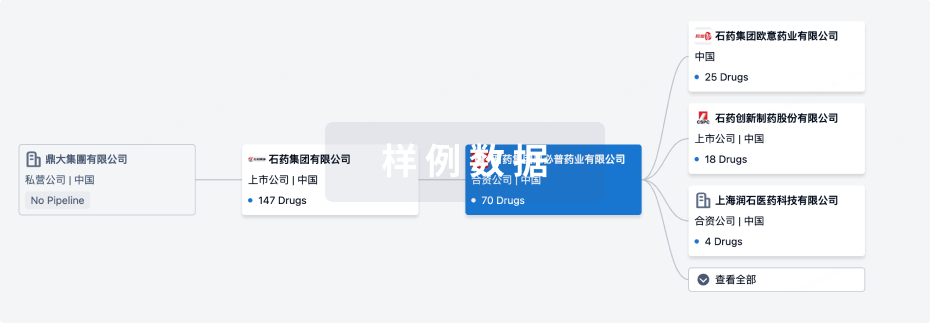
组织架构
使用我们的机构树数据加速您的研究。
登录
或
管线布局
2026年11月16日管线快照
无数据报导
登录后保持更新
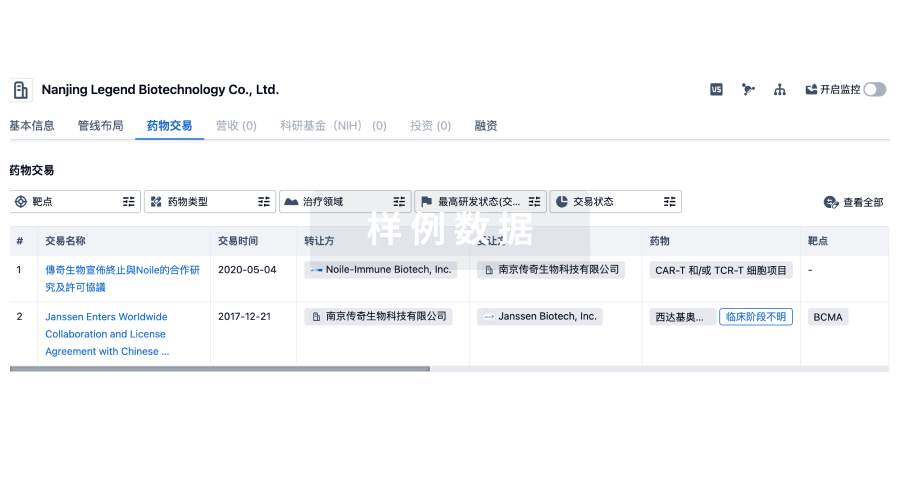
药物交易
使用我们的药物交易数据加速您的研究。
登录
或
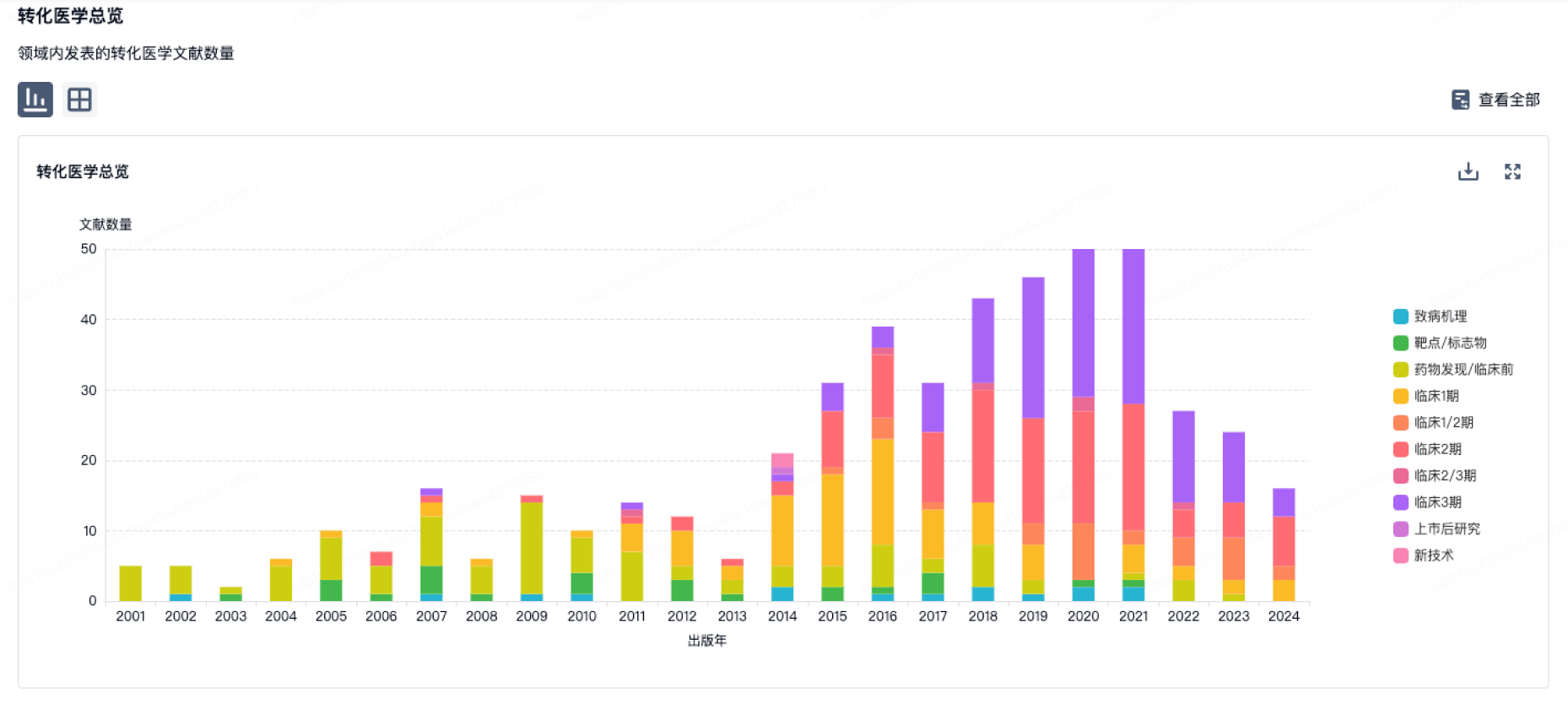
转化医学
使用我们的转化医学数据加速您的研究。
登录
或
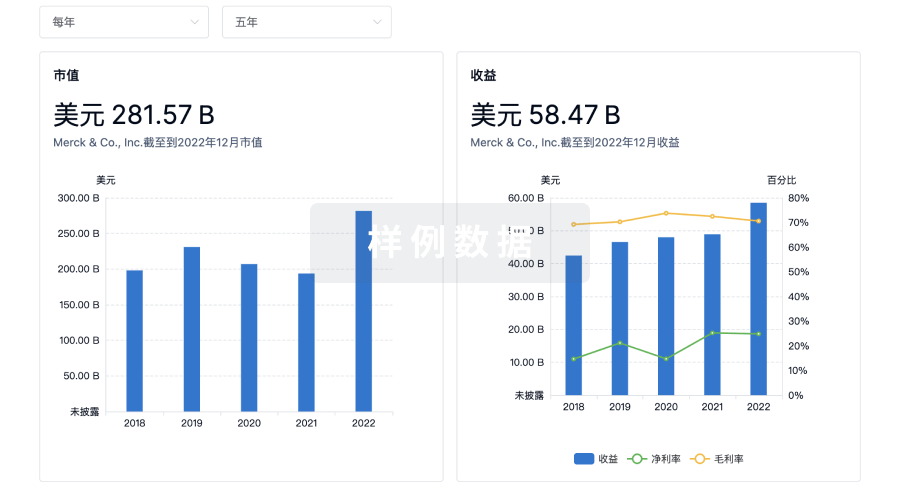
营收
使用 Synapse 探索超过 36 万个组织的财务状况。
登录
或
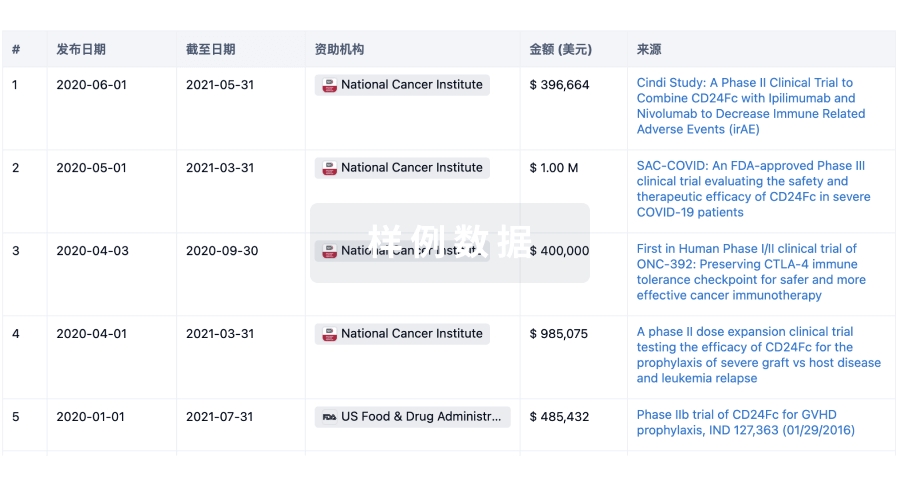
科研基金(NIH)
访问超过 200 万项资助和基金信息,以提升您的研究之旅。
登录
或
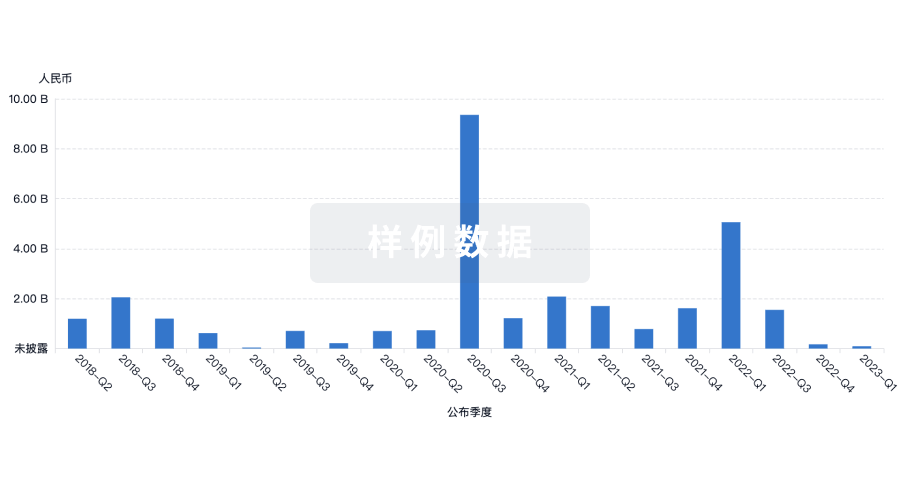
投资
深入了解从初创企业到成熟企业的最新公司投资动态。
登录
或
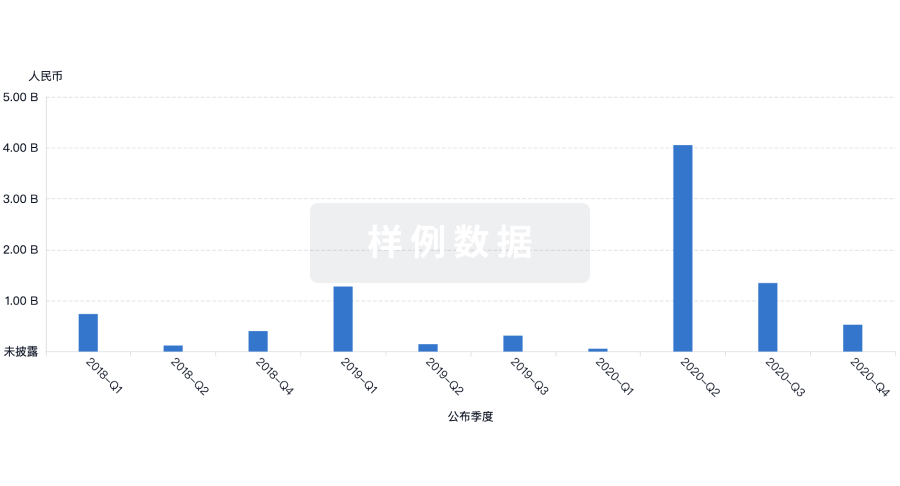
融资
发掘融资趋势以验证和推进您的投资机会。
登录
或
提出任何生物医药研究问题
让每一步生物医药决策都精准制胜
基于十亿级生物数据与全球情报的精准 AI,赋能早期药物发现
立即开始免费试用!
智慧芽新药情报库是智慧芽专为生命科学人士构建的基于AI的创新药情报平台,助您全方位提升您的研发与决策效率。
立即接入生物医药数据包
智慧芽新药库数据也通过智慧芽开放平台,以MCP或API服务形式对外开放。立即使用我们的MCP服务定制您的LLM智能体。
生物序列数据库
生物药研发创新
免费使用
化学结构数据库
小分子化药研发创新
免费使用