预约演示
更新于:2026-06-01
北京大学人民医院
注销
| 中国北京市注销
| 中国北京市更新于:2026-06-01
概览
关联
1,302
项与 北京大学人民医院 相关的临床试验NCT07123675
A Dual-Center, Randomized, Controlled, Proof-of-Concept Trial to Evaluate an AI-Based Decision Support System for Intraoperative Blood Pressure Management
This proof-of-concept randomized controlled trial evaluates a reinforcement learning (RL)-based clinical decision support system for intraoperative hemodynamic management during non-cardiac surgery.
Background: Intraoperative hypotension is common during general anesthesia and is associated with adverse outcomes including acute kidney injury, myocardial injury, and increased mortality. Current hemodynamic management relies on the individual anesthesiologist's clinical judgment, which can vary in consistency and timeliness. An RL-based system that learns optimal vasoactive agent dosing strategies from clinical data may help standardize and improve real-time hemodynamic decision-making.
Purpose: The primary objective is to evaluate whether the RL-based decision support system can learn intraoperative hemodynamic management decisions comparable to those of experienced anesthesiologists, as measured by the mean absolute error (MAE) between RL-recommended and clinician-executed vasoactive agent doses. The secondary objective is to assess whether RL-guided management improves clinical hemodynamic outcomes, including the time-weighted average of hypotension and the percentage of time with mean arterial pressure within the target range.
Participants: Adult patients (aged 18 to 85 years, ASA I-IV) scheduled for elective non-cardiac surgery under general anesthesia with continuous invasive arterial blood pressure monitoring.
Procedures: Participants will be randomly assigned (1:1) to one of two groups. In the RL-guided group, the anesthesiologist will receive real-time vasoactive agent dosing recommendations from the decision support system displayed on a bedside screen; the anesthesiologist retains full clinical autonomy over all final decisions. In the standard care group, the anesthesiologist will manage hemodynamics according to institutional standard practice without input from the system. The patient and the outcomes assessor will be masked to group assignment. Data collection covers the intraoperative period and 30-day postoperative follow-up.
Background: Intraoperative hypotension is common during general anesthesia and is associated with adverse outcomes including acute kidney injury, myocardial injury, and increased mortality. Current hemodynamic management relies on the individual anesthesiologist's clinical judgment, which can vary in consistency and timeliness. An RL-based system that learns optimal vasoactive agent dosing strategies from clinical data may help standardize and improve real-time hemodynamic decision-making.
Purpose: The primary objective is to evaluate whether the RL-based decision support system can learn intraoperative hemodynamic management decisions comparable to those of experienced anesthesiologists, as measured by the mean absolute error (MAE) between RL-recommended and clinician-executed vasoactive agent doses. The secondary objective is to assess whether RL-guided management improves clinical hemodynamic outcomes, including the time-weighted average of hypotension and the percentage of time with mean arterial pressure within the target range.
Participants: Adult patients (aged 18 to 85 years, ASA I-IV) scheduled for elective non-cardiac surgery under general anesthesia with continuous invasive arterial blood pressure monitoring.
Procedures: Participants will be randomly assigned (1:1) to one of two groups. In the RL-guided group, the anesthesiologist will receive real-time vasoactive agent dosing recommendations from the decision support system displayed on a bedside screen; the anesthesiologist retains full clinical autonomy over all final decisions. In the standard care group, the anesthesiologist will manage hemodynamics according to institutional standard practice without input from the system. The patient and the outcomes assessor will be masked to group assignment. Data collection covers the intraoperative period and 30-day postoperative follow-up.
开始日期2026-06-01 |
申办/合作机构 北京清华长庚医院 [+1] |
NCT07577375
A Prospective Observational Cohort Study to Validate Engraftment Syndrome Phenotypes and Their Associations With Acute Graft-Versus-Host Disease and Clinical Outcomes After Hematopoietic Stem Cell Transplantation
Engraftment syndrome (ES) is an early inflammatory complication after hematopoietic stem cell transplantation (HSCT) and has been associated with subsequent transplant-related complications and adverse clinical outcomes. However, ES is clinically heterogeneous, and its relationship with acute graft-versus-host disease (aGVHD), survival, and other post-transplant outcomes remains incompletely defined.
This prospective observational cohort study aims to validate previously identified ES-associated risk factors, severity-oriented ES phenotypes, and their associations with grade II-IV aGVHD and clinical outcomes after HSCT. Patients undergoing HSCT will be prospectively followed for the development of ES, grade II-IV aGVHD, and clinical outcomes including overall survival, disease-free survival, relapse, and non-relapse mortality. The study will evaluate whether ES phenotypes and ES-related clinical characteristics can stratify patients according to subsequent aGVHD risk and post-transplant prognosis.
This prospective observational cohort study aims to validate previously identified ES-associated risk factors, severity-oriented ES phenotypes, and their associations with grade II-IV aGVHD and clinical outcomes after HSCT. Patients undergoing HSCT will be prospectively followed for the development of ES, grade II-IV aGVHD, and clinical outcomes including overall survival, disease-free survival, relapse, and non-relapse mortality. The study will evaluate whether ES phenotypes and ES-related clinical characteristics can stratify patients according to subsequent aGVHD risk and post-transplant prognosis.
开始日期2026-06-01 |
申办/合作机构 北京大学人民医院 [+4] |
NCT07600164
Real-world Study of Pyrotinib-containing Regimens in First-line or Second-line Treatment of Advanced HER2-positive Breast Cancer
Given that pyrotinib has been proven to exert significant efficacy against HER2-positive advanced breast cancer in multiple Phase III studies, and the novel ADC drug disitamab vedotin has demonstrated potent anti-tumor activity, there remains insufficient real-world data on their sequential administration. This multicenter, prospective real-world study plans to enroll 500 patients with HER2-positive advanced breast cancer receiving first-line or second-line treatment. It aims to evaluate the efficacy and safety of sequential disitamab vedotin treatment after disease progression or intolerance to pyrotinib-based regimens (first-line: pyrotinib plus trastuzumab combined with chemotherapy; second-line: pyrotinib plus capecitabine). The primary endpoint is real-world second progression-free survival (rwPFS2), while secondary endpoints cover real-world progression-free survival (rwPFS), tumor response, overall survival (OS), time to treatment failure, safety profiles and patient-reported outcomes. It is currently expected to further validate the efficacy and safety of pyrotinib in patients with advanced HER2-positive breast cancer in the real-world setting, and to evaluate the efficacy and safety of recindopril trastuzumab following pyrotinib-containing regimens.
开始日期2026-06-01 |
申办/合作机构 |
100 项与 北京大学人民医院 相关的临床结果
登录后查看更多信息
0 项与 北京大学人民医院 相关的专利(医药)
登录后查看更多信息
7,033
项与 北京大学人民医院 相关的文献(医药)2026-12-31·RENAL FAILURE
Performance-based classification of dialyzers: integrating YKL-40 for advanced middle-molecule clearance – A Chinese expert consensus
Review
作者: Zuo, Li ; Chen, Yuqing ; Liu, Jun ; Shi, Zhenwei ; Luo, Huimin ; Li, Rongshan ; Liu, Hong ; Zhu, Li ; Wu, Jian ; Xu, Yuankai ; Tian, Aihui ; Liu, Bin ; Wang, Lei ; Zhong, Aimin ; Dong, Chongya ; Gan, Liangying
Recent advancements in membrane technology have significantly improved dialyzer permeability, enabling the enhanced clearance of molecules across a broad spectrum, from small water-soluble solutes to large middle-molecules (LMM). While current end-stage renal disease (ESRD) guidelines recognize three HD modalities (low-flux HD, high-flux HD, and expanded HD), existing dialyzer classification systems fail to adequately incorporate the clearance capacity for larger molecular weight toxins, limiting their clinical utility for optimal dialyzer selection. To address this gap, a working group of Chinese nephrology and blood purification experts convened. Using Grading of Recommendations Assessment, Development and Evaluation (GRADE) methodology with Delphi surveys, the group developed a performance-based dialyzer classification system. The consensus achieved two key objectives: (1) establishing clinically relevant evaluation indicators for dialyzer performance, and (2) proposing an improved classification framework based on these parameters. This initiative aligns with the latest international standards for uremic toxin classification and ESRD treatment strategies while specifically focusing on user-centered performance metrics. Building upon existing dialyzer classifications and membrane categories, the consensus provides enhanced differentiation of LMM toxin clearance capabilities. The resulting recommendations aim to guide clinicians in selecting the most appropriate dialyzers for specific patient needs, thereby optimizing the treatment efficacy and patient outcomes. Although developed to address specific challenges in Chinese clinical practice, this consensus offers valuable insights into the global nephrological community. Its practical, performance-oriented approach to dialyzer classification has the potential to improve the standardization of dialysis care worldwide, ultimately benefiting patient safety and treatment quality.
2026-12-01·CURRENT TREATMENT OPTIONS IN ONCOLOGY
Whole Lung Irradiation in Ewing Sarcoma with Pulmonary Metastases: Critical Appraisal of Evolution, Evidence, and Future Pathways in Precision Oncology
Review
作者: Xu, Jie ; Yang, YuanYou ; Ren, Gang ; Xie, Lu ; Sun, Xin
2026-07-01·Cancer pathogenesis and therapy
Metabolic pathways and chemotherapy resistance in acute myeloid leukemia (AML): Insights into Enoyl-CoA hydratase domain-containing protein 3 (ECHDC3) as a potential therapeutic target
Article
作者: Guo, Hanfei ; Niu, Liting ; Zhao, Yijing ; Zhao, Jinfang
Background:
Acute myeloid leukemia (AML) is characterized by high relapse and mortality rates. Our previous investigation identified enoyl-CoA hydratase domain-containing protein 3 (ECHDC3) as being of prognostic significance in AML; however, the underlying pathways remain elusive. The intricate crosstalk among genetic abnormalities, metabolic pathways, and protein dysfunctions underpins the complexity contributing to its poor prognosis.
Methods:
ECHDC3 was knocked down by siRNA and subjected to RNA sequencing, chromatin immunoprecipitation (ChIP), and metabolomic assessments. Cell culture media were subjected to metabolomic assessments to evaluate changes in the bone marrow microenvironment. Mass spectrometry was conducted on bone marrow leukemia stem cells (CD34+) from chemotherapy-sensitive (S) and chemotherapy-resistant (R) patients. Additionally, untargeted metabolomic sequencing was performed on bone marrow supernatants from this patient cohort, and a combined proteomic-metabolomic analysis was conducted on the sequencing results from paired samples.
Results:
Knockdown of ECHDC3 significantly reduced the mitochondrial membrane potential (p < 0.0001), increased the mitochondrial DNA (mtDNA) copy number MT-CO1 (p = 0.0367) and MT-CO2 (p = 0.0081), and enhanced manganese superoxide dismutase (MnSOD) activity (p = 0.0003). Significant differences were observed in choline metabolism in cancer (p = 0.0063), linoleic acid metabolism (p = 0.0160), and alpha-linolenic acid metabolism (p = 0.0250) between the R and S groups. Furthermore, correlation analysis of proteomic and metabolomic data suggested that choline and glycerophospholipid metabolism may play pivotal roles in the development of chemotherapy resistance in AML.
Conclusions:
ECHDC3 contributes to chemotherapy resistance in AML by regulating mitochondrial function, autophagy, and metabolic pathways. This study highlights ECHDC3 as a potential therapeutic target and offers insights into the development of AML treatments to overcome drug resistance.
2,088
项与 北京大学人民医院 相关的新闻(医药)2026-06-01
·开拓药业
北京时间2026年6月1日,开拓药业(股票代码:9939.HK)宣布,自主研发、潜在同类首创的KX-826于2026年5月28日至31日在韩国首尔举行的第14届世界毛发研究大会(WCHR 2026)上公布了两项重要临床研究数据。
世界毛发大会(WCHR)是全球毛发研究领域最具影响力的学术会议,每两年举行一次,为参会者提供独特契机,深入探讨近期临床试验与实验研究的最新成果。两项重要临床研究如下:
(i) 用于治疗中国成年男性雄激素脱发(「AGA」或「脱发」)的III期临床试验数据。该III期临床试验的主要研究者,北京大学人民医院的周城教授,在主会场宣讲了KX-826酊1.0%治疗中国成年男性脱发的最终分析结果。整体结果显示,KX-826在治疗脱发患者中展现出优异的有效性和安全性。
此外,该III期临床试验结果入选了第14届世界毛发研究大会的杰出海报(Outstanding Poster)。
(ii)与米诺地尔联合治疗中国成年男性脱发的临床观察试验研究数据。该项临床观察试验由江蕾微教授等主导完成,为未来开展KX-826与米诺地尔联合疗法的III期临床试验提供了充分依据。
目前,本公司正在积极推动KX-826的上市许可申请。一旦获批,KX-826有望成为同类首创(First-in-Class)的外用创新药物,填补当前脱发治疗领域的临床新药空白,打破近40年来仅依赖米诺地尔与非那雄胺的治疗格局。
关于开拓药业
开拓药业成立于2009年,专注发展潜在“first-in-class”和“best-in-class”创新药物和功效性化妆品的研发及产业化,致力成为行业内的领军企业,并打造由外用创新药物研发业务、B2B功效性化妆品原料业务和B2C功效性化妆品产品业务共同组成的「三驾马车」商业模式。公司经过多年的发展,以皮科领域相关疾病为核心,研发多通道产品组合,产品覆盖全球高发病率疾病,并外延至功效性化妆品领域,可满足全球范围内的皮科临床需求及化妆品消费者需求。开拓药业前瞻性布局了包含小分子创新药及生物创新药的多元化产品管线,包括5款正在开展临床研究的产品以及多个正在进行临床前研究的项目。公司在全球拥有超百项已获得及申请中的专利。2020年5月22日,开拓药业正式在香港联合交易所有限公司主板挂牌上市,股票代码:9939.HK。欢迎访问公司网站:www.kintor.com.cn
临床3期
2026-05-31
精选微芯生物要闻,把握近期公司热点,敬请关注微芯生物每月新闻简讯。
01 创新可及再提升,西格列他钠在澳门获批
2026年5月14日,西格列他钠(双洛平®)正式获得中国澳门特别行政区药物监督管理局批准上市。作为公司代谢领域的重磅产品,西格列他钠首次在中国内地以外的市场获得上市许可,标志着公司继肿瘤领域产品成功出海后,将国际化进程拓展至广大的代谢疾病市场。澳门作为中国与葡语国家的重要桥梁,将为该产品后续进入新兴市场奠定坚实基础。
02 董事长鲁先平博士赴港参加亚洲医疗健康高峰论坛及产业政策交流
2026年5月11日,微芯生物董事长鲁先平博士作为中国医药创新促进会高级别代表团核心成员,赴香港出席“内地-香港医药监管政策与产业发展交流会”及“内地-香港医药创新国际化发展交流会”。与香港特区政府、监管机构及产业界代表就创新药出海、监管协同、资本市场支持等议题进行了深入探讨。
03 西达本胺DEB研究新闻发布会在京隆重举行
2026年5月21日,“联合有爱,无双同行——西达本胺DEB研究新闻发布会”在北京举行。发布会重点解读了由北京大学肿瘤医院朱军教授团队、上海交通大学医学院附属瑞金医院赵维莅教授团队共同牵头,全国45家研究中心参与的西达本胺(爱谱沙®)DEB III期临床研究成果。该研究此前已于4月22日在线发表于国际顶级医学期刊《美国医学会杂志》(JAMA)主刊。发布会上,主要研究者、多位淋巴瘤领域权威专家,以及微芯生物研发与高管团队共同出席,围绕该研究的突破性临床价值进行了深入阐述与交流。
04 《中国胰岛素抵抗综合管理现状与未来白皮书》正式发布
2026北大糖尿病论坛期间,由微芯生物联合京东健康发起的《中国胰岛素抵抗综合管理现状与未来白皮书(2025)》正式发布。《白皮书》首次对我国胰岛素抵抗的疾病负担、认知现状与综合管理路径进行了系统梳理,提出“早筛、早诊、综合干预”的管理路径,以期推动中国慢病管理从单一控糖迈向综合代谢管理。北京大学人民医院纪立农教授为《白皮书》作序;上海交通大学医学院附属新华医院苏青教授作专题报告,结合《白皮书》核心发现,深入探讨“胰岛素增敏治疗”对于重塑2型糖尿病(T2DM)疾病进程的临床价值。
05 改善β细胞功能与胰岛素敏感性,西格列他钠再获权威共识认可
中华医学会糖尿病学分会胰岛β细胞学组发布《2型糖尿病胰岛β细胞功能评估与保护临床专家共识(2026版)》。共识明确指出,西格列他钠同时靶向α、γ、δ三种亚型,兼具胰岛素增敏与调脂作用,临床作用比单一PPARγ激动剂更为全面。西格列他钠显著抑制糖尿病鼠的胰岛纤维化、减少脂质沉积并增加胰岛体积。两项随机、对照试验证实,西格列他钠较安慰剂或西格列汀更能显著地降低T2DM患者空腹胰岛素、稳态模型评估-胰岛素抵抗指数及游离脂肪酸水平,并提升HOMA-β,提示其通过多重机制改善β细胞功能与胰岛素敏感性。
06 17项研究成果即将亮相EHA 2026
2026年欧洲血液学协会年会(EHA 2026)将于6月11日至14日在瑞典斯德哥尔摩盛大召开。微芯生物全球首创药物西达本胺多个领域17项研究入选,包括8项壁报,9项在线摘要,全面呈现中国原创表观遗传调控药物在血液肿瘤领域的临床价值与创新潜力。
07 微芯生物多项研究入选ASCO 2026
ASCO年会于当地时间2026年5月30日至6月3日在美国芝加哥举行。微芯生物自主研发的原创新药西达本胺、西奥罗尼多项研究入选,涵盖结直肠癌、乳腺癌、卵巢癌等多个肿瘤领域。
08 西格列他钠持续探索MASH合并T2DM治疗方案
2026年5月,一项评估西格列他钠治疗T2DM合并代谢相关脂肪性肝炎(MASH)患者疗效的前瞻性、多中心、随机、双盲、安慰剂对照临床研究正式启动。该研究由上海交通大学医学院附属仁济医院李海教授和上海仁济医院浦南分院刘连勇教授联合发起,旨在基础治疗上,评估西格列他钠48mg治疗78周的疗效。研究方案已发表于国际知名医学期刊《BMJ Open》。
09 亮相多场高水平学术会议,持续推动改善胰岛素抵抗理念深入临床
西格列他钠相继亮相“2026上海同济消化疾病论坛暨第七届东方感染病-肝病会议”“糖尿病并发心血管病变的多学科、多方位的治疗策略”国家级继续医学教育项目、上海交通大学糖尿病当代焦点论坛、东南大学糖脂代谢学术会议,以及“第十四届中国糖尿病、肥胖和高血压从辩论到共识大会(2026 CODHy China)”等多场高水平学术活动,通过多学科交流,持续聚焦胰岛素抵抗、全程管理及糖肝共管等临床热点,助力临床医生优化治疗策略,为更多T2DM患者带来具有中国原创特色的治疗方案。
往期推荐
CSCO更新丨西达本胺持续引领治疗新标准
西格列他钠被纳入
新版《中国老年2型糖尿病防治临床指南》
西格列他钠被纳入
2025版《国家基层糖尿病防治管理指南》
上市批准临床3期
2026-05-31
·光明网
5月31日,辉瑞中国宣布,新一代cAMP偏向型GLP-1受体激动剂先维盈(埃诺格鲁肽注射液)正式在中国上市。埃诺格鲁肽依托G蛋白偶联受体(GPCR)结构与功能的诺贝尔奖研究成果研发,获得国家药品监督管理局批准用于成人2型糖尿病患者血糖控制,和在控制饮食和增加体力活动基础上对成人超重/肥胖患者的长期体重管理。
从左到右依次为:复旦大学附属中山医院肥胖与脂肪肝诊疗中心主任李小英教授,辉瑞全球高级副总裁、中国区总裁Jean-Christophe Pointeau,埃诺格鲁肽减重适应症研究的主要研究者、北京大学人民医院内分泌科主任纪立农教授,中山大学附属第一医院内分泌科主任李延兵教授,先为达生物创始人兼董事长潘海博士。
辉瑞全球高级副总裁、中国区总裁Jean-Christophe Pointeau表示:“埃诺格鲁肽的正式上市是辉瑞减重战略全面启航的重大里程碑。它标志着我们将源自诺奖的前沿科学,成功转化为造福患者的切实获益,为庞大的超重与肥胖患者带来强效、持续、安全且少干扰日常生活的全新选择。”
肥胖防控形势严峻,长期体重管理难题亟待破解
世界卫生组织早已将肥胖定义为慢性复发性疾病,当前中国超重与肥胖防控形势极为严峻,成人超重和肥胖合并患病率约为51%,预计2030年将升至约71%,庞大的患病人群已成为 “健康中国2030” 建设过程中的重大公共卫生挑战。
复旦大学附属中山医院肥胖与脂肪肝诊疗中心主任李小英教授
GLP-1受体激动剂是现代医学体重管理的药物基石,但在现实减重过程中,患者普遍面临不良反应、减重平台期和反弹三大核心痛点。“肥胖是受多重因素影响的一类慢性疾病,临床中的挑战不是‘减不下来’,而是‘难以长期坚持’,对药物不良反应的顾虑影响了患者的依从性与生活质量。”复旦大学附属中山医院肥胖与脂肪肝诊疗中心主任李小英教授介绍道,“同时,部分患者在治疗过程中遭遇的减重平台期和反弹也影响了长期治疗的信心,导致临床效果不佳。”
诺奖级科学转化,开创cAMP偏向型减重新机制
面对临床现状,当前GLP-1受体激动剂创新研发主要有两条核心路径:一是多靶点叠加以提升减重效果;二是单靶点深度优化。埃诺格鲁肽作为新一代cAMP偏向型受体激动剂,则有望破解疗效与耐受性难以兼顾的行业痛点。
中山大学附属第一医院内分泌科主任李延兵教授
中山大学附属第一医院内分泌科主任李延兵教授介绍:“埃诺格鲁肽的偏向型机制犹如内置了高精度的‘智能导航’,激活负责减重降糖的核心有效通路的同时,可以减少与疗效受损及不良反应相关的信号通路,有望在改善耐受性的同时,实现强效且持久的治疗效果。”
大型III 期临床研究数据,验证显著疗效
埃诺格鲁肽的实际临床效果,在一项纳入664名中国成年超重或肥胖受试者的大型Ⅲ期临床研究(SLIMMER)中得以验证。SLIMMER研究数据显示:接受埃诺格鲁肽2.4mg治疗的受试者,在48周时平均体重较基线下降15.4%,其中92.8%的受试者实现了5%及以上的体重减轻。在核心减重数据之外,埃诺格鲁肽在维度指标数据上也展现出显著优势——受试者的腰围显著下降,平均减少了12.8厘米。此外,在SLIMMER研究中,1.8mg和2.4mg组受试患者在整个48周治疗期间体重持续下降,未出现平台期。因胃肠道不良事件导致的整体停药率仅为0.6%。
埃诺格鲁肽减重适应症研究的主要研究者、北京大学人民医院内分泌科主任纪立农教授
“非常有幸亲历全球首个新一代GLP-1疗法的成功研发过程,SLIMMER研究不仅证实了埃诺格鲁肽在中国患者中有显著减重的疗效,也验证了新一代cAMP偏向型GLP-1疗法在改善代谢健康中的强大作用,为我国肥胖慢病管理提供了强效和安全的治疗手段。”埃诺格鲁肽减重适应症研究的主要研究者、北京大学人民医院内分泌科主任纪立农教授介绍说。
作为一家拥有170多年历史的全球领先创新生物制药公司,辉瑞正在加速构建多元化的减重医学解决方案管线,为不同需求的患者提供差异化选择。Jean-Christophe Pointeau强调:“埃诺格鲁肽将开启辉瑞以科学创新为根基、以本土合作为纽带、以生态建设为支撑的健康减重新时代。未来,辉瑞将持续推动创新、深化合作,共同推动中国代谢健康管理实现质的飞跃,为‘健康中国2030’贡献长期的社会价值。”
100 项与 北京大学人民医院 相关的药物交易
登录后查看更多信息
100 项与 北京大学人民医院 相关的转化医学
登录后查看更多信息
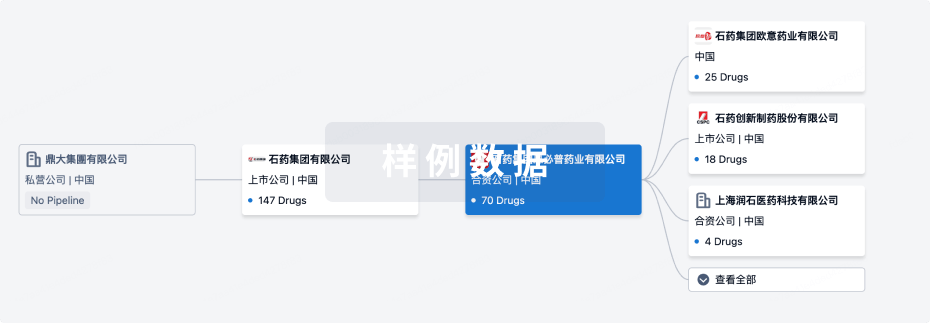
组织架构
使用我们的机构树数据加速您的研究。
登录
或
管线布局
2026年10月21日管线快照
管线布局中药物为当前组织机构及其子机构作为药物机构进行统计,早期临床1期并入临床1期,临床1/2期并入临床2期,临床2/3期并入临床3期
其他
25
登录后查看更多信息
当前项目
登录后查看更多信息
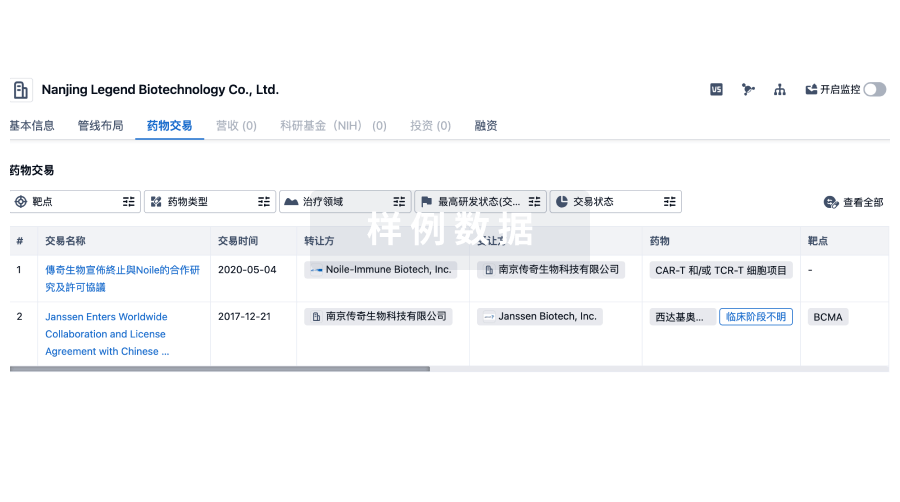
药物交易
使用我们的药物交易数据加速您的研究。
登录
或
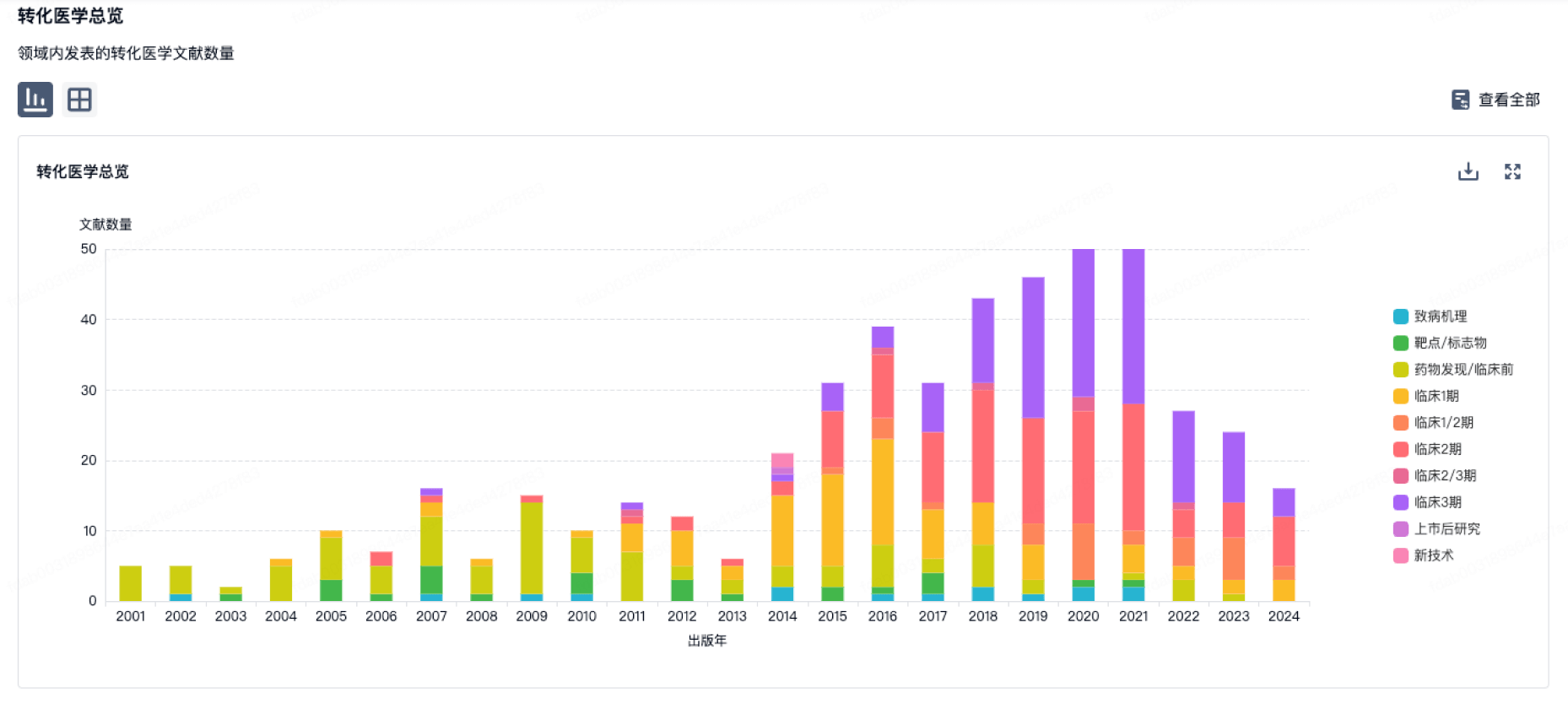
转化医学
使用我们的转化医学数据加速您的研究。
登录
或
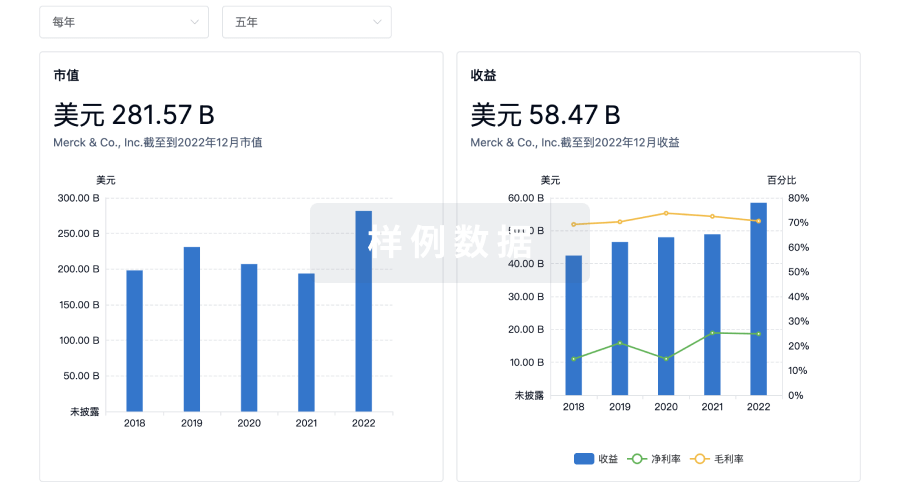
营收
使用 Synapse 探索超过 36 万个组织的财务状况。
登录
或
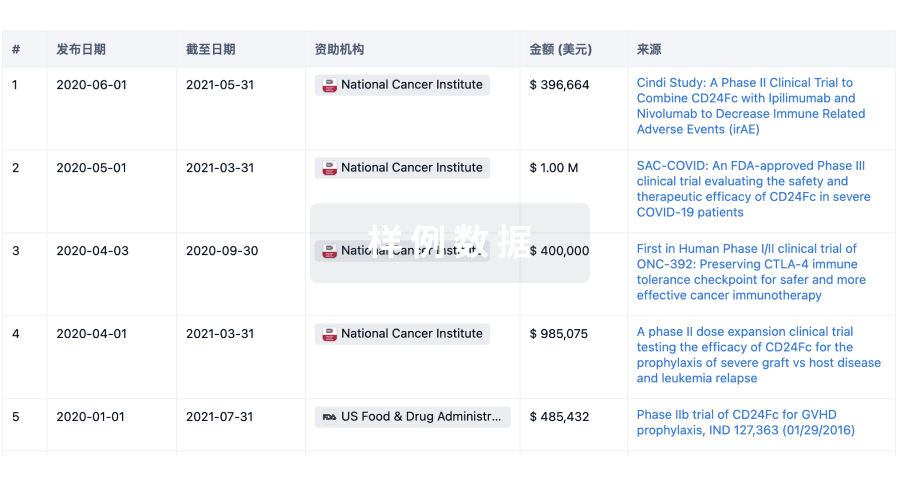
科研基金(NIH)
访问超过 200 万项资助和基金信息,以提升您的研究之旅。
登录
或
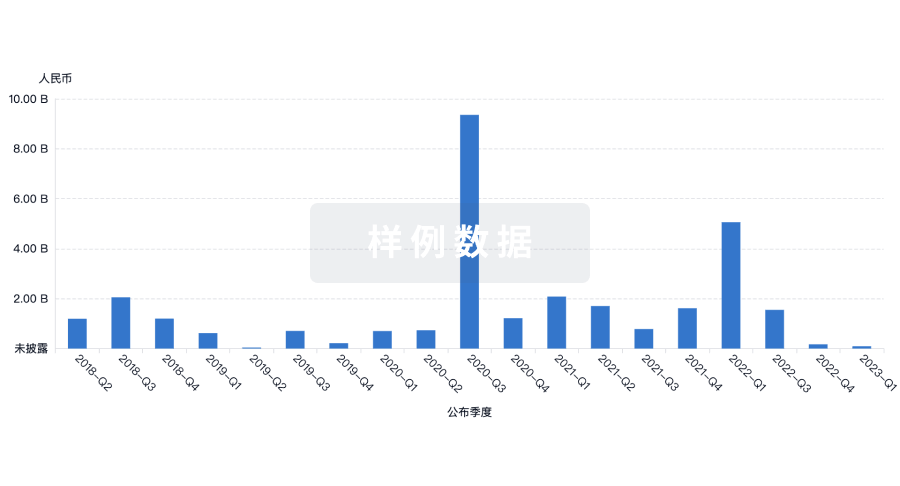
投资
深入了解从初创企业到成熟企业的最新公司投资动态。
登录
或
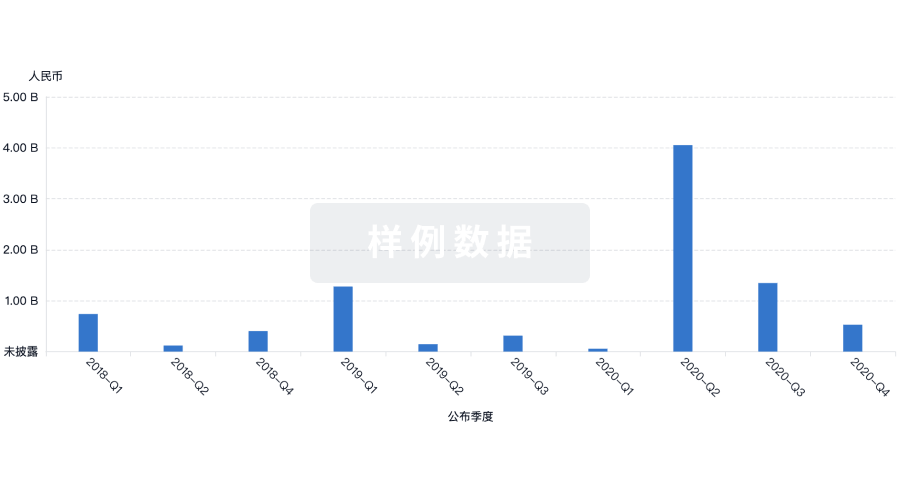
融资
发掘融资趋势以验证和推进您的投资机会。
登录
或
提出任何生物医药研究问题
让每一步生物医药决策都精准制胜
基于十亿级生物数据与全球情报的精准 AI,赋能早期药物发现
立即开始免费试用!
智慧芽新药情报库是智慧芽专为生命科学人士构建的基于AI的创新药情报平台,助您全方位提升您的研发与决策效率。
立即接入生物医药数据包
智慧芽新药库数据也通过智慧芽开放平台,以MCP或API服务形式对外开放。立即使用我们的MCP服务定制您的LLM智能体。
生物序列数据库
生物药研发创新
免费使用
化学结构数据库
小分子化药研发创新
免费使用