预约演示
更新于:2026-01-25

Angel Yeast Co., Ltd.
更新于:2026-01-25
概览
关联
ChiCTR2400091133
Study on the Effects of Yeast Probiotics on Adolescent Mental Health

ACTRN12621000212853
Effect of Yeast protein compared to whey protein and a placebo on muscle mass and performance in an Adult Population – A double blind, randomised controlled trial.
ACTRN12620001285943
Effect of Yeast Beta Glucan (Saccharomyces cerevisiae) compared to a placebo on cold and flu symptoms in an Adult Population – A double blind, randomised controlled trial.
100 项与 安琪酵母股份有限公司 相关的临床结果
登录后查看更多信息
登录后查看更多信息
2025-11-01FOOD CHEMISTRY
Yeast protein as a sustainable fat replacer in reduced-fat mayonnaise: Impact on rheological properties, emulsion stability, and microstructure
Article
作者: Xiong, Jian ; Li, Pei ; He, Yiyuan ; Huang, Qilin ; Ma, Chunlei ; Kong, Yaqiu ; Guo, Ruotong
This study investigated the effects of yeast protein (YP) as a fat replacer on the rheological properties, emulsion stability, and microstructure of reduced-fat mayonnaise. Owing to its favorable structural and functional characteristics-including an ordered and compact molecular structure, high water and oil holding capacities, and excellent emulsifying stability-YP-1 demonstrated outstanding performance as both an emulsifier and stabilizer. At a 40 % replacement level, sensory evaluation indicated acceptable quality. YP-based fat replacement significantly enhanced emulsion stability, with all samples maintaining over 95 % stability without oil-water separation. As the level of YP increased, the mayonnaise exhibited larger droplet sizes and higher viscosity. Thixotropic testing showed that structural recovery improved with increasing YP content, reaching a maximum of 99.12 % at 40 % replacement. Additionally, microstructure illustrated that all mayonnaises existed as emulsion droplets and YP did not change the network structure. None of the samples showed excessive aggregation or flocculation.
2025-09-10Journal of the American Chemical Society
Cyclization Decoded: Engineering Amylomaltase for Efficient α-Glucan Transformations
Article
作者: Zhang, Zhidan ; Zong, Zhiyou ; Mazurkewich, Scott ; Shang, Tianwen ; Sun, Yuanxia ; Hu, Junpeng ; Yin, Yulong ; Larsbrink, Johan ; Chipot, Christophe ; Zhang, Dongyuan ; Wang, Leli ; Luo, Xuegang ; Liu, Han ; Cai, Tao
α-Glucan, broadly distributed in nature or produced artificially by biotransformation, is fundamental to life. Amylomaltases (AMs) can modulate the biochemical properties of α-glucan through a distinctive cyclization feature to form α-1,4-glucoside-linked large-ring polysaccharides (cycloamyloses; CAs), endowing α-glucan with significant health benefits and medical value. While the industrial application of CAs continues to progress, the mechanistic intricacies of the cyclization process─and its nuanced interplay with hydrolysis─remain only partially understood. Here, we harness large-scale computations in synergy with biochemical experiments to unravel, at atomic resolution, the full covalent and noncovalent catalytic mechanism of AMs, revealing that cyclization (12.8 kcal/mol) outcompetes hydrolysis (17.5 kcal/mol) as the dominant pathway. Furthermore, we identify that postglycosylation noncovalent polysaccharide chain transfer emerges as the decisive factor in cyclization, particularly for AM-degree of polymerization (DP) greater than 30 substrate complexes, where this noncovalent step (≥13.6 kcal/mol) dictates the rate of CA production. 57 variants with enhanced activity (up to a 2.3-fold increase) were engineered in our biochemical experiments by strategically modulating the chain transfer step. Enzyme kinetics results suggest that the improvement in enzyme performance largely stems from the decrease in enzyme-substrate affinity along the substrate transfer pathway. Additionally, through mass spectrometry, CAs with DP ranging from 22 to 61 were detected, confirming our theoretical results. We also quantify the kinetic competitive balance between cyclization and hydrolysis, providing clear engineering blueprints for the AM family. This work delivers a systematic, molecular-level understanding of CA biosynthesis from an industrial-performance perspective, paving the way for next-generation CA innovations.
2025-09-01FOOD CHEMISTRY
Oil-water interface behavior of tea polysaccharide-egg white protein nanoparticles and characterization of bigels
Article
作者: Huang, Jingjing ; Wu, Yexu ; Chen, Yue ; Chen, Xiaoqiang
The O/W interface behavior of tea polysaccharide conjugate-egg white protein (TPC/EWP) nanoparticles was investigated and a bigel system was constructed. The results showed that TPC/EWP nanoparticles with better storage and thermal stability were successfully prepared, in which the mass ratio of tea polysaccharide conjugate to egg white protein of 3:1 helped to enhance the diffusion, penetration and rearrangement processes. To make O/W interfacial layer had higher viscoelasticity and expansion modulus. The nanoparticle-based bigel exhibited fine texture and was not easy to flow. In addition, the tight gel network endowed the bigels with strong rheological properties and stability. These results establish a theoretical foundation for further investigation into O/W interface behavior of TPC/EWP nanoparticles. The bigels' excellent gel properties and stability provide a new direction for applying the bigel as a novel food in the food field.
100 项与 安琪酵母股份有限公司 相关的药物交易
登录后查看更多信息
100 项与 安琪酵母股份有限公司 相关的转化医学
登录后查看更多信息
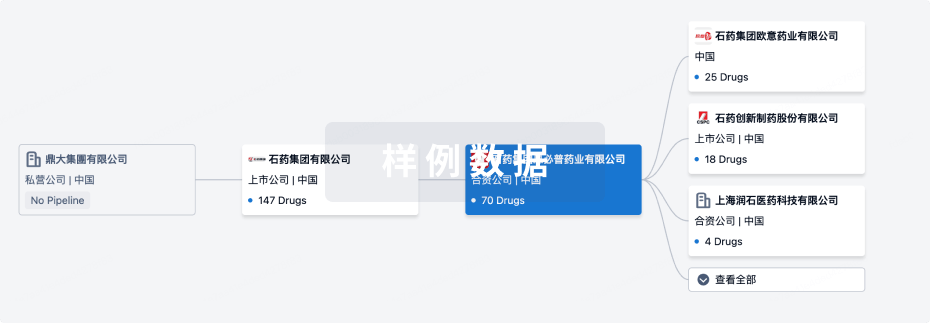
组织架构
使用我们的机构树数据加速您的研究。
登录
或
管线布局
2026年02月09日管线快照
无数据报导
登录后保持更新
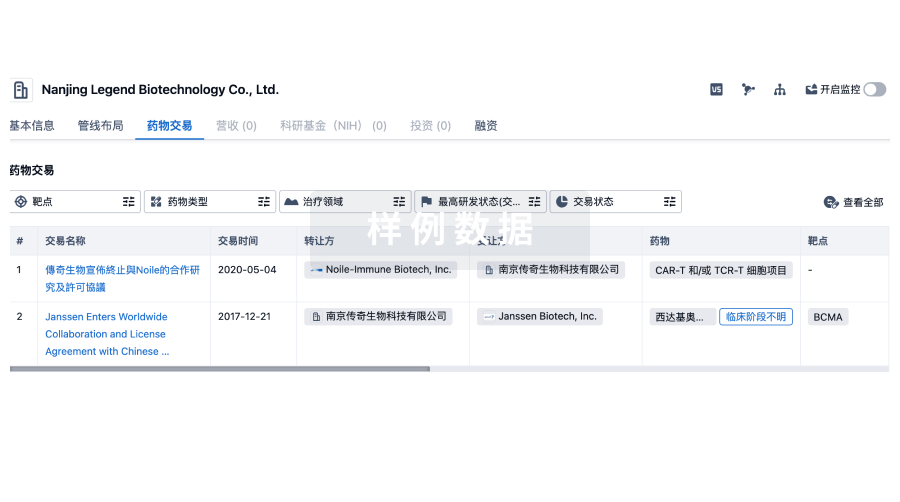
药物交易
使用我们的药物交易数据加速您的研究。
登录
或
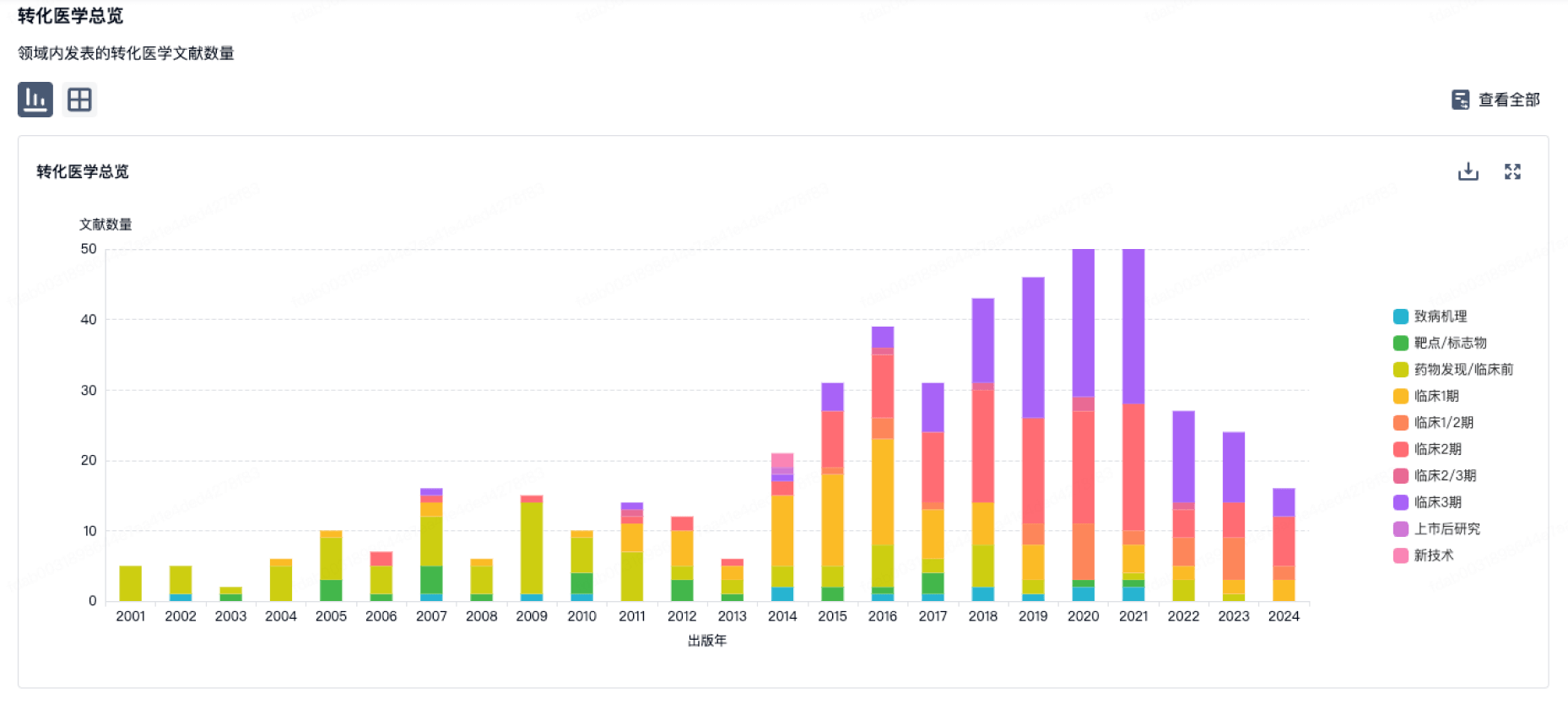
转化医学
使用我们的转化医学数据加速您的研究。
登录
或
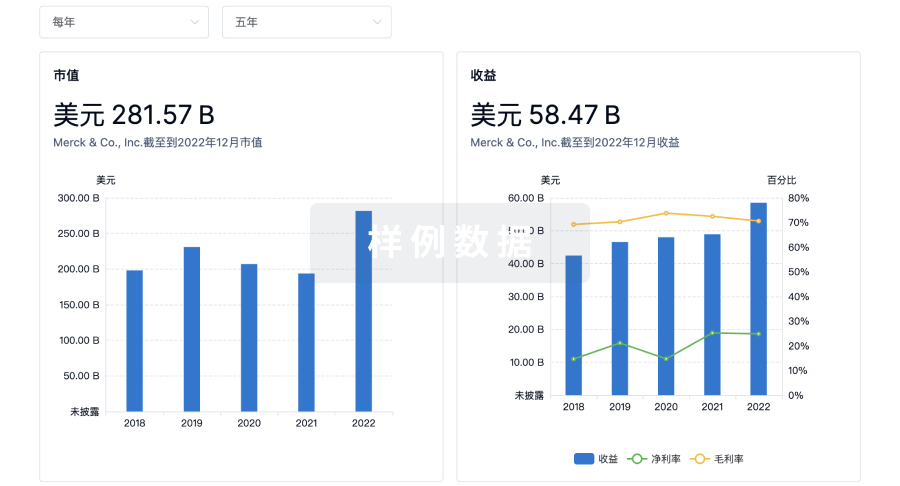
营收
使用 Synapse 探索超过 36 万个组织的财务状况。
登录
或
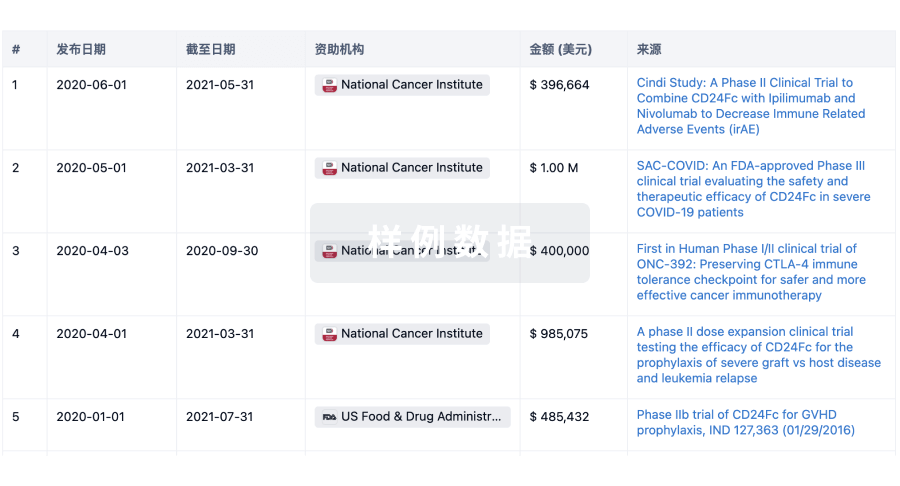
科研基金(NIH)
访问超过 200 万项资助和基金信息,以提升您的研究之旅。
登录
或
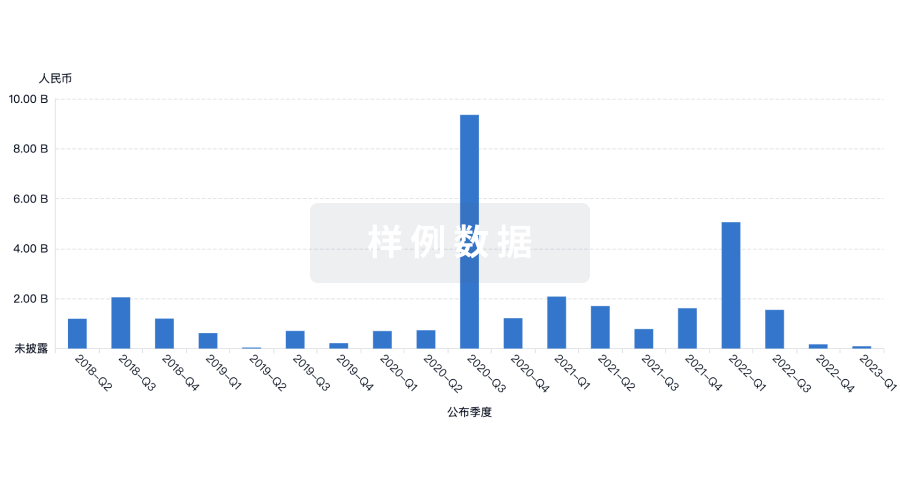
投资
深入了解从初创企业到成熟企业的最新公司投资动态。
登录
或
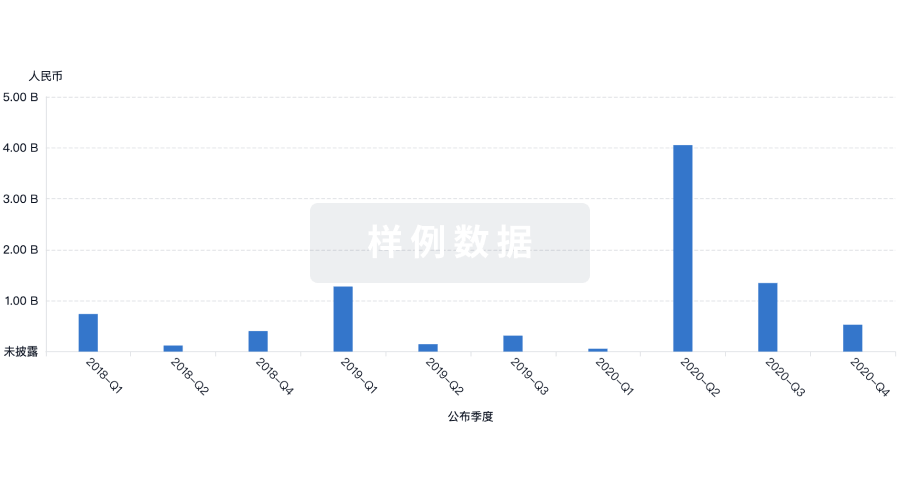
融资
发掘融资趋势以验证和推进您的投资机会。
登录
或
生物医药百科问答
全新生物医药AI Agent 覆盖科研全链路,让突破性发现快人一步
立即开始免费试用!
智慧芽新药情报库是智慧芽专为生命科学人士构建的基于AI的创新药情报平台,助您全方位提升您的研发与决策效率。
立即开始数据试用!
智慧芽新药库数据也通过智慧芽数据服务平台,以API或者数据包形式对外开放,助您更加充分利用智慧芽新药情报信息。
生物序列数据库
生物药研发创新
免费使用
化学结构数据库
小分子化药研发创新
免费使用