预约演示
更新于:2025-12-15
Guangdong Qianhui Biotechnology Co., Ltd.
广东乾晖生物科技有限公司|私营公司|2011|中国广东省|
10-50
广东乾晖生物科技有限公司|私营公司|2011|中国广东省|
10-50
更新于:2025-12-15
概览
标签
消化系统疾病
其他疾病
间充质干细胞疗法
疾病领域得分
一眼洞穿机构专注的疾病领域

暂无数据
技术平台
公司药物应用最多的技术
靶点
公司最常开发的靶点
暂无数据
关联
靶点 |
作用机制 |
在研机构 |
原研机构 |
在研适应症 |
非在研适应症 |
最高研发阶段 |
首次获批国家/地区 |
首次获批日期 |
CTR20251067
一项评价组合型生物人工肝治疗仪 OH-1A 联合血液净化用间充质干细胞(体外)救治慢加急性肝衰竭安全性和有效性的治疗时间和次数探索Ⅰ期临床试验
NCT06996392
Phase I Trial of QH-1A Hybrid Bio-Artificial Liver With Ex Vivo Blood-Purifying MSCs in Acute-on-Chronic Liver Failure: Safety, Efficacy, and Treatment Schedule Exploration

100 项与 广东乾晖生物科技有限公司 相关的临床结果
登录后查看更多信息
登录后查看更多信息
2025-10-01Materials Today Bio
A sprayable exosome-loaded hydrogel with controlled release and multifunctional synergistic effects for diabetic wound healing
Article
作者: Xiao, Zhenyong ; Qi, Xiangdong ; Huang, Chaoyang ; Liang, Kangyan ; Liu, Xiaoyang ; Liu, Bo ; Liu, Kun ; Xie, Xiangtao ; Chen, Yanqi ; Zhou, Hai ; Zhang, HuiHui ; Gao, Yi ; Chen, Lianglong
Diabetic wound healing is hindered by bacterial infections, oxidative stress, impaired vascularization, and chronic inflammation. Conventional dressings, limited by static drug release and single-functionality, fail to dynamically match the varying demands of different healing stages and dressing replacement frequencies. This study developed a multifunctional sprayable hydrogel dressing (Exo@AMCN) by photocrosslinking methacrylated decellularized dermal matrix co-loaded with human umbilical cord mesenchymal stem cell-derived exosomes (hUCMSC-Exo) and β-cyclodextrin-borneol inclusion complexes (CN). The hydrogel can be sprayed onto irregularly shaped wounds, with its crosslinking density and degradation kinetics precisely modulated by adjusting the photocuring duration. This tunability enables controlled release of exosomes and borneol over 2-7 days. Experimental findings demonstrate that Exo@AMCN displays excellent biocompatibility, broad-spectrum antibacterial activity (>85 % efficacy), and robust reactive oxygen species scavenging capacity. The dressing significantly boosts cell migration, fosters angiogenesis, and prompts macrophage polarization toward anti-inflammatory phenotypes. In a diabetic wound model, Exo@AMCN reduced residual wound area to 1.07 ± 1.27 % within 14 days by modulating tissue inflammation, enhancing collagen deposition, and stimulating neovascularization. This innovative approach, combining controlled drug release with multifunctional synergy, offers a promising individualized solution for managing diabetic wounds.
2021-01-01Theranostics1区 · 医学
Fiber scaffold bioartificial liver therapy relieves acute liver failure and extrahepatic organ injury in pigs
1区 · 医学
ArticleOA
作者: Liu, Shusong ; Cai, Lei ; Feng, Lei ; Liang, Kangyan ; Zeng, Min ; Gao, Yi ; Zeng, Fanhong ; Weng, Jun ; Zhang, Yue ; Fu, Gongbo ; Li, Shao ; Han, Xu
Rationale: Acute liver failure (ALF) causes severe liver injury and a systemic inflammatory response, leading to multiorgan failure with a high short-term mortality. Bioartificial liver (BAL) therapy is a promising approach that is hampered by the lack of appropriate bioreactors and carriers to retain hepatic cell function and poor understanding of BAL treatment mechanisms in ALF and extrahepatic organ injury. Recently, we used a fiber scaffold bioreactor (FSB) for the high-density, three-dimensional (3D) culture of primary porcine hepatocytes (PPHs) combined with an absorption component to construct a BAL and verified its function in a D-galactosamine (D-gal)-induced ALF porcine model to evaluate its protective effects on the liver and extrahepatic organs. Methods: Male pigs were randomized into standard/supportive therapy (ST), ST+no-cell BAL (ST+Sham BAL) and ST+BAL groups and received treatment 48 h after receiving a D-gal injection. Changes in blood chemistry and clinical symptoms were monitored for 120 h. Tissues and plasma were collected for analysis by pathological examination, immunoblotting, quantitative PCR and immunoassays. Results: PPHs cultured in the FSB obtained sufficient aeration and nutrition for high-density, 3D culture and maintained superior viability and functionality (biosynthesis and detoxification) compared with those cultured in flasks. All the animals developed ALF, acute kidney injury (AKI) and hepatic encephalopathy (HE) 48 h after D-gal infusion and received corresponding therapies. Animals in the BAL group showed markedly improved survival (4/5; 80%) compared with those in the ST+Sham BAL (0/5; p < 0.001) and ST (0/5; p < 0.001) groups. The levels of blood ammonia and biochemical and inflammatory indices were alleviated after BAL treatment. Increased liver regeneration and attenuations in the occurrence and severity of ALF, AKI and HE were observed in the ST+BAL group compared with the ST (p = 0.0009; p = 0.038) and ST+Sham BAL (p = 0.011; p = 0.031) groups. Gut leakage, the plasma endotoxin level, bacterial translocation, and peripheral and neuroinflammation were alleviated in the ST+BAL group compared with those in the other groups. Conclusions: BAL treatment enhanced liver regeneration and alleviated the systemic inflammatory response and extrahepatic organ injury to prolong survival in the ALF model and has potential as a therapeutic approach for ALF patients.
100 项与 广东乾晖生物科技有限公司 相关的药物交易
登录后查看更多信息
100 项与 广东乾晖生物科技有限公司 相关的转化医学
登录后查看更多信息
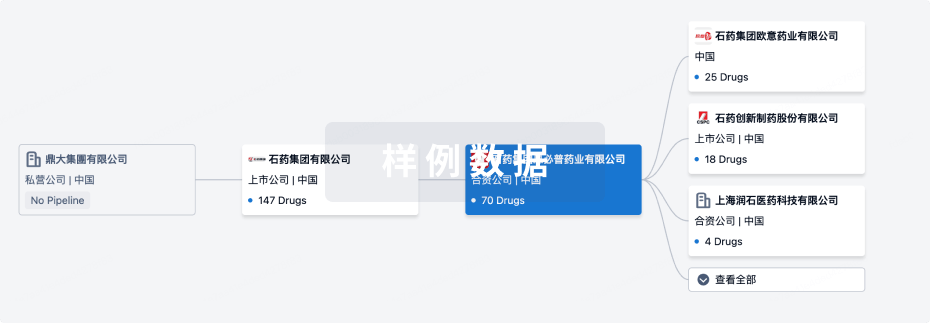
组织架构
使用我们的机构树数据加速您的研究。
登录
或
管线布局
2026年04月04日管线快照
管线布局中药物为当前组织机构及其子机构作为药物机构进行统计,早期临床1期并入临床1期,临床1/2期并入临床2期,临床2/3期并入临床3期
临床1期
1
登录后查看更多信息
当前项目
登录后查看更多信息
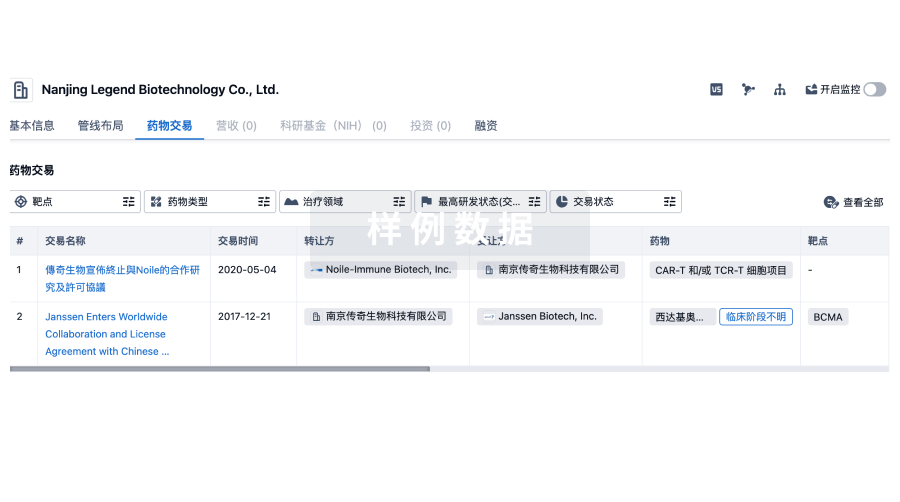
药物交易
使用我们的药物交易数据加速您的研究。
登录
或
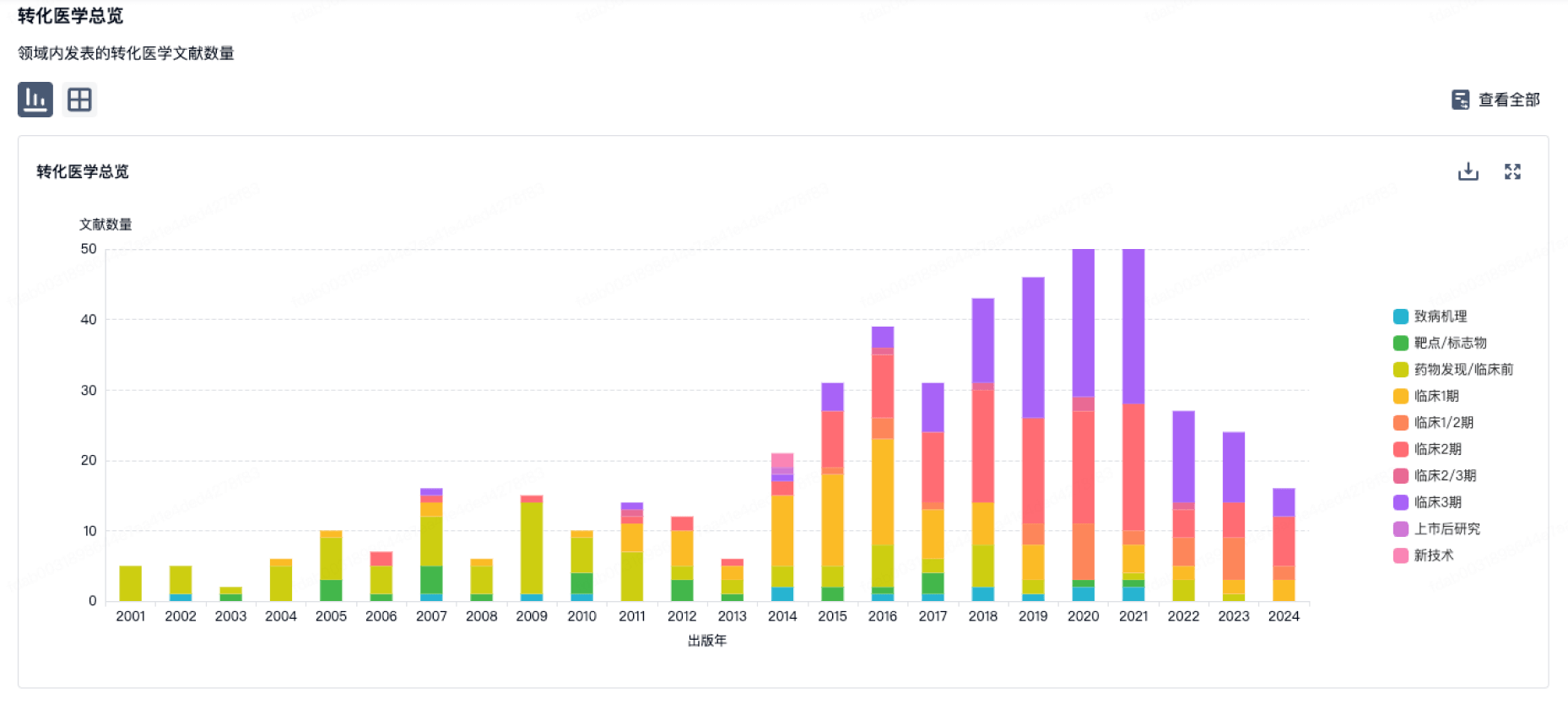
转化医学
使用我们的转化医学数据加速您的研究。
登录
或
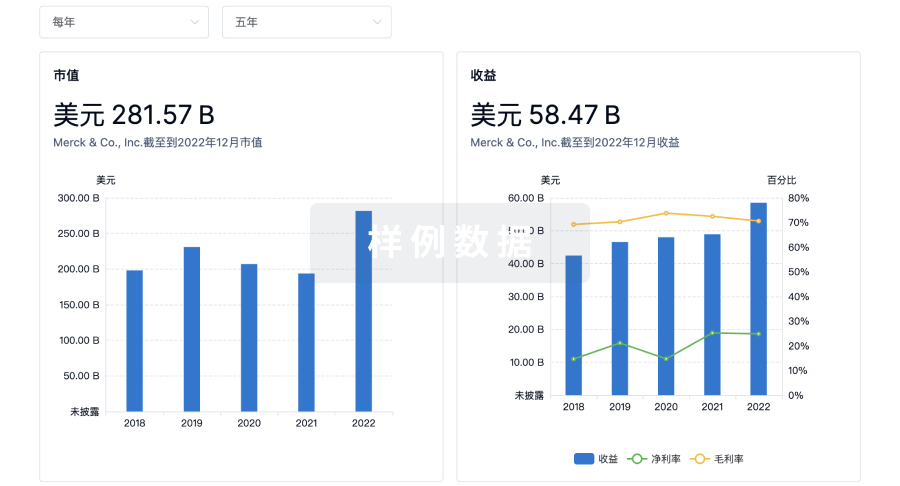
营收
使用 Synapse 探索超过 36 万个组织的财务状况。
登录
或
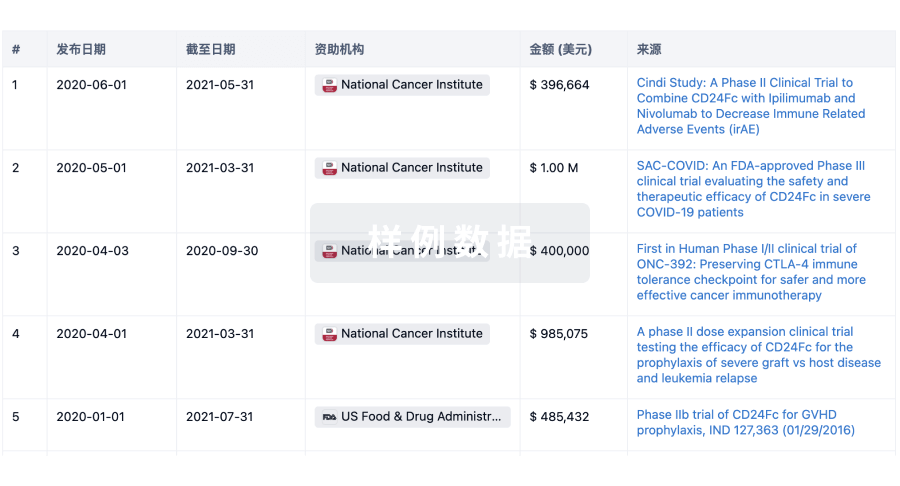
科研基金(NIH)
访问超过 200 万项资助和基金信息,以提升您的研究之旅。
登录
或
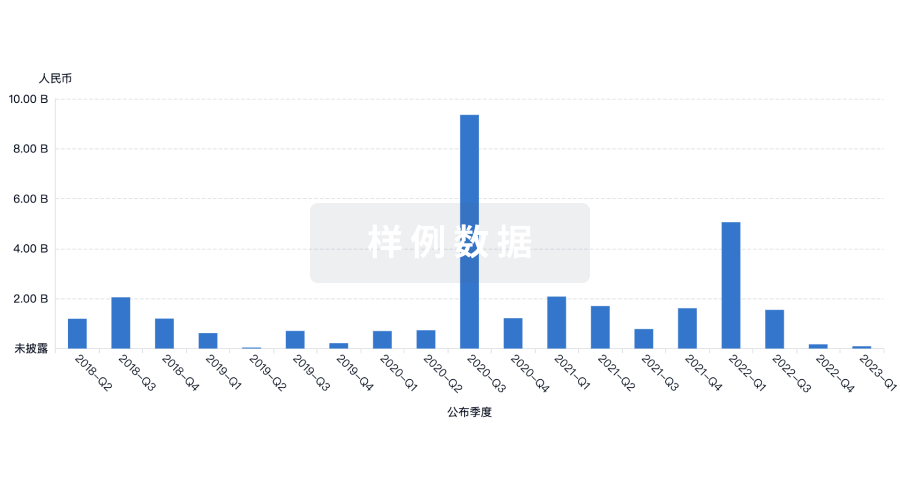
投资
深入了解从初创企业到成熟企业的最新公司投资动态。
登录
或
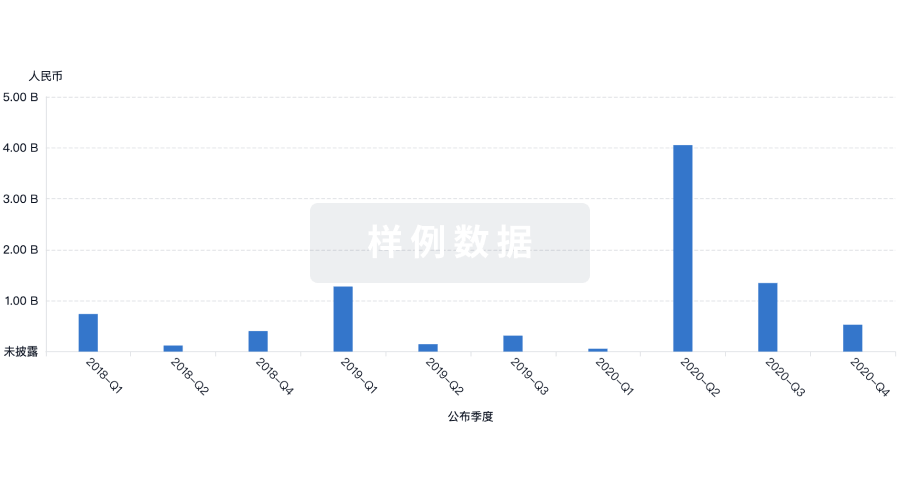
融资
发掘融资趋势以验证和推进您的投资机会。
登录
或
生物医药百科问答
全新生物医药AI Agent 覆盖科研全链路,让突破性发现快人一步
立即开始免费试用!
智慧芽新药情报库是智慧芽专为生命科学人士构建的基于AI的创新药情报平台,助您全方位提升您的研发与决策效率。
立即开始数据试用!
智慧芽新药库数据也通过智慧芽数据服务平台,以API或者数据包形式对外开放,助您更加充分利用智慧芽新药情报信息。
生物序列数据库
生物药研发创新
免费使用
化学结构数据库
小分子化药研发创新
免费使用